01Cenozoic
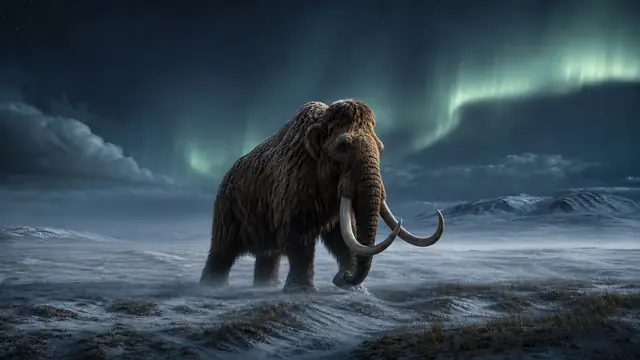
Woolly Mammoth
Mammuthus primigenius
They lived not on endless ice, but in a wind-shaped grassland ecosystem.
LIFE ARCHIVE
Browse extinct life from traces nearly 1.9 billion years old to historically recorded extinctions.
Mammuthus primigenius
They lived not on endless ice, but in a wind-shaped grassland ecosystem.
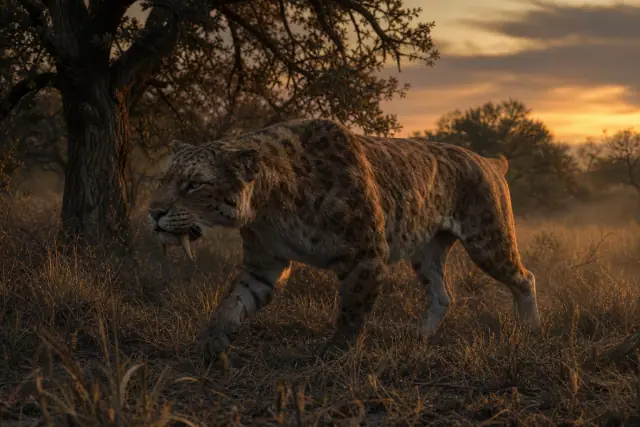
Smilodon fatalis
Its enormous canines were only part of the weapon; the real power lay in exceptionally strong forelimbs.
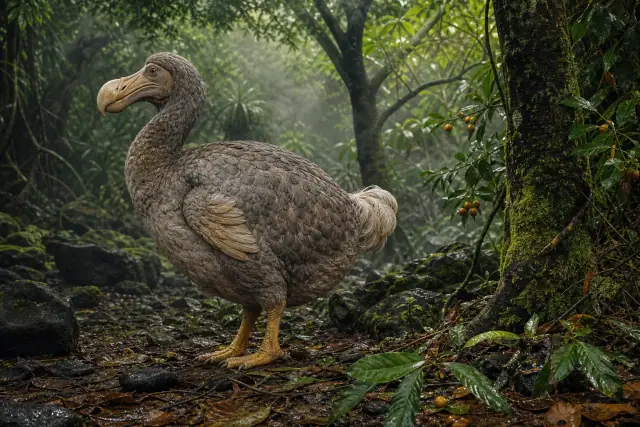
Raphus cucullatus
A flightless Mauritian pigeon, about 70 cm tall and typically estimated at 10–14 kg. Compare its size, surviving evidence and extinction history.
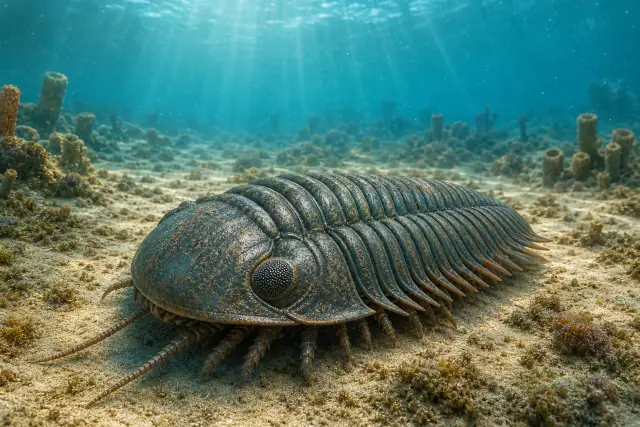
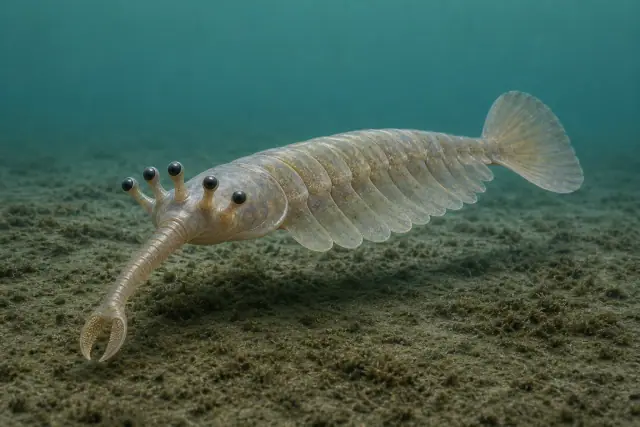
Trilobita
They occupied seafloors for nearly 300 million years, and their compound eyes preserve secrets of early vision.
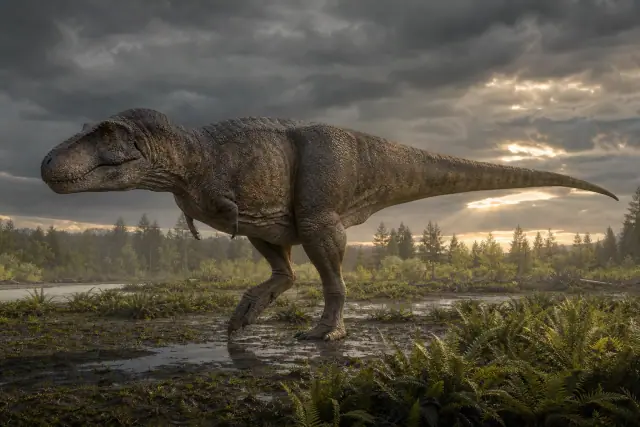
Tyrannosaurus rex
A deep skull, bone-crushing bite and keen senses made it one of the last giant theropods.
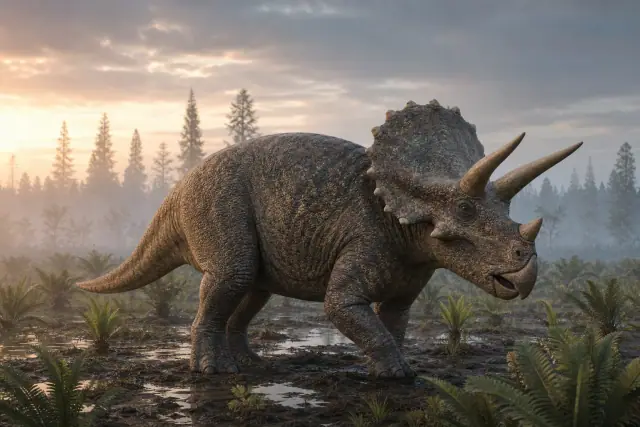
Triceratops horridus
Triceratops ate plants, clipping vegetation with its beak and slicing it with dental batteries. Fossils reveal feeding mechanics more clearly than a precise plant menu.
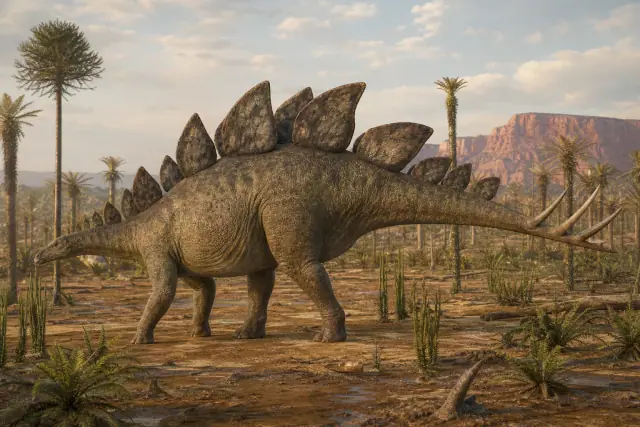
Stegosaurus stenops
Tall back plates and a four-spiked tail made this low-browsing herbivore unmistakable.
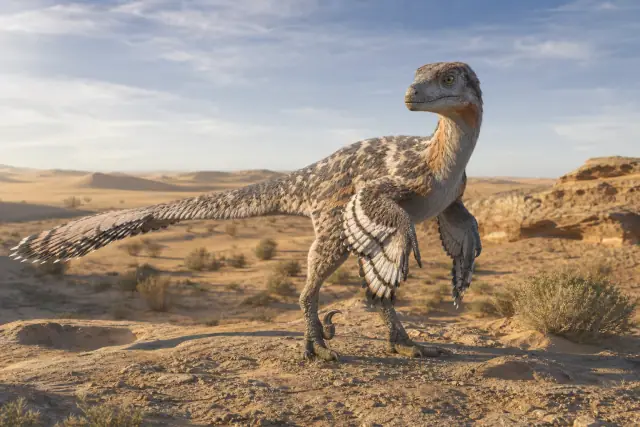
Velociraptor mongoliensis
This turkey-sized feathered predator carried a raised sickle claw on each foot.
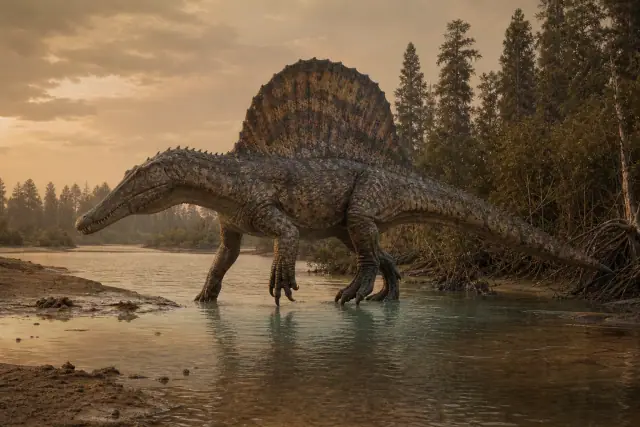
Spinosaurus aegyptiacus
A sail-backed predator with dense bones and a paddle-like tail, adapted to life around water.
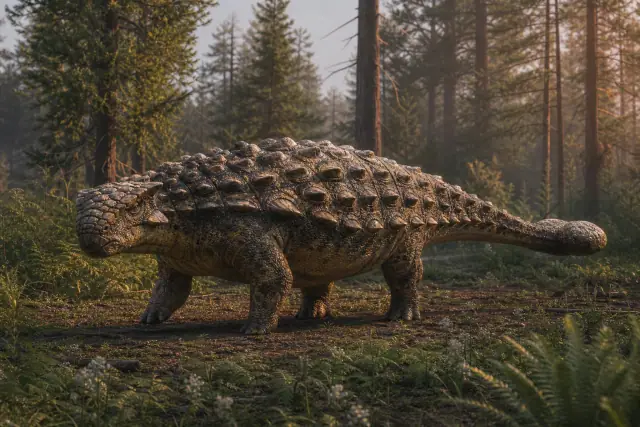
Ankylosaurus magniventris
Body armor and a heavy tail club turned a plant-eater into a walking fortress.
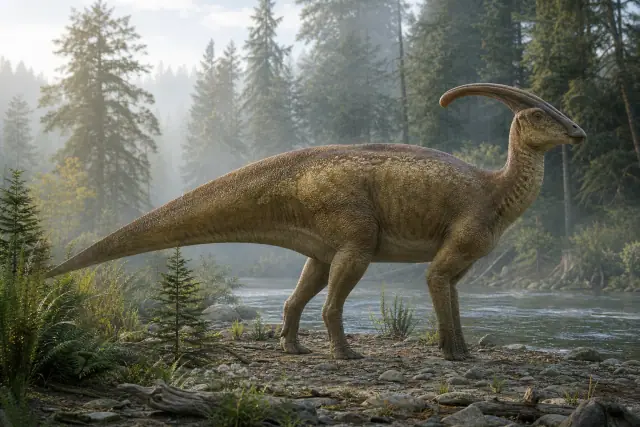
Parasaurolophus walkeri
Its long hollow crest may have carried low calls across forests and floodplains.
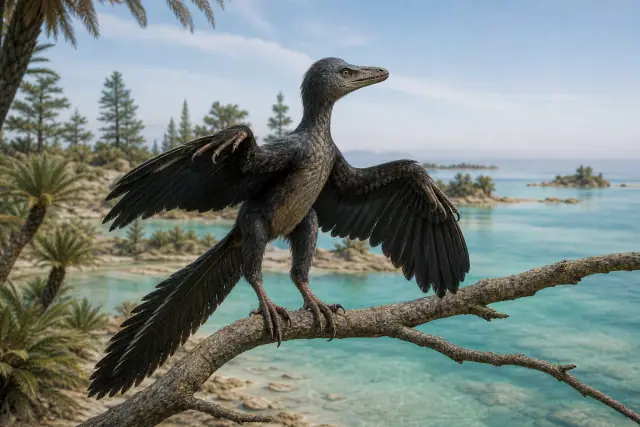
Archaeopteryx lithographica
Feathers, wings, teeth and a long bony tail capture a mosaic of dinosaur and bird traits.
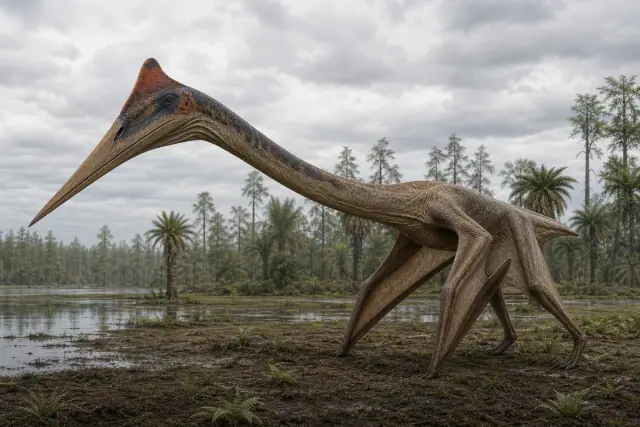
Quetzalcoatlus northropi
One of the largest known flying animals stood as tall as a giraffe on the ground.
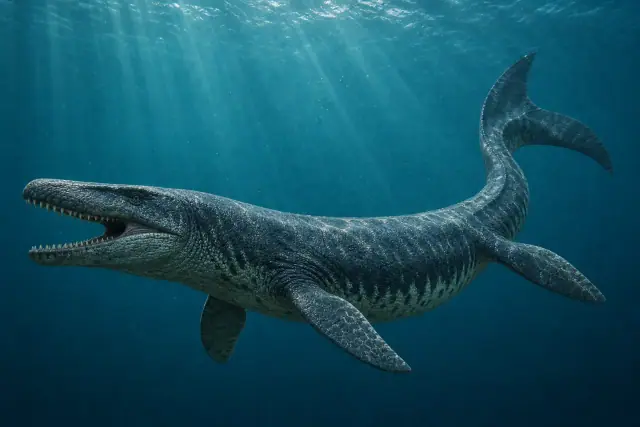
Mosasaurus hoffmannii
A giant marine lizard propelled by a deep tail fin patrolled Late Cretaceous seas.
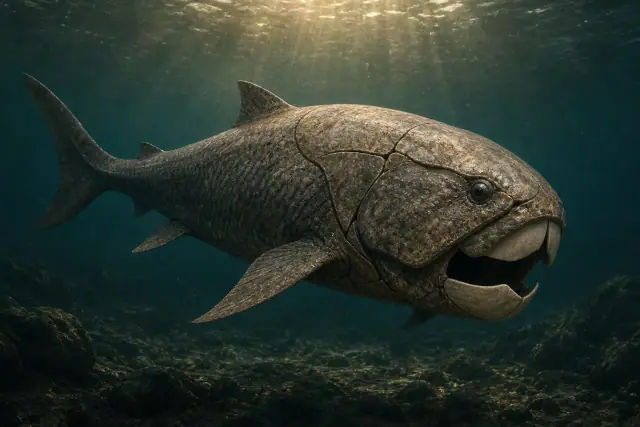
Dunkleosteus terrelli
Sharpened jaw plates replaced teeth in this heavily armored apex fish.
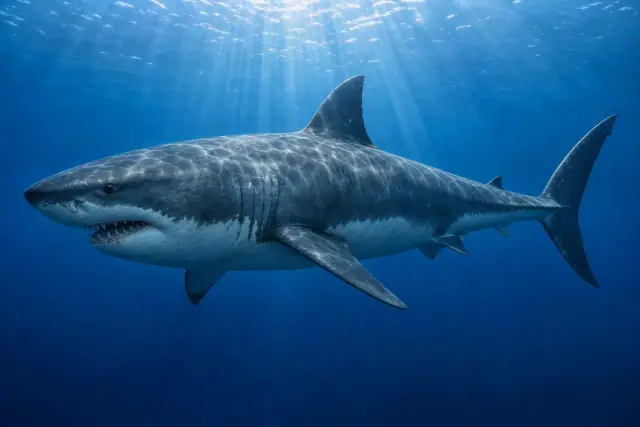
Otodus megalodon
Its hand-sized teeth belonged to a giant shark specialized in hunting marine mammals.
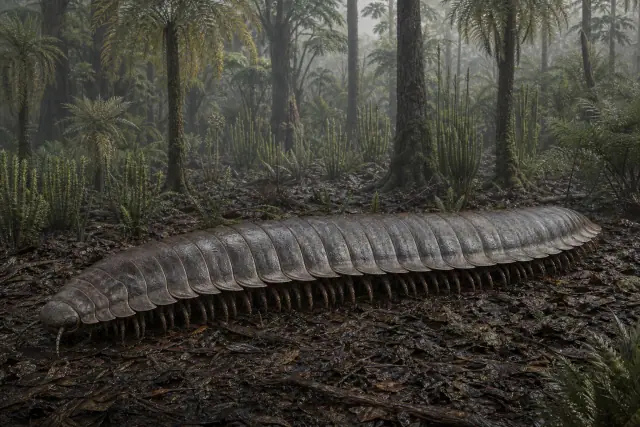
Arthropleura armata
This many-segmented arthropod grew longer than a person in coal-swamp forests.
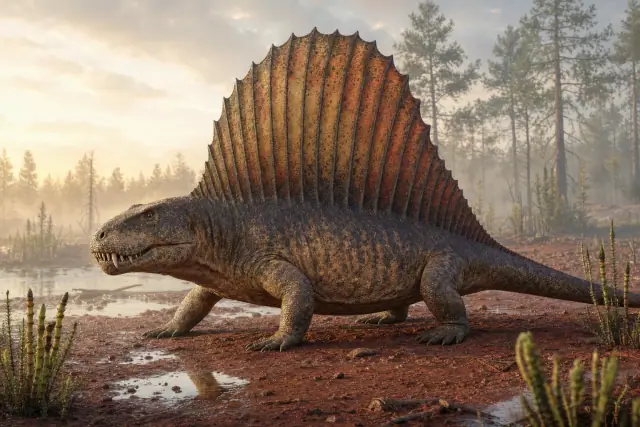
Dimetrodon grandis
This sail-backed predator was closer to mammals than to dinosaurs.
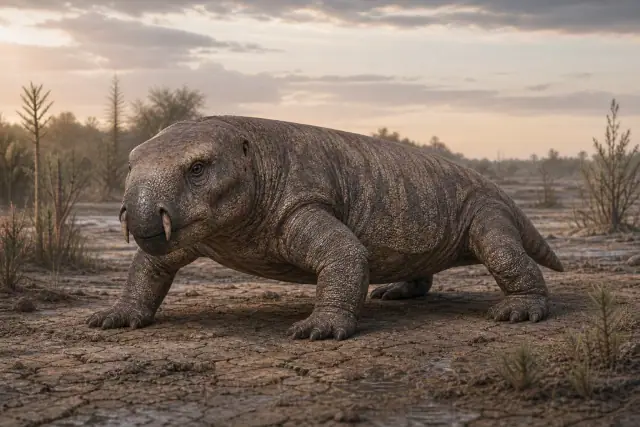
Lystrosaurus murrayi
A beaked, tusked survivor became extraordinarily common after Earth’s greatest mass extinction.
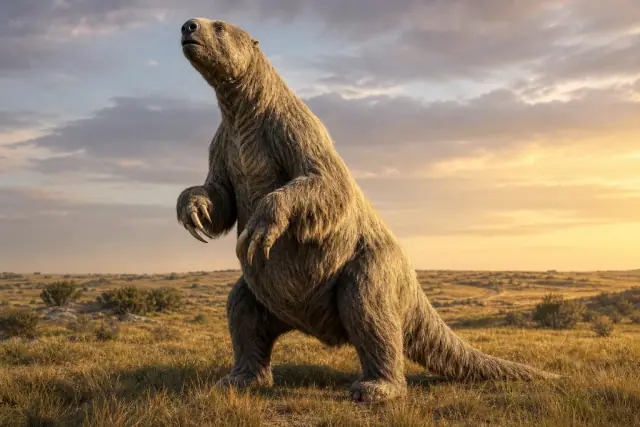
Megatherium americanum
Standing on its hind legs, this elephant-sized sloth could reach high branches with huge claws.
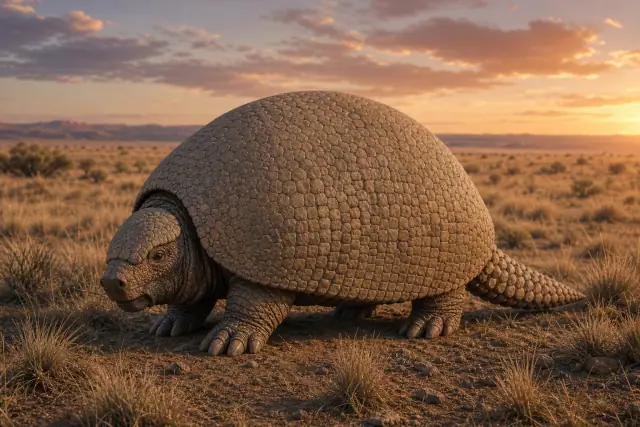
Glyptodon clavipes
A domed shell of fused armor protected this car-sized relative of armadillos.
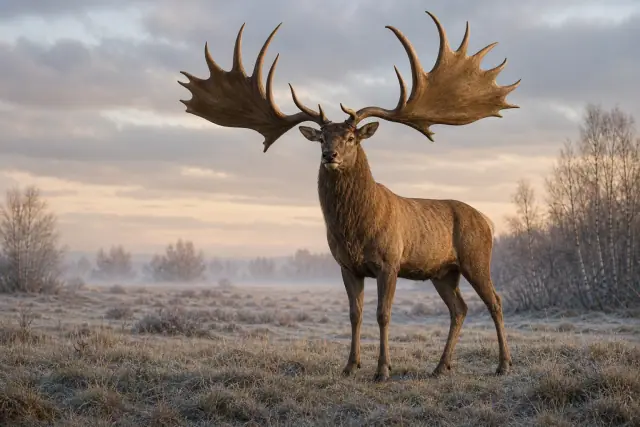
Megaloceros giganteus
The largest deer antlers known were seasonal structures for display and competition.
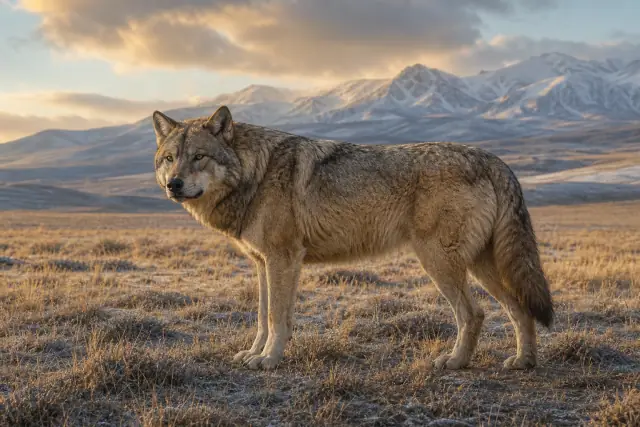
Aenocyon dirus
A heavy-jawed canid hunted the large herbivores of Ice Age America.
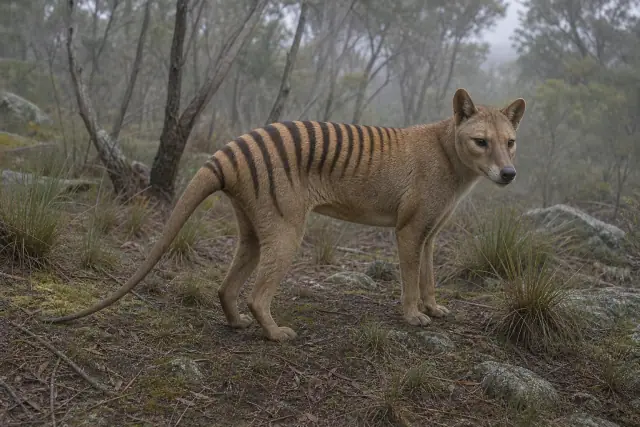
Thylacinus cynocephalus
Australia’s striped marsupial predator survived longest in Tasmania.
Explore the atlas by continent, country and state. Follow fossil localities into regional guides, compare animals across time and return to the evidence in each species profile.
FIELD GUIDES
Giants, strange body plans and lives within human memory. Follow a question into the atlas, then explore the animals behind it.