03Recently extinct
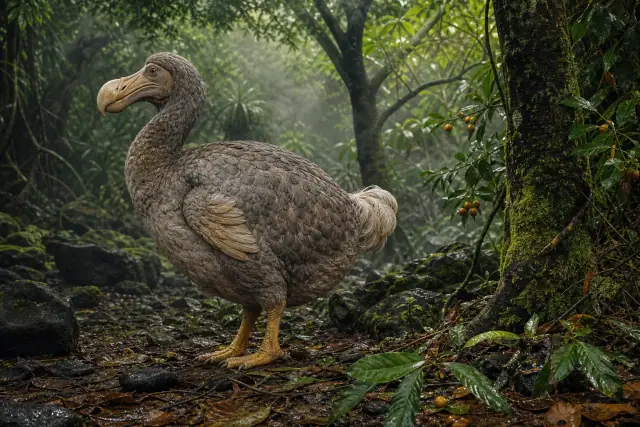
Dodo
Raphus cucullatus
A flightless Mauritian pigeon, about 70 cm tall and typically estimated at 10–14 kg. Compare its size, surviving evidence and extinction history.
 EXTINCT ATLASEXTINCT LIFE ARCHIVE
Category
Connect feathered dinosaurs, early birds and recently vanished island birds.
01 / ANSWER FIRST
Extinct birds and feathered dinosaurs document the assembly of feathers, wings, flight and the repeated loss of flight on islands.
02 / TIME & EVOLUTION
Feathered theropods and early birds appear in the Jurassic, crown-bird lineages expand after the end-Cretaceous extinction, and many island species vanish in historical time.
03 / TURNOVER & EXTINCTION
Asteroid aftermath, climate and especially recent hunting, introduced predators and habitat loss shaped bird extinctions.
04 / KEY THEMES
Fossils test several stages between feathered runners and powered fliers.
Moa, elephant birds and terror birds evolved on different continents.
Small ranges and unfamiliar predators made many island birds vulnerable.
05 / EVIDENCE
Feather impressions, hollow bones, eggs, nests, stomach contents, ancient DNA and museum skins connect deep time to recorded history.
06 / FAQ
Extinct birds and feathered dinosaurs document the assembly of feathers, wings, flight and the repeated loss of flight on islands.
Feather impressions, hollow bones, eggs, nests, stomach contents, ancient DNA and museum skins connect deep time to recorded history.
Asteroid aftermath, climate and especially recent hunting, introduced predators and habitat loss shaped bird extinctions.
07 / SOURCES
Raphus cucullatus
A flightless Mauritian pigeon, about 70 cm tall and typically estimated at 10–14 kg. Compare its size, surviving evidence and extinction history.
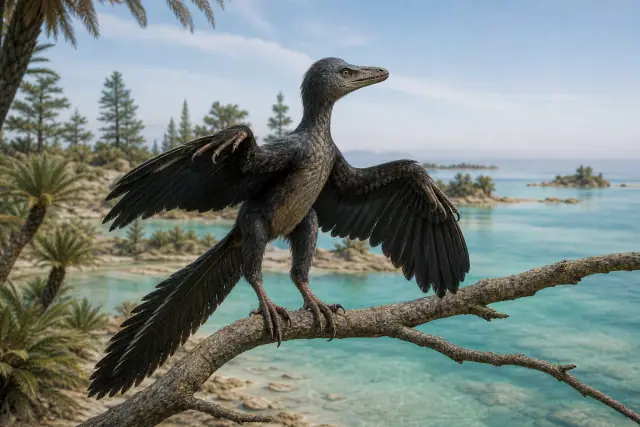
Archaeopteryx lithographica
Feathers, wings, teeth and a long bony tail capture a mosaic of dinosaur and bird traits.
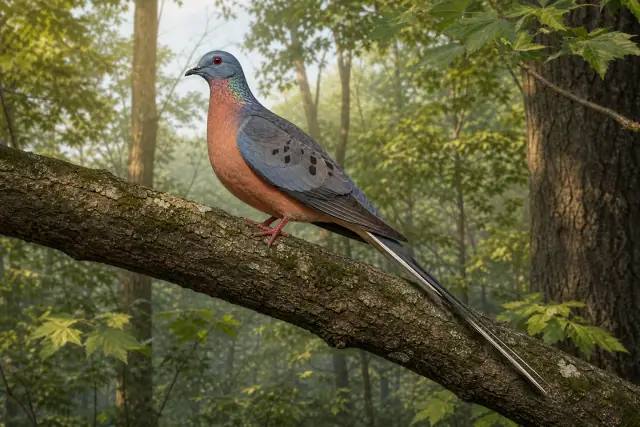
Ectopistes migratorius
Flocks once darkened the sky, yet abundance could not protect a species dependent on immense colonies.
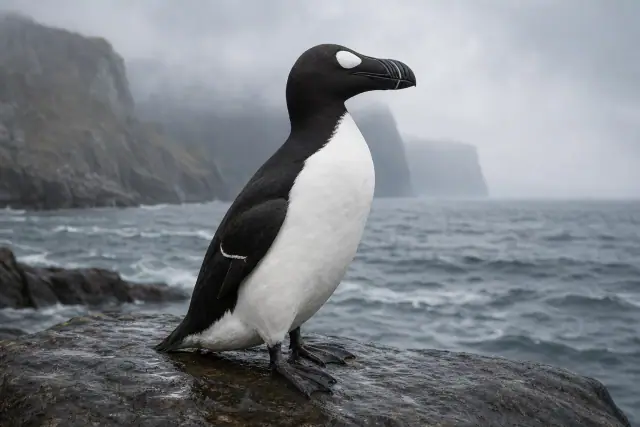
Pinguinus impennis
This flightless North Atlantic seabird used its wings as powerful underwater paddles.
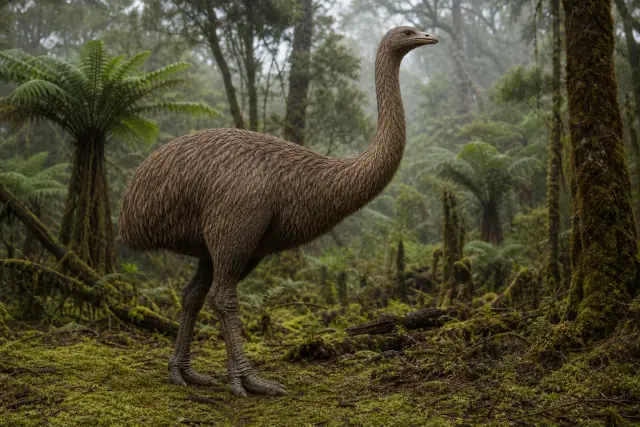
Dinornis robustus
One of the tallest birds ever known browsed forests without wings of any kind.
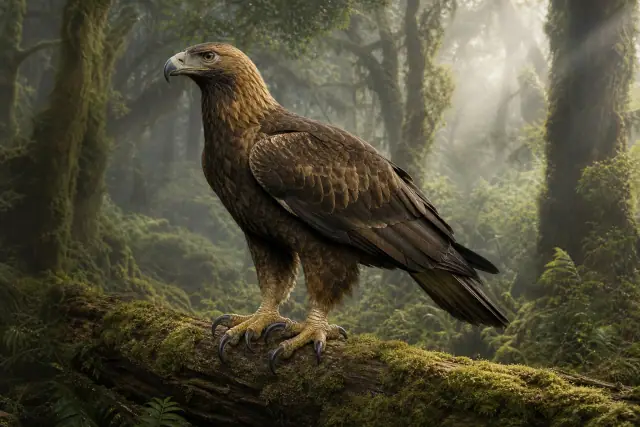
Hieraaetus moorei
The largest known eagle evolved to strike moa many times its own weight.
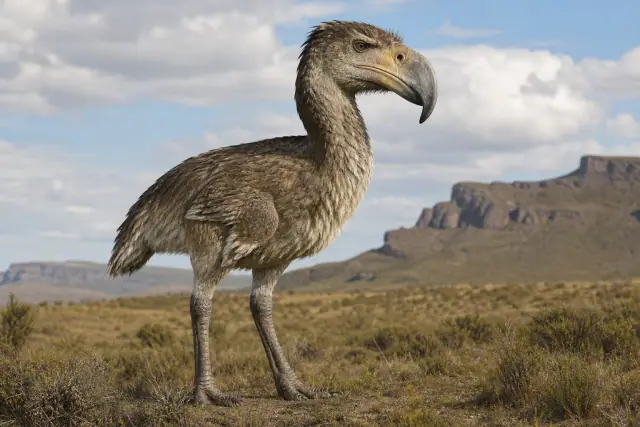
Phorusrhacos longissimus
A tall flightless predator used a deep hooked beak to strike prey on the ground.
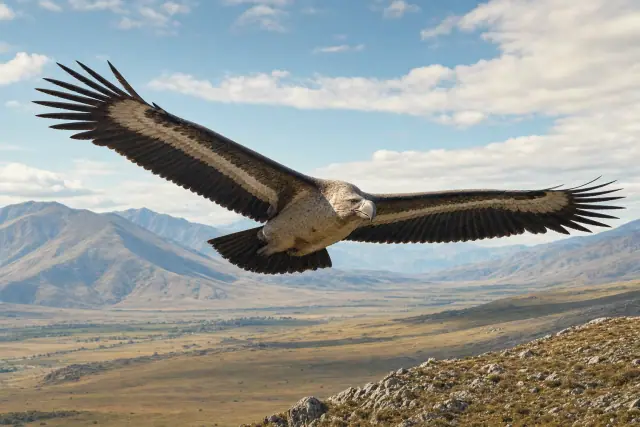
Argentavis magnificens
Argentavis magnificens was a giant bird from Late Miocene Argentina. Its flight is reconstructed from incomplete fossils and aerodynamic models, not observations of a living bird.
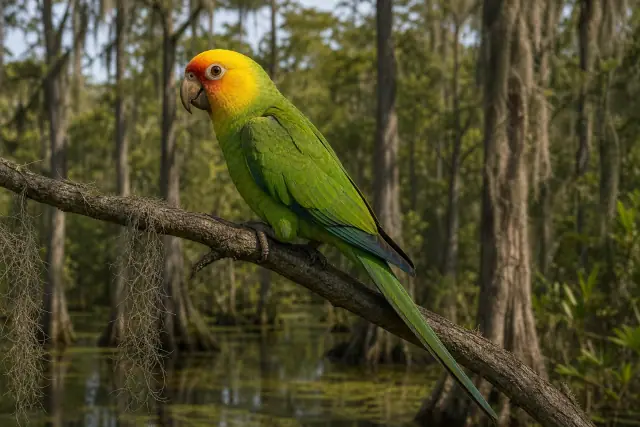
Conuropsis carolinensis
Bright green flocks once made this the only parrot native to the eastern United States.
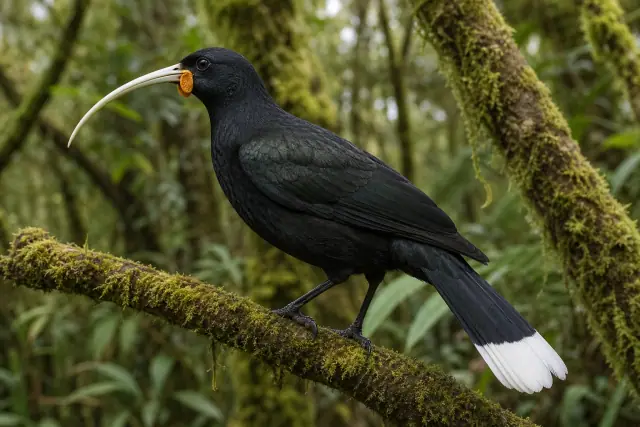
Heteralocha acutirostris
Males and females had dramatically different bills but foraged as a pair.
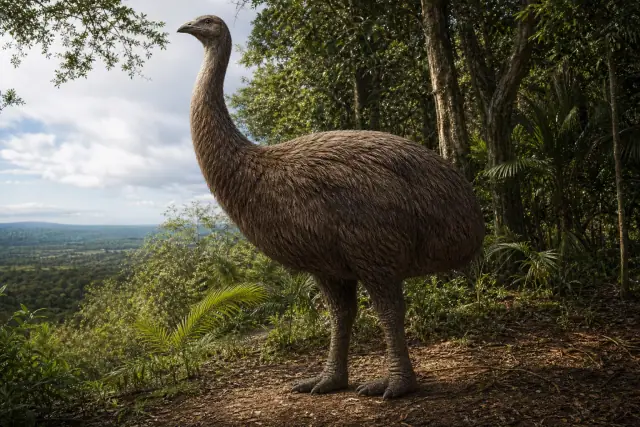
Aepyornis maximus
These massive flightless birds laid the largest eggs known from any vertebrate.

Camptorhynchus labradorius
This small sea duck had a specialized bill for feeding in shallow coastal water.
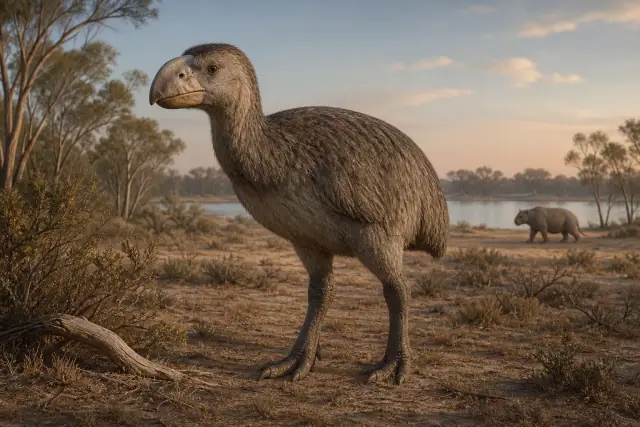
Genyornis newtoni
This two-meter flightless bird had a deep jaw and powerful legs, probably feeding on soft leaves, fruit and shoots.
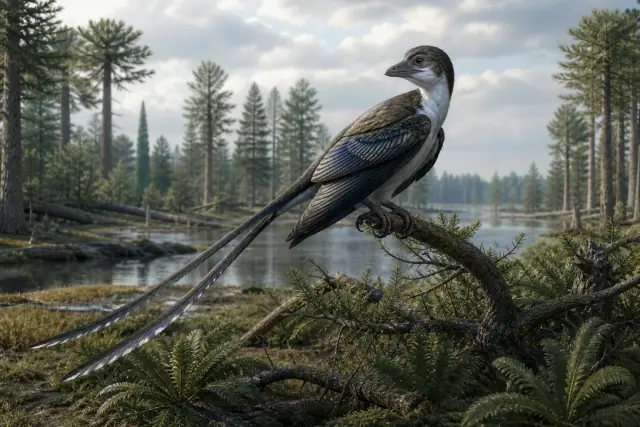
Confuciusornis sanctus
A toothless beak, clawed wings and—in some individuals—two long ribbon-like tail feathers appeared together.
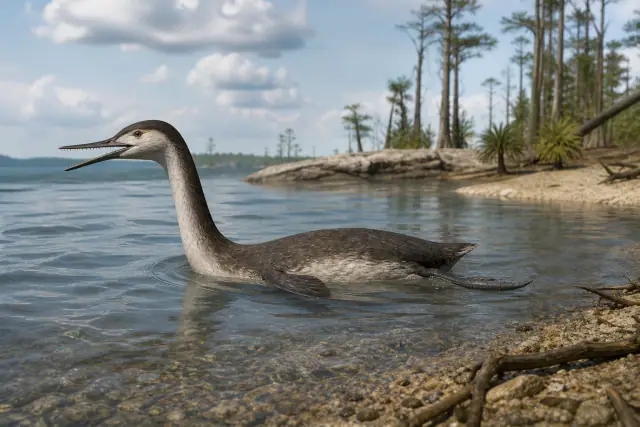
Hesperornis regalis
Its wings shrank to small bones while rear-set legs turned it into a superb Mesozoic pursuit diver.
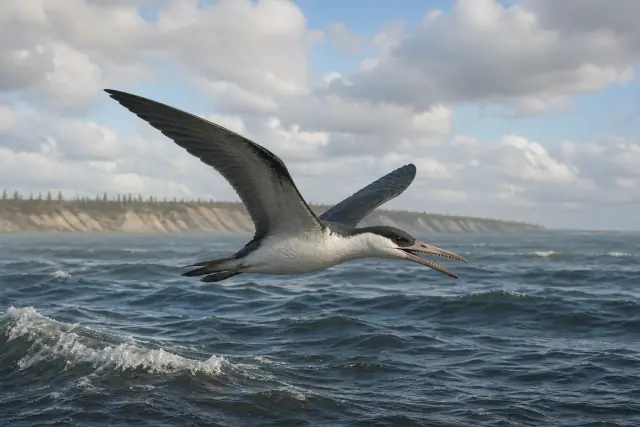
Ichthyornis dispar
Its body and flight resembled a tern, but a row of true teeth remained inside the long jaws.
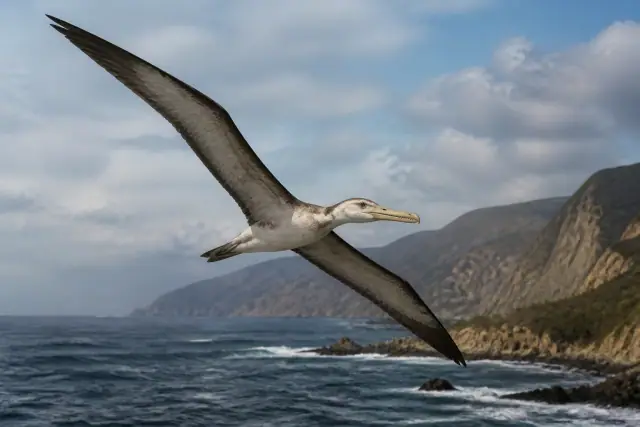
Pelagornis sandersi
Its estimated wingspan exceeded six meters, while bony pseudoteeth lined a beak adapted to slippery marine prey.
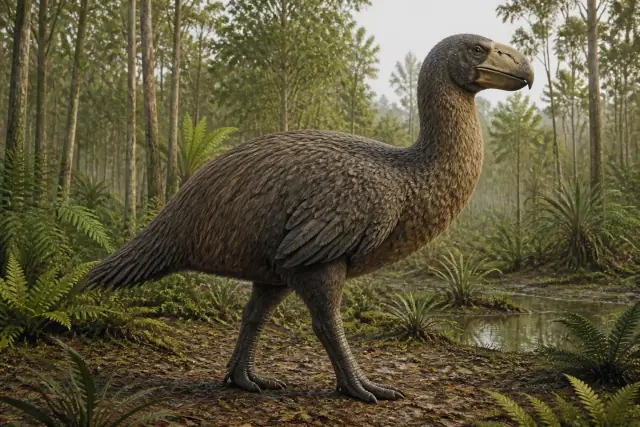
Gastornis parisiensis
This giant flightless bird had a massive beak, but evidence favors a mainly herbivorous diet.
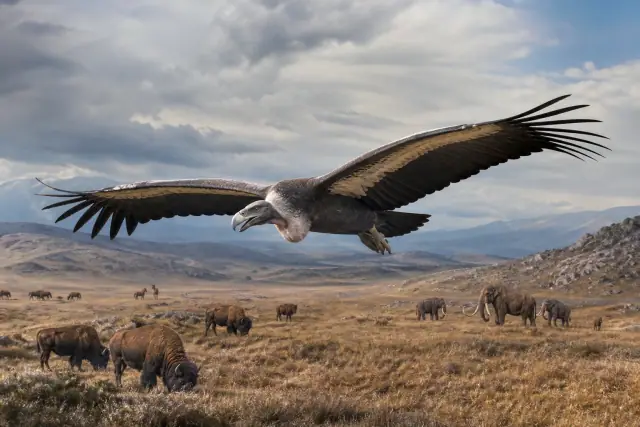
Teratornis merriami
A large soaring bird with an estimated 11–12 ft wingspan; its diet involved more than a simple vulture comparison.
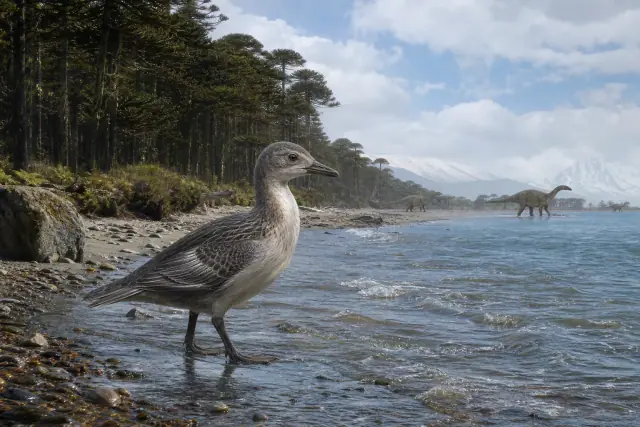
Vegavis iaai
A waterbird close to ducks lived before the non-avian dinosaurs vanished.
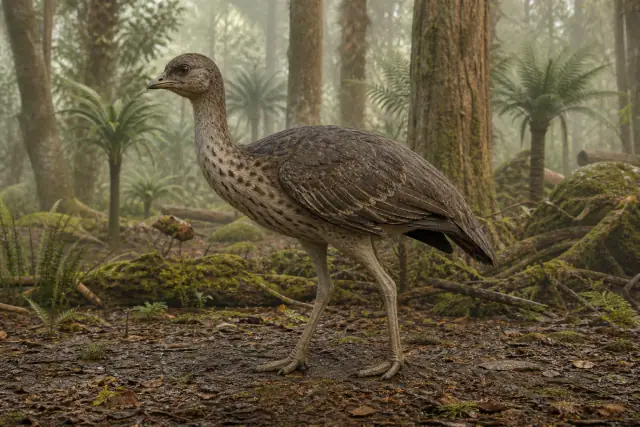
Lithornis vulturinus
A strong flyer belonged near lineages whose living members are mostly flightless.
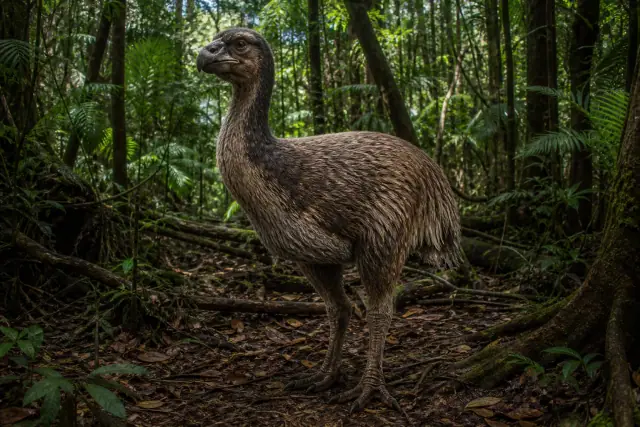
Sylviornis neocaledoniae
This tall flightless island bird was closer to megapodes than its heavy build suggested.
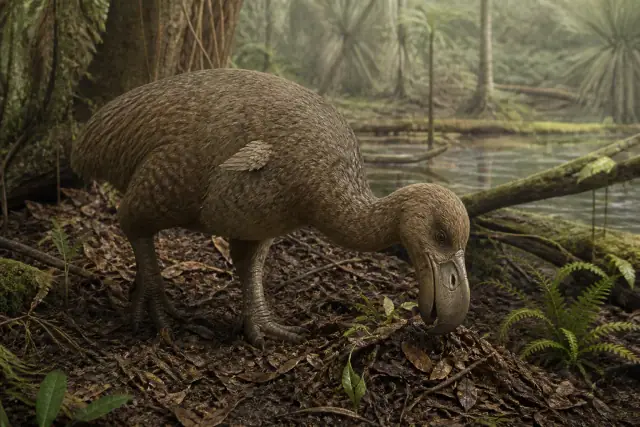
Aptornis otidiformis
Powerful legs and a heavy bill belonged to a flightless ground forager.
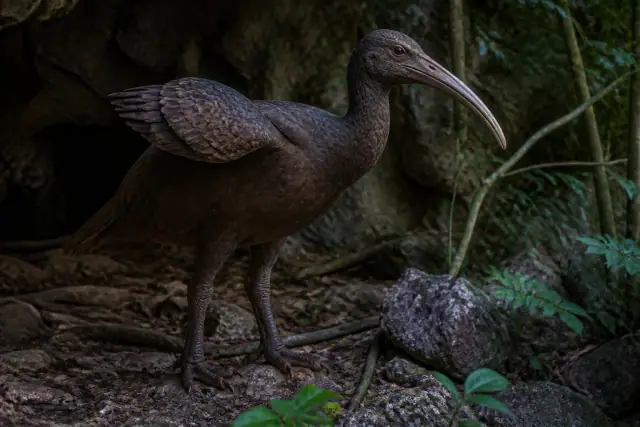
Xenicibis xympithecus
A flightless ibis turned thickened wrist bones into club-like weapons.
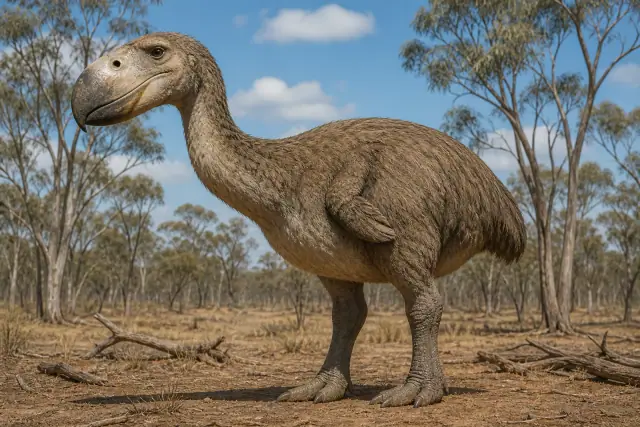
Dromornis stirtoni
Three meters tall with a massive beak, it was among the heaviest birds.
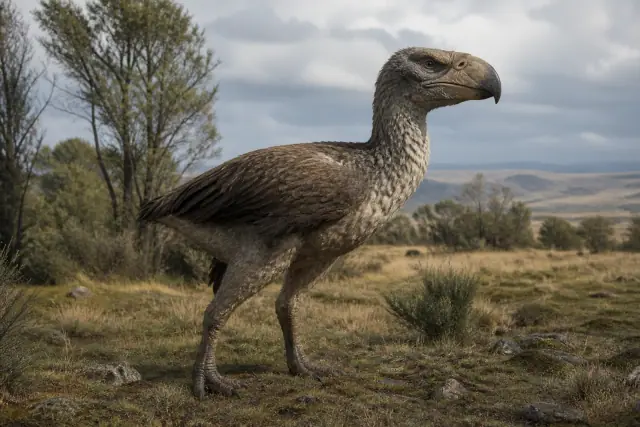
Kelenken guillermoi
A seventy-centimeter skull and hooked beak armed one of the largest terror birds.
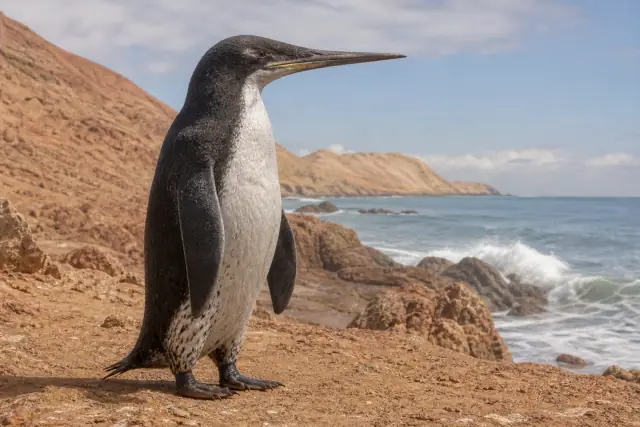
Icadyptes salasi
A one-and-a-half-meter penguin lived near the equator with a spear-like beak.
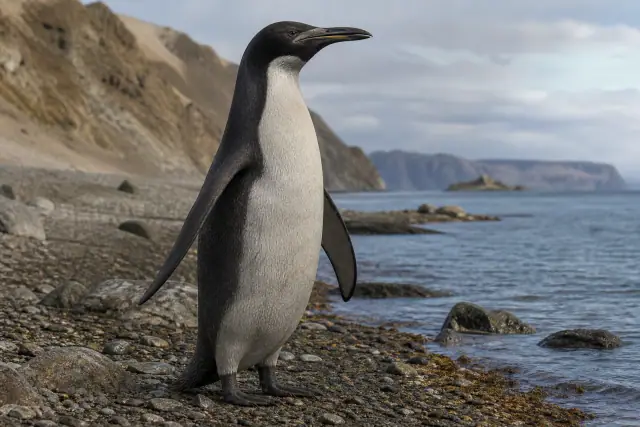
Anthropornis nordenskjoeldi
At almost 1.8 meters, it was a giant diver on a warmer Antarctic coast.
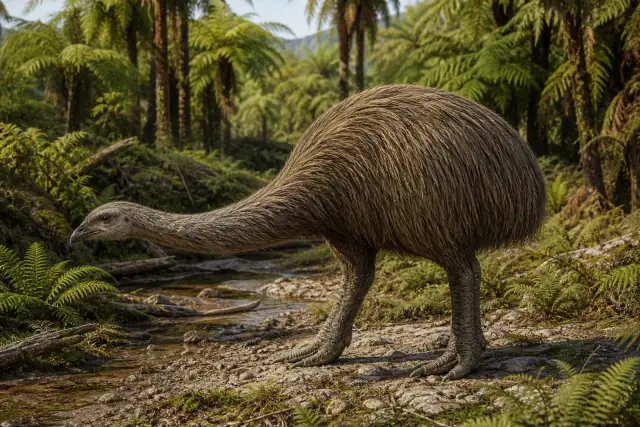
Emeus crassus
Emeus crassus was a medium-sized, flightless moa with a bulky body and short, robust legs.
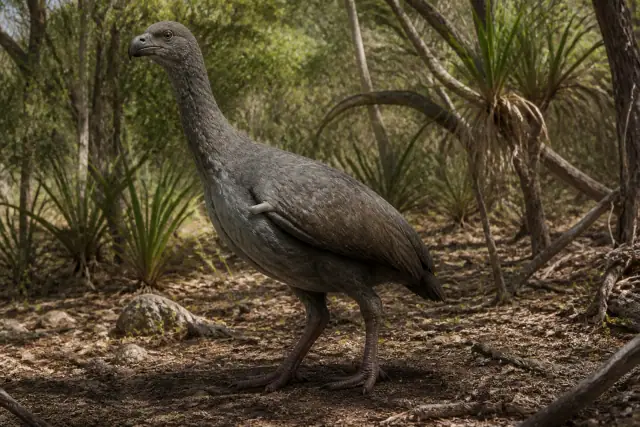
Pezophaps solitaria
This giant flightless pigeon fought with bony wing knobs and was the dodo's closest relative.
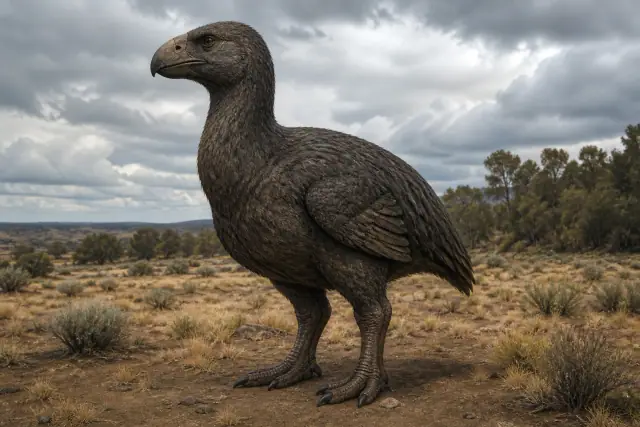
Brontornis burmeisteri
Brontornis burmeisteri was a giant flightless bird with exceptionally robust hind limbs.
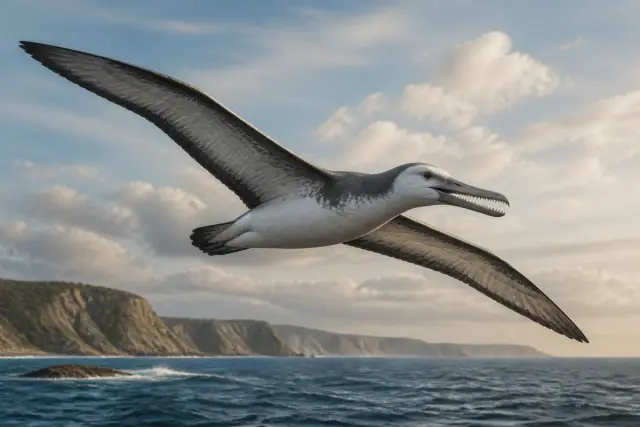
Dasornis emuinus
A near-six-meter wingspan and bony pseudoteeth armed a giant seabird.
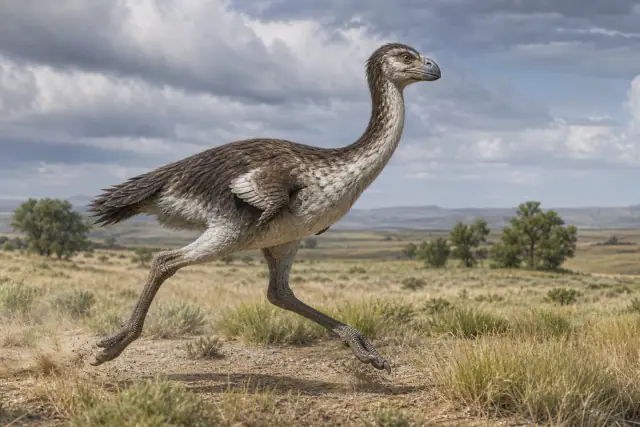
Bathornis grallator
Long legs and a strong beak belonged to a terrestrial bird with little or no flight.
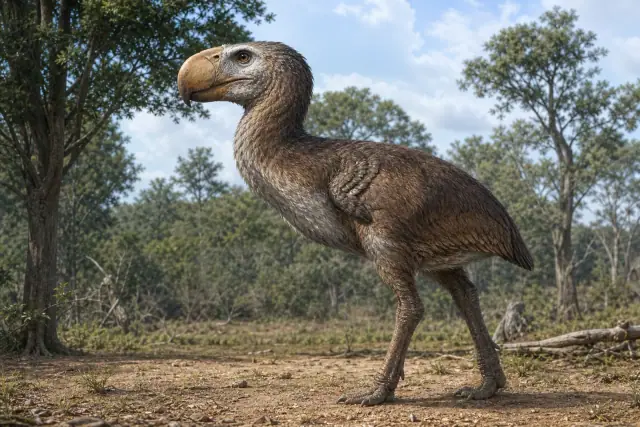
Paraphysornis brasiliensis
A deep beak and massive legs made a heavyweight South American terror bird.
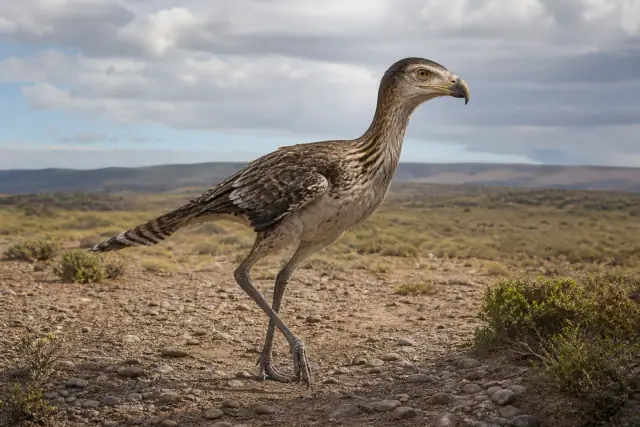
Psilopterus bachmanni
A lighter terror bird had long toes suited to rapid pursuit.
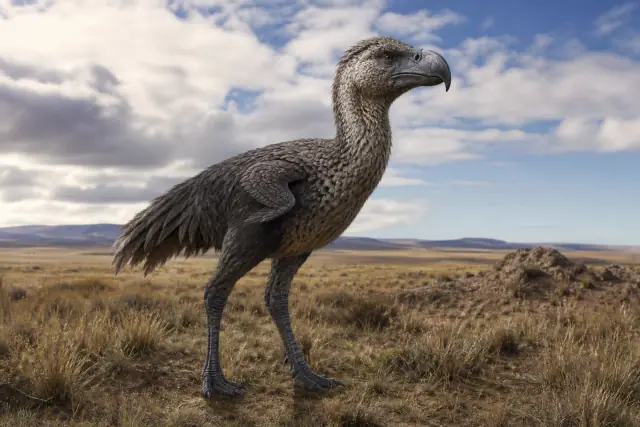
Llallawavis scagliai
Its complete inner ear reveals sensitivity to relatively low-frequency sound.
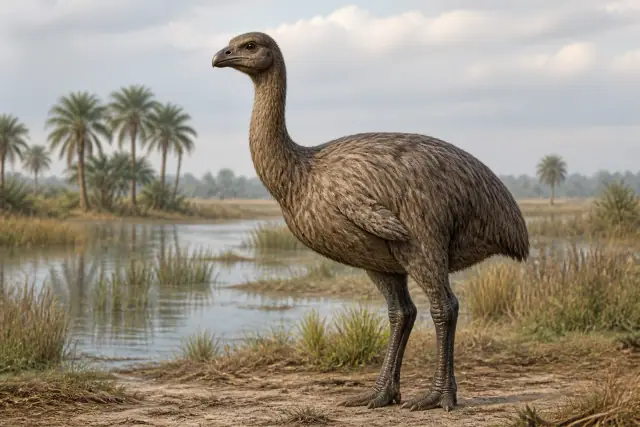
Eremopezus eocaenus
Robust leg bones belonged to a giant flightless African bird whose skull remains unknown.
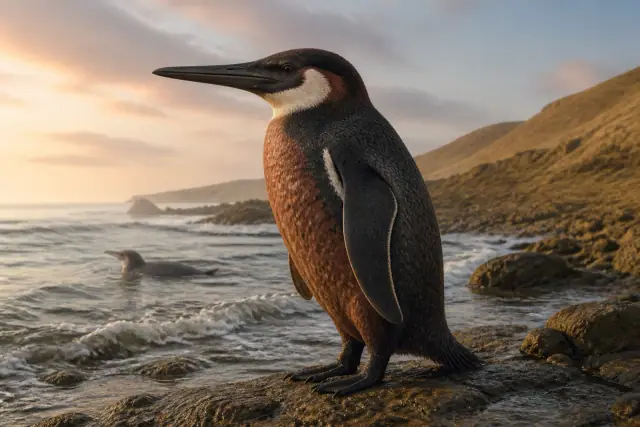
Inkayacu paracasensis
A near-human-height diving bird preserves feathers and melanosomes that opened direct study of ancient penguin color.
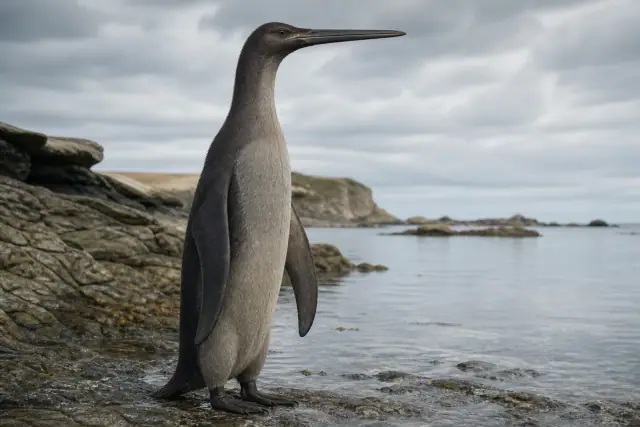
Kairuku grebneffi
A slender trunk, long bill and large flippers produced a taller silhouette than modern penguins.