07Mesozoic
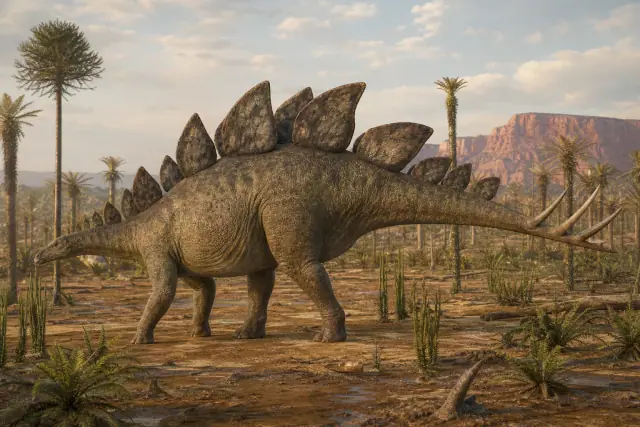
Stegosaurus
Stegosaurus stenops
Tall back plates and a four-spiked tail made this low-browsing herbivore unmistakable.
 EXTINCT ATLASEXTINCT LIFE ARCHIVEBack to archive
Epoch guide · 161.5–143.1 million years ago
Explore Late Jurassic animals from Stegosaurus and Allosaurus to Archaeopteryx, pterosaurs and marine life, with fossil records and links to each profile.
The Late Jurassic spans approximately 161.5–143.1 million years ago and includes the Oxfordian, Kimmeridgian and Tithonian ages. These records sample animals from different regions and parts of that interval; they do not represent one community living together.
Stegosaurus, Diplodocus, Allosaurus and Ceratosaurus illustrate the well-known dinosaurs of North America’s Morrison Formation. This broader selection also includes Kentrosaurus from Africa and Mamenchisaurus from Asia, extending the view beyond a single fossil formation.
Rhamphorhynchus was a pterosaur; Archaeopteryx records an early part of bird evolution. Leedsichthys was a fish, while Ophthalmosaurus and Pliosaurus belonged to separate marine reptile lineages. Insects such as Chresmoda add a smaller-scale view of Jurassic life.
Stegosaurus stenops
Tall back plates and a four-spiked tail made this low-browsing herbivore unmistakable.
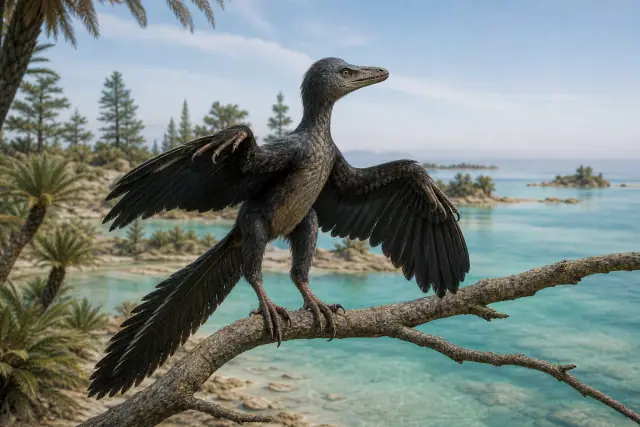
Archaeopteryx lithographica
Feathers, wings, teeth and a long bony tail capture a mosaic of dinosaur and bird traits.
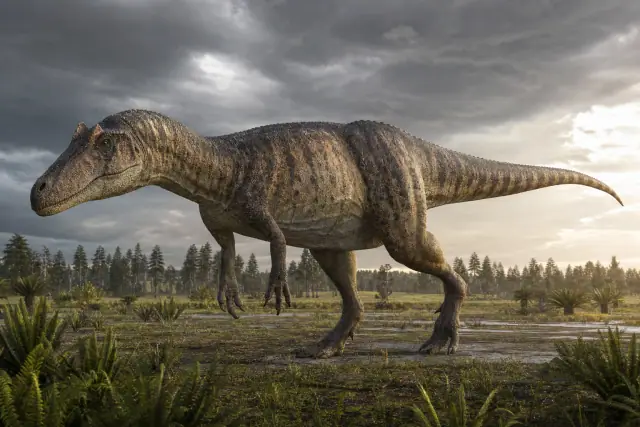
Allosaurus fragilis
A lightweight skull and serrated teeth equipped this large predator for repeated slashing bites.
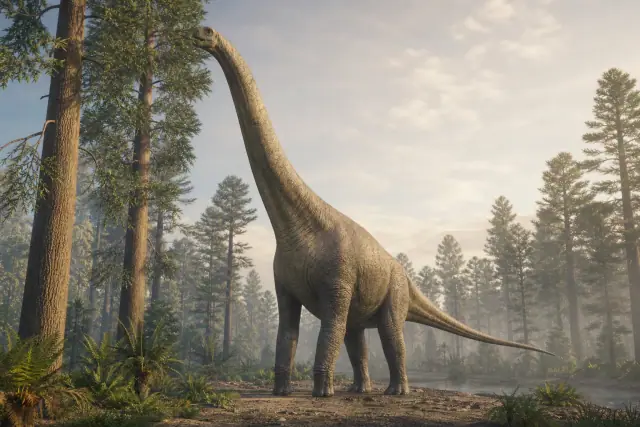
Brachiosaurus altithorax
Long forelimbs lifted its shoulders and neck toward the Jurassic canopy.
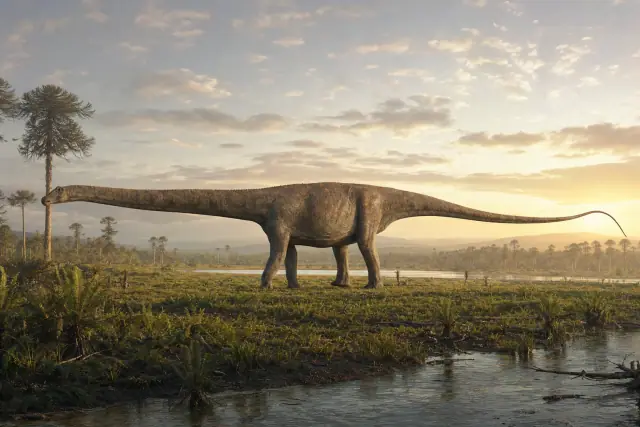
Diplodocus carnegii
A whip-like tail balanced an extremely long neck on this lightly built giant.
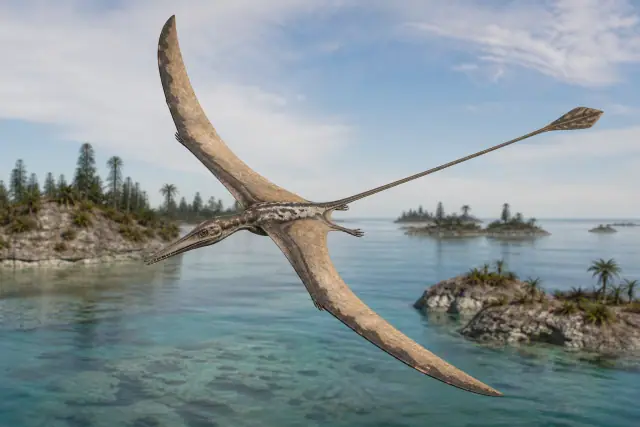
Rhamphorhynchus muensteri
Needle teeth lined long jaws while a diamond-shaped membrane at the stiff tail tip helped control flight above island seas.
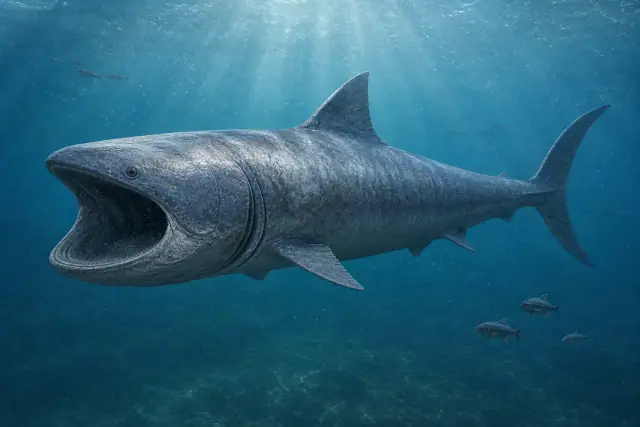
Leedsichthys problematicus
This giant bony fish opened a broad mouth and strained plankton through dense gill rakers, much like a whale shark.
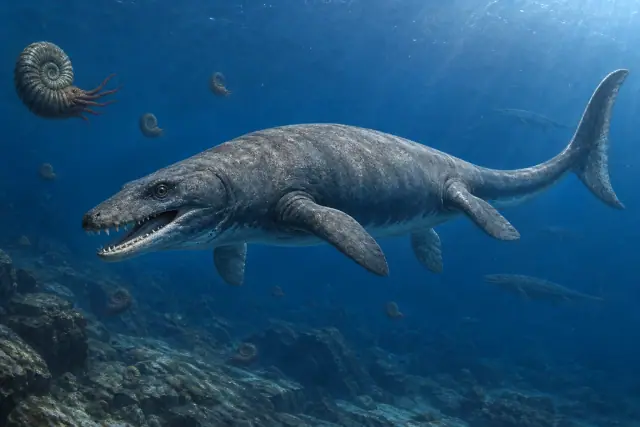
Dakosaurus maximus
A short deep skull carried serrated blades, while this marine crocodile's body had transformed into four flippers and a fishlike tail.
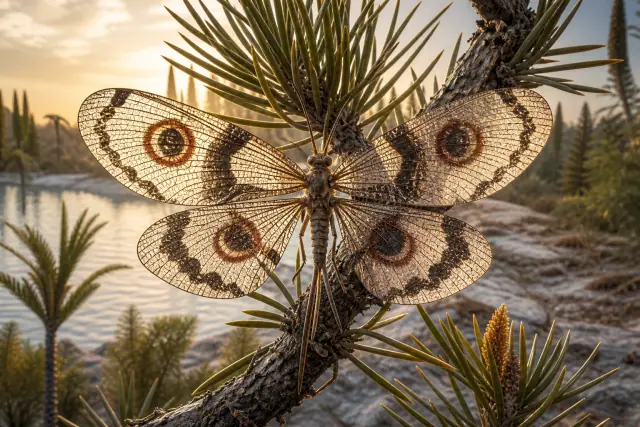
Kalligramma haeckeli
Huge eyespots, broad wings and an elongate mouthpart created a butterfly-like insect before butterflies flourished.
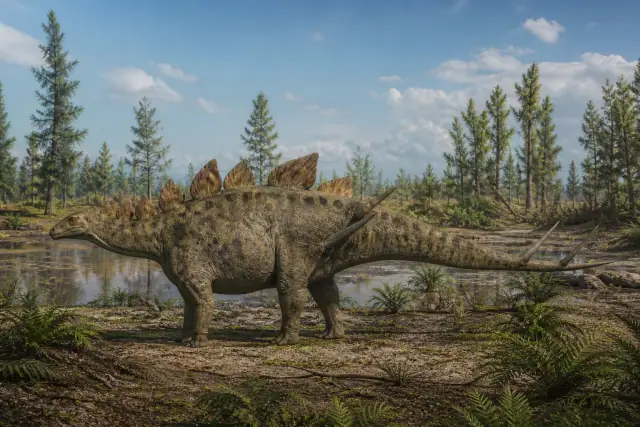
Kentrosaurus aethiopicus
Plates covered the front body while long paired spikes armed the hips and tail, concentrating defense behind it.
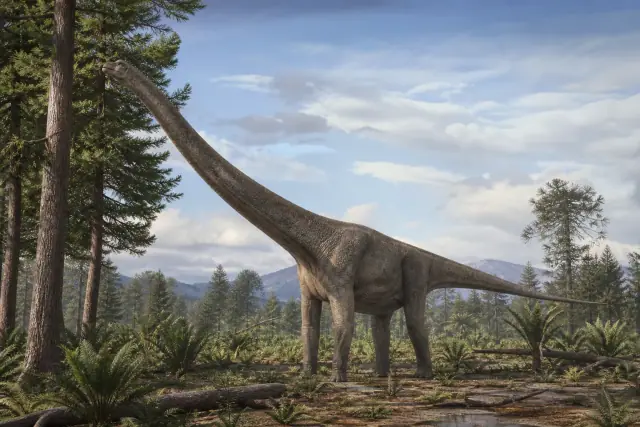
Mamenchisaurus hochuanensis
Nineteen elongated neck vertebrae placed nearly half the body's length in the neck, lightened internally by air spaces.
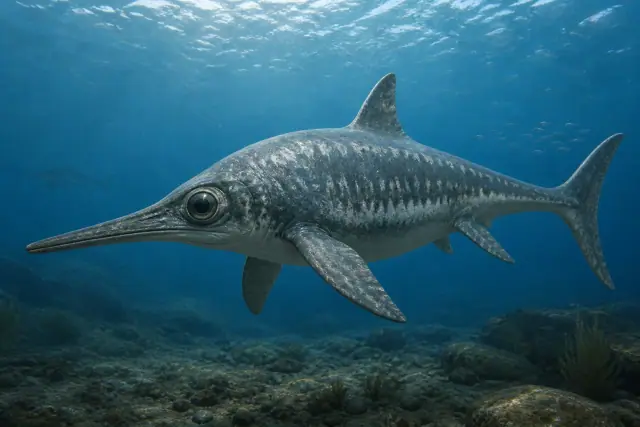
Ophthalmosaurus icenicus
Huge bony eye rings supported vision under pressure and may have helped track soft prey in dim water.
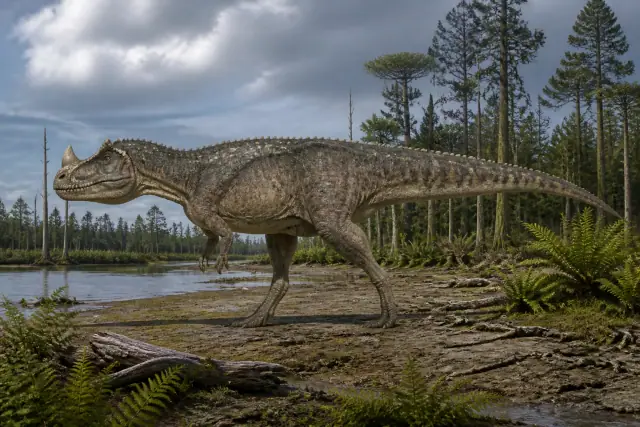
Ceratosaurus nasicornis
A nasal horn, brow ridges and small midline osteoderms made this predator unmistakable.
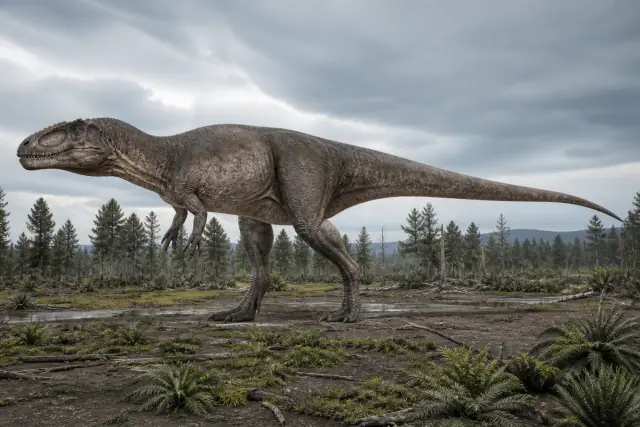
Torvosaurus tanneri
A huge skull and unusually powerful three-fingered arms marked one of the largest megalosaurids.
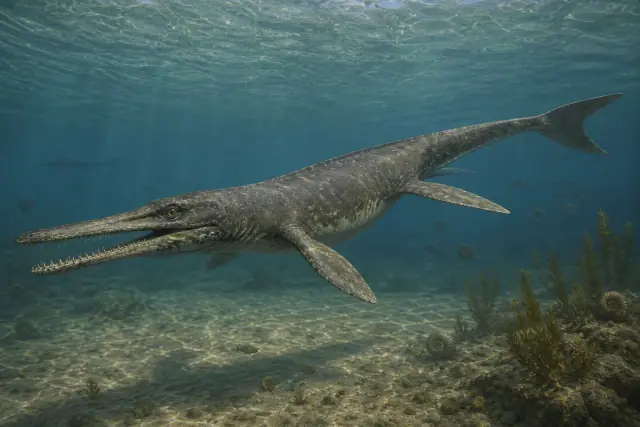
Metriorhynchus superciliosus
Flippers, a downturned tail fin and reduced armor transformed a crocodile relative into a pelagic swimmer.
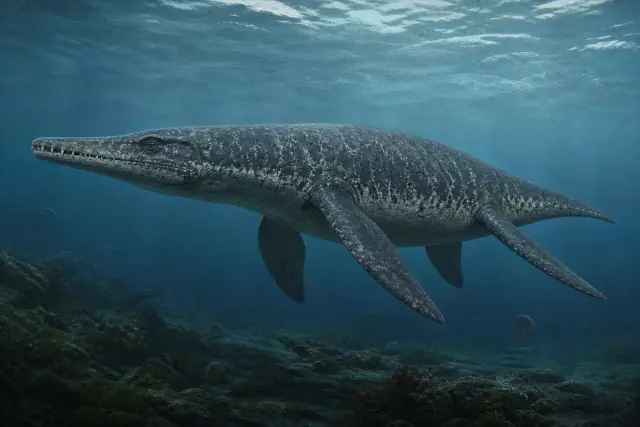
Pliosaurus funkei
A skull nearly two meters long and huge teeth formed an apex-predator bite apparatus.
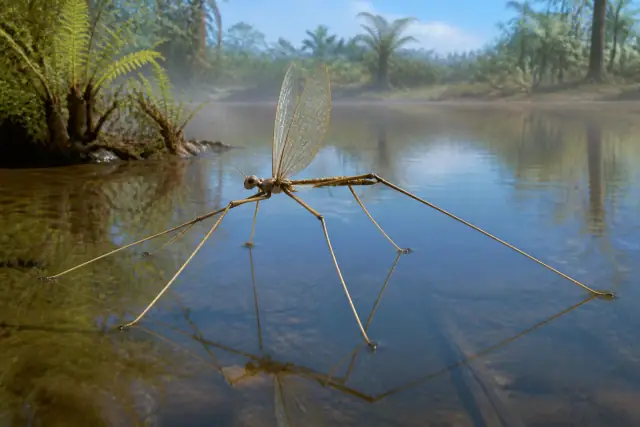
Chresmoda obscura
Six extremely long legs may have spread its weight across the water surface.
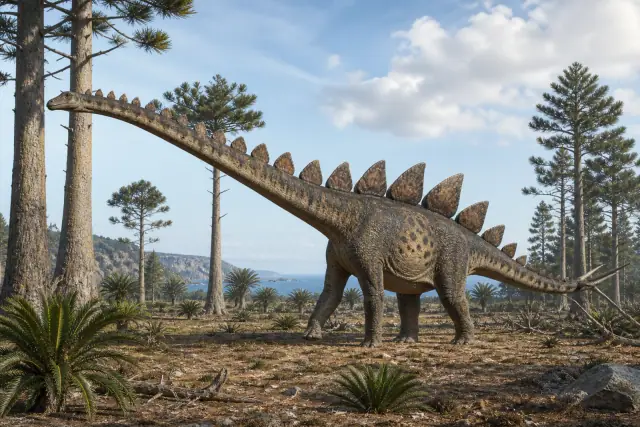
Miragaia longicollum
At least seventeen cervical vertebrae produced an unusually long neck for a stegosaur.
No. The animal fauna also included pterosaurs, fishes, marine reptiles and insects. Birds belong within the dinosaur lineage, but pterosaurs and marine reptiles such as ichthyosaurs do not.
No. Tyrannosaurus lived much later, near the end of the Late Cretaceous. Allosaurus and Ceratosaurus are examples of predators in this Late Jurassic selection.