04Paleozoic
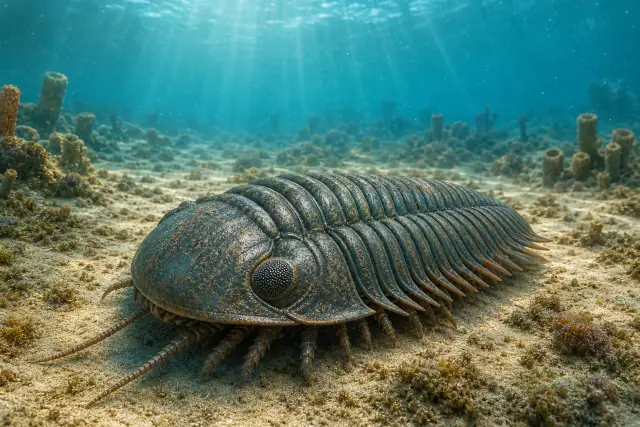
Trilobites
Trilobita
They occupied seafloors for nearly 300 million years, and their compound eyes preserve secrets of early vision.
LIFE ARCHIVE
Browse extinct life from traces nearly 1.9 billion years old to historically recorded extinctions.
Trilobita
They occupied seafloors for nearly 300 million years, and their compound eyes preserve secrets of early vision.
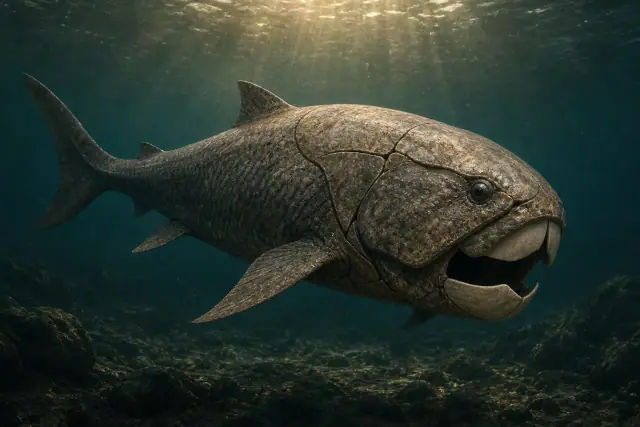
Dunkleosteus terrelli
Sharpened jaw plates replaced teeth in this heavily armored apex fish.
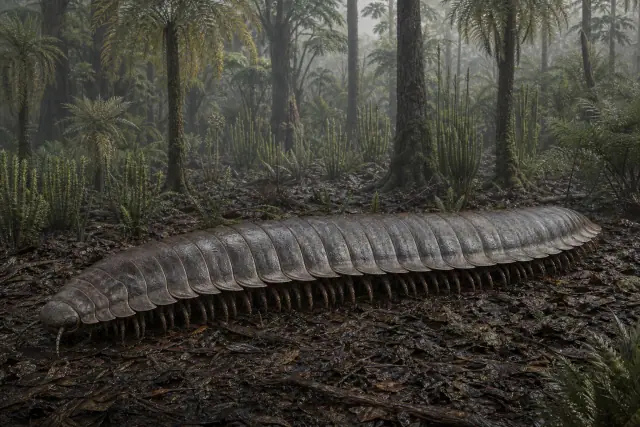
Arthropleura armata
This many-segmented arthropod grew longer than a person in coal-swamp forests.
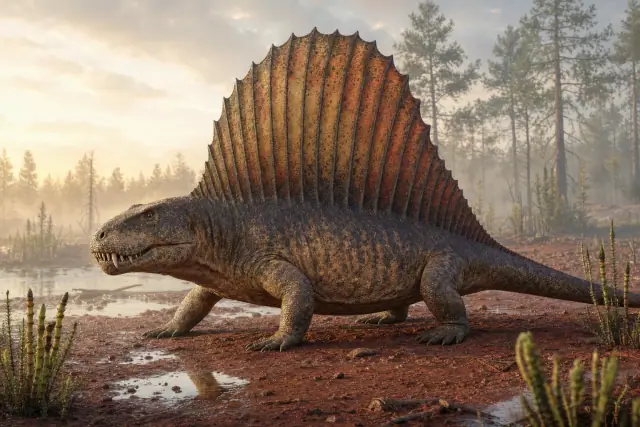
Dimetrodon grandis
This sail-backed predator was closer to mammals than to dinosaurs.
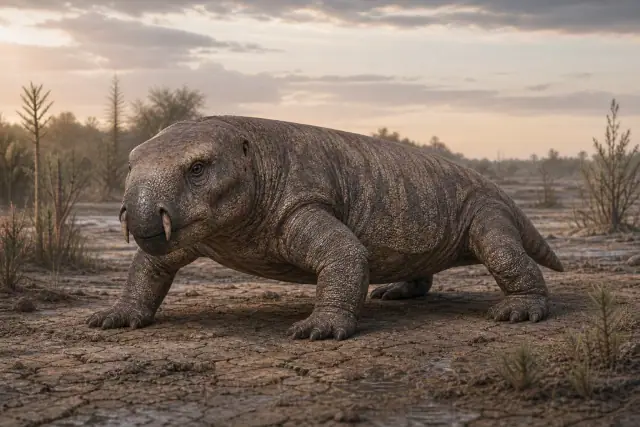
Lystrosaurus murrayi
A beaked, tusked survivor became extraordinarily common after Earth’s greatest mass extinction.
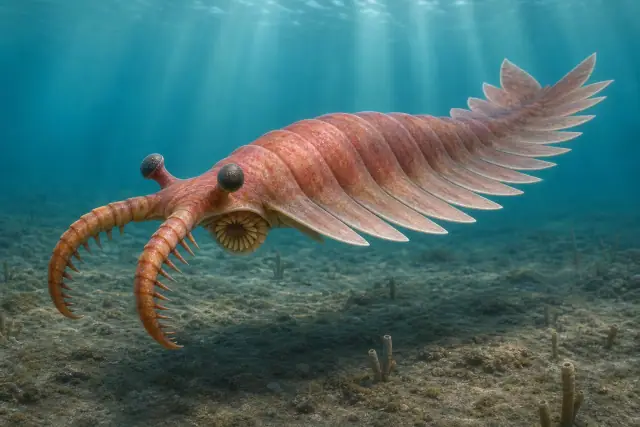
Anomalocaris canadensis
A meter-long swimmer with grasping frontal appendages was a giant of Cambrian seas.
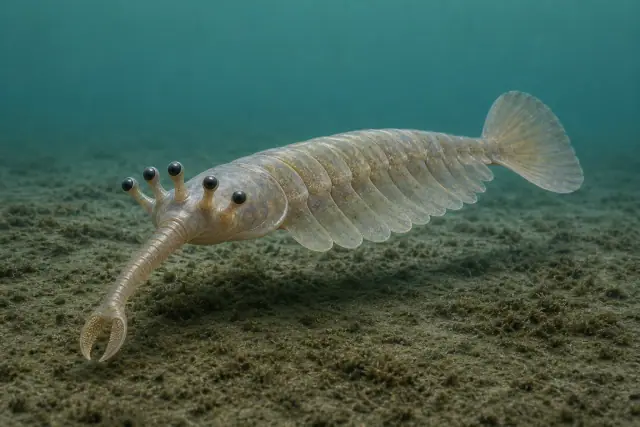
Opabinia regalis
Five eyes and a grasping proboscis made this small swimmer one of the Cambrian’s strangest forms.
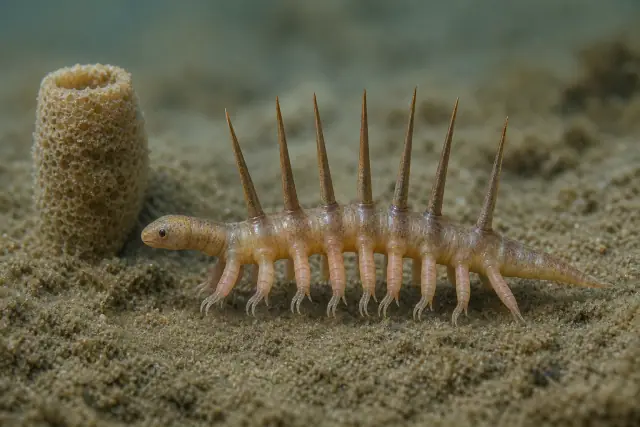
Hallucigenia sparsa
Paired spines guarded a soft-bodied walker once reconstructed upside down.
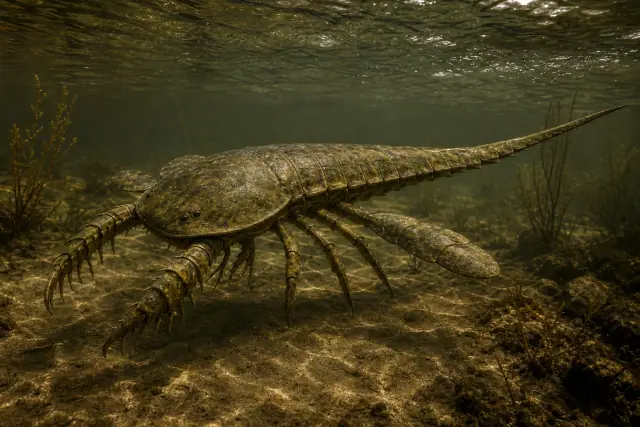
Jaekelopterus rhenaniae
This giant sea scorpion may have exceeded two meters in length.
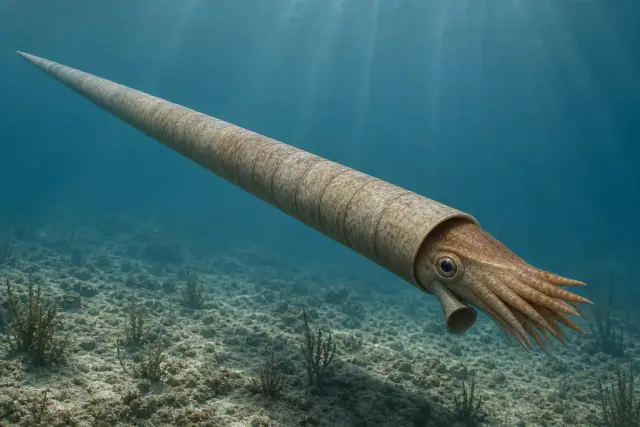
Cameroceras trentonense
A long straight shell housed one of the largest predators of Ordovician seas.
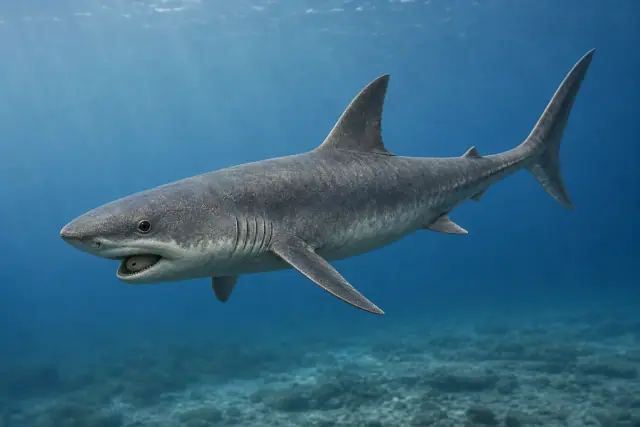
Helicoprion davisii
Its spiral tooth whorl worked like a permanent slicing blade inside the lower jaw.
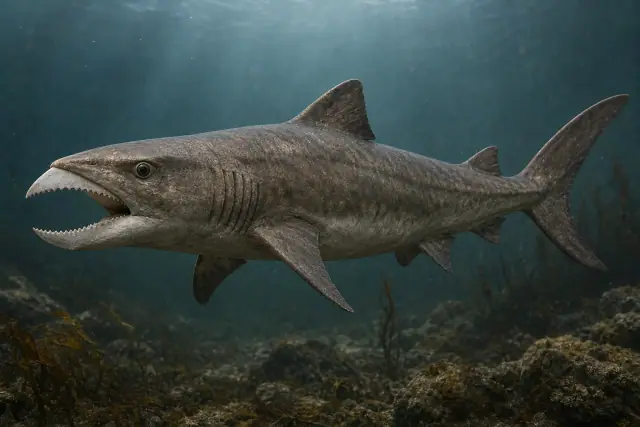
Edestus heinrichi
Opposing tooth blades projected from its jaws like curved shears.
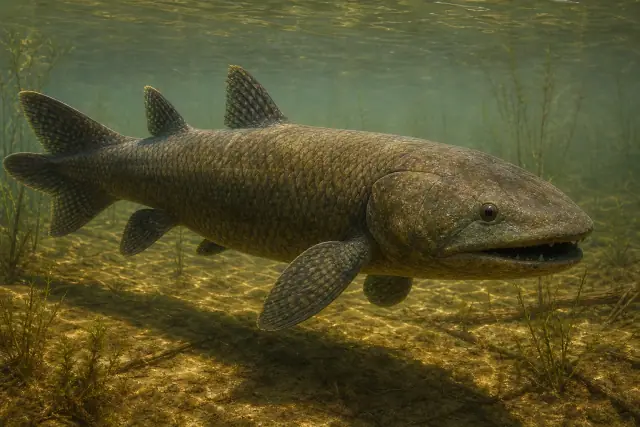
Eusthenopteron foordi
Bones inside its fleshy fins foreshadowed the limb pattern of land vertebrates.
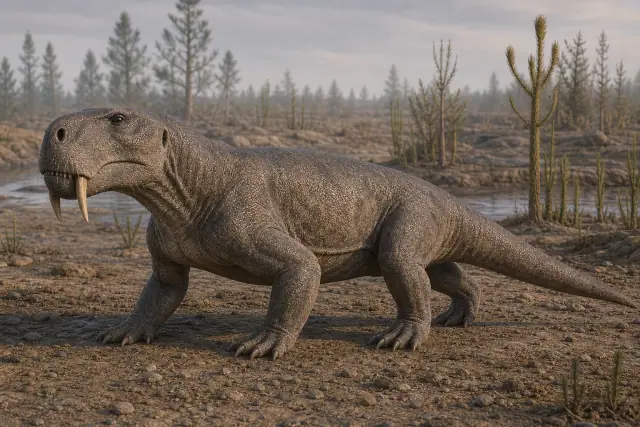
Inostrancevia alexandri
Long saber canines armed one of the largest predators of the latest Permian.
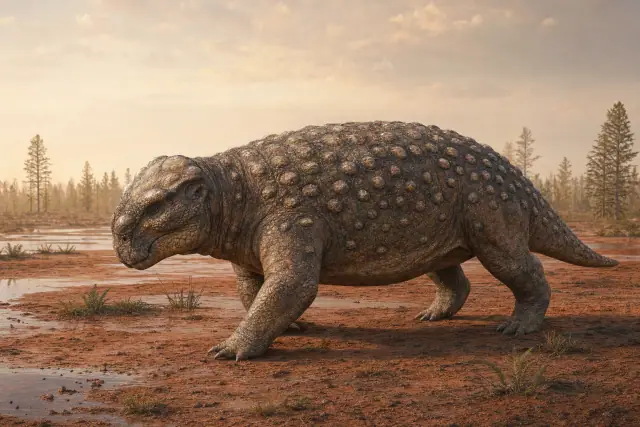
Scutosaurus karpinskii
A barrel-bodied herbivore carried bony armor beneath its skin.
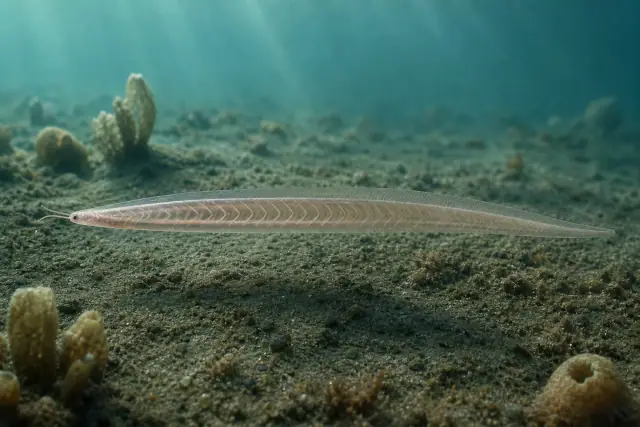
Pikaia gracilens
A slender body preserves repeated muscle blocks and internal traces important for interpreting early chordates.
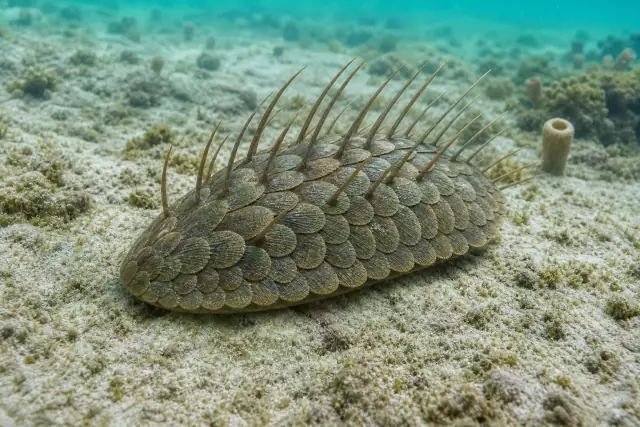
Wiwaxia corrugata
Rows of scales and long spines armored this small seafloor grazer.
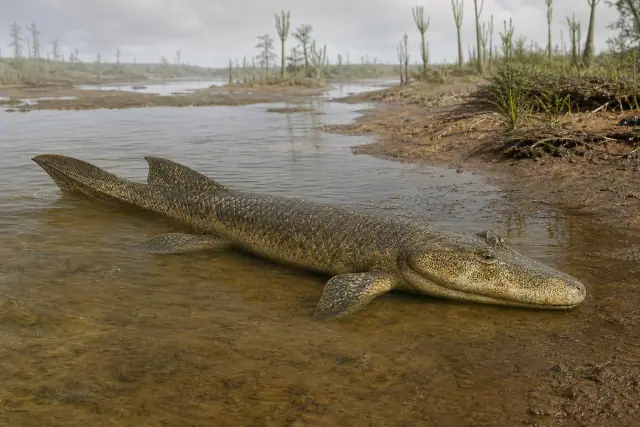
Tiktaalik roseae
A flat-headed fish with a mobile neck and wrist-like fin bones approached the anatomy of early tetrapods.
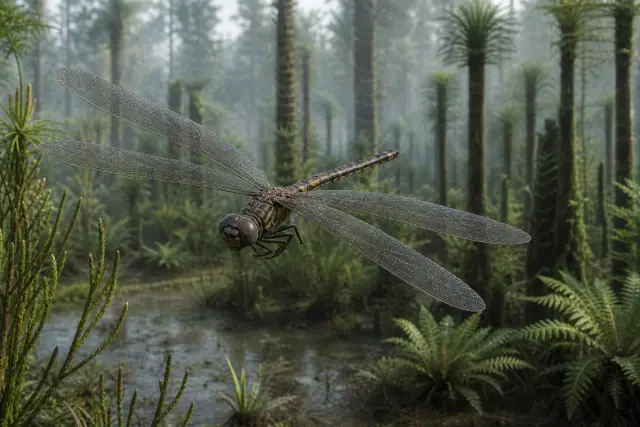
Meganeura monyi
This griffinfly’s wings spanned roughly seventy centimeters above Carboniferous forests.
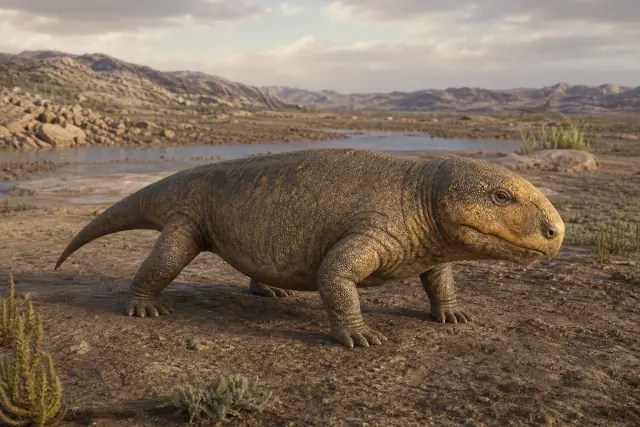
Moschops capensis
A thick skull roof capped this heavy plant-eating mammal relative.
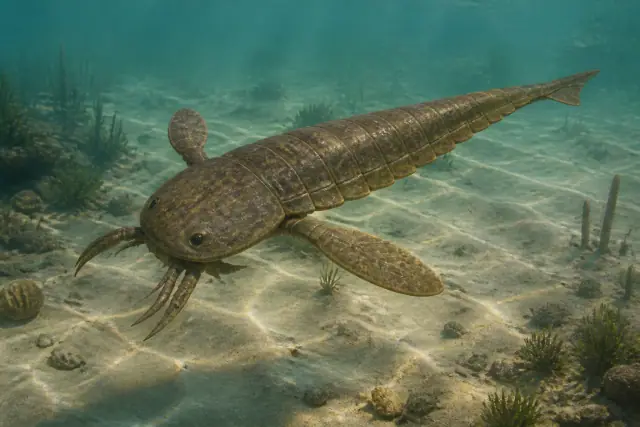
Eurypterus remipes
Paddle-shaped hind limbs carried this sea scorpion through shallow coastal water.
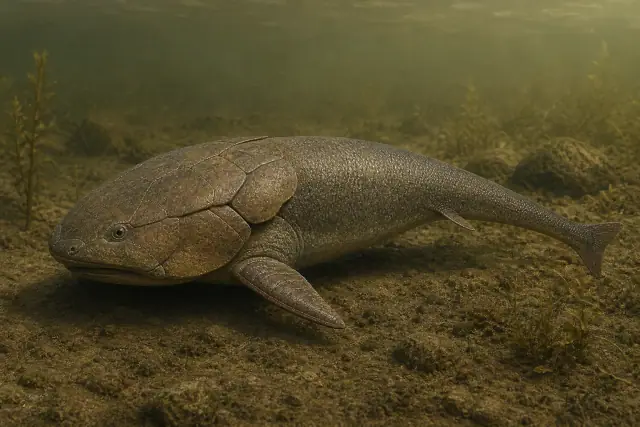
Bothriolepis canadensis
Bony armor enclosed its head and chest while jointed pectoral appendages steadied it on the bottom.
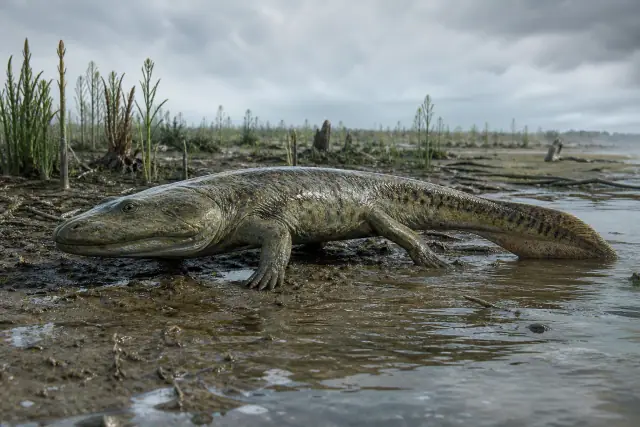
Ichthyostega stensioei
Weight-bearing limbs accompanied a fish-like tail in an animal still deeply tied to water.
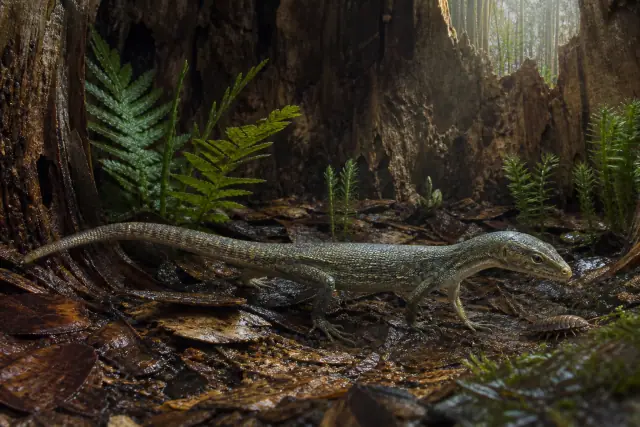
Hylonomus lyelli
This tiny insect hunter belonged to an early generation of vertebrates freed from laying eggs in water.
Explore the atlas by continent, country and state. Follow fossil localities into regional guides, compare animals across time and return to the evidence in each species profile.
FIELD GUIDES
Giants, strange body plans and lives within human memory. Follow a question into the atlas, then explore the animals behind it.