103Paleozoic
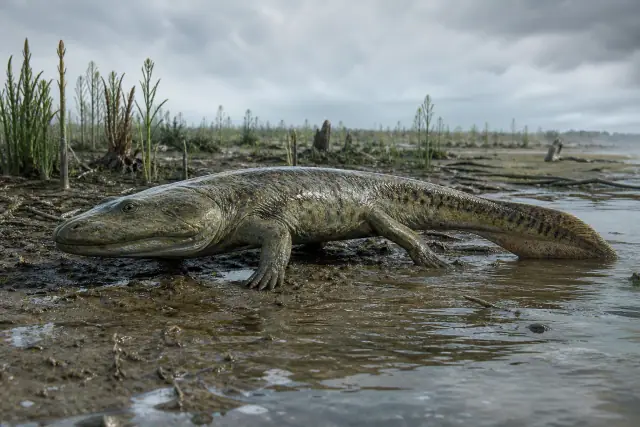
Ichthyostega
Ichthyostega stensioei
Weight-bearing limbs accompanied a fish-like tail in an animal still deeply tied to water.
 EXTINCT ATLASEXTINCT LIFE ARCHIVE
Category
Explore the transition from water to land and later amphibian diversity.
01 / ANSWER FIRST
Extinct amphibians and close stem tetrapods document how vertebrates acquired limbs, lungs, new senses and diverse freshwater lifestyles.
02 / TIME & EVOLUTION
Devonian stem tetrapods bridge finned fishes and limbed vertebrates; Carboniferous and Permian radiations were followed by many specialised Mesozoic lineages.
03 / TURNOVER & EXTINCTION
Drying climates, altered wetlands, mass extinctions and modern disease affected amphibian lineages at different scales.
04 / KEY THEMES
Transitional fossils show fins becoming weight-bearing appendages.
Large flat-headed predators occupied rivers and lakes worldwide.
Restricted ranges and pathogens make some living amphibians highly vulnerable.
05 / EVIDENCE
Skulls, vertebrae, limbs, trackways and growth rings distinguish aquatic juveniles, terrestrial adults and permanently aquatic forms.
06 / FAQ
Extinct amphibians and close stem tetrapods document how vertebrates acquired limbs, lungs, new senses and diverse freshwater lifestyles.
Skulls, vertebrae, limbs, trackways and growth rings distinguish aquatic juveniles, terrestrial adults and permanently aquatic forms.
Drying climates, altered wetlands, mass extinctions and modern disease affected amphibian lineages at different scales.
07 / SOURCES
Ichthyostega stensioei
Weight-bearing limbs accompanied a fish-like tail in an animal still deeply tied to water.
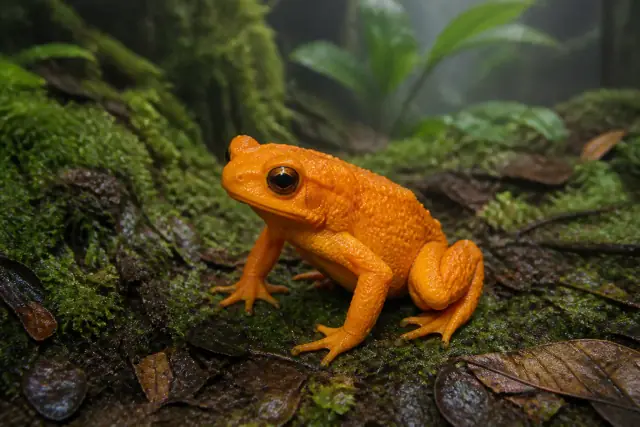
Incilius periglenes
Brilliant orange males gathered briefly each rainy season within a tiny highland range.
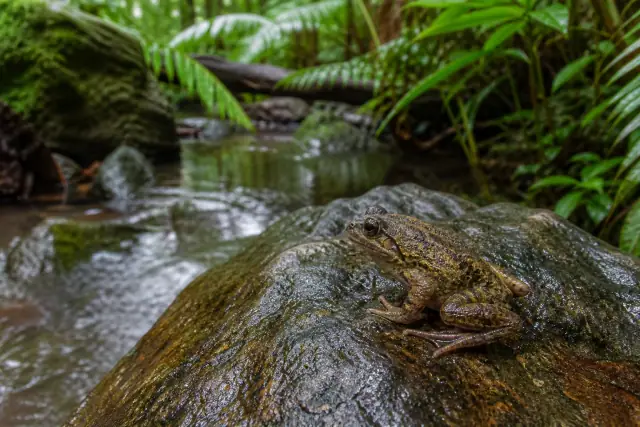
Rheobatrachus silus
Females swallowed fertilized eggs, suppressed stomach acid and released developed froglets from the mouth.
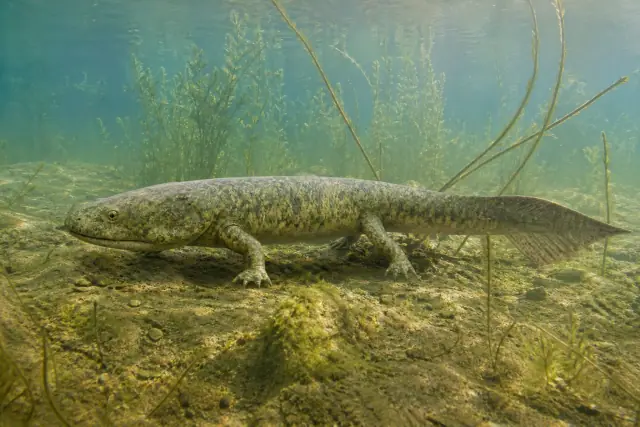
Acanthostega gunnari
Each forelimb carried eight digits, yet the animal was still mainly aquatic—digits evolved before true land walking.
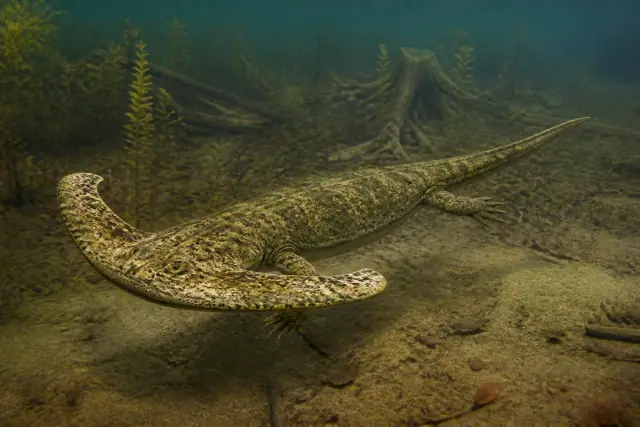
Diplocaulus magnicornis
Its skull spread sideways into a boomerang, perhaps producing lift in current or making it hard to swallow.
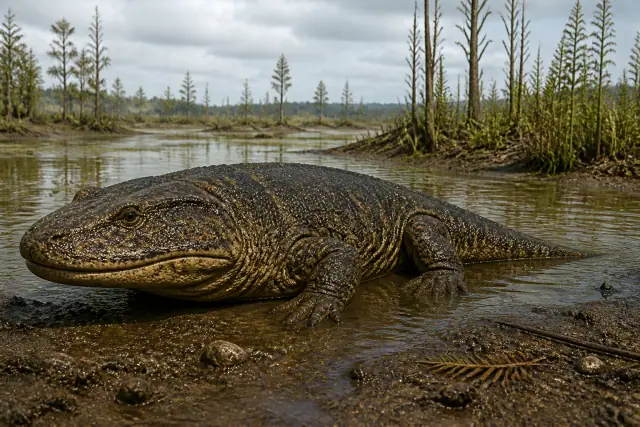
Eryops megacephalus
A broad, heavily sculpted skull and strong limbs carried its massive body through shallow water and onto banks.
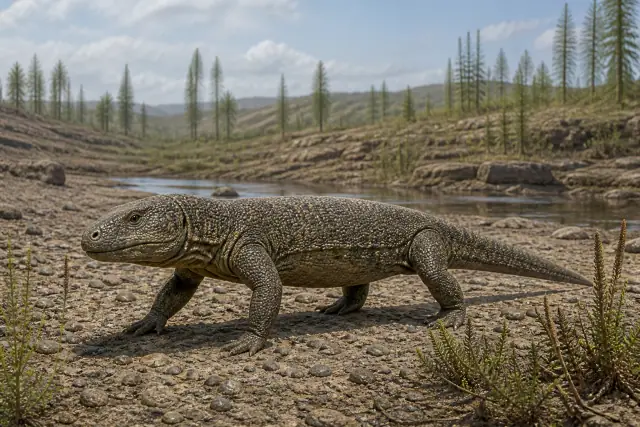
Seymouria baylorensis
Its adult skeleton looked reptile-like, yet it belonged just outside the fully land-breeding amniotes.
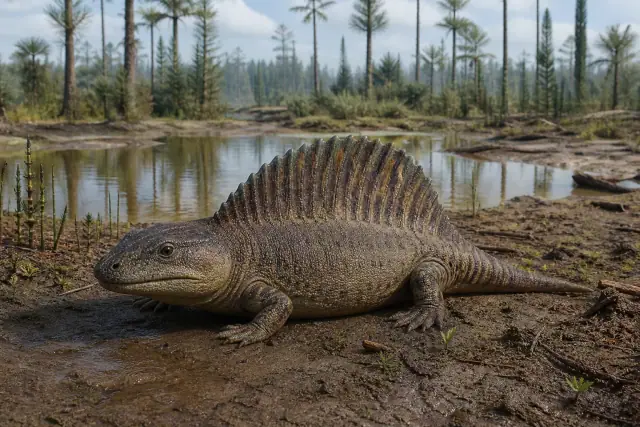
Platyhystrix rugosus
A high bony sail towered above the squat body and may have served display, recognition or heat exchange.
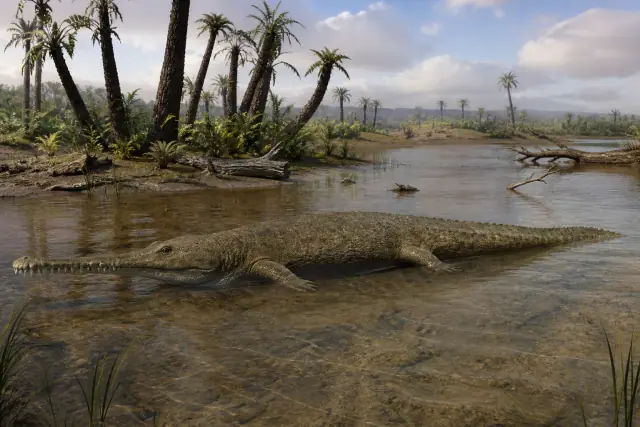
Prionosuchus plummeri
A giant Brazilian amphibian with a crocodile-like snout; its famous 9-metre length is a reconstruction from fragmentary fossils.
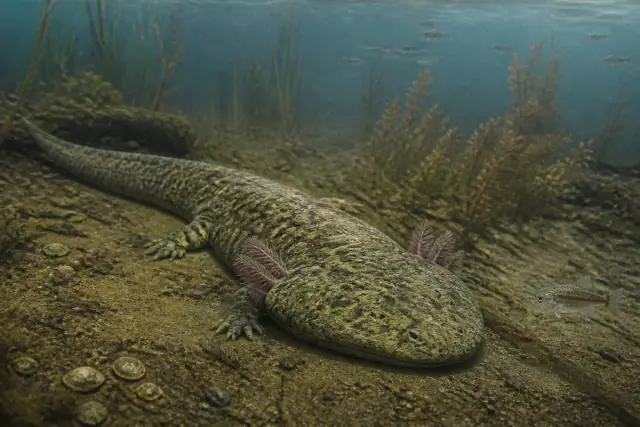
Gerrothorax pulcherrimus
A shovel-flat skull may have opened by lifting the upper jaw.
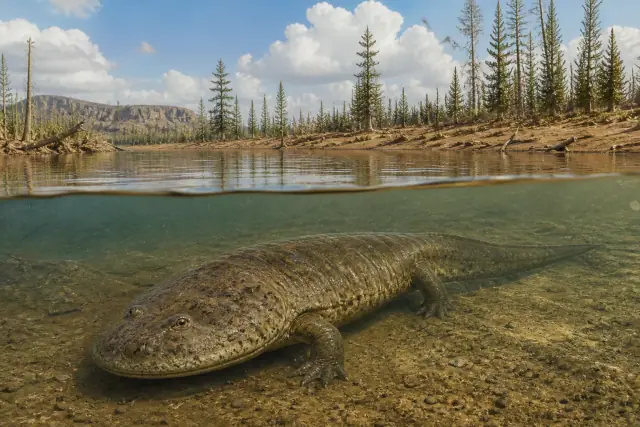
Metoposaurus diagnosticus
A broad flat head occupied nearly the full width of its front body.
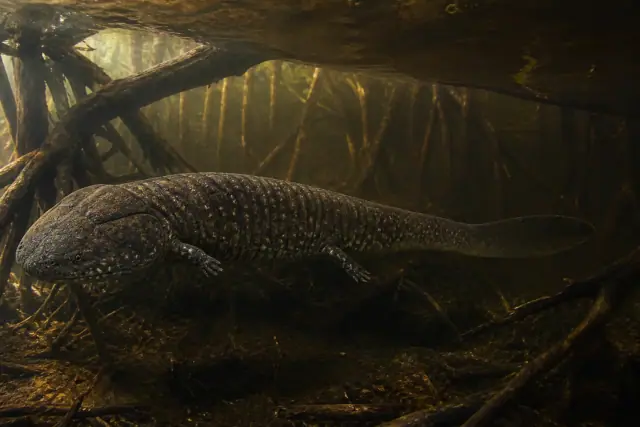
Crassigyrinus scoticus
Tiny limbs and strong jaws show an early tetrapod returning almost completely to water.
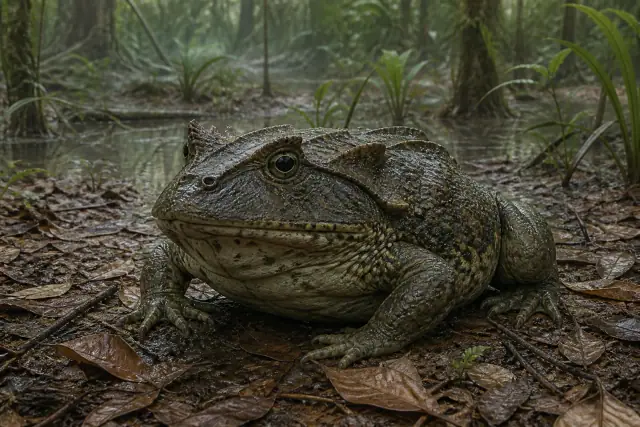
Beelzebufo ampinga
A broad skull and massive body made it one of the largest known frogs.
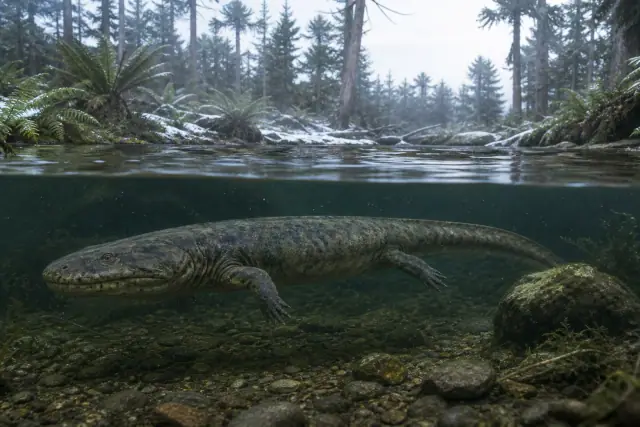
Koolasuchus cleelandi
A giant amphibian still occupied cold rivers where crocodyliforms were uncommon.
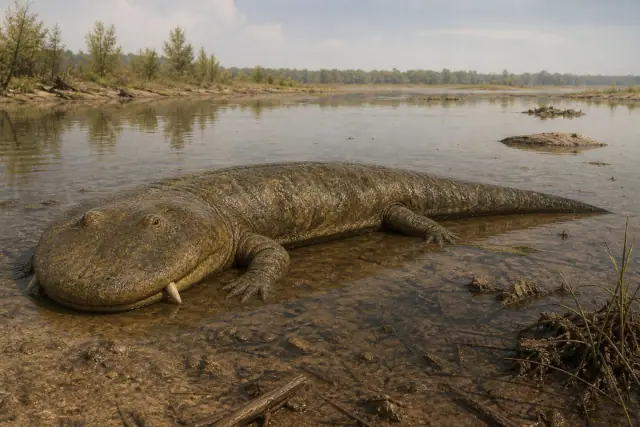
Mastodonsaurus giganteus
Two lower-jaw tusks passed through openings in the palate when the mouth closed.
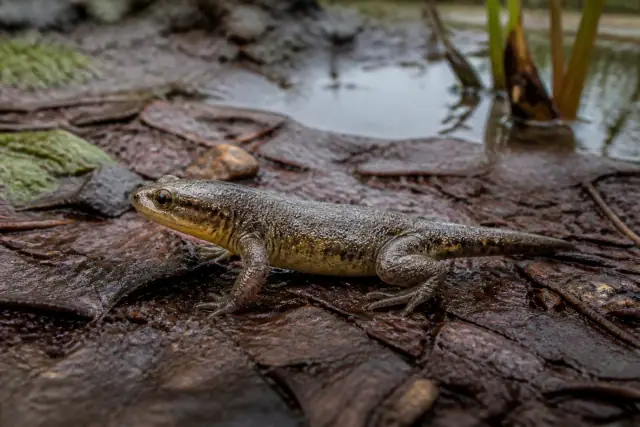
Triadobatrachus massinoti
It had a broad head and shortened trunk but lacked the full jumping machinery of modern frogs.
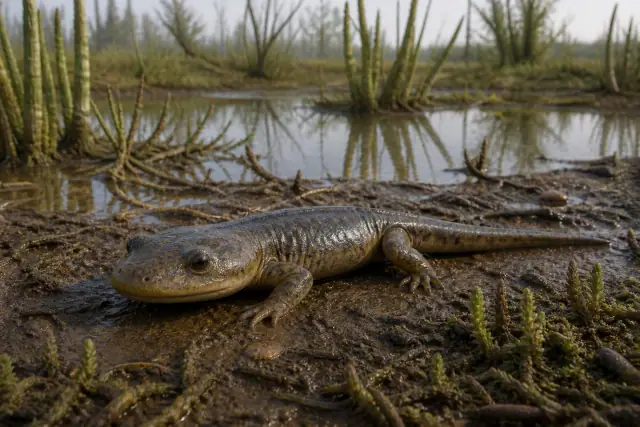
Gerobatrachus hottoni
A frog-like head and salamander-like tail combine traits near the origin of living amphibians.
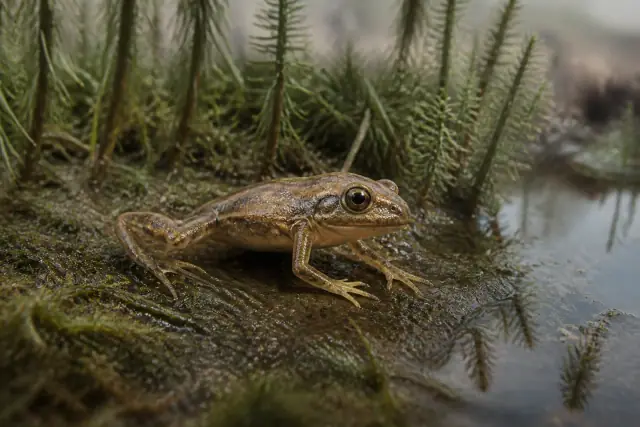
Vieraella herbstii
The adult tail was gone, but the trunk remained more primitive than in modern frogs.
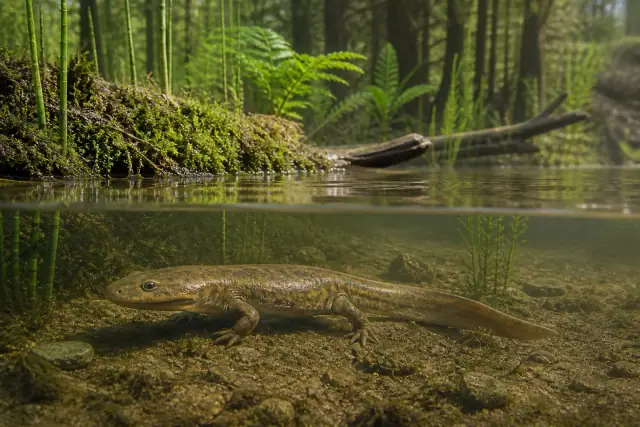
Karaurus sharovi
A broad head, short trunk and long tail show the salamander plan already well established.
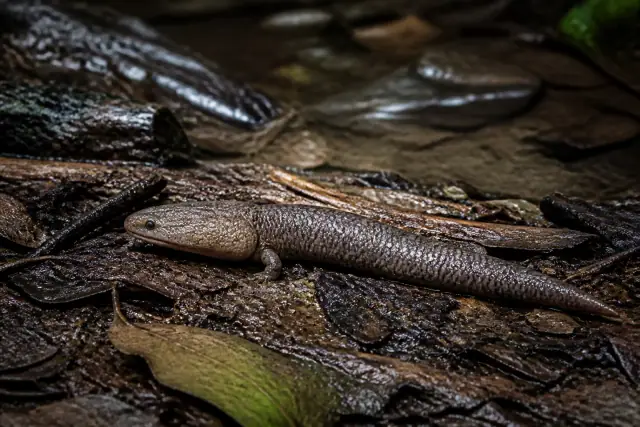
Albanerpeton inexpectatum
Its wedge-shaped skull belonged to an ancient amphibian lineage separate from frogs and salamanders.
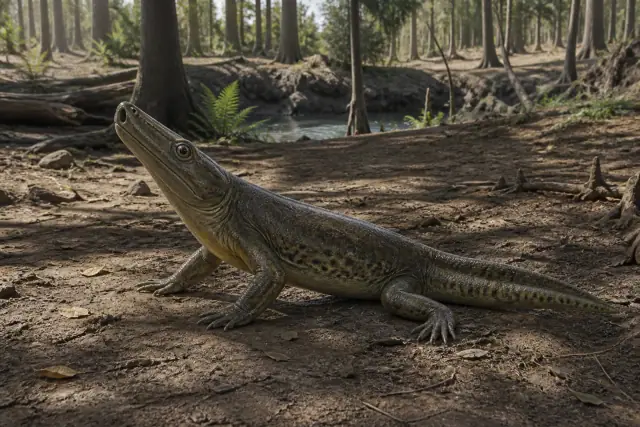
Fedexia striegeli
An elongated nostril region may reflect life in drier upland settings.
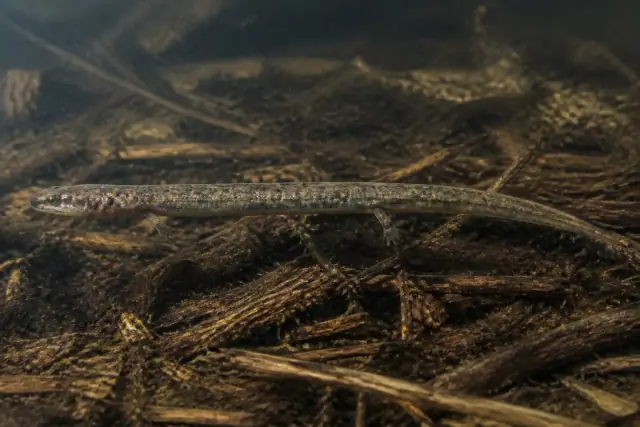
Microbrachis pelikani
More than forty trunk vertebrae formed a long body with extremely small limbs.
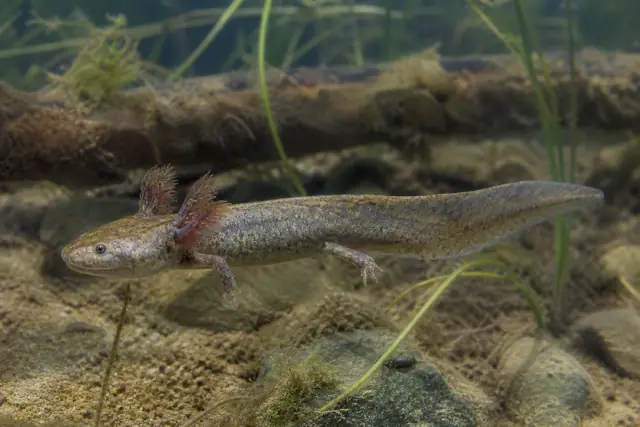
Branchiosaurus salamandroides
Adults retained external gills, extending a juvenile condition through life.
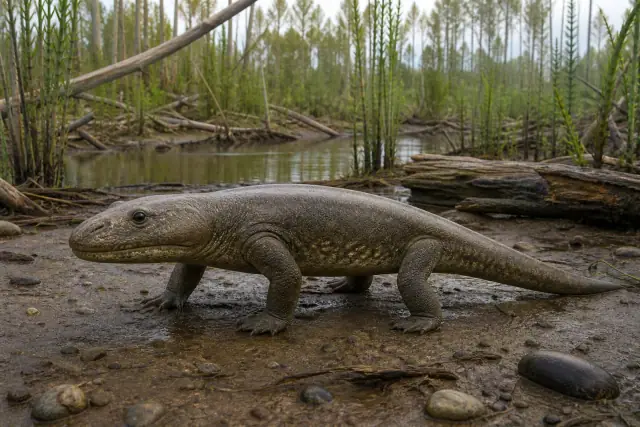
Pederpes finneyae
Forward-facing toes show an early tetrapod using a more effective terrestrial gait.
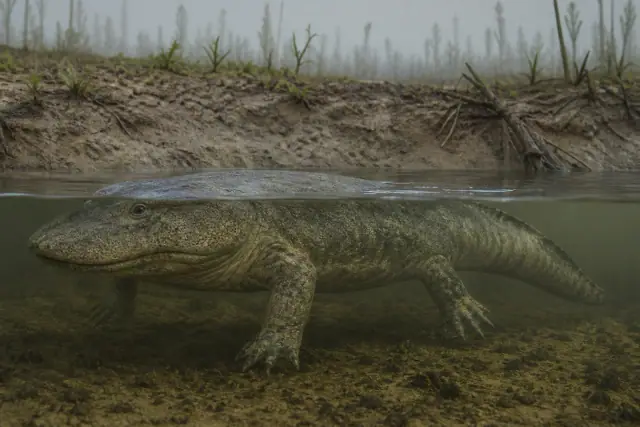
Whatcheeria deltae
A reinforced skull and fang-like teeth belonged to a powerful river predator.
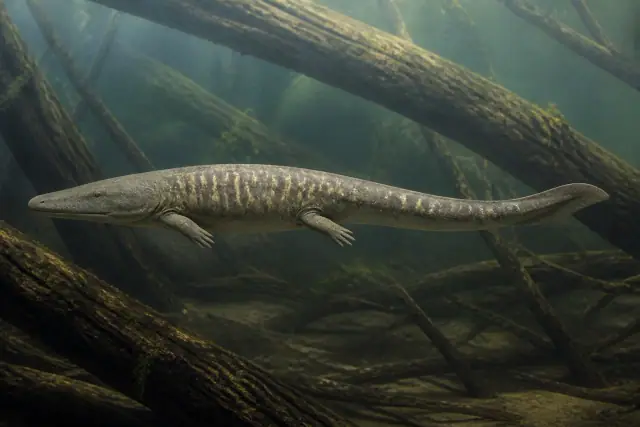
Greererpeton burkemorani
A long trunk and deep tail propelled it through murky water.
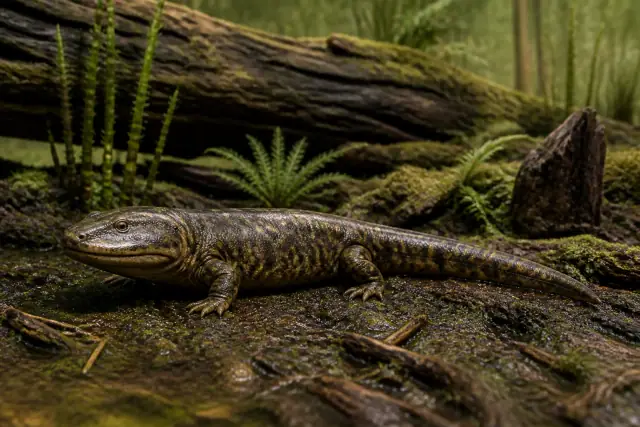
Balanerpeton woodi
The ear region and sturdy limbs suggest more terrestrial activity than in many contemporaries.
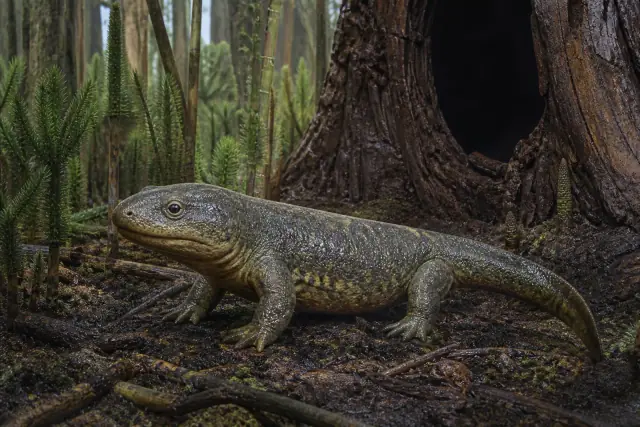
Dendrerpeton acadianum
Many individuals were entombed inside hollow tree stumps.
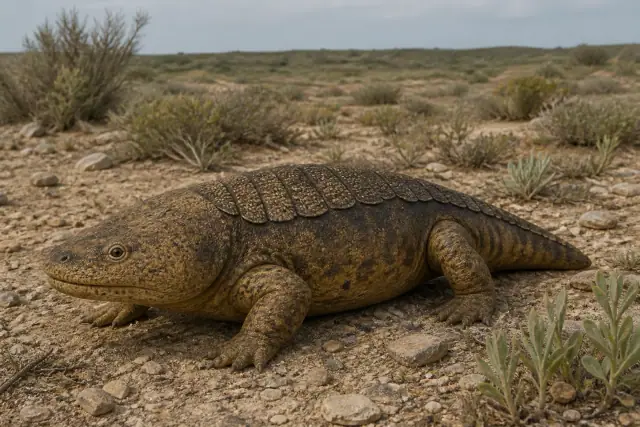
Cacops aspidephorus
A row of bony back plates reinforced this stocky terrestrial amphibian.
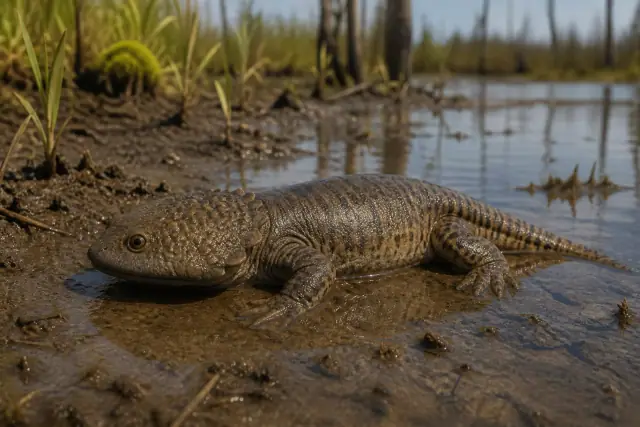
Zatrachys serratus
Its expanded skull margin bears bony projections; their function is unproven.
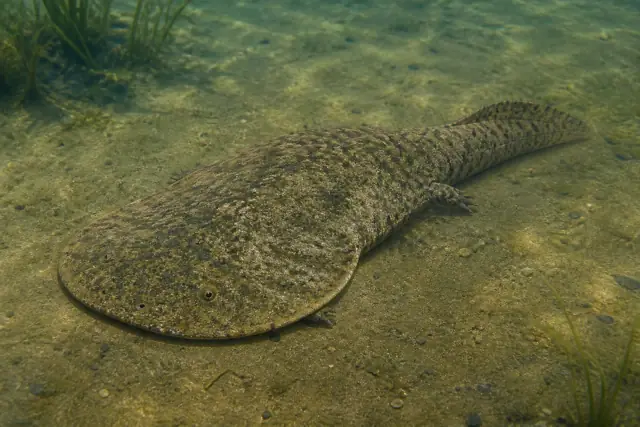
Plagiosuchus pustuliferus
Its semicircular skull was extraordinarily broad and flat.
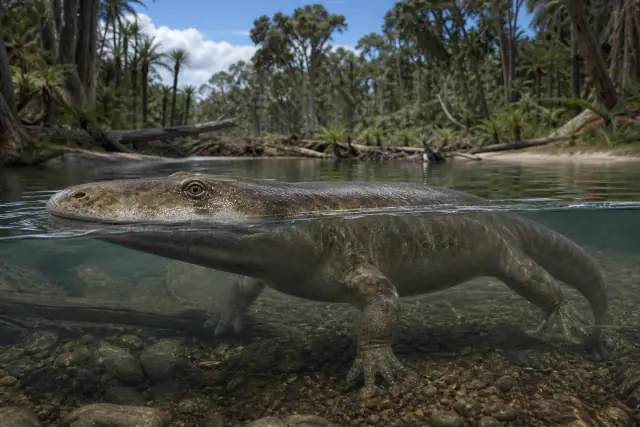
Siderops kehli
A giant temnospondyl still occupied river ambush niches in the dinosaur era.
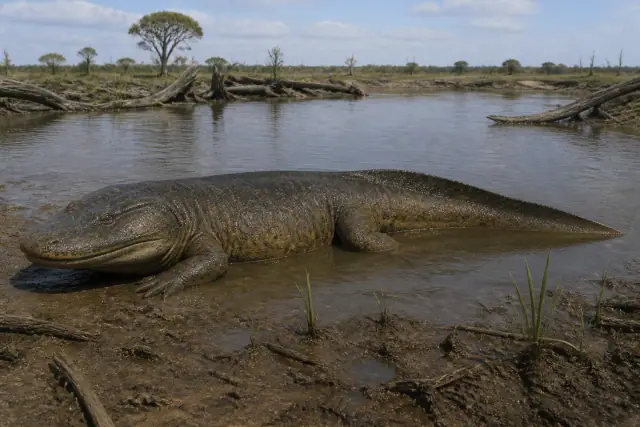
Rhinesuchus whaitsi
This broad-headed aquatic predator was common in southern Late Permian waters.
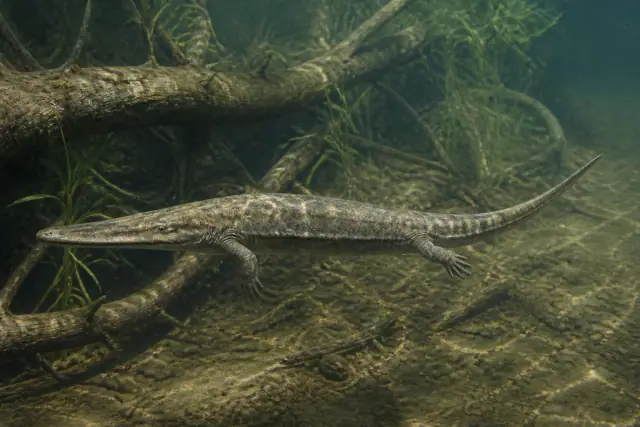
Trematolestes hagdorni
A narrow snout was built to snap at fish in water.
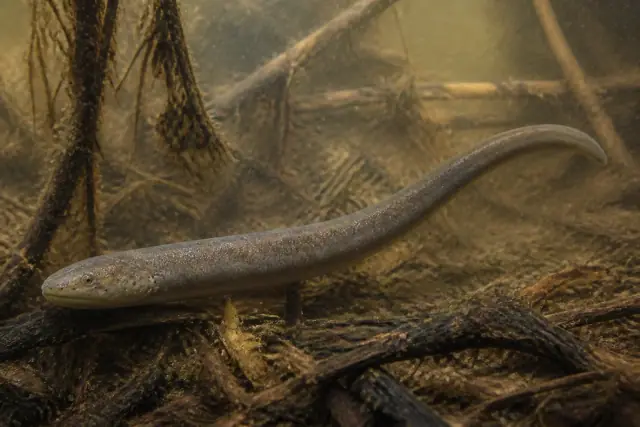
Adelospondylus watsoni
The limbs vanished entirely while the skull and spine retained tetrapod construction.
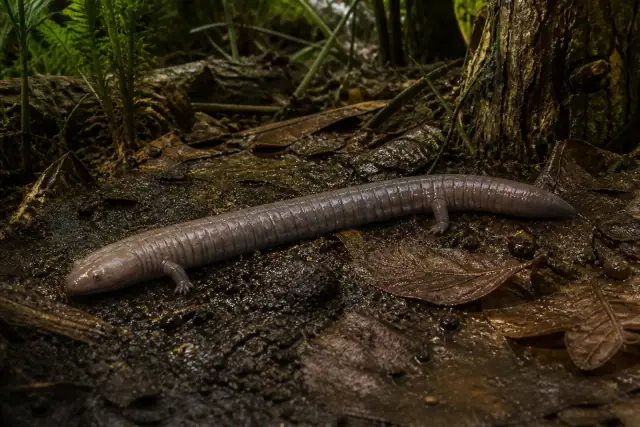
Eocaecilia micropodia
It had a caecilian-like body but still retained four tiny legs.
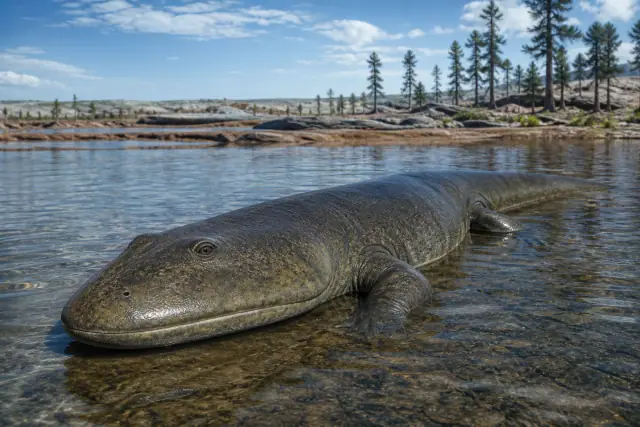
Eryosuchus garjainovi
A skull more than two meters long belonged to one of the largest freshwater amphibian predators.
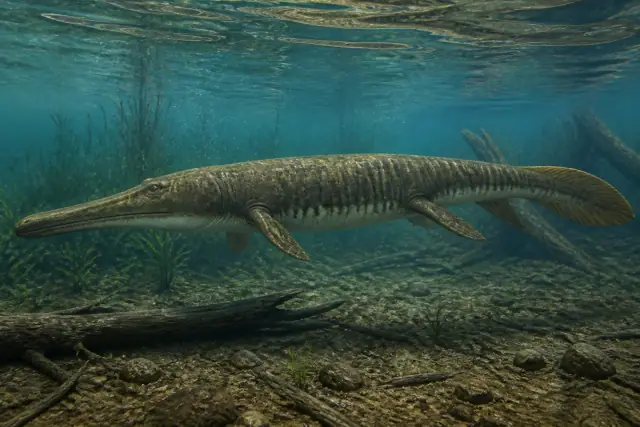
Archegosaurus decheni
A long snout, lateral-line grooves and weak limbs show permanent aquatic dependence.
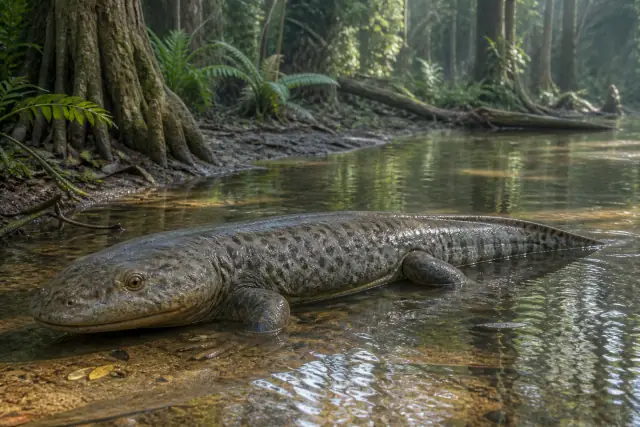
Paracyclotosaurus davidi
A near-complete skeleton reveals the full proportions of a giant Triassic amphibian.
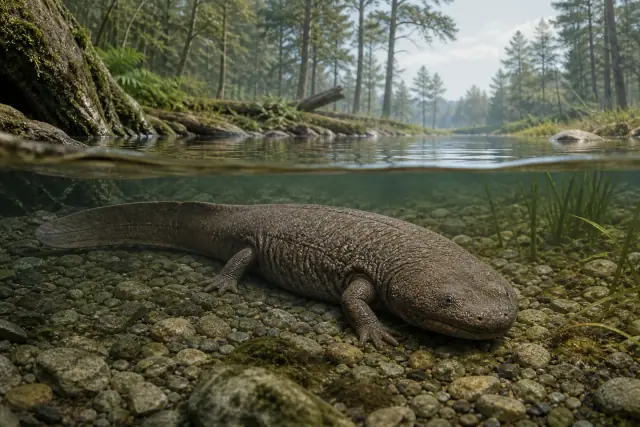
Andrias scheuchzeri
Its skeleton was once mistaken for a human killed in the biblical flood.
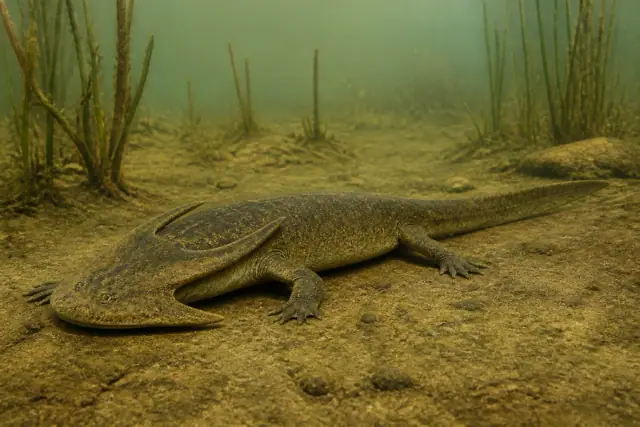
Diploceraspis burkei
Paired backward horns widened the skull of this small diplocaulid.
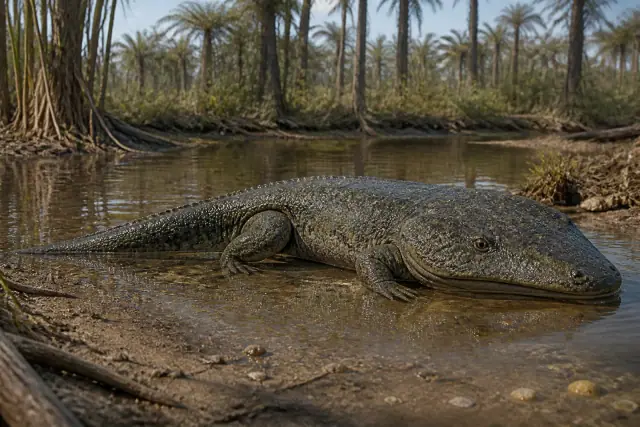
Cyclotosaurus robustus
Closed otic notches and a broad flat skull marked a giant aquatic ambush predator.
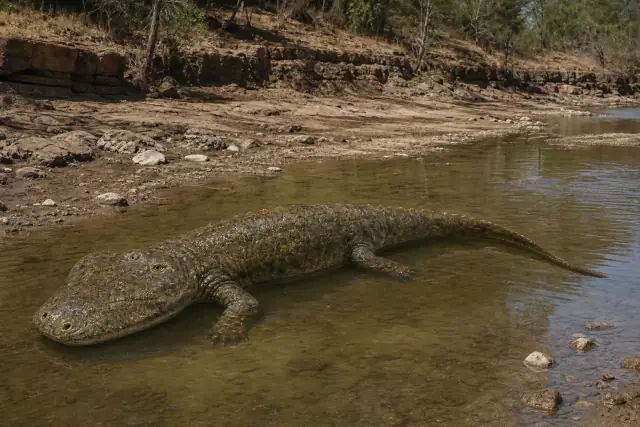
Koskinonodon perfectum
A broad half-meter skull carried grooves that sensed water movement.
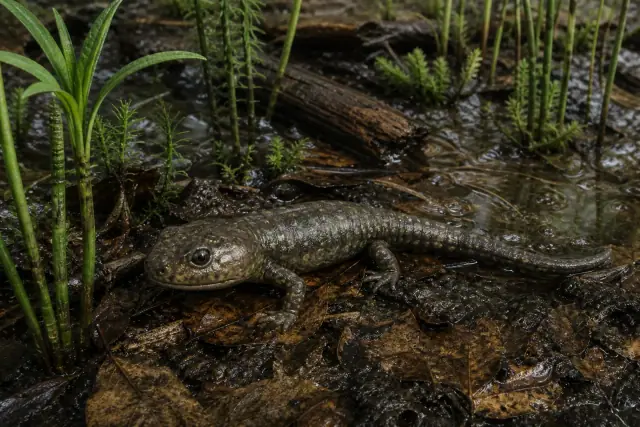
Amphibamus grandiceps
A small light body combined traits near the ancestry of modern amphibians.
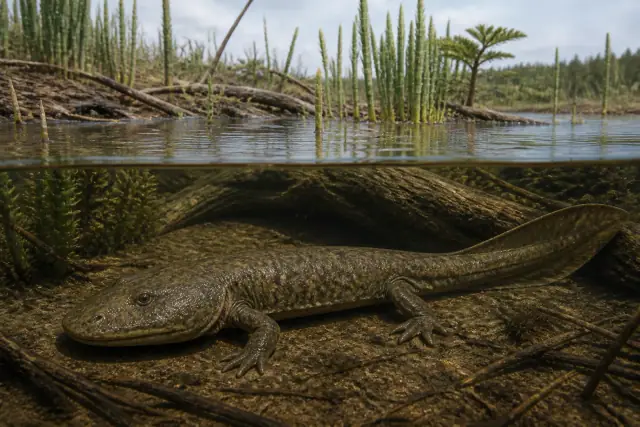
Trimerorhachis insignis
External gills and a long body show a temnospondyl that remained aquatic throughout life.
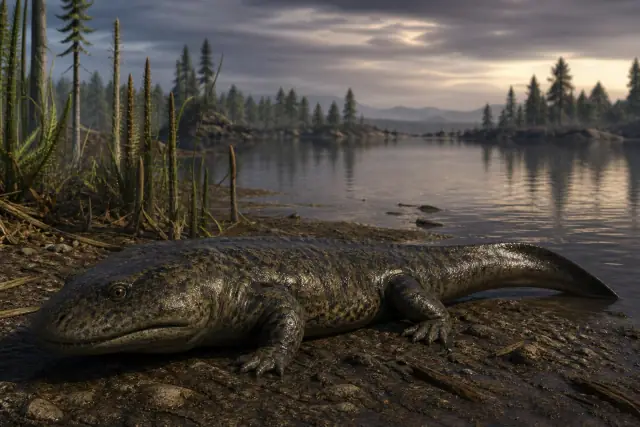
Sclerocephalus haeuseri
A broad head, strong trunk and compressed tail belonged to a large freshwater predator.
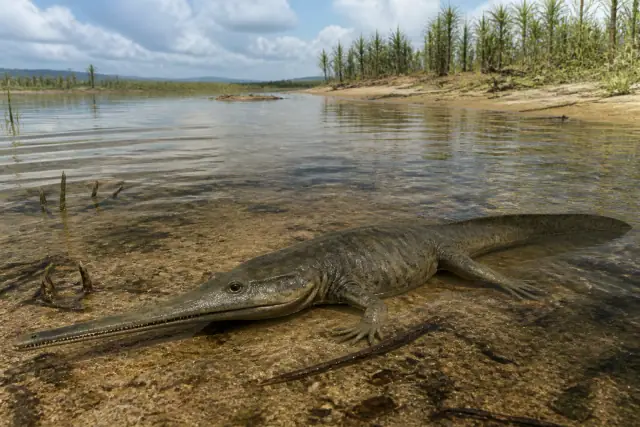
Aphaneramma rostratum
An extremely narrow snout gave this temnospondyl a gharial-like profile on an amphibian skeleton.
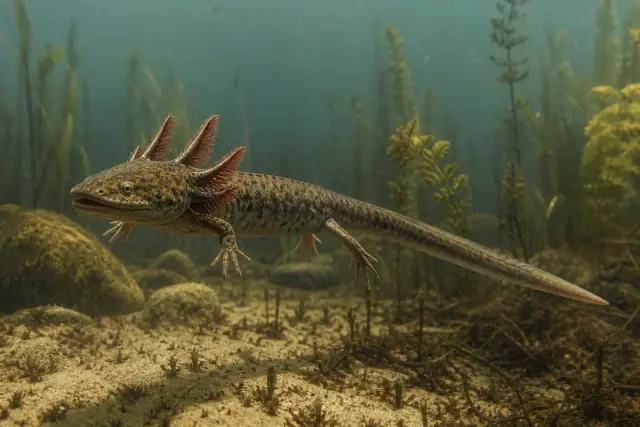
Melanerpeton pusillum
A tiny body and retained gill structures marked a branchiosaurid amphibian.
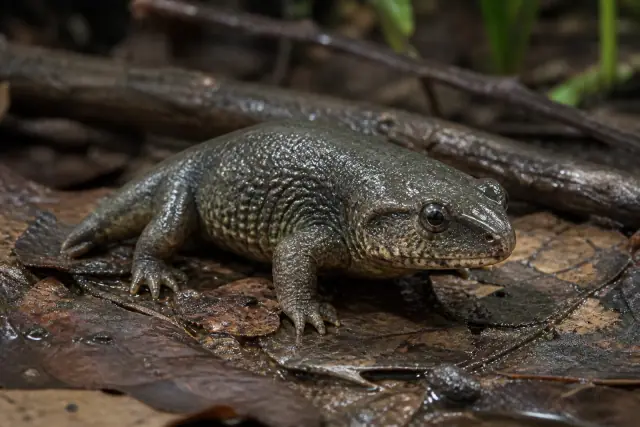
Doleserpeton annectens
A short trunk, mobile neck and ear region approach the body plan of modern amphibian ancestors.
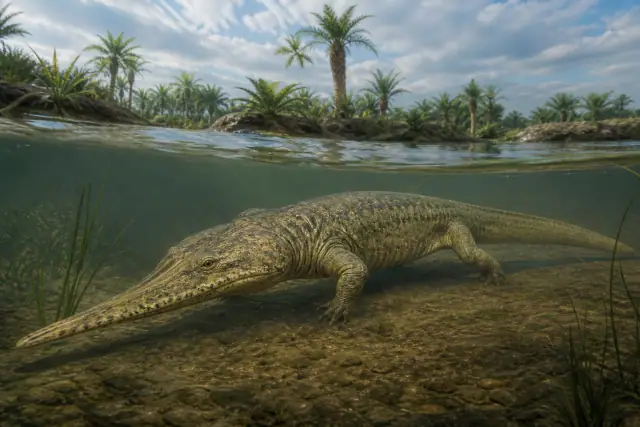
Trematosaurus brauni
A narrow sensory-grooved snout suited an open-water temnospondyl.
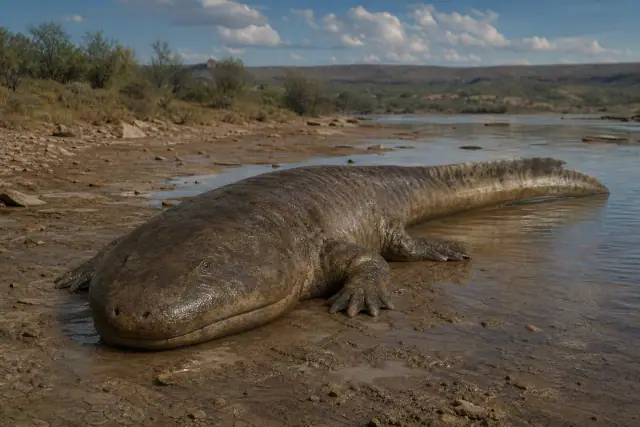
Uranocentrodon senekalensis
A broad flat head, strong trunk and compressed tail belonged to a large aquatic predator.
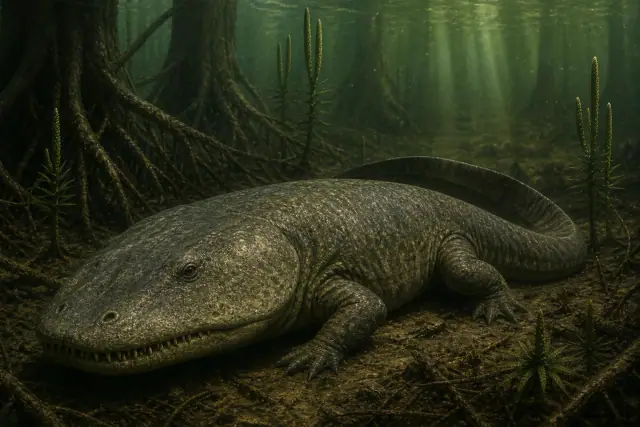
Capetus palustris
A broad flat skull and dense pointed teeth belonged to a large aquatic temnospondyl.