04Paleozoic
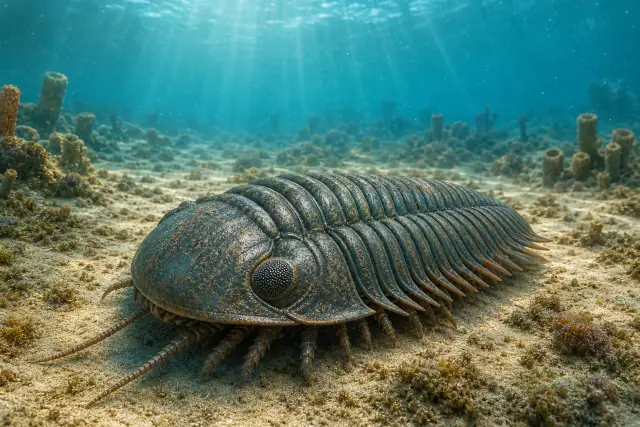
Trilobites
Trilobita
They occupied seafloors for nearly 300 million years, and their compound eyes preserve secrets of early vision.
 EXTINCT ATLASEXTINCT LIFE ARCHIVEBack to archive
Period · 486.85–443.1 million years ago
Discover Ordovician seas through cephalopods, trilobites, early fishes and the communities that followed the Cambrian.
Marine animals occupied increasingly varied ecological roles. Shelled seafloor communities and swimming predators illuminate different food webs. Glaciation and environmental disruption near the period’s end caused major losses, but surviving lineages continued into the Silurian.
Trilobita
They occupied seafloors for nearly 300 million years, and their compound eyes preserve secrets of early vision.
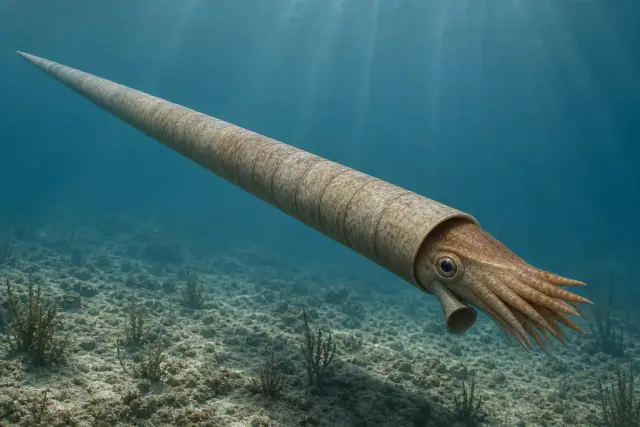
Cameroceras trentonense
A long straight shell housed one of the largest predators of Ordovician seas.
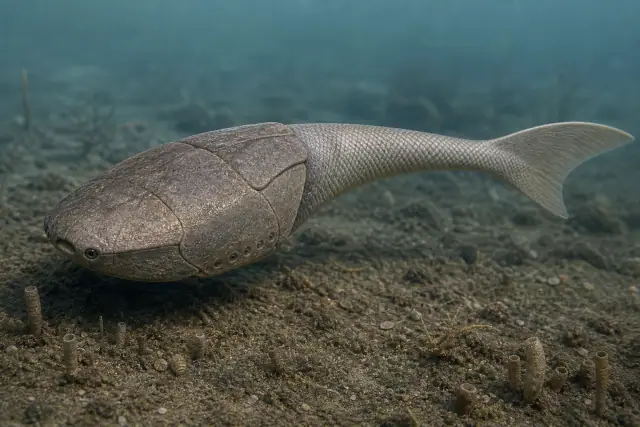
Sacabambaspis janvieri
An armored jawless fish with a broad head shield and an elongated tail; fossil distortion leaves parts of the tail outline uncertain.
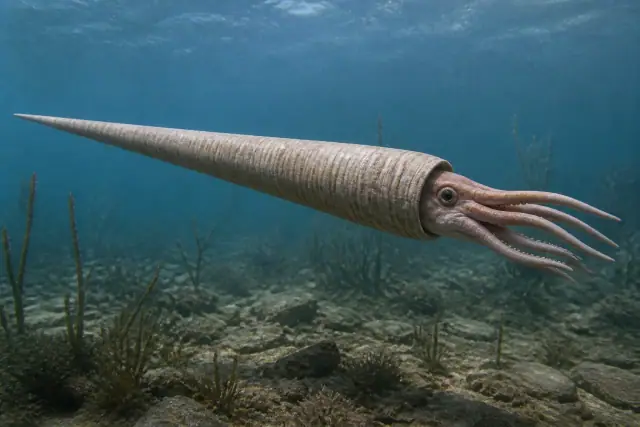
Endoceras giganteum
A straight conical shell several meters long made it one of the most conspicuous large cephalopods of Ordovician seas.
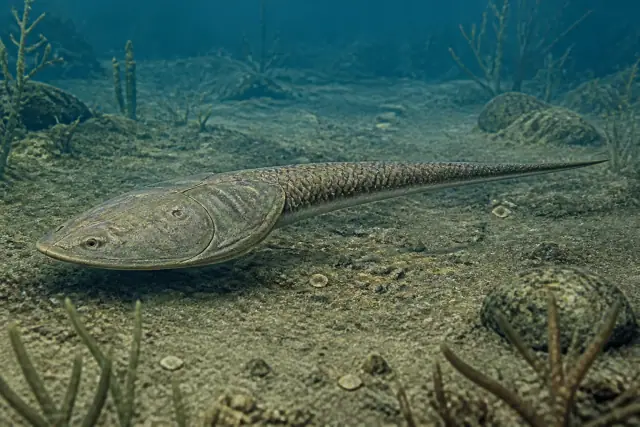
Arandaspis prionotolepis
It lacked jaws and paired fins, but its head and gill region were enclosed within strong armor.
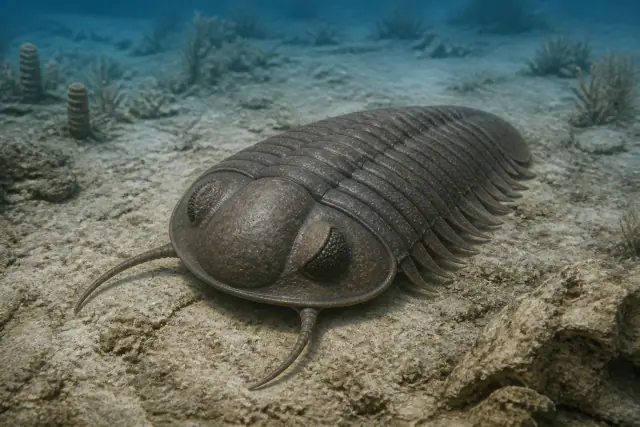
Isotelus rex
At nearly seventy centimeters, it is among the largest complete trilobites ever found.
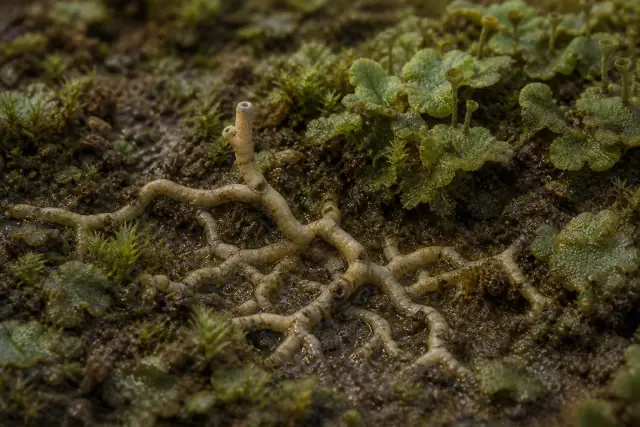
Tortotubus protuberans
Branching microscopic hyphae show fungi helping to build the earliest soils.
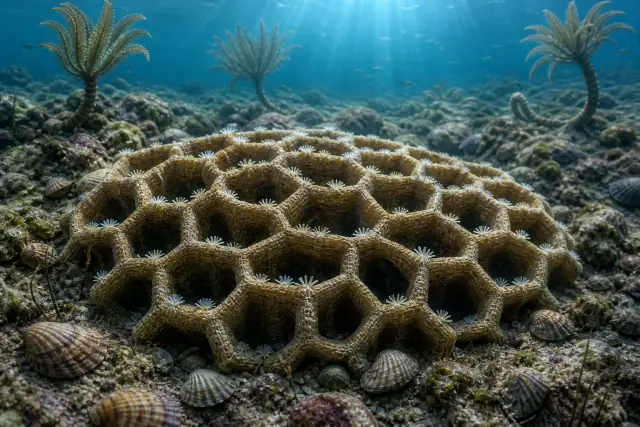
Halysites catenularius
Linked tubes formed honeycomb chains across Paleozoic reefs.
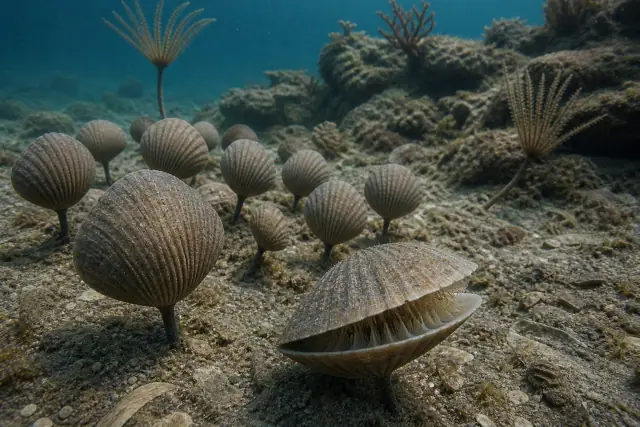
Atrypa reticularis
Fine radial ribs covered rounded shells that once crowded ancient seabeds.
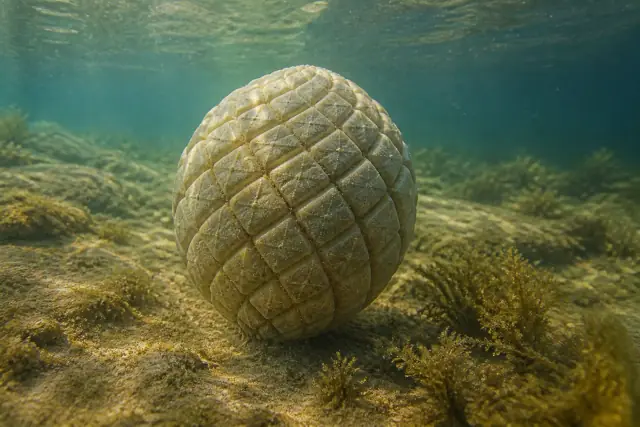
Receptaculites oweni
Spiraled diamond plates formed a calcified pinecone-like body.
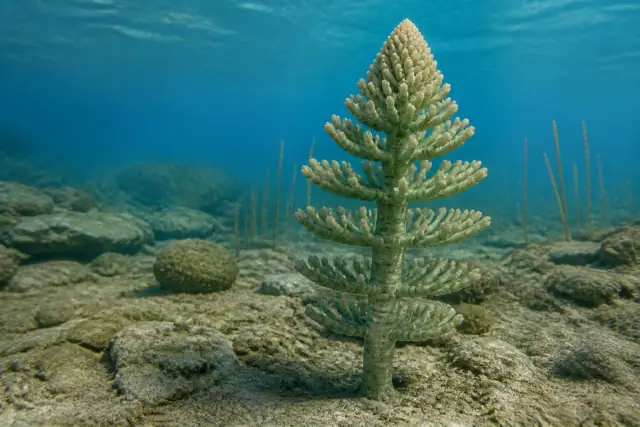
Cyclocrinites dactioloides
Whorled calcified branches surrounded a central axis like an underwater bottlebrush.
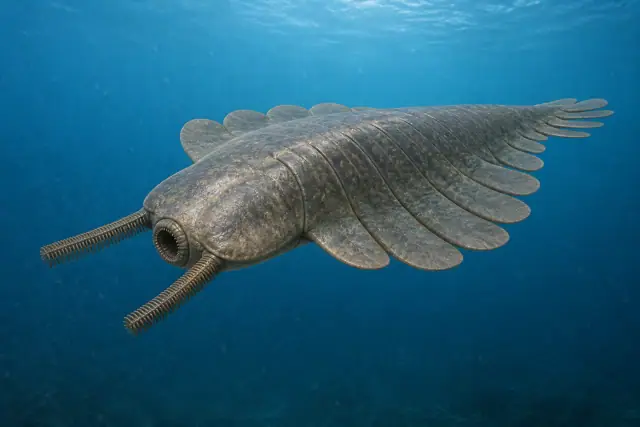
Aegirocassis benmoulai
A two-meter filter-feeding radiodont was an early analogue of giant plankton feeders.