05Mesozoic
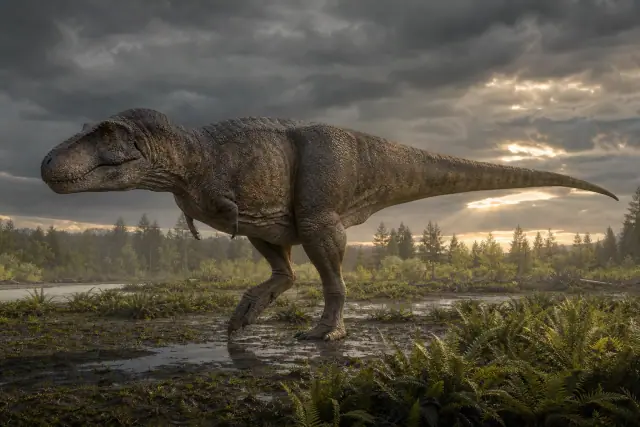
Tyrannosaurus
Tyrannosaurus rex
A deep skull, bone-crushing bite and keen senses made it one of the last giant theropods.
 EXTINCT ATLASEXTINCT LIFE ARCHIVEBack to archive
CURATED COLLECTION
From small Triassic hunters to the giant herbivores and apex predators of the Late Cretaceous.
ANSWER FIRST
More than 160 million years of evolution allowed dinosaurs to occupy predatory, herbivorous, burrowing and arboreal niches across distinct continental lineages.
Tyrannosaurus rex
A deep skull, bone-crushing bite and keen senses made it one of the last giant theropods.
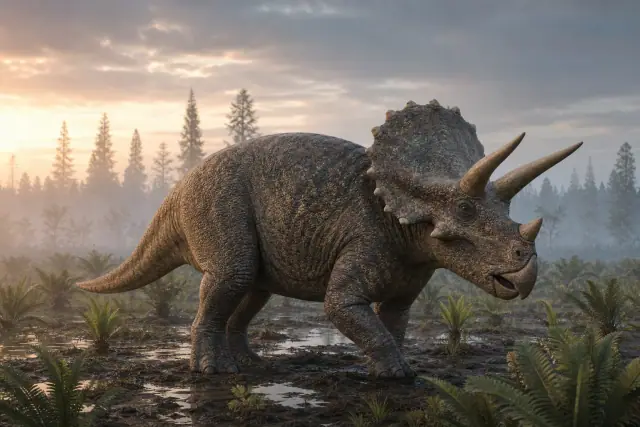
Triceratops horridus
Triceratops ate plants, clipping vegetation with its beak and slicing it with dental batteries. Fossils reveal feeding mechanics more clearly than a precise plant menu.
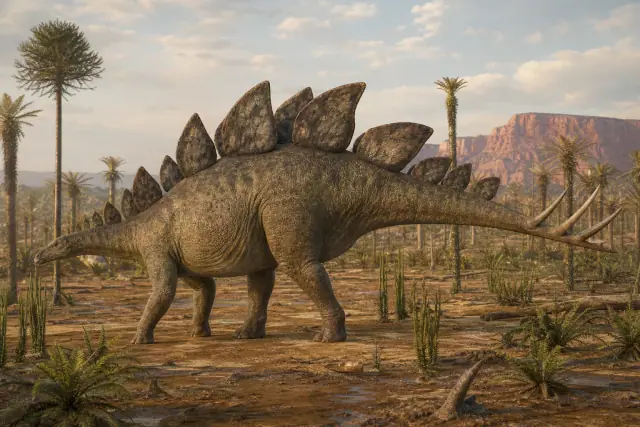
Stegosaurus stenops
Tall back plates and a four-spiked tail made this low-browsing herbivore unmistakable.
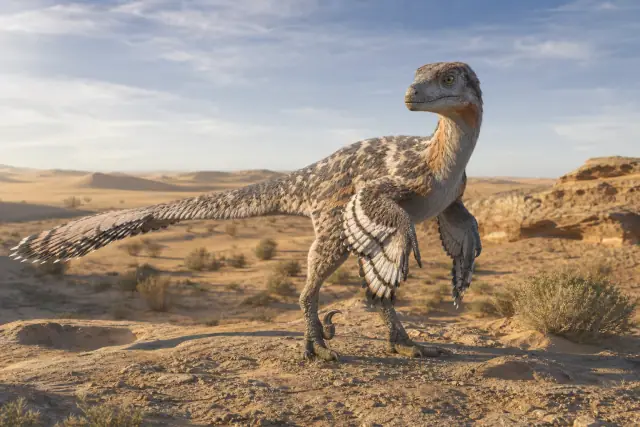
Velociraptor mongoliensis
This turkey-sized feathered predator carried a raised sickle claw on each foot.
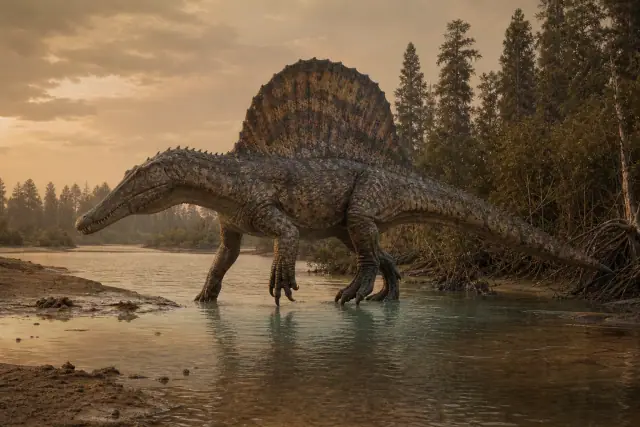
Spinosaurus aegyptiacus
A sail-backed predator with dense bones and a paddle-like tail, adapted to life around water.
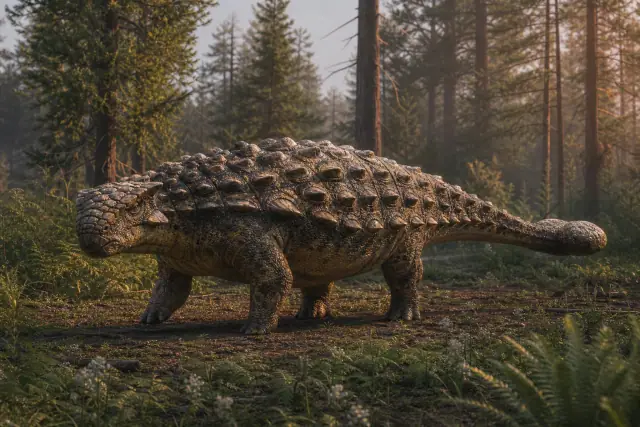
Ankylosaurus magniventris
Body armor and a heavy tail club turned a plant-eater into a walking fortress.
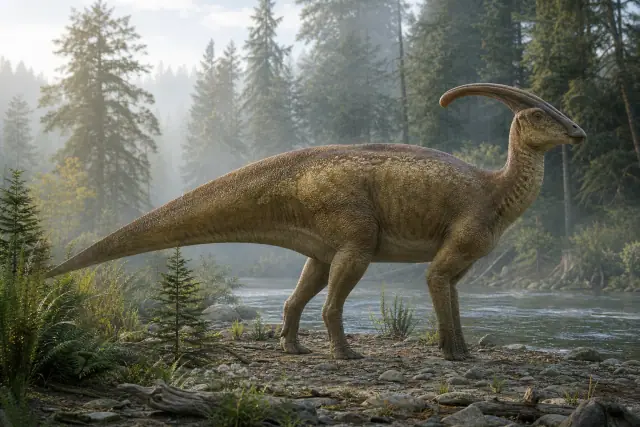
Parasaurolophus walkeri
Its long hollow crest may have carried low calls across forests and floodplains.
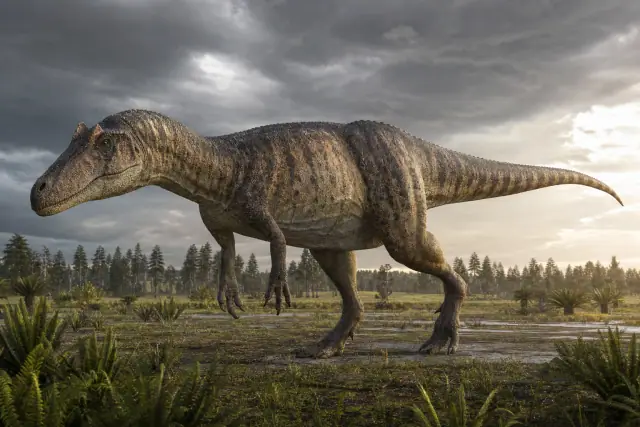
Allosaurus fragilis
A lightweight skull and serrated teeth equipped this large predator for repeated slashing bites.
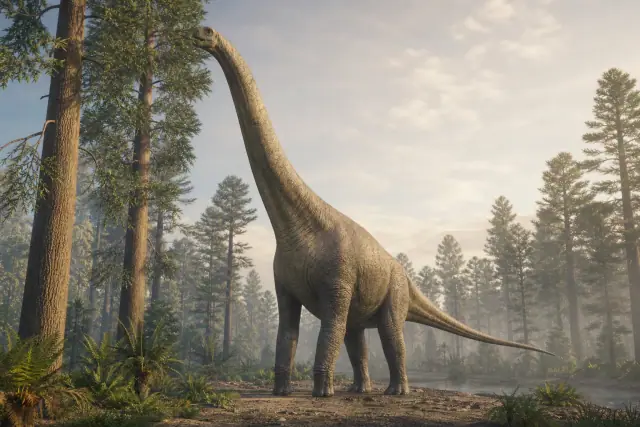
Brachiosaurus altithorax
Long forelimbs lifted its shoulders and neck toward the Jurassic canopy.
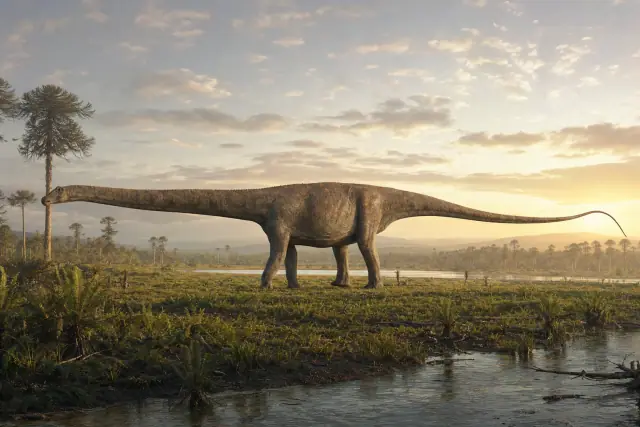
Diplodocus carnegii
A whip-like tail balanced an extremely long neck on this lightly built giant.
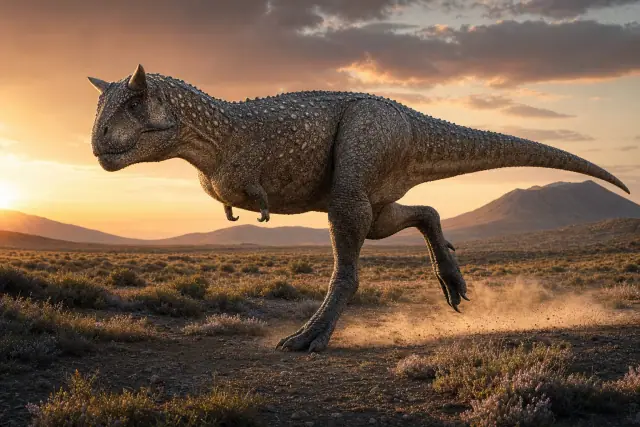
Carnotaurus sastrei
Brow horns, a deep skull and extremely reduced arms marked this fast abelisaurid.
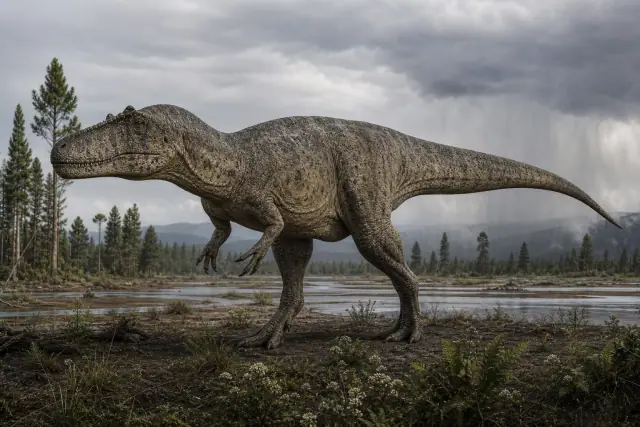
Giganotosaurus carolinii
A giant narrow-skulled theropod shared its world with immense sauropods.
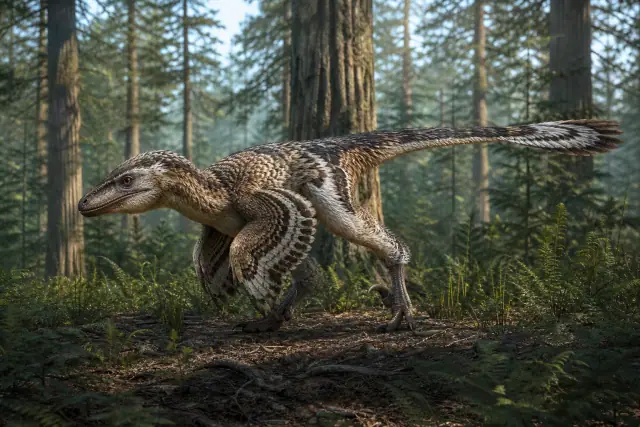
Deinonychus antirrhopus
A stiff tail, grasping hands and enlarged foot claw made an agile feathered hunter.
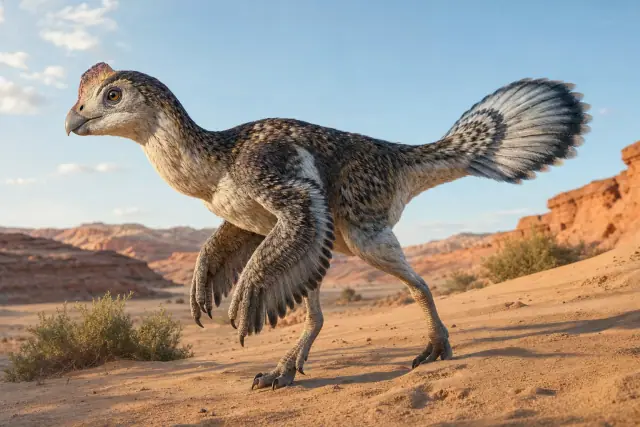
Oviraptor philoceratops
The supposed egg thief was found above a nest that probably contained its own young.
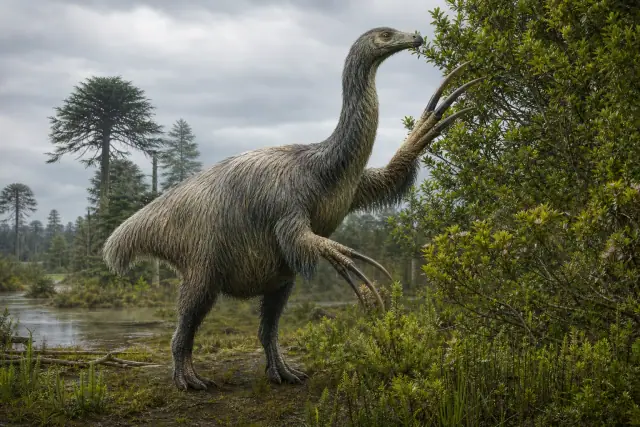
Therizinosaurus cheloniformis
Meter-long hand claws belonged to a tall, feathered, pot-bellied herbivore.
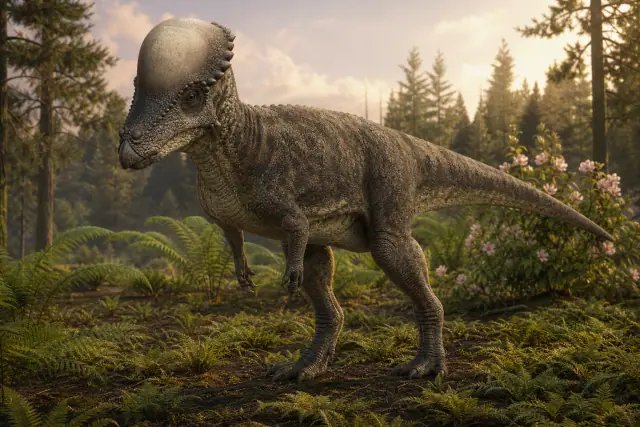
Pachycephalosaurus wyomingensis
A thick dome of bone crowned the skull of this two-legged herbivore.
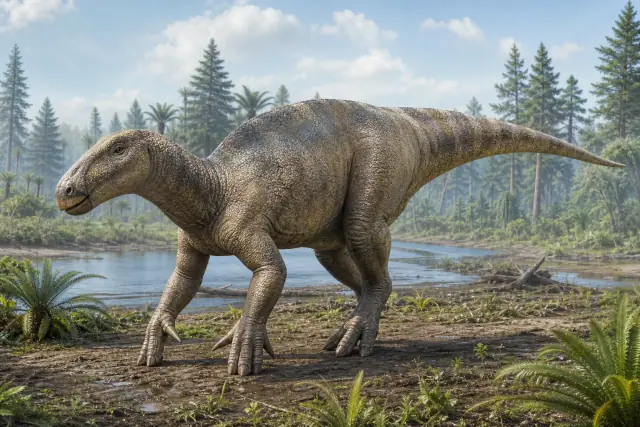
Iguanodon bernissartensis
A conical thumb spike and batteries of chewing teeth equipped this adaptable herbivore.
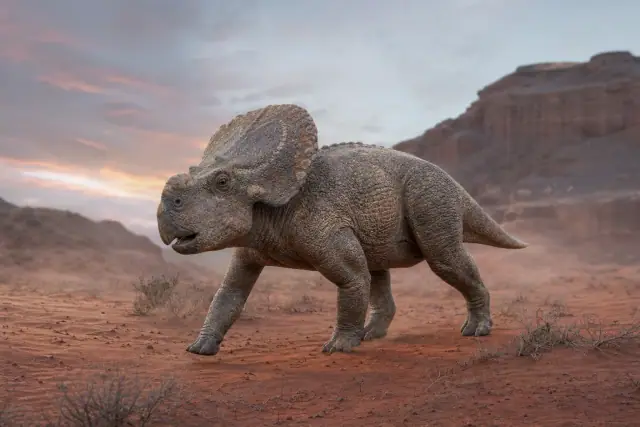
Protoceratops andrewsi
Protoceratops was a small, beaked ceratopsian from Late Cretaceous Mongolia. Its neck frill and four-legged body distinguish it from its predator Velociraptor.
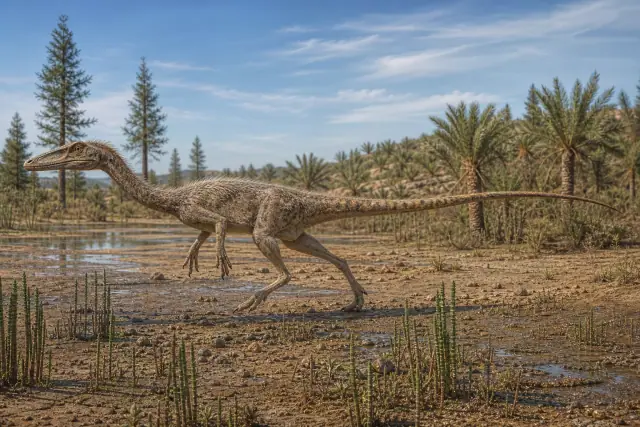
Coelophysis bauri
Coelophysis was a slender, two-legged theropod from the Late Triassic. Many skeletons occur together at Ghost Ranch in New Mexico.
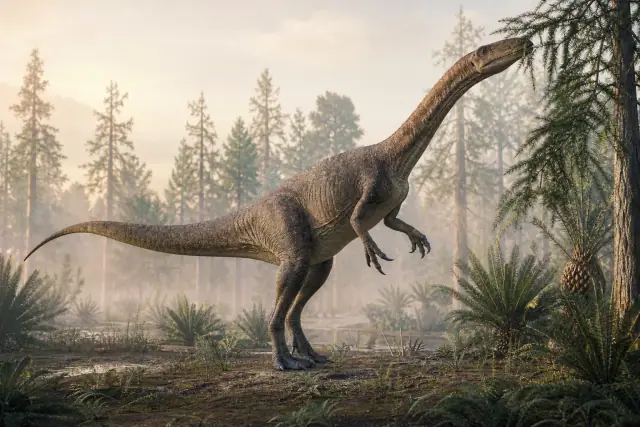
Plateosaurus trossingensis
Plateosaurus was a Late Triassic sauropodomorph from central Europe. It combined a long neck with grasping hands and strongly developed hind limbs.
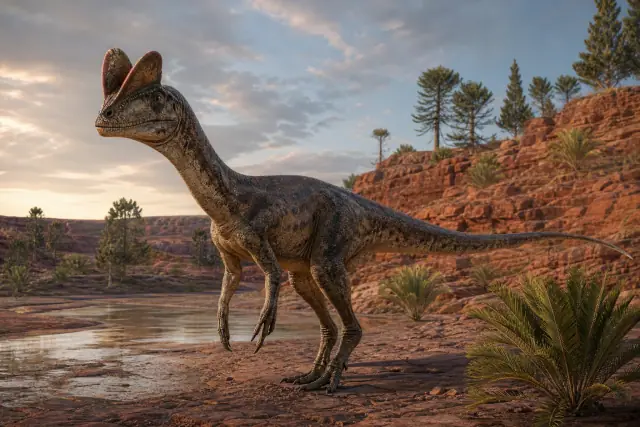
Dilophosaurus wetherilli
Dilophosaurus wetherilli was a large Early Jurassic predator from northern Arizona. Two thin crests on its skull gave it its name.
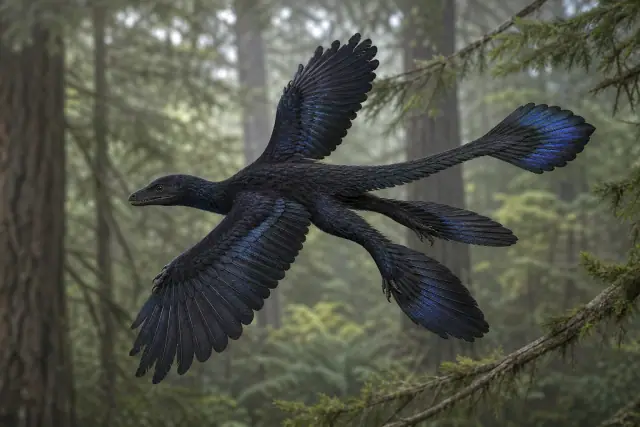
Microraptor gui
Microraptor was a small feathered theropod from Early Cretaceous China. Long feathers on both forelimbs and hind limbs created several aerodynamic surfaces.
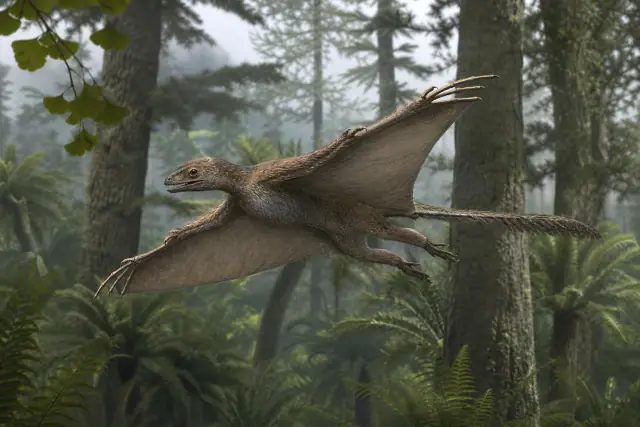
Yi qi
Yi qi was a small Jurassic theropod with feathers and preserved traces of a wing membrane. A rod-like element extending from the wrist made its wing unlike a modern bird's.
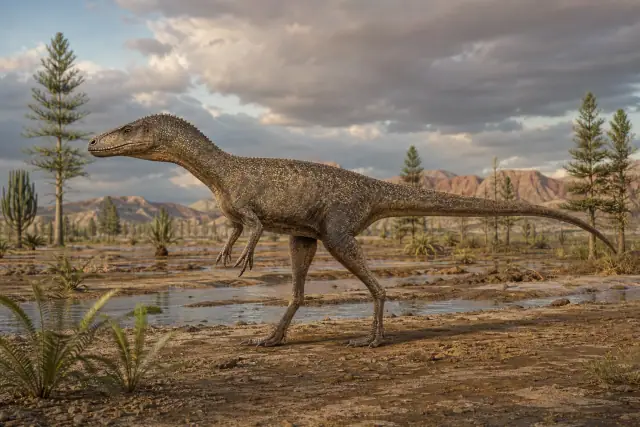
Herrerasaurus ischigualastensis
One of the earliest large dinosaurs was a lightly built two-legged predator.
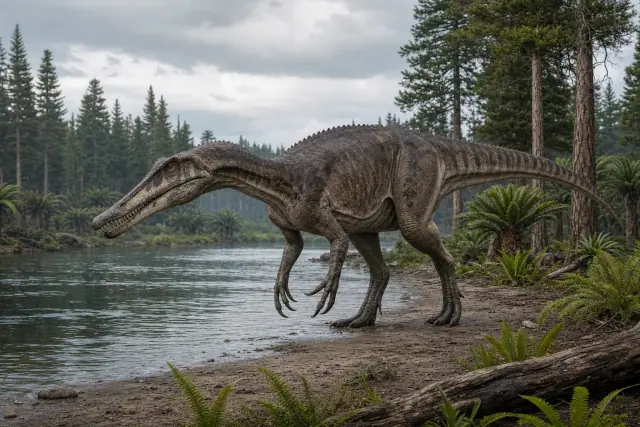
Baryonyx walkeri
A crocodile-like snout and huge thumb claw equipped this theropod to catch fish and other prey.
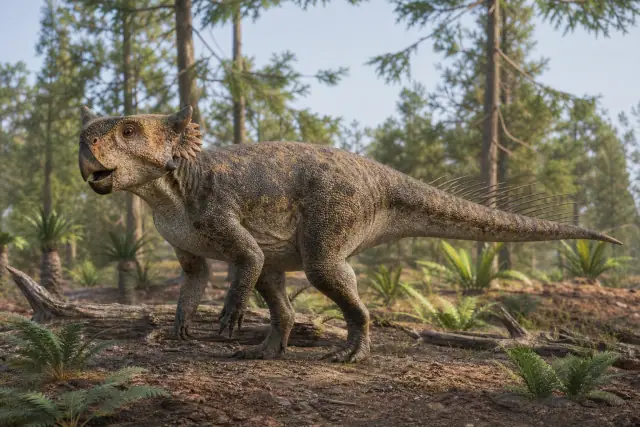
Psittacosaurus mongoliensis
A deep parrot-like beak helped this early horned dinosaur process plants; this record distinguishes P. mongoliensis from other specimens of the genus.
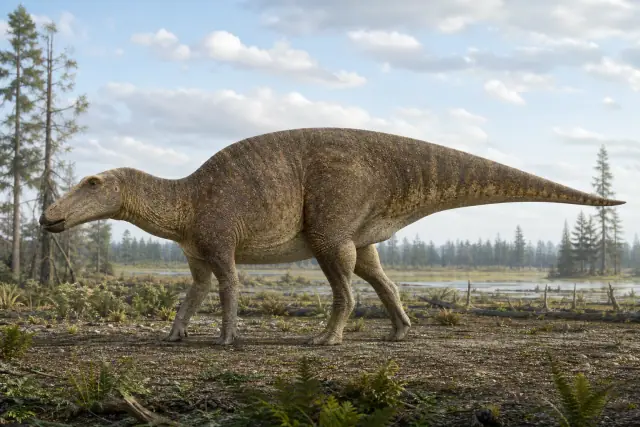
Edmontosaurus annectens
A broad duck bill and dense dental batteries processed huge amounts of vegetation.
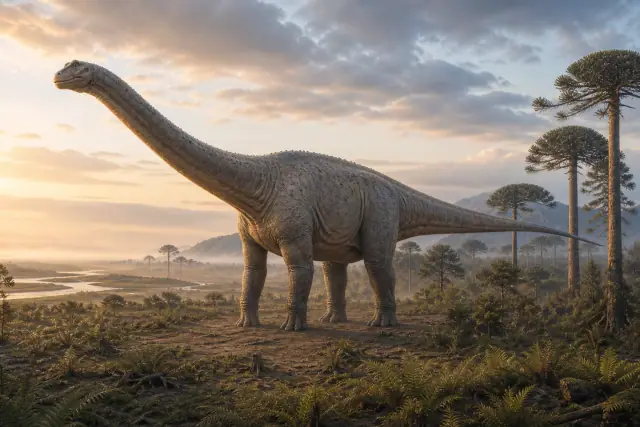
Argentinosaurus huinculensis
A handful of colossal vertebrae and limb bones indicate one of the largest land animals known.
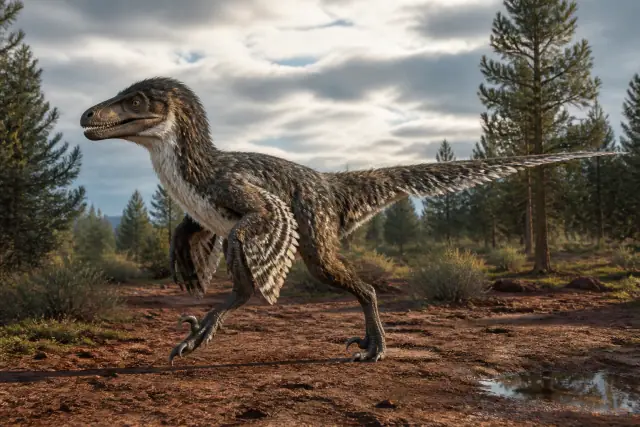
Utahraptor ostrommaysorum
This huge, robust dromaeosaur used strength and a curved second-toe claw to control prey.
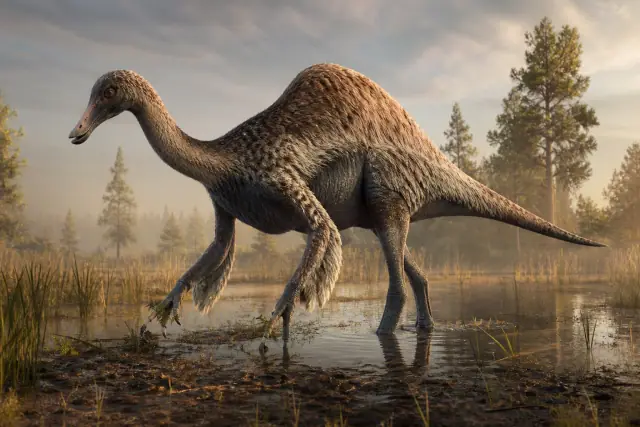
Deinocheirus mirificus
Huge arms, a broad bill, a tall back and wide feet formed one of the strangest dinosaur silhouettes.
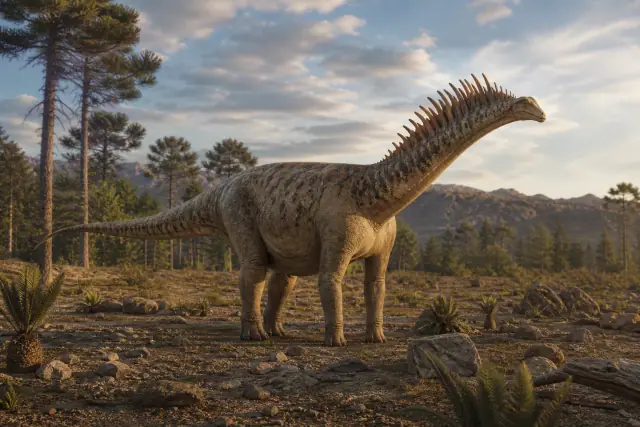
Amargasaurus cazaui
Two rows of elongated neck spines made its profile unique, though their soft-tissue covering remains debated.
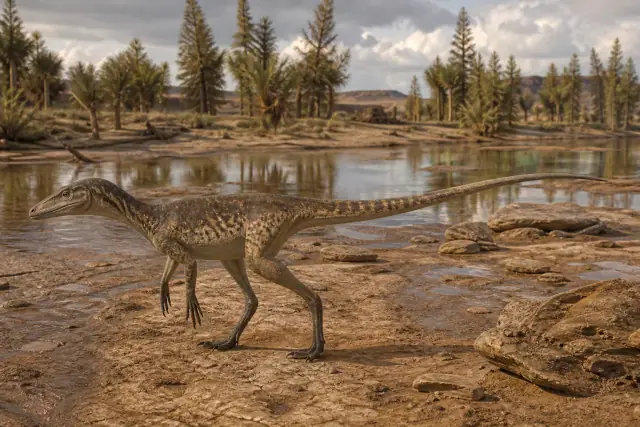
Eoraptor lunensis
A lightly built one-meter animal ran on two legs with both sharp and leaf-shaped teeth in its jaws.
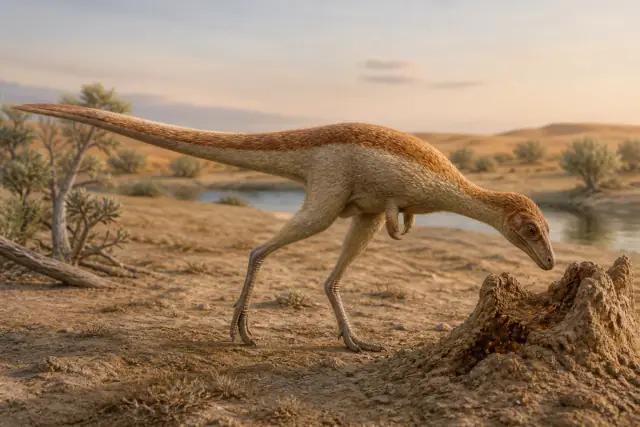
Mononykus olecranus
Each tiny forearm ended in one stout main claw, perhaps used to tear open insect nests like a modern anteater.
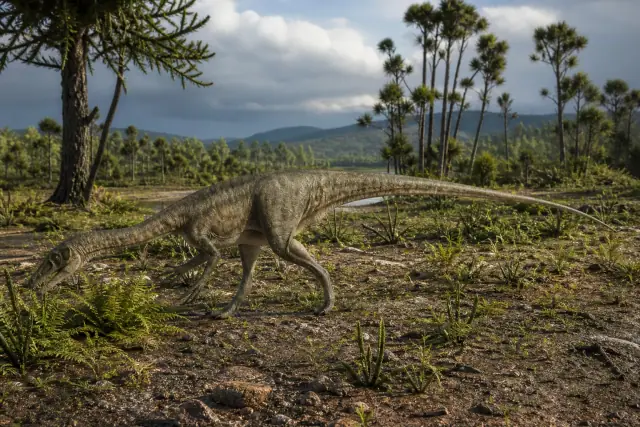
Massospondylus carinatus
A long neck, small head and grasping hands mark a stage between bipedal ancestors and giant quadrupedal sauropods.
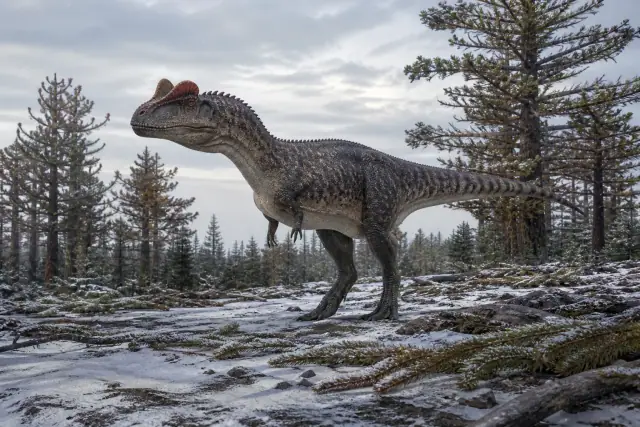
Cryolophosaurus ellioti
A curved transverse crest across its skull gives this large Antarctic theropod an unmistakable profile.
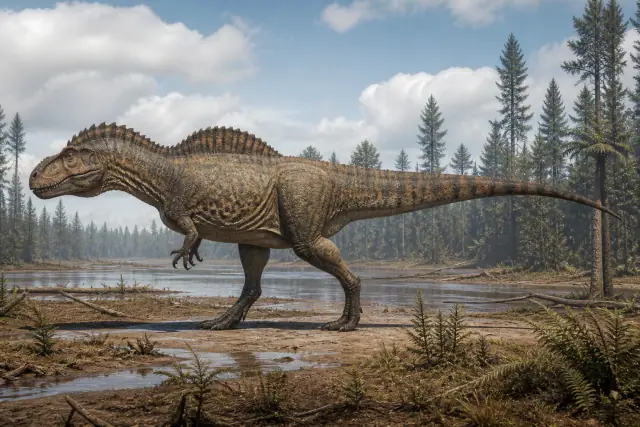
Acrocanthosaurus atokensis
Tall neural spines along the neck and back supported a muscular ridge rather than a paper-thin sail.
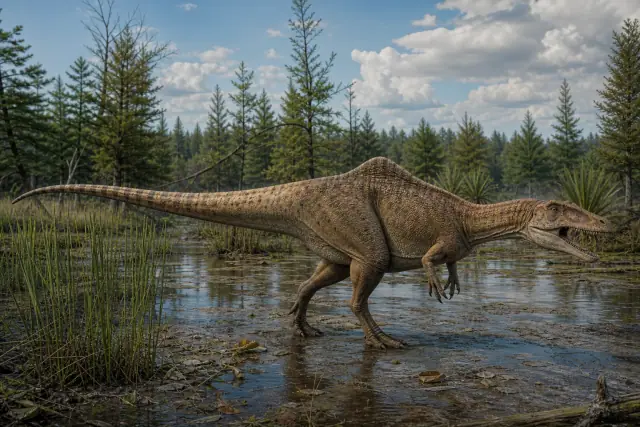
Concavenator corcovatus
Two very tall vertebrae ahead of the hips formed a short steep back crest, while the forearm carried unusual knobs.
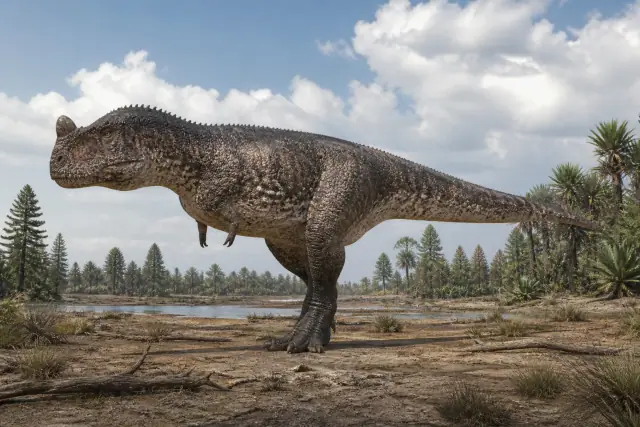
Majungasaurus crenatissimus
A short deep skull carried a rounded horn, while tooth marks on its own species provide rare scavenging evidence.
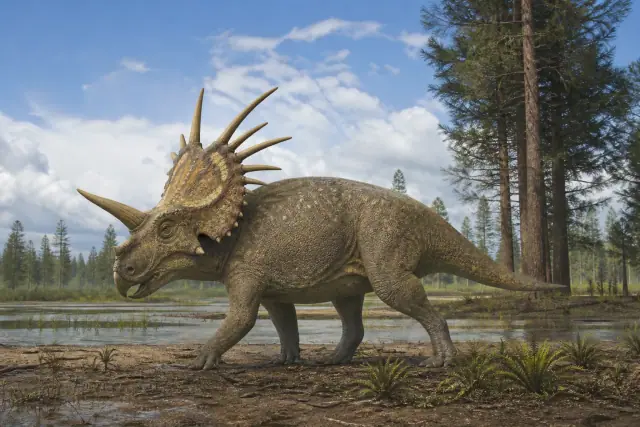
Styracosaurus albertensis
A huge nasal horn and long spikes radiating from the frill made one of the most dramatic ceratopsian heads.
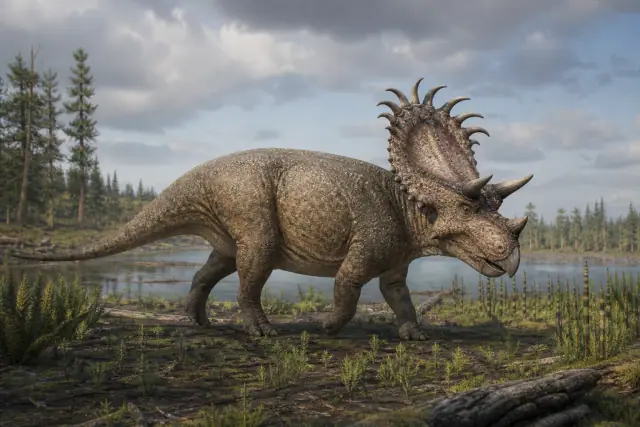
Kosmoceratops richardsoni
Fifteen horn-like ornaments across the nose, brows and broad frill formed a folded crown around the skull.
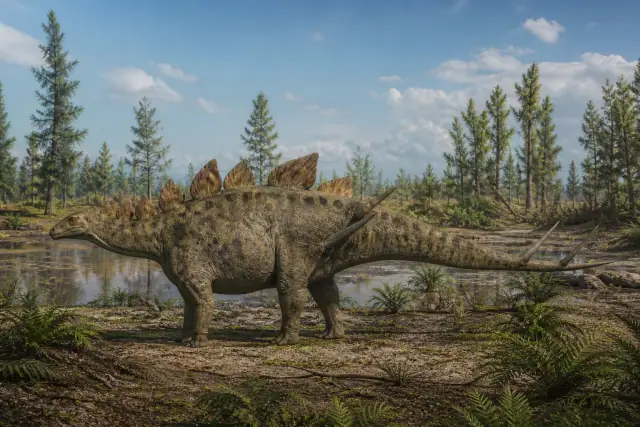
Kentrosaurus aethiopicus
Plates covered the front body while long paired spikes armed the hips and tail, concentrating defense behind it.
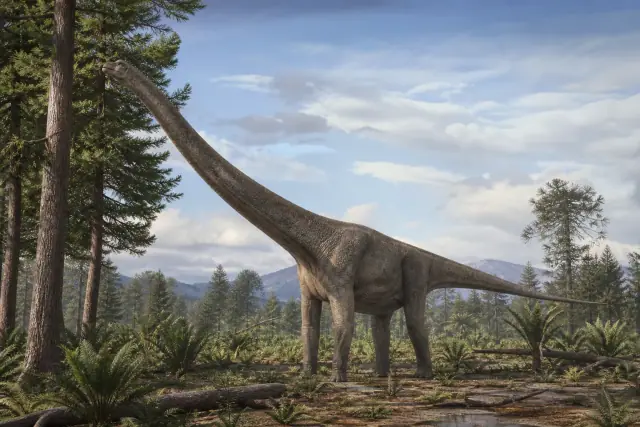
Mamenchisaurus hochuanensis
Nineteen elongated neck vertebrae placed nearly half the body's length in the neck, lightened internally by air spaces.
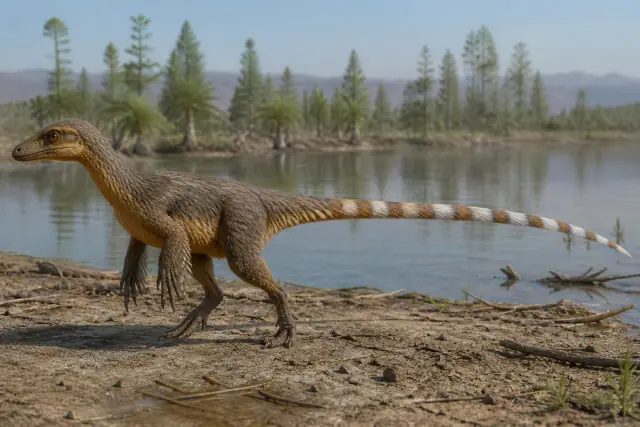
Sinosauropteryx prima
Simple filamentous feathers and tail color bands made it the first dinosaur restored with evidence-based coloration.
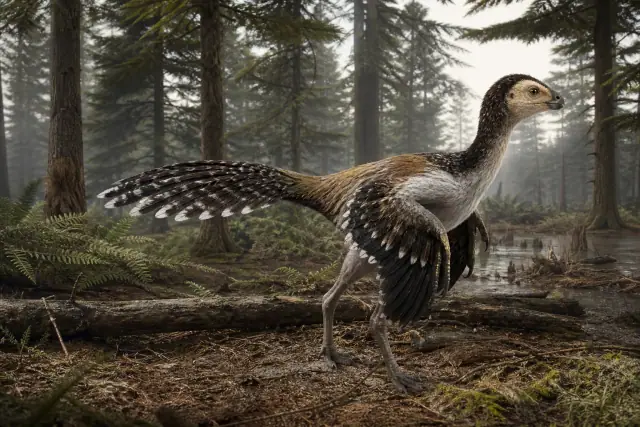
Caudipteryx zoui
Orderly vaned feathers covered its arms and short tail, but symmetric feathers and body proportions prevented powered flight.
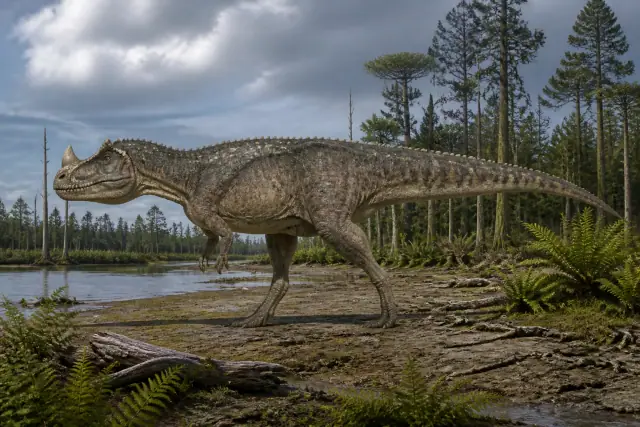
Ceratosaurus nasicornis
A nasal horn, brow ridges and small midline osteoderms made this predator unmistakable.
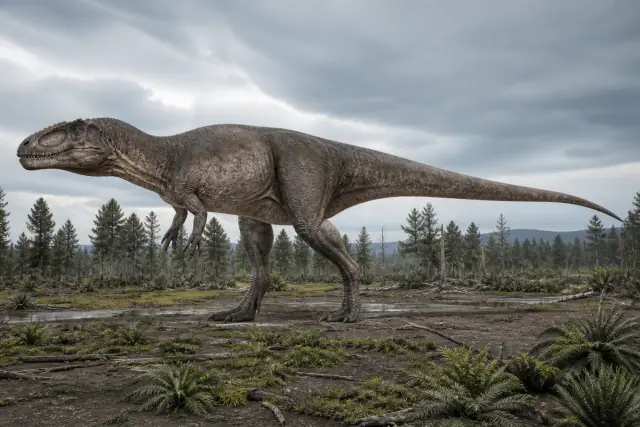
Torvosaurus tanneri
A huge skull and unusually powerful three-fingered arms marked one of the largest megalosaurids.
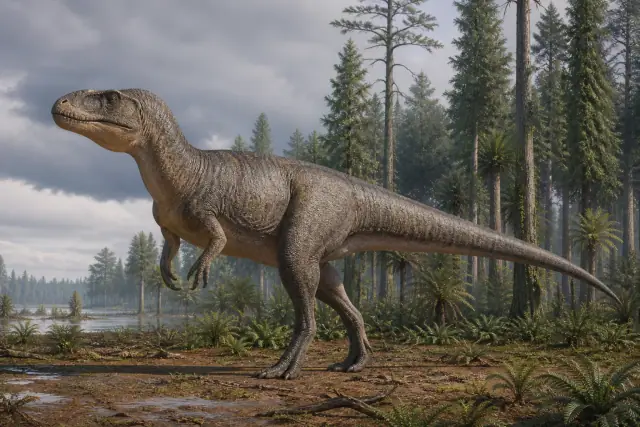
Megalosaurus bucklandii
The first formally named non-avian dinosaur later became a wastebasket for unrelated theropod bones.
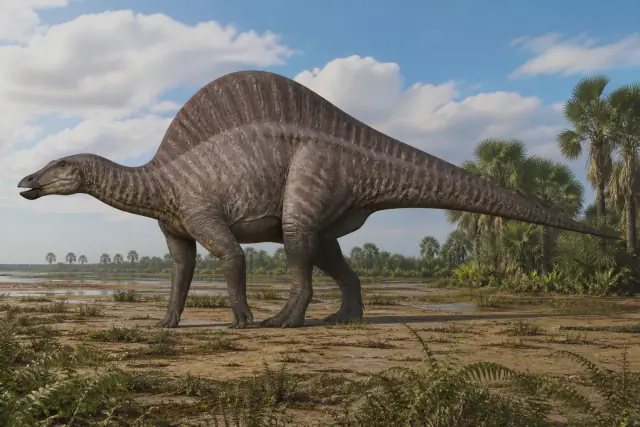
Ouranosaurus nigeriensis
Tall neural spines supported a sail, ridge or fatty hump whose soft-tissue shape remains uncertain.
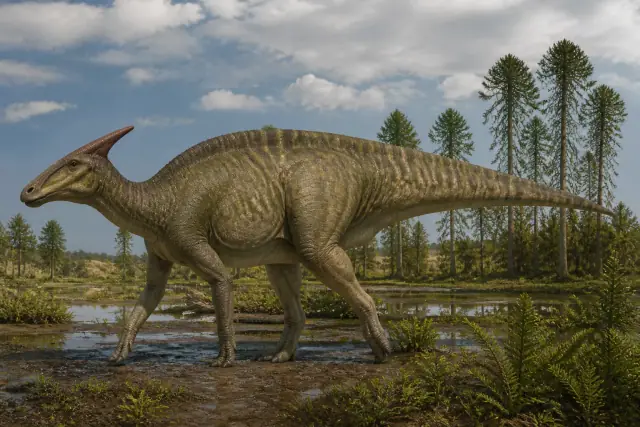
Saurolophus osborni
A solid spike-like crest projected behind the skull and probably carried a strong visual signal.
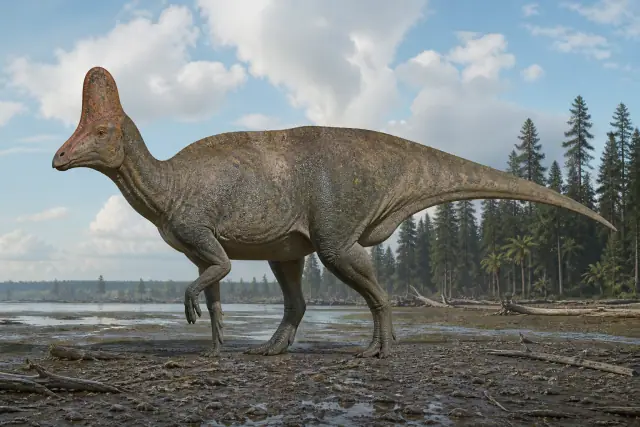
Corythosaurus casuarius
A helmet-shaped hollow crest contained looping nasal passages that could shape resonant calls.
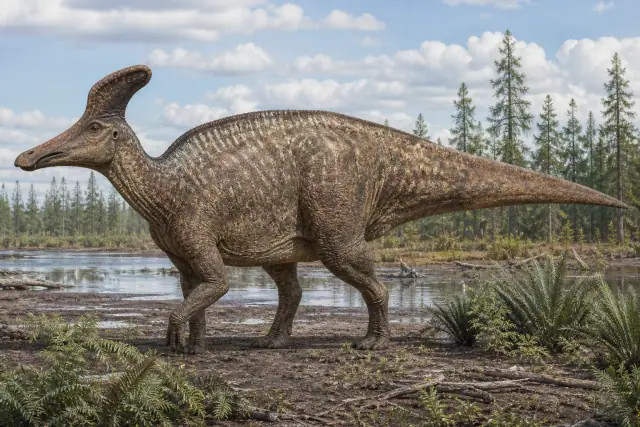
Lambeosaurus lambei
Its hatchet-shaped hollow crest changed dramatically as the animal matured.
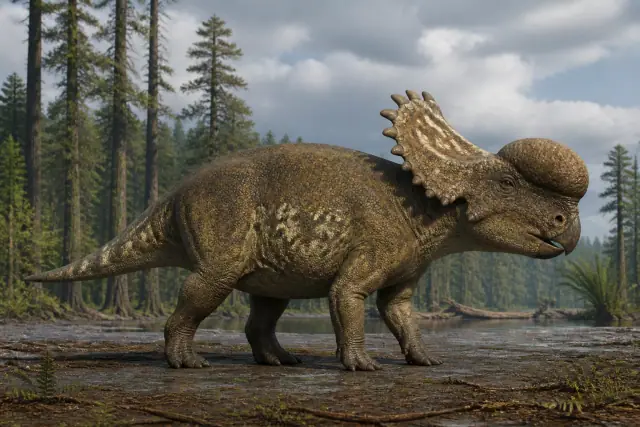
Pachyrhinosaurus canadensis
A massive nasal boss replaced the long horn seen in many ceratopsians.
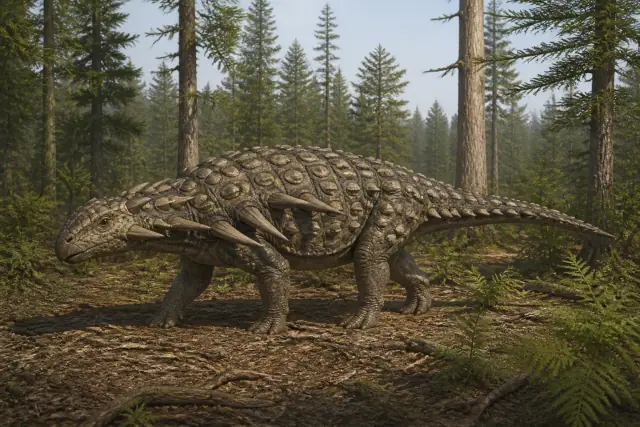
Sauropelta edwardsorum
Long shoulder spikes and dense armor protected one of the largest nodosaurids.
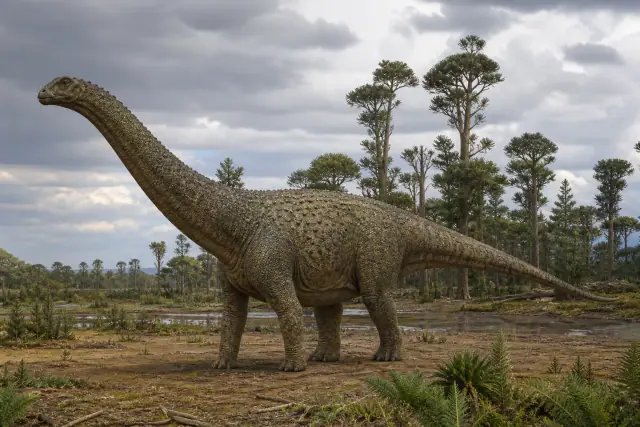
Saltasaurus loricatus
Small bony plates embedded in the skin showed that some titanosaurs carried armor.
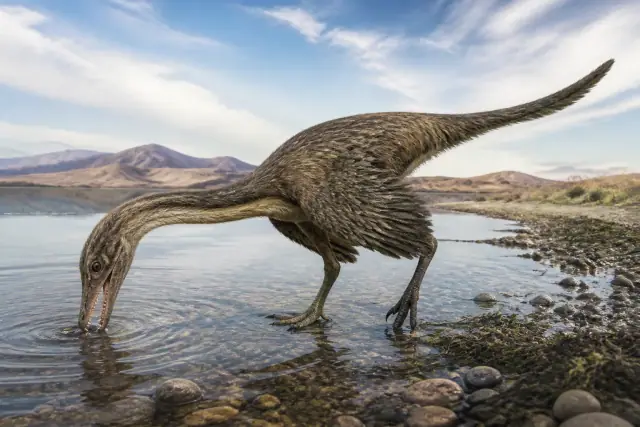
Halszkaraptor escuilliei
A long neck, dense teeth and paddle-like arms suggest a semiaquatic raptor.
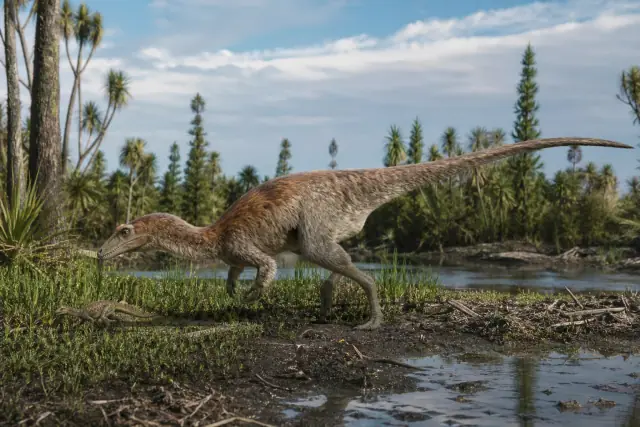
Masiakasaurus knopfleri
Forward-projecting front teeth may have hooked small slippery prey.
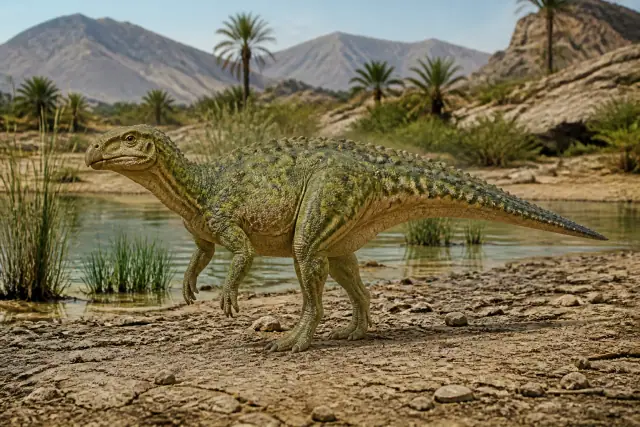
Jakapil kaniukura
A small plant eater combined low armor with an unusually deep jaw.
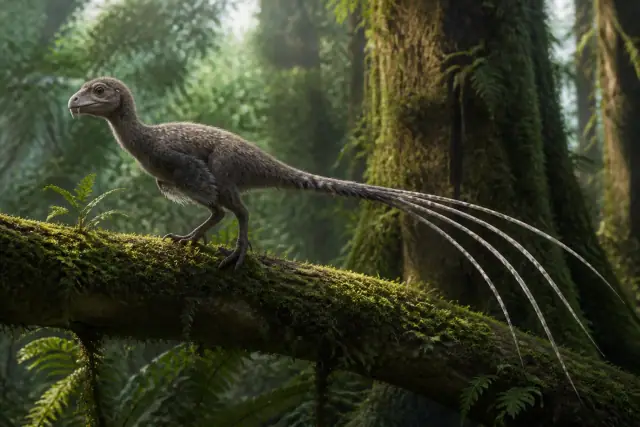
Epidexipteryx hui
Four long tail feathers displayed rather than powering flight.
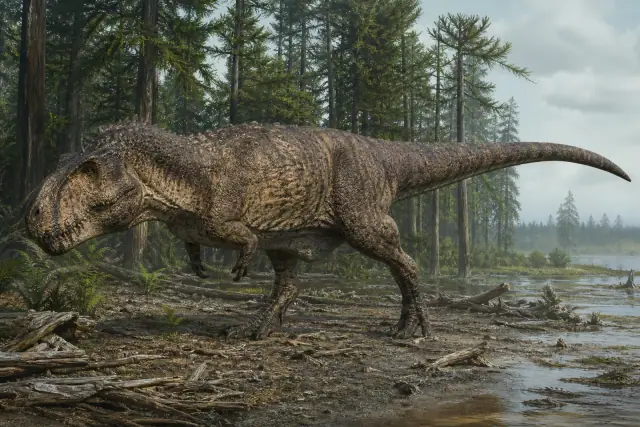
Thanatotheristes degrootorum
A deep snout with facial ridges marked an early northern tyrannosaurid.
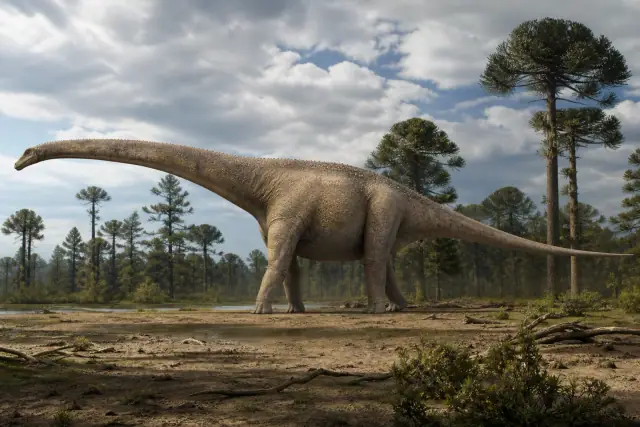
Dreadnoughtus schrani
A relatively complete skeleton makes this giant titanosaur unusually measurable.
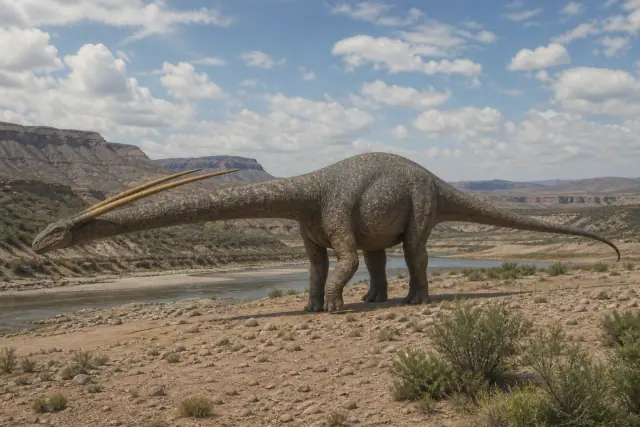
Bajadasaurus pronuspinax
Paired neck-vertebra spines curve forward; a described pair measures 58 cm.
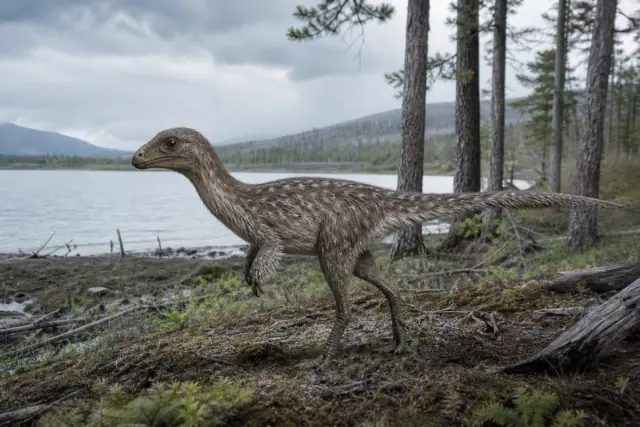
Kulindadromeus zabaikalicus
Scales, simple filaments and branching feather-like structures covered one small herbivore.
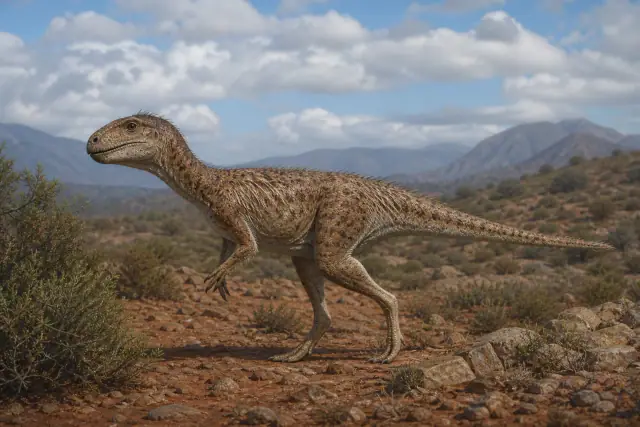
Heterodontosaurus tucki
Incisor, tusk-like and cheek teeth formed an unusual dinosaur dentition.
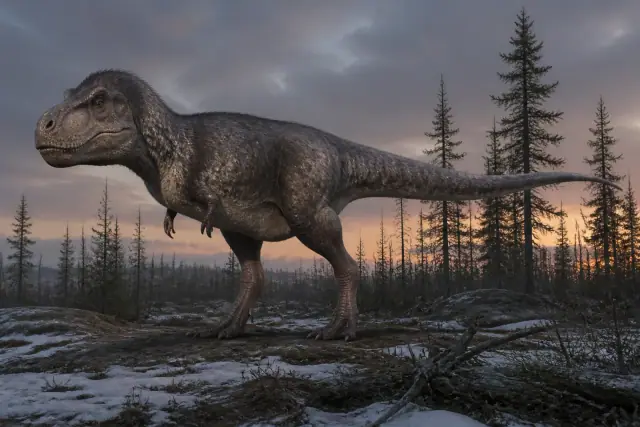
Nanuqsaurus hoglundi
It hunted through polar night, though its supposedly dwarf size remains uncertain.
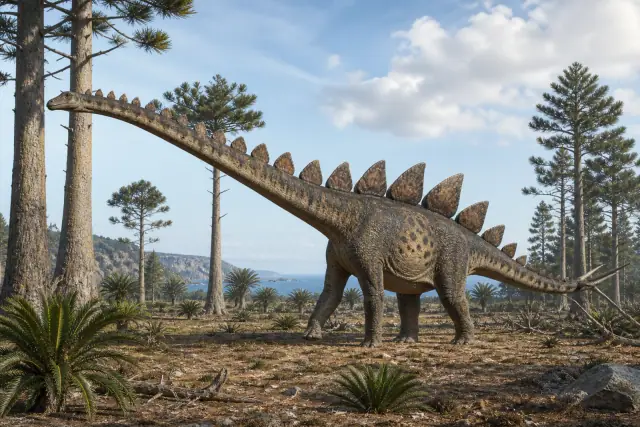
Miragaia longicollum
At least seventeen cervical vertebrae produced an unusually long neck for a stegosaur.
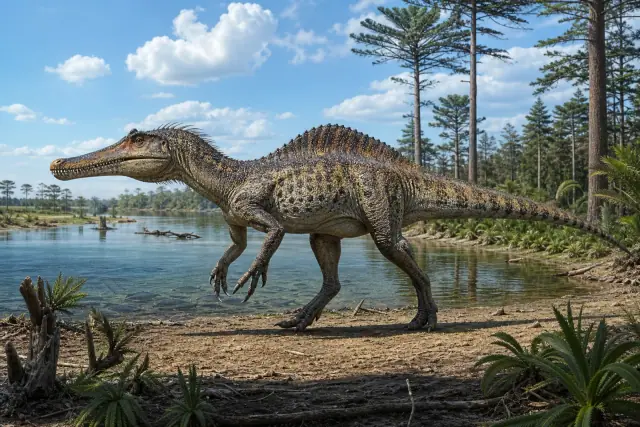
Irritator challengeri
A long snout, conical teeth and low crest belonged to a spinosaurid that frequently ate fish.
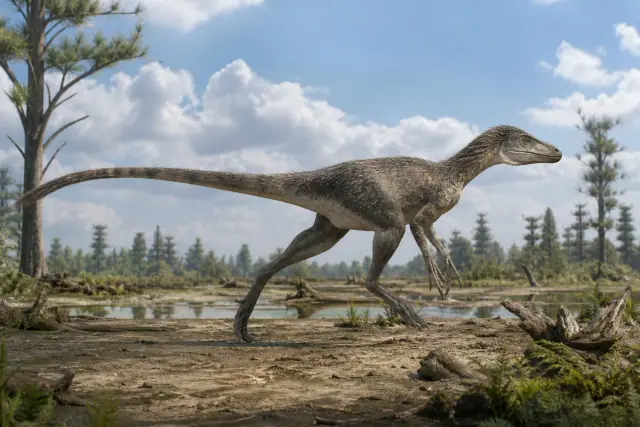
Eotyrannus lengi
Long three-fingered arms and a light body preceded the giant two-fingered tyrannosaurs.
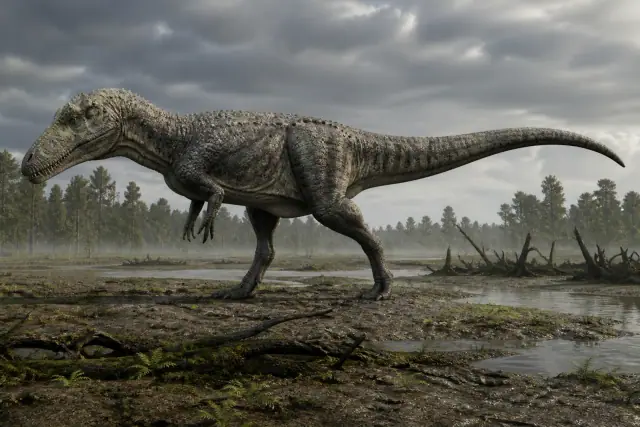
Mapusaurus roseae
This giant carcharodontosaurid shared plains with enormous sauropods and is known from a multi-individual bone bed.
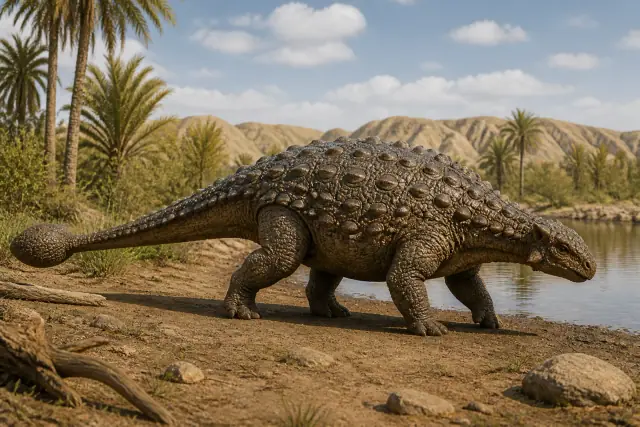
Tarchia kielanae
Heavy skull armor, neck rings and a tail club belonged to a large Gobi ankylosaur.
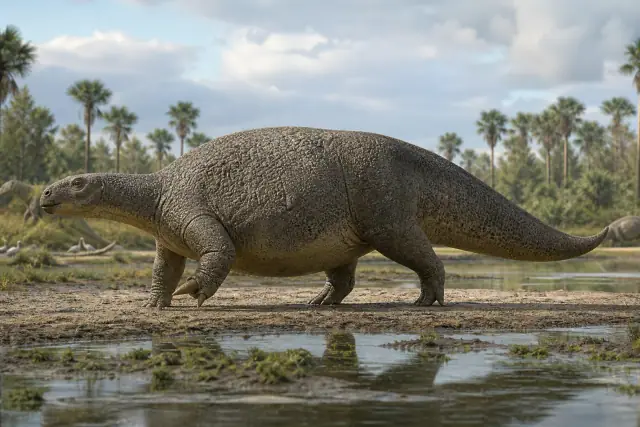
Lurdusaurus arenatus
Short legs, a broad trunk and giant thumb spike made an unusually low heavy iguanodontian.
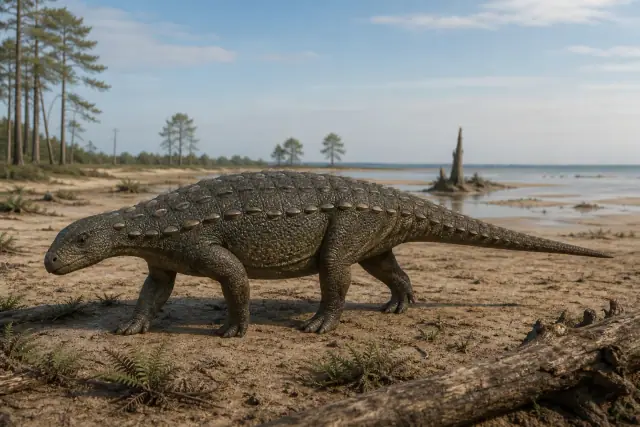
Scelidosaurus harrisonii
Rows of armor from neck to tail mark an early split among armored dinosaurs.
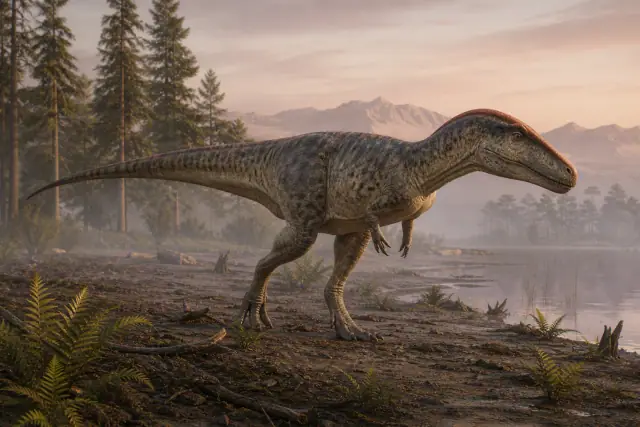
Monolophosaurus jiangi
A single crest running from snout to skull roof gave this medium theropod a distinctive profile.
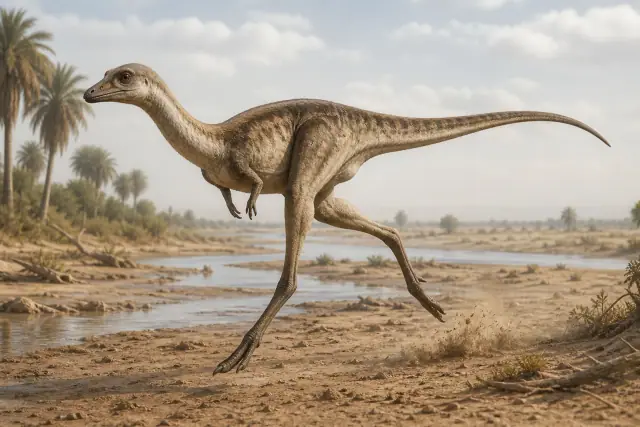
Deltadromeus agilis
Long hind limbs and a lightly built skeleton indicate a large, fast-moving theropod.
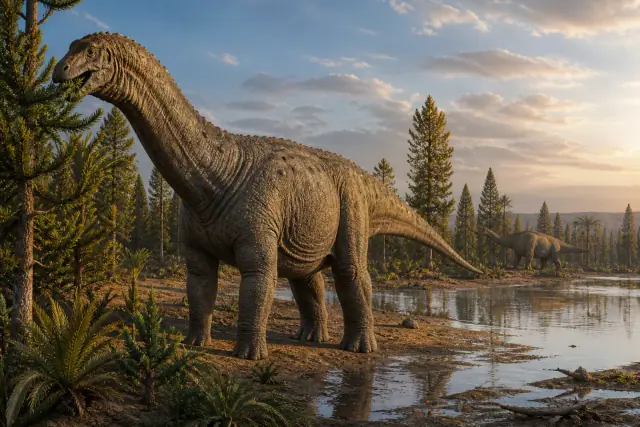
Jobaria tiguidensis
A relatively short neck, strong limbs and primitive vertebrae belonged to a large non-neosauropod herbivore.