83Paleozoic
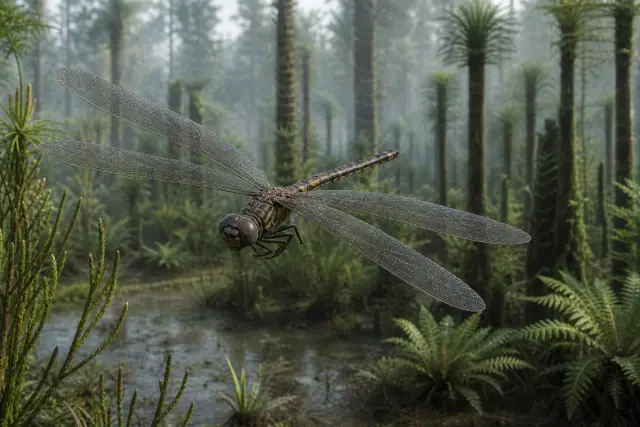
Meganeura
Meganeura monyi
This griffinfly’s wings spanned roughly seventy centimeters above Carboniferous forests.
 EXTINCT ATLASEXTINCT LIFE ARCHIVE
Category
Trace the deep-time evolution of flight, mimicry, parasitism and pollination.
01 / ANSWER FIRST
Extinct insects document the origins of flight, complete metamorphosis, mimicry and long partnerships with plants.
02 / TIME & EVOLUTION
Definite insects appear in the Paleozoic; giant-winged forms, modern orders and later pollinating lineages mark successive ecological expansions.
03 / TURNOVER & EXTINCTION
Oxygen, vegetation, climate and mass extinctions reshaped insect communities, while fragile soft bodies leave a strongly uneven record.
04 / KEY THEMES
Early wings opened aerial habitats long before vertebrates flew.
Resin captured small bodies, parasites and behaviours in exceptional detail.
Mouthparts and pollen help test ancient feeding partnerships.
05 / EVIDENCE
Compression fossils preserve wings and outlines, amber can retain minute anatomy, and trace fossils record feeding or egg laying.
06 / FAQ
Extinct insects document the origins of flight, complete metamorphosis, mimicry and long partnerships with plants.
Compression fossils preserve wings and outlines, amber can retain minute anatomy, and trace fossils record feeding or egg laying.
Oxygen, vegetation, climate and mass extinctions reshaped insect communities, while fragile soft bodies leave a strongly uneven record.
07 / SOURCES
Meganeura monyi
This griffinfly’s wings spanned roughly seventy centimeters above Carboniferous forests.
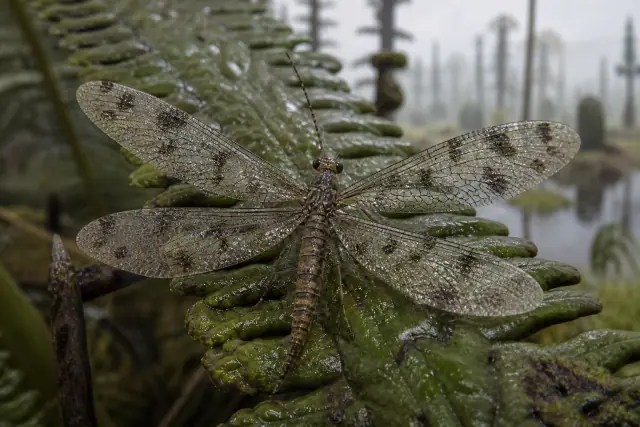
Delitzschala bitterfeldensis
A patterned wing only about two centimeters across pushes the secure record of insect flight into the Early Carboniferous.
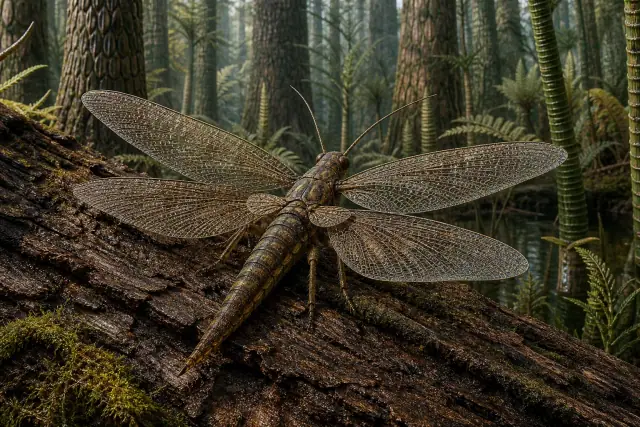
Stenodictya lobata
Beyond four wings packed with netlike veins, the thorax carried a pair of small immobile winglets.
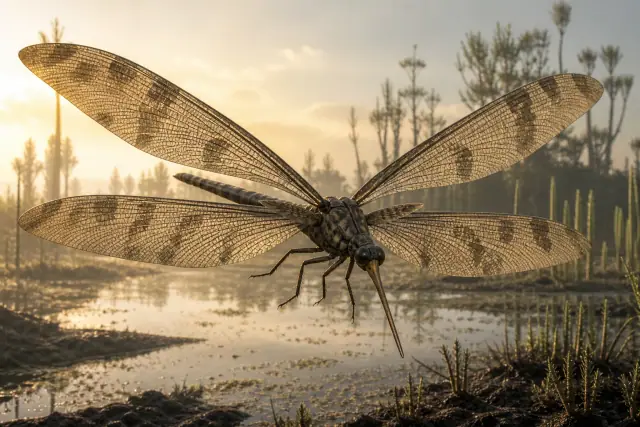
Mazothairos enormis
Scaling from the surviving giant wing suggests a four-winged span near half a meter, among the largest palaeodictyopterans known.
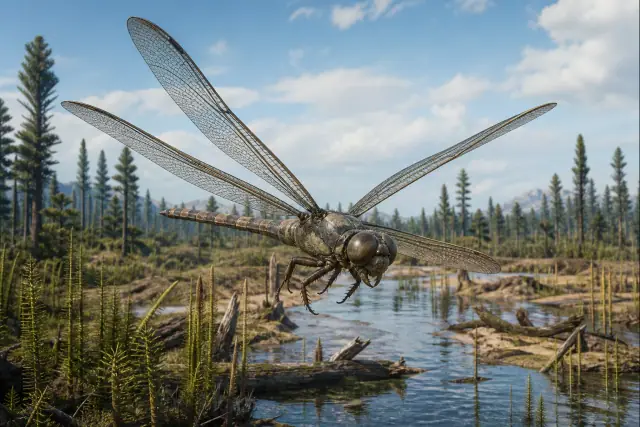
Meganeuropsis permiana
The largest estimates reach a 71-centimeter wingspan, placing it among the biggest flying insects in Earth history.
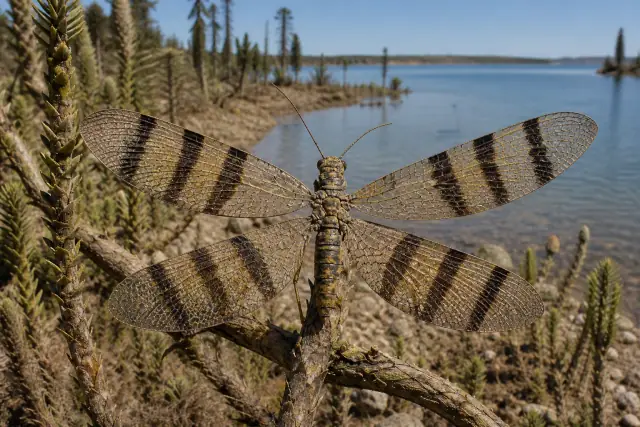
Dunbaria fasciipennis
Banded dark patterns remain on its fossil wings, returning color pattern to a Permian insect rather than a blank outline.
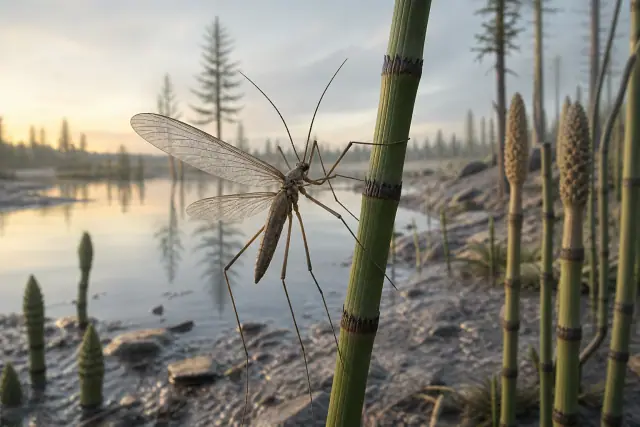
Permotipula patricia
A wing resembling that of a crane fly was once treated as an early dipteran clue, but its true affinity remains disputed.
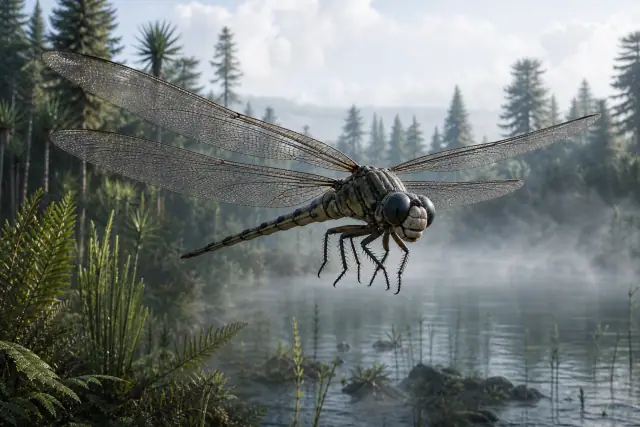
Liassophlebia magnifica
Four broad, densely veined wings carried this stem dragonfly on patrol above Jurassic lakeshores.
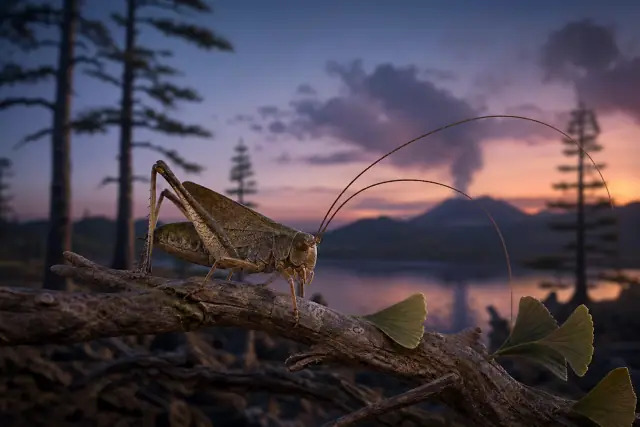
Archaboilus musicus
Preserved forewing sound structures support a reconstructed musical call: 6.4 kHz in 2012 and about 5 kHz in a later model.
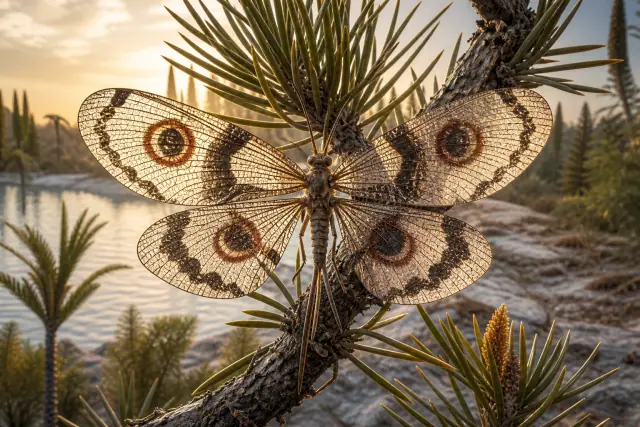
Kalligramma haeckeli
Huge eyespots, broad wings and an elongate mouthpart created a butterfly-like insect before butterflies flourished.
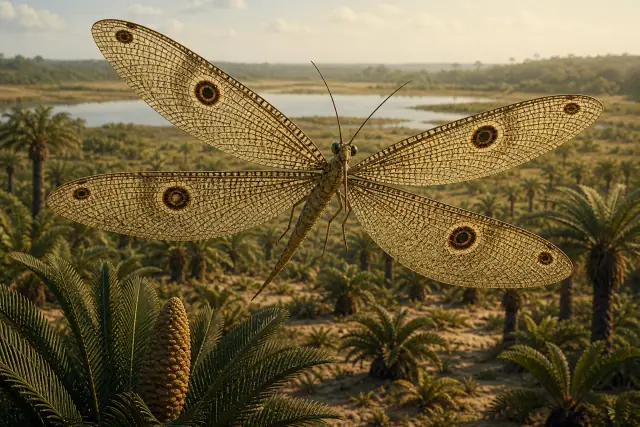
Makarkinia adamsi
Scaling from the surviving wing fragment suggests a wing as long as 16 centimeters, among the largest lacewings known.

Juracimbrophlebia ginkgofolia
Four lobed wings nearly match ginkgoalean leaves from the same bed, rare evidence of deep-time leaf mimicry.
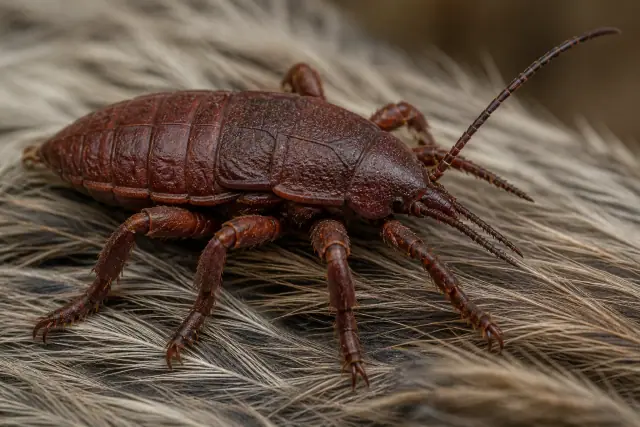
Pseudopulex jurassicus
About 17 millimeters long and unable to jump, it carried serrated piercing mouthparts far larger than those of modern fleas.
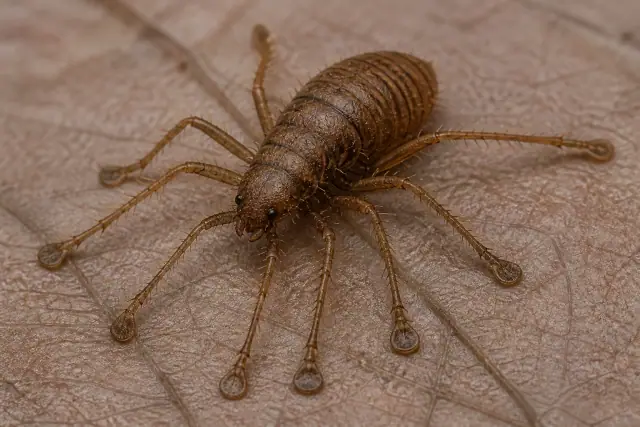
Saurophthirus exquisitus
Broad pads at the tips of long legs could grip a smooth wing membrane, suggesting a possible life on pterosaurs.
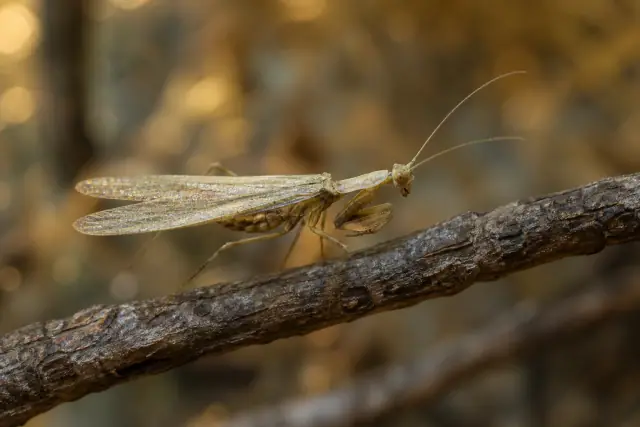
Santanmantis axelrodi
Only about a centimeter long, it already folded spine-lined grasping forelegs beneath its chest.
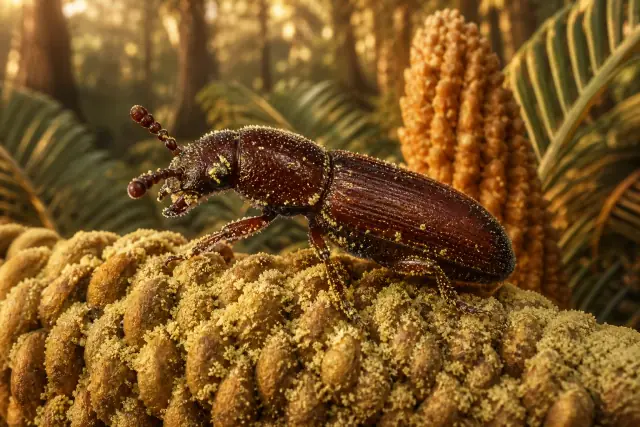
Cretoparacucujus cycadophilus
Cycad pollen lies beside it in amber, and its jaws bear small specialized pits for transporting pollen.
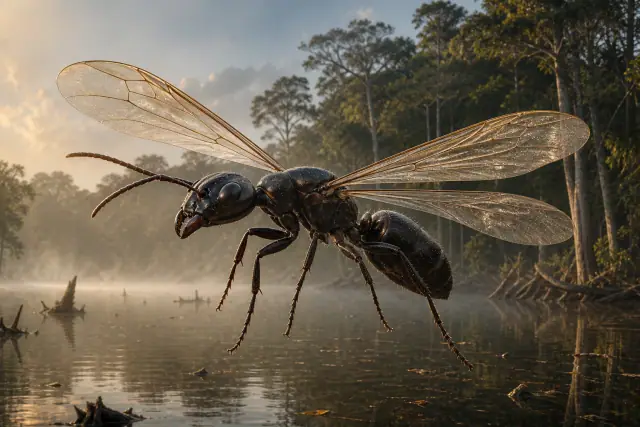
Titanomyrma gigantea
Queens reached about seven centimeters long with a 16-centimeter wingspan, among the largest hymenopterans known.
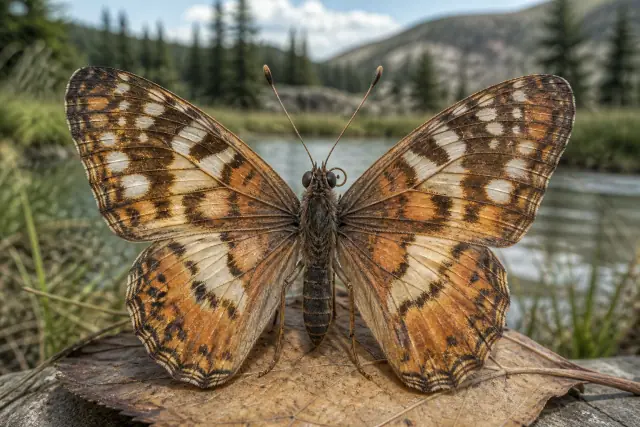
Prodryas persephone
A nearly complete impression preserves venation, legs, antennae and mouthparts, making it one of the finest fossil butterflies.
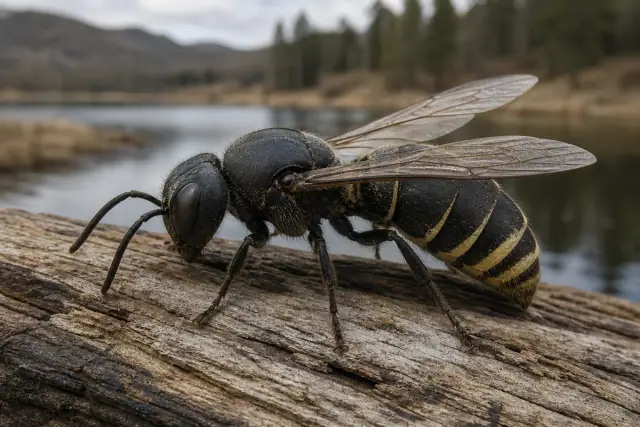
Palaeovespa florissantia
This robust fossil vespid combines traits recalling modern hornets and paper wasps, and may already have lived socially.
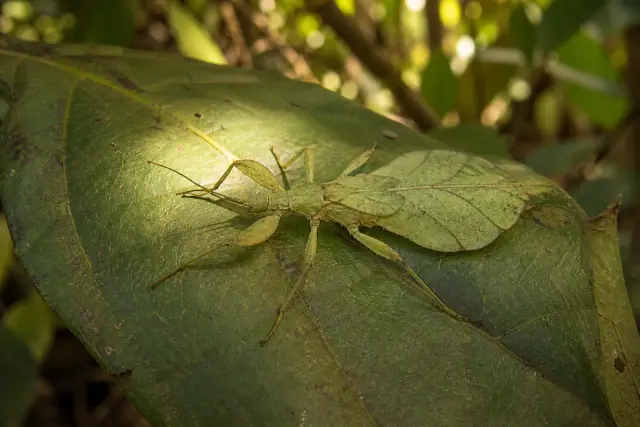
Eophyllium messelensis
Its leaflike abdomen closely matches foliage, proving that sophisticated mimicry existed at least 47 million years ago.
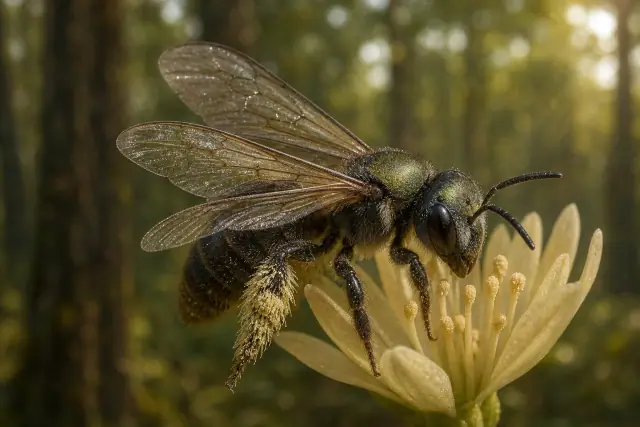
Ctenoplectrella viridiceps
Amber sealed an extinct mason-bee relative whose long hind-leg hairs show that it actively collected and transported pollen.
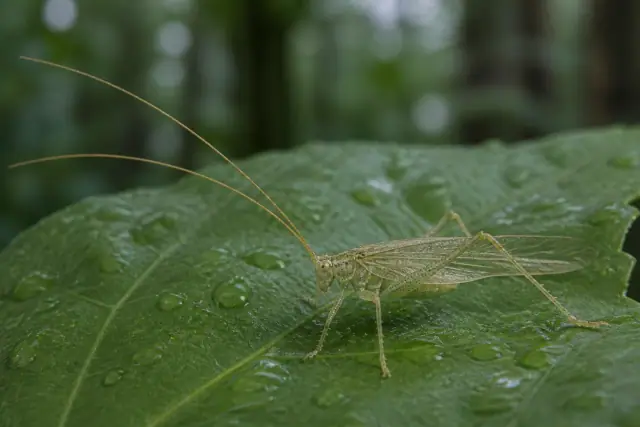
Eomortoniellus handlirschi
Tiny ear canals in the forelegs show that it heard ultrasonic calls.
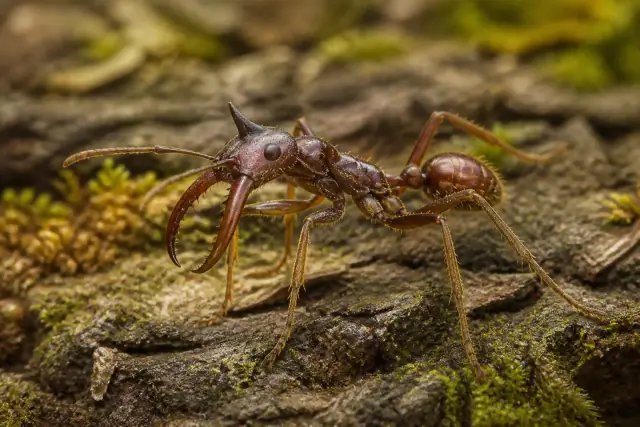
Haidomyrmex cerberus
Its sickle mandibles closed upward against the head instead of sideways.
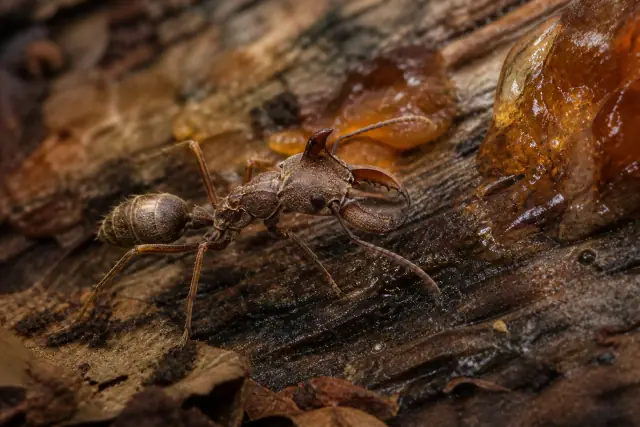
Linguamyrmex vladi
A metal-reinforced head horn and rising jaws formed a specialized clamp.
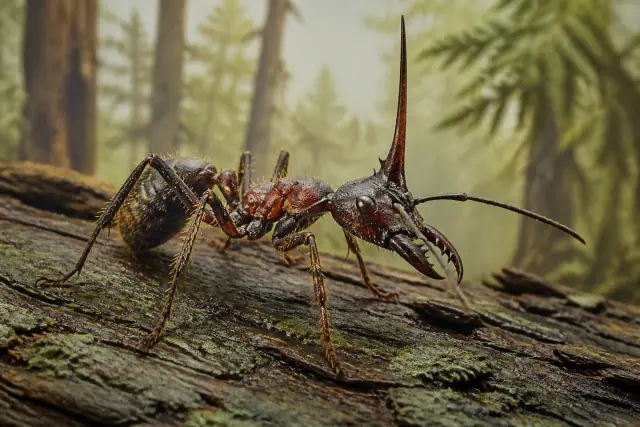
Ceratomyrmex ellenbergeri
A long forehead horn opposed upward-curving mandibles.
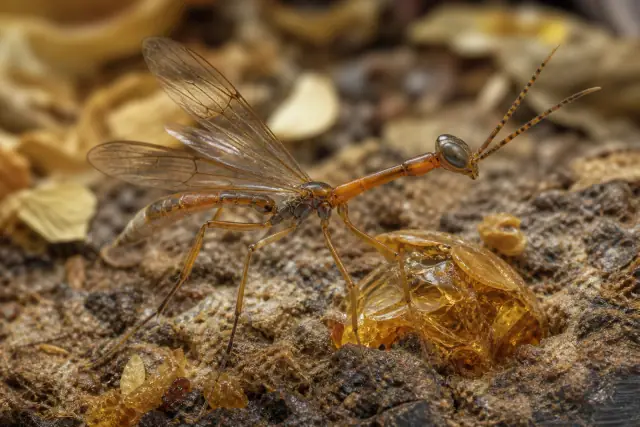
Camelomecia janovitzi
An elongated prothorax gave this aculeate relative a neck-like outline.
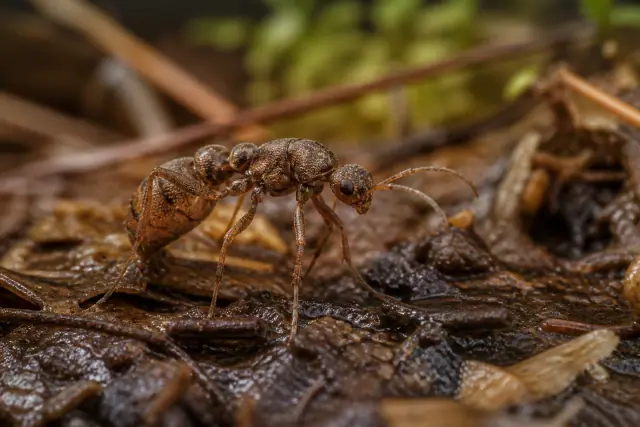
Aptenoperissus burmanicus
Wingless females combined a wasp waist with enlarged jumping hind legs.
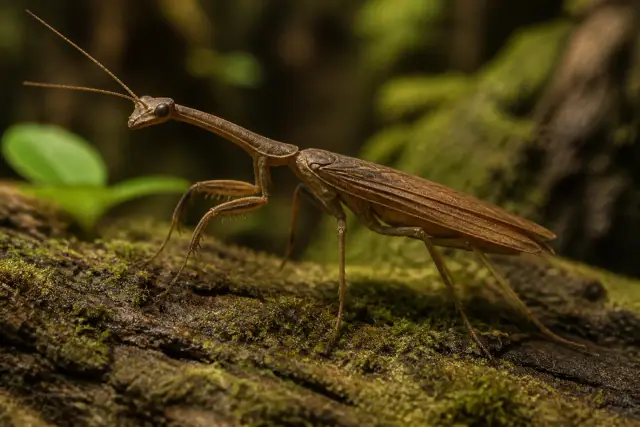
Manipulator modificaputis
A long neck and grasping forelegs converged on the mantis body plan.
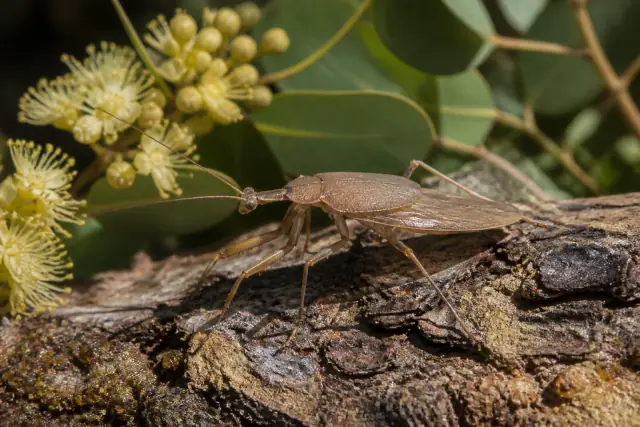
Alienopterus brachyelytrus
Short leathery forewings covered folded membranous hindwings.
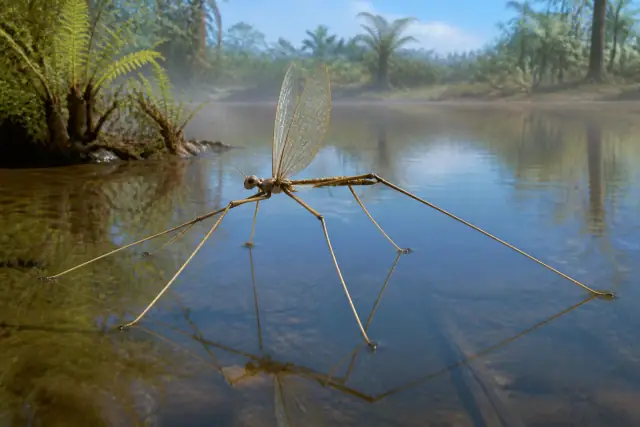
Chresmoda obscura
Six extremely long legs may have spread its weight across the water surface.
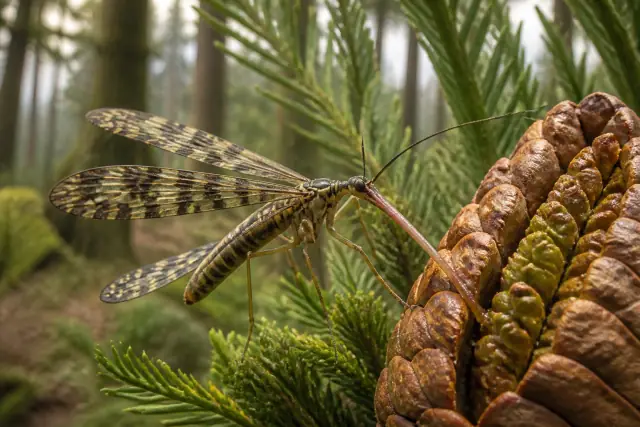
Mesopsyche dobrokhotovae
A long siphon accessed sugary secretions before flowers evolved.
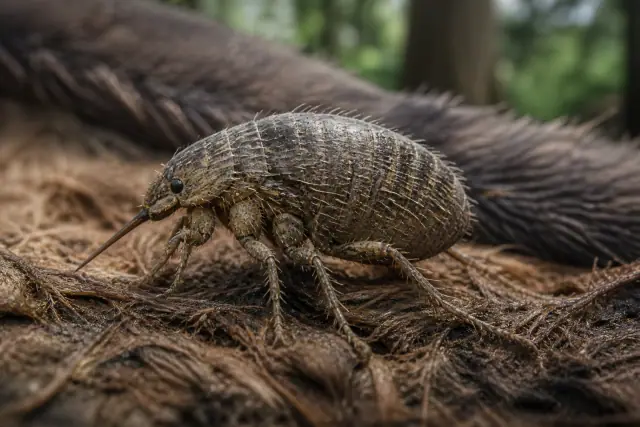
Tarwinia australis
It resembled a giant primitive flea but may not be a direct flea ancestor.
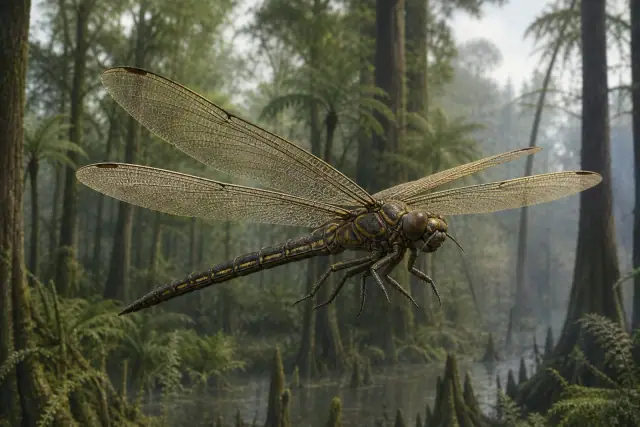
Erasipteron larischi
Broad net-veined wings carried an early aerial predator through oxygen-rich forests.
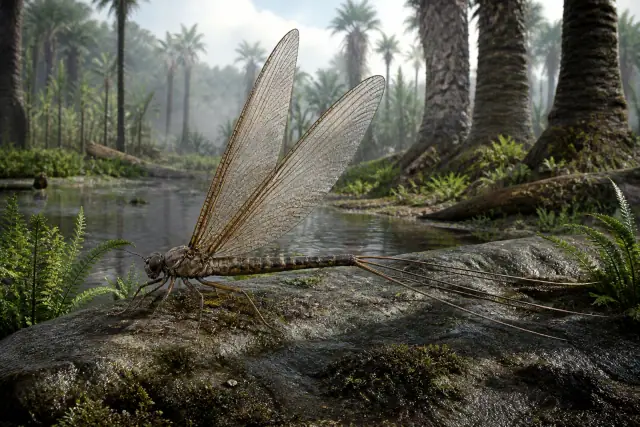
Bojophlebia prokopi
Huge triangular wings and long tail filaments belonged to a giant mayfly relative.
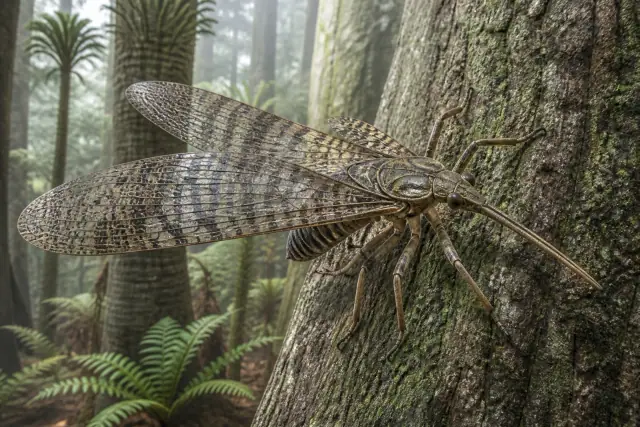
Homoioptera woodwardi
Thoracic winglets accompanied four large wings in an extinct flight architecture.
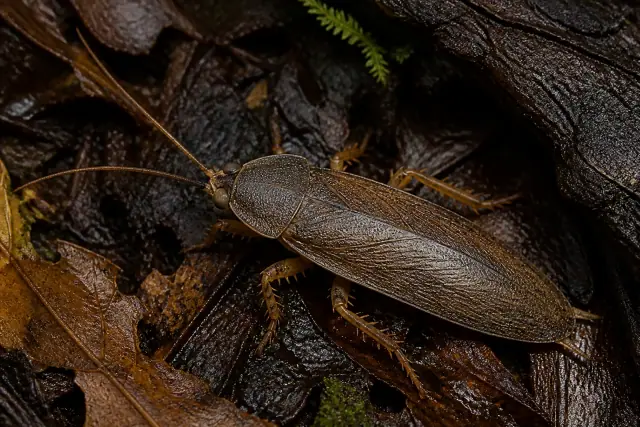
Archimylacris eggintoni
A shield-like pronotum and flat wings mark an early cockroach-mantis relative.
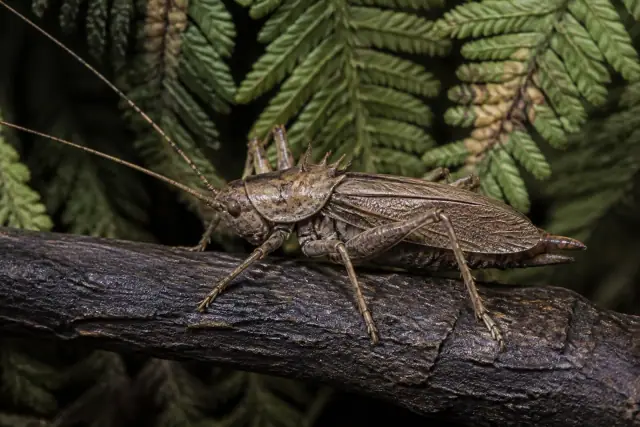
Gerarus danae
An enlarged prothorax carried a row of prominent spines.
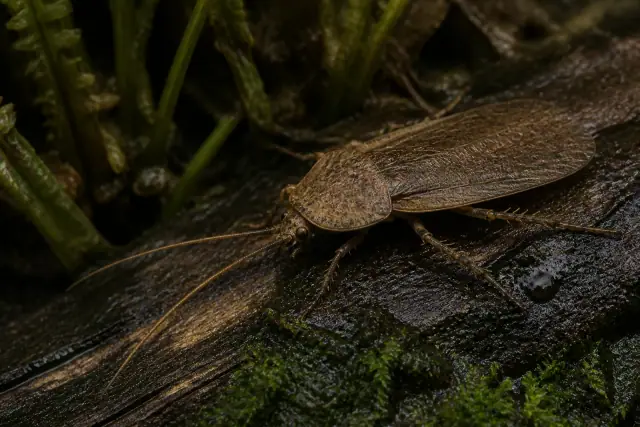
Qilianiblatta namurensis
Its wing venation pushes the cockroach-like pattern deep into the Carboniferous.
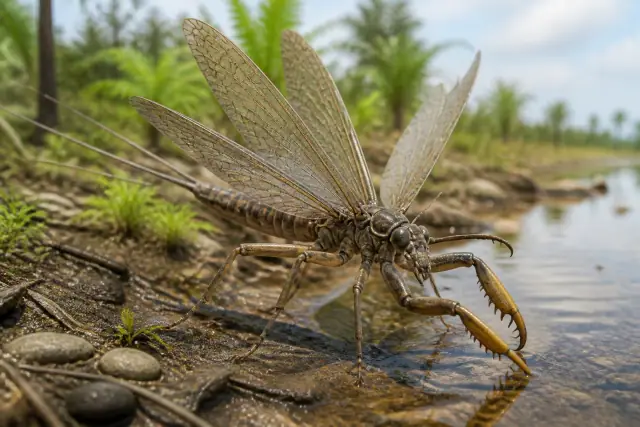
Mickoleitia longimanus
Raptorial forelegs and three tail filaments formed a lost mayfly body plan.
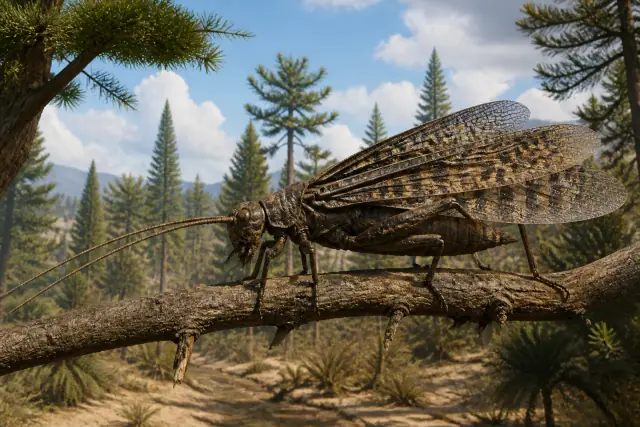
Mesotitan giganteus
Large wings and robust mouthparts belonged to the spectacular titanopterans.
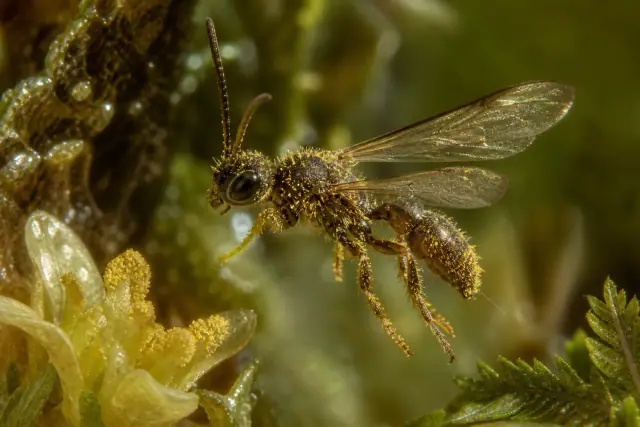
Discoscapa apicula
Pollen on the legs and body records an early pollination relationship.
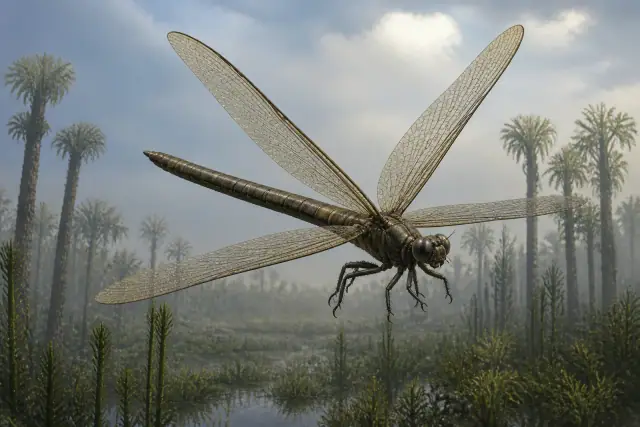
Megatypus schucherti
A wingspan near half a meter made it a major aerial predator.
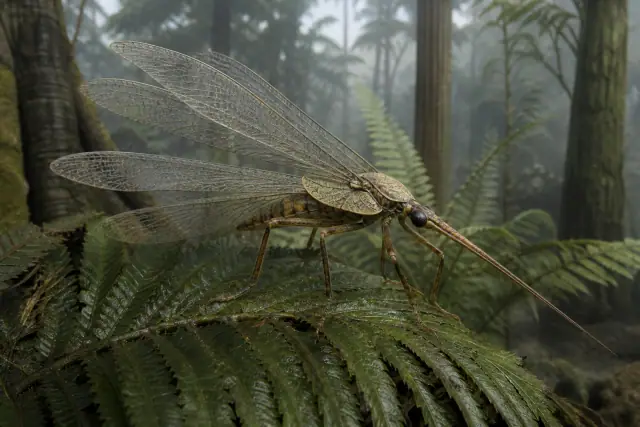
Lithomantis carbonarius
Leaf-like thoracic lobes accompanied four functional wings.
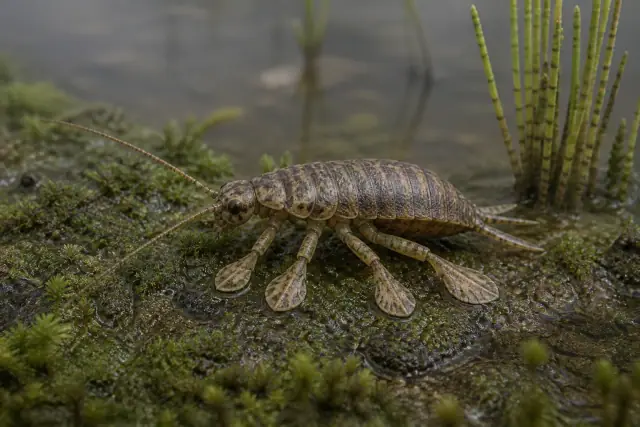
Strashila incredibilis
Once imagined as a parasite, it was later shown to have an aquatic juvenile stage.
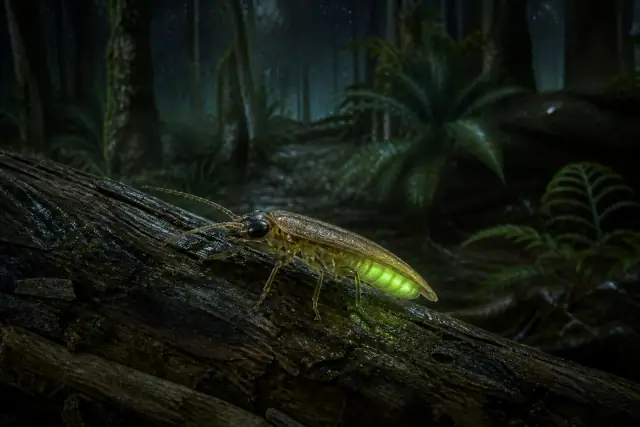
Cretophengodes azari
An abdominal light organ pushes beetle bioluminescence into the dinosaur age.
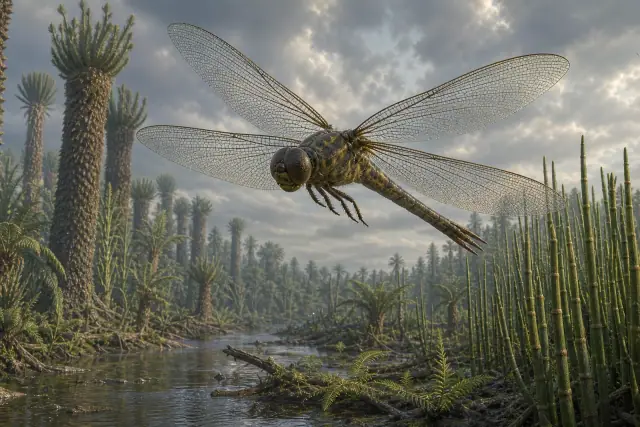
Meganeurula selysii
Smaller than Meganeura but still broad-winged, this griffinfly hunted above coal forests.
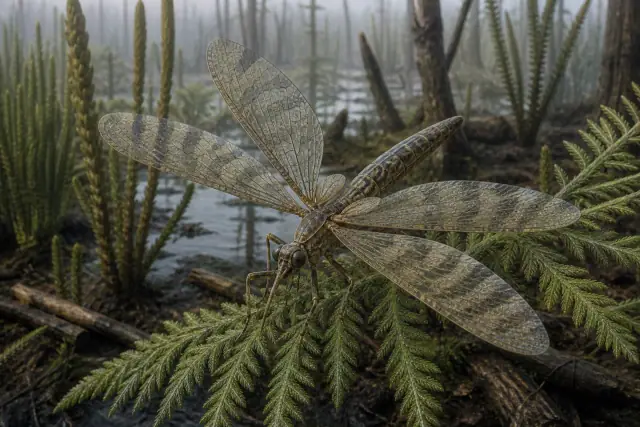
Boltonocosta elongata
A long piercing mouthpart and four patterned wings belonged to the vanished palaeodictyopterans.
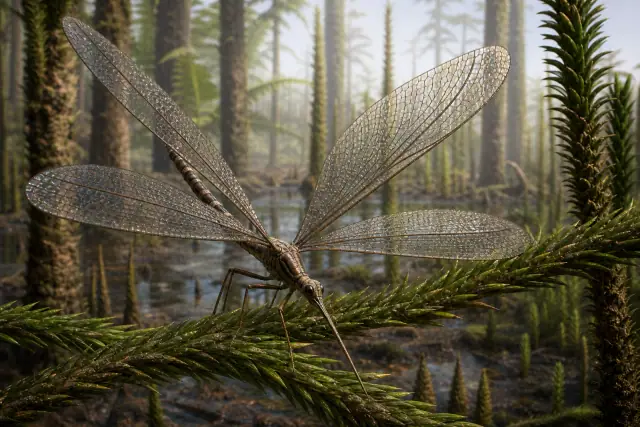
Lithoneura lameerei
Four broad net-veined wings belonged to the completely vanished palaeodictyopterans.
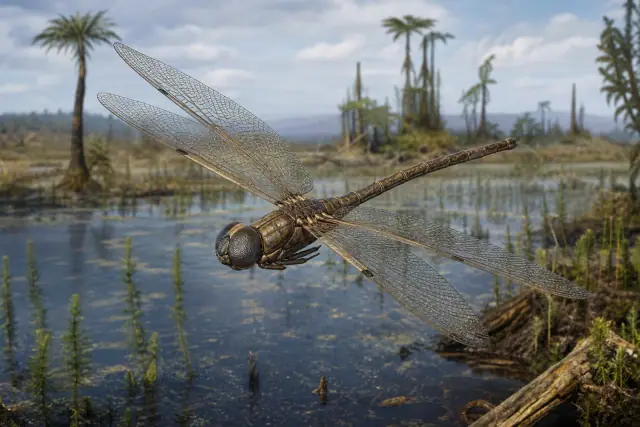
Eugeropteron lunatum
A basal odonatopteran retained a more primitive wing base than modern dragonflies.
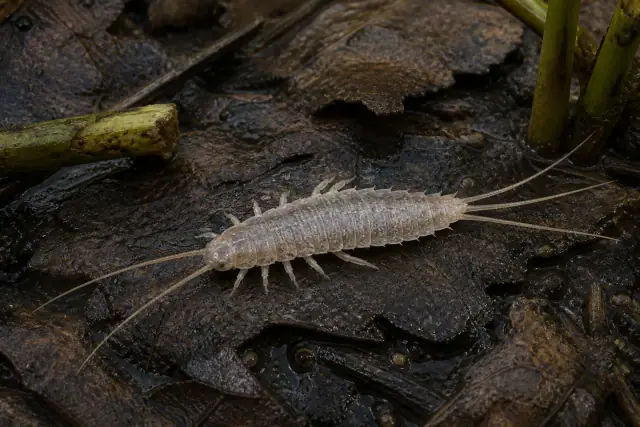
Carbotriplura kukalovae
A wingless body ended in three tail filaments and combined traits of early silverfish-like insects.
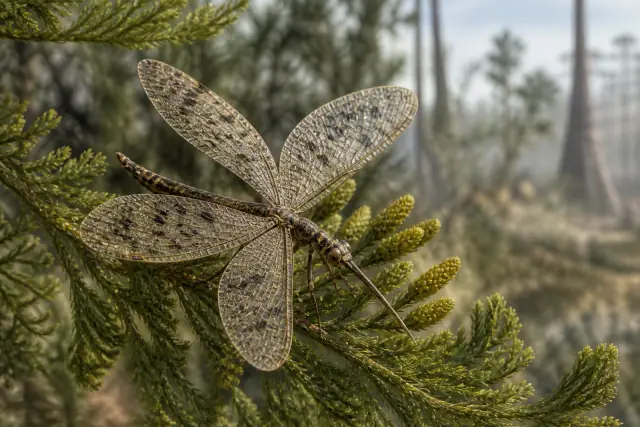
Tchirkovaea guttata
Spotted wings and fine venation record Permian palaeodictyopteran diversity.
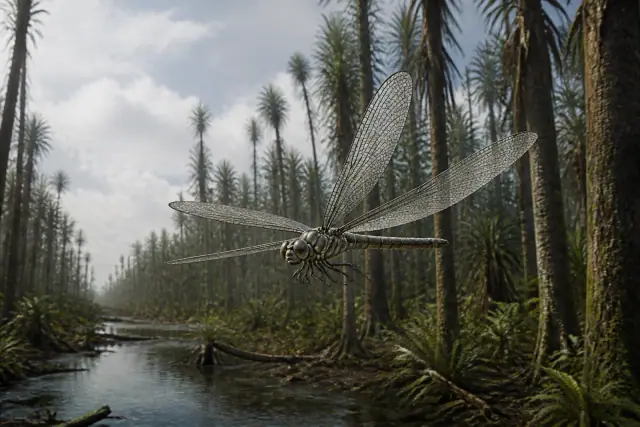
Brodioptera stricklani
Long transparent net-veined wings record an early radiation of large flying insects.
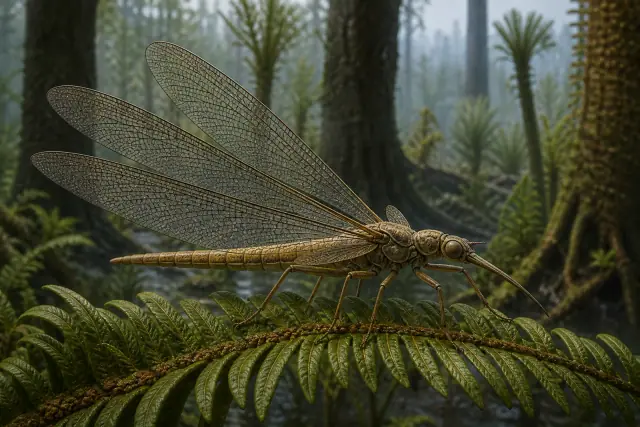
Palaeodictyoptera
Two pairs of net-veined wings could not fold, and some species carried thoracic winglets and piercing mouthparts.