13Mesozoic
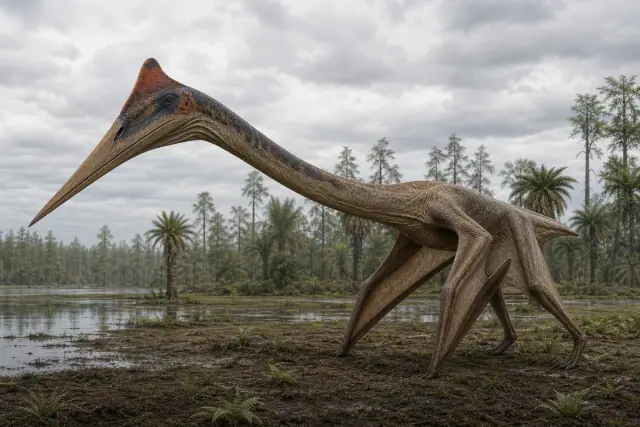
Quetzalcoatlus
Quetzalcoatlus northropi
One of the largest known flying animals stood as tall as a giraffe on the ground.
 EXTINCT ATLASEXTINCT LIFE ARCHIVE
Category
Early reptiles, marine reptiles, pterosaurs, crocodyliforms and turtles.
01 / ANSWER FIRST
Extinct reptiles independently conquered dry land, oceans and powered flight, producing turtles, crocodyliforms, marine reptiles and pterosaurs distinct from dinosaurs.
02 / TIME & EVOLUTION
The amniotic egg opened drier habitats in the Carboniferous; Permian and Mesozoic radiations then generated repeated returns to water and the first flying vertebrates.
03 / TURNOVER & EXTINCTION
End-Permian and end-Cretaceous crises removed entire reptile radiations, while a few lineages survived into modern ecosystems.
04 / KEY THEMES
Ichthyosaurs, plesiosaurs and mosasaurs evolved different swimming bodies.
Membranous wings made pterosaurs the first powered-flying vertebrates.
Turtles and crocodyliforms reveal durable but changing body plans.
05 / EVIDENCE
Skulls, limb joints, stomach contents, embryos and trackways distinguish swimming, walking and flying adaptations.
06 / FAQ
Extinct reptiles independently conquered dry land, oceans and powered flight, producing turtles, crocodyliforms, marine reptiles and pterosaurs distinct from dinosaurs.
Skulls, limb joints, stomach contents, embryos and trackways distinguish swimming, walking and flying adaptations.
End-Permian and end-Cretaceous crises removed entire reptile radiations, while a few lineages survived into modern ecosystems.
07 / SOURCES
Quetzalcoatlus northropi
One of the largest known flying animals stood as tall as a giraffe on the ground.
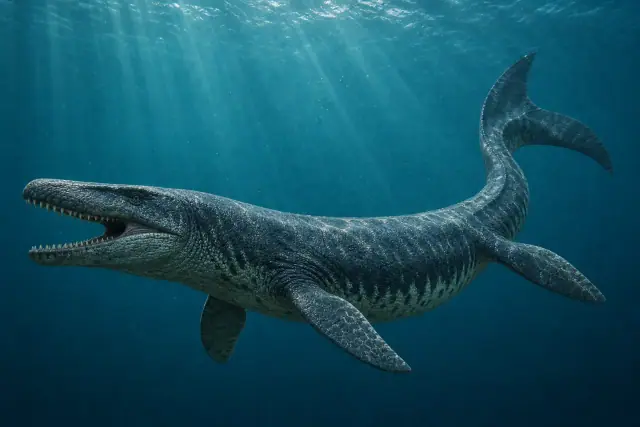
Mosasaurus hoffmannii
A giant marine lizard propelled by a deep tail fin patrolled Late Cretaceous seas.
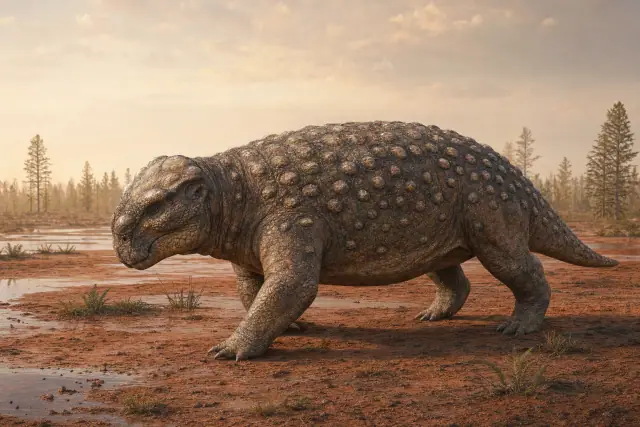
Scutosaurus karpinskii
A barrel-bodied herbivore carried bony armor beneath its skin.
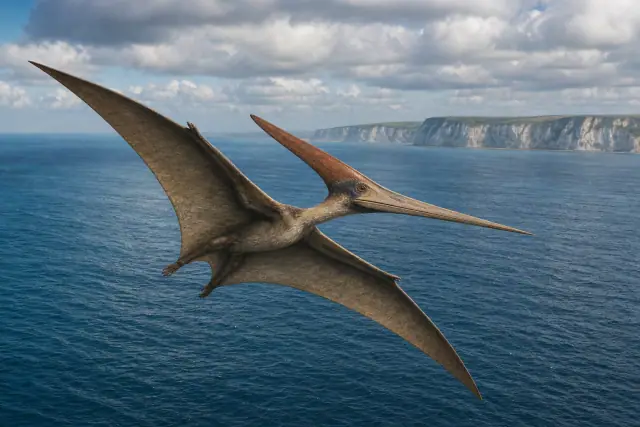
Pteranodon longiceps
Pteranodon was a toothless pterosaur above the Late Cretaceous seas of North America. It was a flying reptile, not a bird or a dinosaur.
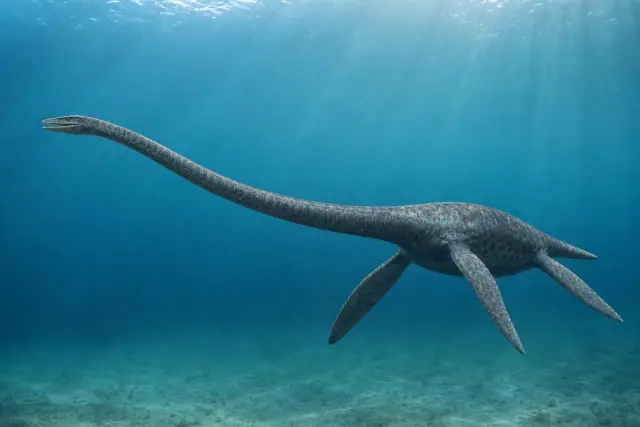
Elasmosaurus platyurus
Elasmosaurus platyurus was a long-necked marine reptile from Late Cretaceous Kansas. A 2013 reassessment counted 72 preserved neck vertebrae in its holotype.
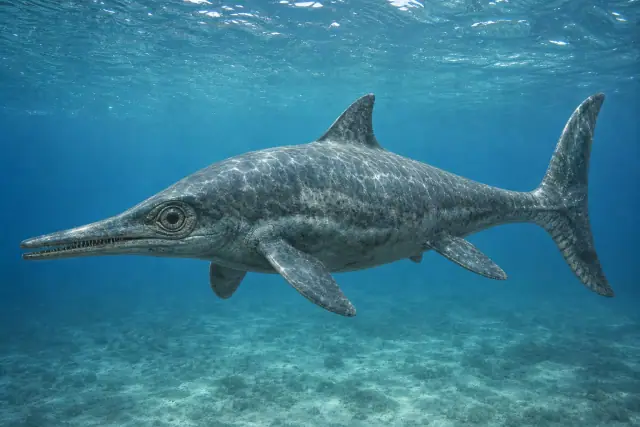
Ichthyosaurus communis
A streamlined reptile converged on the body plan of dolphins while retaining enormous eyes.
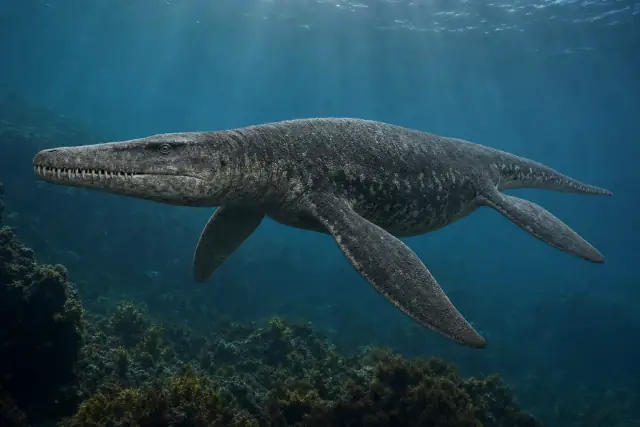
Liopleurodon ferox
Liopleurodon was a Jurassic pliosaur: a marine reptile with a large skull, short neck and four flippers. Its teeth and bones should be distinguished from television size reconstructions.
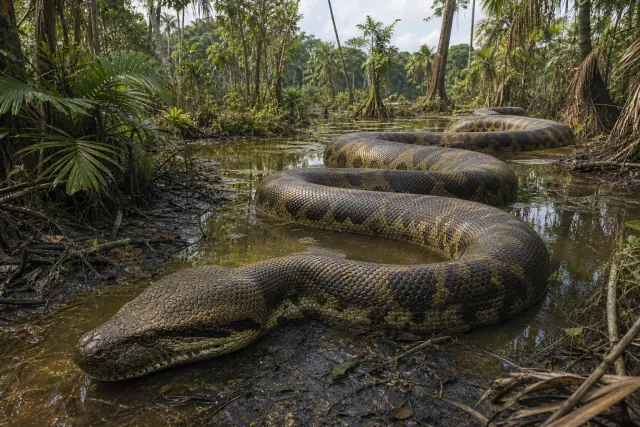
Titanoboa cerrejonensis
The largest known snake moved through hot tropical swamps after the dinosaurs vanished.
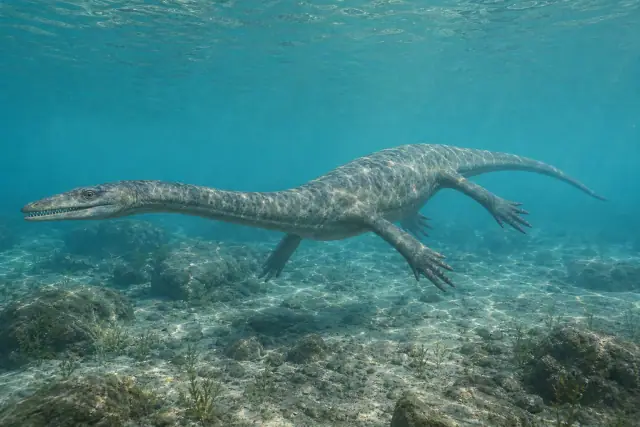
Nothosaurus mirabilis
A long-necked coastal reptile paddled through shallow Triassic seas.
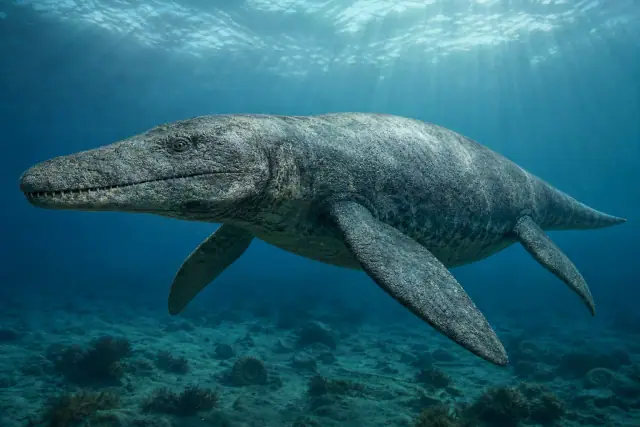
Kronosaurus queenslandicus
A massive pliosaur skull powered attacks on large marine prey.
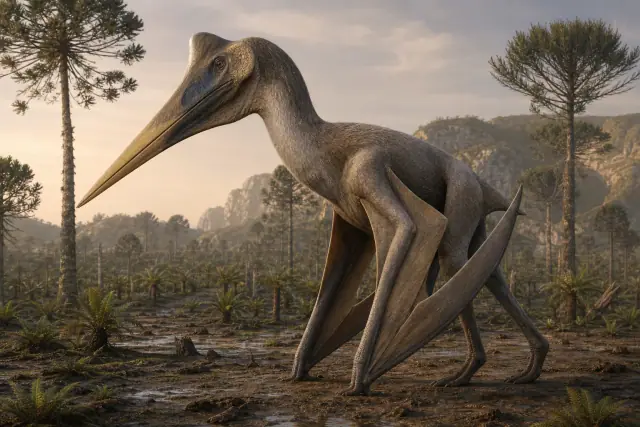
Hatzegopteryx thambema
A giant pterosaur with a robust neck stalked an island populated by dwarf dinosaurs.
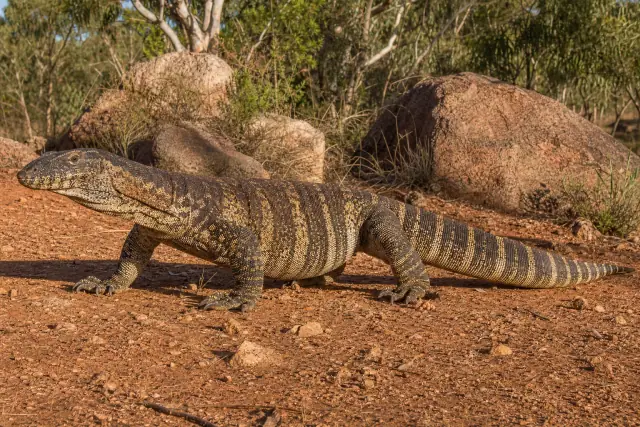
Varanus priscus
The largest known terrestrial lizard was a giant relative of monitor lizards.
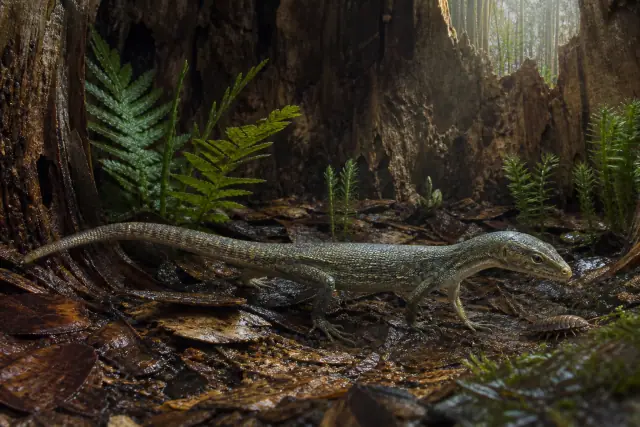
Hylonomus lyelli
This tiny insect hunter belonged to an early generation of vertebrates freed from laying eggs in water.
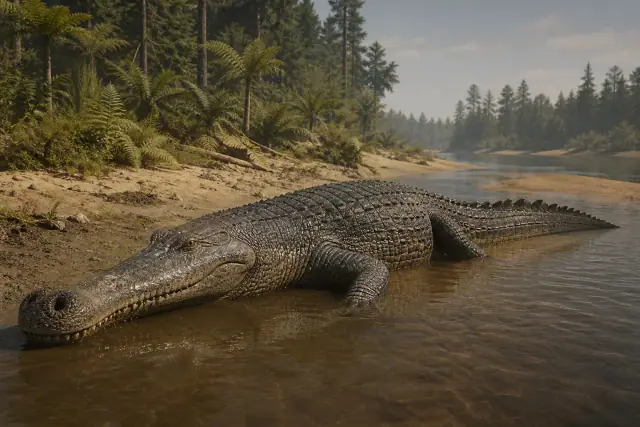
Sarcosuchus imperator
This long-snouted armored crocodyliform was not a direct ancestor of living crocodiles.
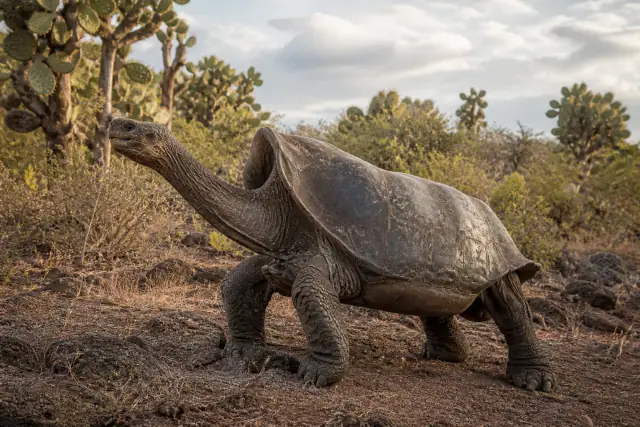
Chelonoidis abingdonii
A saddle-backed shell and long neck reached high vegetation; the last known individual died in 2012.
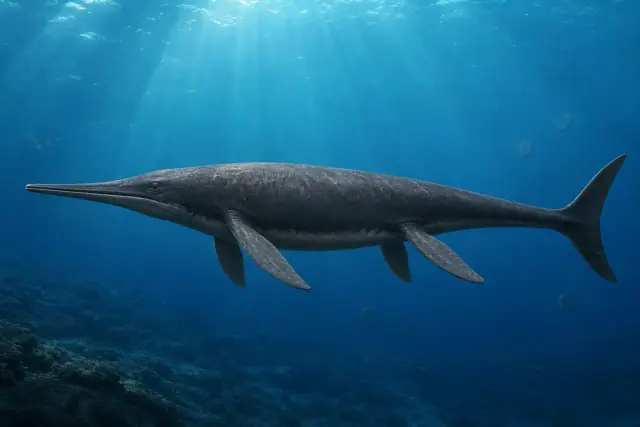
Shonisaurus popularis
This roughly fifteen-meter ichthyosaur had a long narrow snout and four flippers.
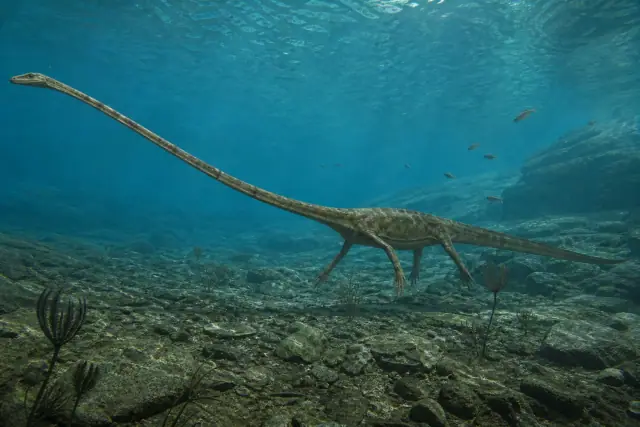
Tanystropheus hydroides
Thirteen extremely elongated vertebrae formed a neck as long as half the body, while the skull snapped at fish and cephalopods.
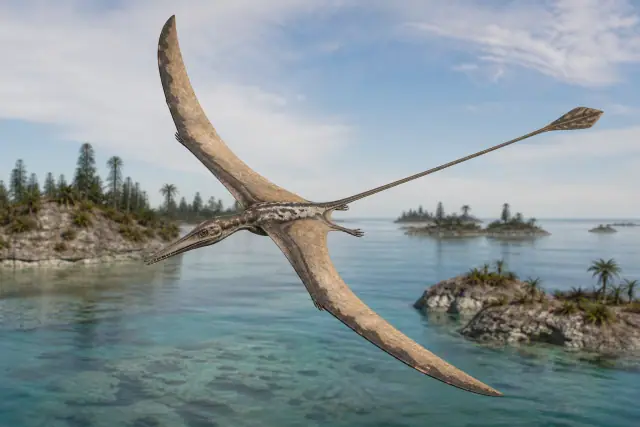
Rhamphorhynchus muensteri
Needle teeth lined long jaws while a diamond-shaped membrane at the stiff tail tip helped control flight above island seas.
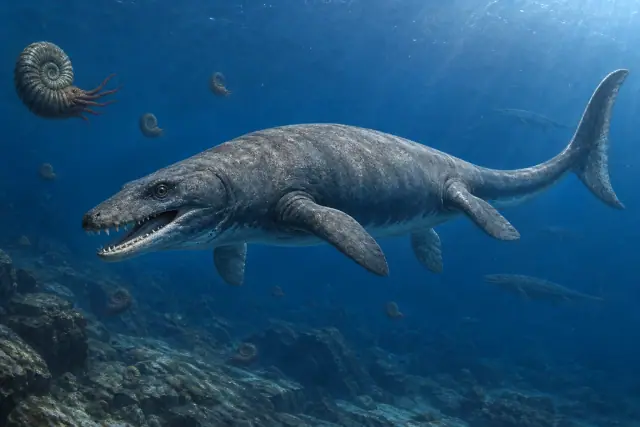
Dakosaurus maximus
A short deep skull carried serrated blades, while this marine crocodile's body had transformed into four flippers and a fishlike tail.
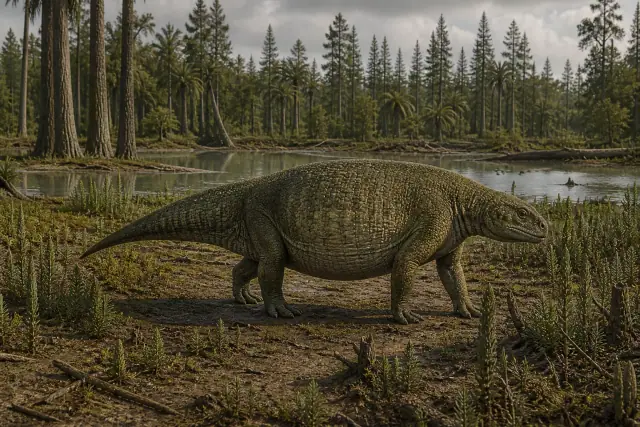
Eunotosaurus africanus
Nine pairs of broad, flattened ribs record an early stage in the evolution of the turtle shell.
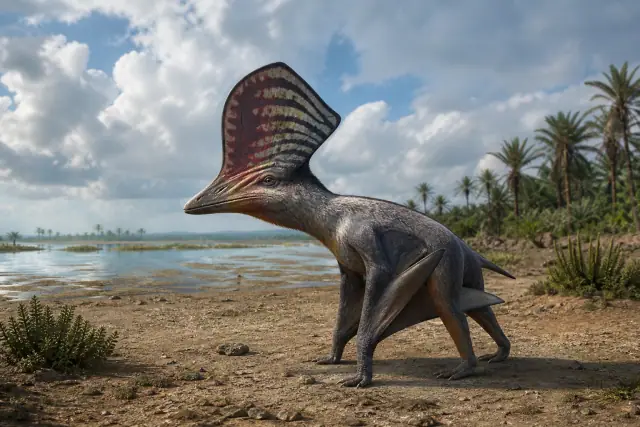
Tapejara wellnhoferi
An enormous crest rose above a short toothless beak, with soft tissue extending the bony sail still farther.
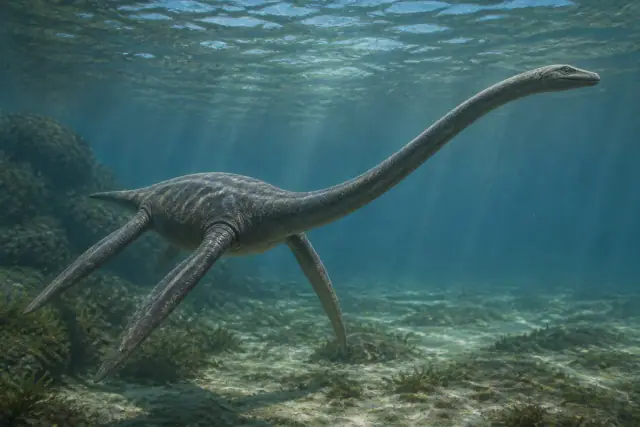
Plesiosaurus dolichodeirus
Four long flippers flew through water while a long flexible neck carried the small head toward prey.
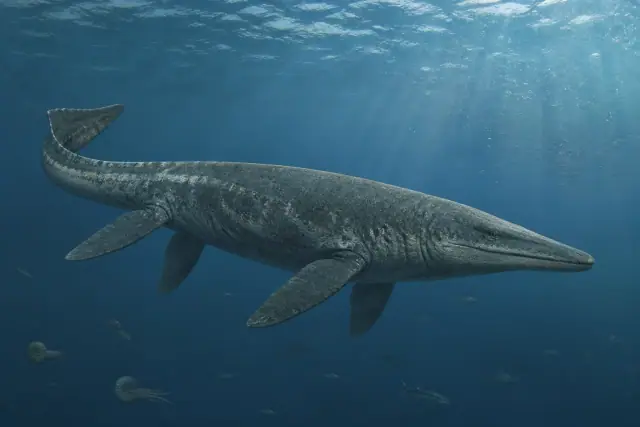
Tylosaurus proriger
A solid snout projected beyond the teeth as this giant mosasaur hunted fish, turtles and other reptiles.
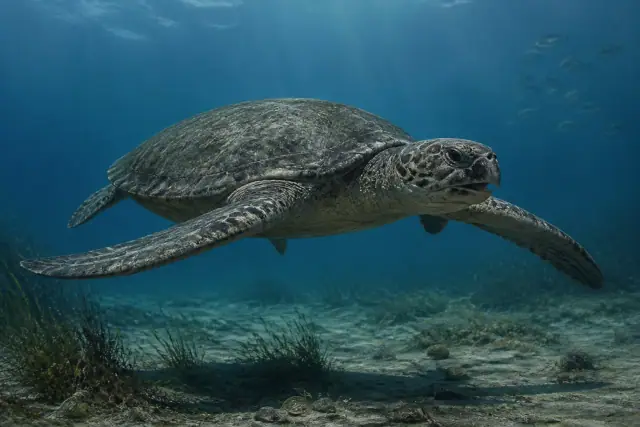
Archelon ischyros
Front flippers spanned several meters, and a leathery covering stretched over a reduced bony shell.
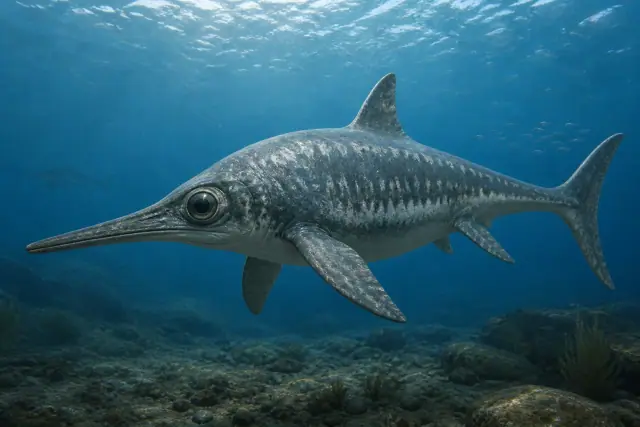
Ophthalmosaurus icenicus
Huge bony eye rings supported vision under pressure and may have helped track soft prey in dim water.
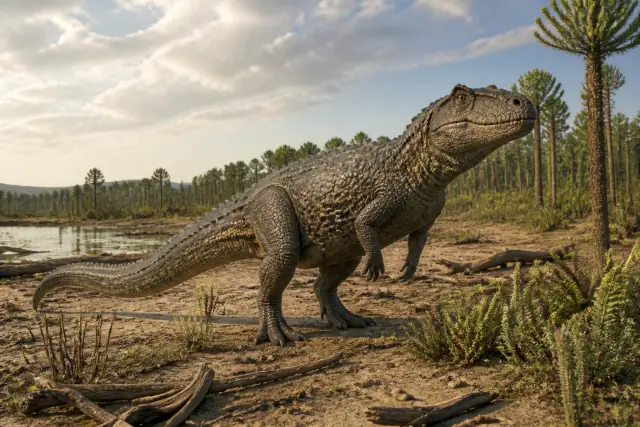
Postosuchus kirkpatricki
A deep skull, serrated teeth and powerful hind limbs placed it atop food webs before dinosaur dominance.
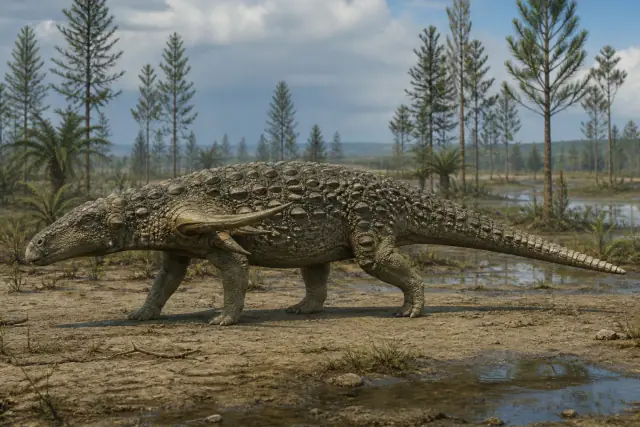
Desmatosuchus spurensis
Two huge backward-curving shoulder spikes reinforced rows of protective armor.
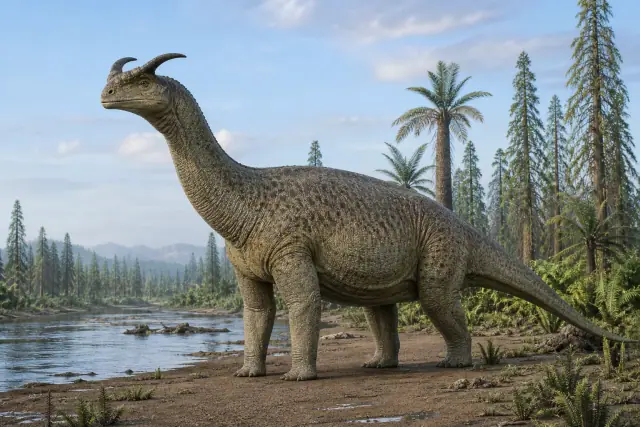
Shringasaurus indicus
Paired forward-curving brow horns occur only in some individuals, suggesting maturity or sexual display.
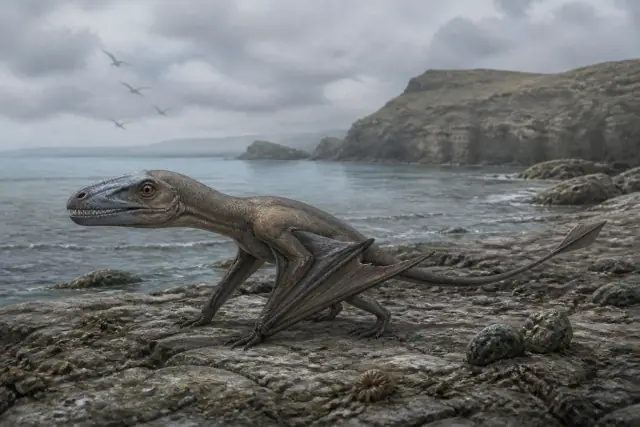
Dimorphodon macronyx
Two distinct tooth shapes gave this early pterosaur its name.
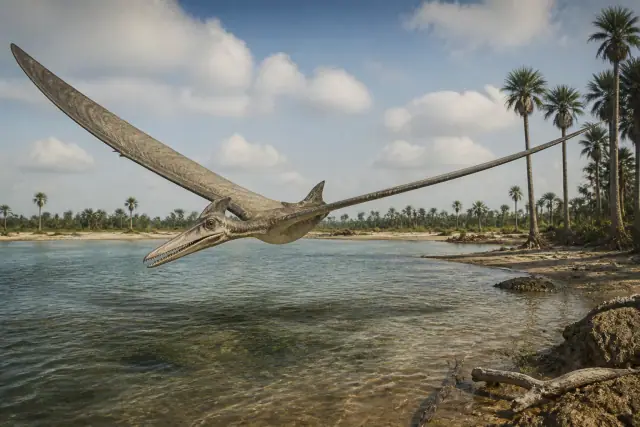
Anhanguera blittersdorffi
A toothed beak with matching crests helped seize slippery fish near the water surface.
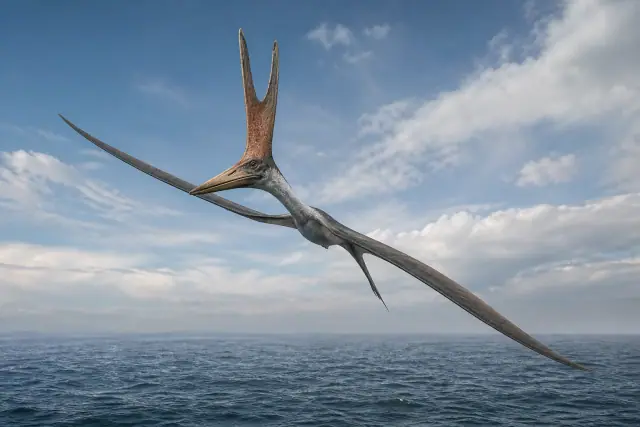
Nyctosaurus gracilis
An enormous branching crest crowned some adults, but there is no fossil evidence for a sail between its prongs.
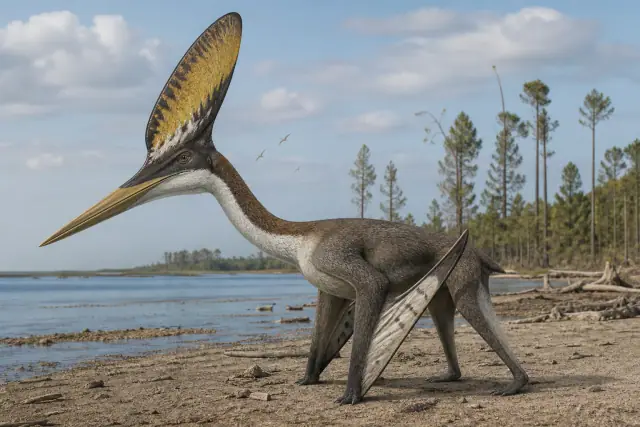
Thalassodromeus sethi
A vast sail-like skull crest dominated the profile of this large toothless pterosaur.
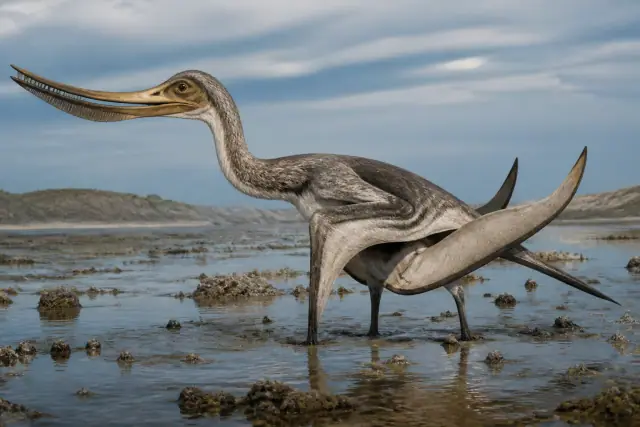
Pterodaustro guinazui
More than a thousand bristle-like lower teeth formed a filter basket.
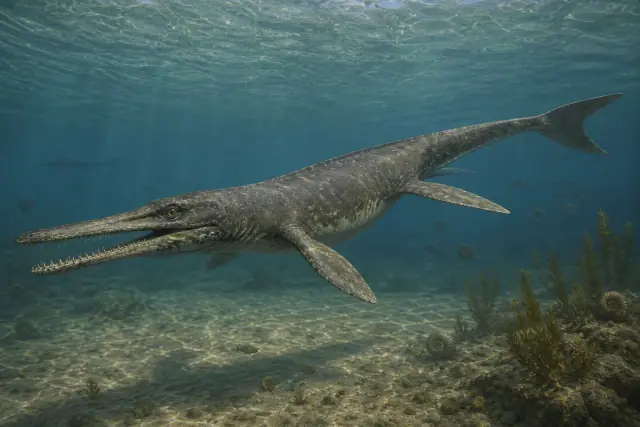
Metriorhynchus superciliosus
Flippers, a downturned tail fin and reduced armor transformed a crocodile relative into a pelagic swimmer.
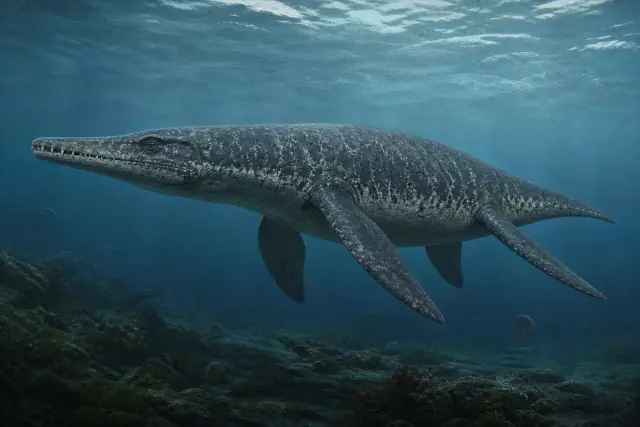
Pliosaurus funkei
A skull nearly two meters long and huge teeth formed an apex-predator bite apparatus.
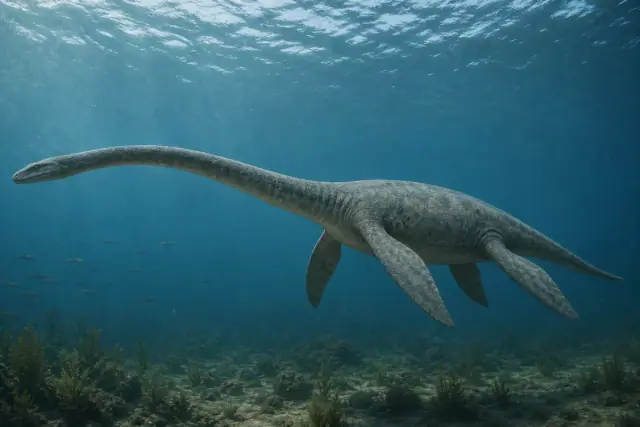
Styxosaurus snowii
More than sixty neck vertebrae formed an exceptionally long neck, while gastroliths filled the abdomen.
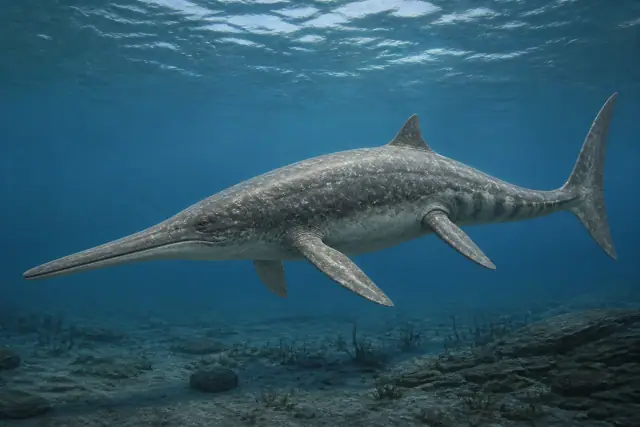
Cymbospondylus youngorum
Only a few million years after the great extinction, ichthyosaurs had already reached whale-like scale.
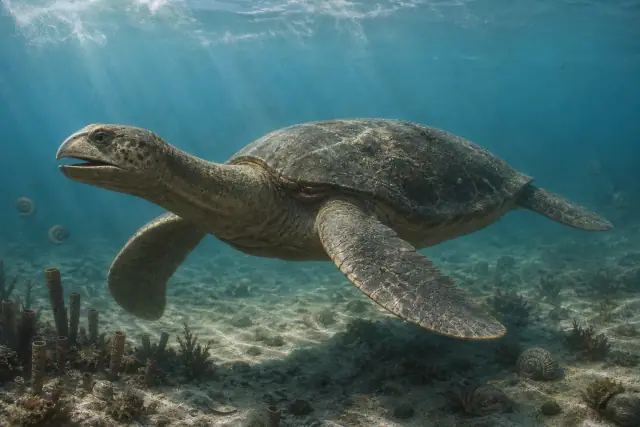
Protostega gigas
A reduced shell and giant front flippers made it one of the largest Cretaceous sea turtles.
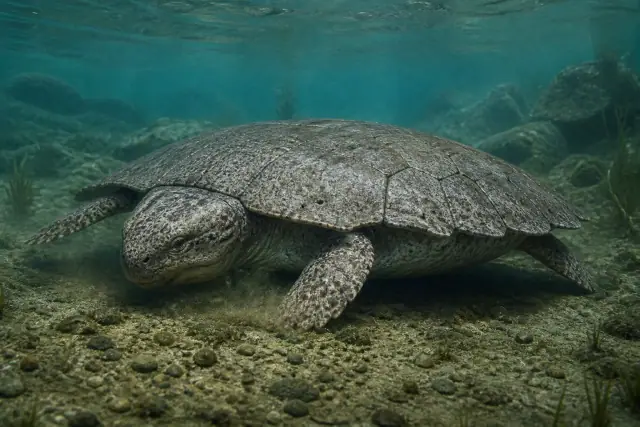
Henodus chelyops
A turtle-like shell protected a placodont with a broad filtering or scraping mouth.
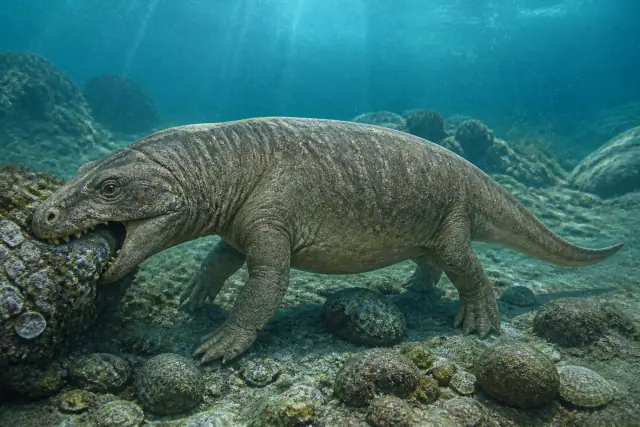
Placodus gigas
Chisel incisors and crushing palatal teeth formed a shell-opening toolkit.
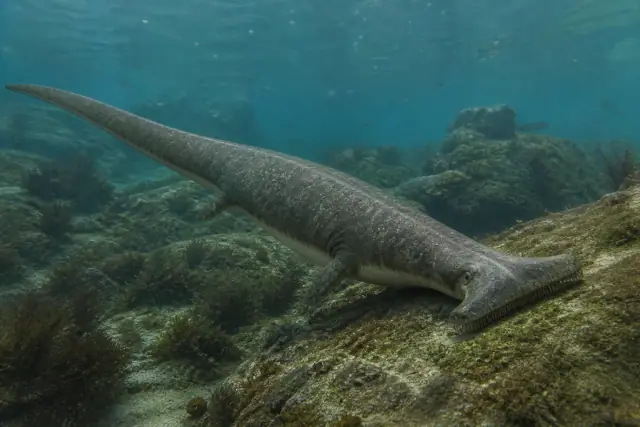
Atopodentatus unicus
A hammer-shaped snout scraped algae before needle teeth filtered the fragments.
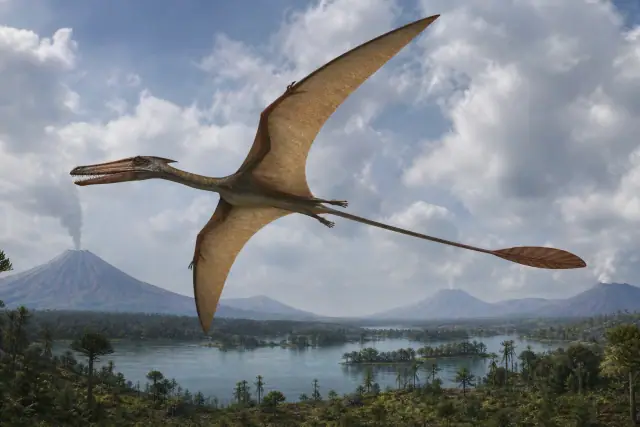
Darwinopterus modularis
A long tail and advanced skull combine features once separated between pterosaur groups.
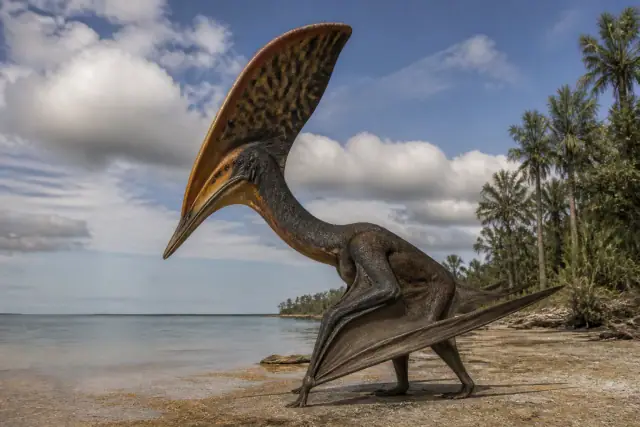
Tupandactylus imperator
Most of its enormous head crest was soft tissue used as a visual signal.
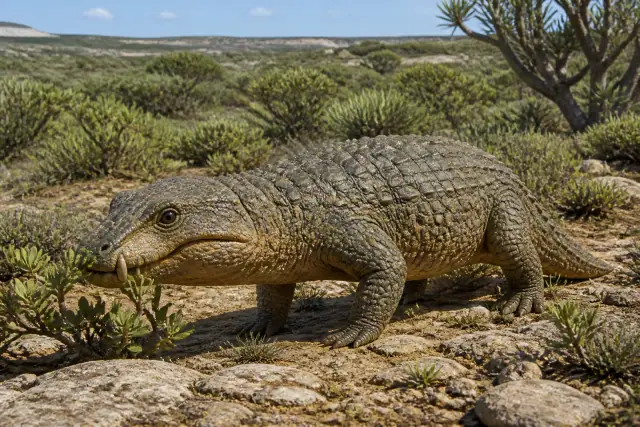
Simosuchus clarki
A short square snout, leaf-shaped teeth and armor belonged to a likely plant-eating crocodyliform.
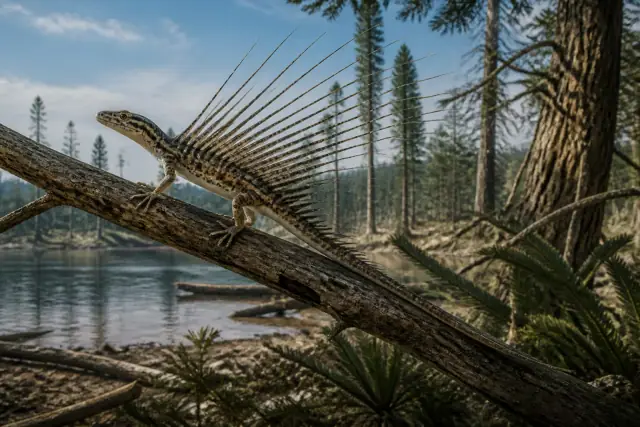
Longisquama insignis
A row of exaggerated dorsal appendages has been called scales, feathers or gliding surfaces.
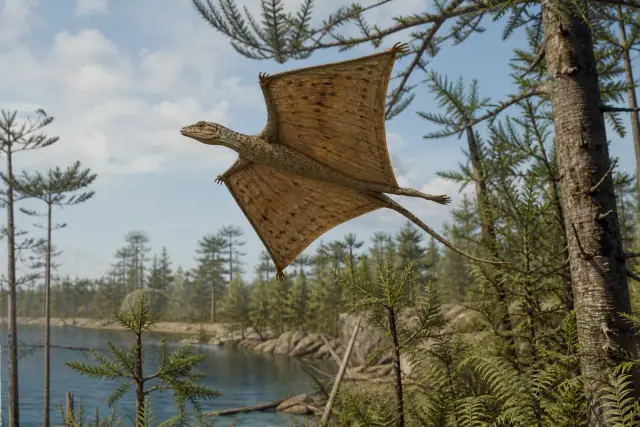
Sharovipteryx mirabilis
Its main flight membrane stretched between extraordinarily long hind legs.
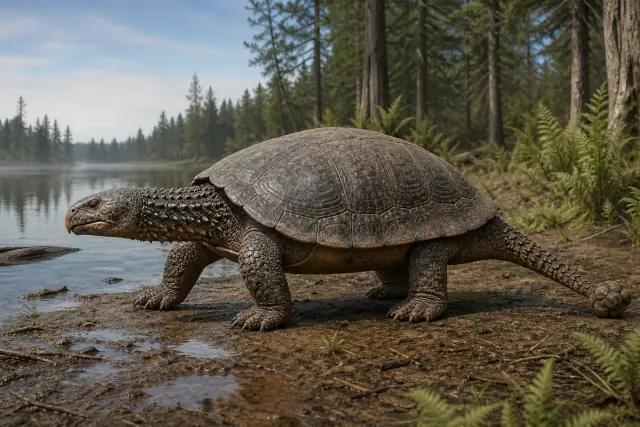
Proganochelys quenstedtii
A complete shell coexisted with neck spikes and an inability to retract the head.
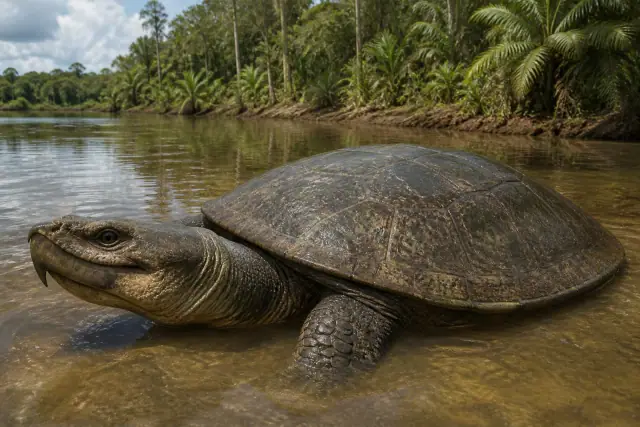
Carbonemys cofrinii
A shell nearly two meters long came from hot wetlands soon after the dinosaur extinction.
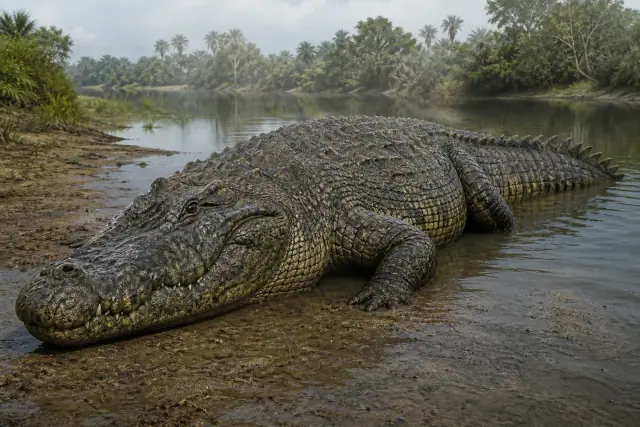
Purussaurus brasiliensis
A skull over a meter long belonged to a dominant Miocene caiman.
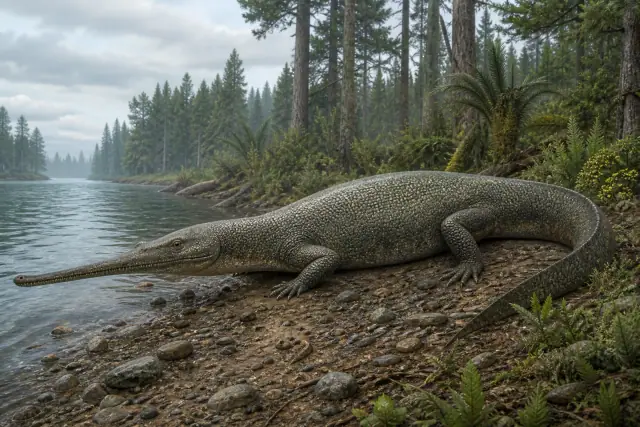
Champsosaurus gigas
Long jaws and a powerful tail let choristoderes retain a crocodile-like niche after the dinosaurs.
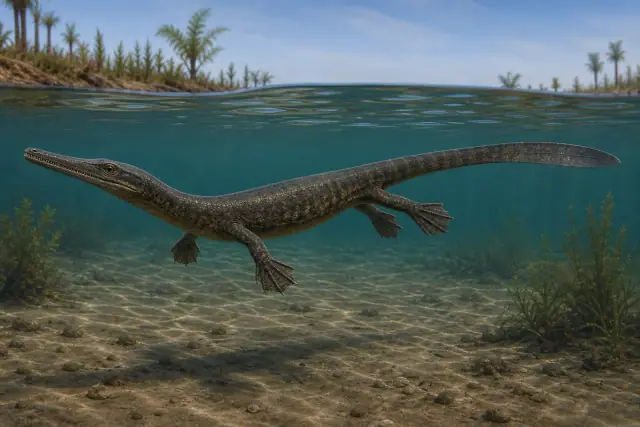
Mesosaurus tenuidens
Needle teeth and a flattened tail mark one of the earliest amniotes to return to water.
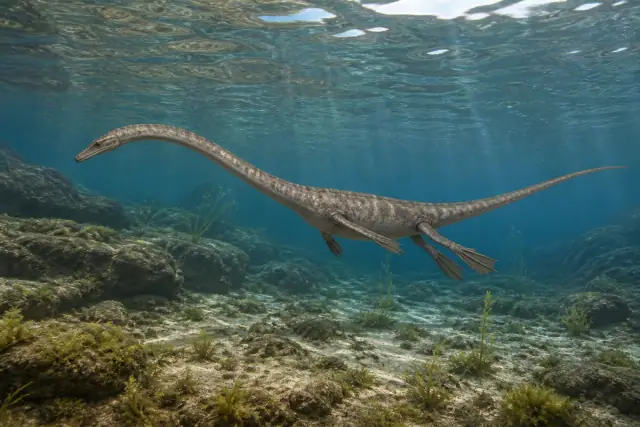
Claudiosaurus germaini
A long neck, tail and webbed feet show an early diapsid frequently entering water.
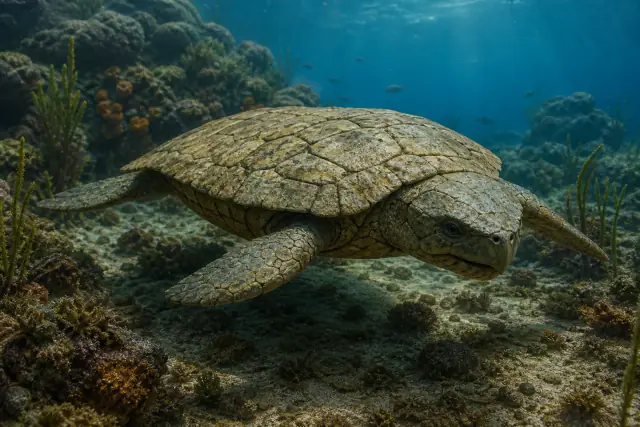
Placochelys placodonta
Placochelys placodonta was an armored placodont marine reptile, not a turtle; broad teeth support a hard-prey feeding interpretation.
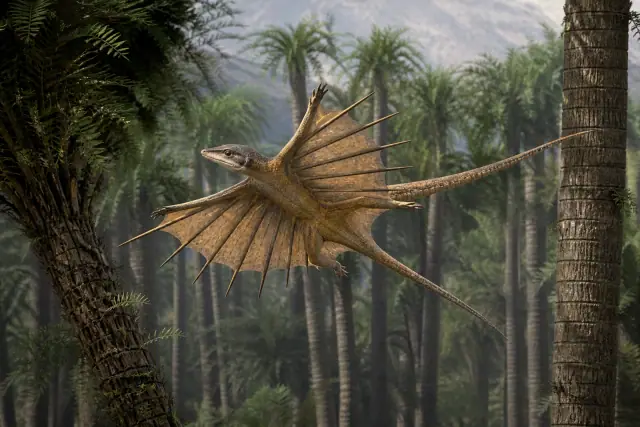
Coelurosauravus jaekeli
Long independent bony rods supported one of the earliest vertebrate gliding membranes.
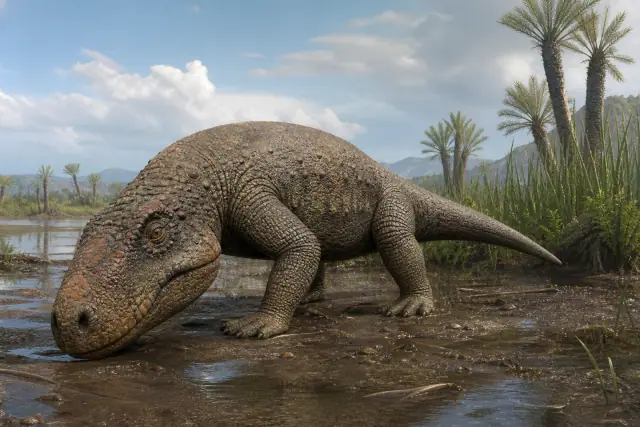
Erythrosuchus africanus
An enormous deep skull sat on a relatively low body in this early archosauriform apex predator.
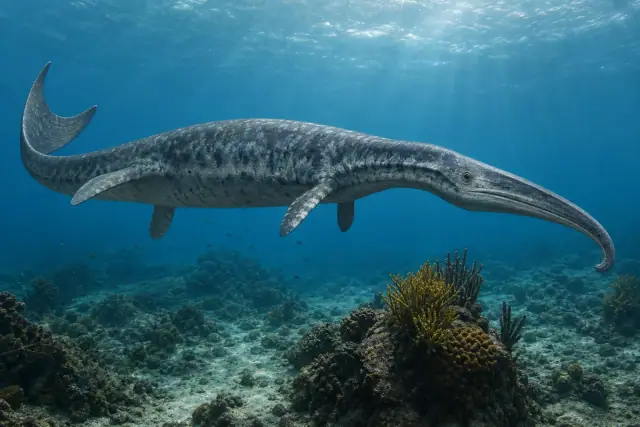
Thalattosaurus alexandrae
A long tail, paddle-like limbs and downturned snout marked a vanished marine-reptile branch.
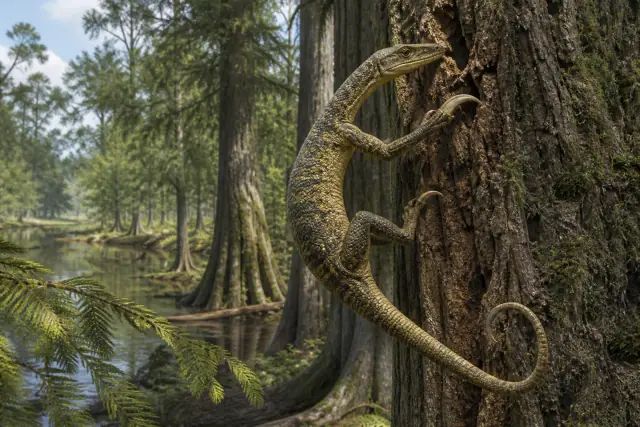
Drepanosaurus unguicaudatus
A sickle-shaped hand claw, grasping feet and hooked tail tip formed a highly arboreal reptile.
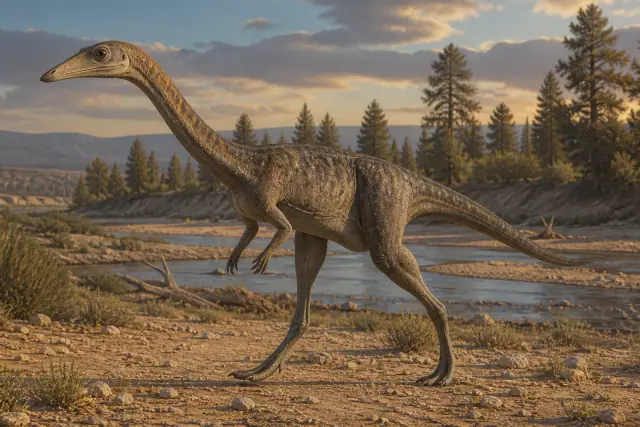
Effigia okeeffeae
A toothless beak, long neck and bipedal legs made this crocodile relative converge on later bird-like dinosaurs.