60Cenozoic
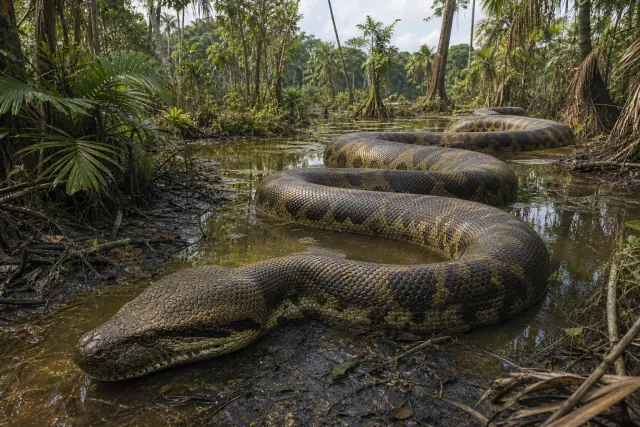
Titanoboa
Titanoboa cerrejonensis
The largest known snake moved through hot tropical swamps after the dinosaurs vanished.
 EXTINCT ATLASEXTINCT LIFE ARCHIVEBack to archive
Period · 66–23.04 million years ago
Meet early whales, giant birds and diverse mammals from the Paleocene, Eocene and Oligocene.
Surviving mammals and birds diversified after the end-Cretaceous extinction. Whale fossils document transitions from terrestrial to aquatic lives. The Paleogene includes three epochs and major climatic changes: an Eocene forest animal did not necessarily share an Oligocene habitat.
Titanoboa cerrejonensis
The largest known snake moved through hot tropical swamps after the dinosaurs vanished.
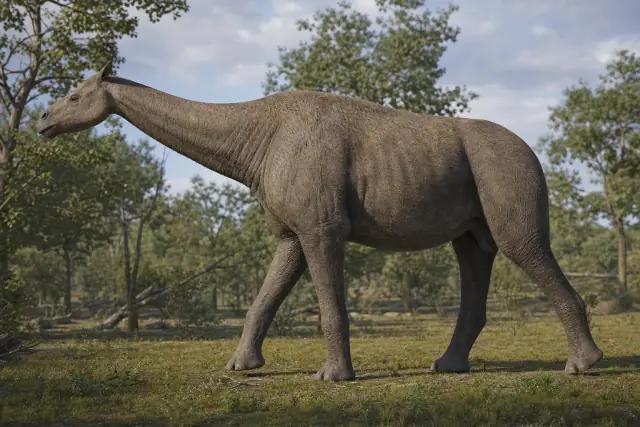
Paraceratherium transouralicum
The largest known land mammal was a hornless rhinoceros relative built to browse high foliage.
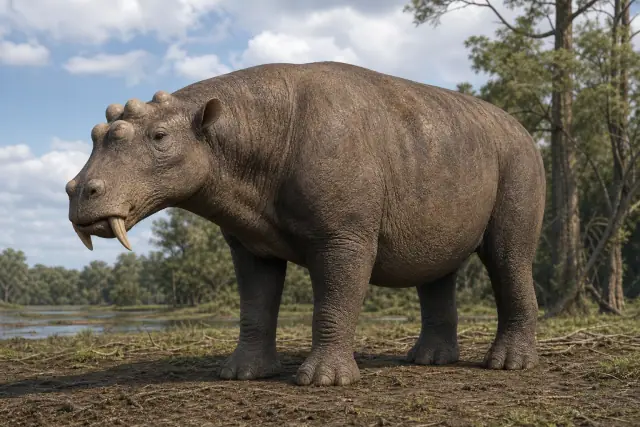
Uintatherium anceps
Knob-like skull horns and long canines crowned this rhinoceros-sized herbivore.
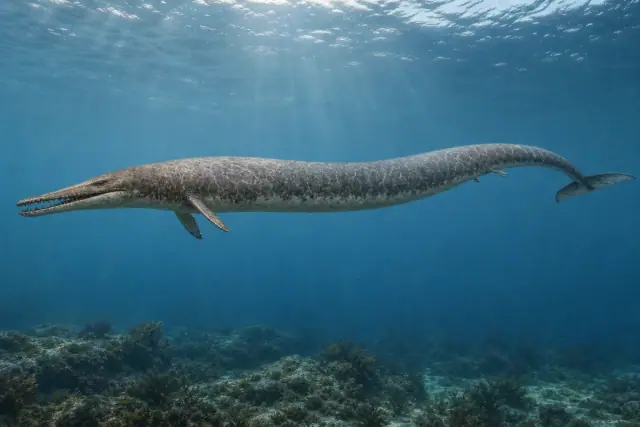
Basilosaurus isis
This long-bodied early whale still carried tiny external hind limbs.
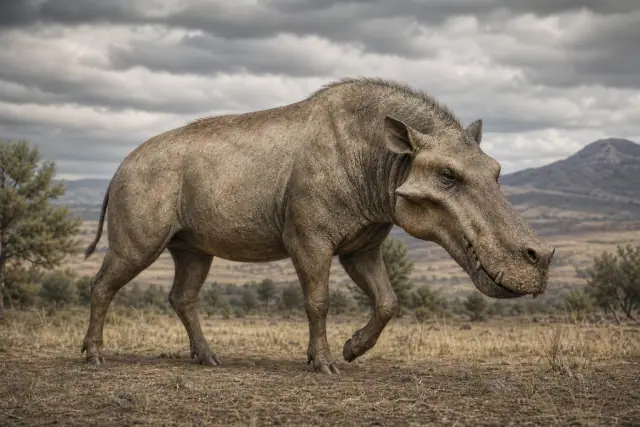
Daeodon shoshonensis
A huge deep-skulled omnivore belonged to the entelodonts, not to true pigs.
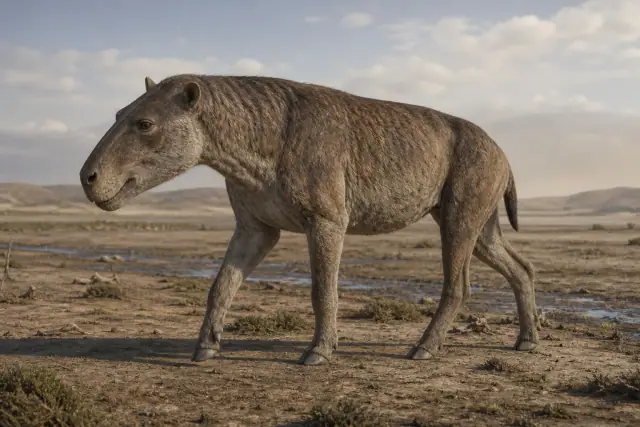
Andrewsarchus mongoliensis
Nearly everything known directly comes from one enormous skull, leaving the body unusually uncertain.
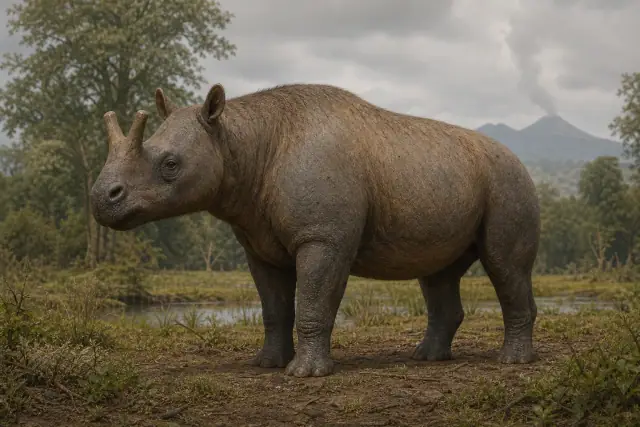
Megacerops coloradensis
It resembled a rhinoceros but belonged to the extinct brontotheres and carried paired nasal horns.
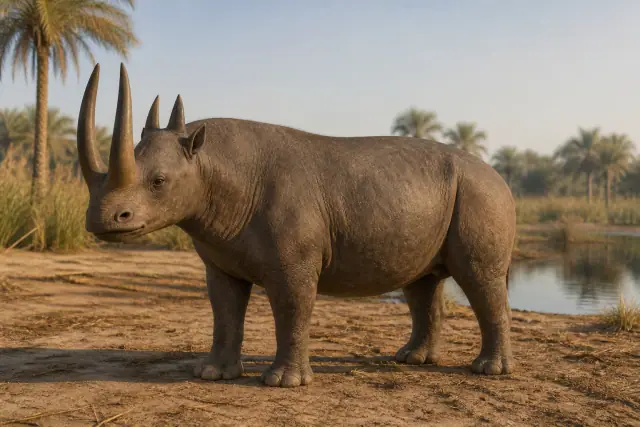
Arsinoitherium zitteli
Two enormous hollow nasal horns and a smaller rear pair belonged to an embrithopod, not a rhinoceros.
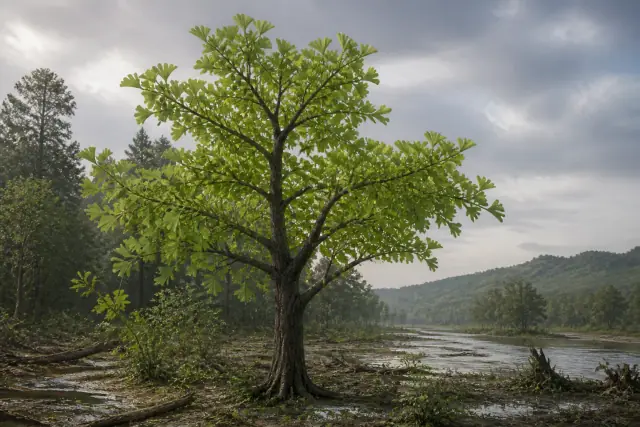
Ginkgo cranei
Fan-shaped leaves and paired ovules continued the ginkgo body plan in a species that did not survive to the present.
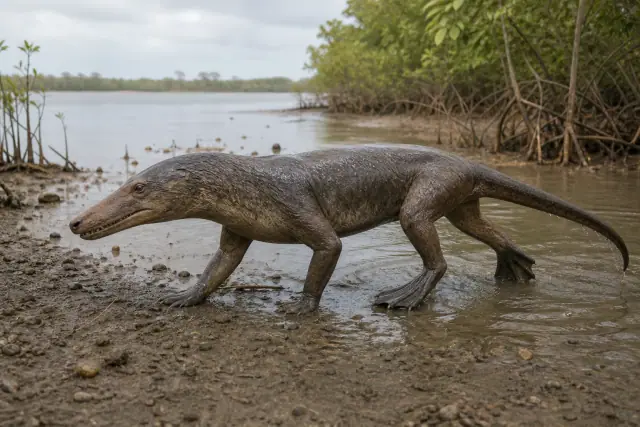
Ambulocetus natans
Strong limbs could still bear weight, yet long feet paddled through water and the ear region was adapting to underwater sound.
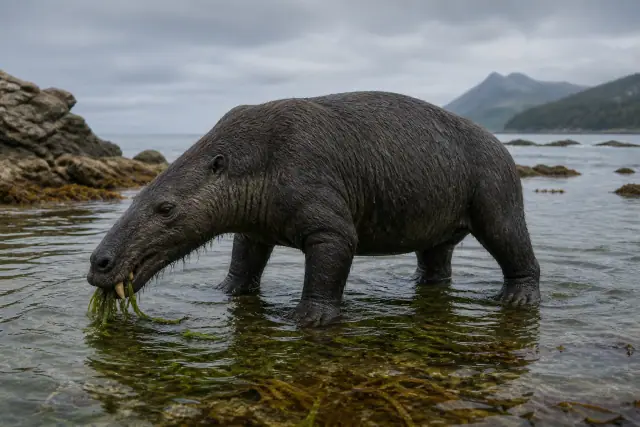
Desmostylus hesperus
Bundles of enamel-wrapped tooth columns and broad limbs helped it crop aquatic plants in tidal flats and shallow water.
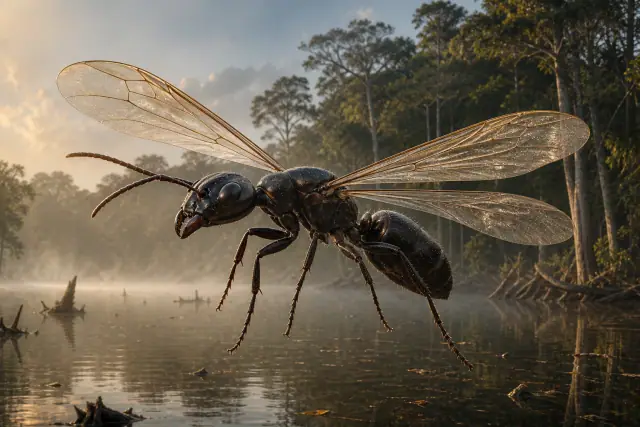
Titanomyrma gigantea
Queens reached about seven centimeters long with a 16-centimeter wingspan, among the largest hymenopterans known.
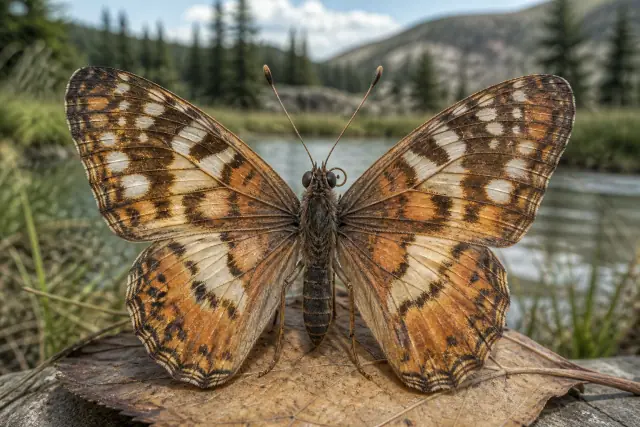
Prodryas persephone
A nearly complete impression preserves venation, legs, antennae and mouthparts, making it one of the finest fossil butterflies.
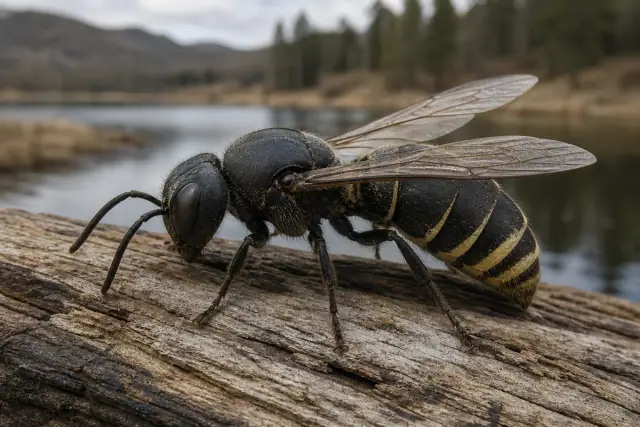
Palaeovespa florissantia
This robust fossil vespid combines traits recalling modern hornets and paper wasps, and may already have lived socially.
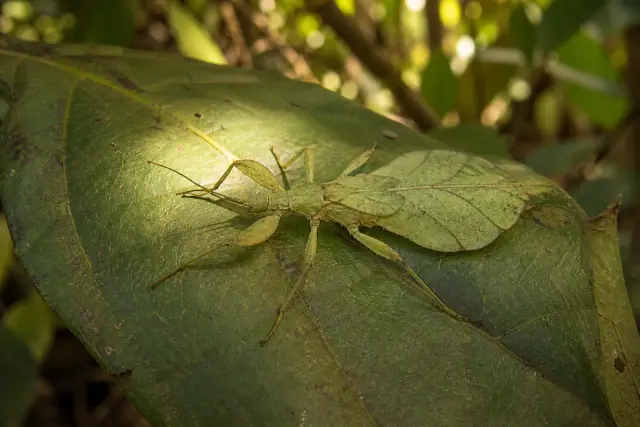
Eophyllium messelensis
Its leaflike abdomen closely matches foliage, proving that sophisticated mimicry existed at least 47 million years ago.
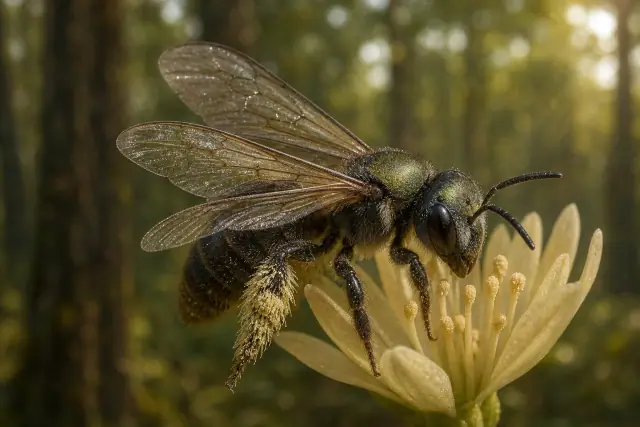
Ctenoplectrella viridiceps
Amber sealed an extinct mason-bee relative whose long hind-leg hairs show that it actively collected and transported pollen.
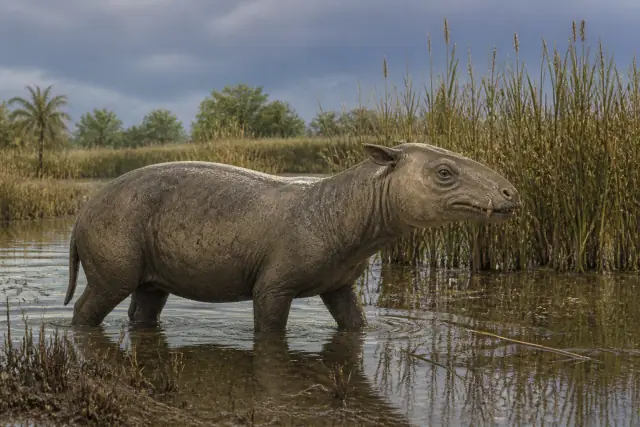
Moeritherium lyonsi
Tapir-sized and short-faced, it lived before proboscideans acquired the elephant's long trunk and giant body.
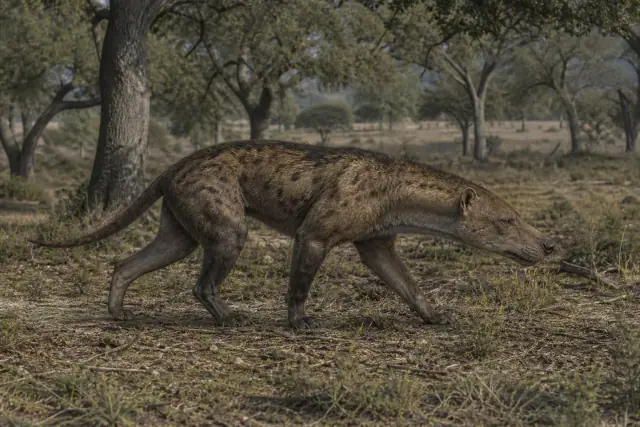
Hyaenodon horridus
Hyaenodon horridus was a meat-eating hyaenodont mammal, not a hyena; its large skull can inflate skull-length mass estimates.
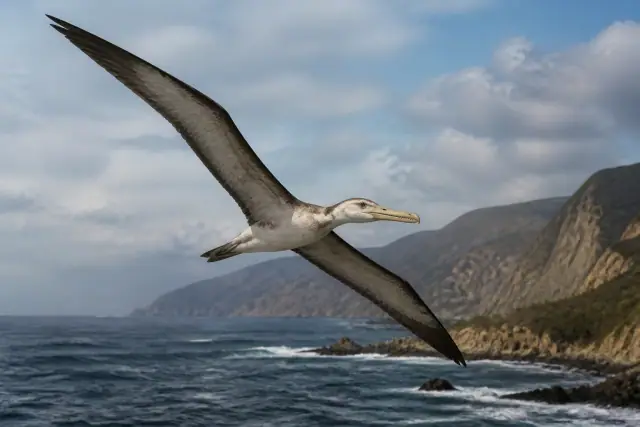
Pelagornis sandersi
Its estimated wingspan exceeded six meters, while bony pseudoteeth lined a beak adapted to slippery marine prey.
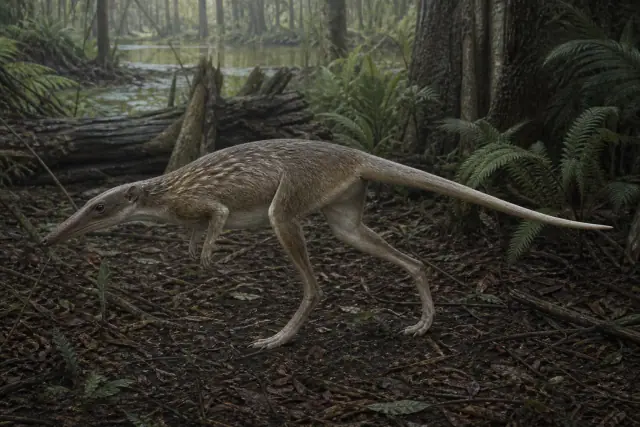
Leptictidium auderiense
Long hind legs and a balancing tail powered a distinctive hopping gait through the forest floor.
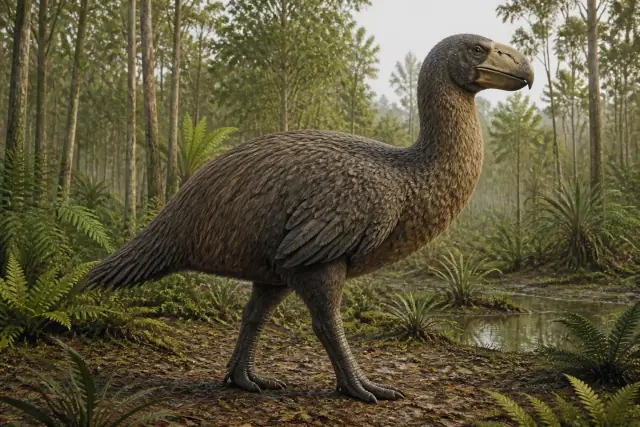
Gastornis parisiensis
This giant flightless bird had a massive beak, but evidence favors a mainly herbivorous diet.
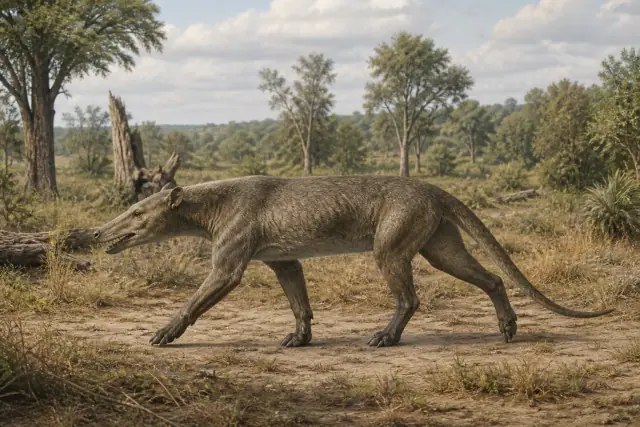
Mesonyx obtusidens
Hoof-like toes and a large predatory skull belonged to a carnivorous mammal with no modern equivalent.
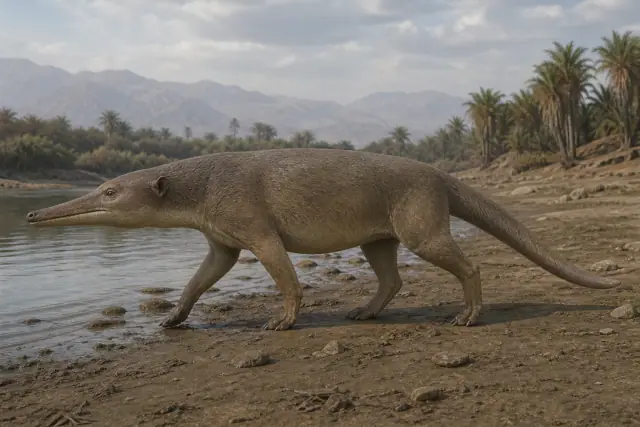
Pakicetus attocki
An early whale with four weight-bearing legs: Pakicetus attocki was wolf-sized and lived near rivers in Pakistan about 50 million years ago.
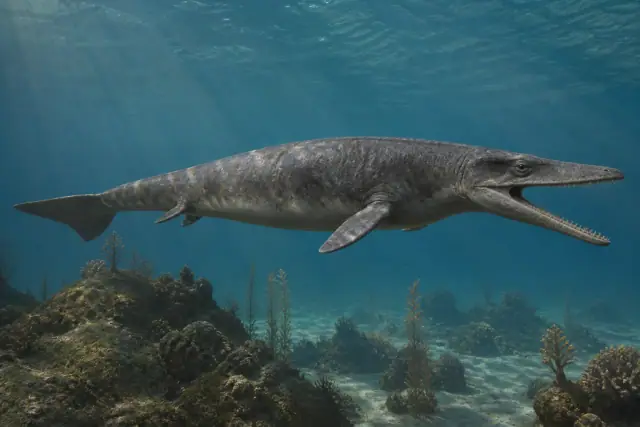
Dorudon atrox
A streamlined whale body still carried tiny external hind limbs with no walking function.