04Paleozoic
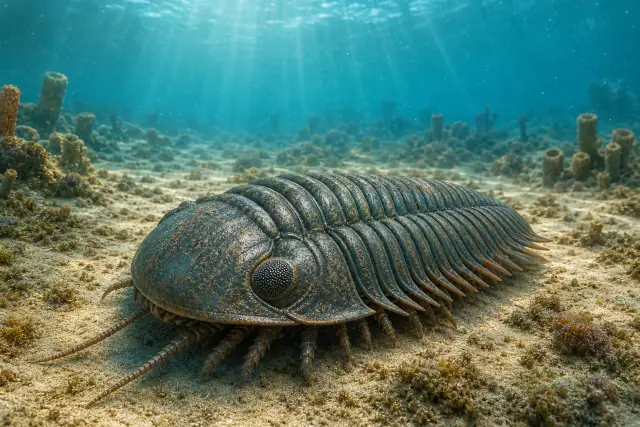
Trilobites
Trilobita
They occupied seafloors for nearly 300 million years, and their compound eyes preserve secrets of early vision.
 EXTINCT ATLASEXTINCT LIFE ARCHIVEBack to archive
Period · 538.8–486.85 million years ago
Explore Cambrian animals, from trilobites and radiodonts to soft-bodied marine life preserved in exceptional fossil deposits.
The Cambrian explosion describes animal diversification, not the origin of all life. Shells and burrows record changing marine ecosystems; exceptional deposits preserve delicate anatomy too. Comparing these fossils with Ediacaran organisms reveals both new adaptations and features that had already evolved.
Trilobita
They occupied seafloors for nearly 300 million years, and their compound eyes preserve secrets of early vision.
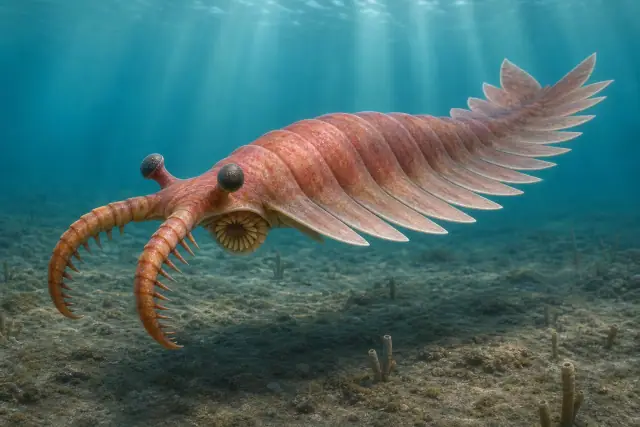
Anomalocaris canadensis
A meter-long swimmer with grasping frontal appendages was a giant of Cambrian seas.
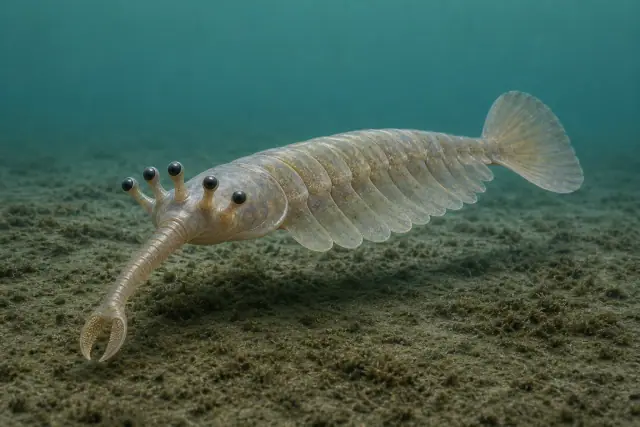
Opabinia regalis
Five eyes and a grasping proboscis made this small swimmer one of the Cambrian’s strangest forms.
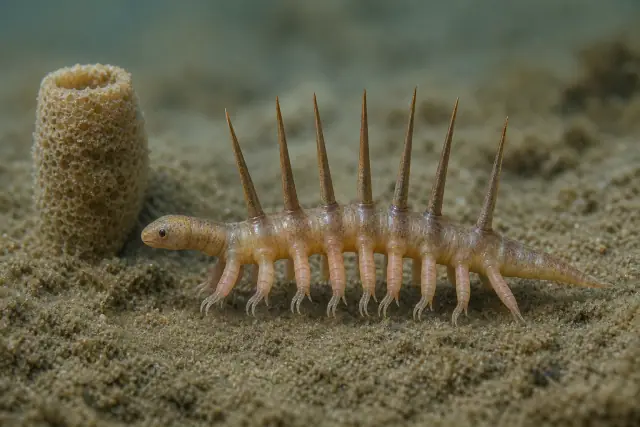
Hallucigenia sparsa
Paired spines guarded a soft-bodied walker once reconstructed upside down.
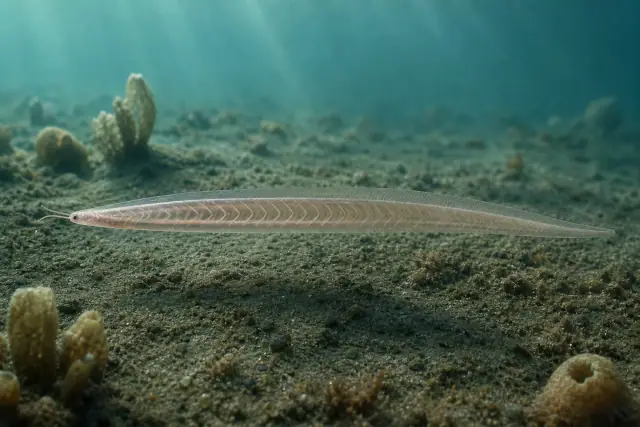
Pikaia gracilens
A slender body preserves repeated muscle blocks and internal traces important for interpreting early chordates.
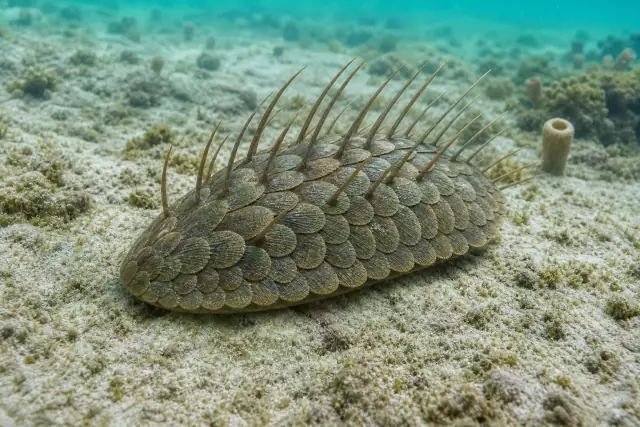
Wiwaxia corrugata
Rows of scales and long spines armored this small seafloor grazer.
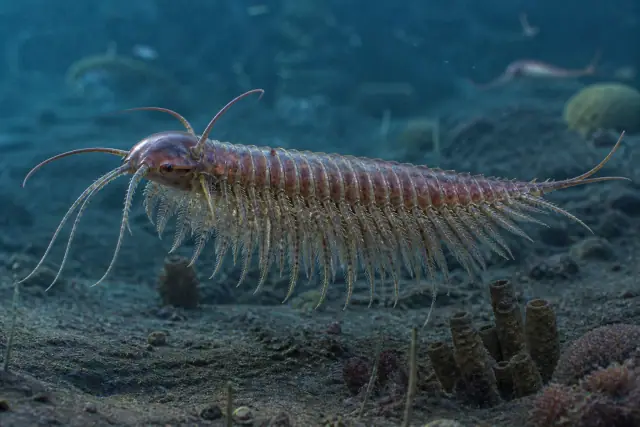
Marrella splendens
Two pairs of curved head spines, long antennae and dozens of fine legs made this two-centimeter arthropod exquisitely elaborate.
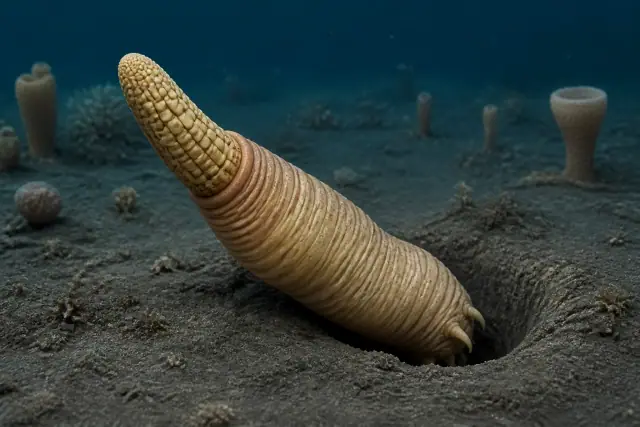
Ottoia prolifica
Its stout body hid in a U-shaped burrow while a spiny, hook-studded throat could turn inside out to seize food.
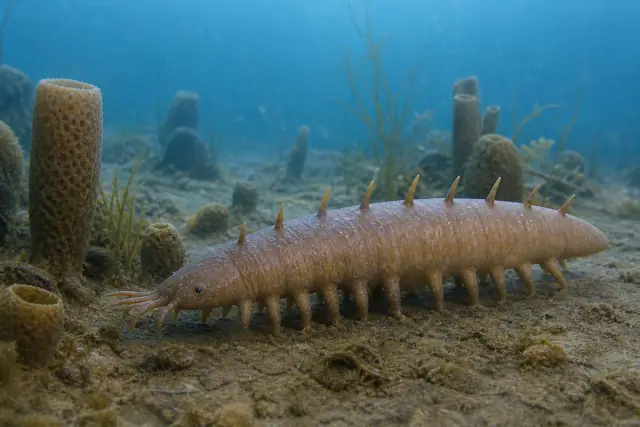
Aysheaia pedunculata
Ten pairs of stubby legs beneath a soft body place it near the early history of velvet worms and arthropods.
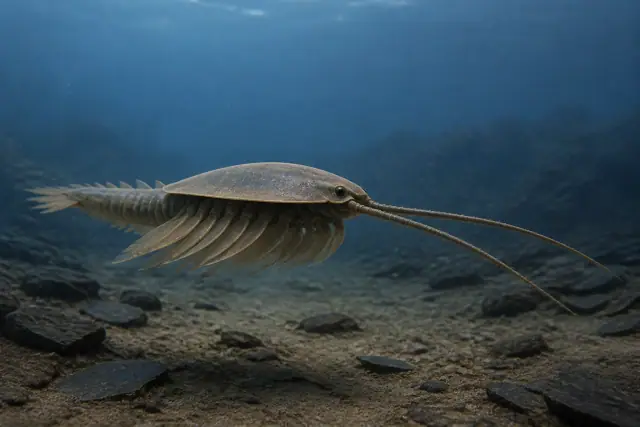
Leanchoilia superlata
A pair of great appendages ended in three long whips that could sense, seize and move food.
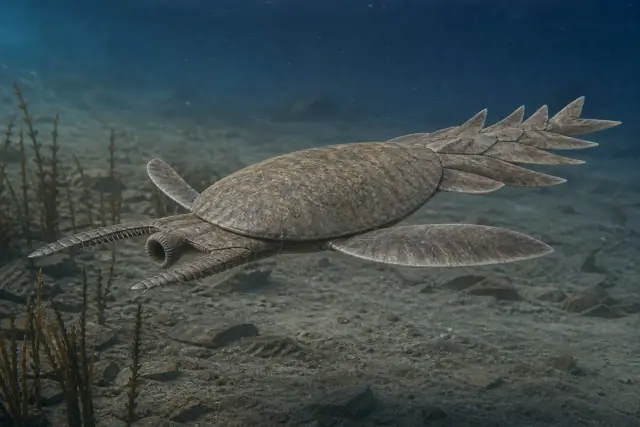
Hurdia victoria
A huge domed carapace covered its head, giving this radiodont the outline of a tiny finned submarine.
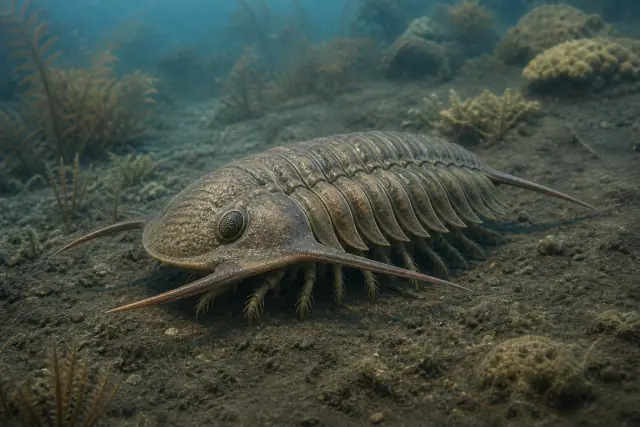
Olenoides serratus
Its antennae, gills and clawed legs reveal far more than a mineralized trilobite shell.
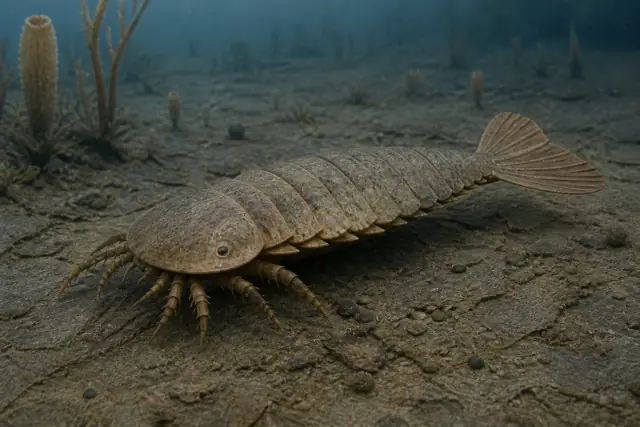
Sidneyia inexpectans
Robust leg bases formed crushing jaws for small trilobites and other shelled prey.
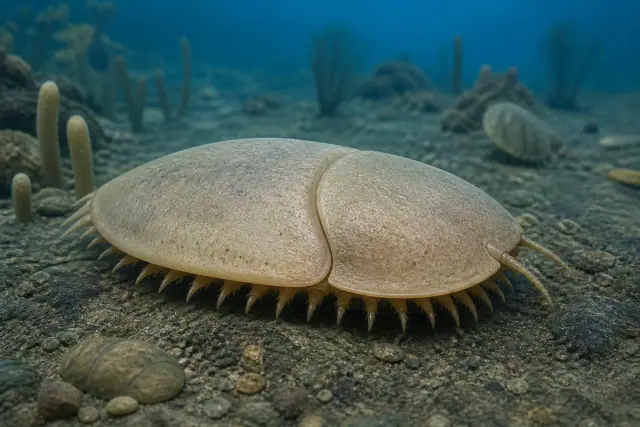
Naraoia compacta
Two large shields covered a soft body equipped with fully segmented trilobite-like limbs.
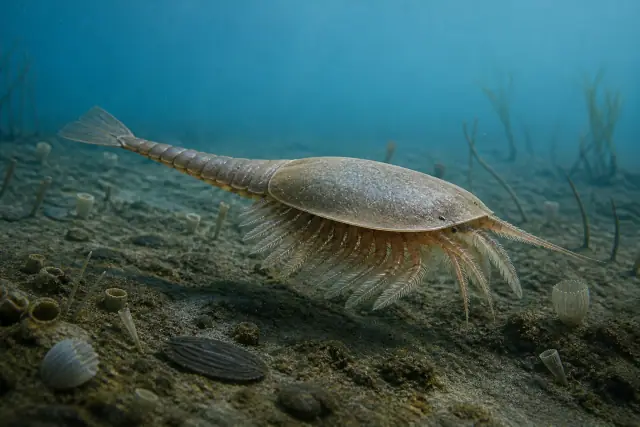
Waptia fieldensis
A bivalved carapace, compound eyes and mandibles reveal an early mandibulate; some fossils preserve embryos under the carapace.
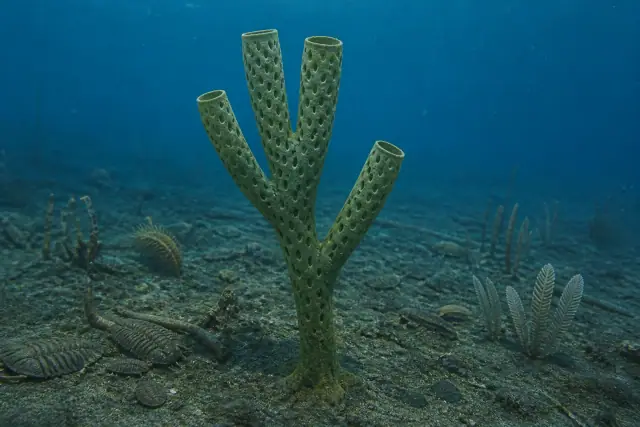
Margaretia dorus
A perforated tube once treated as an animal is now linked to a branching alga.
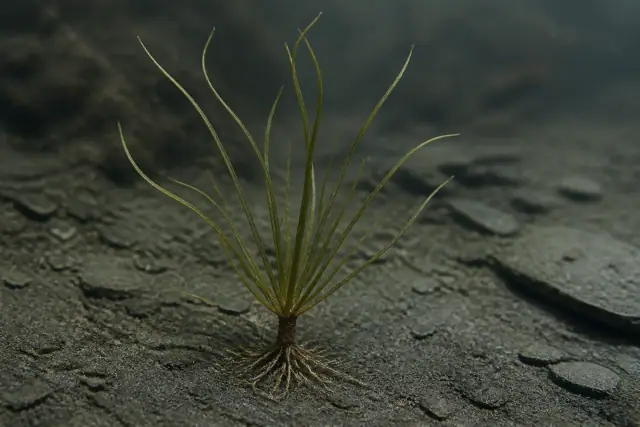
Yuknessia simplex
Simple narrow blades radiated from a common attachment.
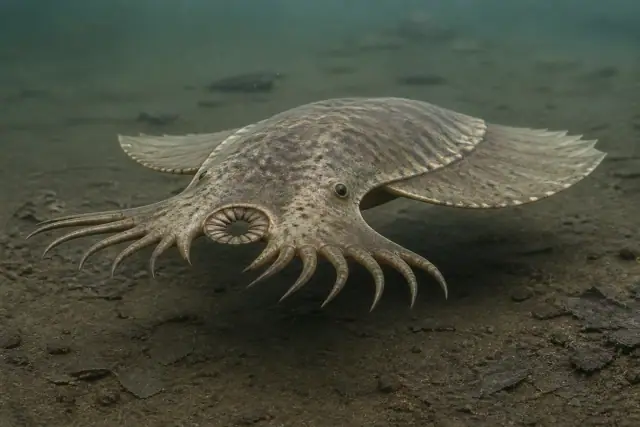
Cambroraster falcatus
A horseshoe-shaped carapace and rake-like appendages made a mobile sediment sifter.
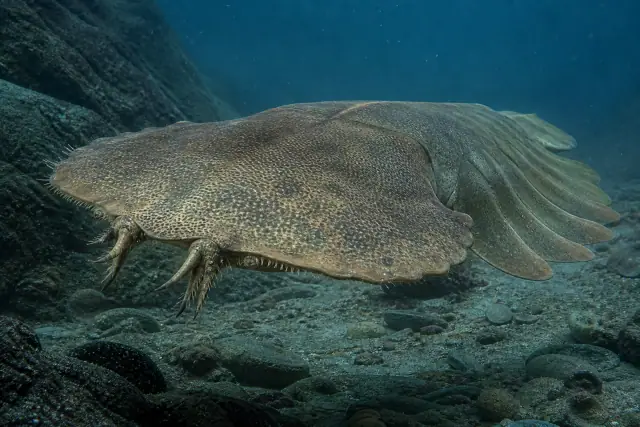
Titanokorys gainesi
An enormous head shield covered most of this bottom-feeding radiodont.
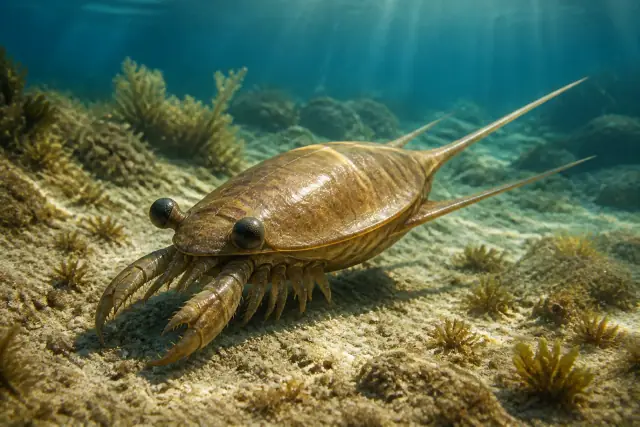
Isoxys curvirostratus
Isoxys curvirostratus was a small arthropod with a spined carapace, stalked eyes and grasping frontal appendages.
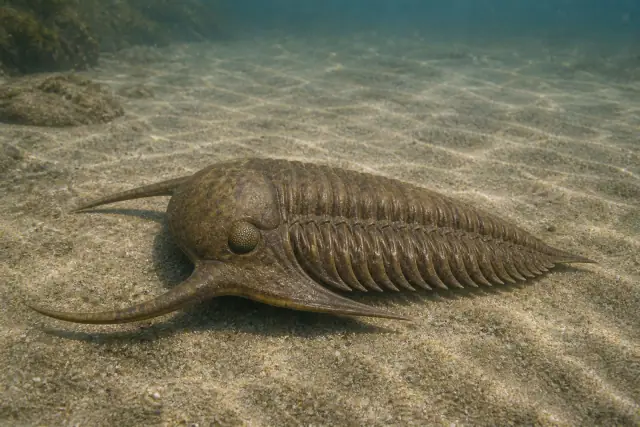
Olenellus thompsoni
A broad head, long genal spines and many trunk segments marked an early trilobite radiation.
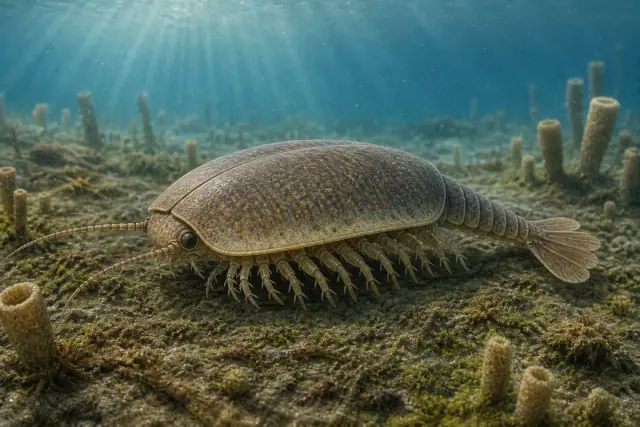
Canadaspis perfecta
Two broad valves enclosed a segmented body while antennae, limbs and a tail fan projected outside.
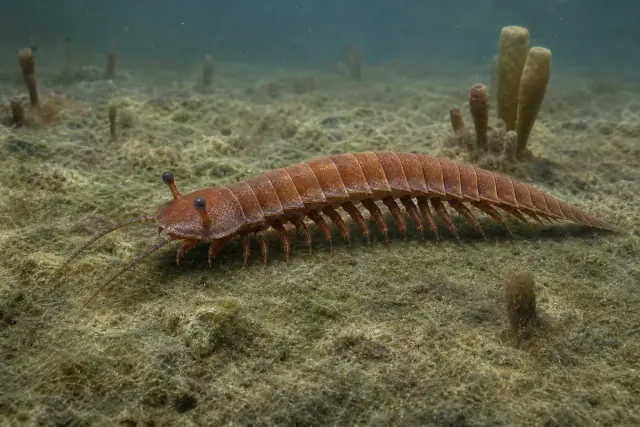
Fuxianhuia protensa
Its nervous, circulatory and limb anatomy makes it central to studies of early arthropod organization.
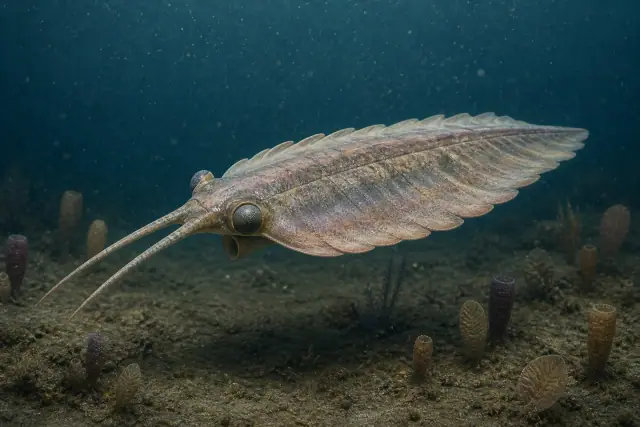
Nectocaris pteryx
Paired fins, a funnel and tentacle-like appendages form one of the Cambrian's most puzzling swimmers.