01Cenozoic
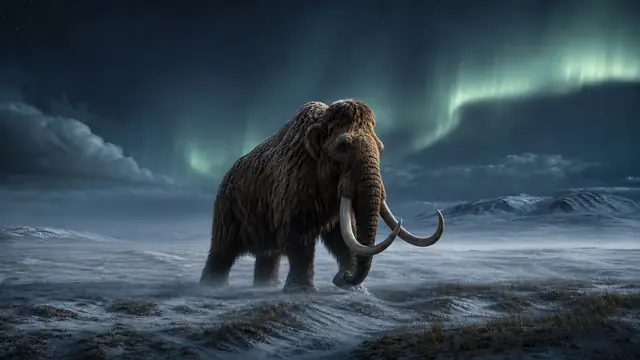
Woolly Mammoth
Mammuthus primigenius
They lived not on endless ice, but in a wind-shaped grassland ecosystem.
 EXTINCT ATLASEXTINCT LIFE ARCHIVE
Category
Early synapsids, prehistoric giant mammals and recently extinct species.
01 / ANSWER FIRST
This archive follows the synapsid line from sail-backed Permian forms to dinosaurs' small mammalian contemporaries, Cenozoic giants and recent losses.
02 / TIME & EVOLUTION
Synapsids begin before true mammals; mammals diversify during the Mesozoic and expand into enormous ecological variety after the end-Cretaceous extinction.
03 / TURNOVER & EXTINCTION
Climate, tectonics and food webs drove deep-time turnovers; recent megafaunal losses also involved human hunting and habitat change.
04 / KEY THEMES
Permian fossils record the long anatomical route toward mammals.
Whales, proboscideans and giant herbivores occupied new niches.
Climate, people and population size interacted differently by region.
05 / EVIDENCE
Teeth, ear bones, limb posture, hair, stomach contents, isotopes and ancient DNA reveal diet, movement, relationships and population history.
06 / FAQ
This archive follows the synapsid line from sail-backed Permian forms to dinosaurs' small mammalian contemporaries, Cenozoic giants and recent losses.
Teeth, ear bones, limb posture, hair, stomach contents, isotopes and ancient DNA reveal diet, movement, relationships and population history.
Climate, tectonics and food webs drove deep-time turnovers; recent megafaunal losses also involved human hunting and habitat change.
07 / SOURCES
Mammuthus primigenius
They lived not on endless ice, but in a wind-shaped grassland ecosystem.
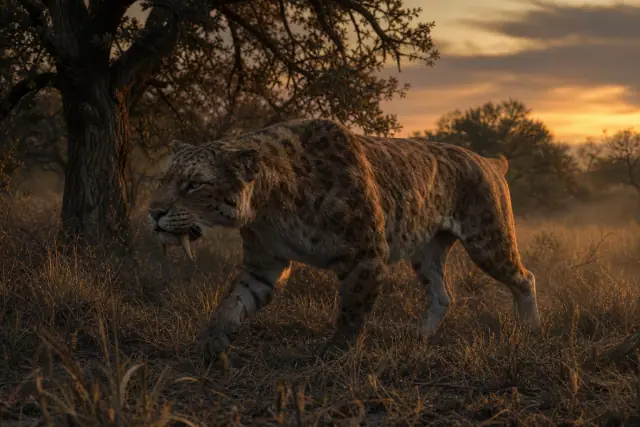
Smilodon fatalis
Its enormous canines were only part of the weapon; the real power lay in exceptionally strong forelimbs.
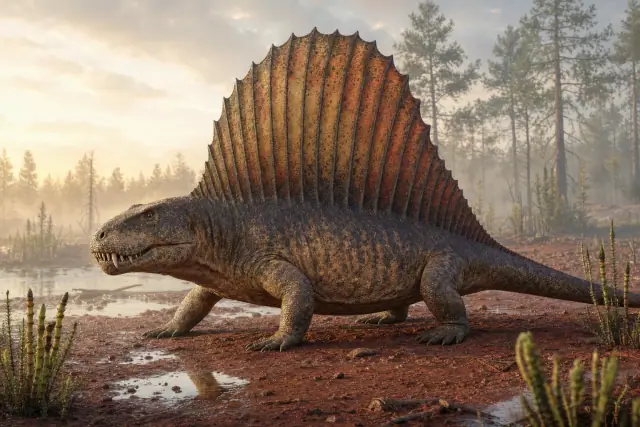
Dimetrodon grandis
This sail-backed predator was closer to mammals than to dinosaurs.
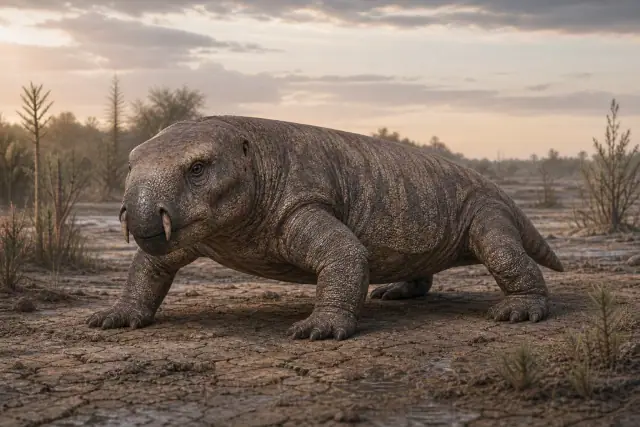
Lystrosaurus murrayi
A beaked, tusked survivor became extraordinarily common after Earth’s greatest mass extinction.
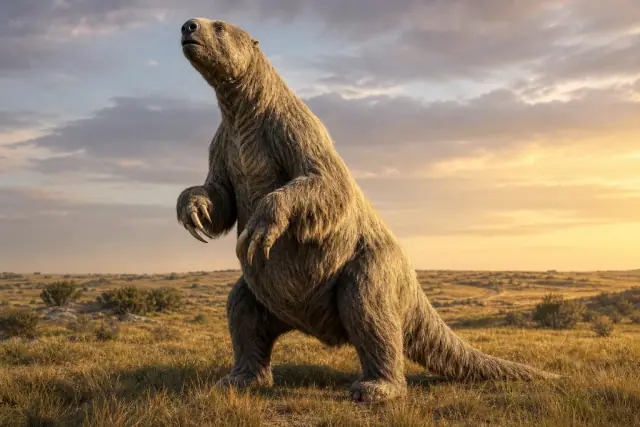
Megatherium americanum
Standing on its hind legs, this elephant-sized sloth could reach high branches with huge claws.
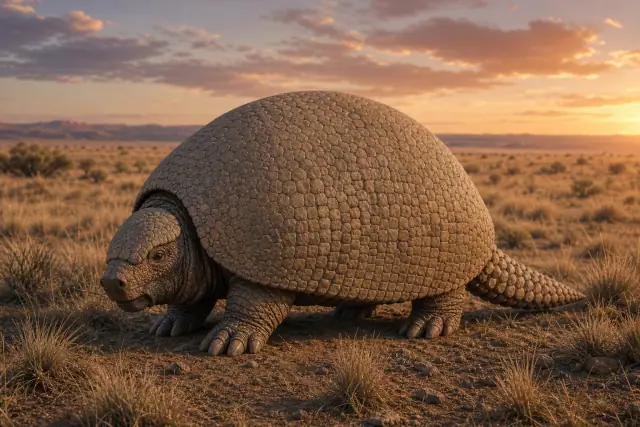
Glyptodon clavipes
A domed shell of fused armor protected this car-sized relative of armadillos.
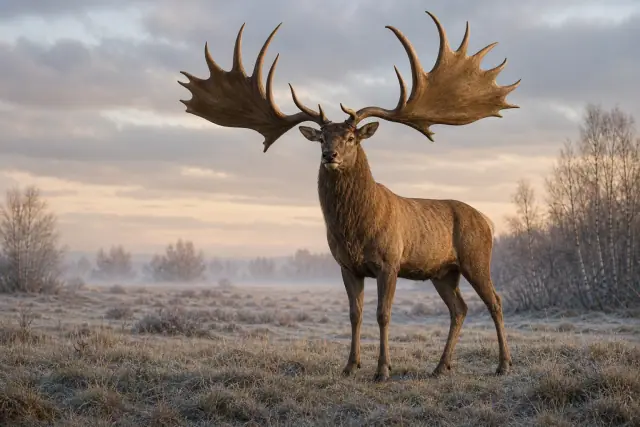
Megaloceros giganteus
The largest deer antlers known were seasonal structures for display and competition.
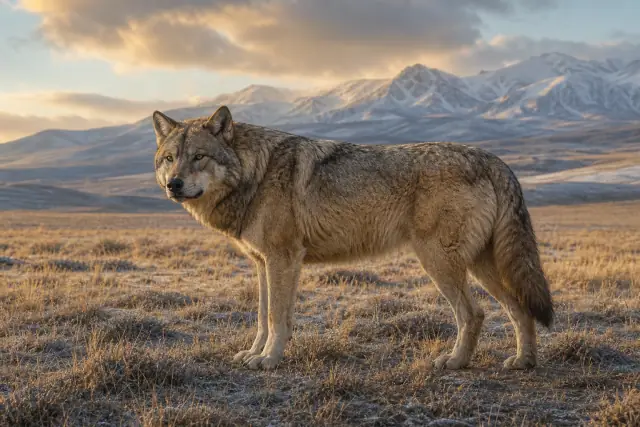
Aenocyon dirus
A heavy-jawed canid hunted the large herbivores of Ice Age America.
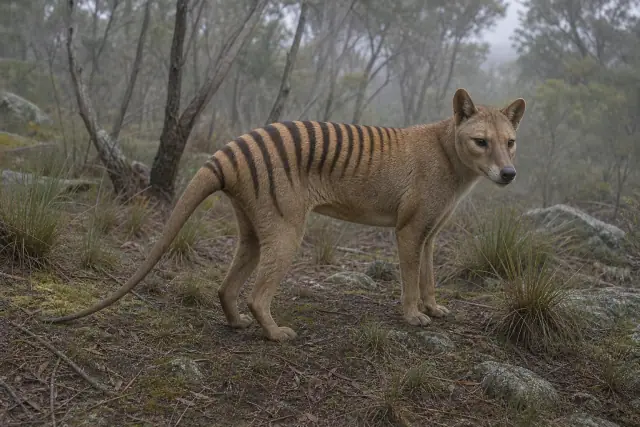
Thylacinus cynocephalus
Australia’s striped marsupial predator survived longest in Tasmania.
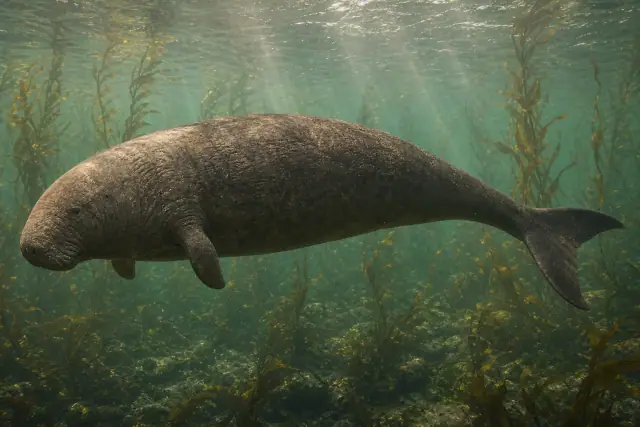
Hydrodamalis gigas
This enormous, slow sirenian grazed kelp in cold shallow water.
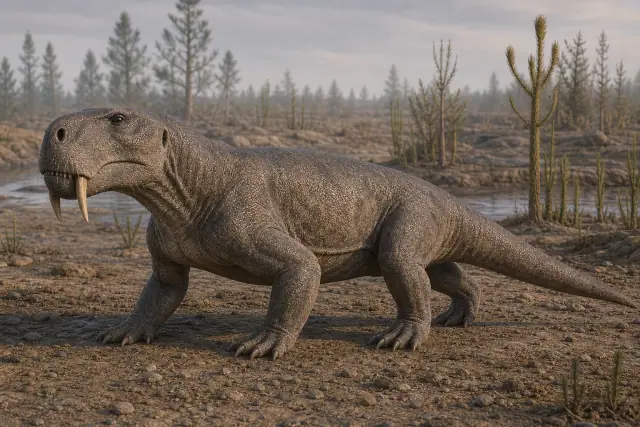
Inostrancevia alexandri
Long saber canines armed one of the largest predators of the latest Permian.
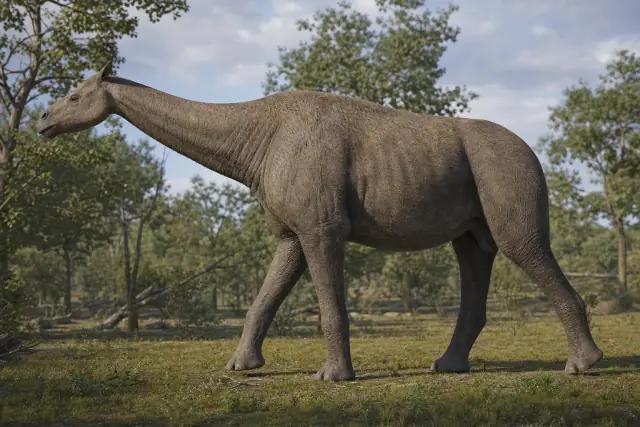
Paraceratherium transouralicum
The largest known land mammal was a hornless rhinoceros relative built to browse high foliage.
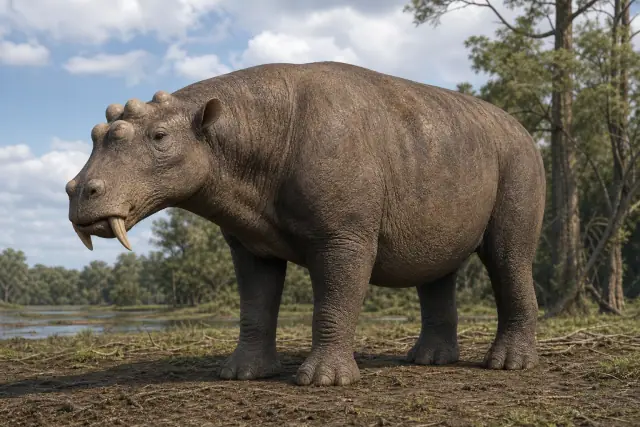
Uintatherium anceps
Knob-like skull horns and long canines crowned this rhinoceros-sized herbivore.
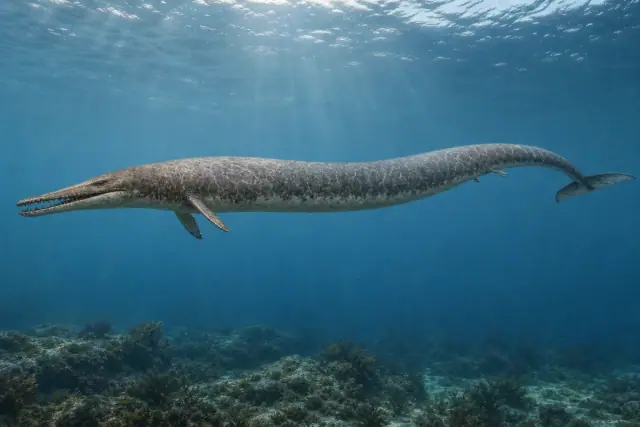
Basilosaurus isis
This long-bodied early whale still carried tiny external hind limbs.
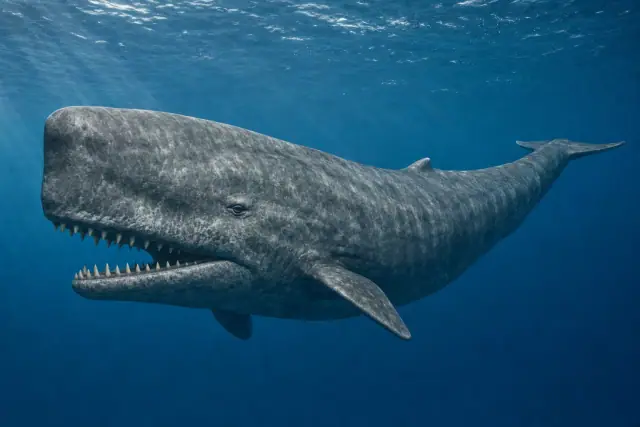
Livyatan melvillei
Huge teeth in both jaws armed a macropredatory sperm whale.
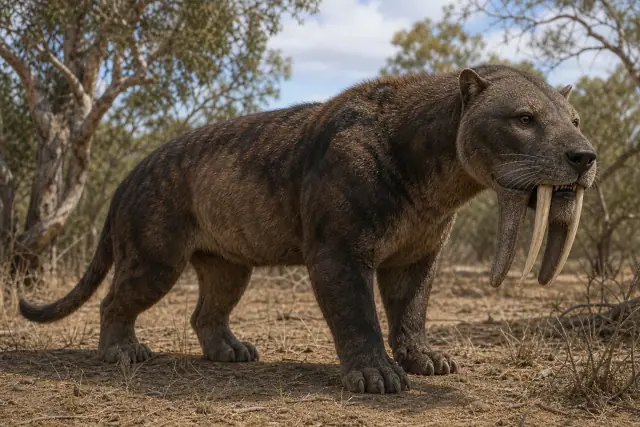
Thylacosmilus atrox
Ever-growing saber canines evolved independently in this marsupial relative.
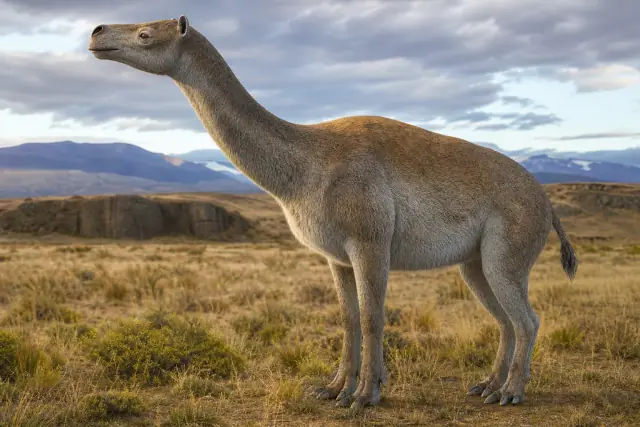
Macrauchenia patachonica
This long-necked hoofed mammal belonged to a uniquely South American lineage.
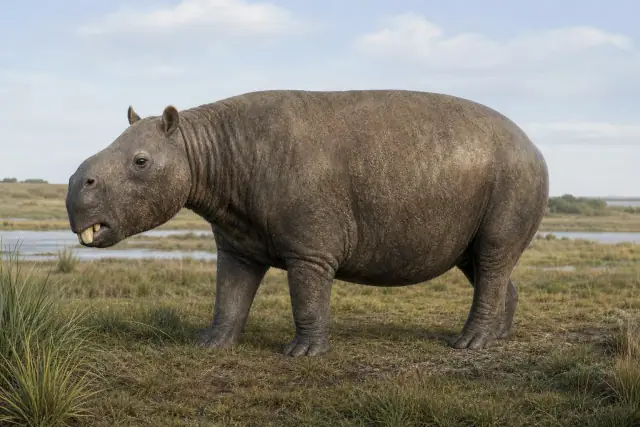
Toxodon platensis
A heavy-bodied native ungulate grazed and browsed beside Ice Age giants.
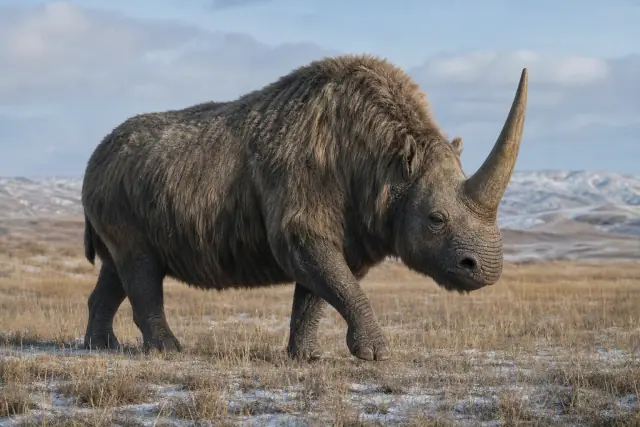
Elasmotherium sibiricum
This enormous grazing rhinoceros probably supported a large horn on its forehead.
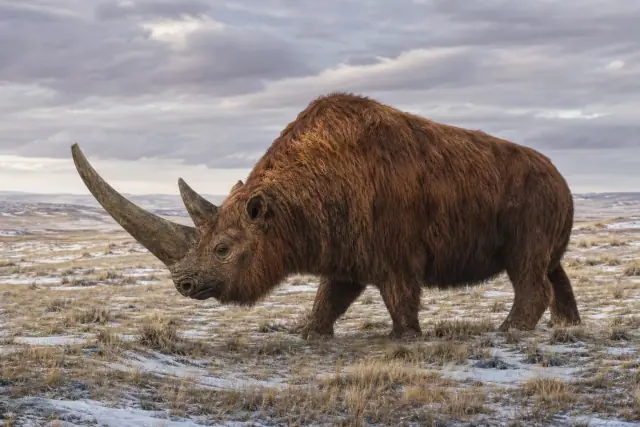
Coelodonta antiquitatis
A thick coat and flattened horn equipped this rhinoceros for cold, dry mammoth steppe.
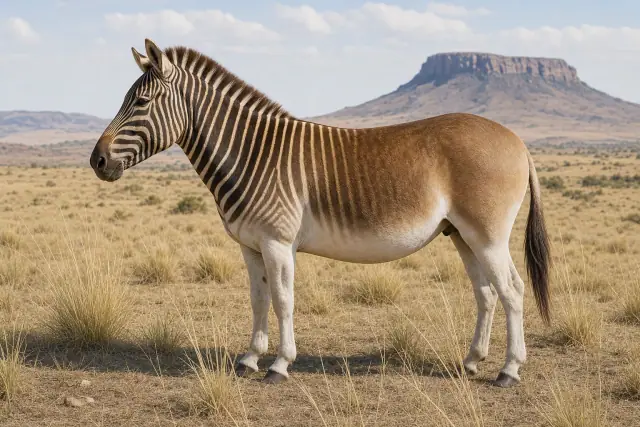
Equus quagga quagga
This plains zebra had bold stripes in front fading into a plain brown rear body.
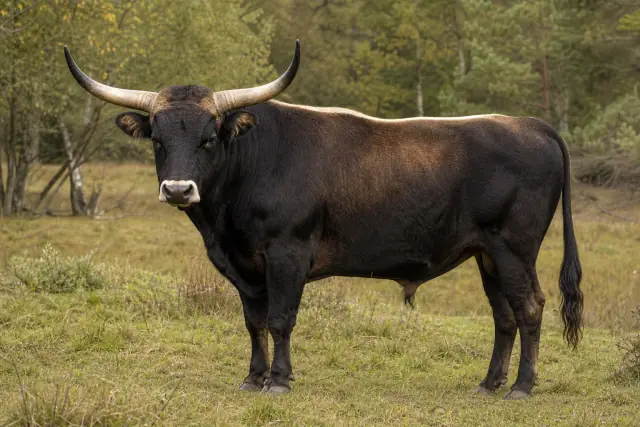
Bos primigenius
The powerful wild ancestor of domestic cattle once ranged across three continents.
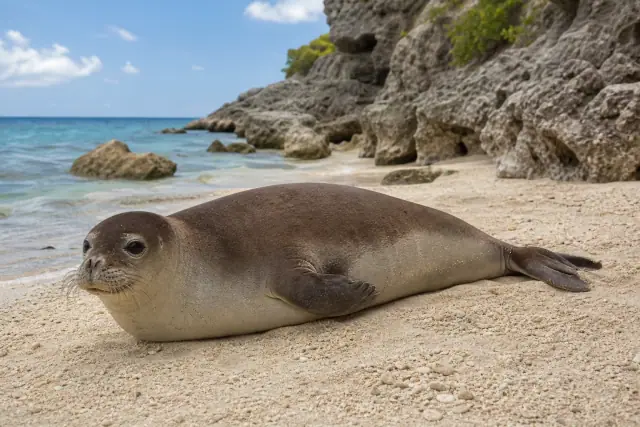
Neomonachus tropicalis
The only seal endemic to the Caribbean rested and bred on warm sandy shores.
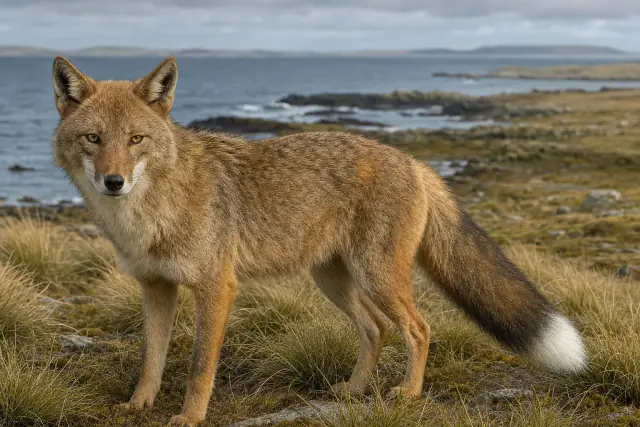
Dusicyon australis
This unusually tame island canid was the Falklands’ only native land mammal.
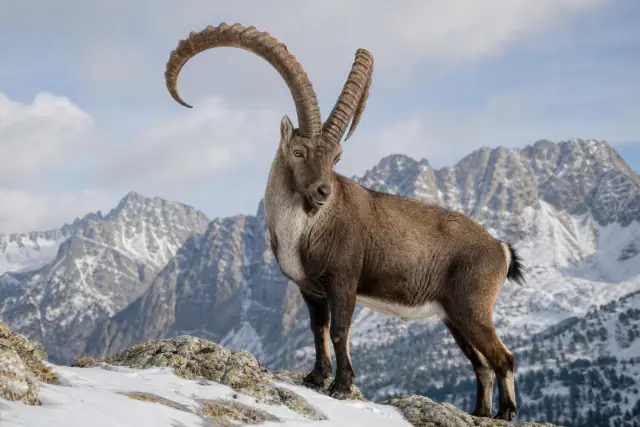
Capra pyrenaica pyrenaica
The bucardo was the first extinct animal briefly brought back as a clone—and the first to go extinct twice.
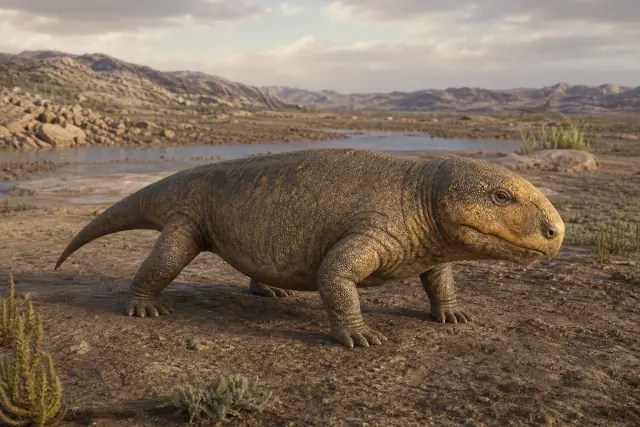
Moschops capensis
A thick skull roof capped this heavy plant-eating mammal relative.
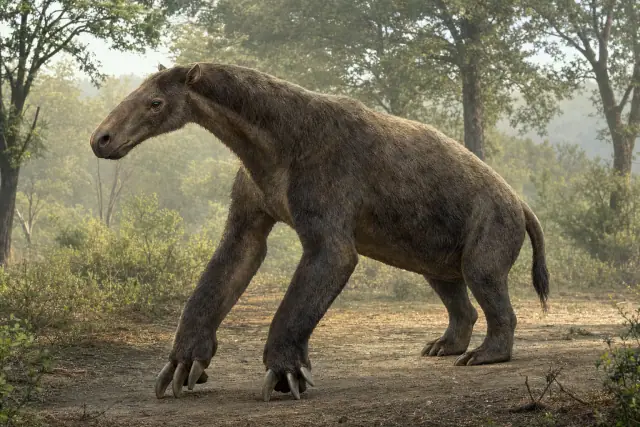
Chalicotherium goldfussi
Long clawed forelimbs made this horse relative walk on its knuckles.
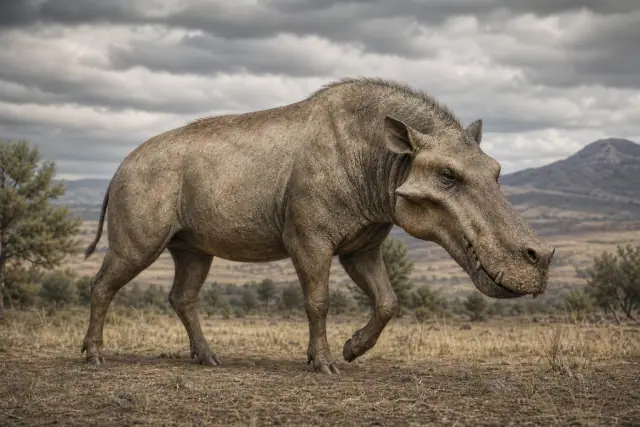
Daeodon shoshonensis
A huge deep-skulled omnivore belonged to the entelodonts, not to true pigs.
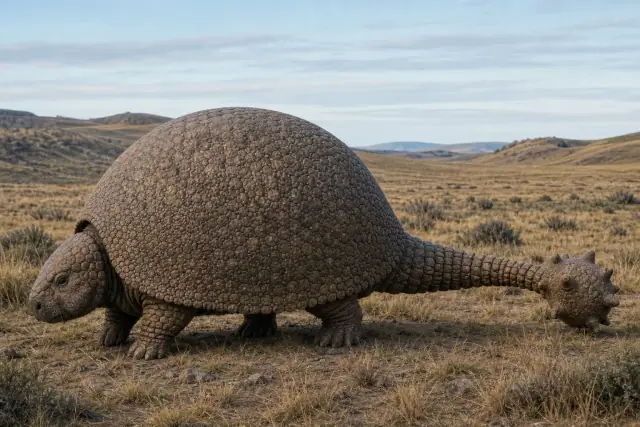
Doedicurus clavicaudatus
A spiked tail club completed the armor of this giant glyptodont.
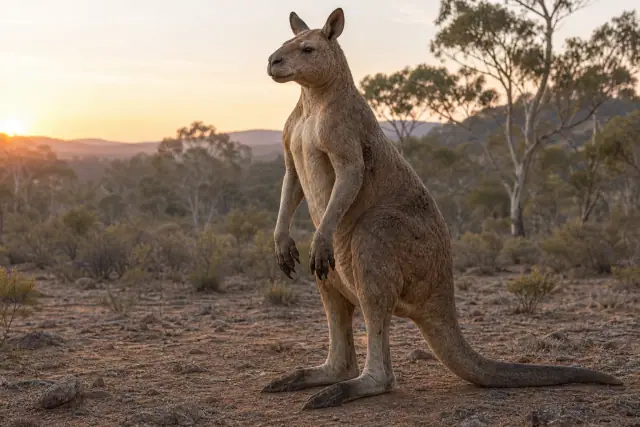
Procoptodon goliah
A broad face, forward-looking eyes and single-toed feet distinguished this giant kangaroo.
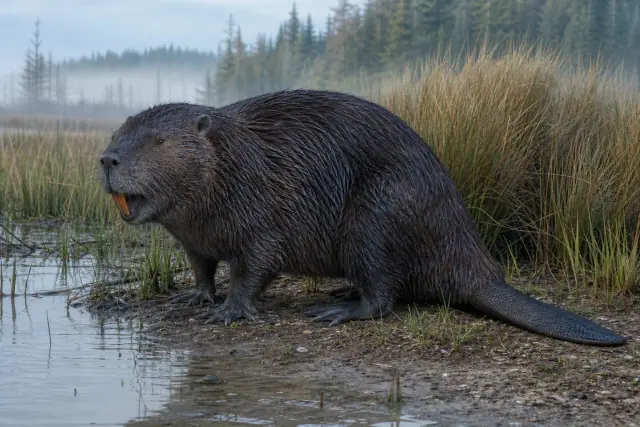
Castoroides ohioensis
This black-bear-sized beaver had ridged teeth and depended on extensive wetlands.
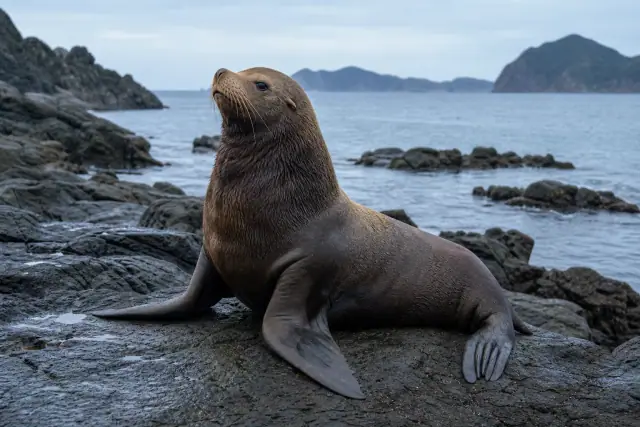
Zalophus japonicus
This large coastal sea lion bred on rocky islands across the Sea of Japan.
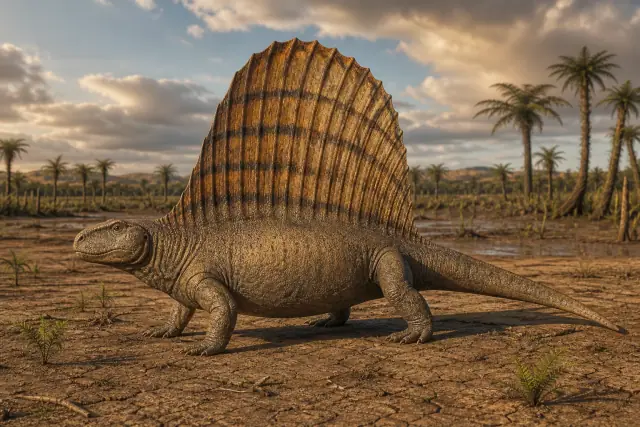
Edaphosaurus pogonias
Crossbars projected from the spines of its tall sail above a broad plant-processing body.
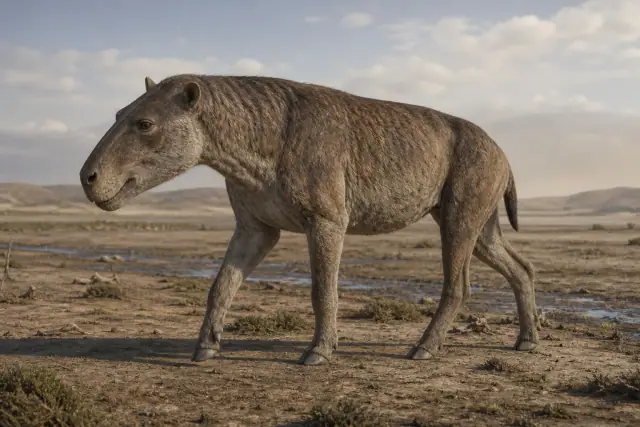
Andrewsarchus mongoliensis
Nearly everything known directly comes from one enormous skull, leaving the body unusually uncertain.
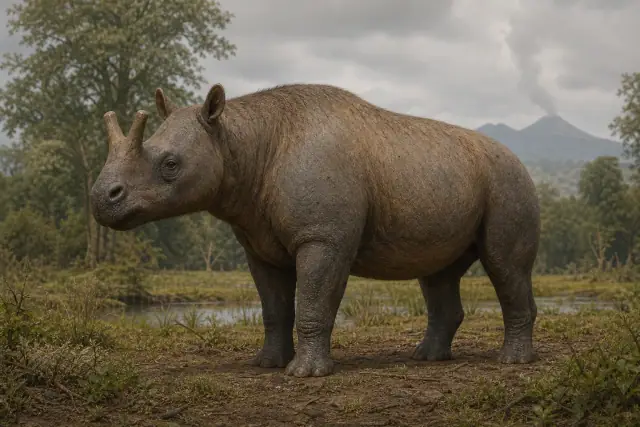
Megacerops coloradensis
It resembled a rhinoceros but belonged to the extinct brontotheres and carried paired nasal horns.
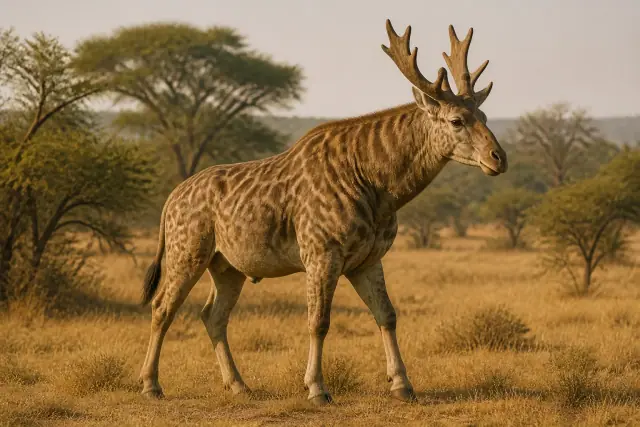
Sivatherium giganteum
A massive body, broad feet and four ossicones made this giraffid resemble both deer and cattle.
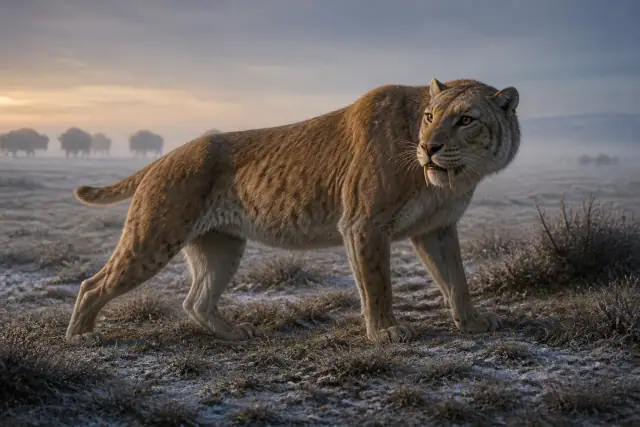
Homotherium serum
Short blade-like canines, long forelimbs and a sloping back suited pursuit of large prey.
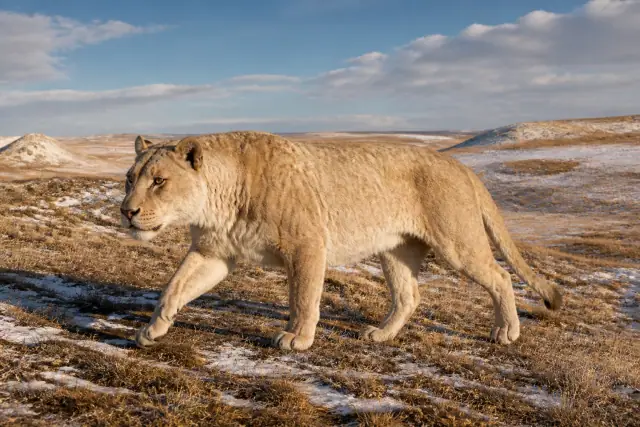
Panthera spelaea
Ice Age art usually shows this immense cat without the heavy mane of many modern male lions.
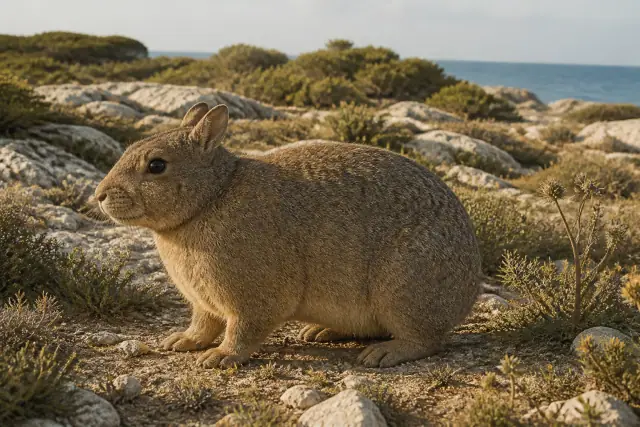
Nuralagus rex
Without large predators, this heavy island rabbit evolved small ears and lost efficient hopping.
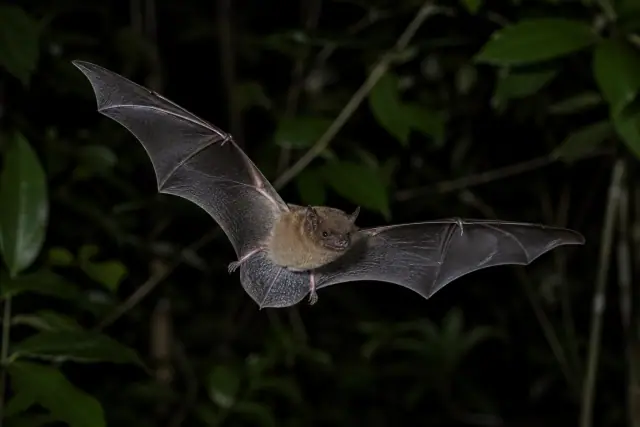
Pipistrellus murrayi
This palm-sized insect bat fell from island-wide abundance to a final acoustic signal in 2009.
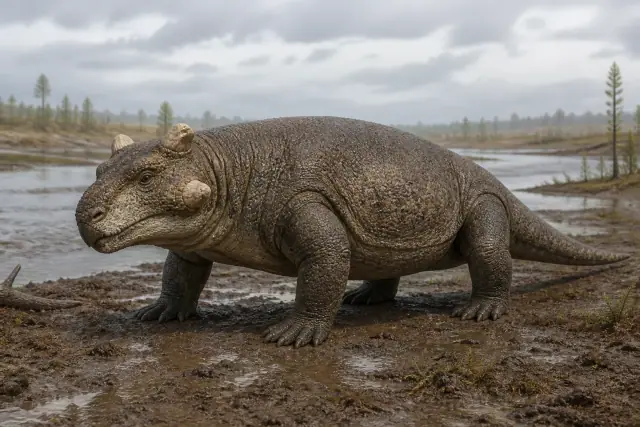
Estemmenosuchus uralensis
Paired bony bosses formed a rough crown on the skull of this large, probably plant-eating therapsid.
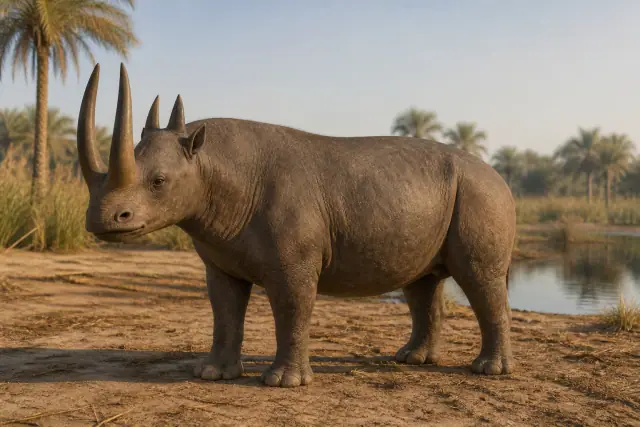
Arsinoitherium zitteli
Two enormous hollow nasal horns and a smaller rear pair belonged to an embrithopod, not a rhinoceros.
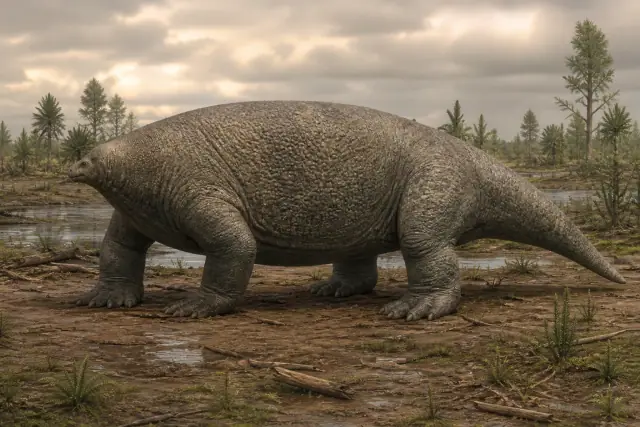
Cotylorhynchus romeri
A tiny head joined a barrel-shaped giant body whose broad ribs enclosed a vast plant-fermenting digestive system.
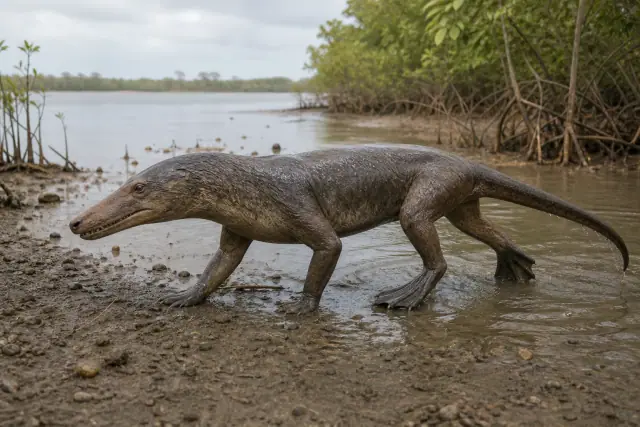
Ambulocetus natans
Strong limbs could still bear weight, yet long feet paddled through water and the ear region was adapting to underwater sound.
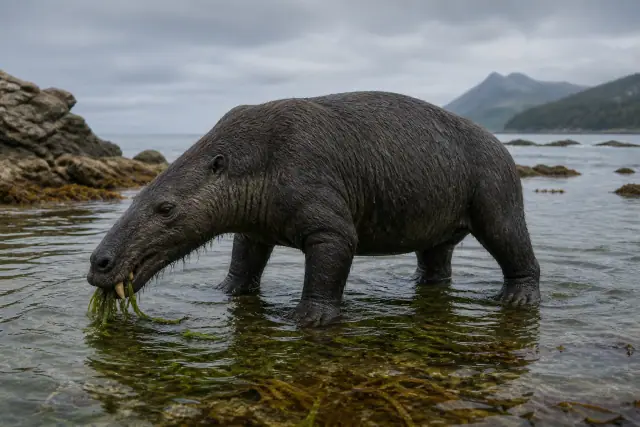
Desmostylus hesperus
Bundles of enamel-wrapped tooth columns and broad limbs helped it crop aquatic plants in tidal flats and shallow water.
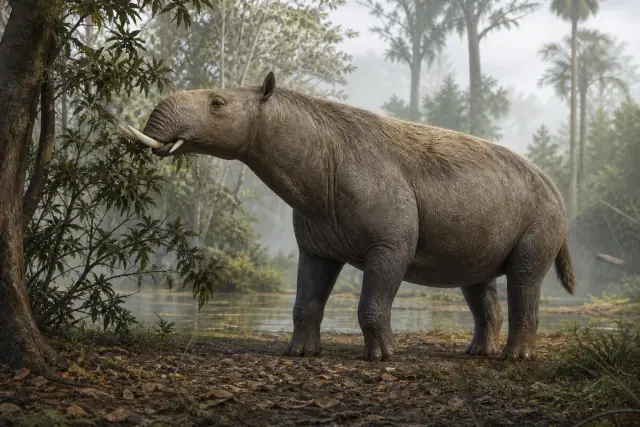
Astrapotherium magnum
Rear-shifted nostrils and four tusks document a distinctive skull; a short trunk is a soft-tissue reconstruction inferred from the bones.
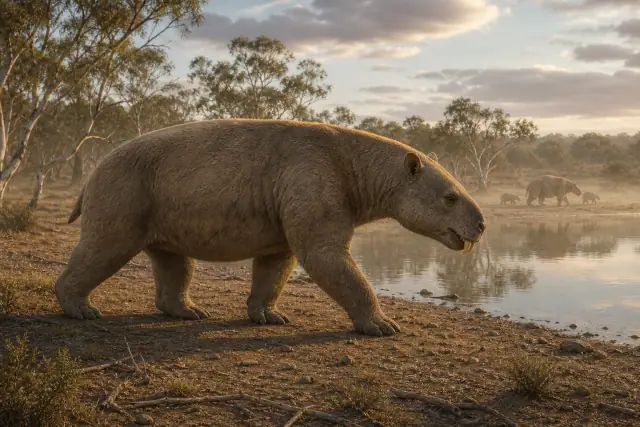
Diprotodon optatum
This rhinoceros-sized marsupial clipped plants with two forward incisors and moved between seasonal water sources.
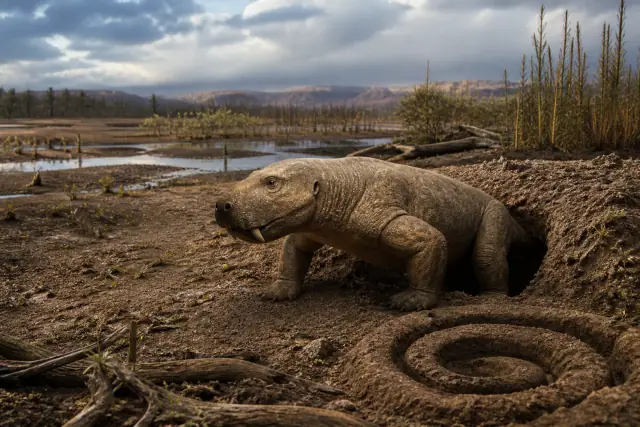
Diictodon feliceps
A beak, short tusks and powerful forelimbs made this one of the most common burrowing herbivores of the Late Permian.
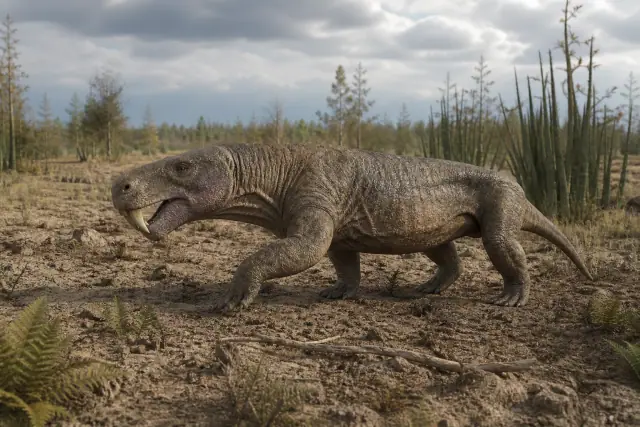
Gorgonops torvus
Long upper canines and a wide gape made it an early experiment in saber-toothed predation.
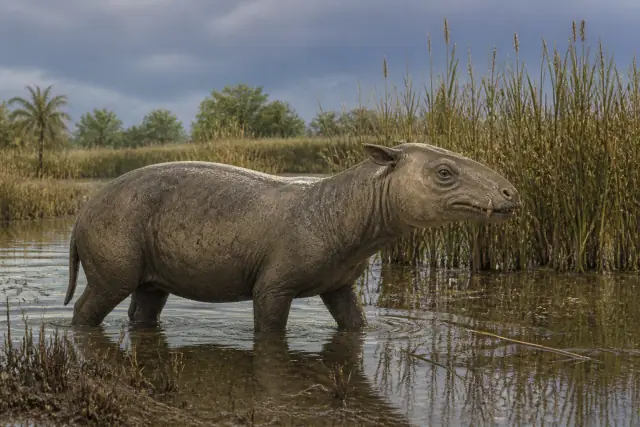
Moeritherium lyonsi
Tapir-sized and short-faced, it lived before proboscideans acquired the elephant's long trunk and giant body.
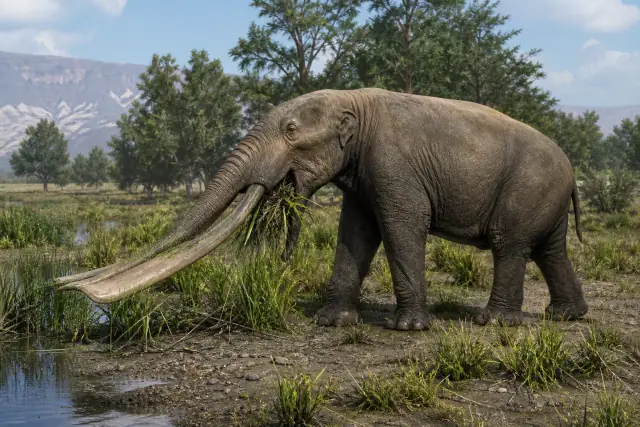
Platybelodon grangeri
A widened jaw and flattened lower tusks formed a shovel-like cutting edge for tough vegetation.
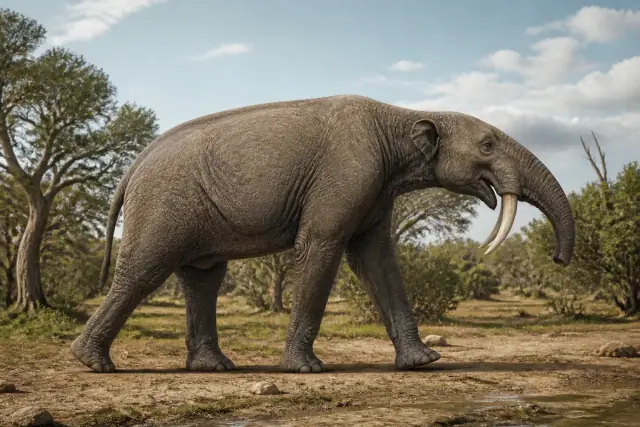
Deinotherium giganteum
Only the lower jaw carried tusks, curving downward beneath a body taller than most modern elephants.
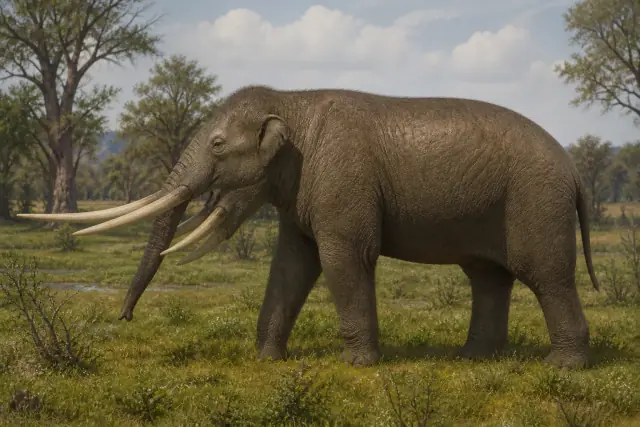
Gomphotherium angustidens
Two upper and two lower tusks gave its elongated head a four-tusked profile absent from living elephants.
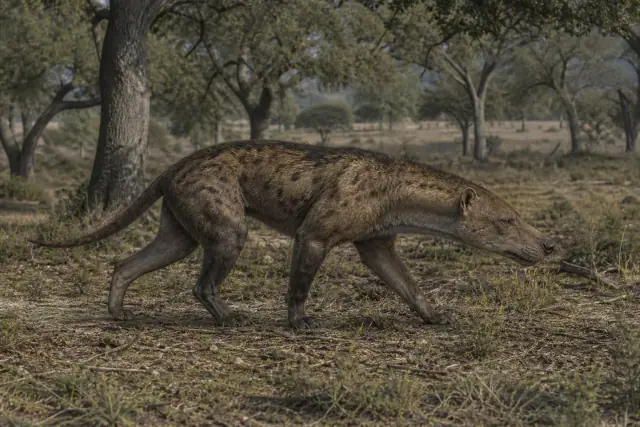
Hyaenodon horridus
Hyaenodon horridus was a meat-eating hyaenodont mammal, not a hyena; its large skull can inflate skull-length mass estimates.
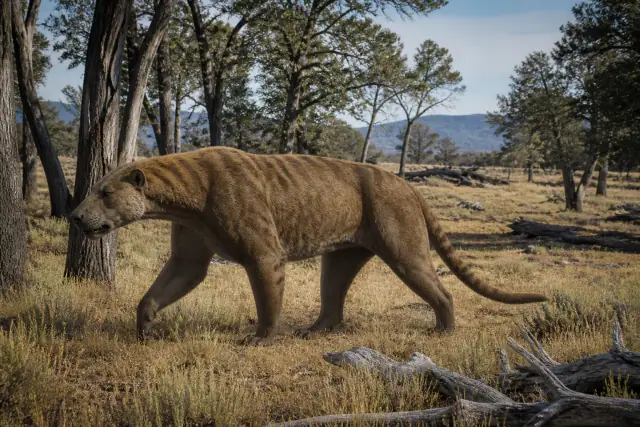
Amphicyon ingens
A bear-heavy torso combined with a dog-like long skull and tail, inspiring the name bear-dog.
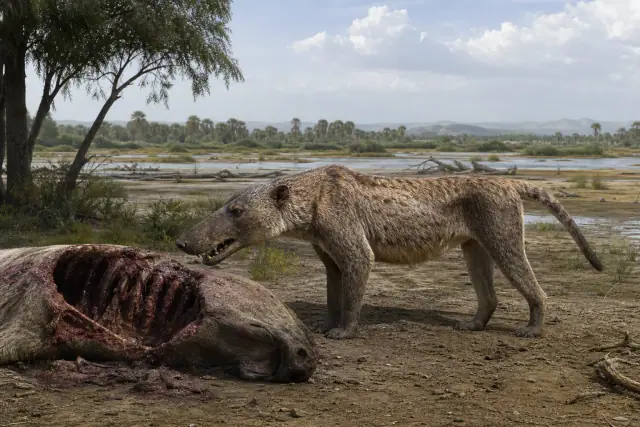
Megistotherium osteothlastes
A giant hyaenodont with a skull about 66 cm long. Body-mass estimates are uncertain, and it was neither a hyena nor a big cat.
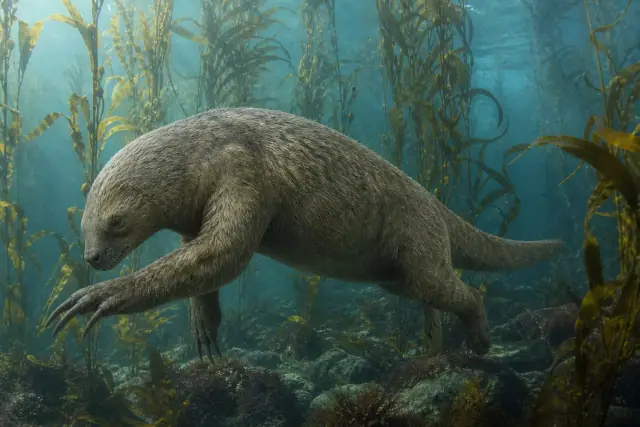
Thalassocnus natans
A sloth lineage with aquatic adaptations, including dense bones that could help control buoyancy.
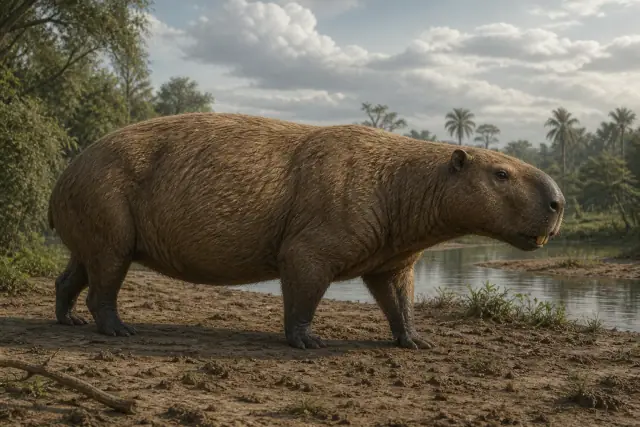
Josephoartigasia monesi
It may have approached a tonne, with giant incisors capable of generating exceptional bite forces.
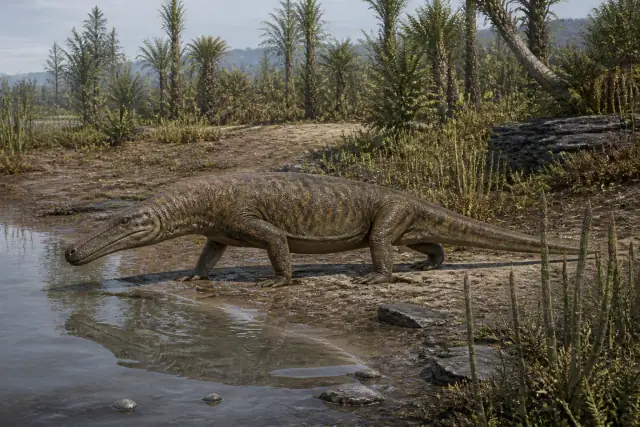
Ophiacodon mirus
Its long skull and deep tail suggest a waterside animal that was still a capable walker.
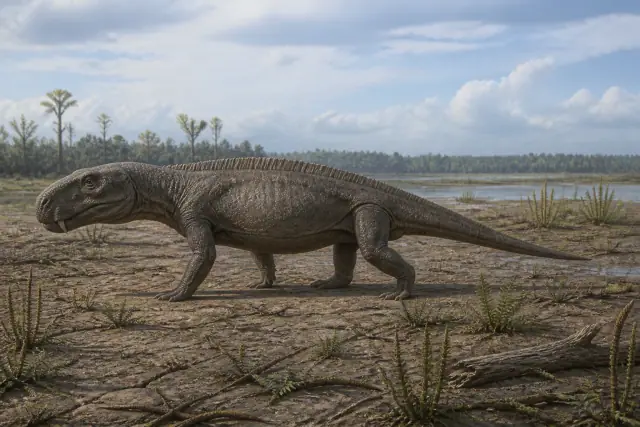
Sphenacodon ferox
Low vertebral ridges accompanied a deep skull and strongly differentiated teeth.
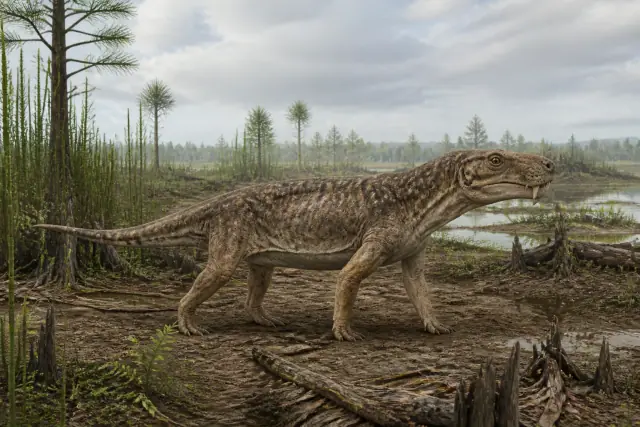
Biarmosuchus tener
A light build, long limbs and small skull bosses combine primitive and therapsid features.
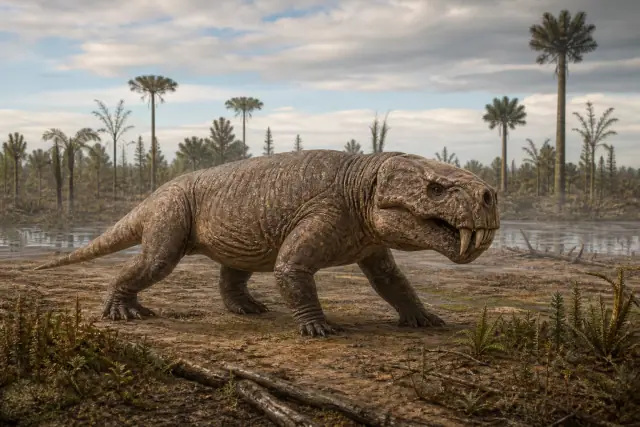
Anteosaurus magnificus
A huge skull combined thickened impact surfaces with long canines in a formidable predator.
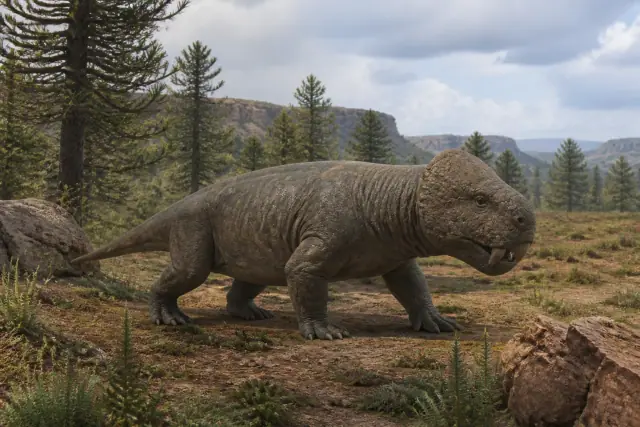
Tapinocephalus atherstonei
A domed, massively thick skull crowned the barrel body of this giant herbivore.
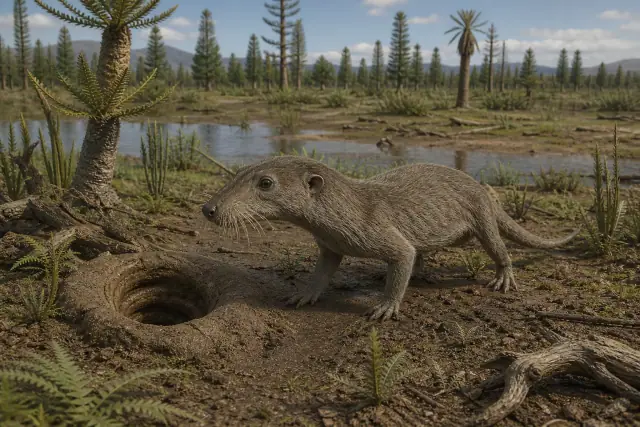
Thrinaxodon liorhinus
A small Early Triassic cynodont with differentiated teeth, known from skeletons curled inside fossil burrows in South Africa.
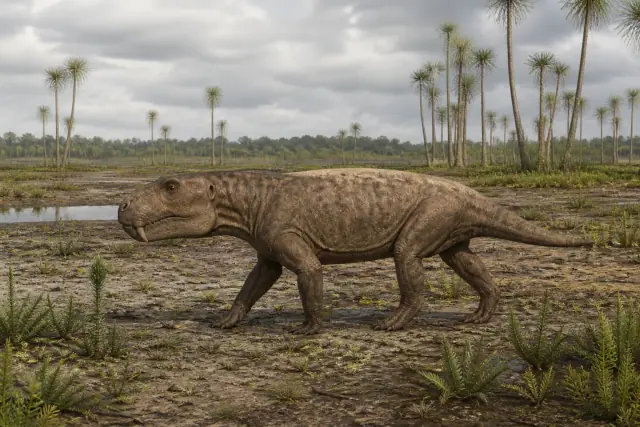
Cynognathus crateronotus
A dog-like snout, slicing cheek teeth and upright hind limbs made it a major cynodont predator.
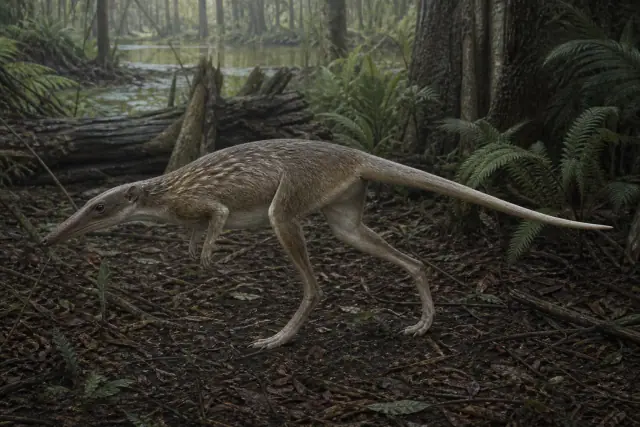
Leptictidium auderiense
Long hind legs and a balancing tail powered a distinctive hopping gait through the forest floor.
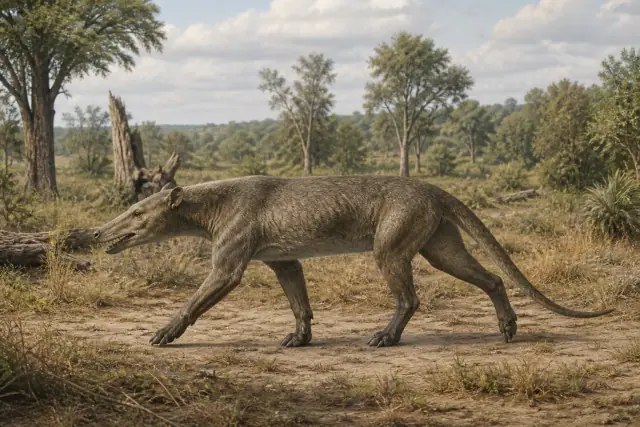
Mesonyx obtusidens
Hoof-like toes and a large predatory skull belonged to a carnivorous mammal with no modern equivalent.
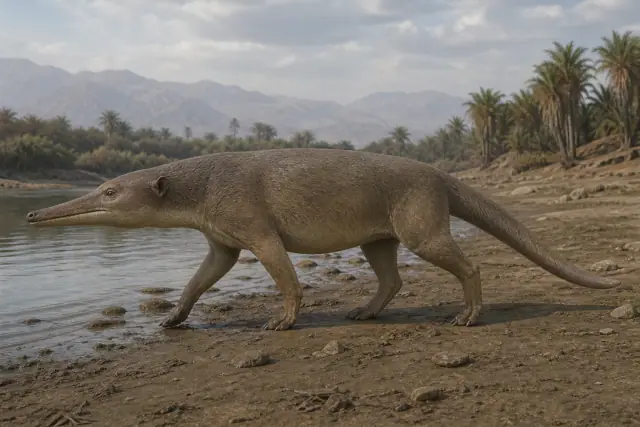
Pakicetus attocki
An early whale with four weight-bearing legs: Pakicetus attocki was wolf-sized and lived near rivers in Pakistan about 50 million years ago.
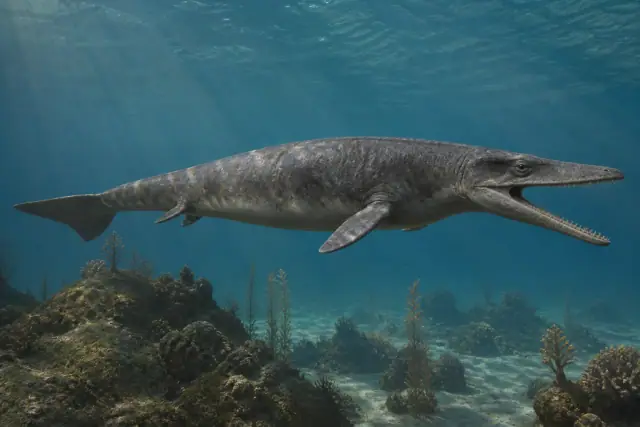
Dorudon atrox
A streamlined whale body still carried tiny external hind limbs with no walking function.
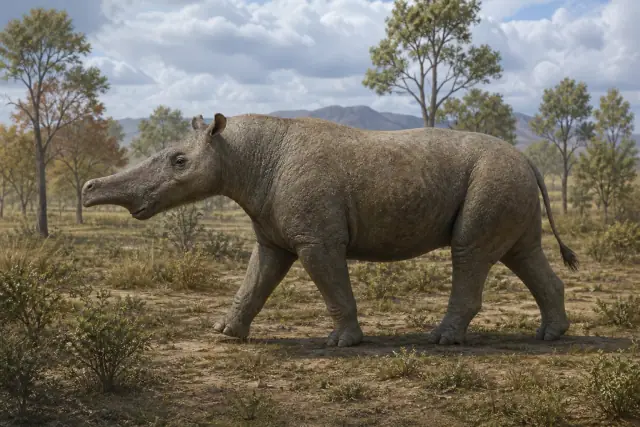
Embolotherium andrewsi
A broad hollow nasal ram rose from the skull of this immense brontothere.
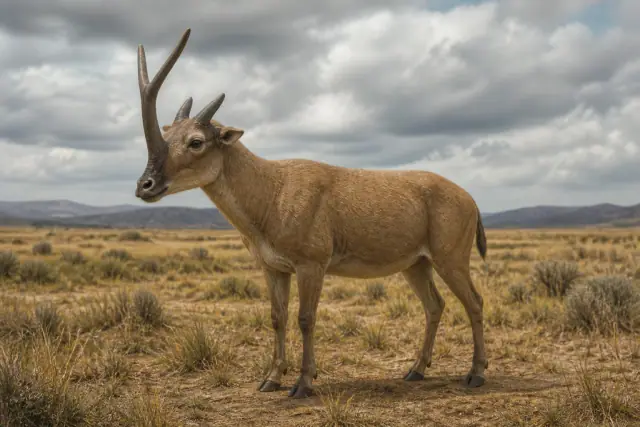
Synthetoceras tricornatus
A forked Y-shaped nasal horn joined two brow horns in the most elaborate protoceratid display.
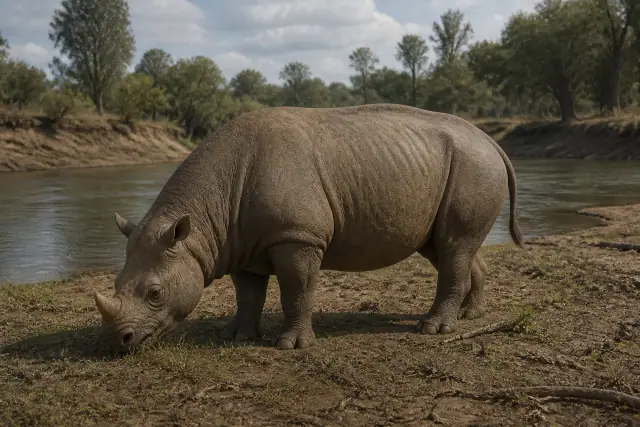
Teleoceras major
Short legs and a barrel body gave this grazing rhinoceros a hippo-like outline.
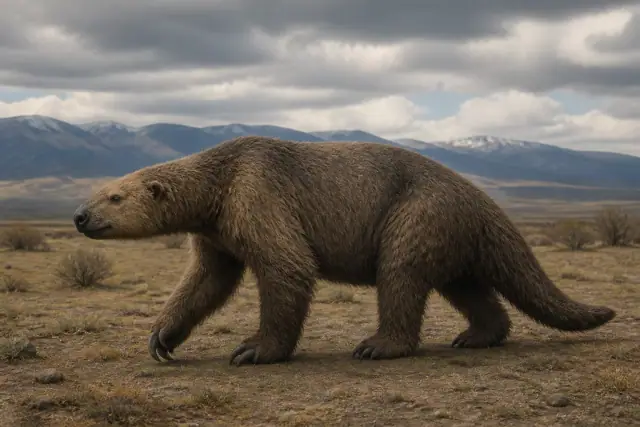
Mylodon darwinii
Thick hide reinforced by tiny bony nodules protected this large ground sloth.
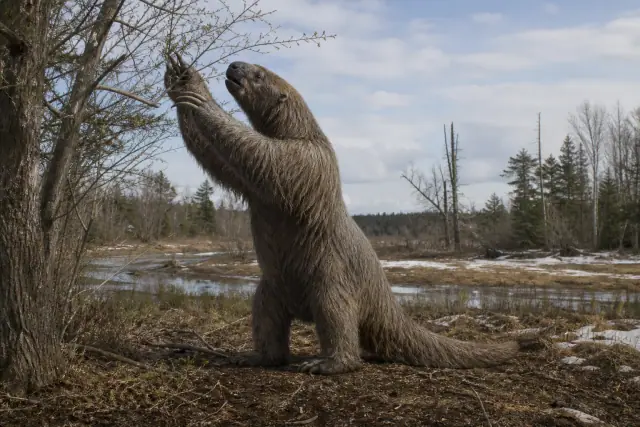
Megalonyx jeffersonii
Huge curved claws belonged to a forest browser whose name is tied to Thomas Jefferson.
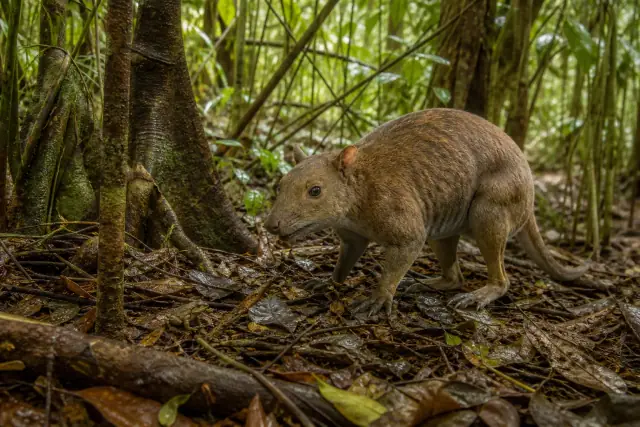
Ekaltadeta ima
Deep jaws and slicing teeth suggest an ancient kangaroo relative that ate meat.
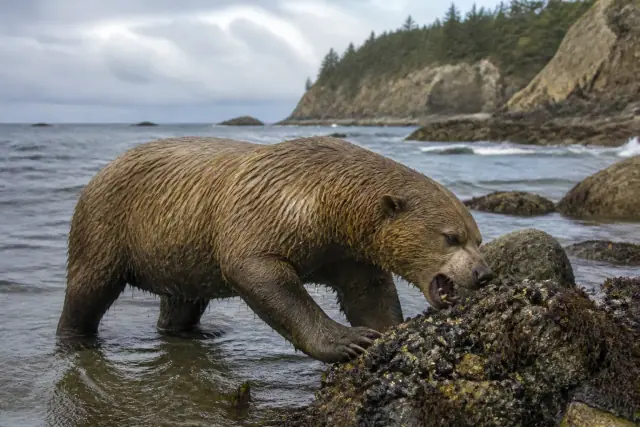
Kolponomos newportensis
A bear-like carnivore used powerful jaws to pry and crush shellfish.
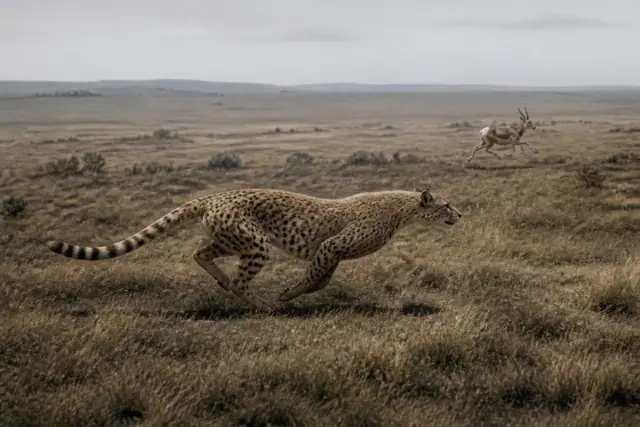
Miracinonyx trumani
Long limbs converged on cheetah proportions, but its closest ties were to cougars.
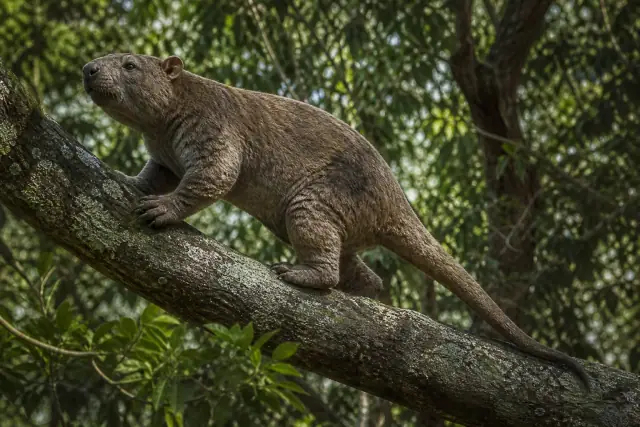
Nimbadon lavarackorum
Grasping feet and flexible shoulders reveal a large climbing marsupial.
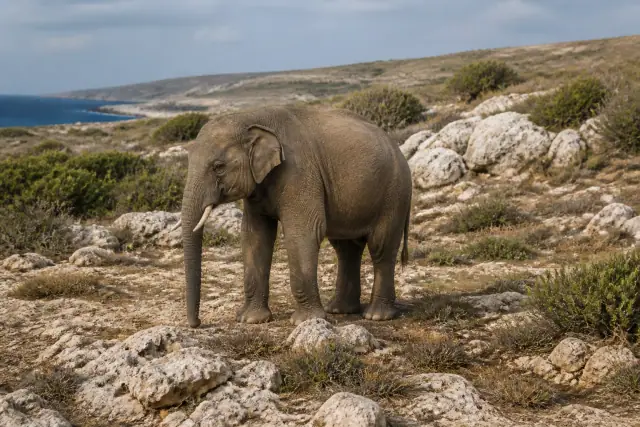
Palaeoloxodon cypriotes
Island scarcity shrank a giant-elephant lineage to about one meter at the shoulder.
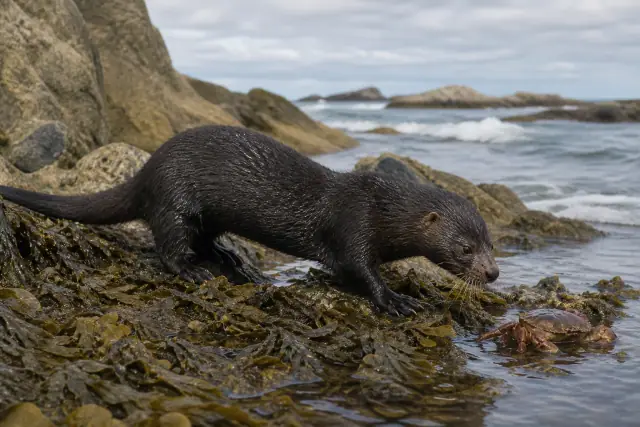
Neogale macrodon
It was hunted out for fur before scientists could describe a living animal.
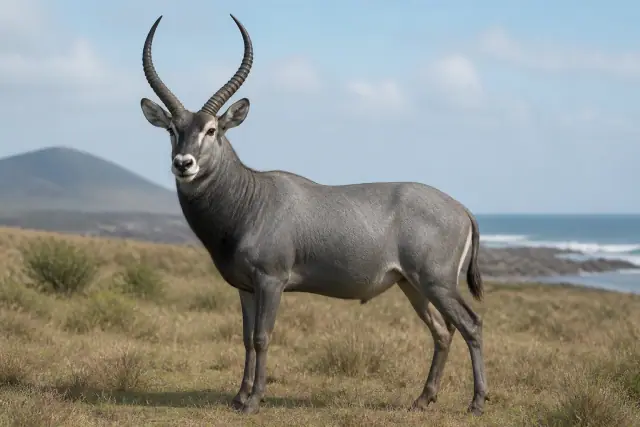
Hippotragus leucophaeus
Its blue cast likely came from gray hair over dark skin rather than bright fur.
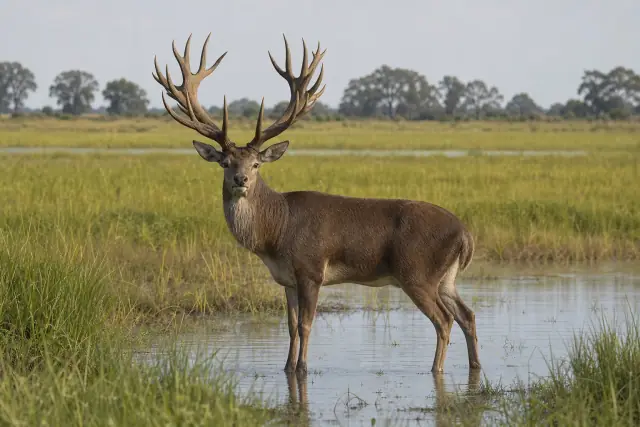
Rucervus schomburgki
Broad multi-tined antlers formed a crown above floodplain grasslands.
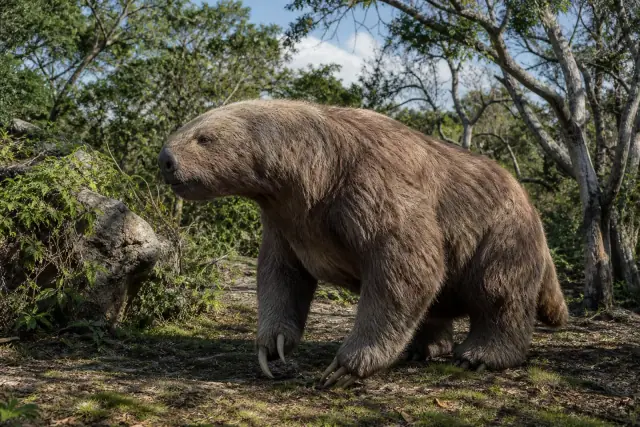
Megalocnus rodens
Megalocnus rodens was a large Cuban ground sloth that survived into the Holocene.
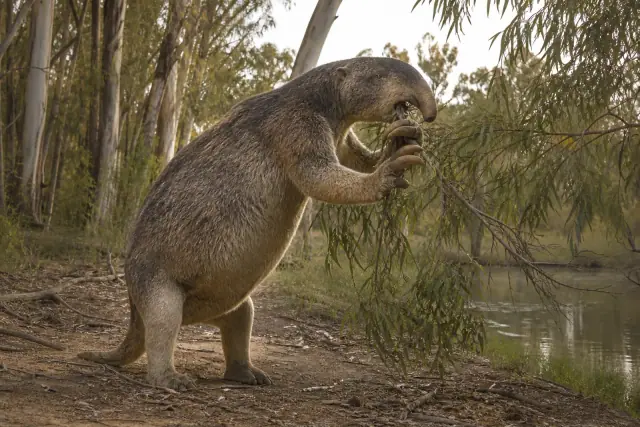
Palorchestes azael
A mobile snout, huge claws and strange forelimbs belonged to a marsupial unlike any tapir.
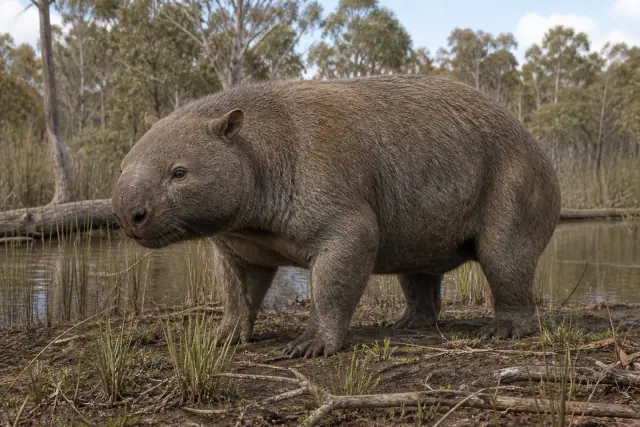
Zygomaturus trilobus
A cow-sized wombat relative carried a broad snout and heavy limbs.
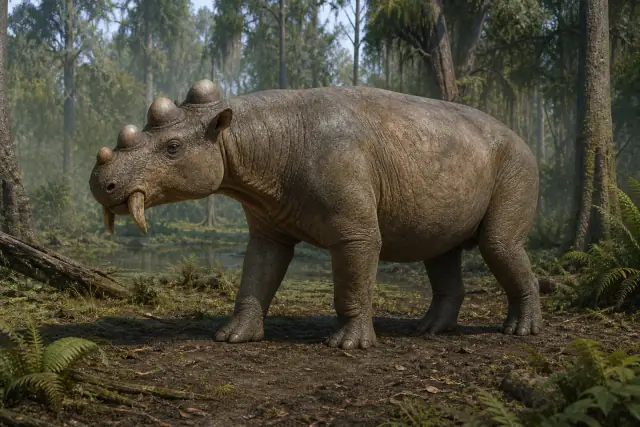
Eobasileus cornutus
Three pairs of skull bosses and long canines crowned a rhino-sized herbivore.
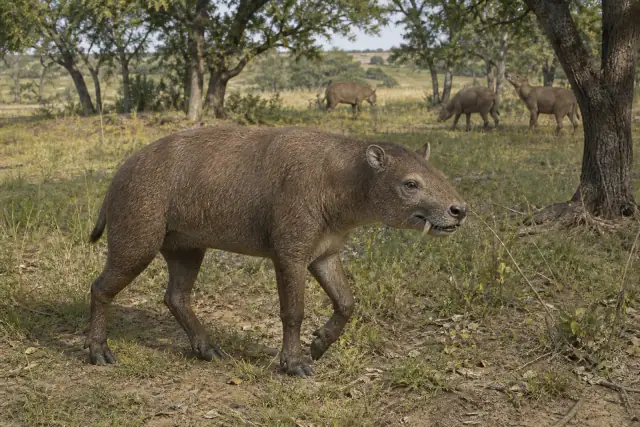
Merycoidodon culbertsonii
A short face, tusk-like canines and grinding cheeks marked a herd-forming artiodactyl relative.
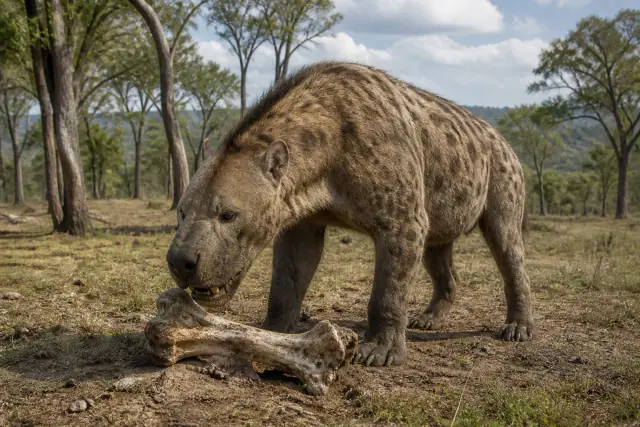
Dinocrocuta gigantea
Massive jaws and rounded carnassials crushed bone, though it was not a modern hyena.
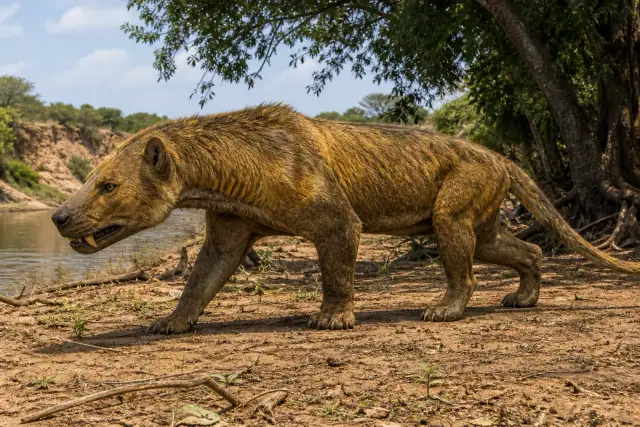
Simbakubwa kutokaafrika
Huge cutting teeth came from a hyaenodont predator heavier than a modern lion.
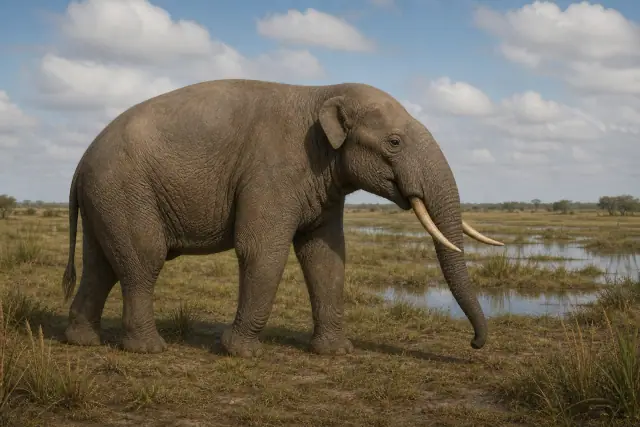
Notiomastodon platensis
A flexible proboscidean crossed many habitats and ate mixed vegetation.
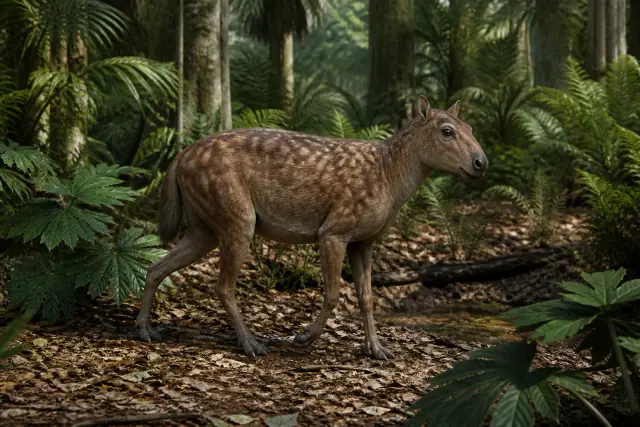
Propalaeotherium hassiacum
This fox-sized perissodactyl was a palaeothere relative, not a direct horse ancestor.
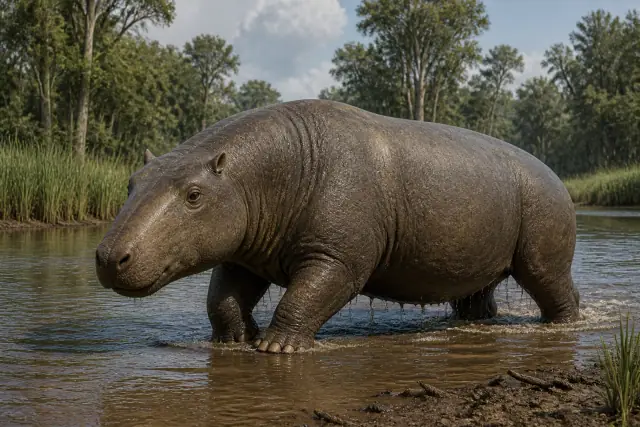
Metamynodon planifrons
Short legs, a broad body and high-set eyes adapted a hornless rhinoceros relative to semiaquatic life.
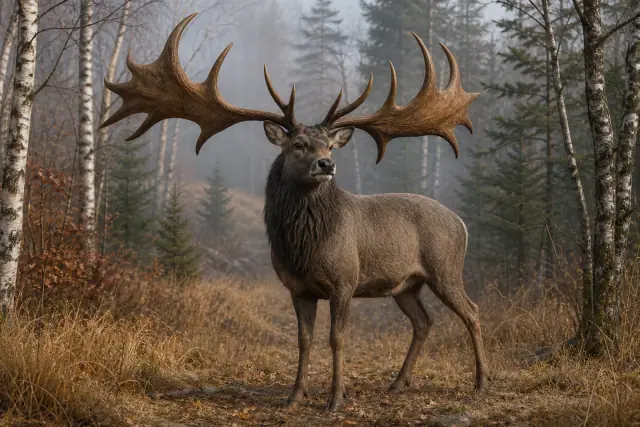
Sinomegaceros yabei
Palmate branching antlers made this East Asian giant deer especially conspicuous.
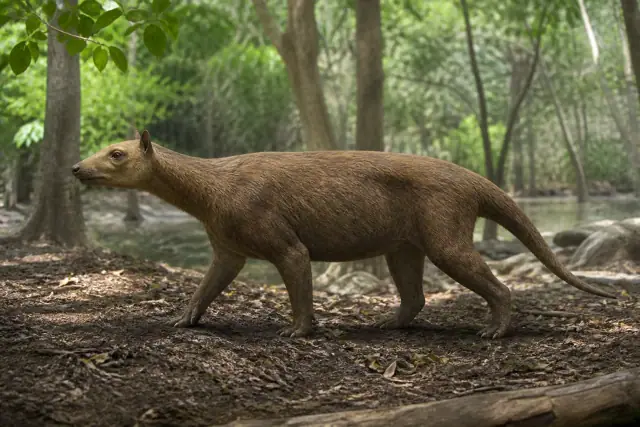
Phenacodus primaevus
Five-toed feet and generalized teeth record an early radiation of hoofed-mammal relatives.
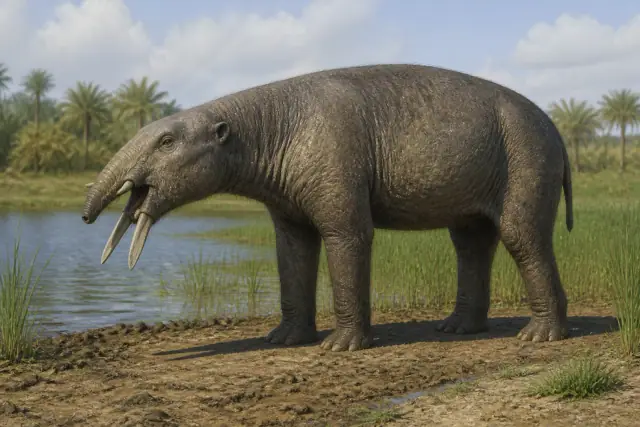
Palaeomastodon beadnelli
A short trunk and upper and lower tusks mark an early stage of proboscidean evolution.
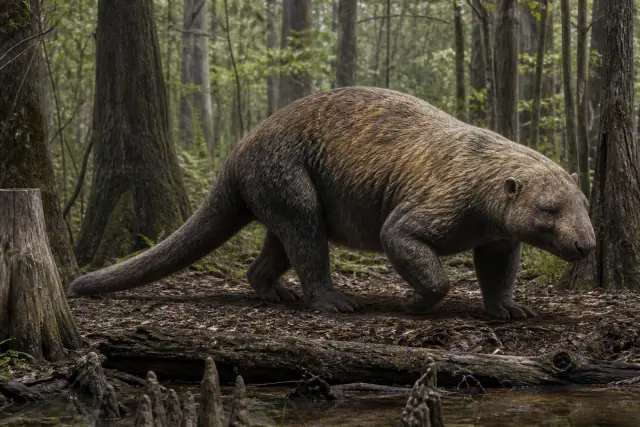
Barylambda faberi
A bear-sized heavy body and five-toed feet belonged to a pantodont herbivore.
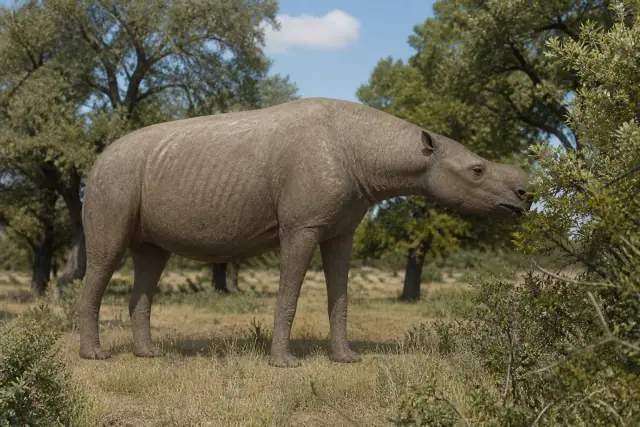
Aphelops mutilus
A hornless, long-limbed rhinoceros was built for travel across open woodland.
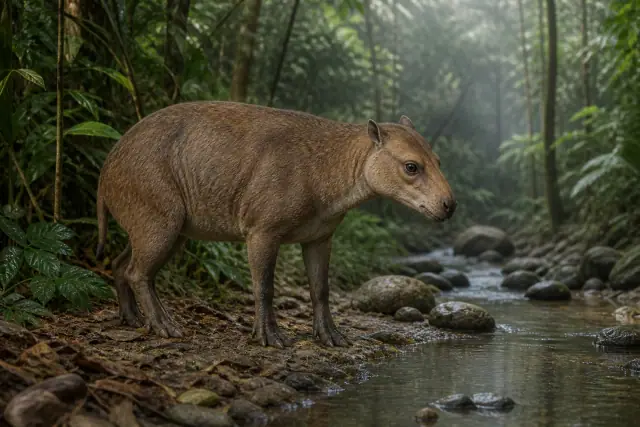
Hyrachyus modestus
A small hornless body combined traits near the early split of rhinos and tapirs.
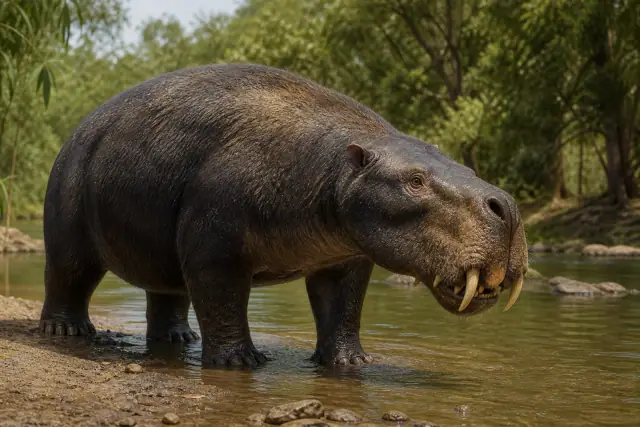
Coryphodon eocaenus
A barrel body, short legs and large canines marked one of the first widespread large mammals.
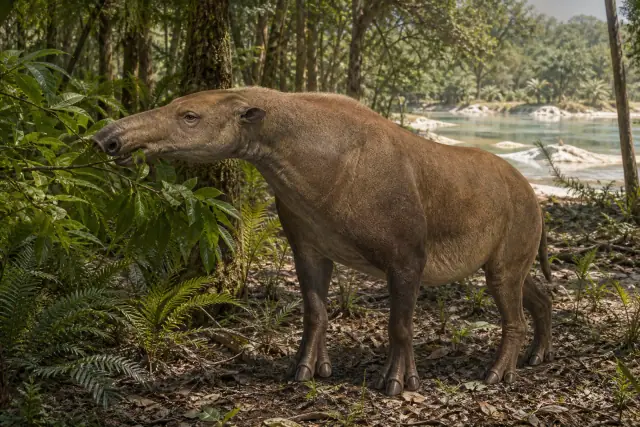
Palaeotherium magnum
A short face, low-crowned teeth and three-toed feet belonged to a European herbivore near horse relatives.
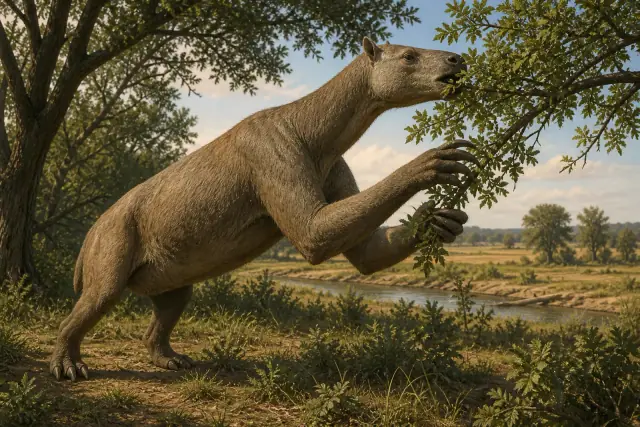
Moropus elatus
A horse-like head and enormous curved claws belonged to a herbivorous perissodactyl walking on its knuckles.
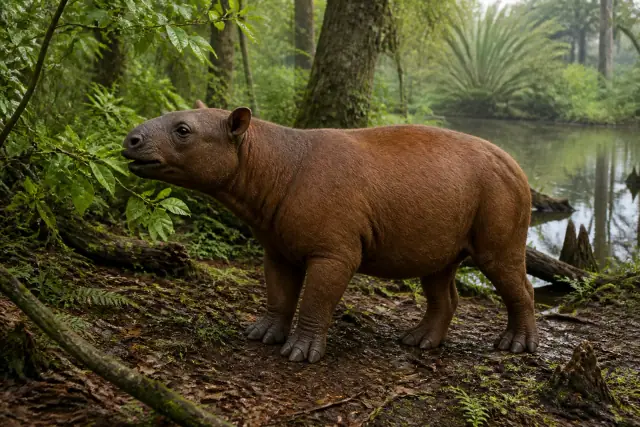
Eotitanops borealis
Only tapir-sized and hornless, it already possessed the short face and teeth of early brontotheres.