05Mesozoic
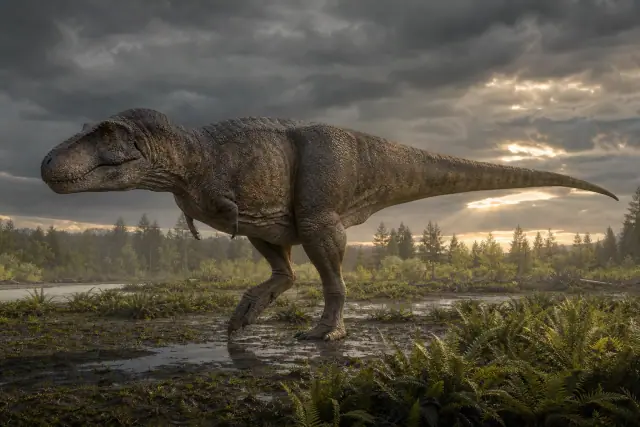
Tyrannosaurus
Tyrannosaurus rex
A deep skull, bone-crushing bite and keen senses made it one of the last giant theropods.
 EXTINCT ATLASEXTINCT LIFE ARCHIVEBack to archive
Epoch guide · 100.5–66 million years ago
Discover Late Cretaceous dinosaurs including Tyrannosaurus, Triceratops, Velociraptor and titanosaurs. Compare their fossil ranges, habitats and extinction context.
The Late Cretaceous lasted from about 100.5 to 66 million years ago, from the Cenomanian through the Maastrichtian. This page focuses on non-avian dinosaurs. Birds are dinosaurs too, but their records sit outside this selection, as do pterosaurs and marine reptiles.
Tyrannosaurus and Triceratops document western North America; Velociraptor and Protoceratops bring Mongolia into view. South American records include large sauropods such as Argentinosaurus and Dreadnoughtus. Their individual profiles distinguish places, ages and evidence instead of treating the entire interval as one ecosystem.
Tyrannosaurus, Triceratops and Ankylosaurus belong to the final part of the interval. Earlier animals in this selection had already disappeared before the impact-associated extinction at 66 million years ago. That event ended non-avian dinosaurs; some bird lineages survived.
Tyrannosaurus rex
A deep skull, bone-crushing bite and keen senses made it one of the last giant theropods.
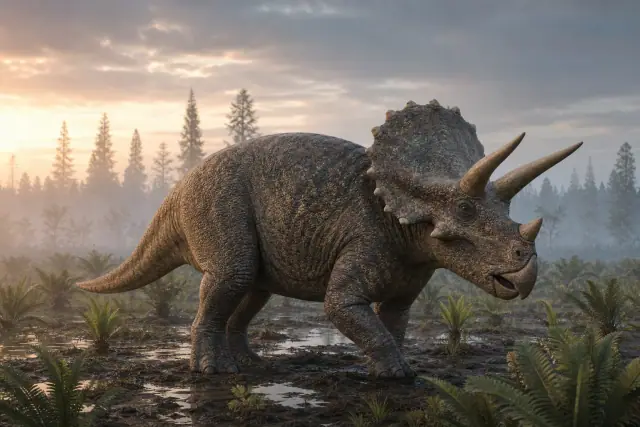
Triceratops horridus
Triceratops ate plants, clipping vegetation with its beak and slicing it with dental batteries. Fossils reveal feeding mechanics more clearly than a precise plant menu.
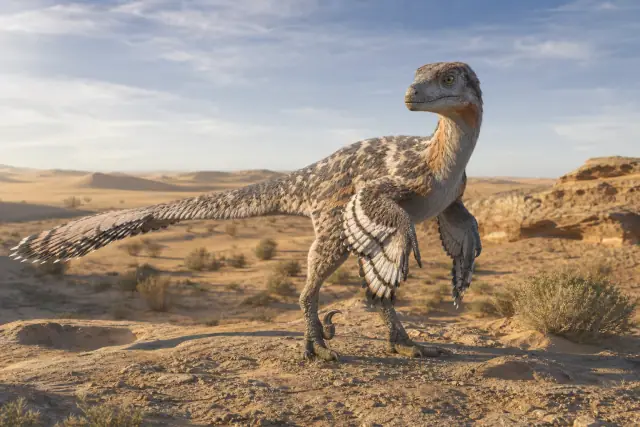
Velociraptor mongoliensis
This turkey-sized feathered predator carried a raised sickle claw on each foot.
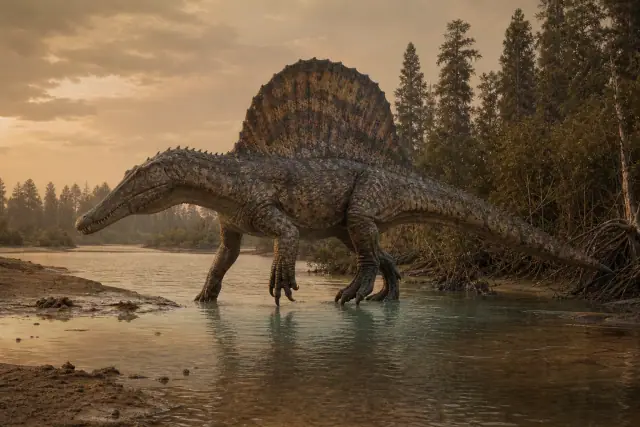
Spinosaurus aegyptiacus
A sail-backed predator with dense bones and a paddle-like tail, adapted to life around water.
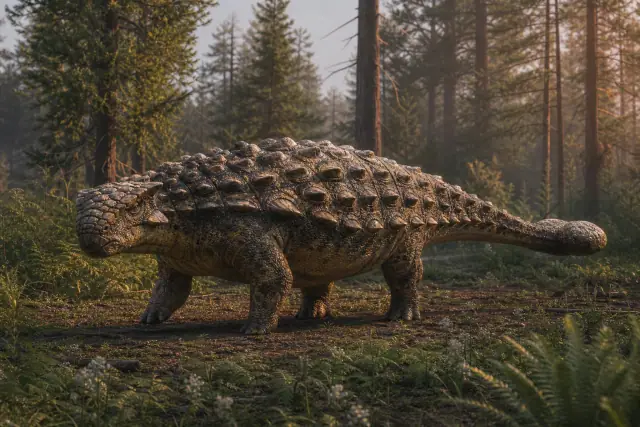
Ankylosaurus magniventris
Body armor and a heavy tail club turned a plant-eater into a walking fortress.
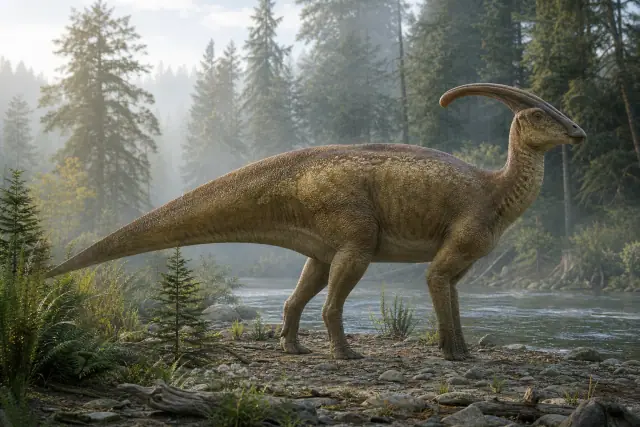
Parasaurolophus walkeri
Its long hollow crest may have carried low calls across forests and floodplains.
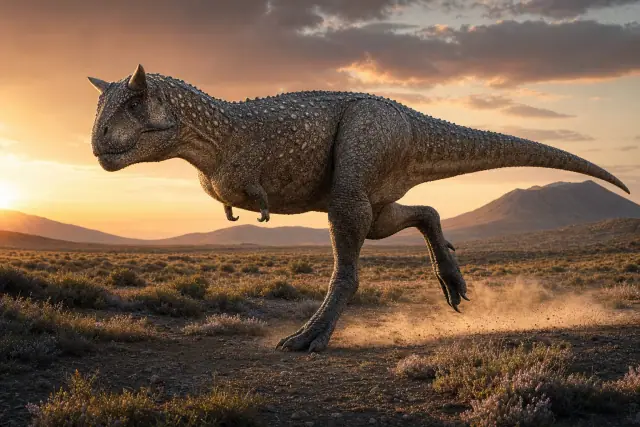
Carnotaurus sastrei
Brow horns, a deep skull and extremely reduced arms marked this fast abelisaurid.
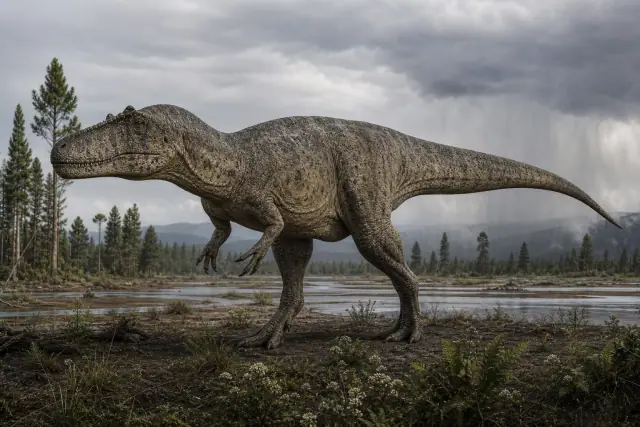
Giganotosaurus carolinii
A giant narrow-skulled theropod shared its world with immense sauropods.
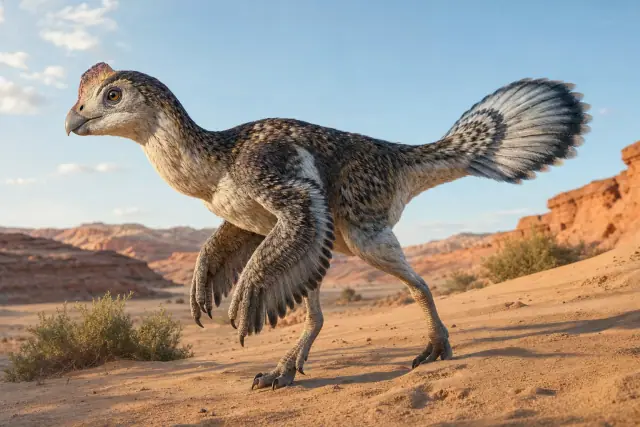
Oviraptor philoceratops
The supposed egg thief was found above a nest that probably contained its own young.
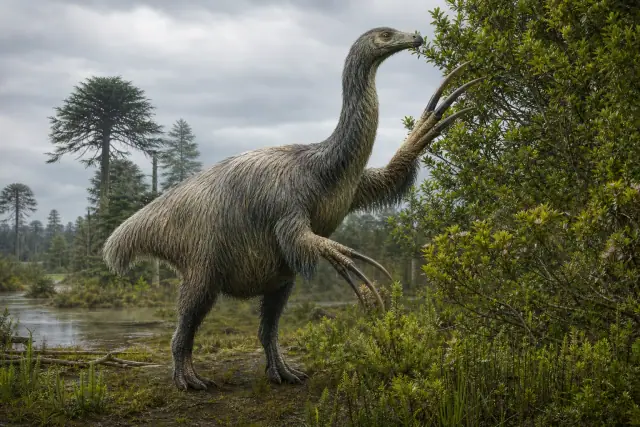
Therizinosaurus cheloniformis
Meter-long hand claws belonged to a tall, feathered, pot-bellied herbivore.
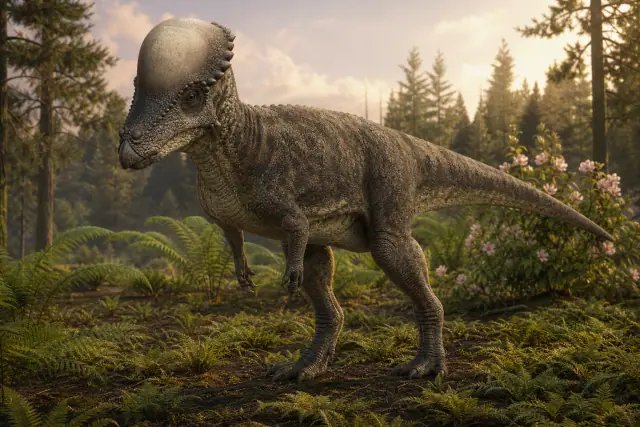
Pachycephalosaurus wyomingensis
A thick dome of bone crowned the skull of this two-legged herbivore.
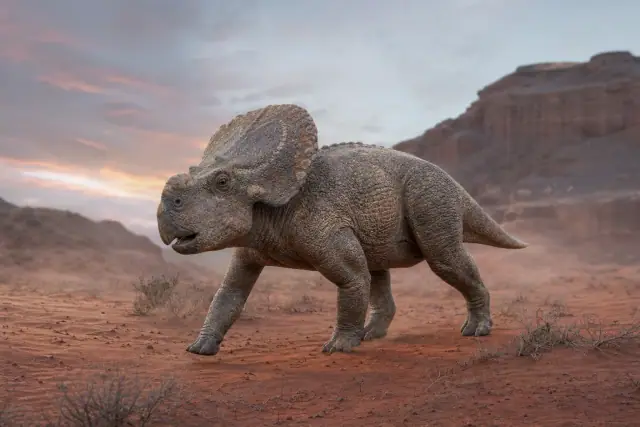
Protoceratops andrewsi
Protoceratops was a small, beaked ceratopsian from Late Cretaceous Mongolia. Its neck frill and four-legged body distinguish it from its predator Velociraptor.
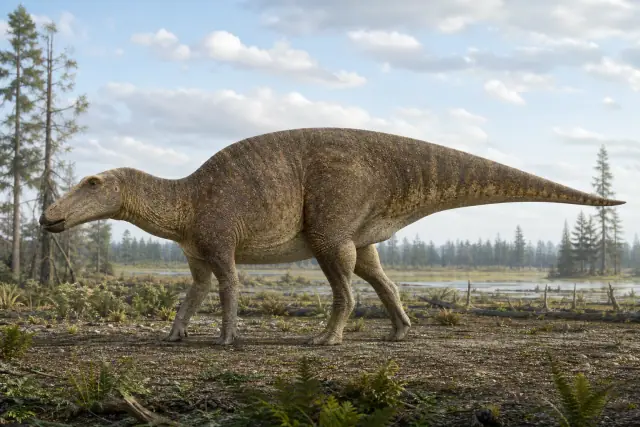
Edmontosaurus annectens
A broad duck bill and dense dental batteries processed huge amounts of vegetation.
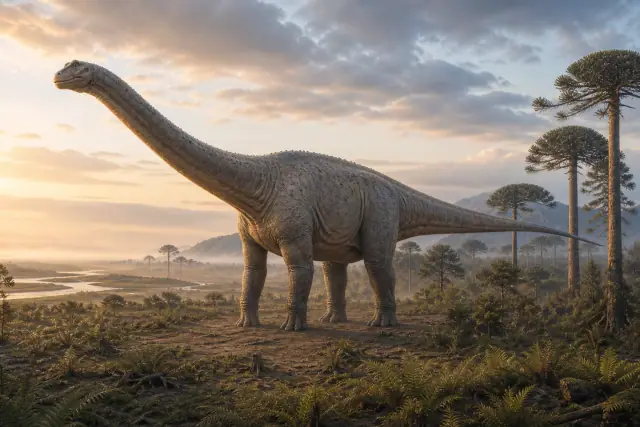
Argentinosaurus huinculensis
A handful of colossal vertebrae and limb bones indicate one of the largest land animals known.
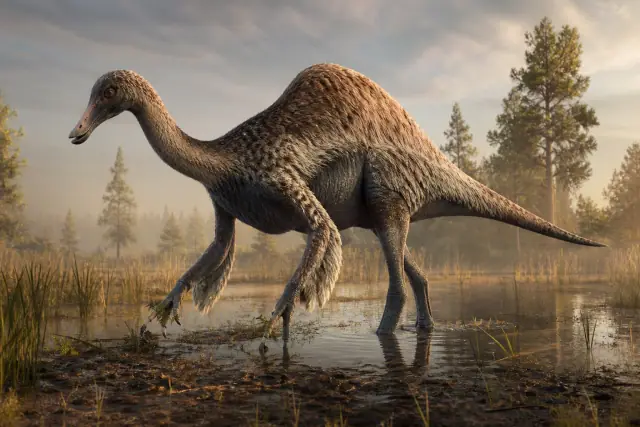
Deinocheirus mirificus
Huge arms, a broad bill, a tall back and wide feet formed one of the strangest dinosaur silhouettes.
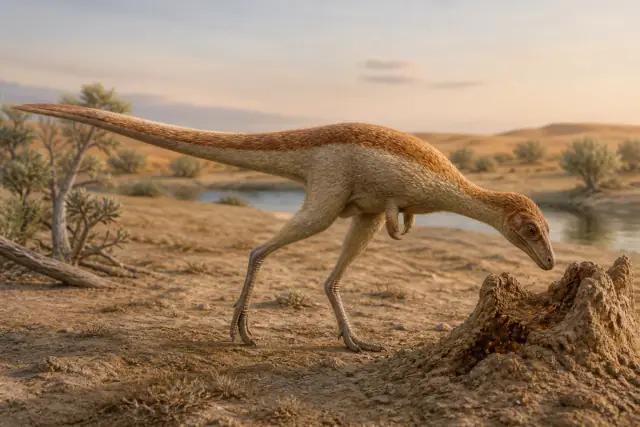
Mononykus olecranus
Each tiny forearm ended in one stout main claw, perhaps used to tear open insect nests like a modern anteater.
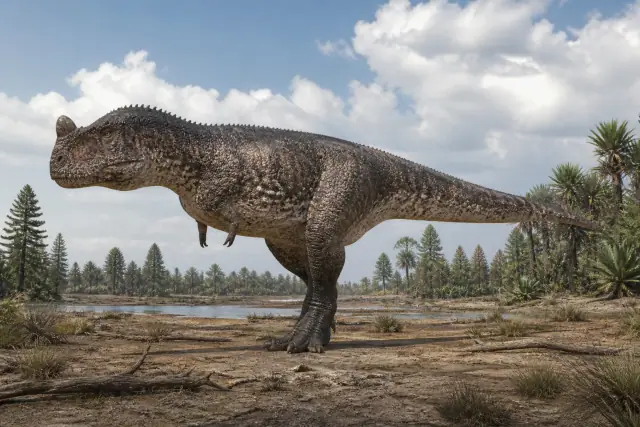
Majungasaurus crenatissimus
A short deep skull carried a rounded horn, while tooth marks on its own species provide rare scavenging evidence.
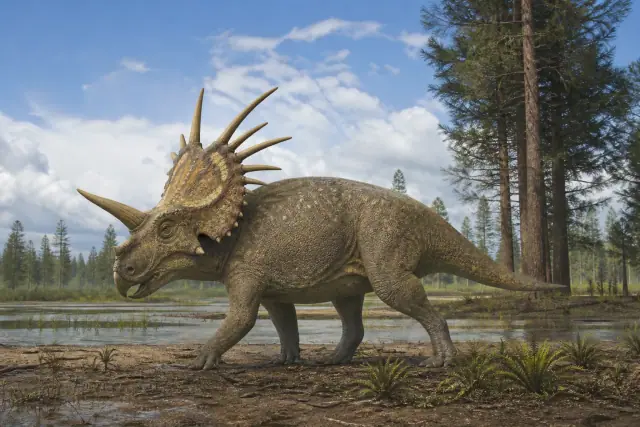
Styracosaurus albertensis
A huge nasal horn and long spikes radiating from the frill made one of the most dramatic ceratopsian heads.
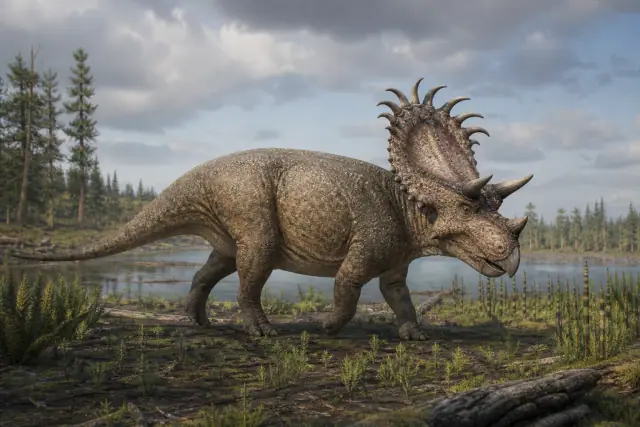
Kosmoceratops richardsoni
Fifteen horn-like ornaments across the nose, brows and broad frill formed a folded crown around the skull.
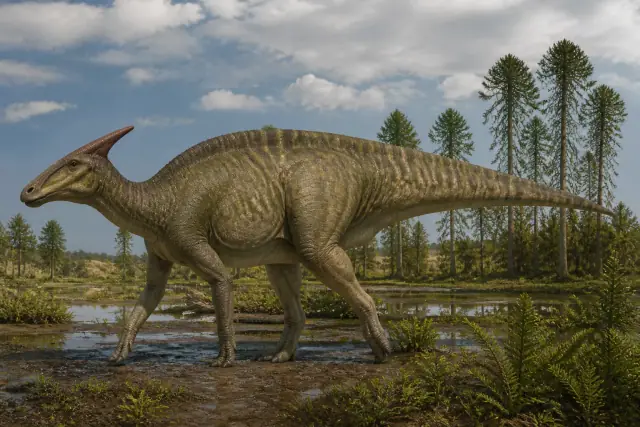
Saurolophus osborni
A solid spike-like crest projected behind the skull and probably carried a strong visual signal.
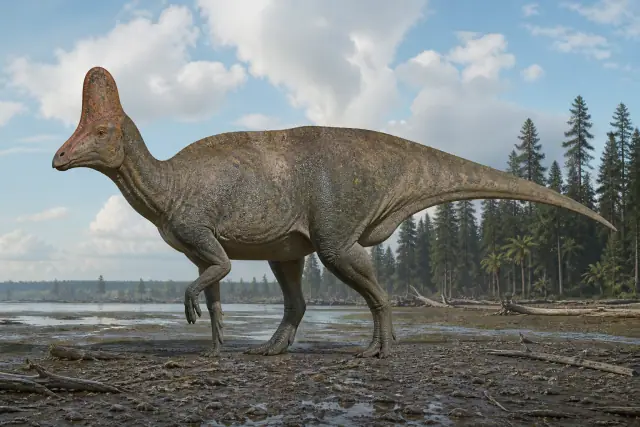
Corythosaurus casuarius
A helmet-shaped hollow crest contained looping nasal passages that could shape resonant calls.
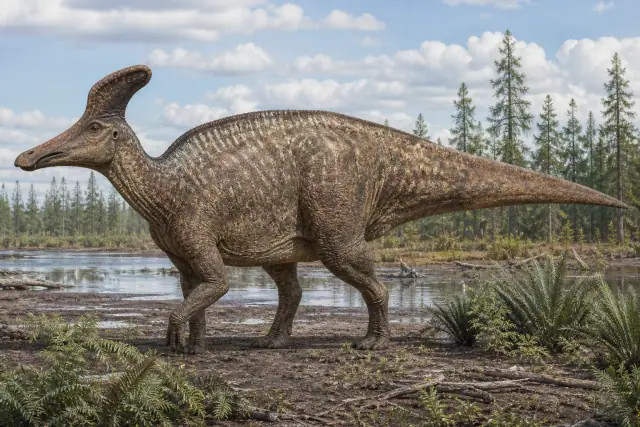
Lambeosaurus lambei
Its hatchet-shaped hollow crest changed dramatically as the animal matured.
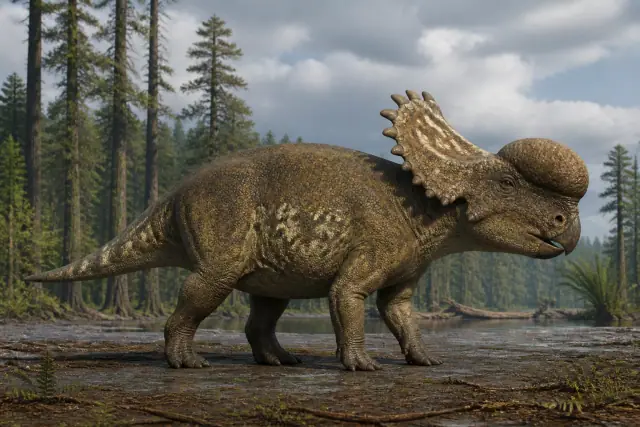
Pachyrhinosaurus canadensis
A massive nasal boss replaced the long horn seen in many ceratopsians.
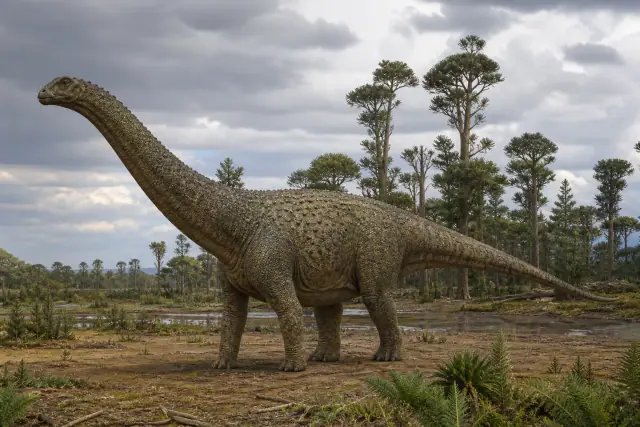
Saltasaurus loricatus
Small bony plates embedded in the skin showed that some titanosaurs carried armor.
No. They lived during the Late Cretaceous, but Mosasaurus was a marine reptile and Pteranodon a pterosaur. Find them in the broader Cretaceous archive rather than this non-avian dinosaur selection.
No. The interval covers more than 34 million years and many continents. Spinosaurus and Giganotosaurus lived much earlier than Tyrannosaurus, while geography also separated contemporary animals.