01Cenozoic
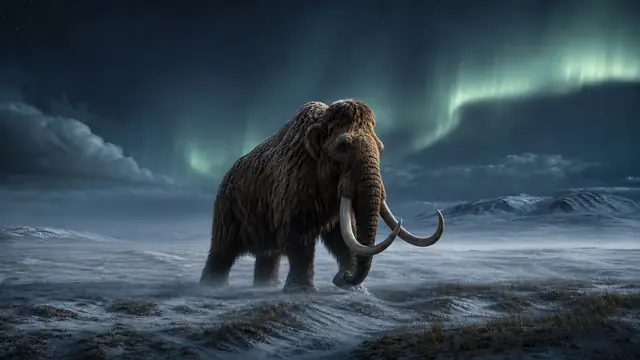
Woolly Mammoth
Mammuthus primigenius
They lived not on endless ice, but in a wind-shaped grassland ecosystem.
LIFE ARCHIVE
Browse extinct life from traces nearly 1.9 billion years old to historically recorded extinctions.
Mammuthus primigenius
They lived not on endless ice, but in a wind-shaped grassland ecosystem.
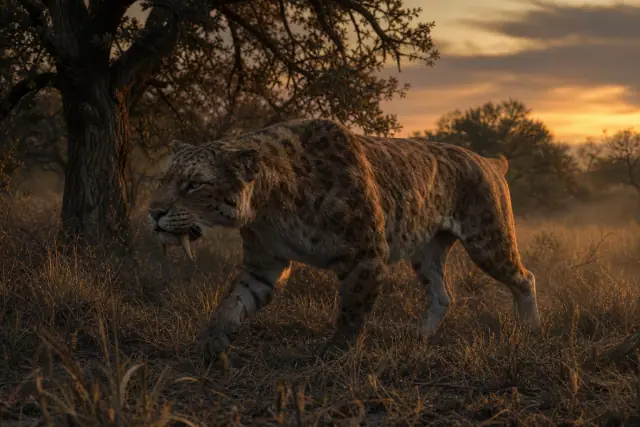
Smilodon fatalis
Its enormous canines were only part of the weapon; the real power lay in exceptionally strong forelimbs.
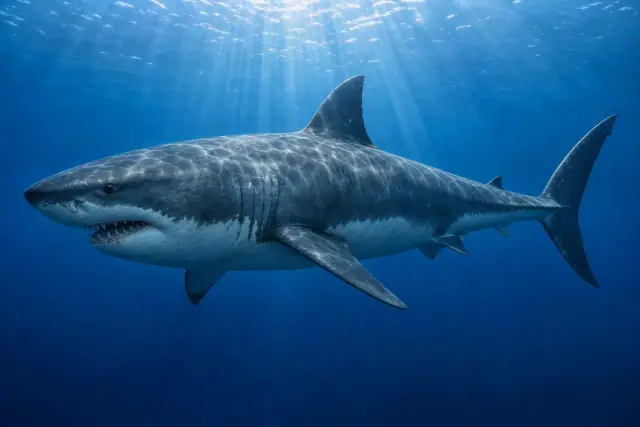
Otodus megalodon
Its hand-sized teeth belonged to a giant shark specialized in hunting marine mammals.
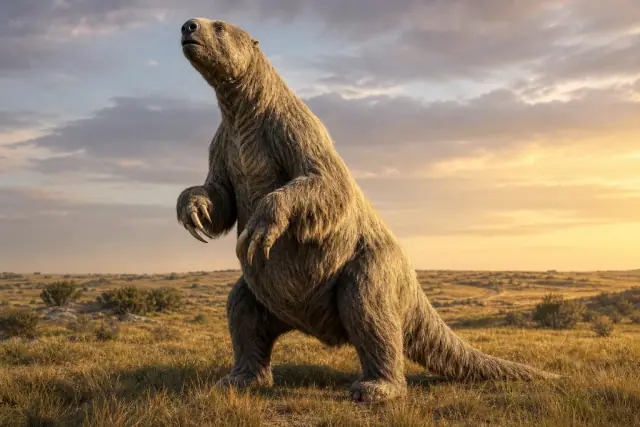
Megatherium americanum
Standing on its hind legs, this elephant-sized sloth could reach high branches with huge claws.
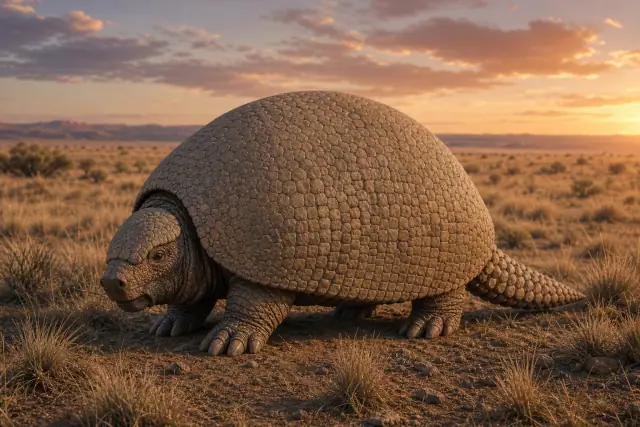
Glyptodon clavipes
A domed shell of fused armor protected this car-sized relative of armadillos.
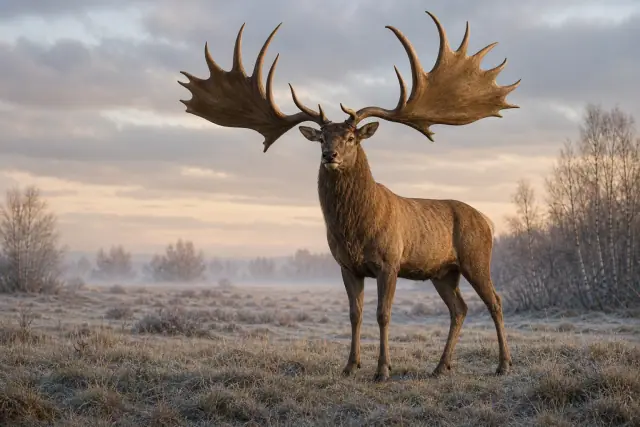
Megaloceros giganteus
The largest deer antlers known were seasonal structures for display and competition.
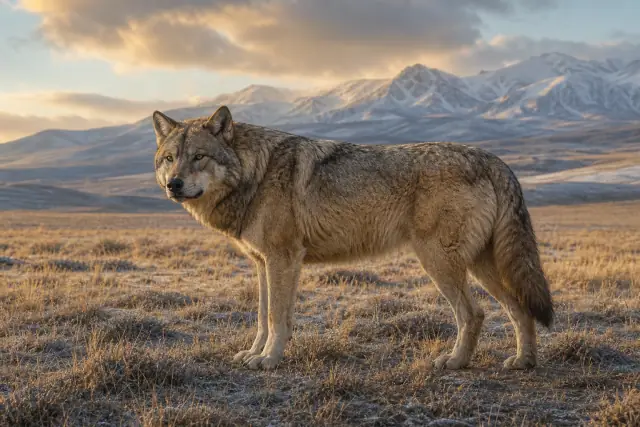
Aenocyon dirus
A heavy-jawed canid hunted the large herbivores of Ice Age America.
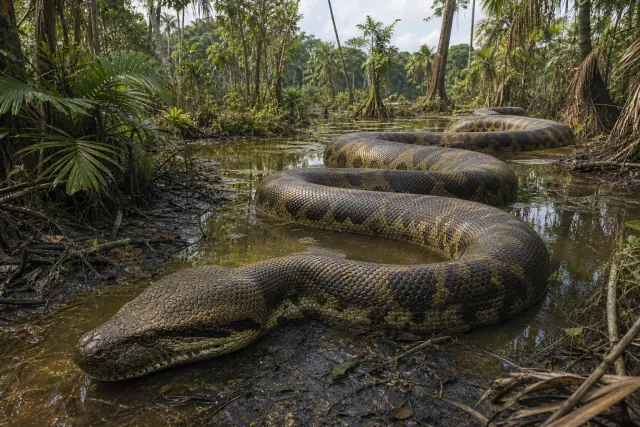
Titanoboa cerrejonensis
The largest known snake moved through hot tropical swamps after the dinosaurs vanished.
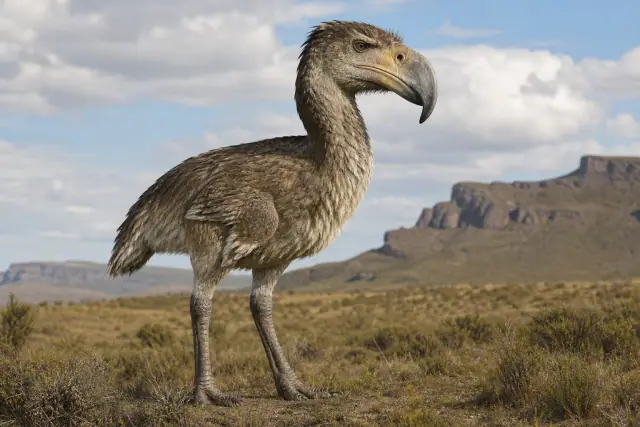
Phorusrhacos longissimus
A tall flightless predator used a deep hooked beak to strike prey on the ground.
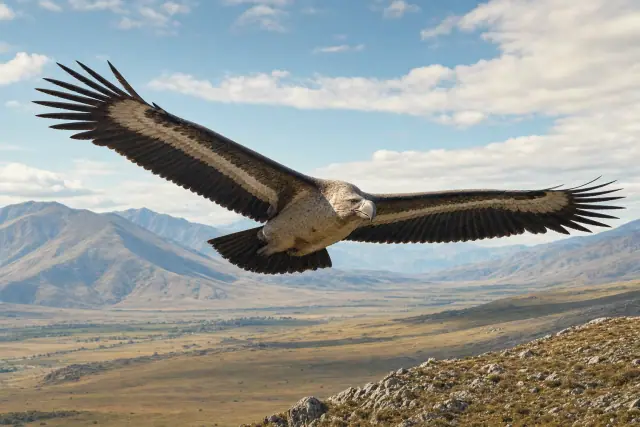
Argentavis magnificens
Argentavis magnificens was a giant bird from Late Miocene Argentina. Its flight is reconstructed from incomplete fossils and aerodynamic models, not observations of a living bird.
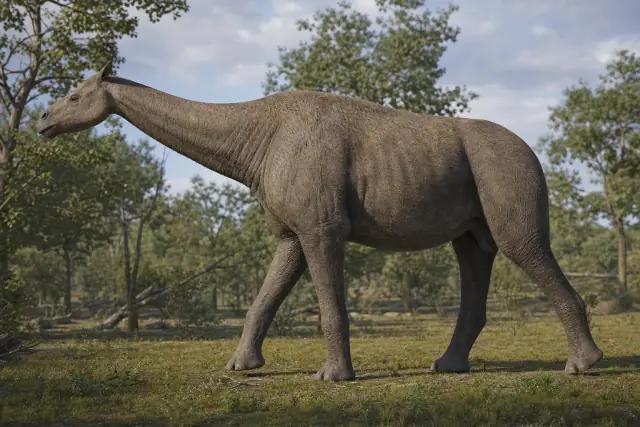
Paraceratherium transouralicum
The largest known land mammal was a hornless rhinoceros relative built to browse high foliage.
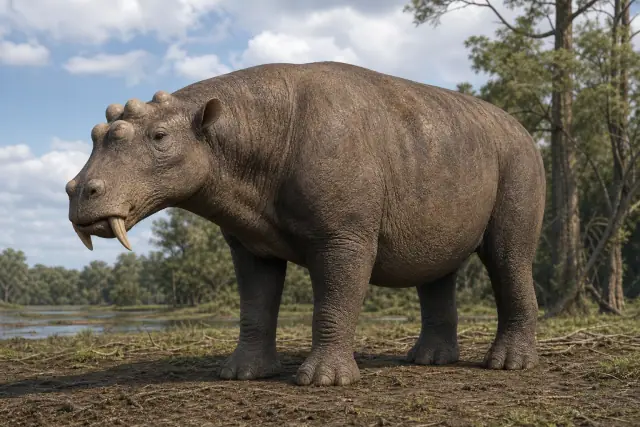
Uintatherium anceps
Knob-like skull horns and long canines crowned this rhinoceros-sized herbivore.
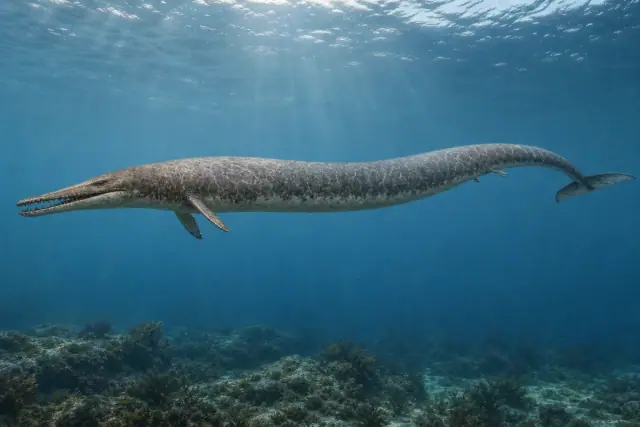
Basilosaurus isis
This long-bodied early whale still carried tiny external hind limbs.
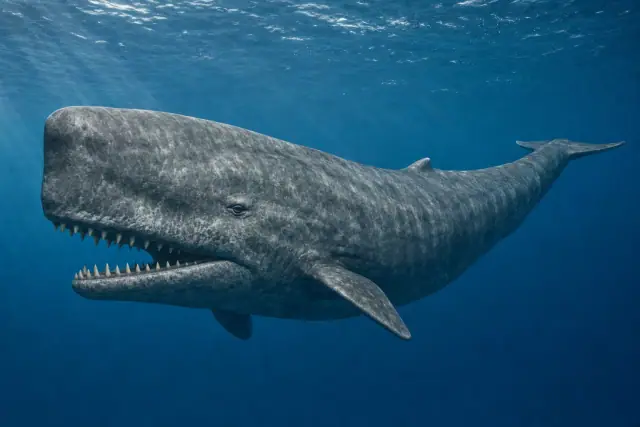
Livyatan melvillei
Huge teeth in both jaws armed a macropredatory sperm whale.
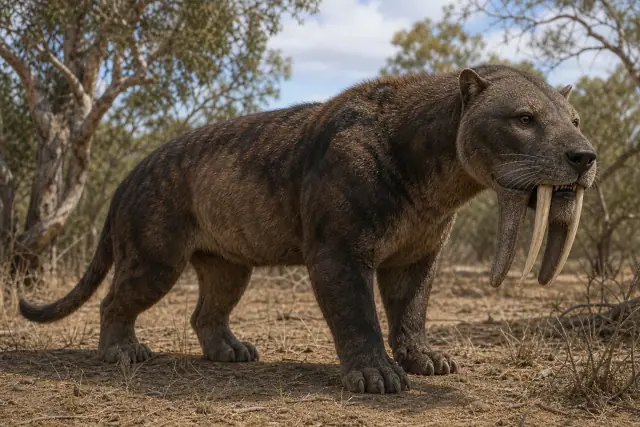
Thylacosmilus atrox
Ever-growing saber canines evolved independently in this marsupial relative.
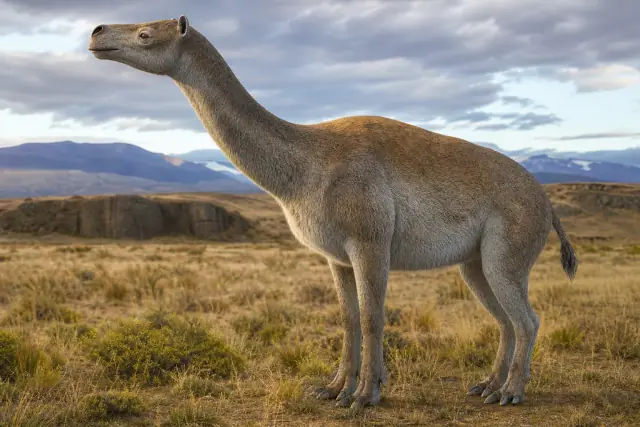
Macrauchenia patachonica
This long-necked hoofed mammal belonged to a uniquely South American lineage.
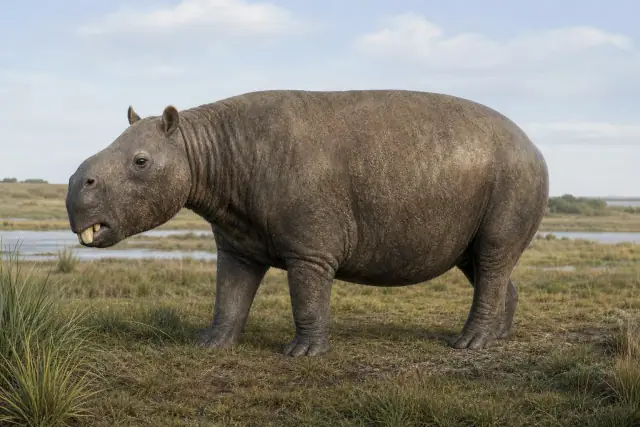
Toxodon platensis
A heavy-bodied native ungulate grazed and browsed beside Ice Age giants.
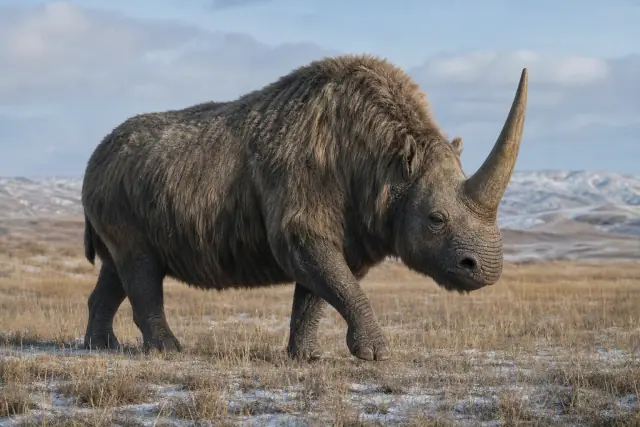
Elasmotherium sibiricum
This enormous grazing rhinoceros probably supported a large horn on its forehead.
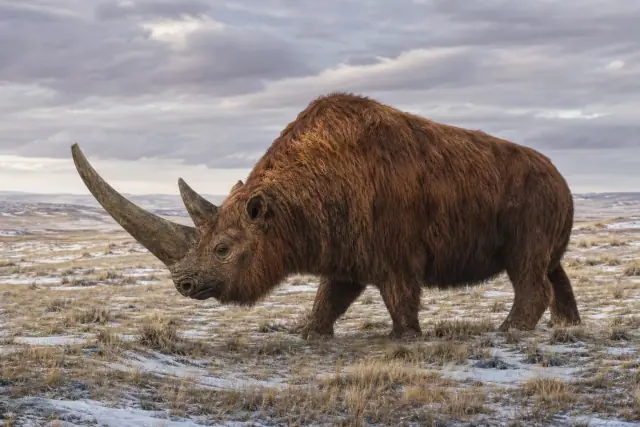
Coelodonta antiquitatis
A thick coat and flattened horn equipped this rhinoceros for cold, dry mammoth steppe.
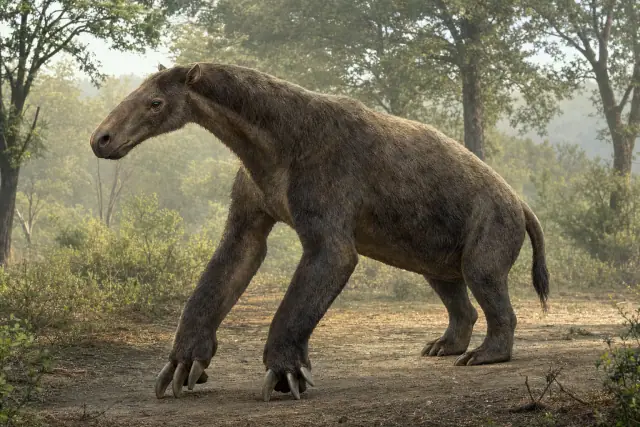
Chalicotherium goldfussi
Long clawed forelimbs made this horse relative walk on its knuckles.
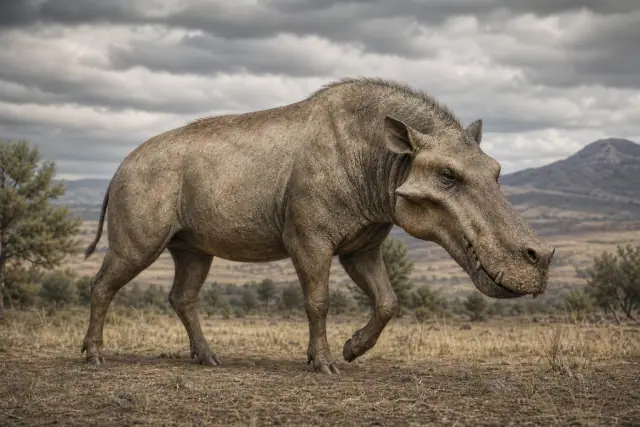
Daeodon shoshonensis
A huge deep-skulled omnivore belonged to the entelodonts, not to true pigs.
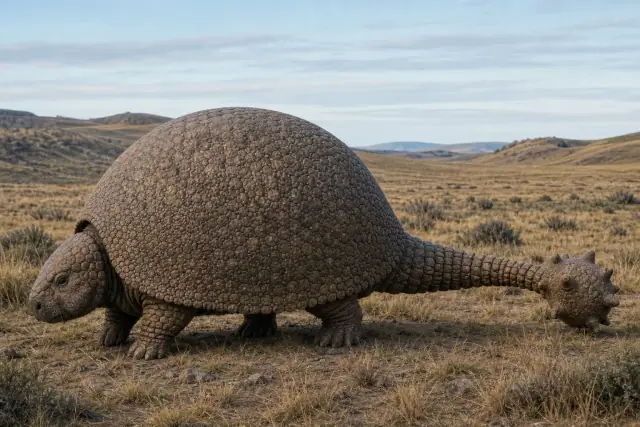
Doedicurus clavicaudatus
A spiked tail club completed the armor of this giant glyptodont.
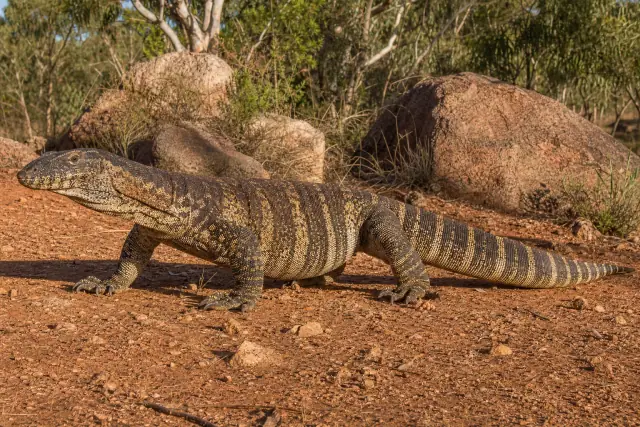
Varanus priscus
The largest known terrestrial lizard was a giant relative of monitor lizards.
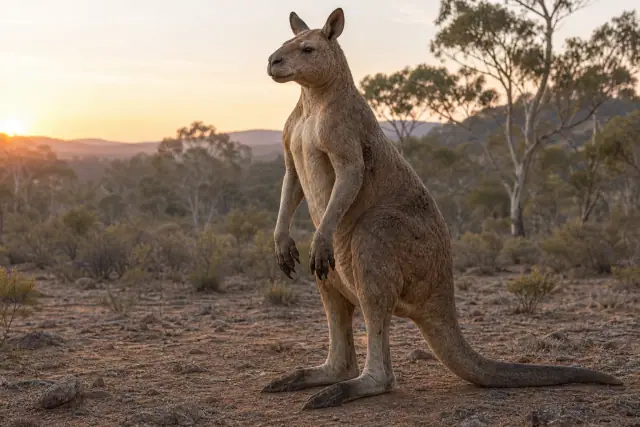
Procoptodon goliah
A broad face, forward-looking eyes and single-toed feet distinguished this giant kangaroo.
Explore the atlas by continent, country and state. Follow fossil localities into regional guides, compare animals across time and return to the evidence in each species profile.
FIELD GUIDES
Giants, strange body plans and lives within human memory. Follow a question into the atlas, then explore the animals behind it.