
Lives & losses
20 Recently Extinct Animals: Dates & Evidence
Explore birds, mammals, amphibians and a tortoise lost in historical times. Each portrait leads to an atlas record covering where the animal lived and the evidence for its disappearance.
Explore the animals 20 ↘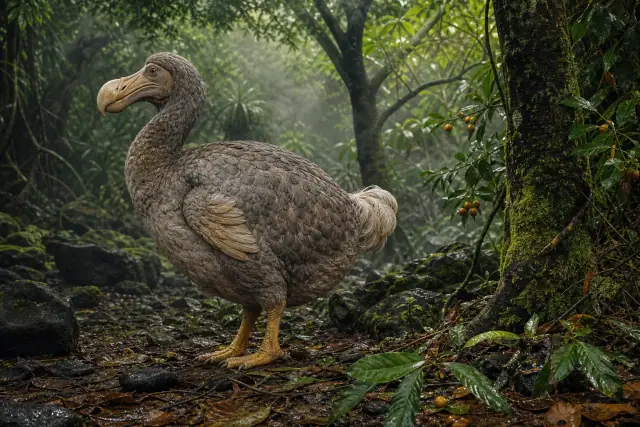
Extinction dates: last records and last captive animals
‘Recently extinct’ here means historical losses since about 1500, not animals all lost in the past year. These six sourced events describe what was recorded. An event date is not automatically the death date of the last wild individual, or the year an authority declared extinction.
| Animal | Year | Record type and source |
|---|---|---|
| Huia | 1907 | Last confirmed record · Te Papa — Tuhinga 22 (2011), huia collections ↗ |
| Passenger Pigeon | 1914 | Death of the last known captive animal · Smithsonian — Martha, the last passenger pigeon ↗ |
| Carolina Parakeet | 1918 | Death of the last known captive animal · Smithsonian Libraries — Carolina parakeet ↗ |
| Thylacine | 1936 | Death of the last known captive animal · National Museum of Australia — Extinction of thylacine ↗ |
| Caribbean Monk Seal | 1952 | Last confirmed record · NOAA Fisheries — Monk seal natural history ↗ |
| Golden Toad | 1989 | Last confirmed record · IUCN Red List — Golden toad ↗ |
Explore records dated 1900–1999 ↗ · Why the dodo's final extinction year remains uncertain ↗
How this list was selected
‘Recent’ means historical losses since about 1500, not only the last few years. This selection includes extinct species and named subspecies: quagga and Pyrenean ibex are subspecies. Extinction dates can be uncertain; ranges in the atlas are not automatically converted into exact years. This is a selection, not a complete extinction register.
In this guide 20
Explore the animals
20 atlas recordsHistorical records: 1598–1662; extinct in the 17th century
Dodo
Raphus cucullatus
A flightless Mauritian pigeon, about 70 cm tall and typically estimated at 10–14 kg. Compare its size, surviving evidence and extinction history.
Mauritius
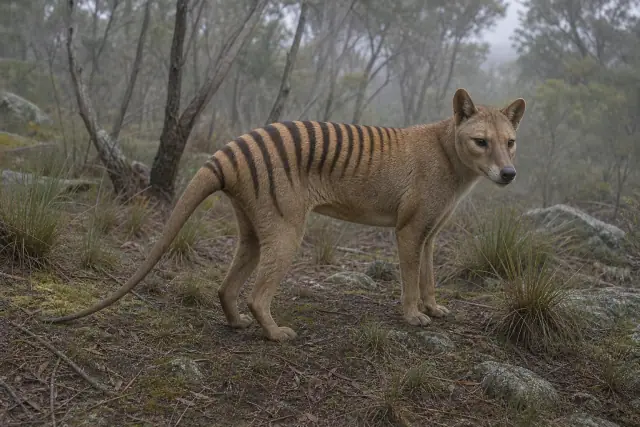
About 4 million years ago–1936
Thylacine
Thylacinus cynocephalus
Australia’s striped marsupial predator survived longest in Tasmania.
Mainland Australia · Tasmania
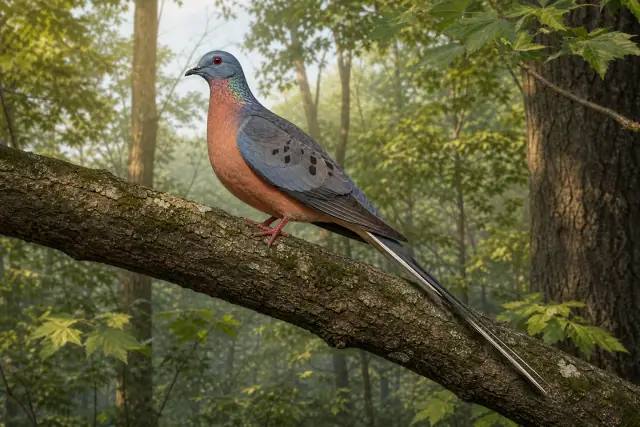
Prehistory–1914
Passenger Pigeon
Ectopistes migratorius
Flocks once darkened the sky, yet abundance could not protect a species dependent on immense colonies.
Eastern North America
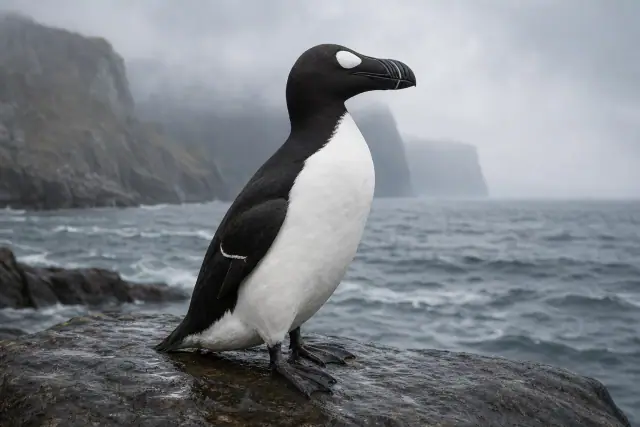
About 5 million years ago–1844
Great Auk
Pinguinus impennis
This flightless North Atlantic seabird used its wings as powerful underwater paddles.
Rocky islands of the North Atlantic
About 8 million years ago–1768
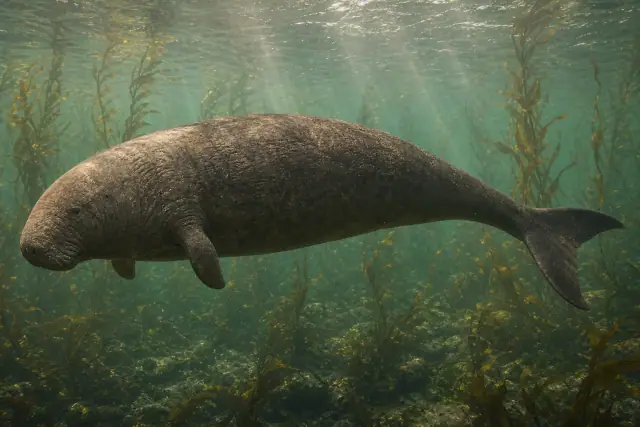
Steller’s Sea Cow
Hydrodamalis gigas
This enormous, slow sirenian grazed kelp in cold shallow water.
Commander Islands, Bering Sea
Late Pleistocene–1883
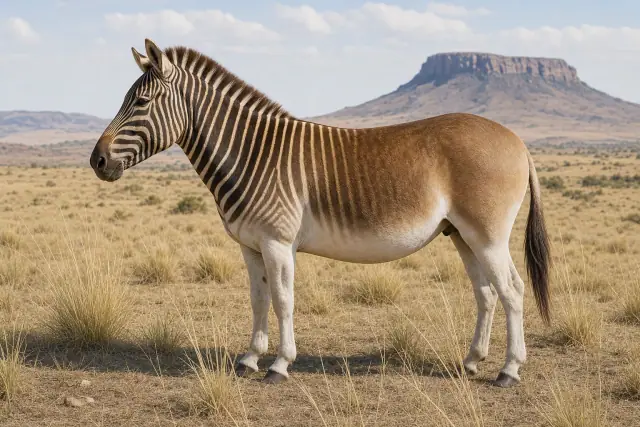
Quagga
Equus quagga quagga
This plains zebra had bold stripes in front fading into a plain brown rear body.
South African grasslands
About 700,000 years ago–1627
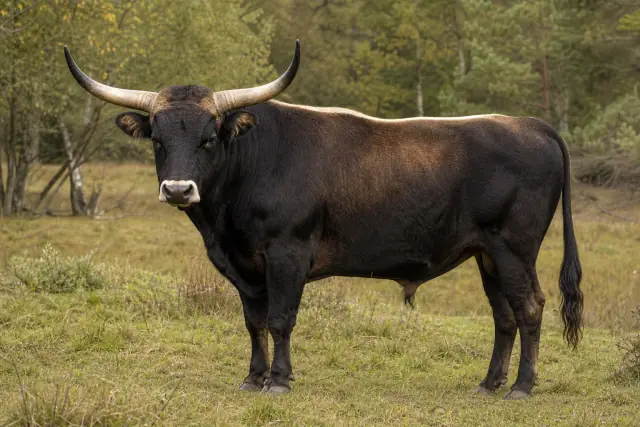
Aurochs
Bos primigenius
The powerful wild ancestor of domestic cattle once ranged across three continents.
Europe · Asia · North Africa
About 3 million years ago–1952
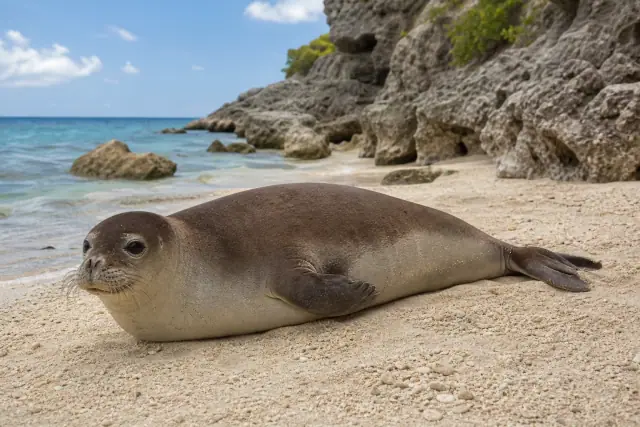
Caribbean Monk Seal
Neomonachus tropicalis
The only seal endemic to the Caribbean rested and bred on warm sandy shores.
Caribbean Sea · Gulf of Mexico
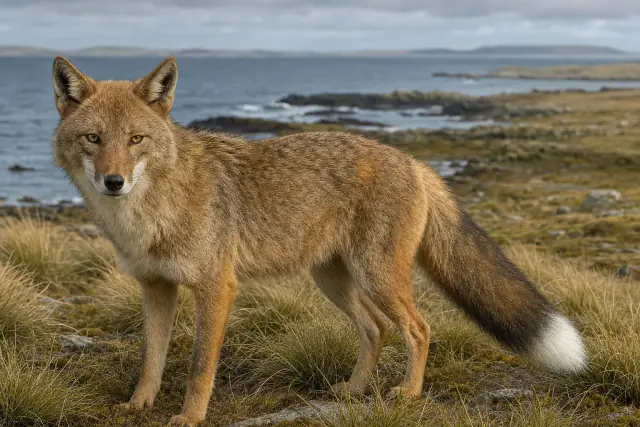
About 16,000 years ago–1876
Falkland Islands Wolf
Dusicyon australis
This unusually tame island canid was the Falklands’ only native land mammal.
Falkland Islands
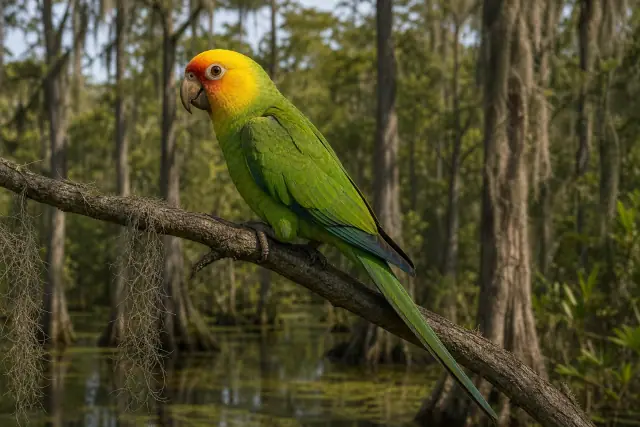
Late Pleistocene–1918
Carolina Parakeet
Conuropsis carolinensis
Bright green flocks once made this the only parrot native to the eastern United States.
Eastern and central United States
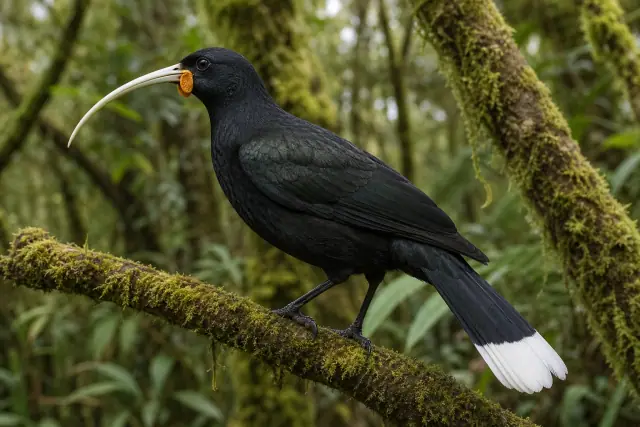
Prehistory–early 20th century
Huia
Heteralocha acutirostris
Males and females had dramatically different bills but foraged as a pair.
North Island, New Zealand
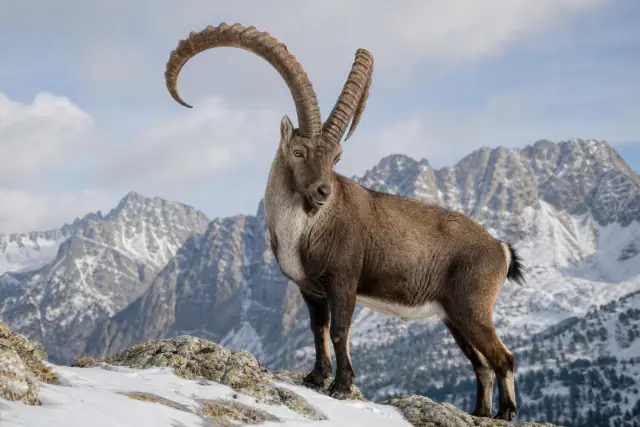
About 12,000 years ago–2000
Pyrenean Ibex
Capra pyrenaica pyrenaica
The bucardo was the first extinct animal briefly brought back as a clone—and the first to go extinct twice.
Pyrenees Mountains
Prehistory–about 1878
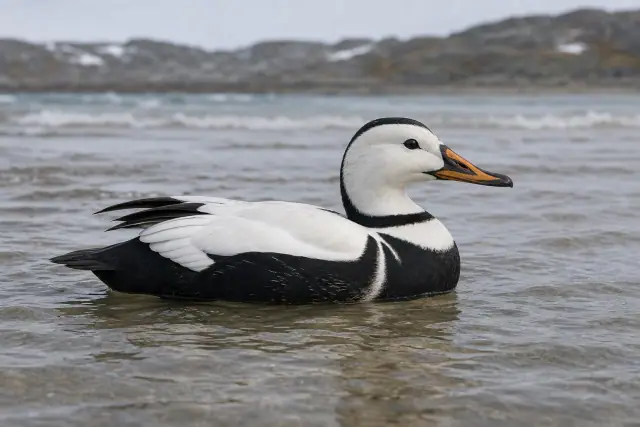
Labrador Duck
Camptorhynchus labradorius
This small sea duck had a specialized bill for feeding in shallow coastal water.
Northwestern Atlantic coast of North America
Prehistory–2012
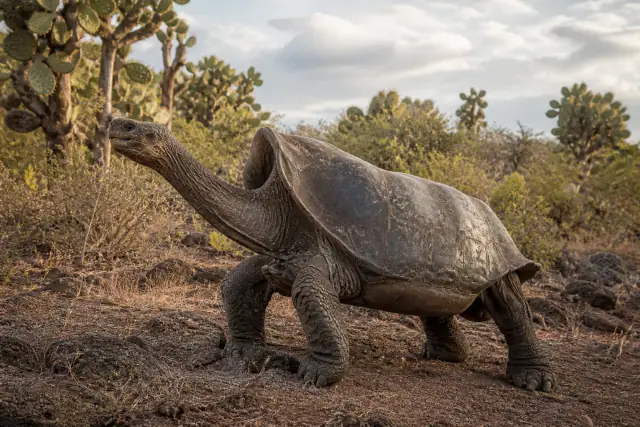
Pinta Island Tortoise
Chelonoidis abingdonii
A saddle-backed shell and long neck reached high vegetation; the last known individual died in 2012.
Pinta Island, Galápagos
Prehistory–1989
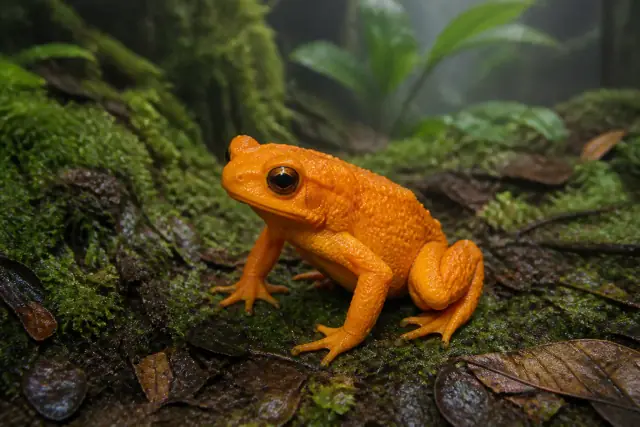
Golden Toad
Incilius periglenes
Brilliant orange males gathered briefly each rainy season within a tiny highland range.
Monteverde cloud forest, Costa Rica
Prehistory–about 1981
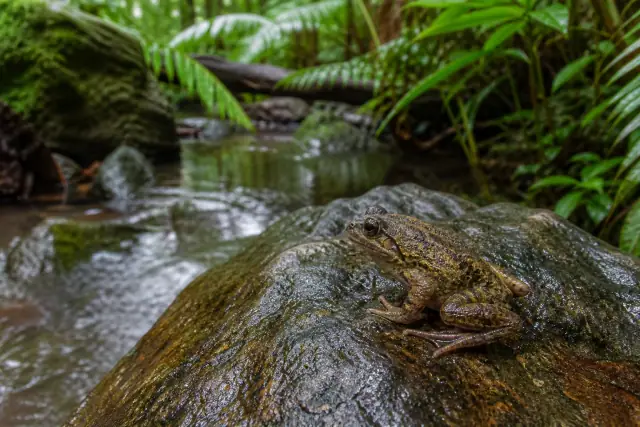
Southern Gastric-brooding Frog
Rheobatrachus silus
Females swallowed fertilized eggs, suppressed stomach acid and released developed froglets from the mouth.
Streams of southeastern Queensland, Australia
Prehistory–2009
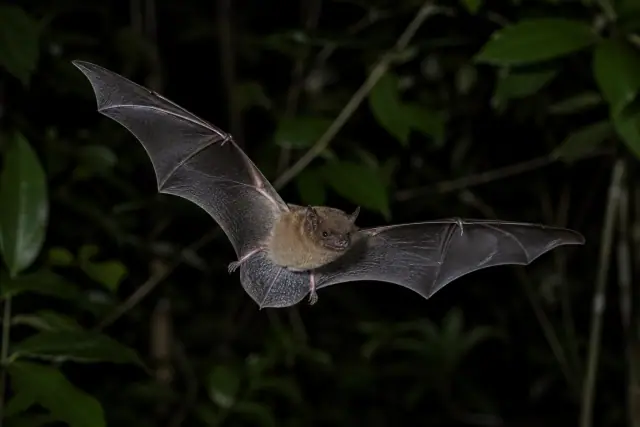
Christmas Island Pipistrelle
Pipistrellus murrayi
This palm-sized insect bat fell from island-wide abundance to a final acoustic signal in 2009.
Christmas Island, Indian Ocean
Prehistory–late 19th century
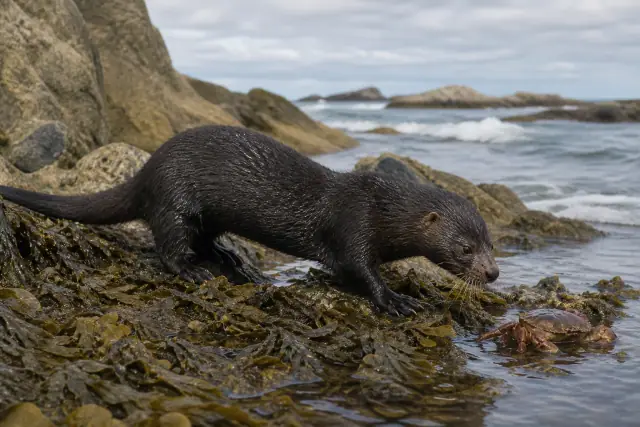
Sea mink
Neogale macrodon
It was hunted out for fur before scientists could describe a living animal.
Rocky coasts and islands · Northeastern North America
About 10,000 years ago–c. 1800
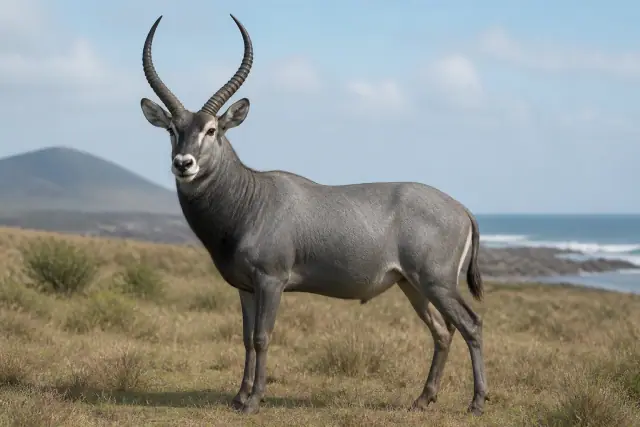
Bluebuck
Hippotragus leucophaeus
Its blue cast likely came from gray hair over dark skin rather than bright fur.
Coastal grassland · Western Cape, South Africa
About 1,000 years ago–mid-18th century
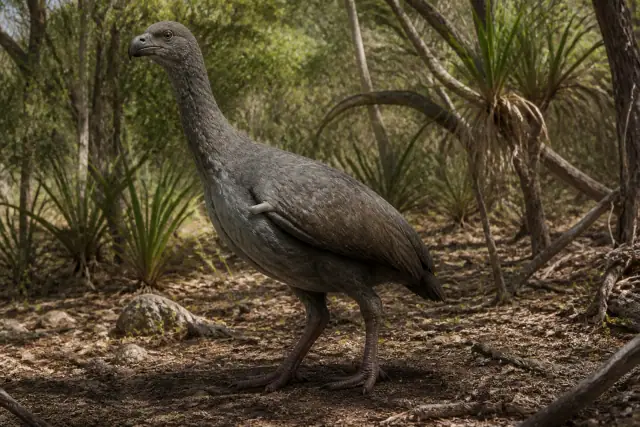
Rodrigues solitaire
Pezophaps solitaria
This giant flightless pigeon fought with bony wing knobs and was the dodo's closest relative.
Dry woodland · Rodrigues Island