05Mesozoic
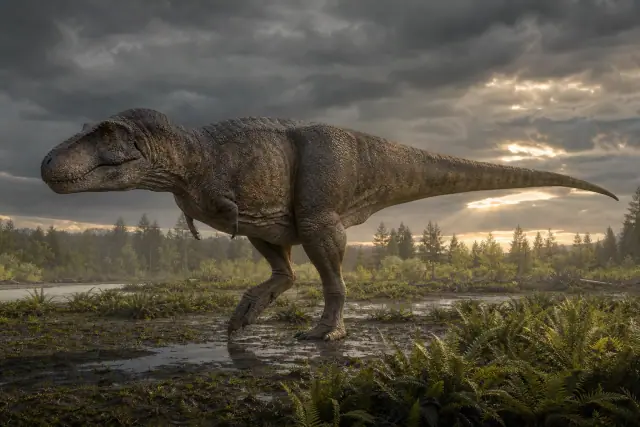
Tyrannosaurus
Tyrannosaurus rex
A deep skull, bone-crushing bite and keen senses made it one of the last giant theropods.
 EXTINCT ATLASEXTINCT LIFE ARCHIVEBack to archive
Period · 143.1–66 million years ago
Browse Cretaceous dinosaurs, marine reptiles, birds, insects and flowering plants before the extinction 66 million years ago.
Flowering plants diversified as continental separation produced regional faunas. Early and Late Cretaceous communities differed: Tyrannosaurus and Triceratops lived near the end, not throughout the period. The terminal extinction removed non-avian dinosaurs, while birds and other lineages survived into the Paleogene.
Tyrannosaurus rex
A deep skull, bone-crushing bite and keen senses made it one of the last giant theropods.
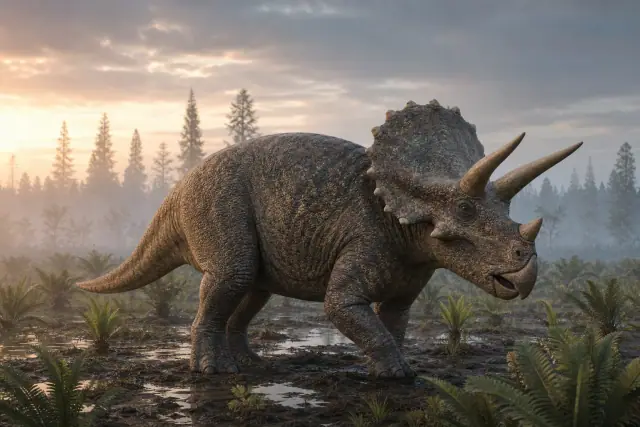
Triceratops horridus
Triceratops ate plants, clipping vegetation with its beak and slicing it with dental batteries. Fossils reveal feeding mechanics more clearly than a precise plant menu.
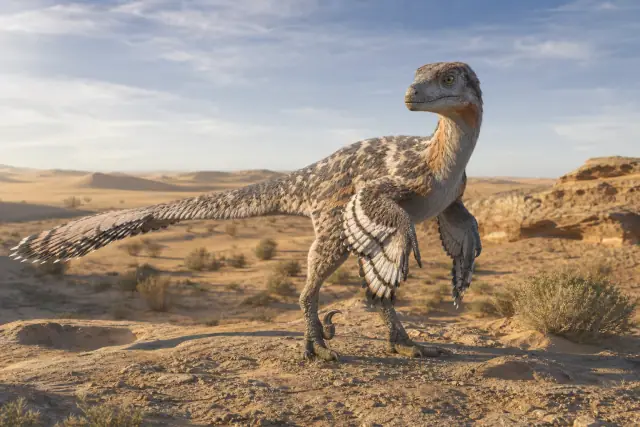
Velociraptor mongoliensis
This turkey-sized feathered predator carried a raised sickle claw on each foot.
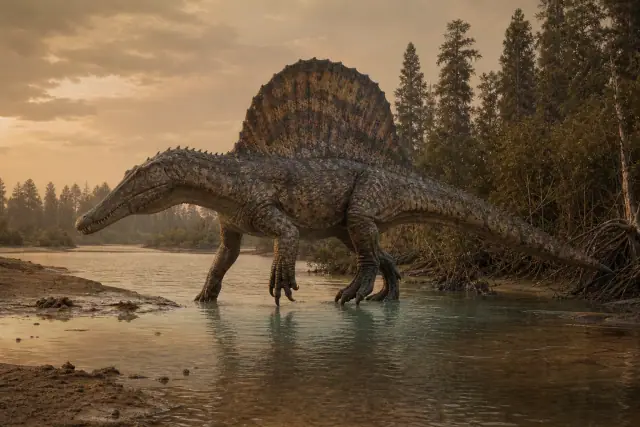
Spinosaurus aegyptiacus
A sail-backed predator with dense bones and a paddle-like tail, adapted to life around water.
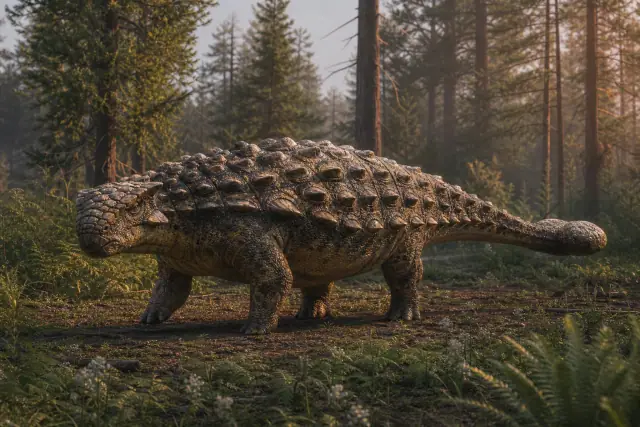
Ankylosaurus magniventris
Body armor and a heavy tail club turned a plant-eater into a walking fortress.
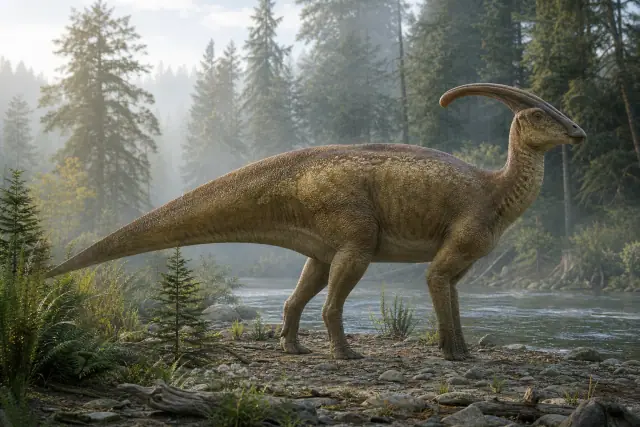
Parasaurolophus walkeri
Its long hollow crest may have carried low calls across forests and floodplains.
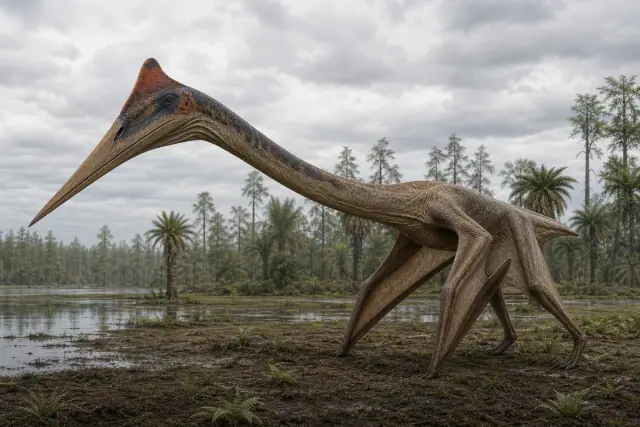
Quetzalcoatlus northropi
One of the largest known flying animals stood as tall as a giraffe on the ground.
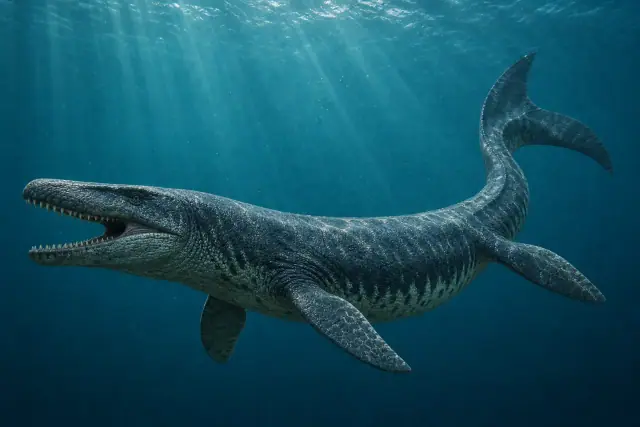
Mosasaurus hoffmannii
A giant marine lizard propelled by a deep tail fin patrolled Late Cretaceous seas.
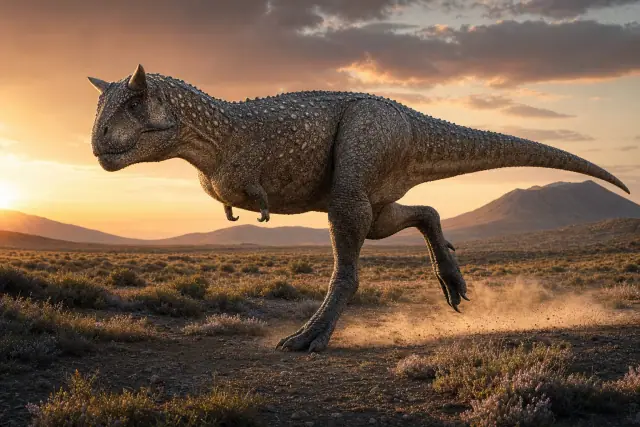
Carnotaurus sastrei
Brow horns, a deep skull and extremely reduced arms marked this fast abelisaurid.
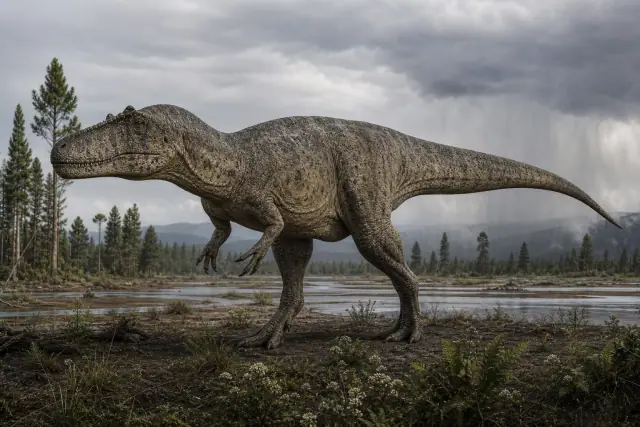
Giganotosaurus carolinii
A giant narrow-skulled theropod shared its world with immense sauropods.
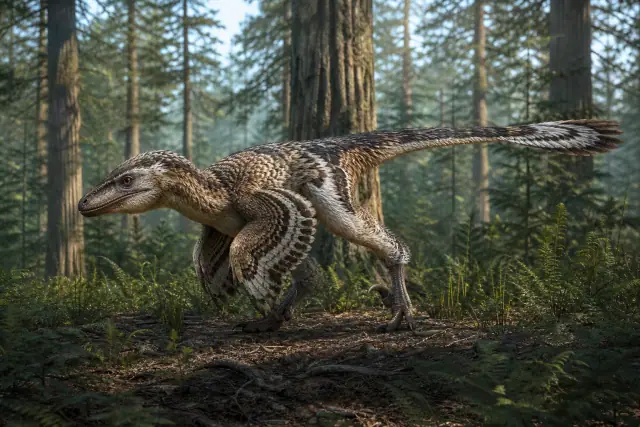
Deinonychus antirrhopus
A stiff tail, grasping hands and enlarged foot claw made an agile feathered hunter.
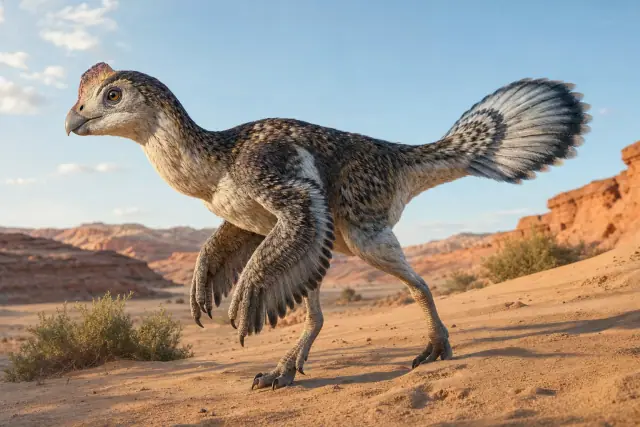
Oviraptor philoceratops
The supposed egg thief was found above a nest that probably contained its own young.
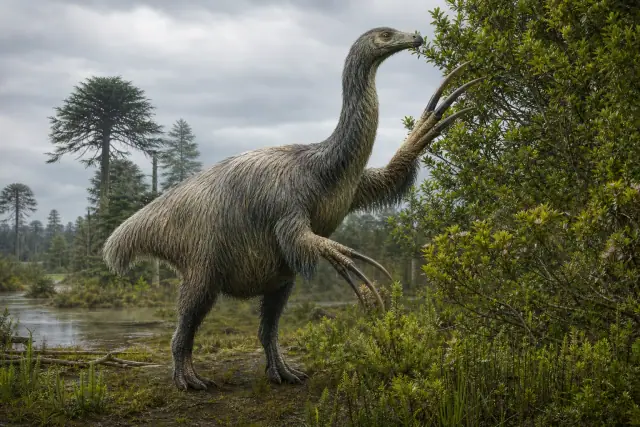
Therizinosaurus cheloniformis
Meter-long hand claws belonged to a tall, feathered, pot-bellied herbivore.
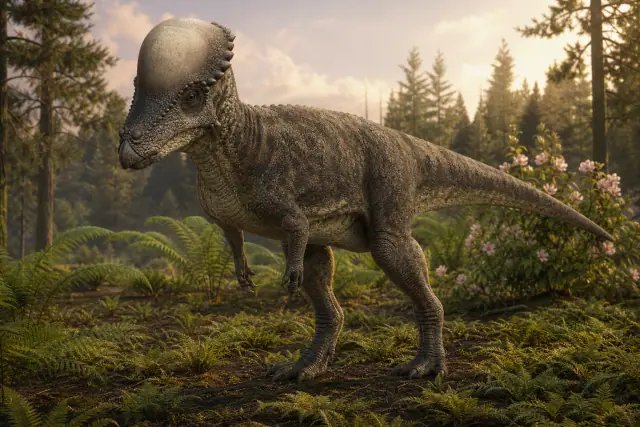
Pachycephalosaurus wyomingensis
A thick dome of bone crowned the skull of this two-legged herbivore.
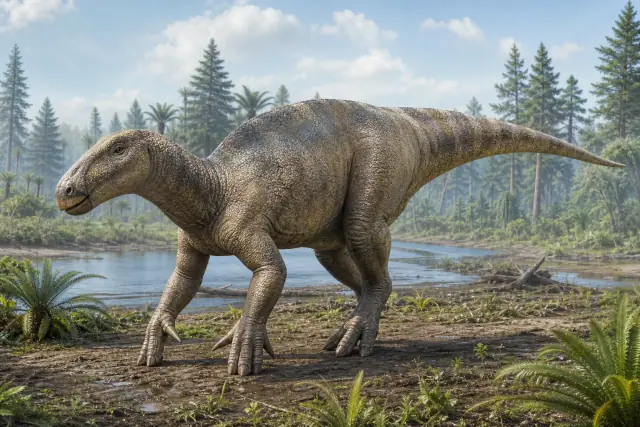
Iguanodon bernissartensis
A conical thumb spike and batteries of chewing teeth equipped this adaptable herbivore.
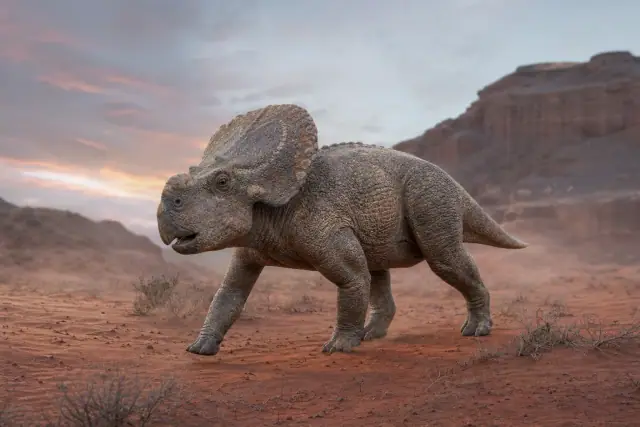
Protoceratops andrewsi
Protoceratops was a small, beaked ceratopsian from Late Cretaceous Mongolia. Its neck frill and four-legged body distinguish it from its predator Velociraptor.
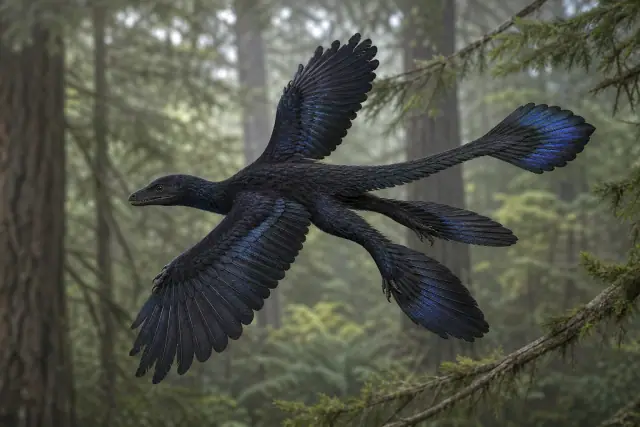
Microraptor gui
Microraptor was a small feathered theropod from Early Cretaceous China. Long feathers on both forelimbs and hind limbs created several aerodynamic surfaces.
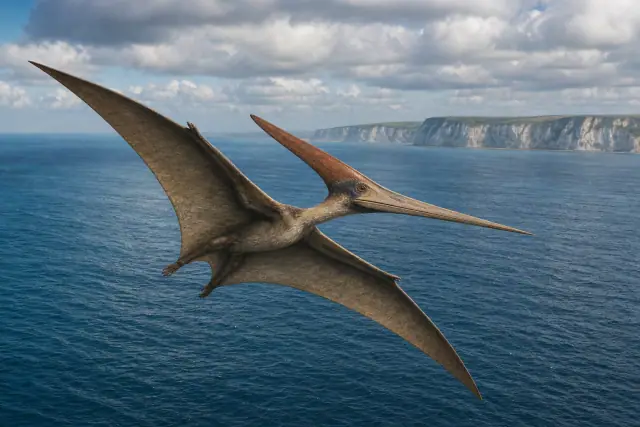
Pteranodon longiceps
Pteranodon was a toothless pterosaur above the Late Cretaceous seas of North America. It was a flying reptile, not a bird or a dinosaur.
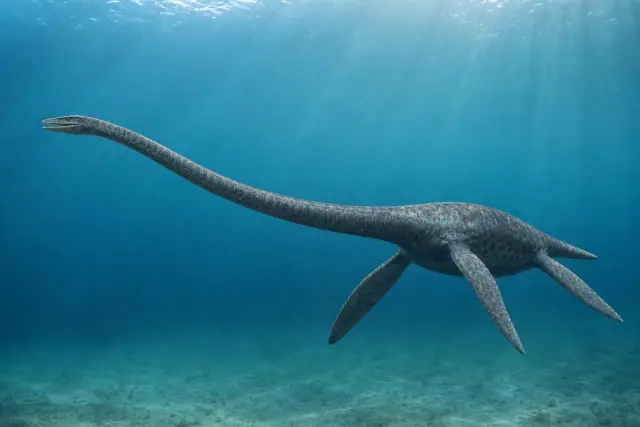
Elasmosaurus platyurus
Elasmosaurus platyurus was a long-necked marine reptile from Late Cretaceous Kansas. A 2013 reassessment counted 72 preserved neck vertebrae in its holotype.
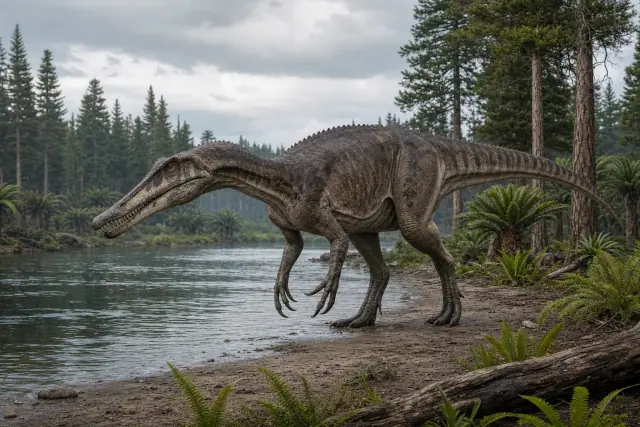
Baryonyx walkeri
A crocodile-like snout and huge thumb claw equipped this theropod to catch fish and other prey.
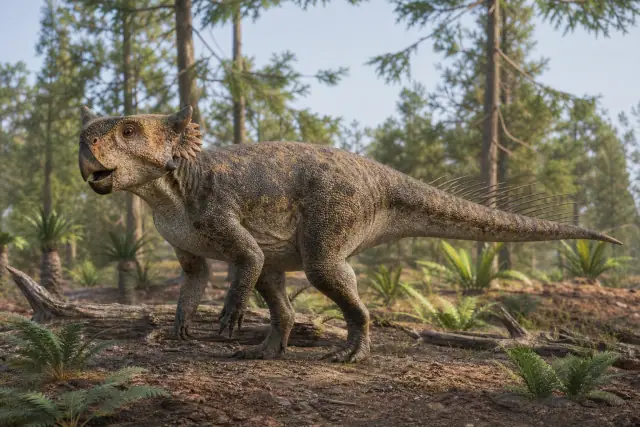
Psittacosaurus mongoliensis
A deep parrot-like beak helped this early horned dinosaur process plants; this record distinguishes P. mongoliensis from other specimens of the genus.
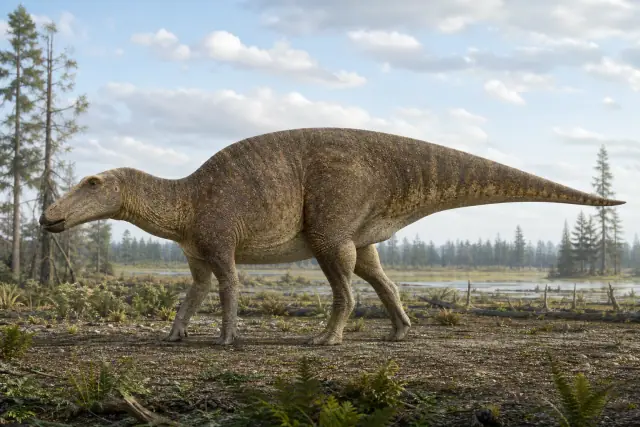
Edmontosaurus annectens
A broad duck bill and dense dental batteries processed huge amounts of vegetation.
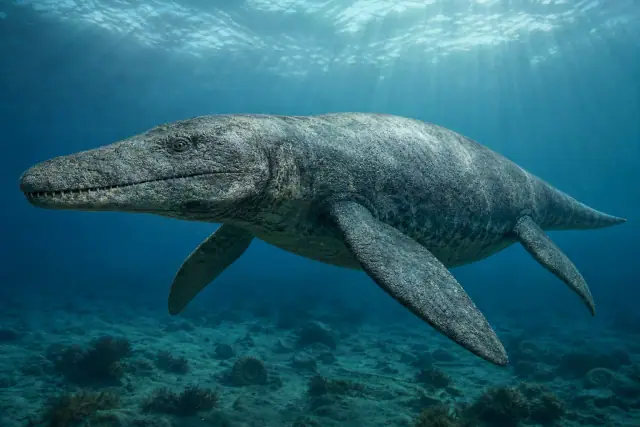
Kronosaurus queenslandicus
A massive pliosaur skull powered attacks on large marine prey.
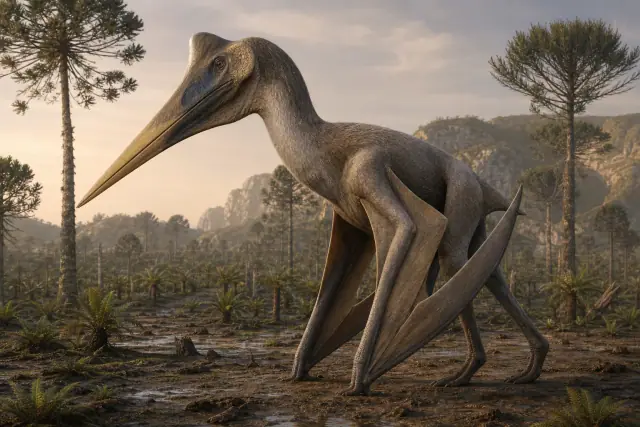
Hatzegopteryx thambema
A giant pterosaur with a robust neck stalked an island populated by dwarf dinosaurs.