05Mesozoic
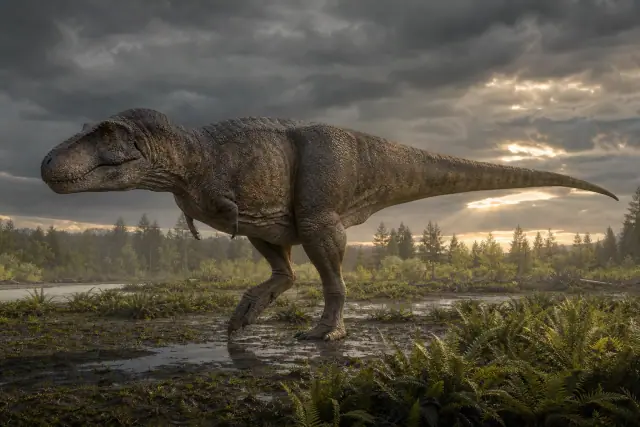
Tyrannosaurus
Tyrannosaurus rex
A deep skull, bone-crushing bite and keen senses made it one of the last giant theropods.
Western North America
 EXTINCT ATLASEXTINCT LIFE ARCHIVEBack to archive
Dinosaurs by continent
Explore North American dinosaurs, from Jurassic sauropods to Cretaceous horned dinosaurs, with routes into Canada, the United States and individual fossil records.
The Morrison Formation and Hell Creek record different chapters of western North American life. Stegosaurus and Diplodocus belong to the Jurassic chapter; Tyrannosaurus and Triceratops lived much later. Northern records such as Nanuqsaurus extend this selection to Alaska. Continental membership does not establish a particular country or state.
Tyrannosaurus rex
A deep skull, bone-crushing bite and keen senses made it one of the last giant theropods.
Western North America
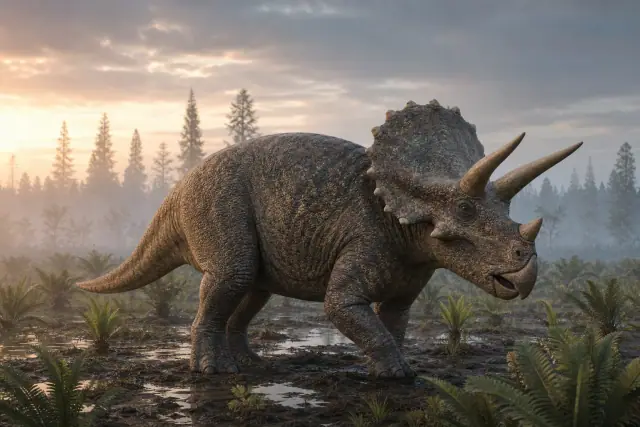
Triceratops horridus
Triceratops ate plants, clipping vegetation with its beak and slicing it with dental batteries. Fossils reveal feeding mechanics more clearly than a precise plant menu.
Western North America
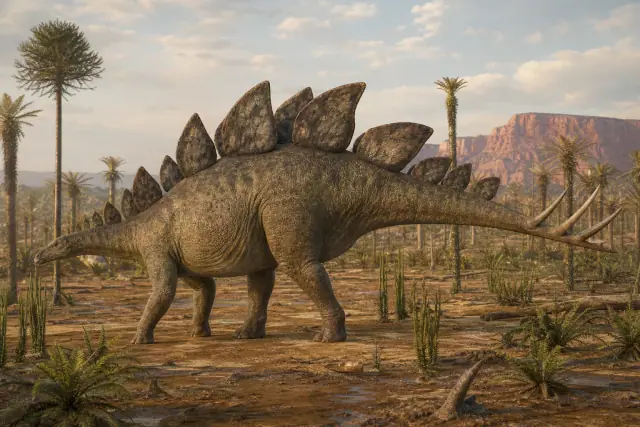
Stegosaurus stenops
Tall back plates and a four-spiked tail made this low-browsing herbivore unmistakable.
Western North America
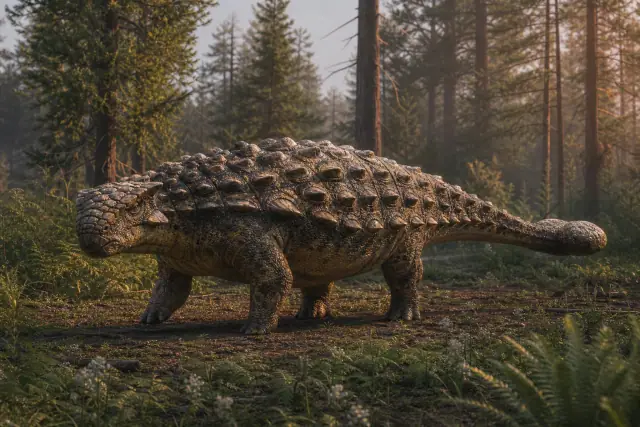
Ankylosaurus magniventris
Body armor and a heavy tail club turned a plant-eater into a walking fortress.
Western North America
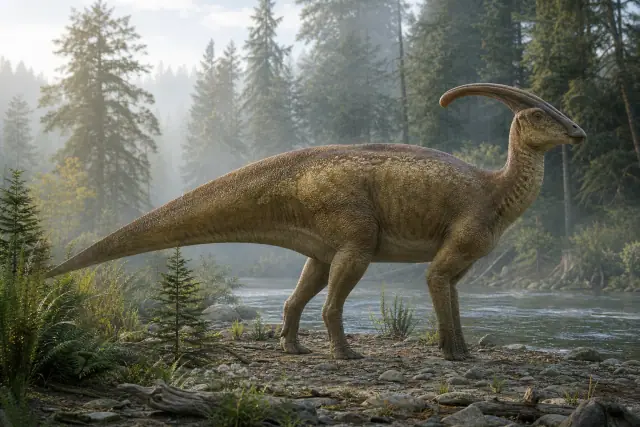
Parasaurolophus walkeri
Its long hollow crest may have carried low calls across forests and floodplains.
North America
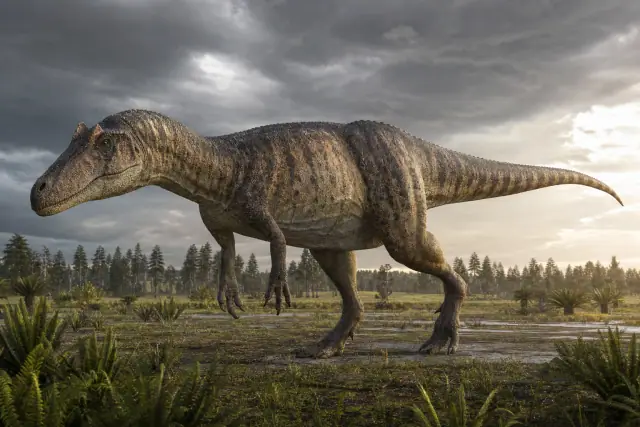
Allosaurus fragilis
A lightweight skull and serrated teeth equipped this large predator for repeated slashing bites.
Western North America
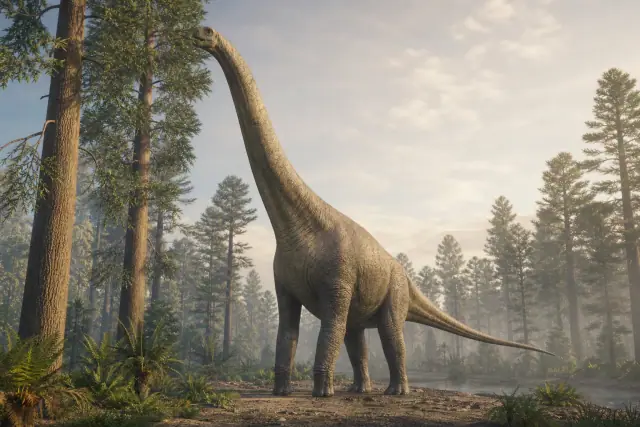
Brachiosaurus altithorax
Long forelimbs lifted its shoulders and neck toward the Jurassic canopy.
Western North America
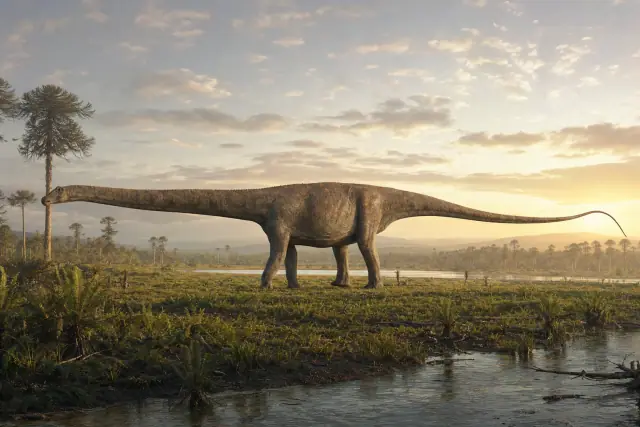
Diplodocus carnegii
A whip-like tail balanced an extremely long neck on this lightly built giant.
Western North America
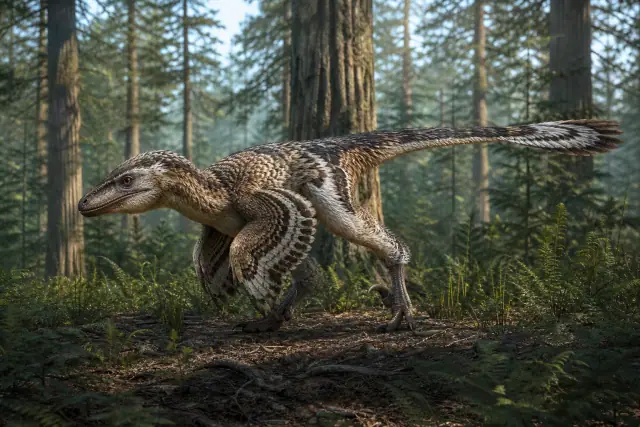
Deinonychus antirrhopus
A stiff tail, grasping hands and enlarged foot claw made an agile feathered hunter.
Western North America
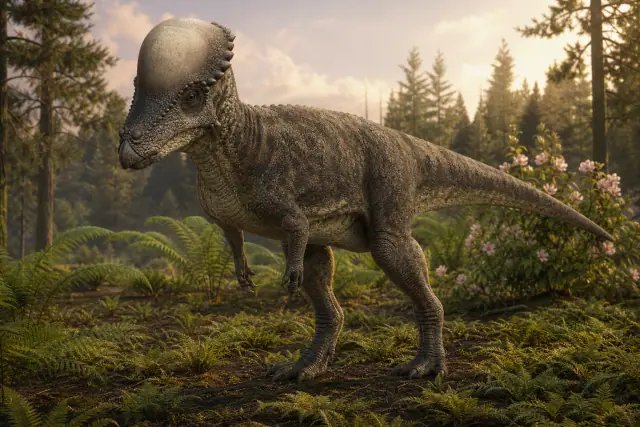
Pachycephalosaurus wyomingensis
A thick dome of bone crowned the skull of this two-legged herbivore.
Western North America
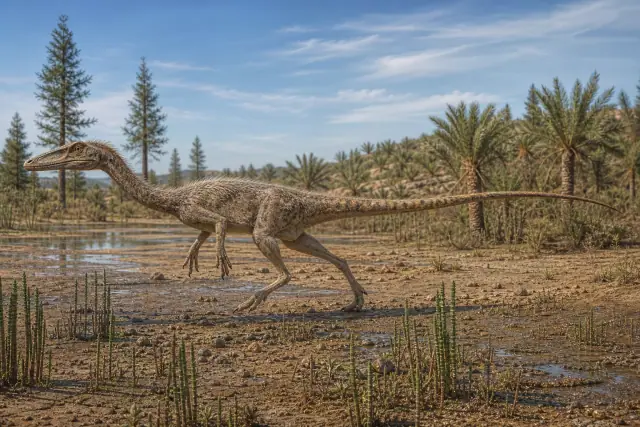
Coelophysis bauri
Coelophysis was a slender, two-legged theropod from the Late Triassic. Many skeletons occur together at Ghost Ranch in New Mexico.
Southwestern North America
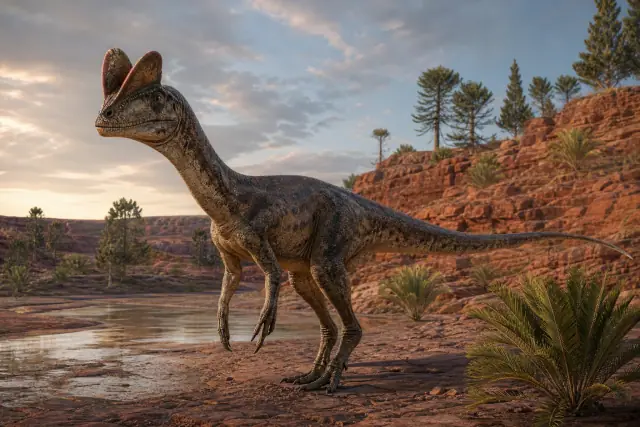
Dilophosaurus wetherilli
Dilophosaurus wetherilli was a large Early Jurassic predator from northern Arizona. Two thin crests on its skull gave it its name.
Southwestern North America
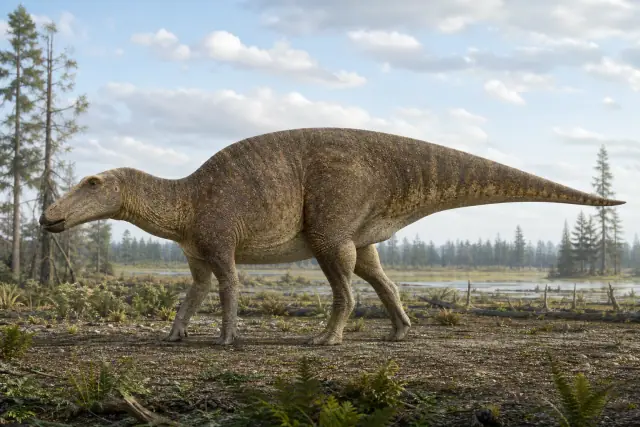
Edmontosaurus annectens
A broad duck bill and dense dental batteries processed huge amounts of vegetation.
Western North America
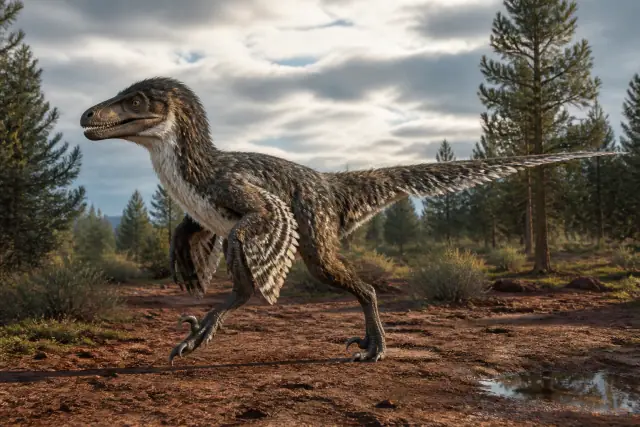
Utahraptor ostrommaysorum
This huge, robust dromaeosaur used strength and a curved second-toe claw to control prey.
Western North America · Present-day Utah
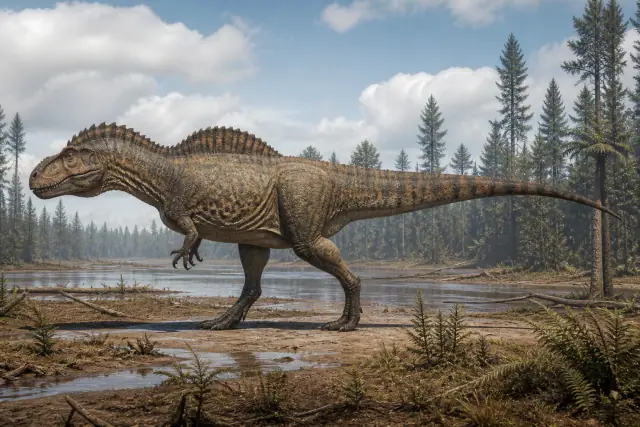
Acrocanthosaurus atokensis
Tall neural spines along the neck and back supported a muscular ridge rather than a paper-thin sail.
River plains and open woodland · North America
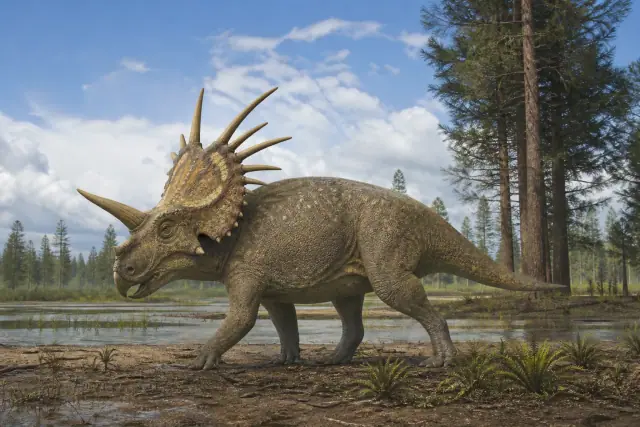
Styracosaurus albertensis
A huge nasal horn and long spikes radiating from the frill made one of the most dramatic ceratopsian heads.
Coastal plains · Alberta, Canada
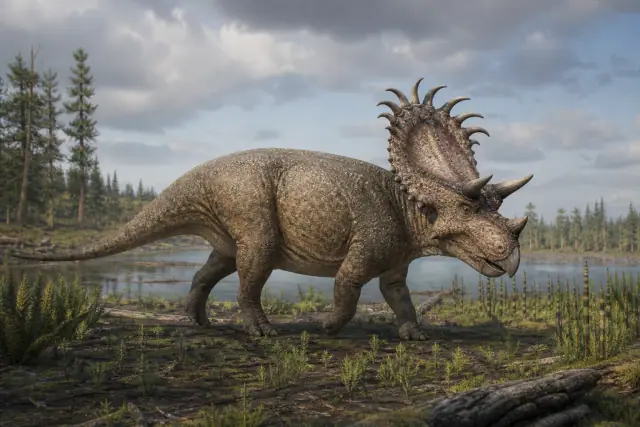
Kosmoceratops richardsoni
Fifteen horn-like ornaments across the nose, brows and broad frill formed a folded crown around the skull.
Island coastal plain · Utah, USA
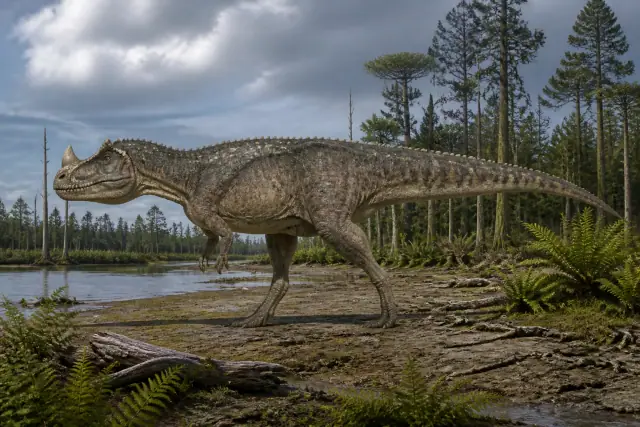
Ceratosaurus nasicornis
A nasal horn, brow ridges and small midline osteoderms made this predator unmistakable.
River plains · North America
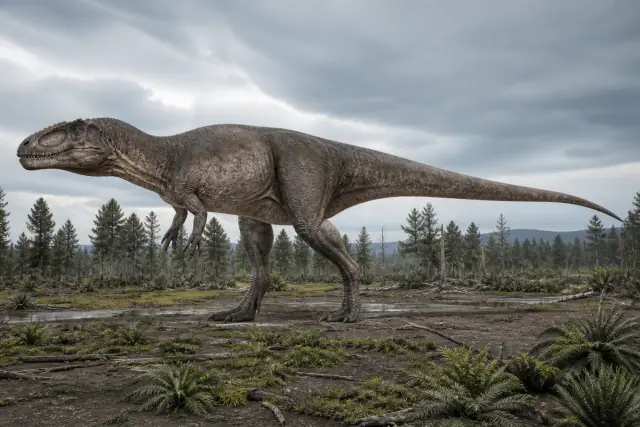
Torvosaurus tanneri
A huge skull and unusually powerful three-fingered arms marked one of the largest megalosaurids.
River plains and open woodland · North America
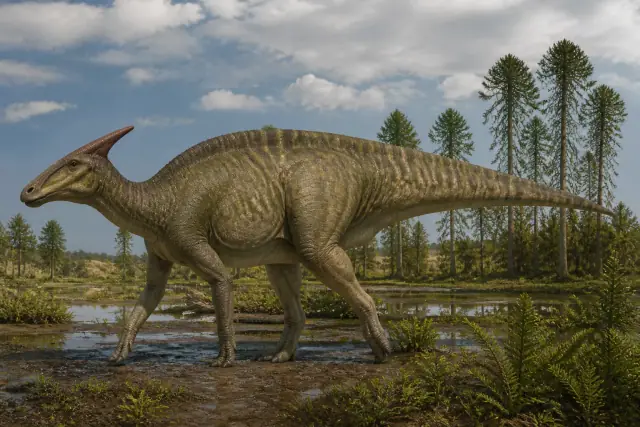
Saurolophus osborni
A solid spike-like crest projected behind the skull and probably carried a strong visual signal.
River plains · Alberta, Canada
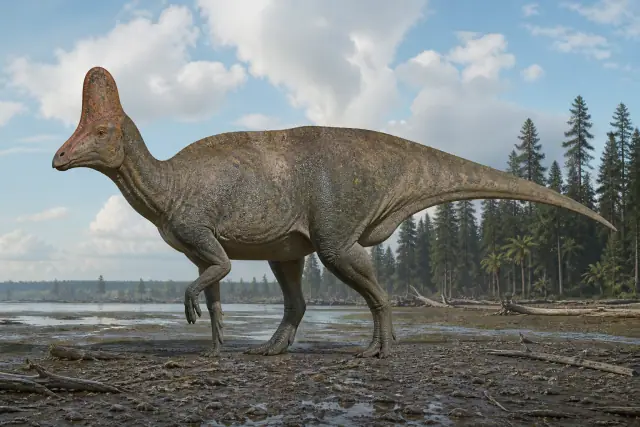
Corythosaurus casuarius
A helmet-shaped hollow crest contained looping nasal passages that could shape resonant calls.
Coastal plains · Alberta, Canada
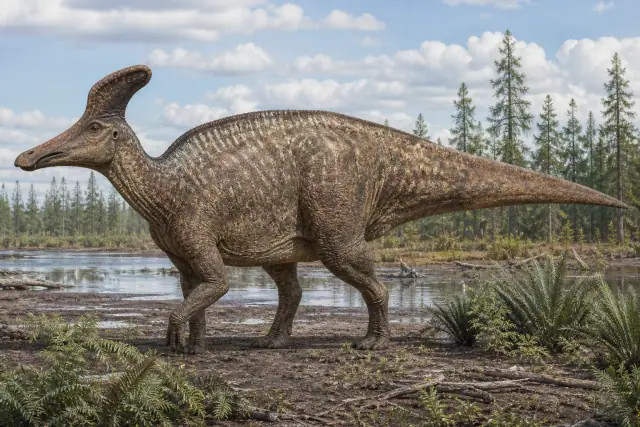
Lambeosaurus lambei
Its hatchet-shaped hollow crest changed dramatically as the animal matured.
Rivers and coastal forests · Alberta, Canada
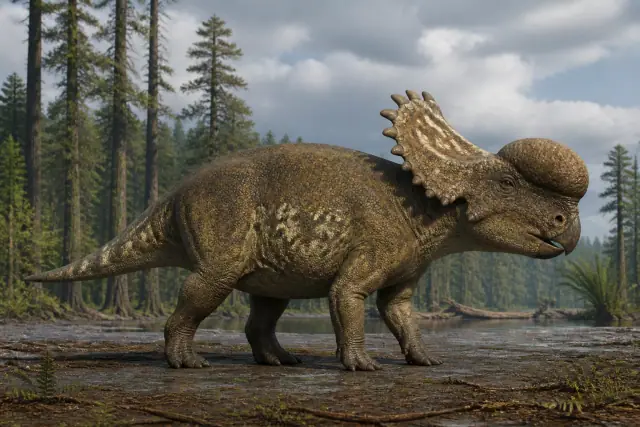
Pachyrhinosaurus canadensis
A massive nasal boss replaced the long horn seen in many ceratopsians.
High-latitude river plains · Western Canada
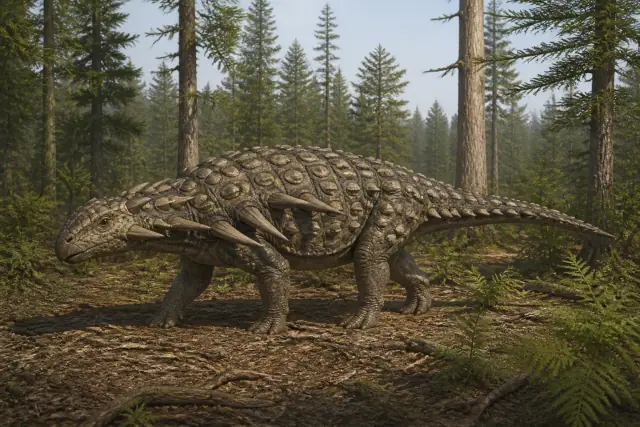
Sauropelta edwardsorum
Long shoulder spikes and dense armor protected one of the largest nodosaurids.
River forests and open plains · North America
No. The records span different Mesozoic intervals and habitats. Compare each profile’s age and locality before combining animals into one ecosystem.