04Paleozoic
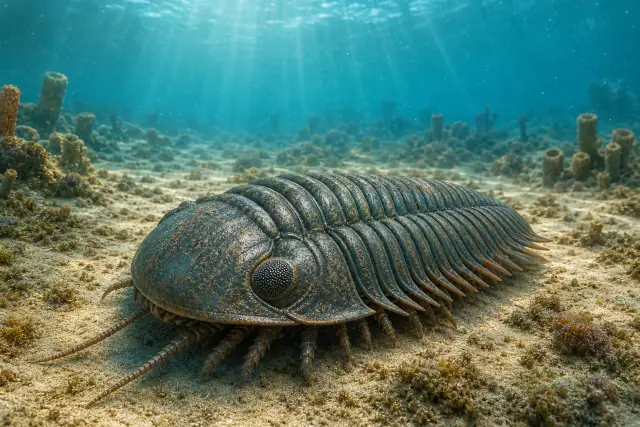
Trilobites
Trilobita
They occupied seafloors for nearly 300 million years, and their compound eyes preserve secrets of early vision.
 EXTINCT ATLASEXTINCT LIFE ARCHIVEBack to archive
Period · 443.1–419.62 million years ago
Explore sea scorpions, early jawed fishes and small land plants in the Silurian fossil record.
Ecosystems recovered after the end-Ordovician extinction. Reefs and fishes diversified while plants developed more complex structures on land. This did not instantly produce forests: small branching plants and aquatic arthropods show distinct stages in the development of coastal and terrestrial ecosystems.
Trilobita
They occupied seafloors for nearly 300 million years, and their compound eyes preserve secrets of early vision.
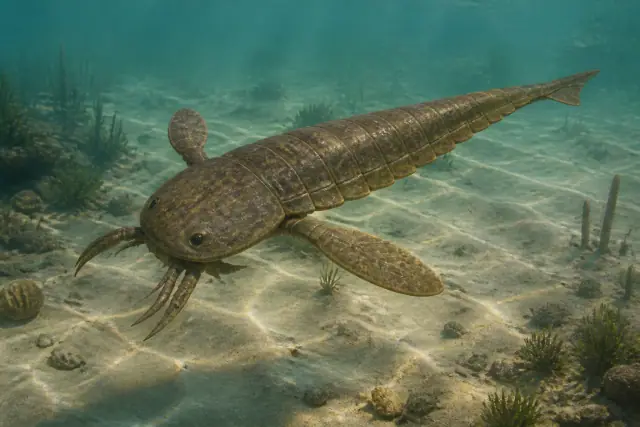
Eurypterus remipes
Paddle-shaped hind limbs carried this sea scorpion through shallow coastal water.
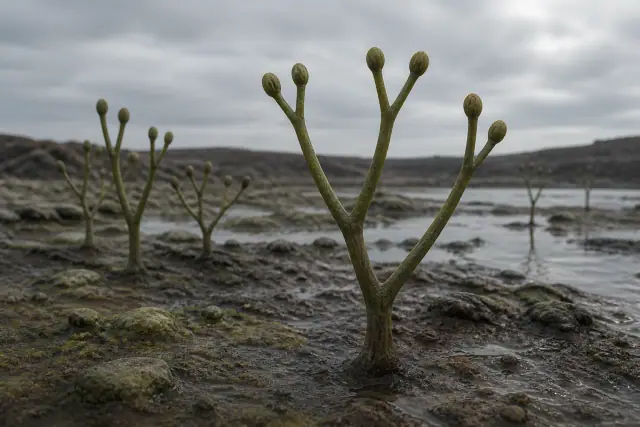
Cooksonia pertoni
Leafless stems only centimeters tall held spore capsules at their tips, marking an early step inland.
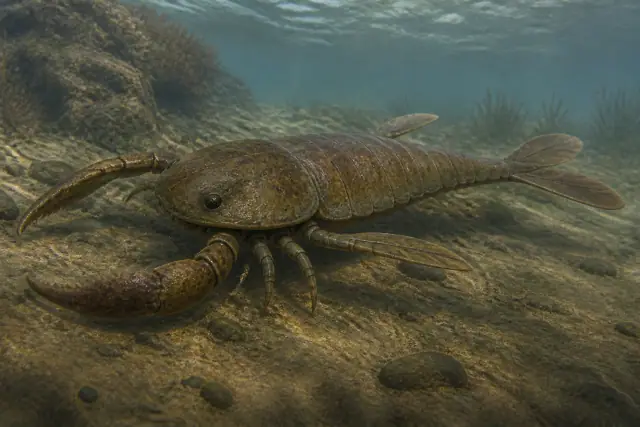
Pterygotus anglicus
Flattened swimming paddles and great toothed claws made it a formidable hunter in Silurian water.
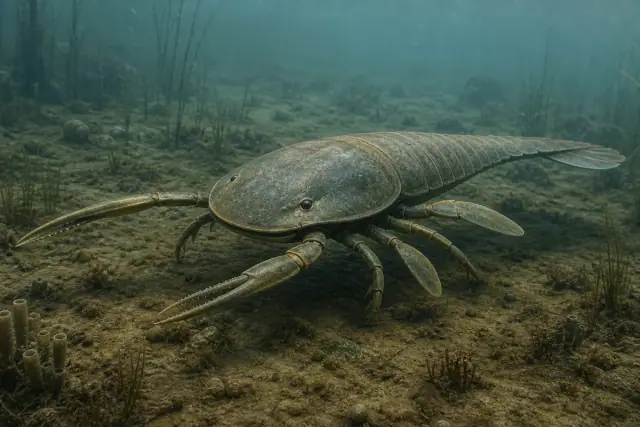
Acutiramus cummingsi
Its long pincers carried slanting blades suited to holding or slicing soft prey.
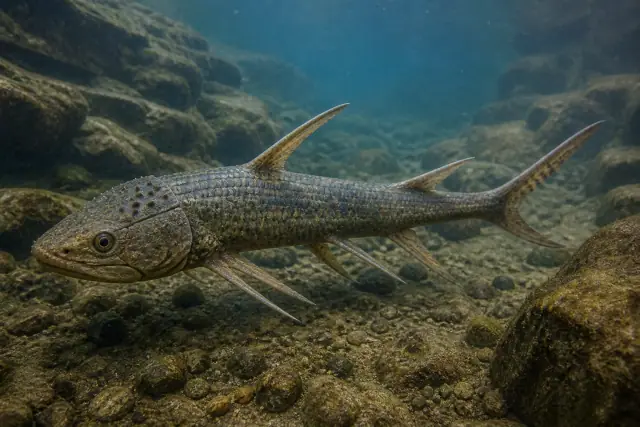
Climatius reticulatus
Rows of paired ventral spines formed a defensive fence beneath this small early jawed fish.
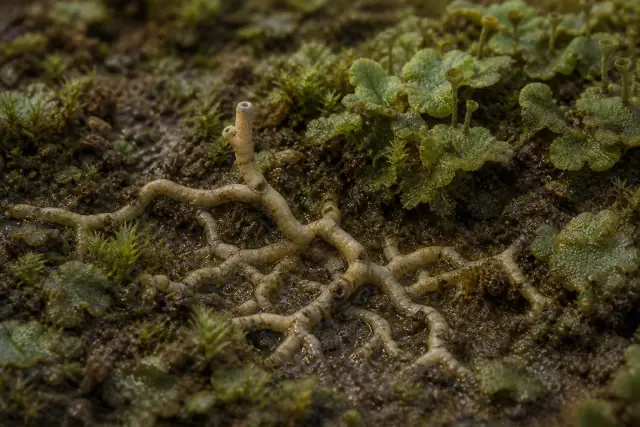
Tortotubus protuberans
Branching microscopic hyphae show fungi helping to build the earliest soils.
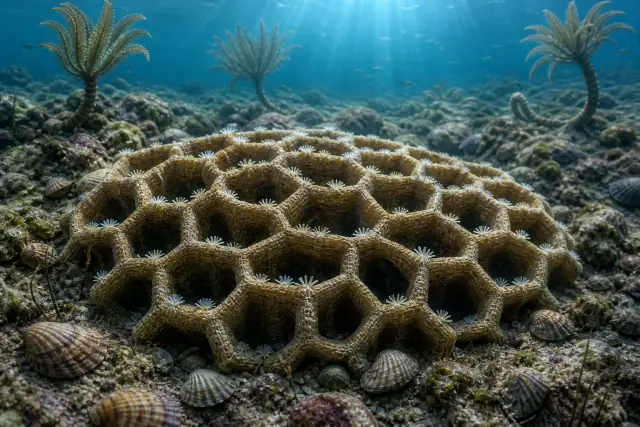
Halysites catenularius
Linked tubes formed honeycomb chains across Paleozoic reefs.
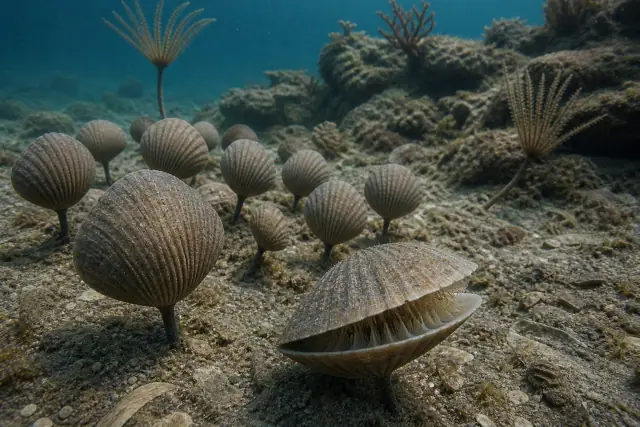
Atrypa reticularis
Fine radial ribs covered rounded shells that once crowded ancient seabeds.
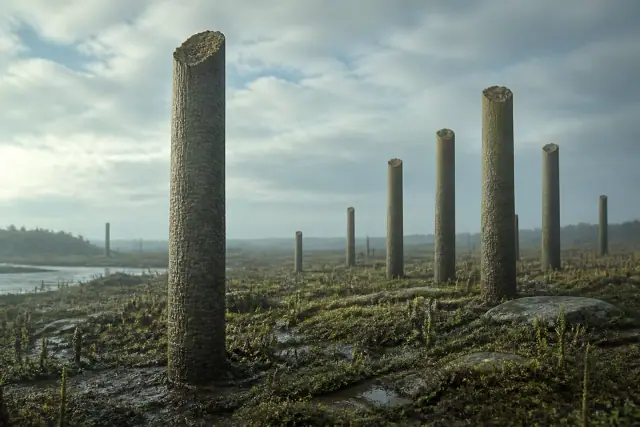
Prototaxites dawsonii
Meter-high columns towered over landscapes of otherwise low vegetation.
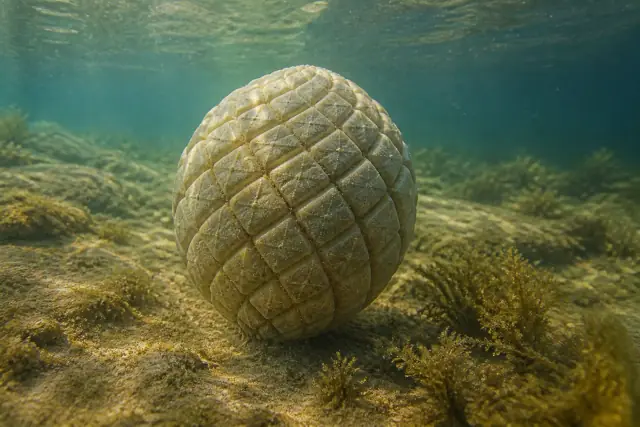
Receptaculites oweni
Spiraled diamond plates formed a calcified pinecone-like body.
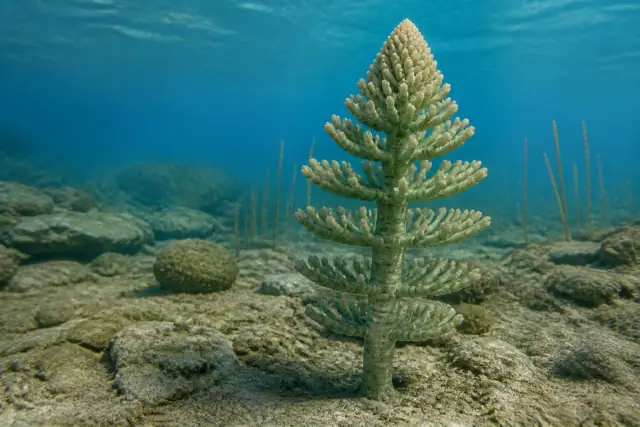
Cyclocrinites dactioloides
Whorled calcified branches surrounded a central axis like an underwater bottlebrush.
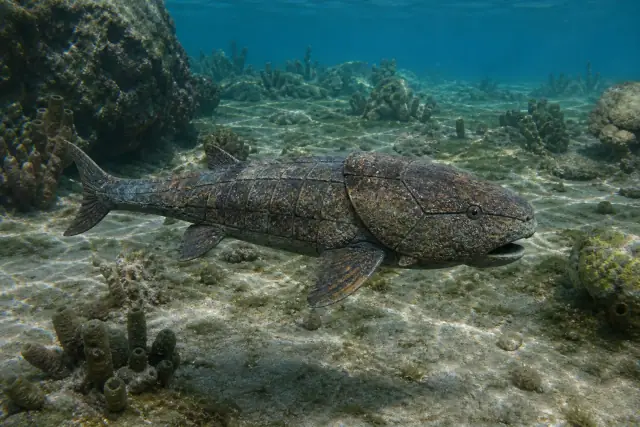
Entelognathus primordialis
Placoderm armor enclosed jaw-margin bones resembling those of later bony fish.
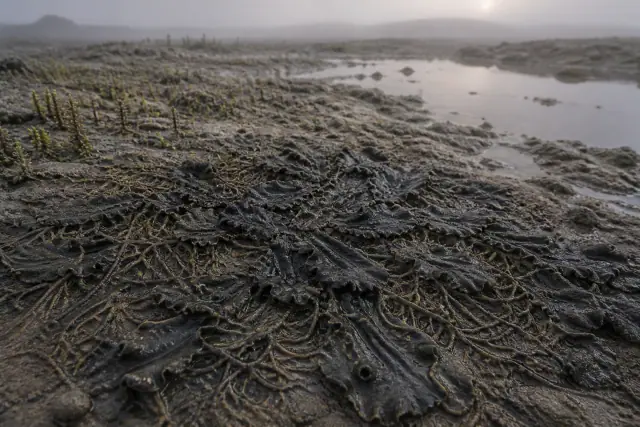
Nematothallus
Carbonized cell sheets and tangled tubes came from an enigmatic early terrestrial organism.