01Cenozoic
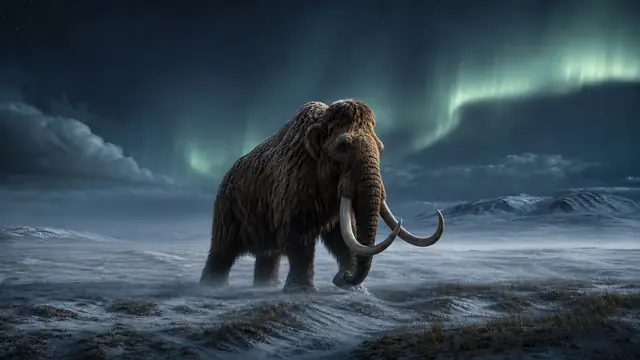
Woolly Mammoth
Mammuthus primigenius
They lived not on endless ice, but in a wind-shaped grassland ecosystem.
 EXTINCT ATLASEXTINCT LIFE ARCHIVEBack to archive
Epoch · Quaternary · 11,700 years ago–present
Follow lost island animals, surviving Ice Age lineages and historically documented extinctions from the Holocene to today.
The Holocene began about 11,700 years ago and continues today. ‘Recently Extinct’ is an editorial collection within this span, not a geological era. Archaeology and historical records complement fossils; last sightings can differ from actual extinction dates.
Mammuthus primigenius
They lived not on endless ice, but in a wind-shaped grassland ecosystem.
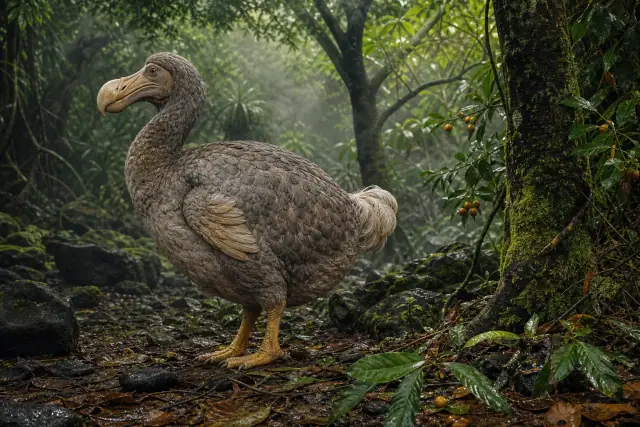
Raphus cucullatus
A flightless Mauritian pigeon, about 70 cm tall and typically estimated at 10–14 kg. Compare its size, surviving evidence and extinction history.
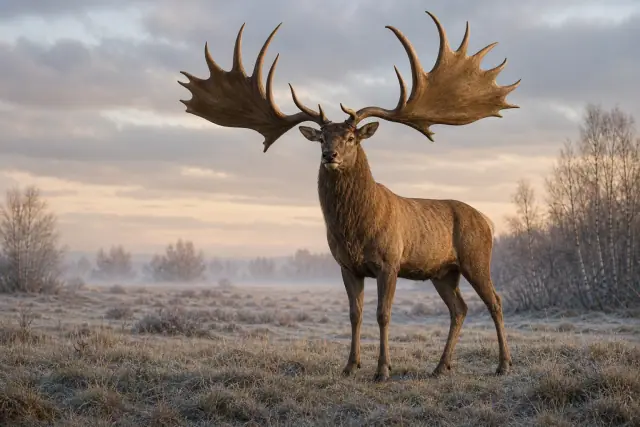
Megaloceros giganteus
The largest deer antlers known were seasonal structures for display and competition.
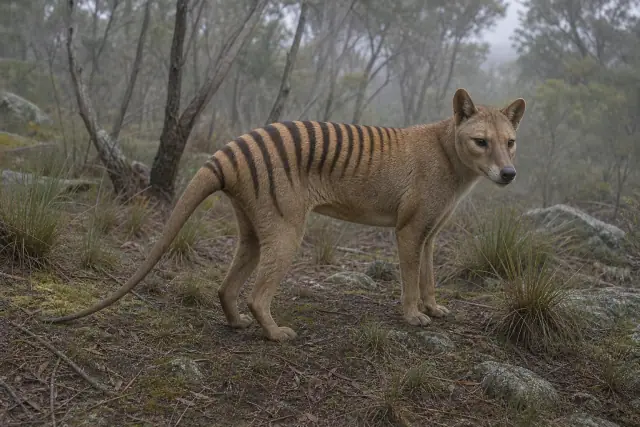
Thylacinus cynocephalus
Australia’s striped marsupial predator survived longest in Tasmania.
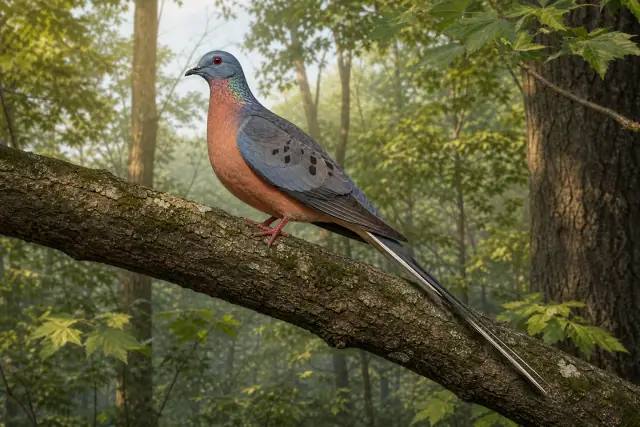
Ectopistes migratorius
Flocks once darkened the sky, yet abundance could not protect a species dependent on immense colonies.
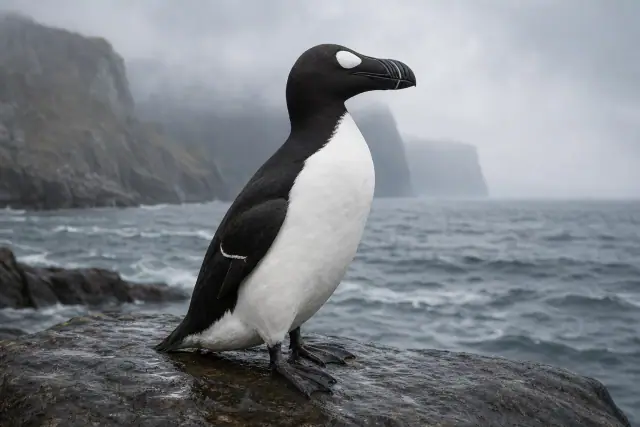
Pinguinus impennis
This flightless North Atlantic seabird used its wings as powerful underwater paddles.
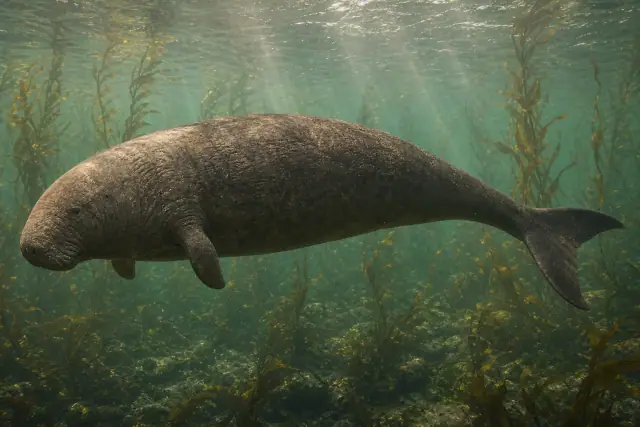
Hydrodamalis gigas
This enormous, slow sirenian grazed kelp in cold shallow water.
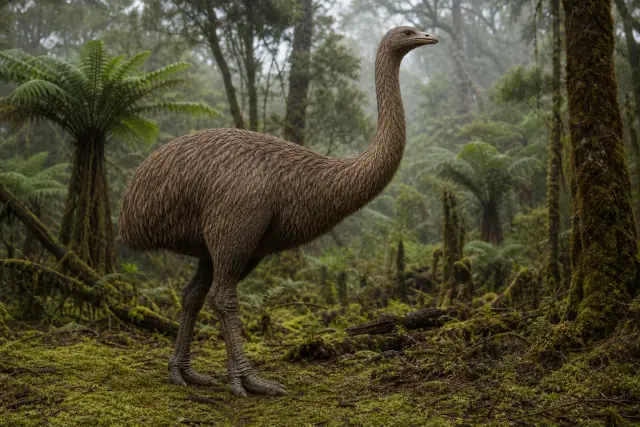
Dinornis robustus
One of the tallest birds ever known browsed forests without wings of any kind.
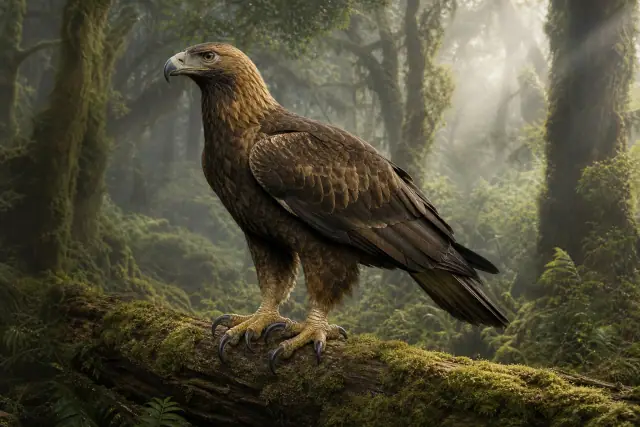
Hieraaetus moorei
The largest known eagle evolved to strike moa many times its own weight.
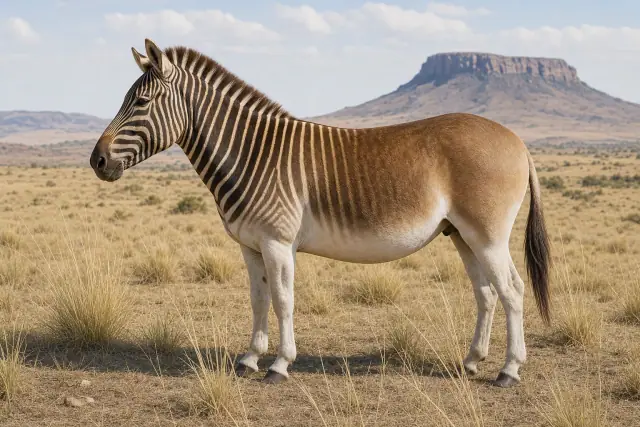
Equus quagga quagga
This plains zebra had bold stripes in front fading into a plain brown rear body.
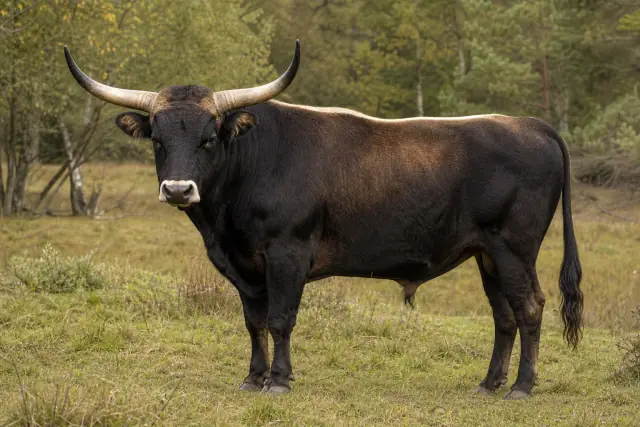
Bos primigenius
The powerful wild ancestor of domestic cattle once ranged across three continents.
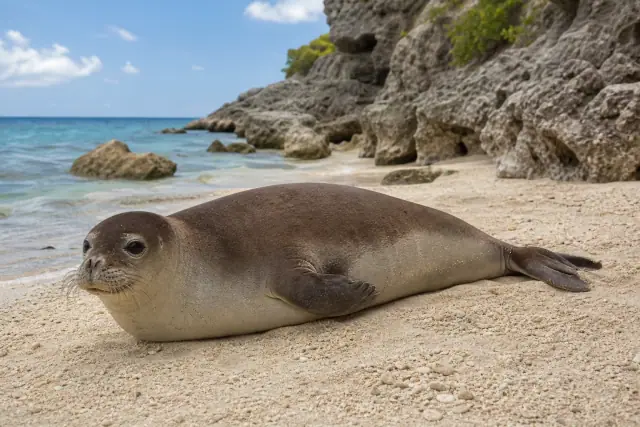
Neomonachus tropicalis
The only seal endemic to the Caribbean rested and bred on warm sandy shores.
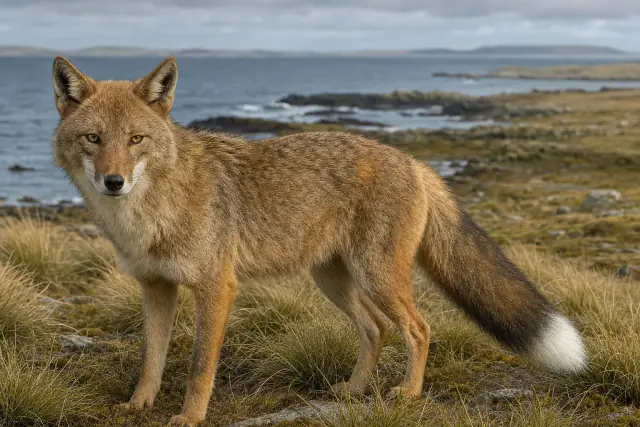
Dusicyon australis
This unusually tame island canid was the Falklands’ only native land mammal.
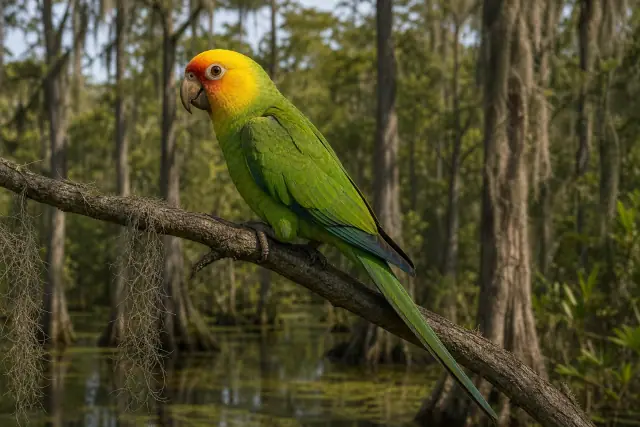
Conuropsis carolinensis
Bright green flocks once made this the only parrot native to the eastern United States.
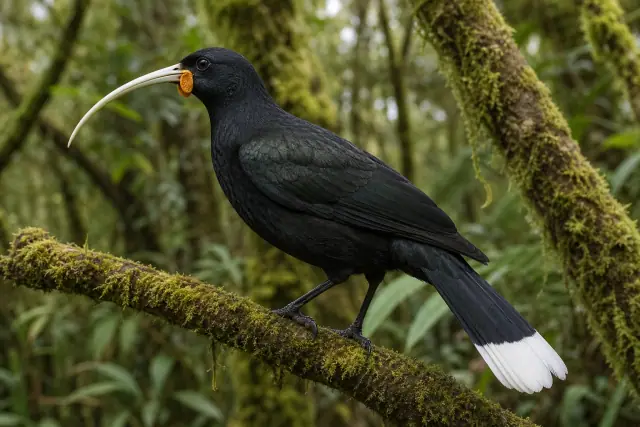
Heteralocha acutirostris
Males and females had dramatically different bills but foraged as a pair.
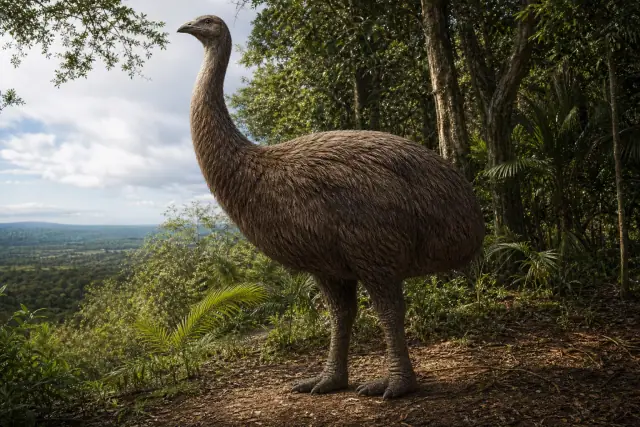
Aepyornis maximus
These massive flightless birds laid the largest eggs known from any vertebrate.
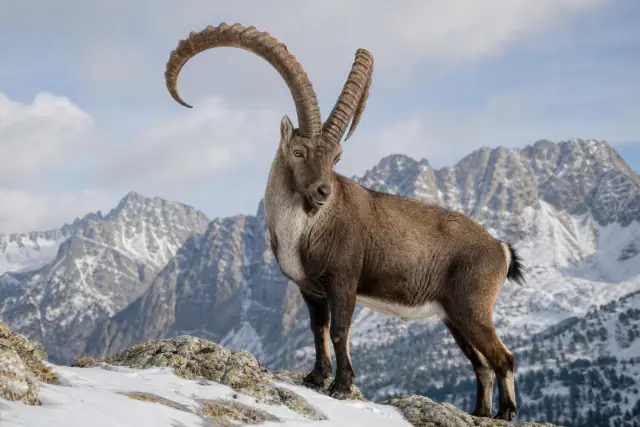
Capra pyrenaica pyrenaica
The bucardo was the first extinct animal briefly brought back as a clone—and the first to go extinct twice.
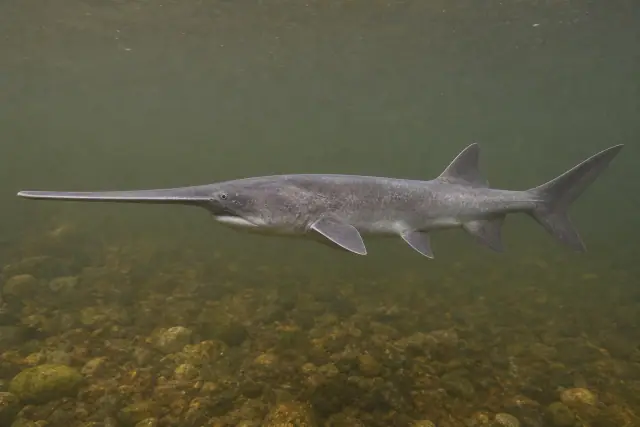
Psephurus gladius
One of the world’s largest freshwater fish migrated the length of the Yangtze.
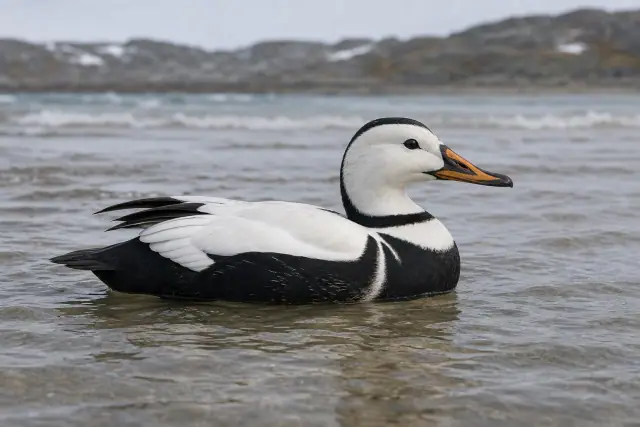
Camptorhynchus labradorius
This small sea duck had a specialized bill for feeding in shallow coastal water.
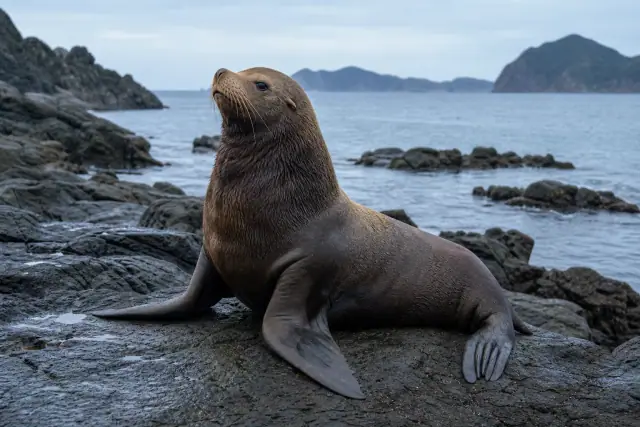
Zalophus japonicus
This large coastal sea lion bred on rocky islands across the Sea of Japan.
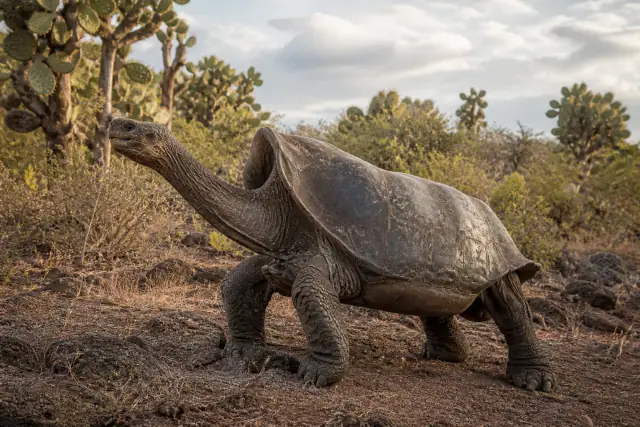
Chelonoidis abingdonii
A saddle-backed shell and long neck reached high vegetation; the last known individual died in 2012.
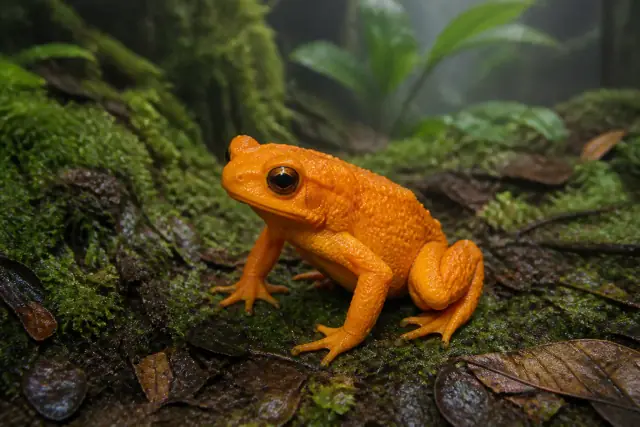
Incilius periglenes
Brilliant orange males gathered briefly each rainy season within a tiny highland range.
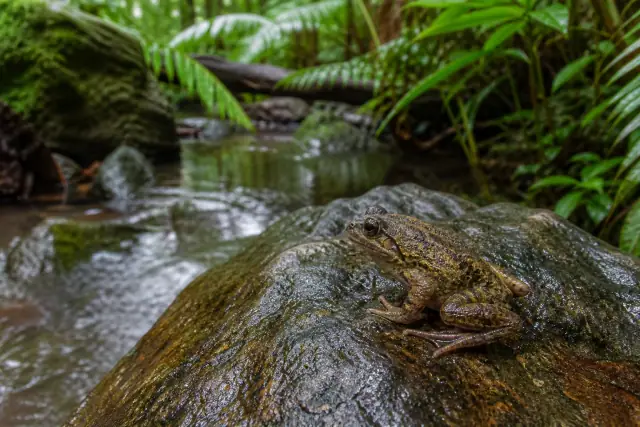
Rheobatrachus silus
Females swallowed fertilized eggs, suppressed stomach acid and released developed froglets from the mouth.
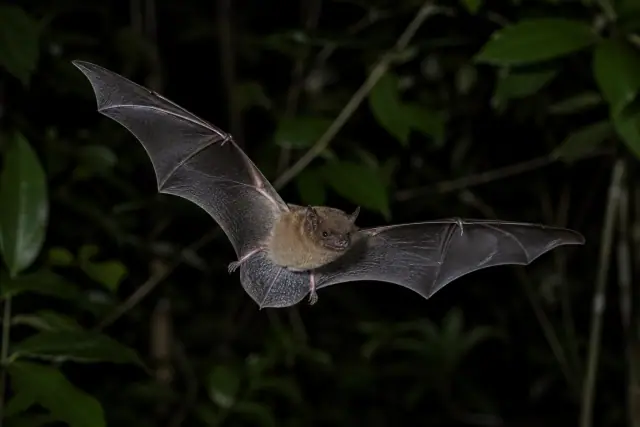
Pipistrellus murrayi
This palm-sized insect bat fell from island-wide abundance to a final acoustic signal in 2009.