 EXTINCT ATLASEXTINCT LIFE ARCHIVE
EXTINCT ATLAS / QUESTIONS
Extinct animals, answered.
Why did they disappear? Did we ever meet them? Follow the evidence behind the questions we ask about vanished life.
28 questions · Updated 2026-09-22. Topics include traceable historical Quora questions and editorial additions. Current popularity data is unavailable; this is not a frequency ranking. Answers are independently written with scientific sources.
Movement & speed
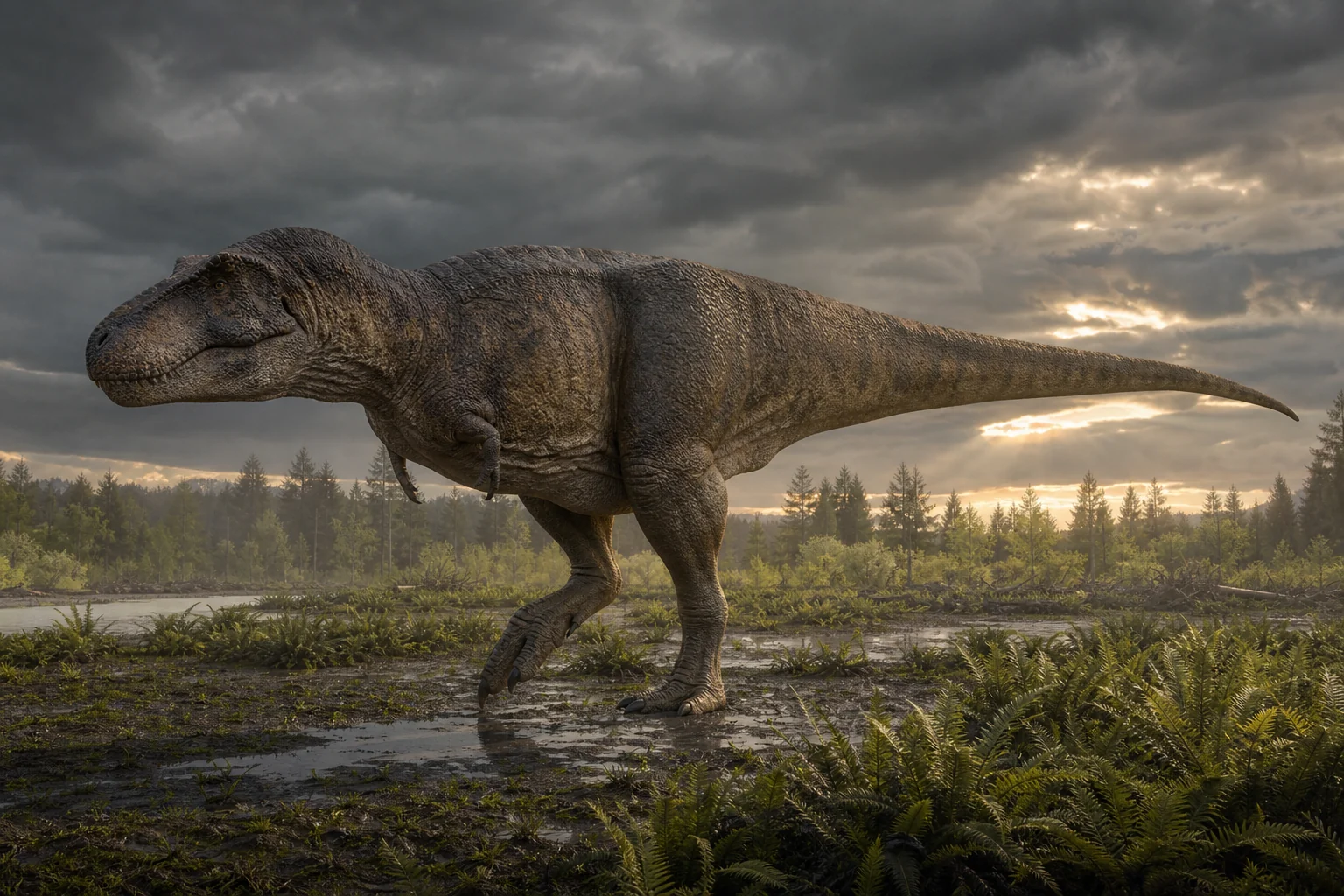
Could T. rex Swim? Evidence and Scientific Limits
T. rex may have been able to swim, but its performance is uncertain. A buoyancy model supports floating with its head above water; that does not establish swimming speed, endurance or underwater hunting.
Read the answer ↗How Fast Could T. rex Run? Speed Estimates Explained
There is no agreed top speed for an adult T. rex. Studies of muscle requirements and bone stress challenge fast running. A separate 2021 model estimated a preferred walking speed of about 4.6 km/h (2.9 mph), which is not a sprint limit.
Read the answer ↗Anatomy & classification
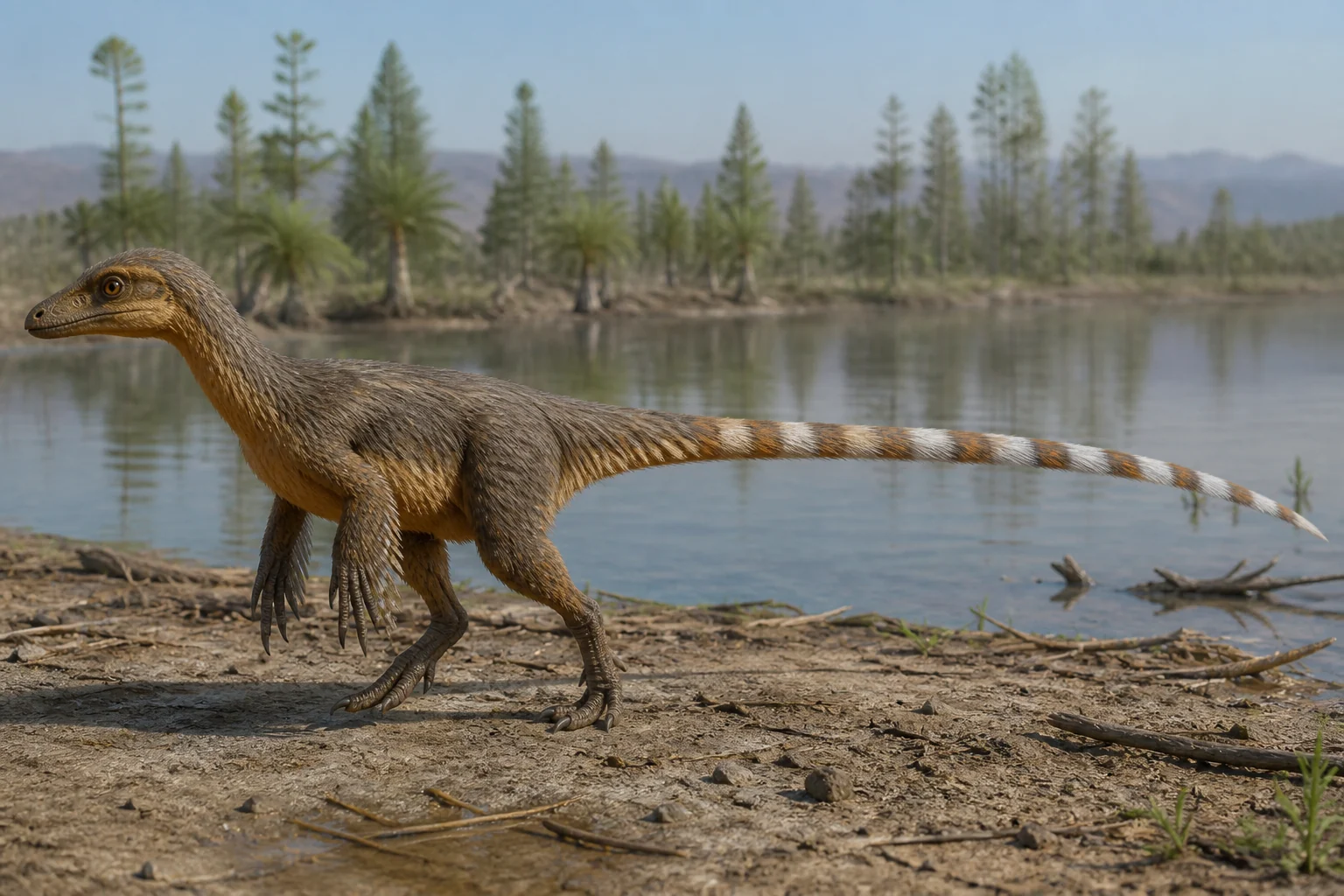
Did Dinosaurs Have Feathers? Fossils, Scales & Flight
Yes. Fossils show feathers or feather-like filaments in several dinosaur lineages, and birds are living feathered dinosaurs. That does not mean every extinct dinosaur was covered in plumage. Preserved feathers, scales and attachment marks answer different questions about particular animals.
Read the answer ↗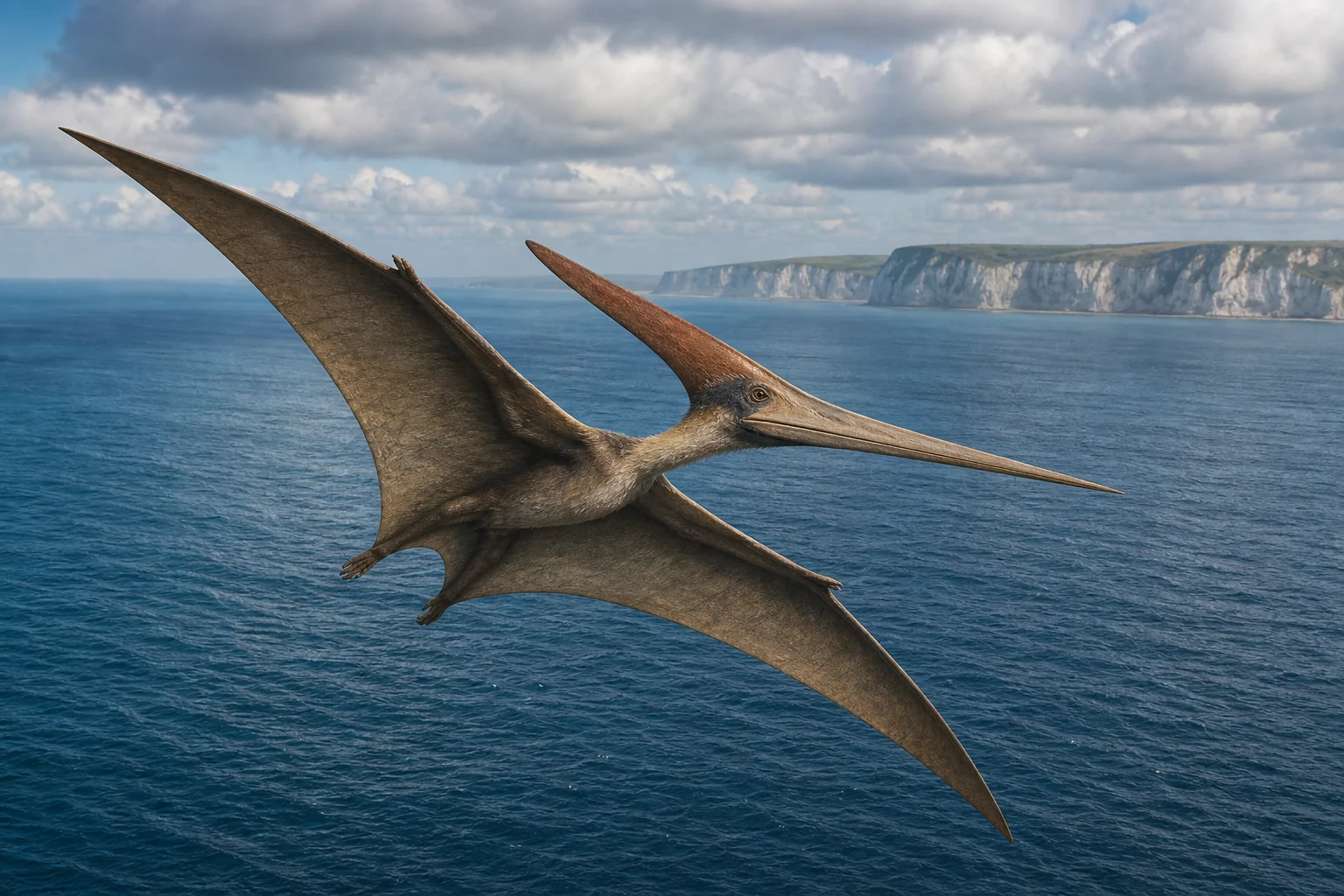
Are Pterosaurs Dinosaurs? Wings, Birds & Key Differences
No. Pterosaurs were flying reptiles on a separate branch of the archosaur family tree. Birds are dinosaurs; pterosaurs are their relatives. Pterosaur wings used a membrane supported mainly by an elongated fourth finger, whereas bird wings use feathers on a modified forelimb.
Read the answer ↗Did T. rex Have Feathers? Fossils, Scales & Evidence
T. rex had scales on preserved patches of skin. Feathers have not been directly demonstrated on a T. rex fossil, but feathered relatives make some plumage plausible. A completely feathered adult and a completely featherless life history both go beyond the available evidence.
Read the answer ↗Extinction & survival
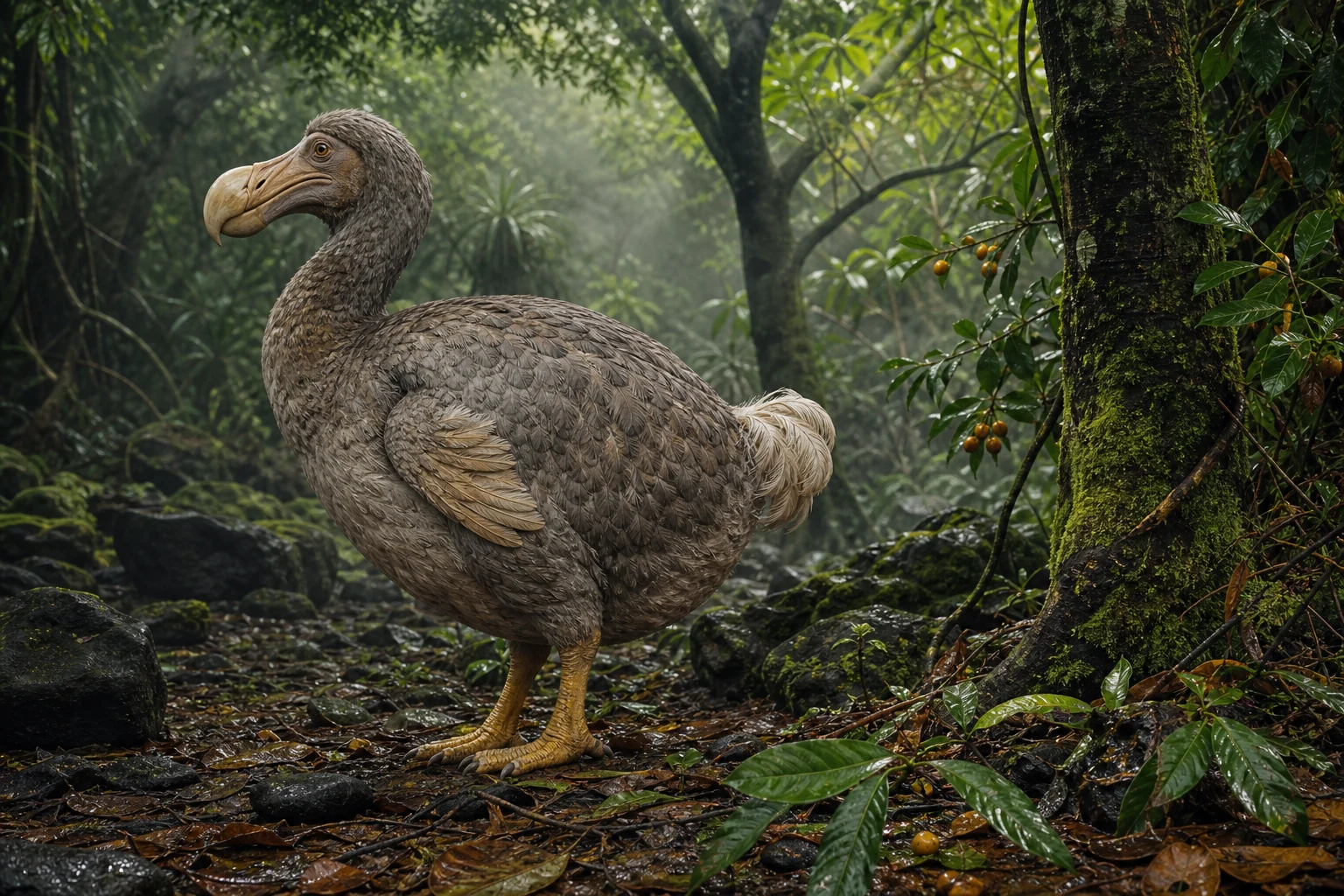
When and why did the dodo go extinct?
The last reliable sighting, uncertainty about the final date, hunting and introduced animals.
Read the answer ↗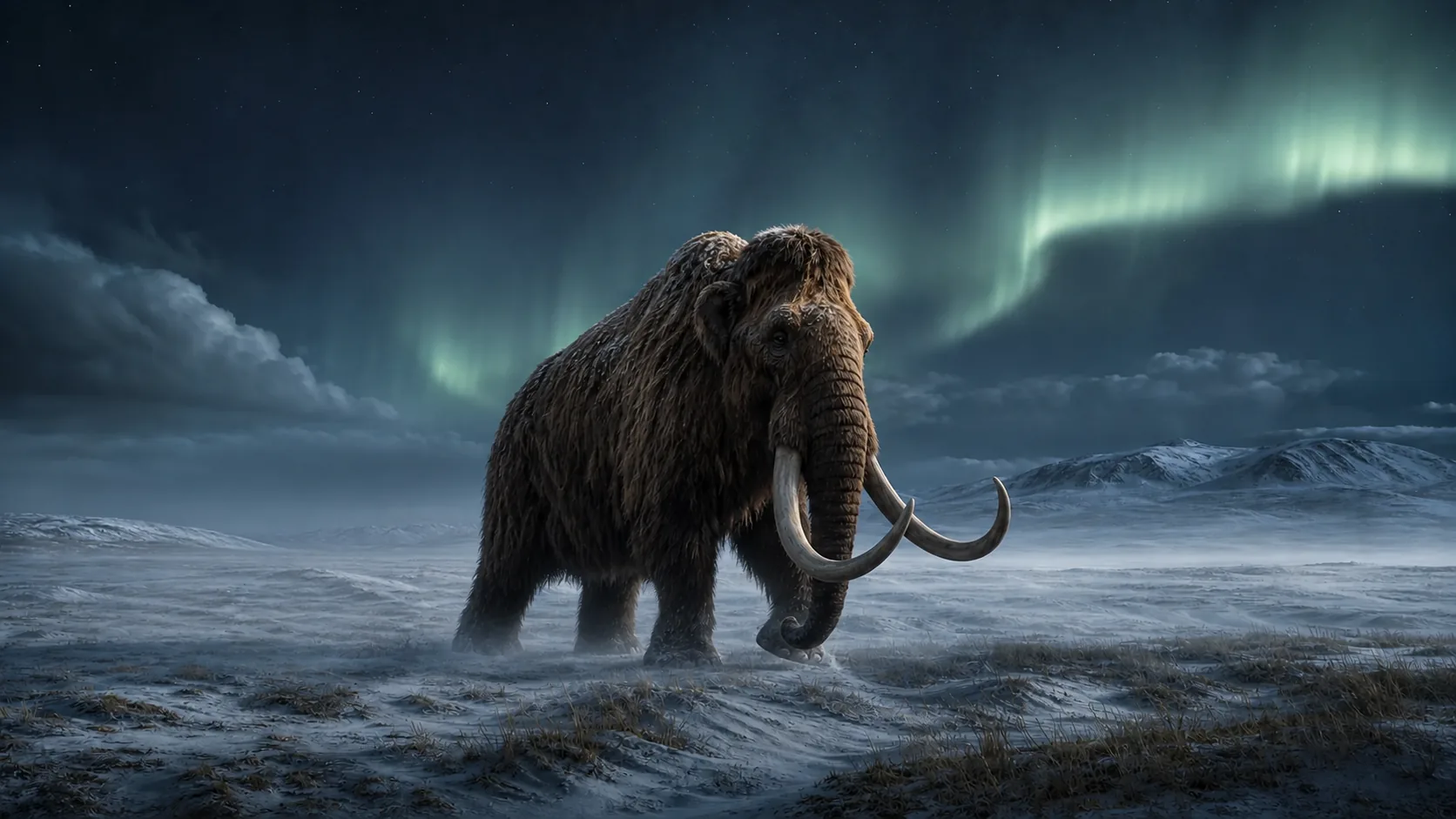
Why did woolly mammoths go extinct?
Climate, human pressure and the last island populations.
Read the answer ↗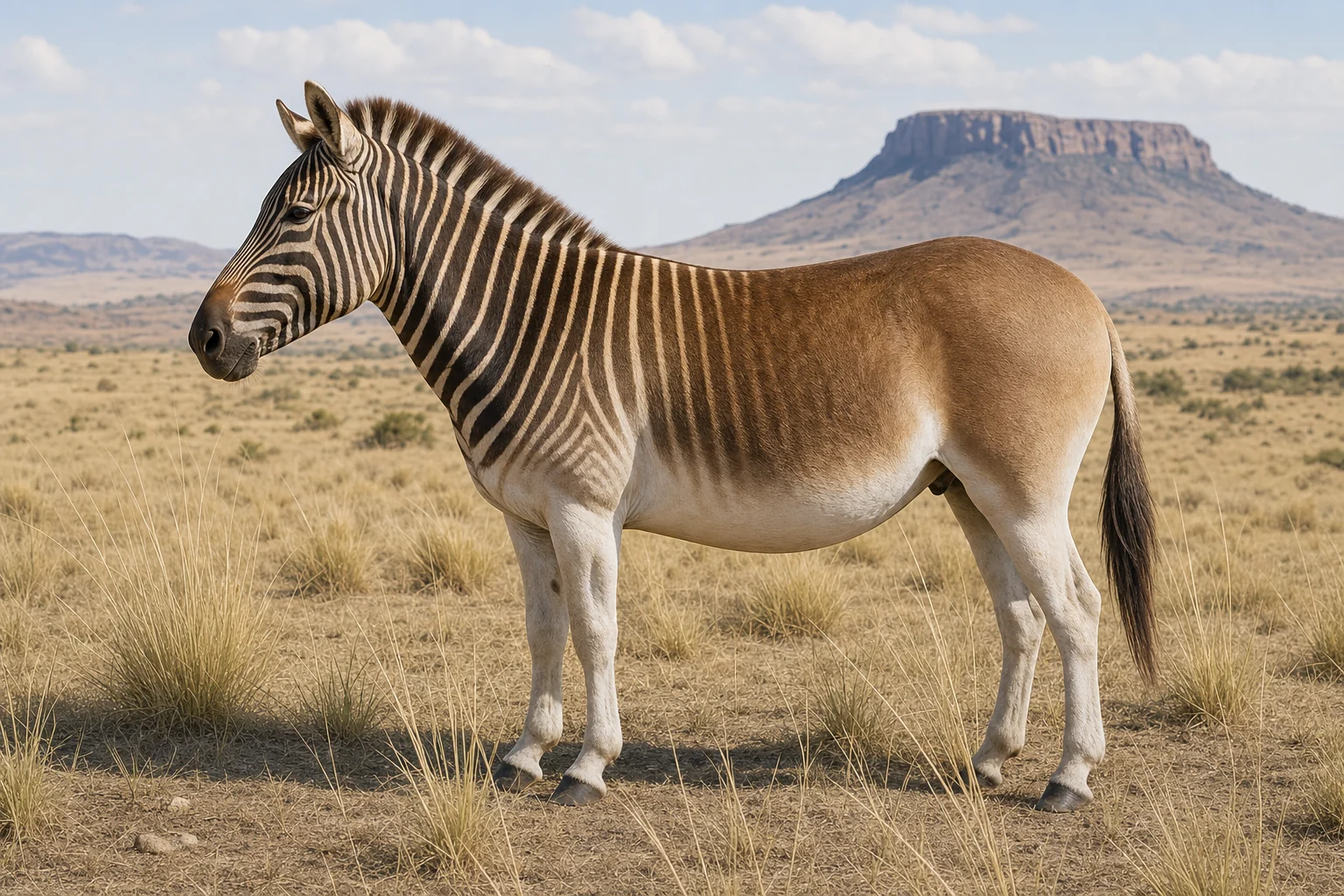
What are some of the most recently extinct animals?
Explore recent losses, with last-record dates kept distinct from extinction dates.
Read the answer ↗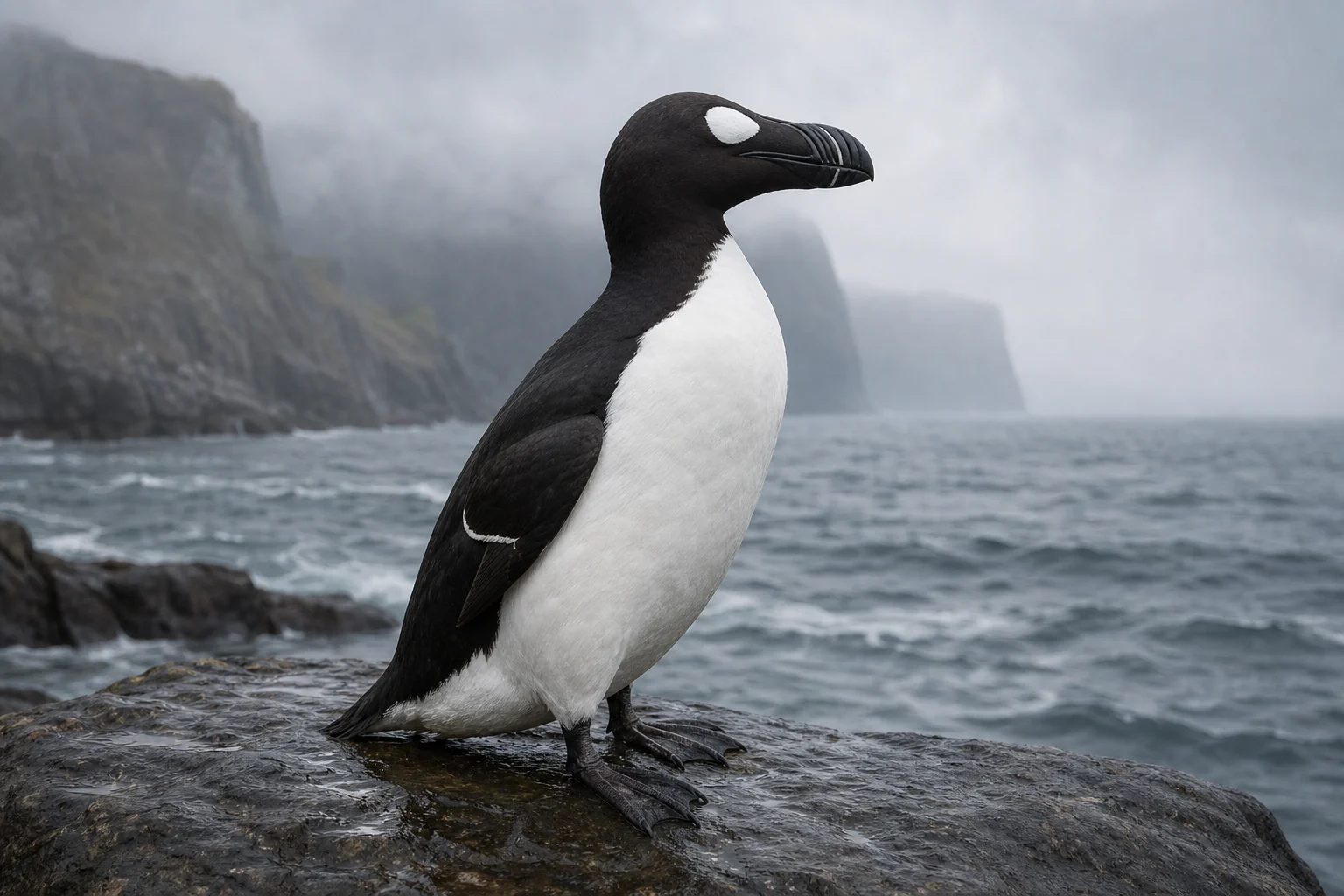
What animals went extinct because of humans?
Well-documented examples include the passenger pigeon, great auk, dodo and thylacine. Human pressure took different forms: commercial hunting, collecting, deliberate persecution, habitat change and introduced animals. These histories are most useful when compared by cause, rather than presented as a list in which every species was simply hunted away.
Read the answer ↗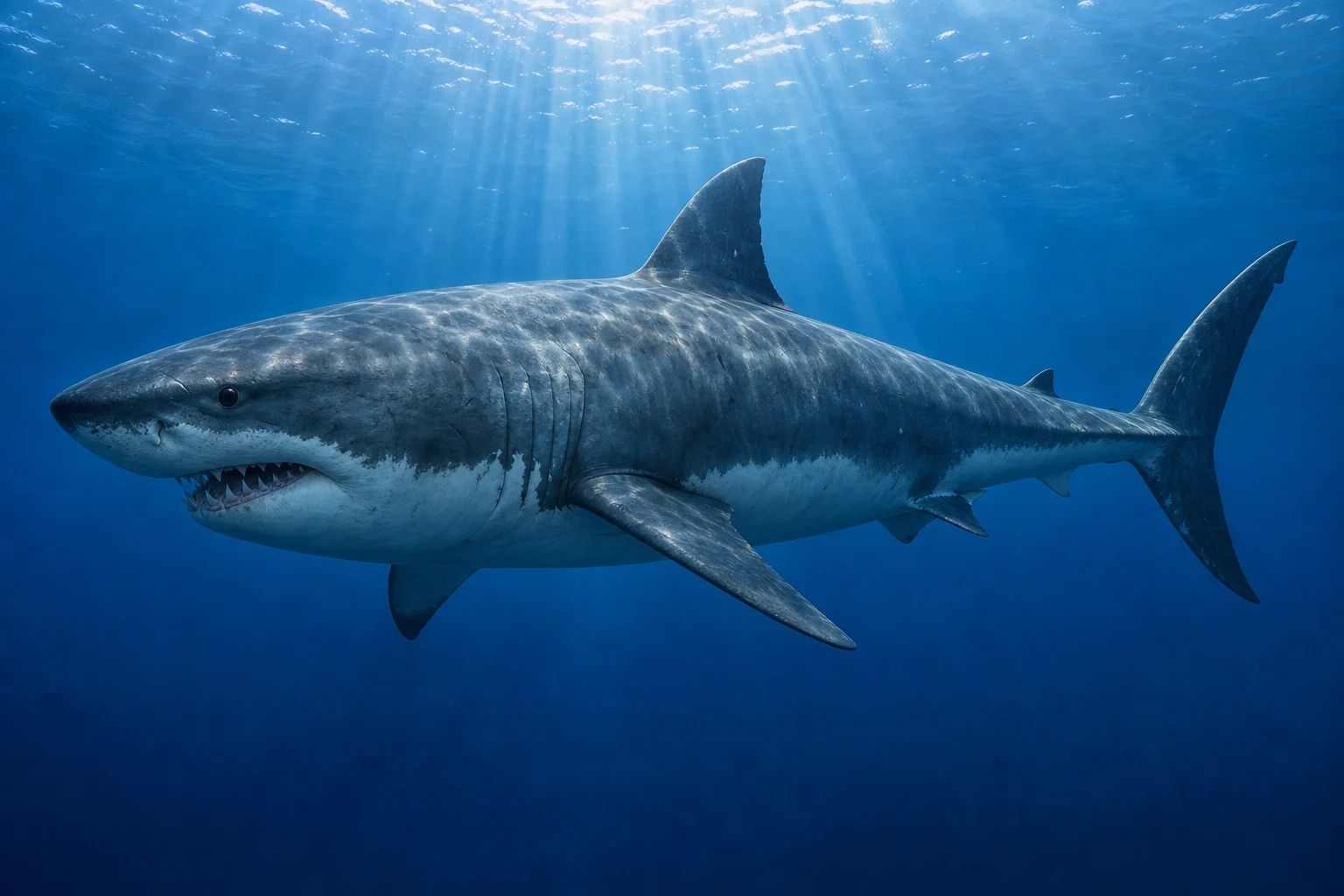
Is the megalodon really extinct?
Yes. Evidence supports extinction around 3.6 million years ago, and no living megalodon has been scientifically confirmed. Unexplored ocean does not itself provide evidence that this particular shark survives.
Read the answer ↗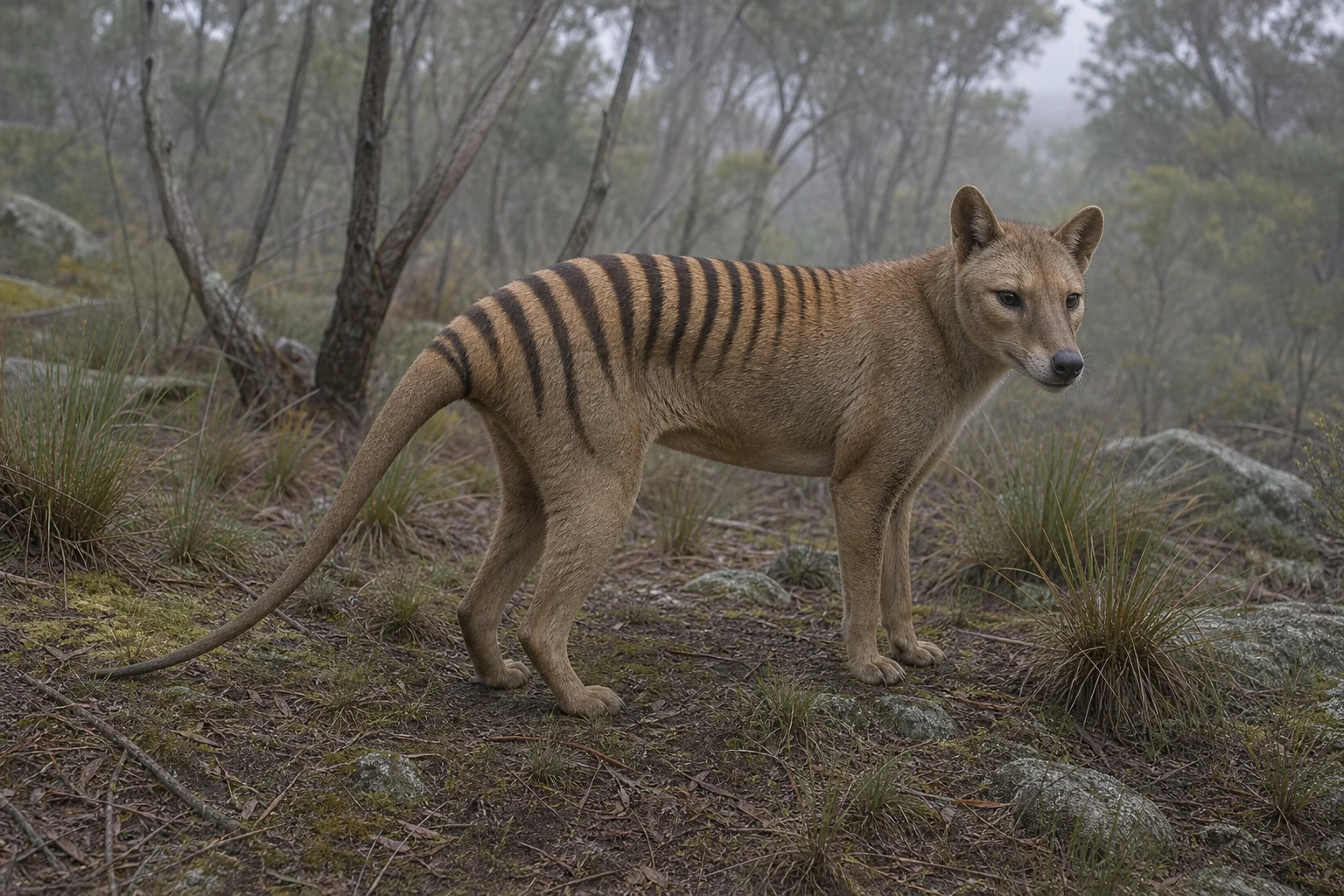
When did the thylacine go extinct?
The last known captive thylacine died in Hobart on 7 September 1936. That is the best-known historical milestone, not a verified death date for the last wild animal. No surviving population has been conclusively demonstrated.
Read the answer ↗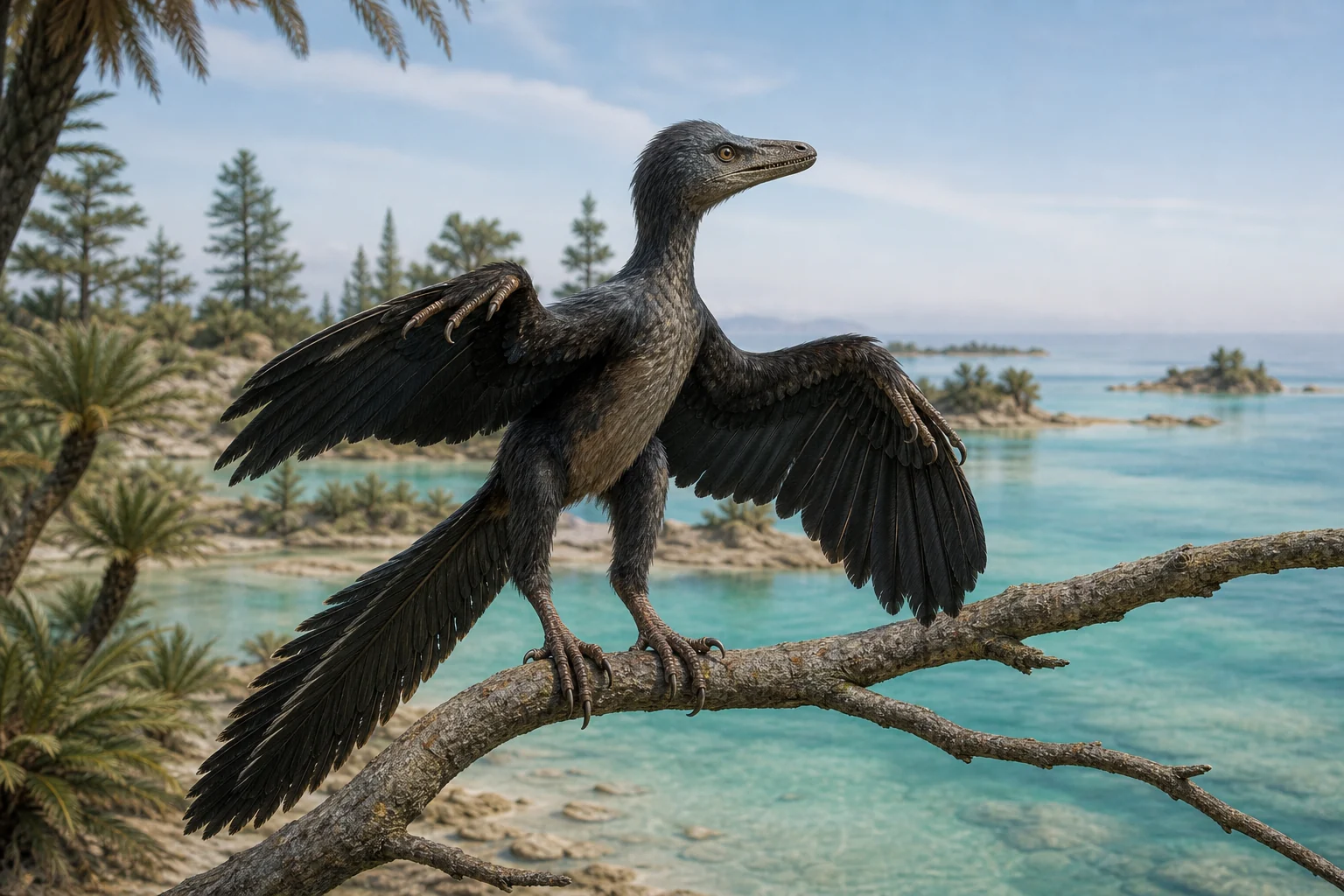
Why did birds survive the dinosaur extinction?
Birds are dinosaurs, and only some of their lineages survived the extinction about 66 million years ago. Small bodies, food options and less dependence on trees may have helped. Flight alone does not explain survival: many ancient birds disappeared too, and the relative importance of each factor remains debated.
Read the answer ↗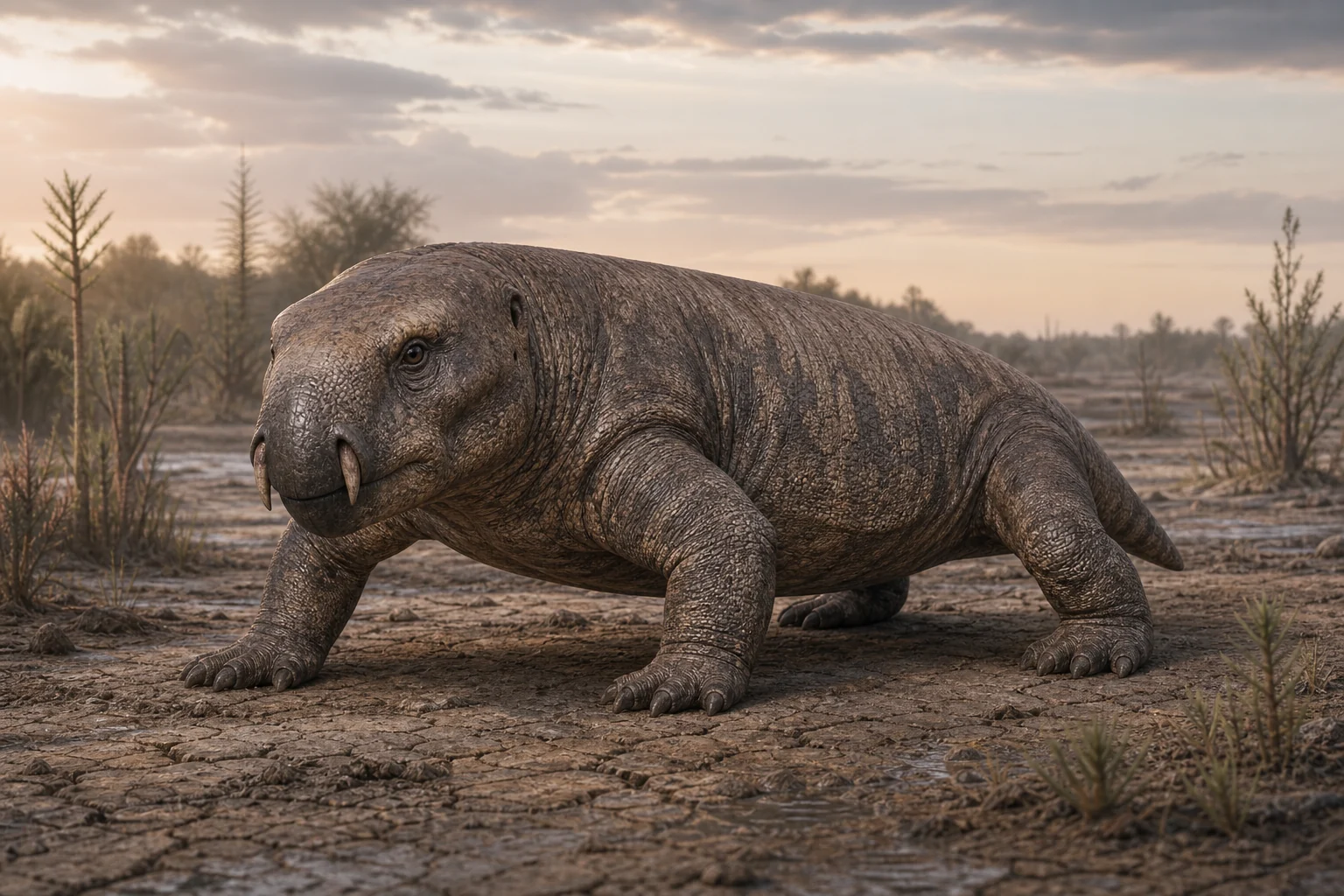
Animals That Survived Mass Extinction: Lineages & Evidence
Birds, mammals, turtles and crocodilian lineages survived the end-Cretaceous crisis. Survival concerns particular lineages across a dated boundary, not unchanged modern species.
Read the answer ↗Humans & prehistoric life
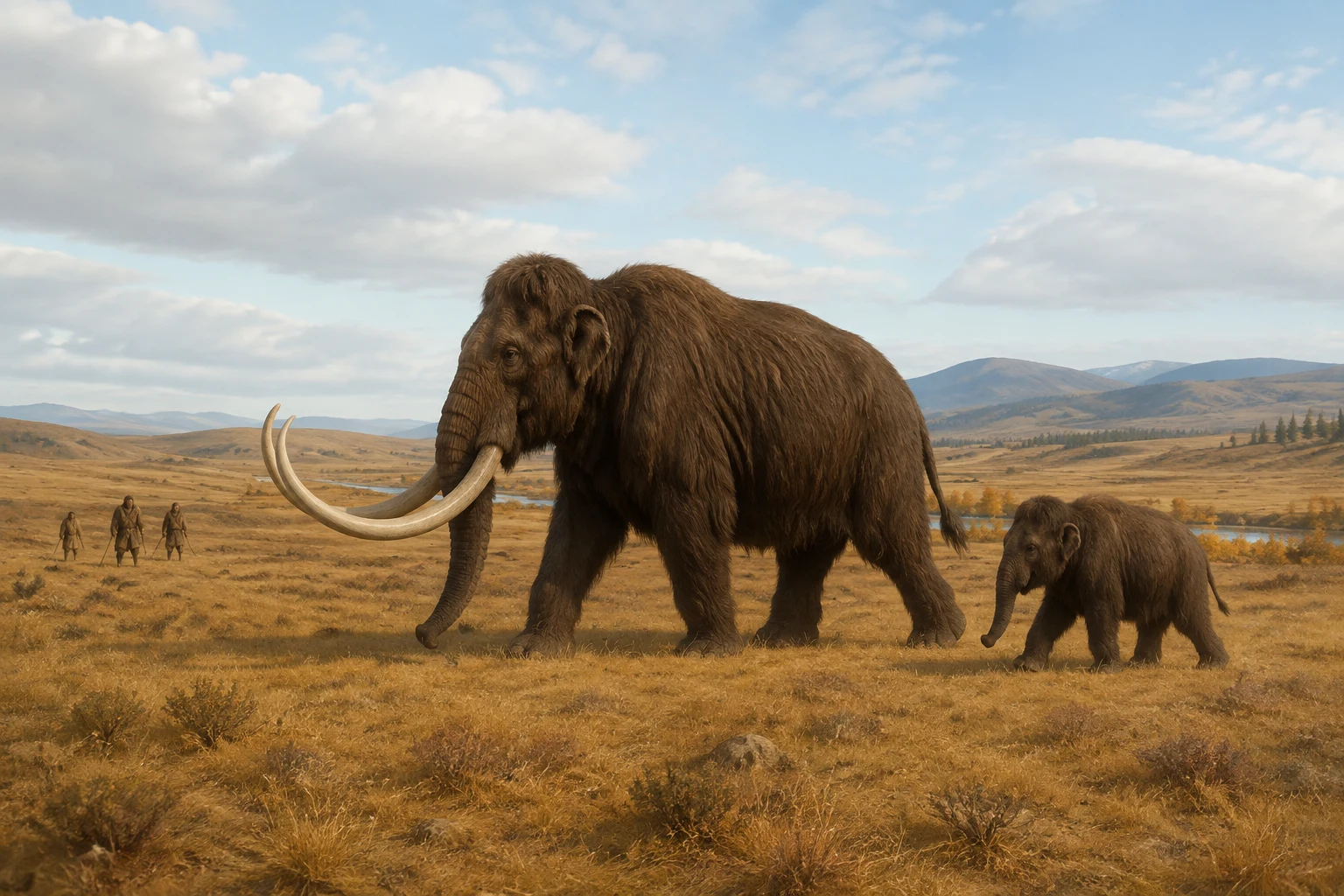
Did humans live with mammoths?
Yes. People shared Ice Age landscapes with mammoths and sometimes hunted them. Archaeological sites and prehistoric art document that relationship. Some isolated mammoth populations survived until about 4,000 years ago. Sharing a time period, however, does not mean people encountered every population or caused every local extinction.
Read the answer ↗Did dinosaurs live with humans?
Humans never lived with non-avian dinosaurs such as Tyrannosaurus. Those dinosaurs disappeared about 66 million years ago, long before humans evolved. Birds are the surviving dinosaur lineage, however, so humans do live with dinosaurs in the scientific sense. The answer depends on whether the question includes birds.
Read the answer ↗Bringing species back
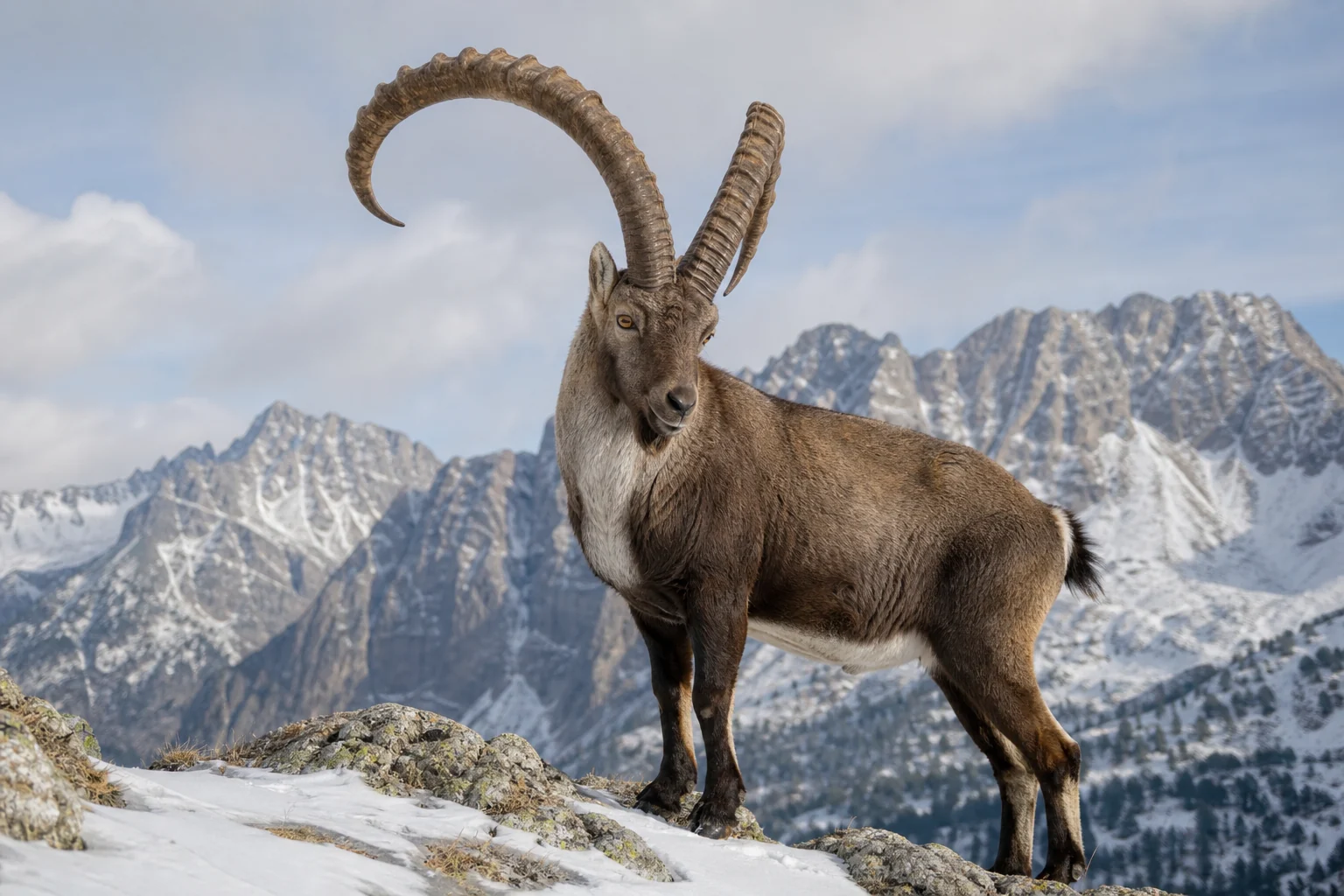
Can extinct animals be brought back?
Partly. Cloning can sometimes recover an individual from preserved cells, while breeding and gene editing can reconstruct selected traits. Neither achievement automatically restores an extinct species as a healthy, reproducing wild population.
Read the answer ↗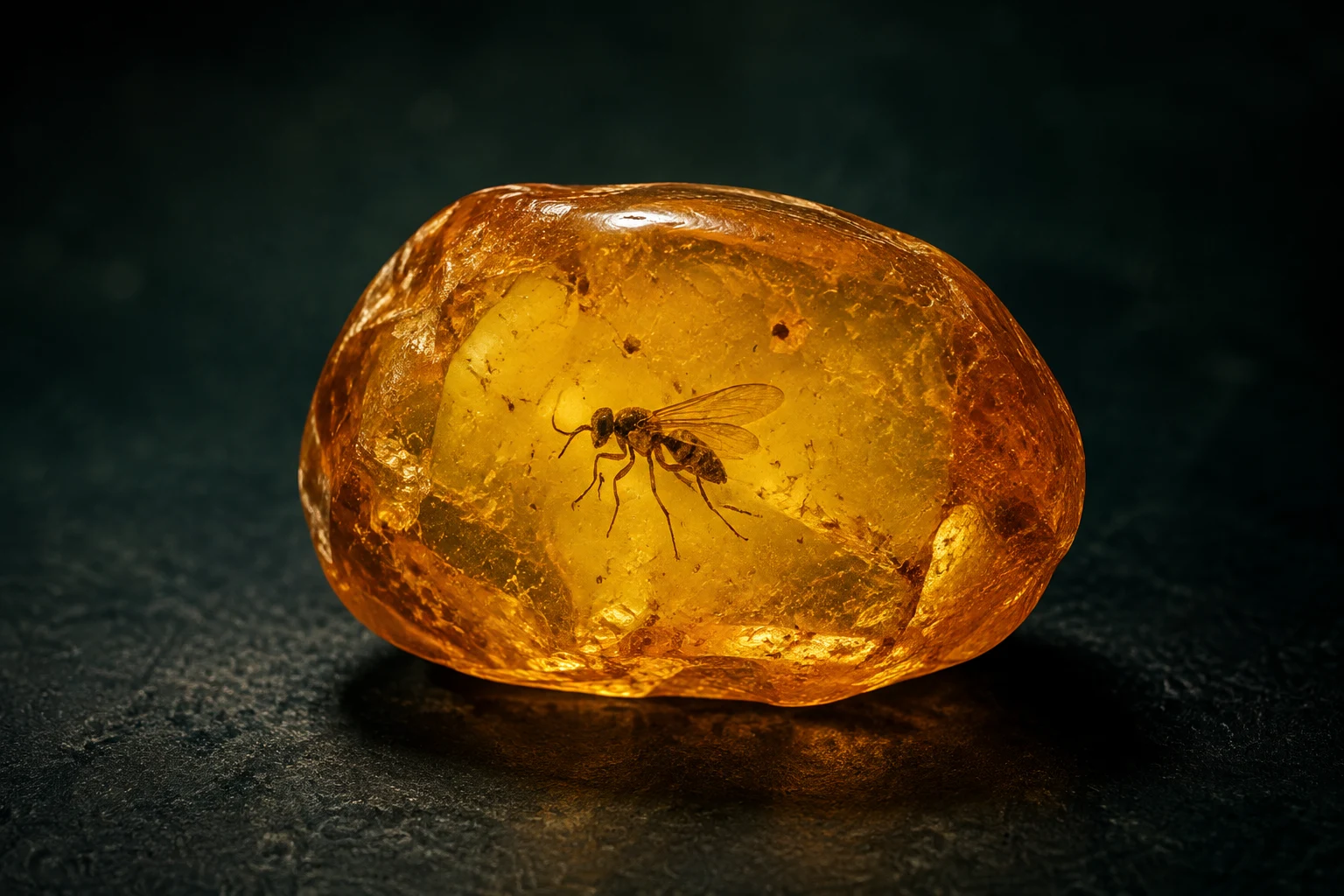
Could DNA from amber bring dinosaurs back?
No verified method currently provides a usable, complete non-avian dinosaur genome from amber. An insect can retain its shape after its DNA has degraded. Even a hypothetical complete sequence would not by itself provide the cells, embryo development and reproductive system needed to produce a living animal.
Read the answer ↗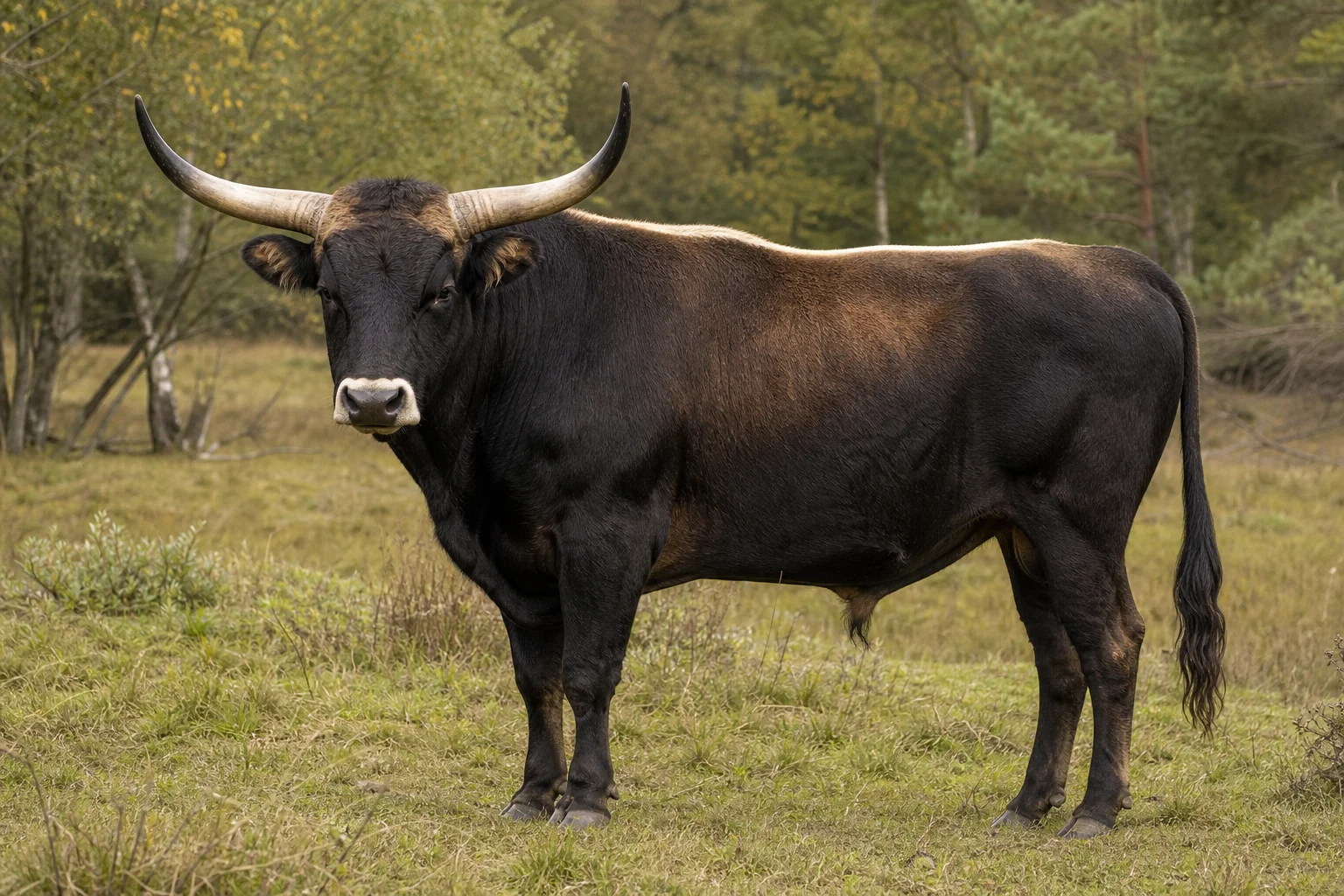
What could happen if extinct animals returned to the wild?
Producing an animal with extinct-species traits would not automatically restore a past ecosystem. A release could bring benefits or harm depending on habitat, behaviour, disease and interactions with other species. Each proposal needs evidence of lasting conservation benefit, rather than assuming that a successful birth means a successful return.
Read the answer ↗Extinction & conservation
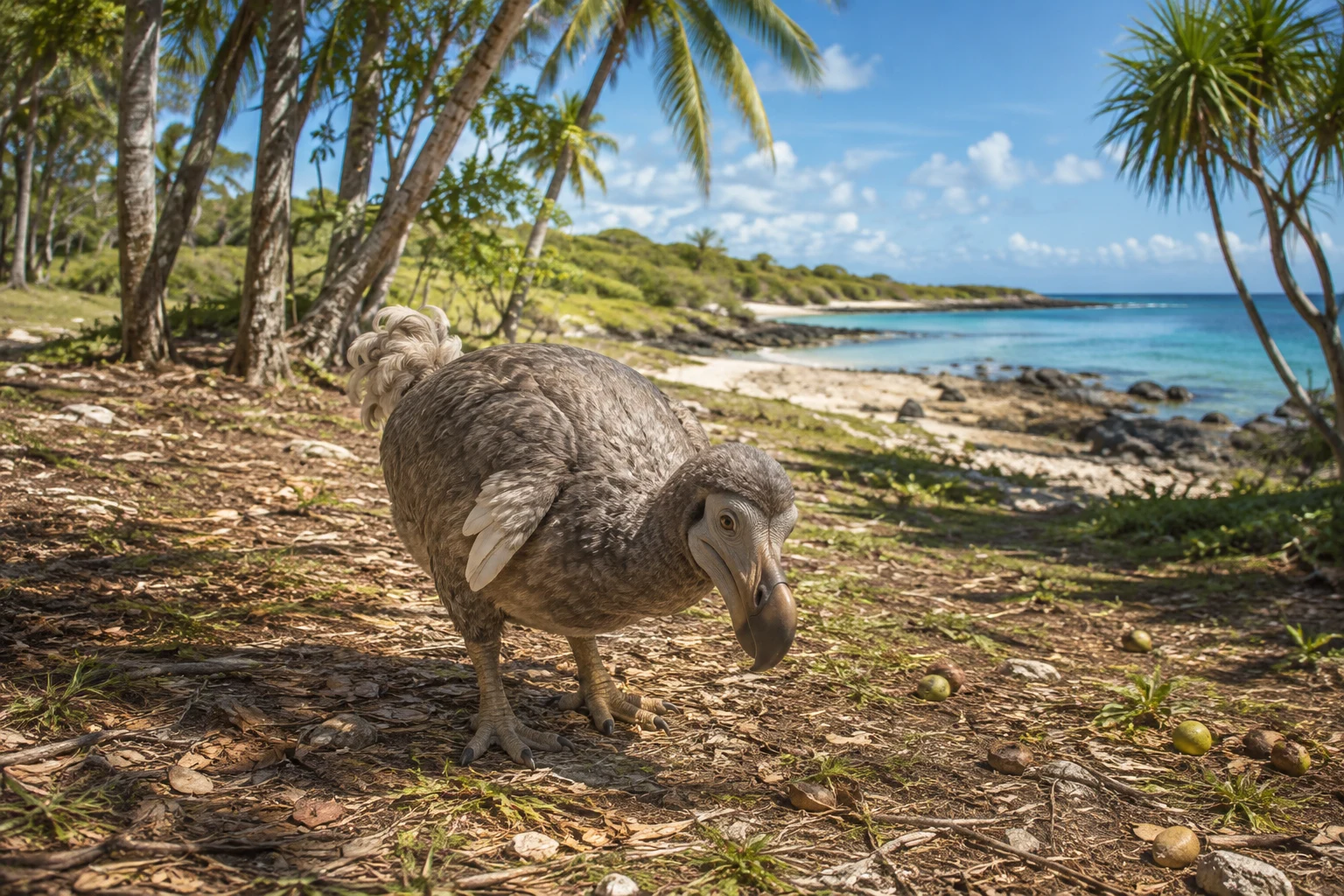
Why were dodos not domesticated?
Being unafraid of people does not establish that a species can be bred reliably in captivity. Dodo husbandry is poorly documented, and the evidence does not identify one decisive reason why domestication failed to develop. Claims that farming them would certainly have prevented extinction are counterfactual speculation.
Read the answer ↗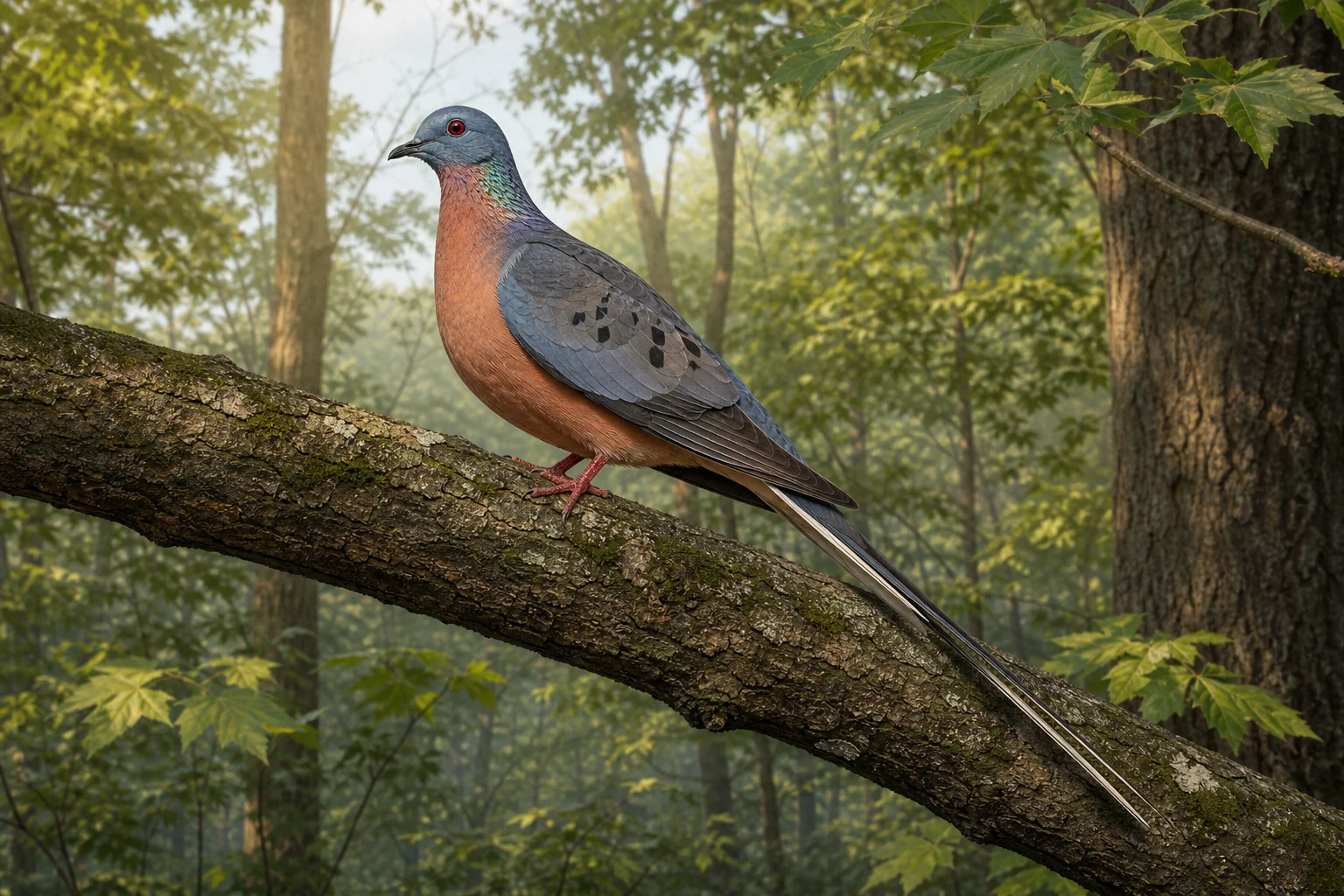
If extinction is natural, why protect species?
Extinction has always occurred, but that does not make every present-day loss unavoidable. Conservation can reduce human pressures and preserve ecological relationships. Evolution over geological time does not guarantee that a lost species or its role will be replaced within a human lifetime.
Read the answer ↗Prehistoric giants
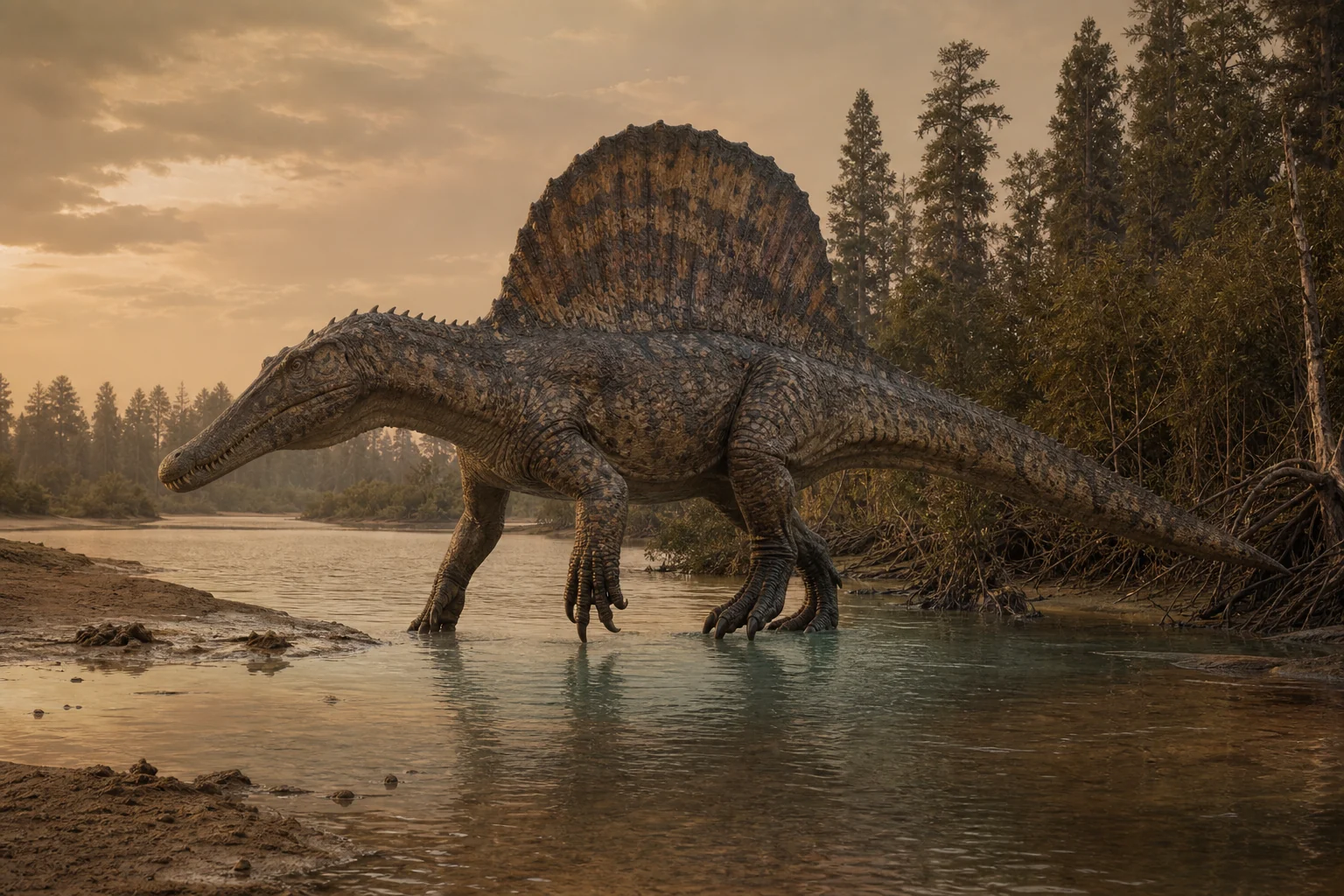
Biggest Carnivorous Dinosaurs: Length vs Weight
Spinosaurus and Giganotosaurus are leading candidates by length; large T. rex specimens are especially massive. The answer changes with the metric and the fossil individual.
Read the answer ↗Biggest Prehistoric Sea Creatures: Size & Fossil Evidence
Giant ichthyosaurs, megalodon and Leedsichthys are among the leading examples. Their sizes come from very different fossils, so a single exact ranking would be misleading.
Read the answer ↗Dinosaurs Bigger Than T. rex: Length, Weight & Evidence
Giant sauropods such as Argentinosaurus and Dreadnoughtus exceeded T. rex in size. Some theropods were probably longer, but longer does not necessarily mean heavier.
Read the answer ↗Species comparisons
Spinosaurus vs T. rex: Size, Diet, Habitat & Fossils
Spinosaurus was generally longer and adapted to feeding around water; T. rex had a deeper, more robust head and body. They lived in different places and times and never met.
Read the answer ↗Megalodon vs Mosasaurus: Size, Diet & Why They Never Met
Megalodon was a giant shark and Mosasaurus a marine reptile. Mosasaurs disappeared 66 million years ago, tens of millions of years before megalodon appeared.
Read the answer ↗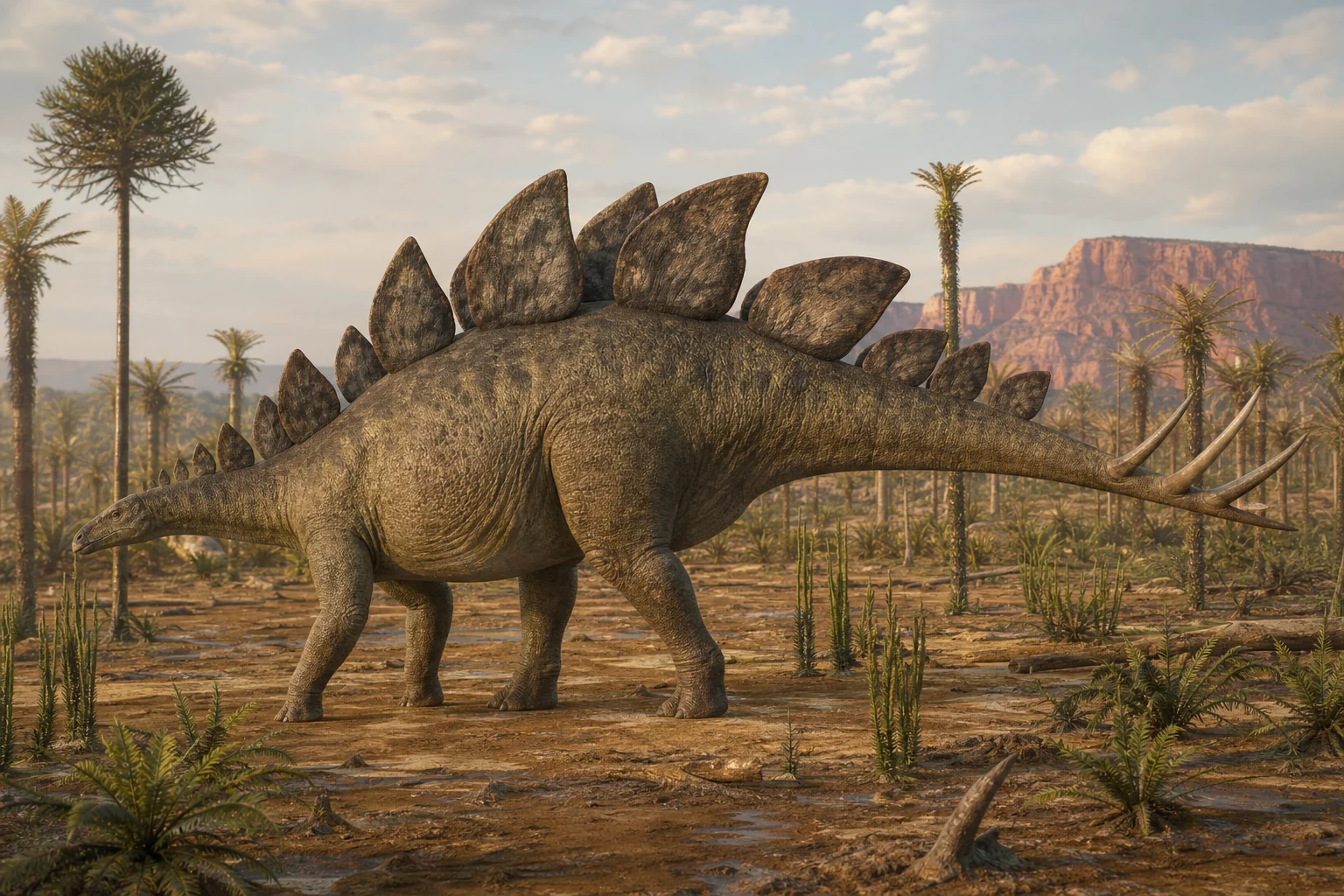
Stegosaurus vs Ankylosaurus: Armour, Tail & Time Period
Stegosaurus had tall back plates and a spiked tail; Ankylosaurus had extensive bony armour and a tail club. Both were plant-eating armoured dinosaurs, but they belonged to different branches and lived tens of millions of years apart. They never faced each other in a real ecosystem.
Read the answer ↗Mammoth vs Mastodon: Teeth, Diet, Size & Differences
Mammoths and mastodons were different elephant relatives. Mammoths belong to Mammuthus and had ridged grinding teeth; American mastodons belong to Mammut and had more prominent cusps suited to processing woody vegetation. A woolly mammoth is one mammoth species, not another name for every Ice Age elephant relative.
Read the answer ↗