35Paleozoic
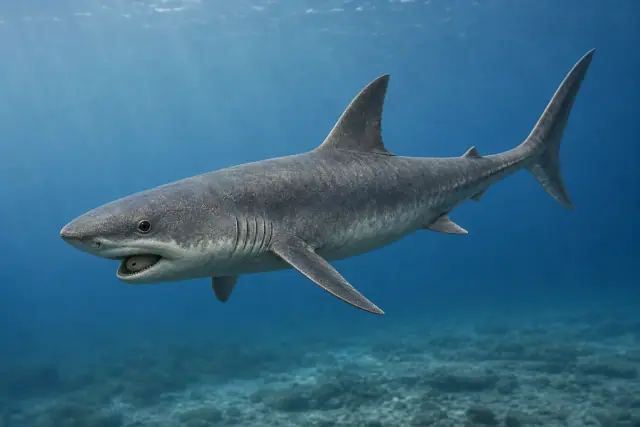
Helicoprion
Helicoprion davisii
Its spiral tooth whorl worked like a permanent slicing blade inside the lower jaw.
Coasts of Pangaea · North America, Russia and Australia
 EXTINCT ATLASEXTINCT LIFE ARCHIVEBack to archive
Regional animal guides
Discover Australia’s prehistoric animals beyond dinosaurs: ancient marine life, giant amphibians, marsupials and flightless birds already documented in the atlas.
Australia’s linked records stretch from Ediacaran soft-bodied organisms and ancient fishes to Koolasuchus, Diprotodon, Procoptodon and Genyornis. These are widely separated episodes, not a single megafaunal community. This selection focuses on prehistoric archive records; historical extinctions are kept separate. Horodyskia is excluded because its uncertain affinity does not establish an animal identity.
Helicoprion davisii
Its spiral tooth whorl worked like a permanent slicing blade inside the lower jaw.
Coasts of Pangaea · North America, Russia and Australia
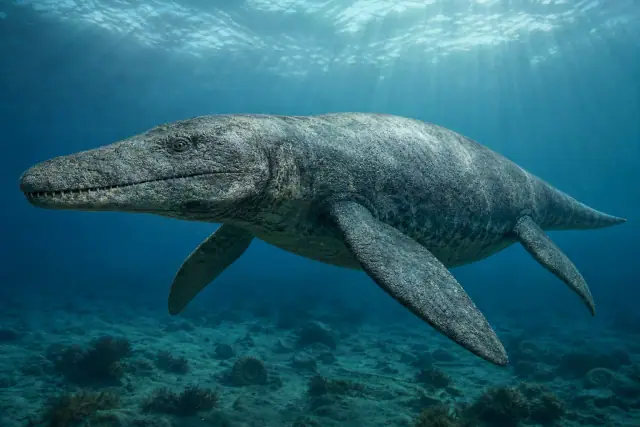
Kronosaurus queenslandicus
A massive pliosaur skull powered attacks on large marine prey.
Australian inland sea
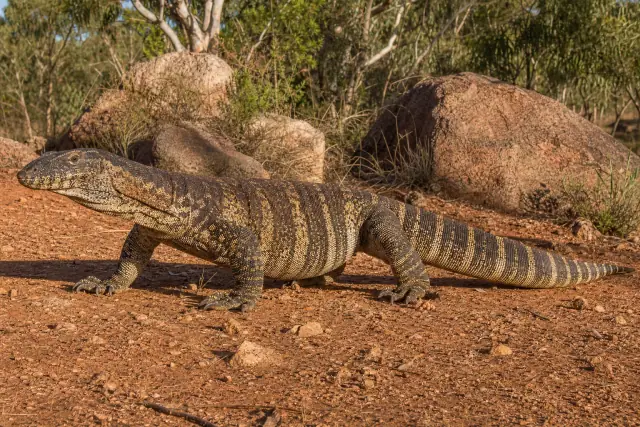
Varanus priscus
The largest known terrestrial lizard was a giant relative of monitor lizards.
Australia
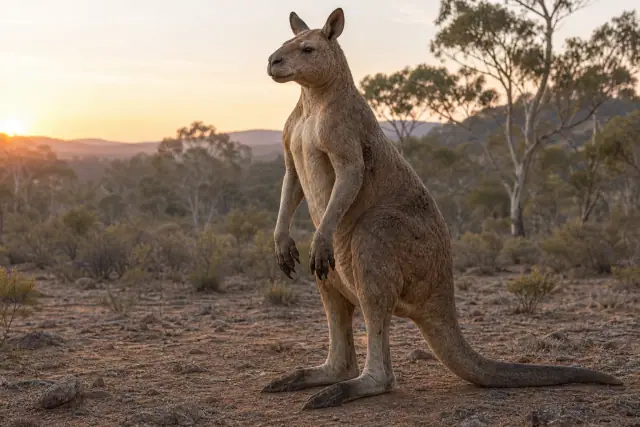
Procoptodon goliah
A broad face, forward-looking eyes and single-toed feet distinguished this giant kangaroo.
Arid woodlands of Australia
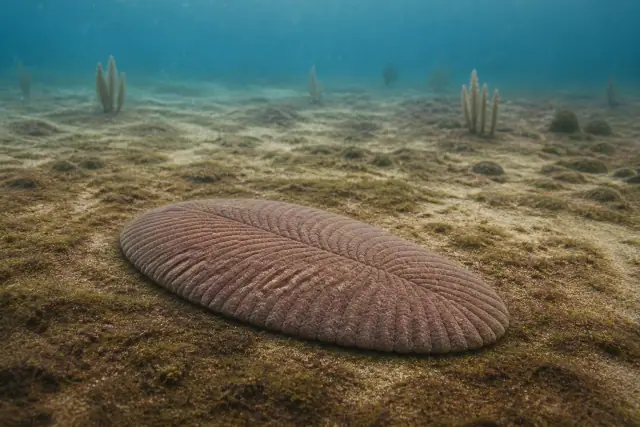
Dickinsonia costata
Its flat oval body moved across microbial mats like a rhythmically quilted cushion, leaving feeding traces behind.
Shallow Ediacaran seafloors · Present-day Australia and Russia
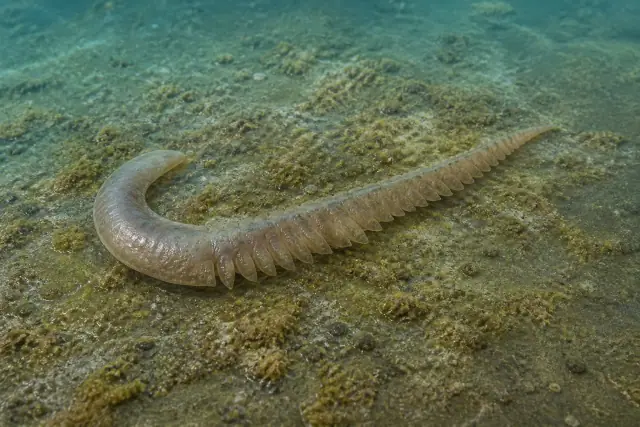
Spriggina floundersi
A horseshoe-shaped front led a body of offset leaflike units, giving it the appearance of a flattened soft worm.
Shallow Ediacaran seafloor · Present-day South Australia
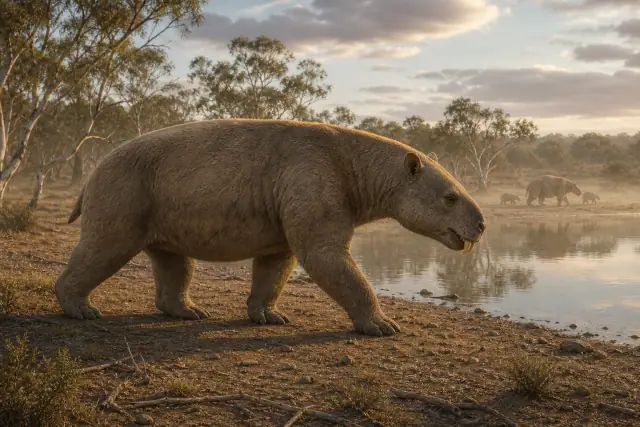
Diprotodon optatum
This rhinoceros-sized marsupial clipped plants with two forward incisors and moved between seasonal water sources.
Australian open woodland, grassland and lake basins
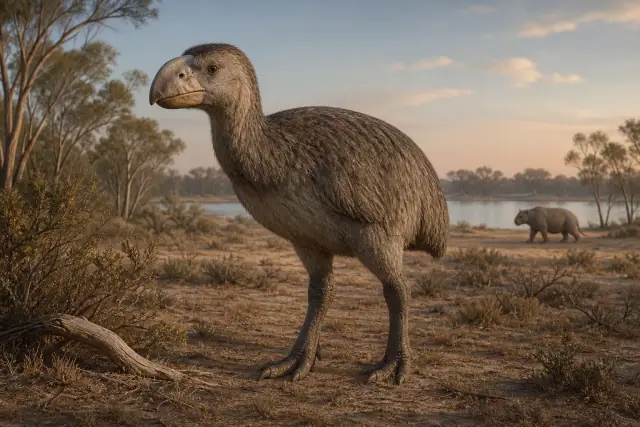
Genyornis newtoni
This two-meter flightless bird had a deep jaw and powerful legs, probably feeding on soft leaves, fruit and shoots.
Inland Australian lakes and open woodland
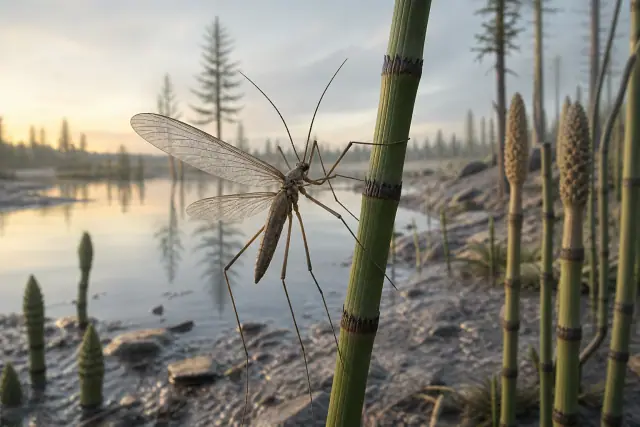
Permotipula patricia
A wing resembling that of a crane fly was once treated as an early dipteran clue, but its true affinity remains disputed.
Warner’s Bay–Belmont area, New South Wales, Australia
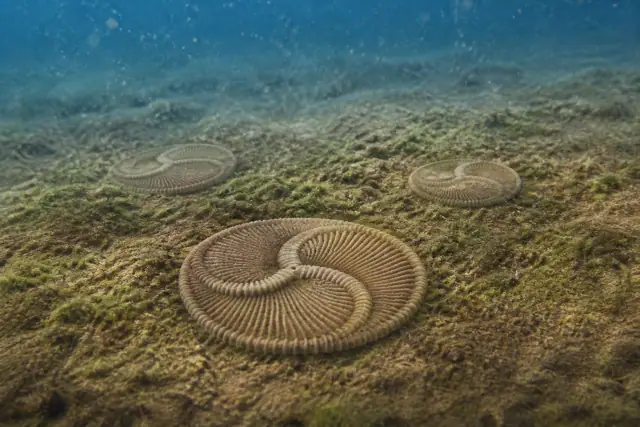
Tribrachidium heraldicum
Three curving spiral arms created a body symmetry almost absent among living animals.
Shallow marine microbial mats · Present-day Australia and Russia
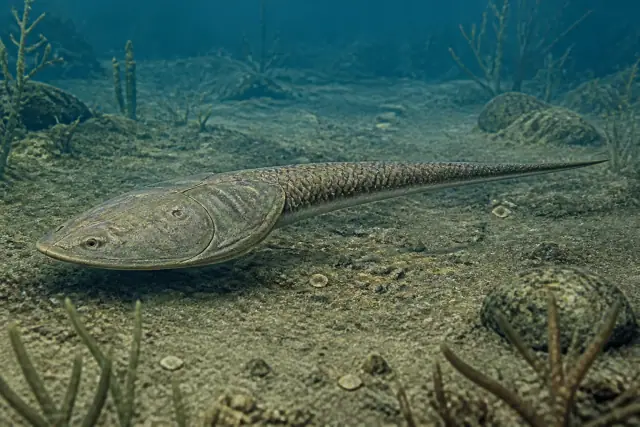
Arandaspis prionotolepis
It lacked jaws and paired fins, but its head and gill region were enclosed within strong armor.
Gondwanan shallow sea · Central Australia
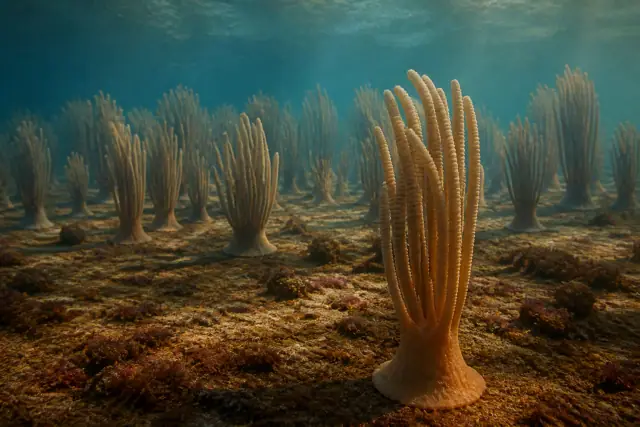
Funisia dorothea
Dense stands of narrow tubes formed one of the earliest large colonial scenes.
Shallow microbial mats · South Australia
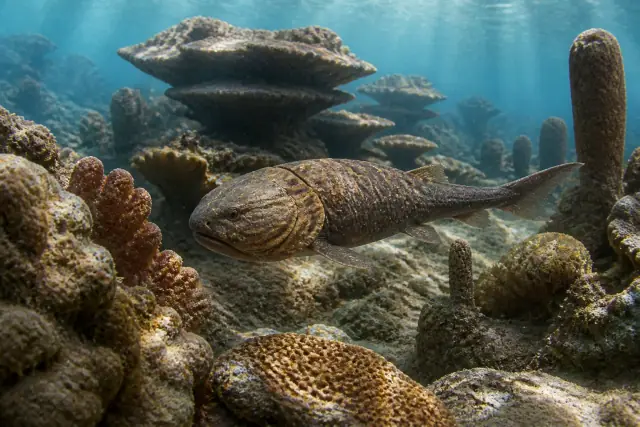
Materpiscis attenboroughi
An embryo with an umbilical connection records some of the earliest live birth.
Tropical reefs · Gogo Formation, Australia
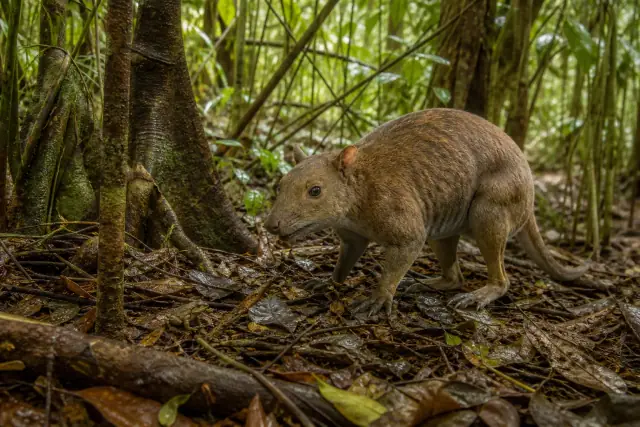
Ekaltadeta ima
Deep jaws and slicing teeth suggest an ancient kangaroo relative that ate meat.
Rainforest and edge · Queensland, Australia
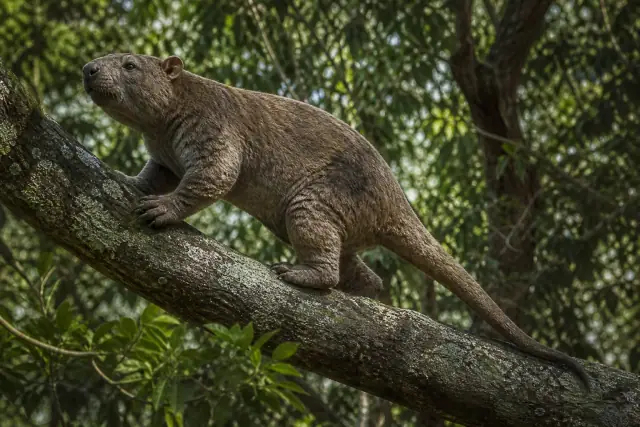
Nimbadon lavarackorum
Grasping feet and flexible shoulders reveal a large climbing marsupial.
Wet rainforest · Queensland, Australia
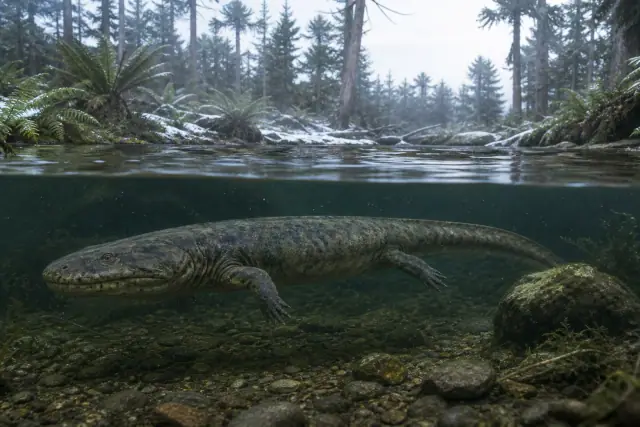
Koolasuchus cleelandi
A giant amphibian still occupied cold rivers where crocodyliforms were uncommon.
High-latitude rivers and forests · Southeastern Australia
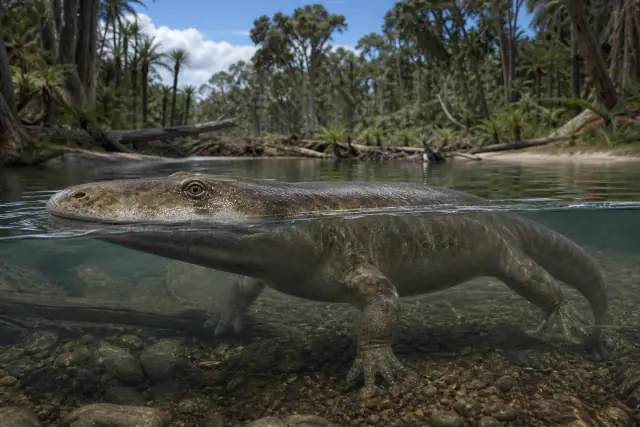
Siderops kehli
A giant temnospondyl still occupied river ambush niches in the dinosaur era.
Forested rivers · Queensland, Australia
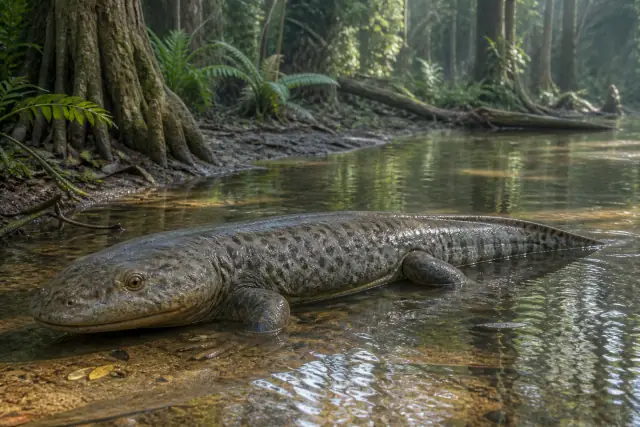
Paracyclotosaurus davidi
A near-complete skeleton reveals the full proportions of a giant Triassic amphibian.
Forested rivers · New South Wales, Australia
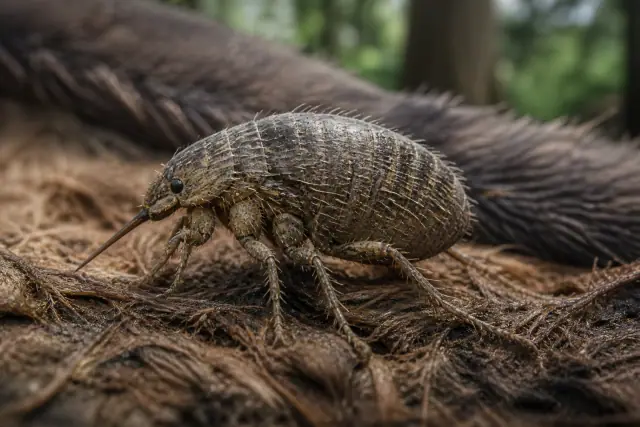
Tarwinia australis
It resembled a giant primitive flea but may not be a direct flea ancestor.
Cool humid forest floor · Victoria, Australia
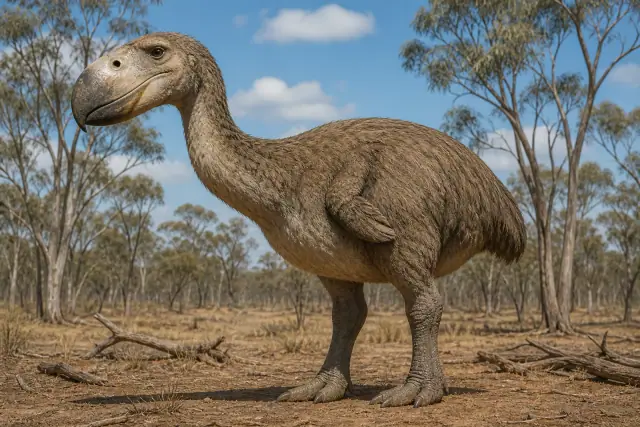
Dromornis stirtoni
Three meters tall with a massive beak, it was among the heaviest birds.
Dry woodland and plains · Australia
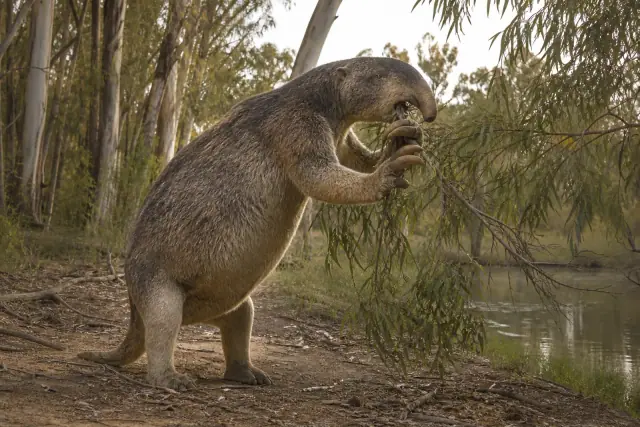
Palorchestes azael
A mobile snout, huge claws and strange forelimbs belonged to a marsupial unlike any tapir.
Forest and riverbanks · Australia
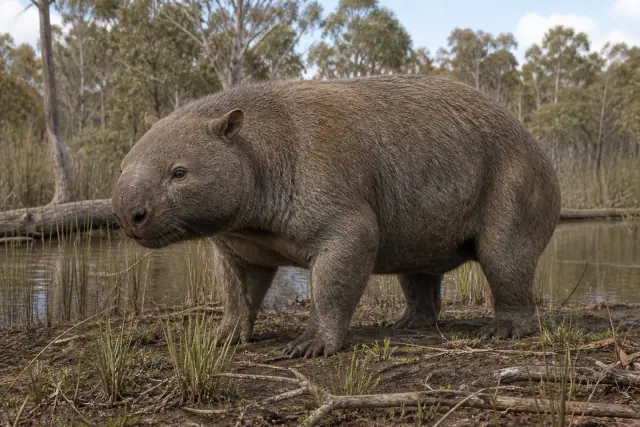
Zygomaturus trilobus
A cow-sized wombat relative carried a broad snout and heavy limbs.
Wetland and woodland · Australia
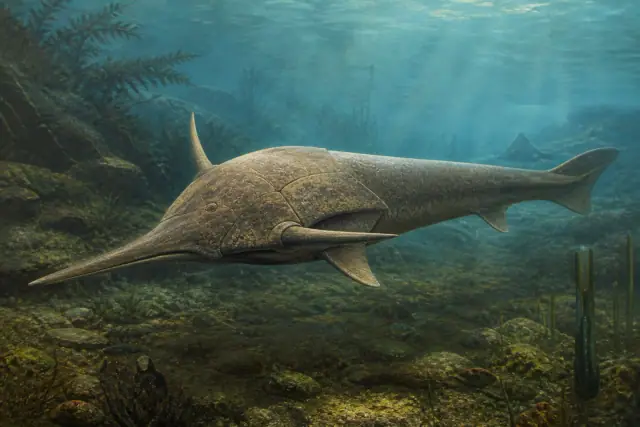
Pituriaspis doylei
A long rostrum, side horns and paired openings belonged to an endemic jawless armored lineage.
Coastal delta · Australia
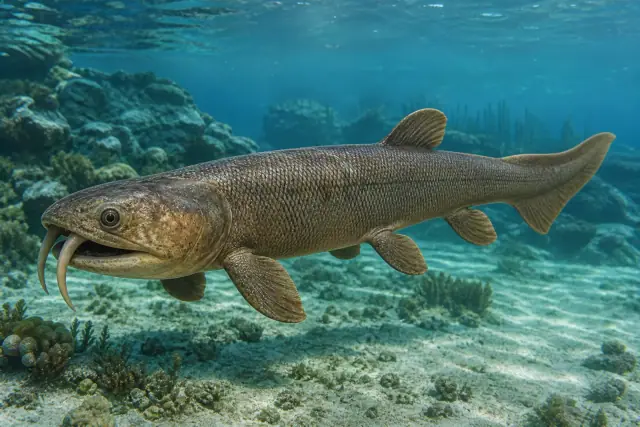
Onychodus jandemarrai
A pair of curved lower-jaw tusks and a kinetic skull helped this lobe-finned fish restrain prey.
Tropical reef lagoon and shallow sea · Australia
No. Diprotodon was a marsupial and Megalania a large monitor lizard. Their records belong on this broader animal page, not in the Australian non-avian dinosaur list.