161Precambrian
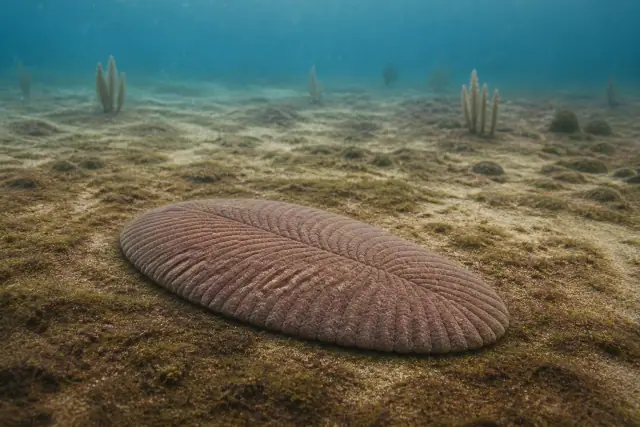
Dickinsonia
Dickinsonia costata
Its flat oval body moved across microbial mats like a rhythmically quilted cushion, leaving feeding traces behind.
LIFE ARCHIVE
Browse extinct life from traces nearly 1.9 billion years old to historically recorded extinctions.
Dickinsonia costata
Its flat oval body moved across microbial mats like a rhythmically quilted cushion, leaving feeding traces behind.
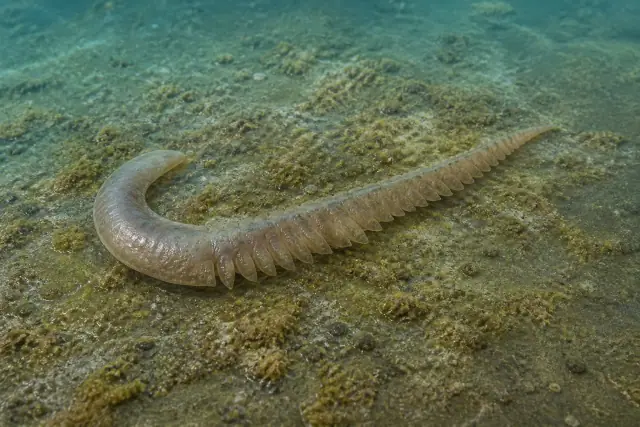
Spriggina floundersi
A horseshoe-shaped front led a body of offset leaflike units, giving it the appearance of a flattened soft worm.
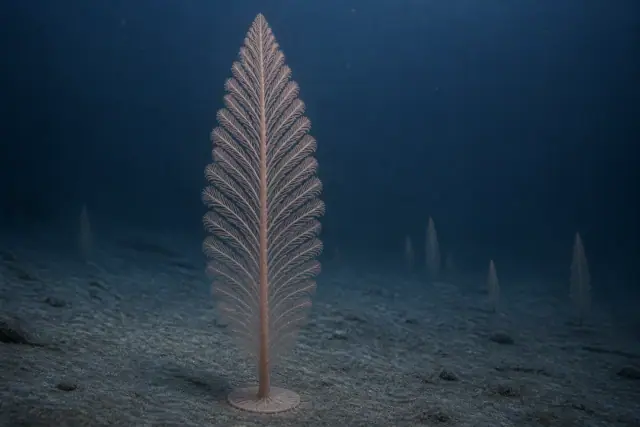
Charnia masoni
A featherlike body of repeating branches was anchored by a disc in deep water, yet it had neither chlorophyll nor a mouth.
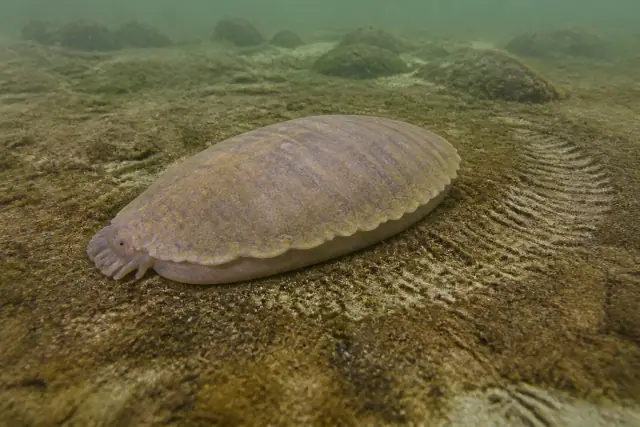
Kimberella quadrata
Its low oval body crawled across microbial mats while a front feeding structure left fan-shaped sets of scratches.
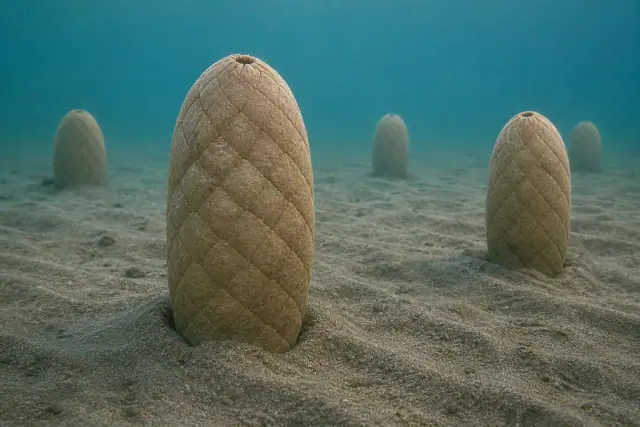
Ernietta plateauensis
Rows of quilted sacks lived half-buried in sand, forming one of the Ediacaran seafloor's strangest communities.
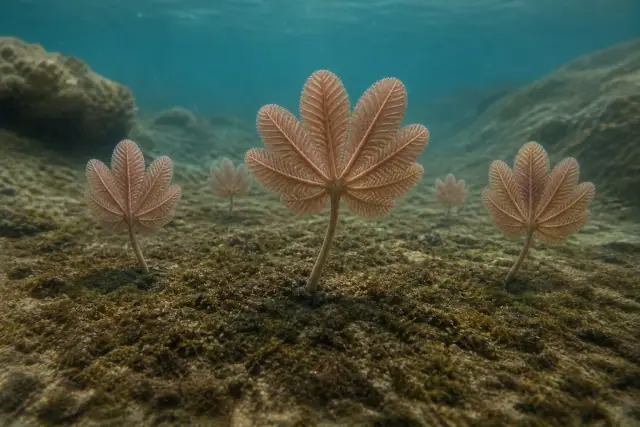
Rangea schneiderhoehni
Six branching vanes surrounded a central axis, making the organism resemble a soft pine cone standing on the seabed.
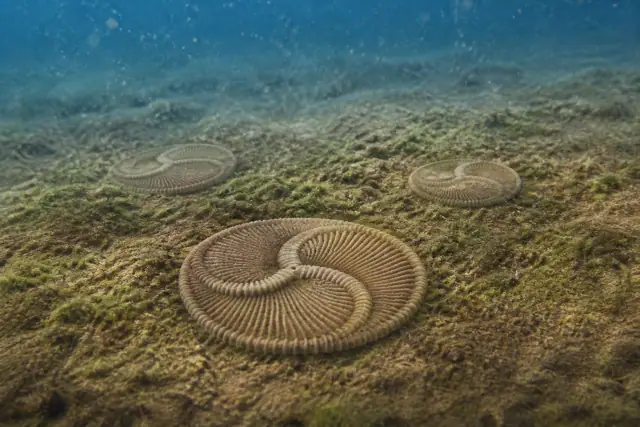
Tribrachidium heraldicum
Three curving spiral arms created a body symmetry almost absent among living animals.
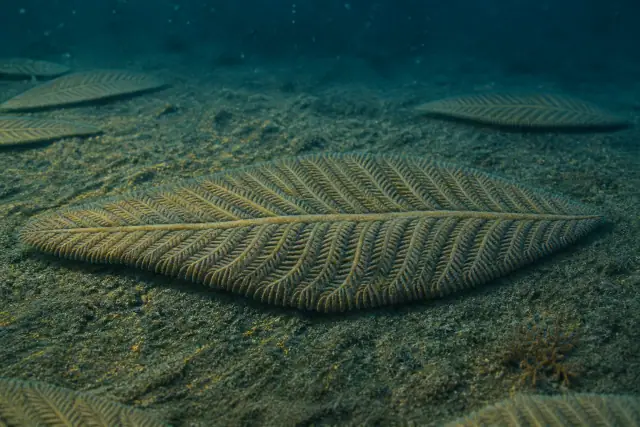
Fractofusus misrai
Its quilted branches lay flat rather than rising from a stem.
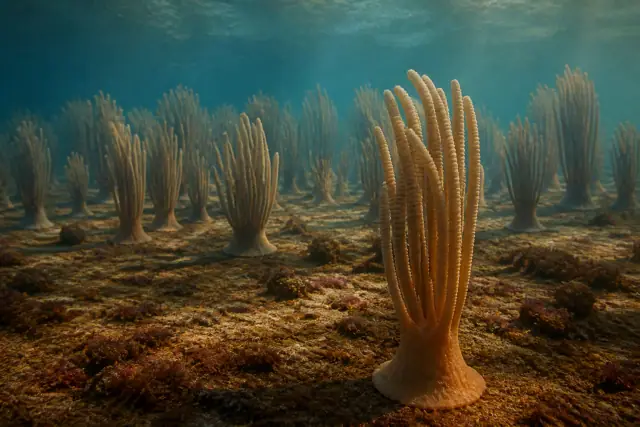
Funisia dorothea
Dense stands of narrow tubes formed one of the earliest large colonial scenes.
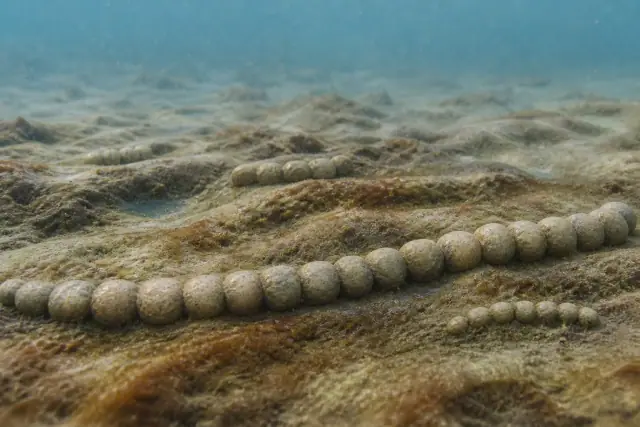
Horodyskia moniliformis
Bead-like discs arranged in strings may record an early macroscopic colony.
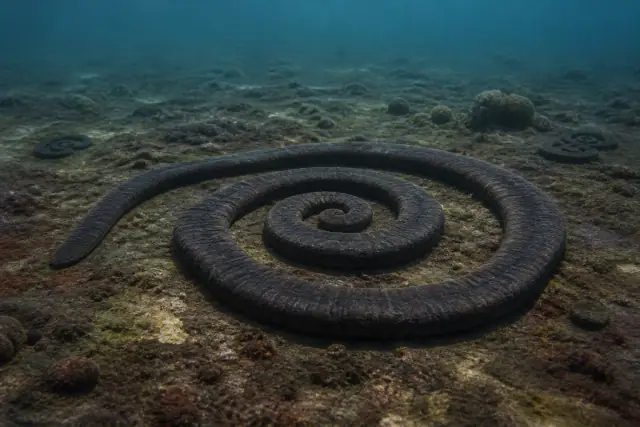
Grypania spiralis
Millimetre-wide ribbons form centimetre-scale coils in Proterozoic rocks.
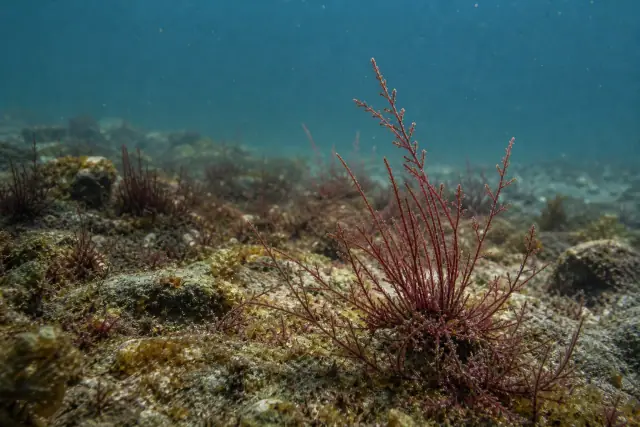
Bangiomorpha pubescens
Cell division and branching resemble living red algae and may record early sexual reproduction.
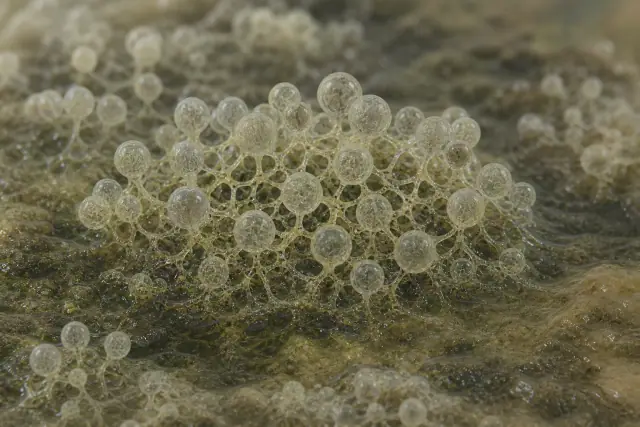
Ourasphaira giraldae
Branching spherical microfossils may push the fungal record toward one billion years.
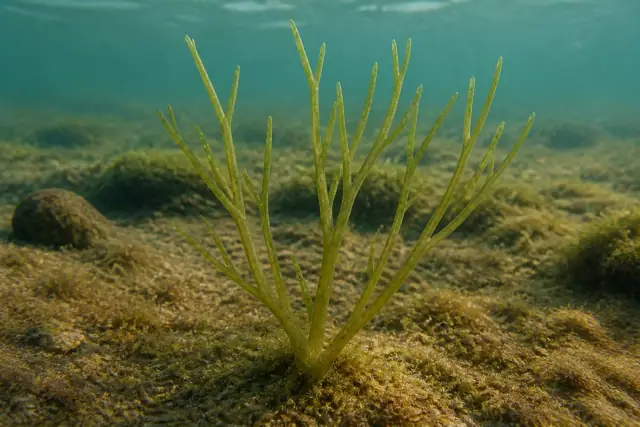
Proterocladus antiquus
Repeatedly branching cell filaments push green-plant history toward one billion years.
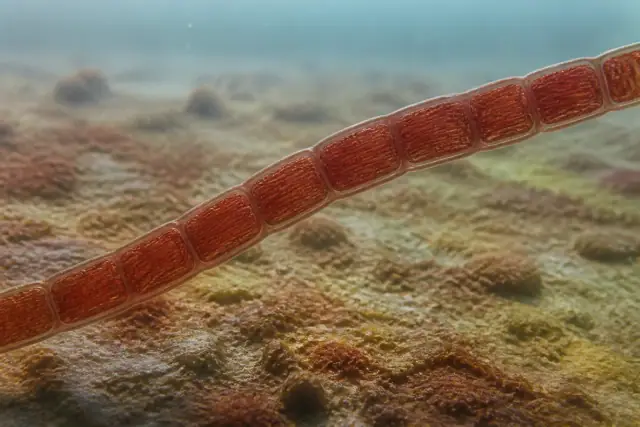
Rafatazmia chitrakootensis
Cell partitions and internal platelets were interpreted as very ancient red-algal evidence.
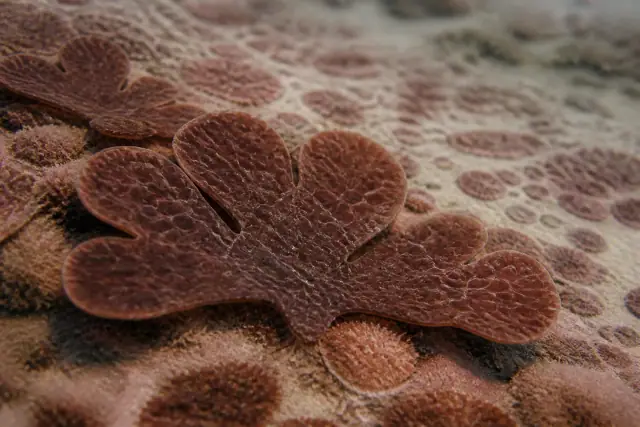
Ramathallus lobatus
A lobed multicellular thallus was proposed as an early red-algal body.
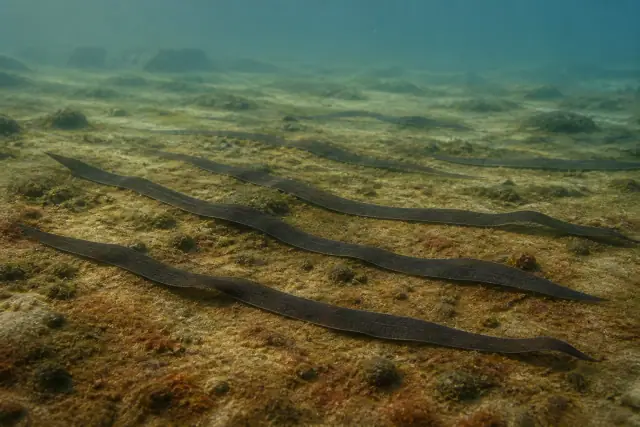
Vendotaenia antiqua
Long carbonaceous ribbons resemble soft algae but lack diagnostic organs.
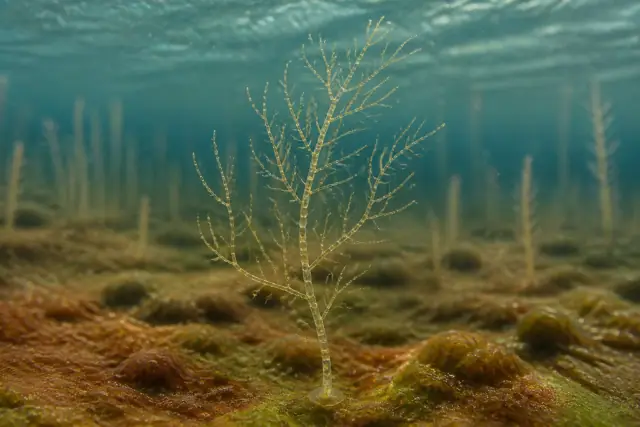
Doushantuophyton cometa
Branching cellular filaments show complex photosynthetic life before abundant animals.
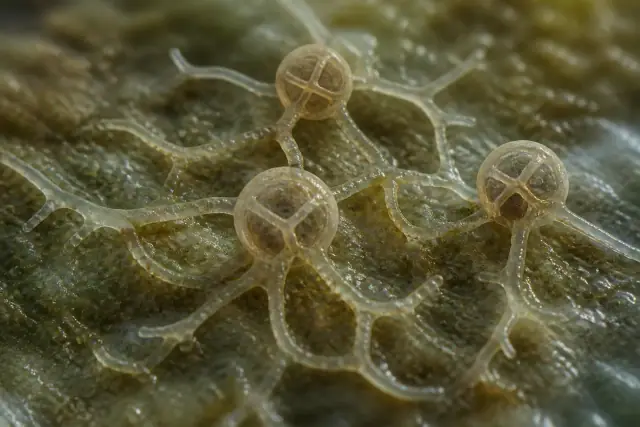
Tappania plana
Complex branching and septa make it a candidate early eukaryote or fungus.
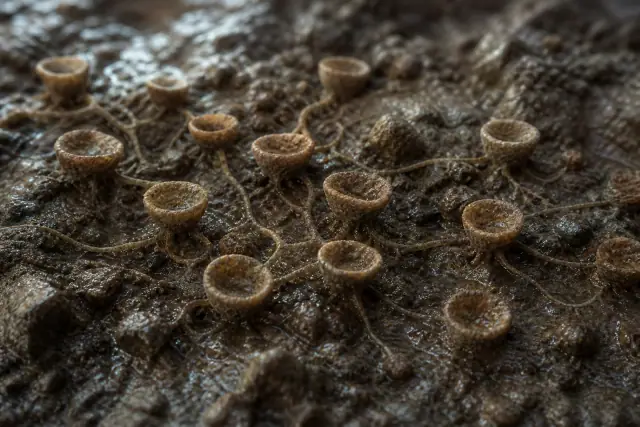
Diskagma buttonii
Cup-like bodies linked by filaments have been read as fungi or a microbial colony.
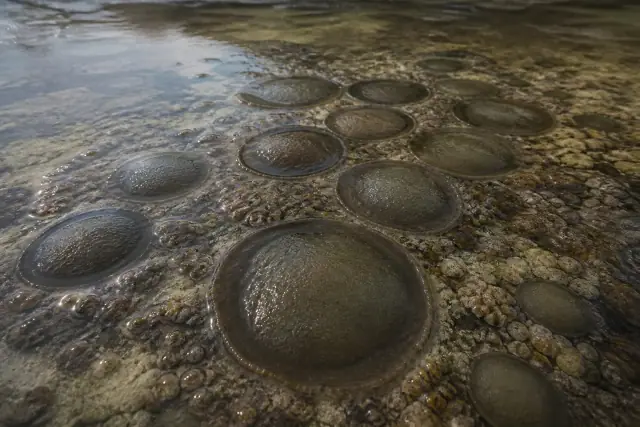
Chuaria circularis
Circular carbon films may represent a giant single-celled eukaryote traditionally called an alga.
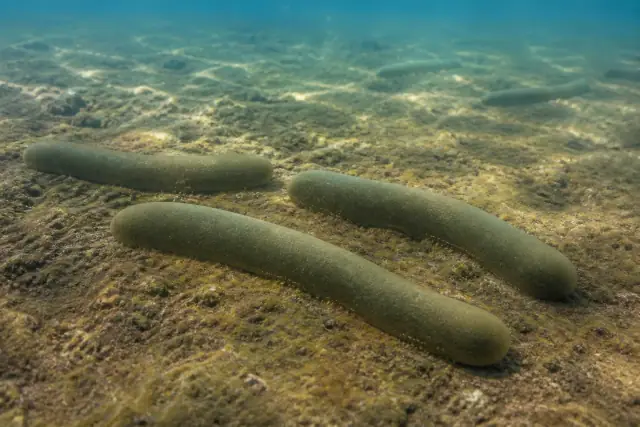
Tawuia dalensis
Sausage-shaped carbon films may be macroalgae or another early eukaryote.
Explore the atlas by continent, country and state. Follow fossil localities into regional guides, compare animals across time and return to the evidence in each species profile.
FIELD GUIDES
Giants, strange body plans and lives within human memory. Follow a question into the atlas, then explore the animals behind it.