07Mesozoic
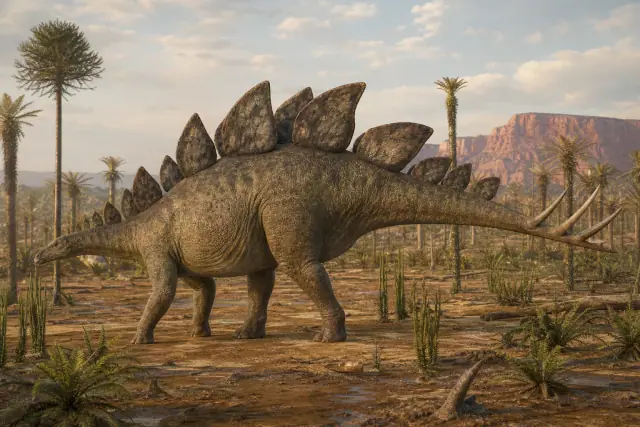
Stegosaurus
Stegosaurus stenops
Tall back plates and a four-spiked tail made this low-browsing herbivore unmistakable.
 EXTINCT ATLASEXTINCT LIFE ARCHIVEBack to archive
Period · 201.4–143.1 million years ago
Explore Jurassic animals from sauropods and stegosaurs to early birds, pterosaurs and marine predators.
As Pangaea broke apart, changing coasts and seas shaped habitats. Feathered lineages illuminate bird origins. Marine reptiles and pterosaurs were distinct from dinosaurs. Late Jurassic animals are only one part of this much longer period; not every Jurassic species lived together.
Stegosaurus stenops
Tall back plates and a four-spiked tail made this low-browsing herbivore unmistakable.
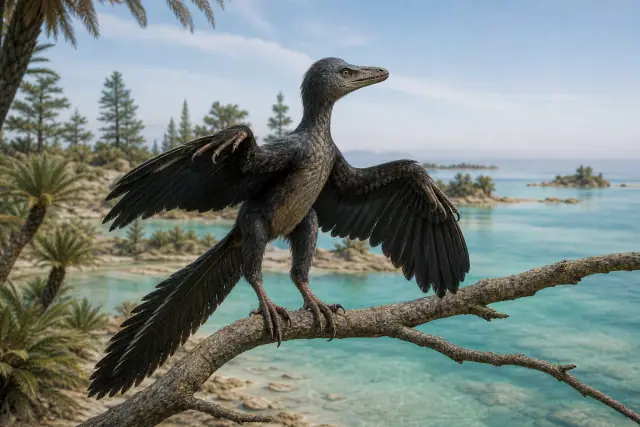
Archaeopteryx lithographica
Feathers, wings, teeth and a long bony tail capture a mosaic of dinosaur and bird traits.
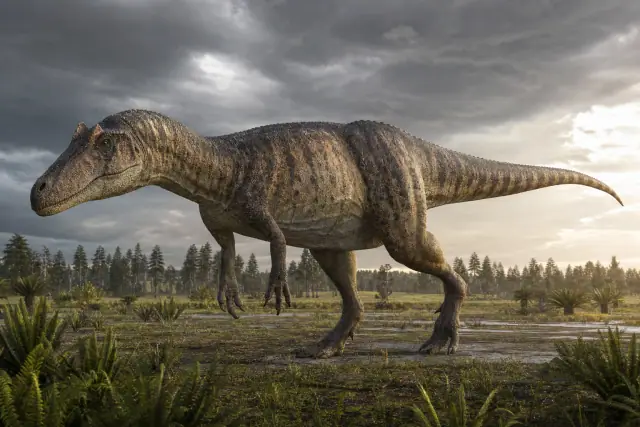
Allosaurus fragilis
A lightweight skull and serrated teeth equipped this large predator for repeated slashing bites.
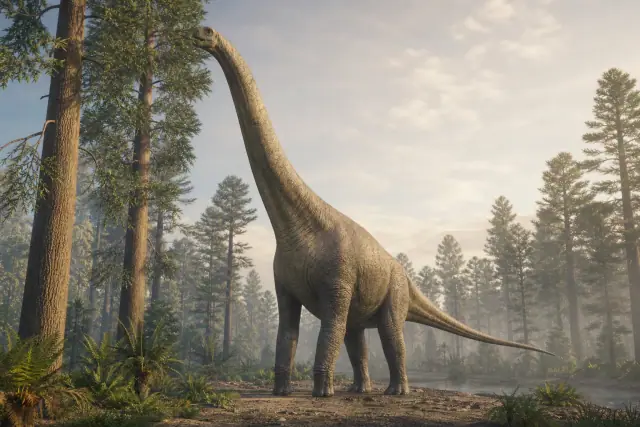
Brachiosaurus altithorax
Long forelimbs lifted its shoulders and neck toward the Jurassic canopy.
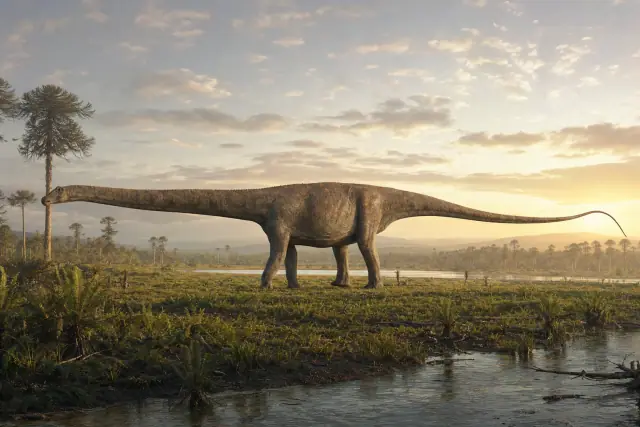
Diplodocus carnegii
A whip-like tail balanced an extremely long neck on this lightly built giant.
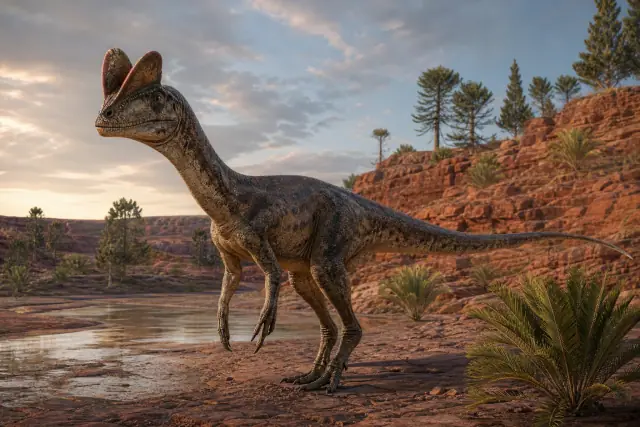
Dilophosaurus wetherilli
Dilophosaurus wetherilli was a large Early Jurassic predator from northern Arizona. Two thin crests on its skull gave it its name.
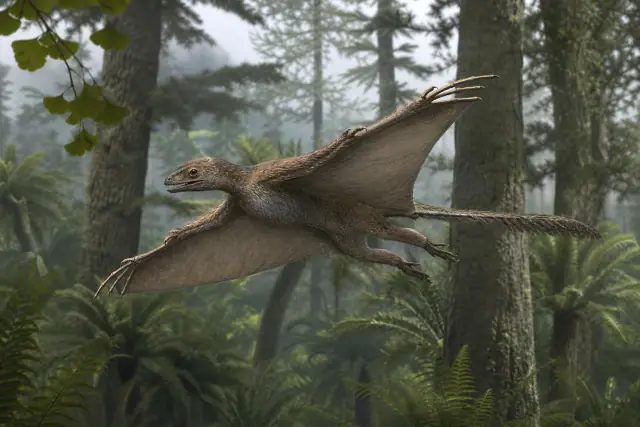
Yi qi
Yi qi was a small Jurassic theropod with feathers and preserved traces of a wing membrane. A rod-like element extending from the wrist made its wing unlike a modern bird's.
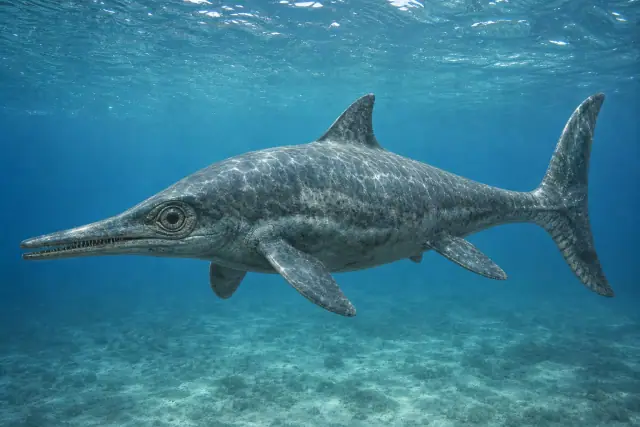
Ichthyosaurus communis
A streamlined reptile converged on the body plan of dolphins while retaining enormous eyes.
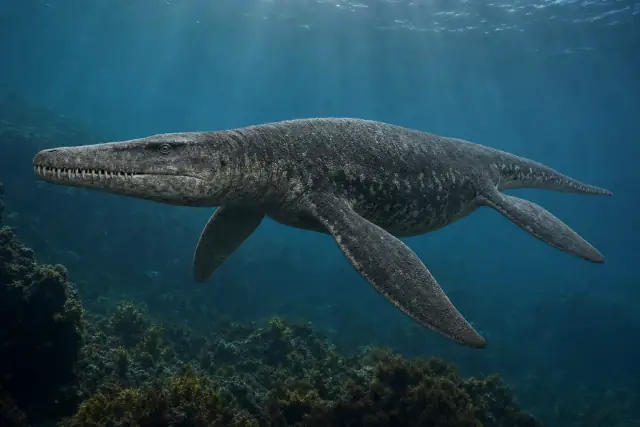
Liopleurodon ferox
Liopleurodon was a Jurassic pliosaur: a marine reptile with a large skull, short neck and four flippers. Its teeth and bones should be distinguished from television size reconstructions.
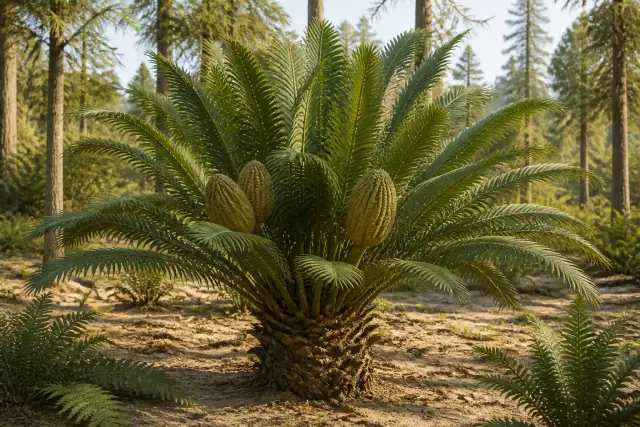
Williamsonia gigas
Flower-like reproductive organs nestled among cycad-like leaves, but this bennettitalean was not a flowering plant.
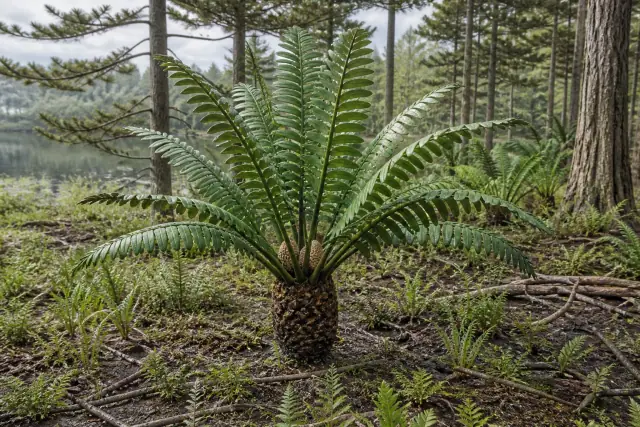
Nilssonia orientalis
Long leaves divided into broad segments formed part of the cycadophyte layer beneath Jurassic trees.
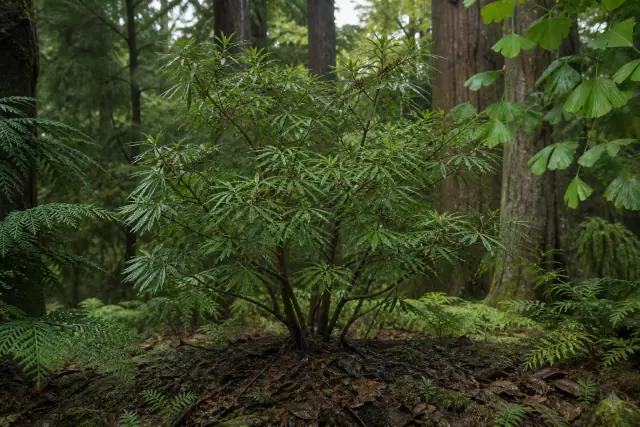
Caytonia nathorstii
Curved cupules containing ovules hung beneath compound leaves in this puzzling seed plant.
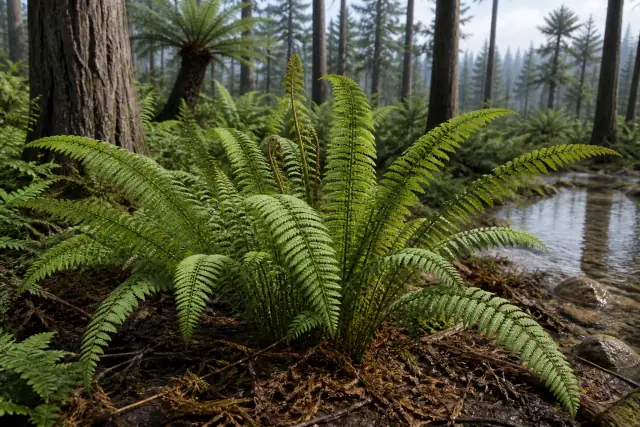
Cladophlebis denticulata
Finely pinnate fronds carpeted Jurassic understories, each toothed leaflet crossed by repeatedly branching veins.
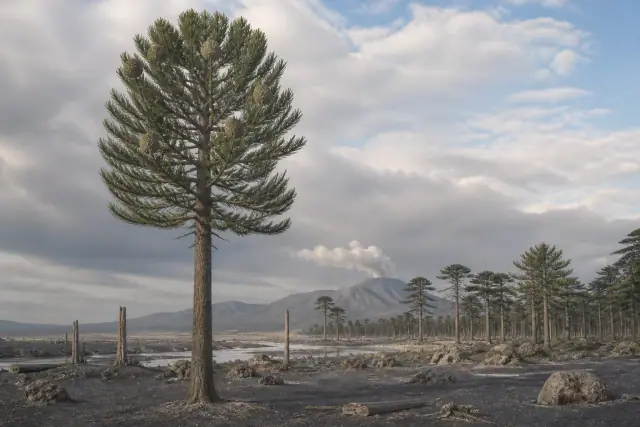
Araucaria mirabilis
Tall conifers bore nearly spherical cones whose internal scales and ovules were silicified by volcanic landscapes.
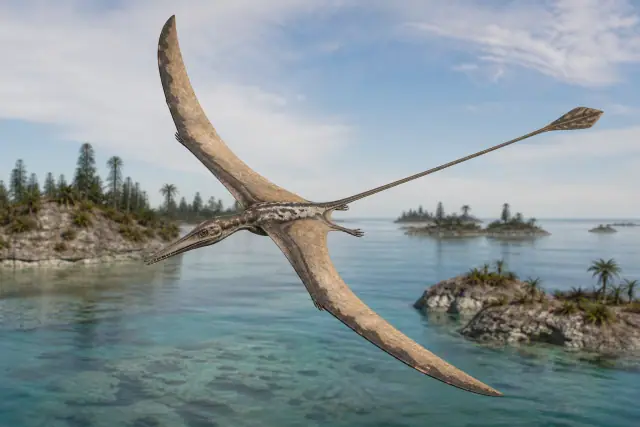
Rhamphorhynchus muensteri
Needle teeth lined long jaws while a diamond-shaped membrane at the stiff tail tip helped control flight above island seas.
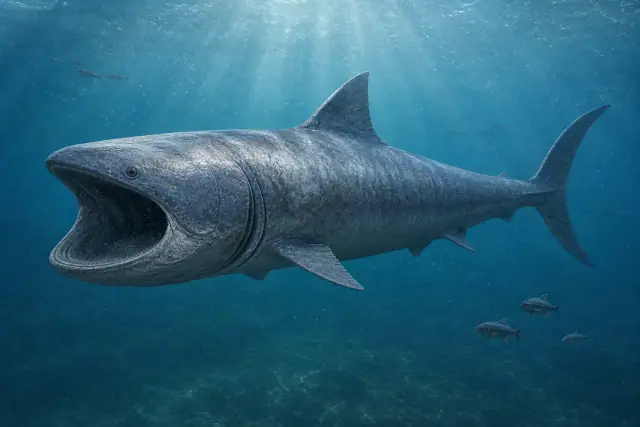
Leedsichthys problematicus
This giant bony fish opened a broad mouth and strained plankton through dense gill rakers, much like a whale shark.
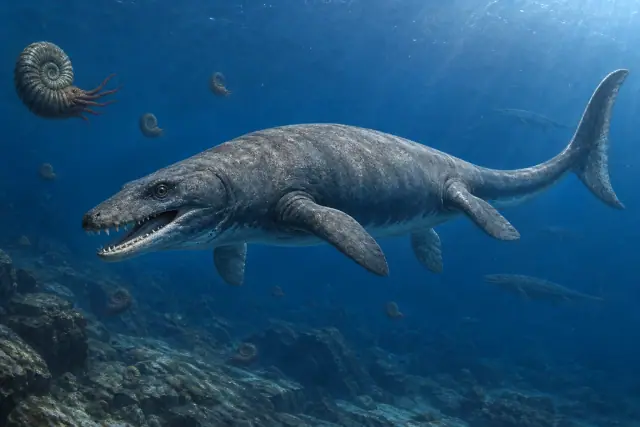
Dakosaurus maximus
A short deep skull carried serrated blades, while this marine crocodile's body had transformed into four flippers and a fishlike tail.
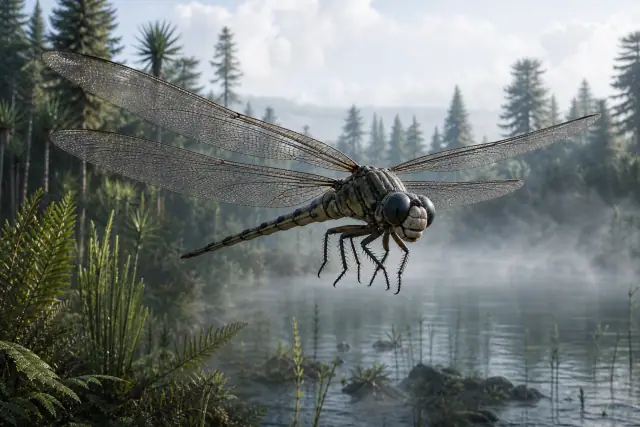
Liassophlebia magnifica
Four broad, densely veined wings carried this stem dragonfly on patrol above Jurassic lakeshores.
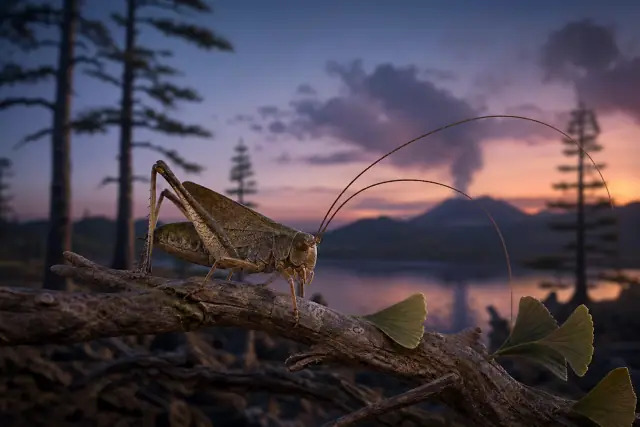
Archaboilus musicus
Preserved forewing sound structures support a reconstructed musical call: 6.4 kHz in 2012 and about 5 kHz in a later model.
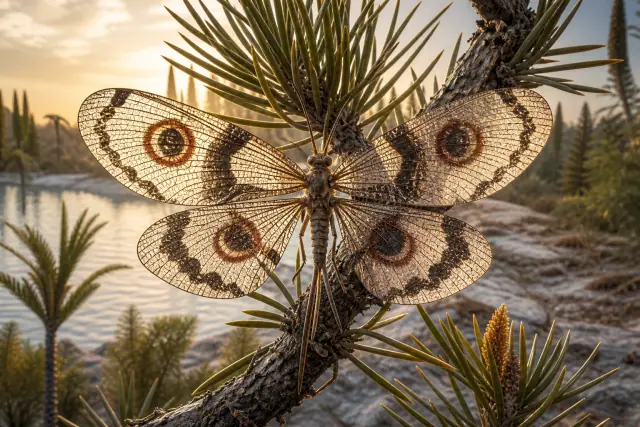
Kalligramma haeckeli
Huge eyespots, broad wings and an elongate mouthpart created a butterfly-like insect before butterflies flourished.
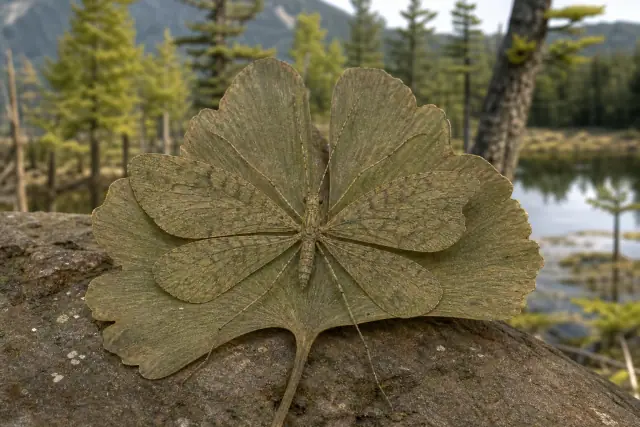
Juracimbrophlebia ginkgofolia
Four lobed wings nearly match ginkgoalean leaves from the same bed, rare evidence of deep-time leaf mimicry.
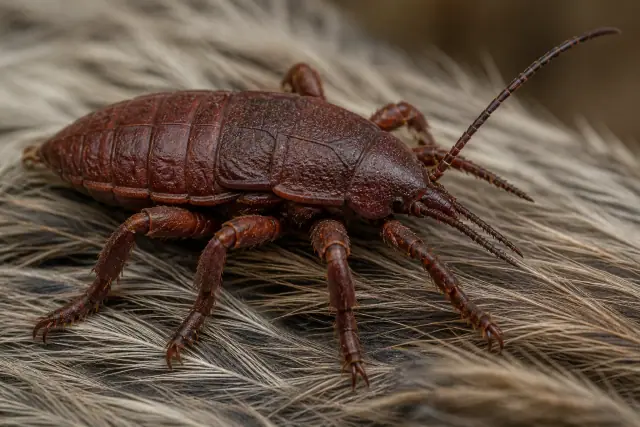
Pseudopulex jurassicus
About 17 millimeters long and unable to jump, it carried serrated piercing mouthparts far larger than those of modern fleas.
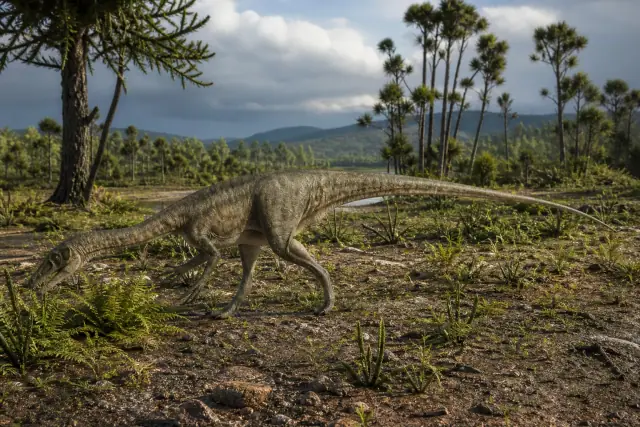
Massospondylus carinatus
A long neck, small head and grasping hands mark a stage between bipedal ancestors and giant quadrupedal sauropods.
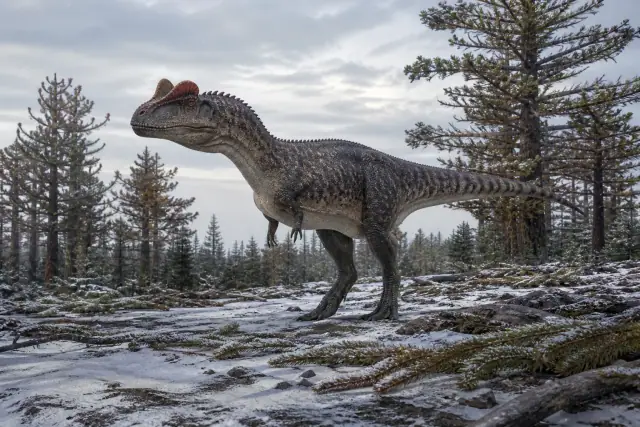
Cryolophosaurus ellioti
A curved transverse crest across its skull gives this large Antarctic theropod an unmistakable profile.