05Mesozoic
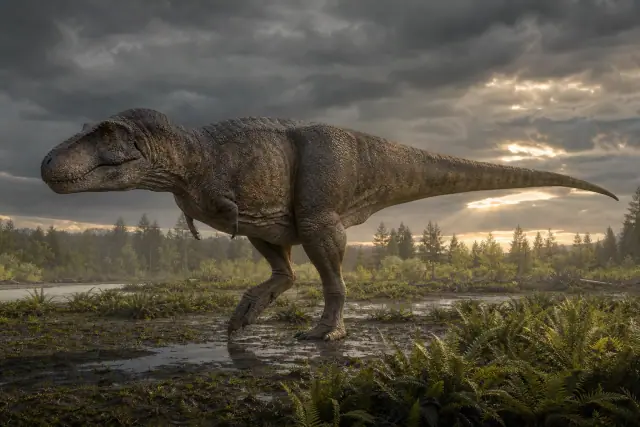
Tyrannosaurus
Tyrannosaurus rex
A deep skull, bone-crushing bite and keen senses made it one of the last giant theropods.
 EXTINCT ATLASEXTINCT LIFE ARCHIVE
Era
An era shaped by dinosaurs, pterosaurs, marine reptiles and early birds.
01 / ANSWER FIRST
Dinosaurs dominated many terrestrial ecosystems while pterosaurs flew and several reptile lineages independently occupied the oceans; mammals, birds and flowering plants also evolved.
02 / TIME & EVOLUTION
Triassic recovery assembled new groups, Jurassic ecosystems supported giants, and Cretaceous continents plus flowering plants created increasingly regional faunas.
03 / TURNOVER & EXTINCTION
The end-Triassic extinction opened opportunities early in the era; the Chicxulub impact ended it 66 million years ago.
04 / KEY THEMES
Theropods and herbivorous lineages diversified across fragmented continents.
Ichthyosaurs, plesiosaurs and mosasaurs repeatedly reshaped marine predation.
Feathered dinosaurs reveal flight emerging step by step.
05 / EVIDENCE
Skeletons, feathers, eggs, nests, footprints, coprolites and geochemistry connect anatomy to behaviour and environment.
06 / FAQ
Dinosaurs dominated many terrestrial ecosystems while pterosaurs flew and several reptile lineages independently occupied the oceans; mammals, birds and flowering plants also evolved.
Skeletons, feathers, eggs, nests, footprints, coprolites and geochemistry connect anatomy to behaviour and environment.
The end-Triassic extinction opened opportunities early in the era; the Chicxulub impact ended it 66 million years ago.
07 / SOURCES
Tyrannosaurus rex
A deep skull, bone-crushing bite and keen senses made it one of the last giant theropods.
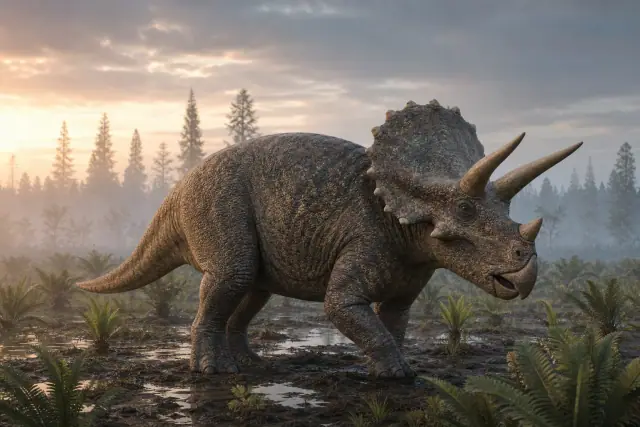
Triceratops horridus
Triceratops ate plants, clipping vegetation with its beak and slicing it with dental batteries. Fossils reveal feeding mechanics more clearly than a precise plant menu.
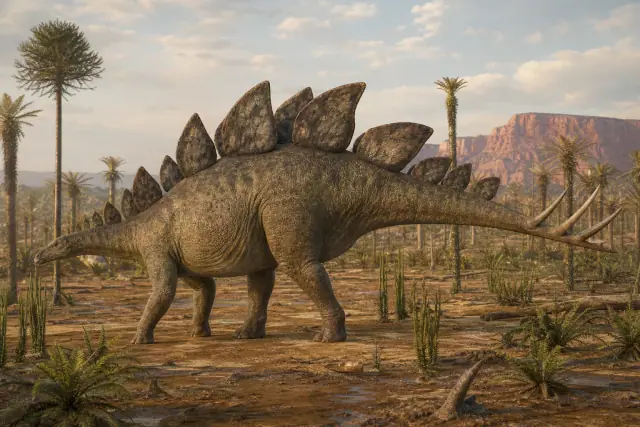
Stegosaurus stenops
Tall back plates and a four-spiked tail made this low-browsing herbivore unmistakable.
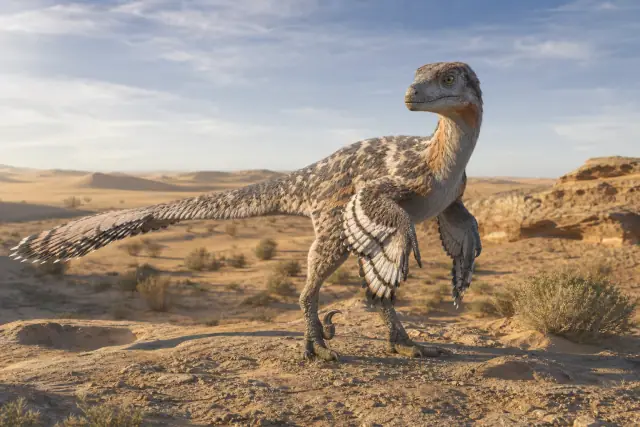
Velociraptor mongoliensis
This turkey-sized feathered predator carried a raised sickle claw on each foot.
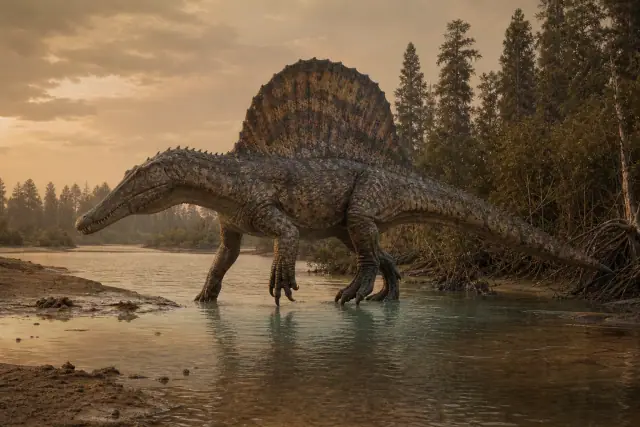
Spinosaurus aegyptiacus
A sail-backed predator with dense bones and a paddle-like tail, adapted to life around water.
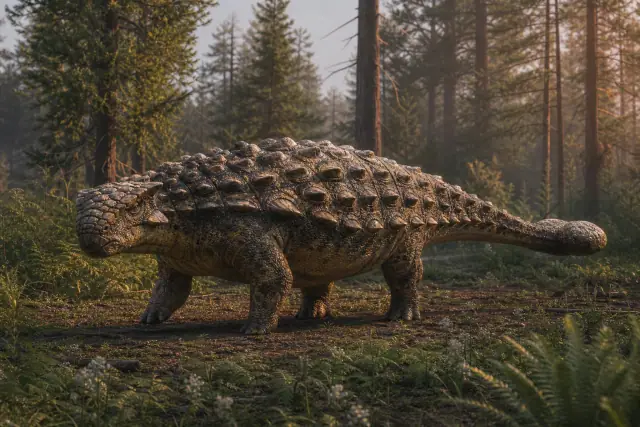
Ankylosaurus magniventris
Body armor and a heavy tail club turned a plant-eater into a walking fortress.
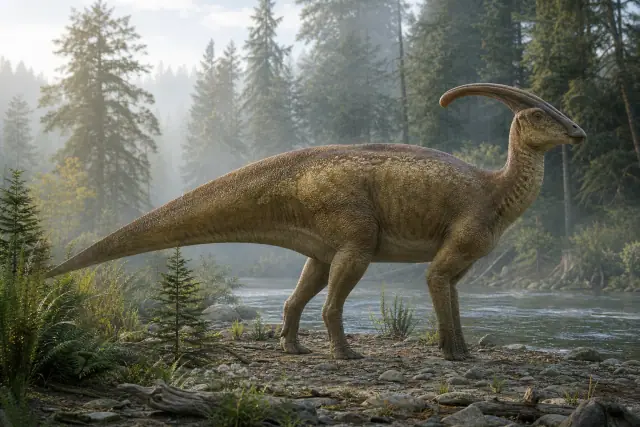
Parasaurolophus walkeri
Its long hollow crest may have carried low calls across forests and floodplains.
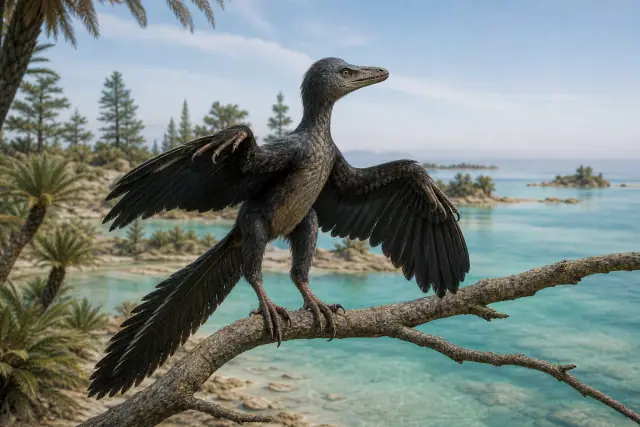
Archaeopteryx lithographica
Feathers, wings, teeth and a long bony tail capture a mosaic of dinosaur and bird traits.
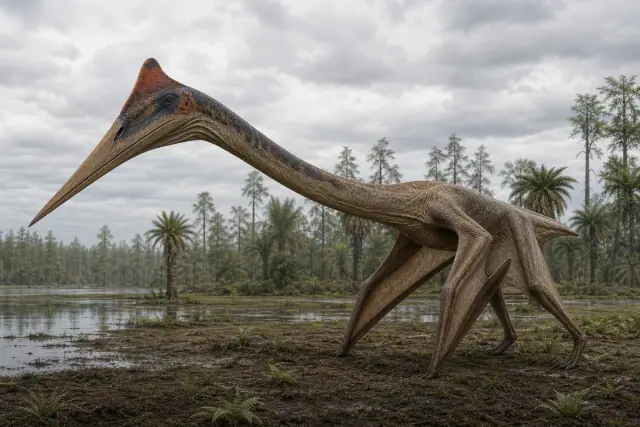
Quetzalcoatlus northropi
One of the largest known flying animals stood as tall as a giraffe on the ground.
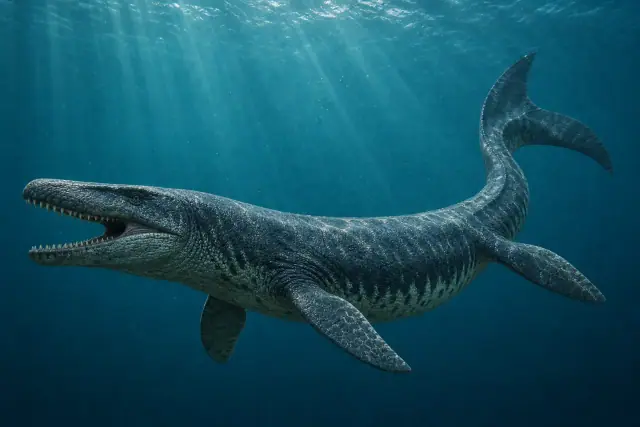
Mosasaurus hoffmannii
A giant marine lizard propelled by a deep tail fin patrolled Late Cretaceous seas.
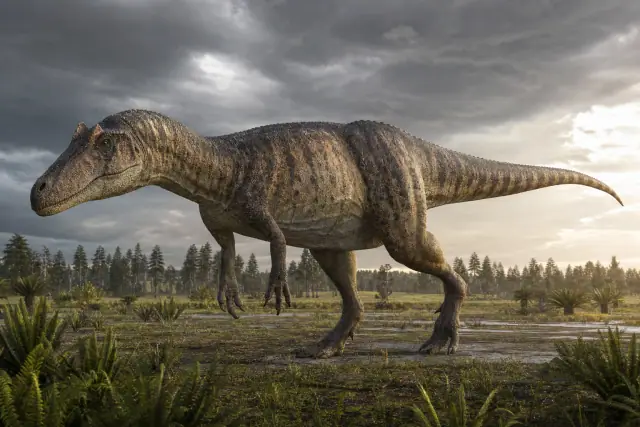
Allosaurus fragilis
A lightweight skull and serrated teeth equipped this large predator for repeated slashing bites.
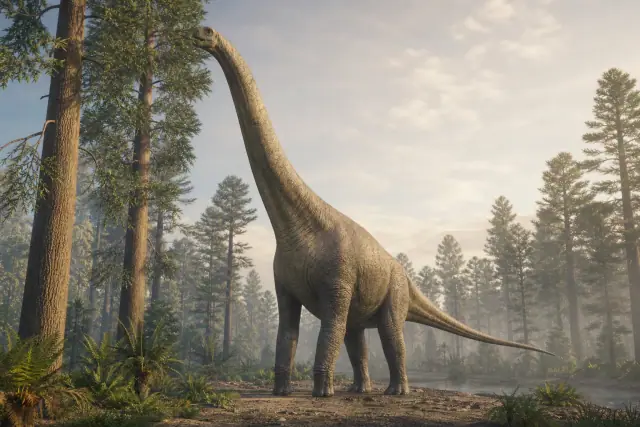
Brachiosaurus altithorax
Long forelimbs lifted its shoulders and neck toward the Jurassic canopy.
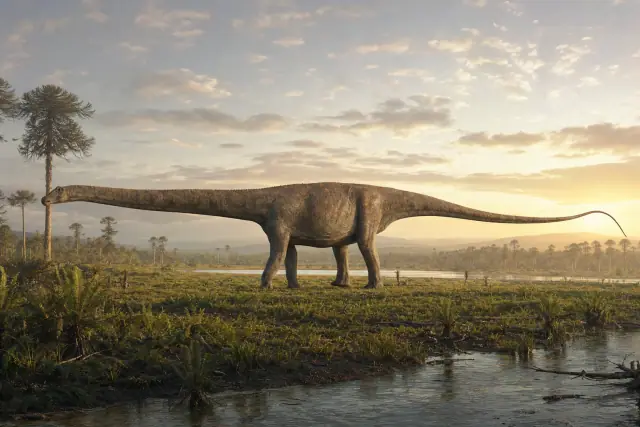
Diplodocus carnegii
A whip-like tail balanced an extremely long neck on this lightly built giant.
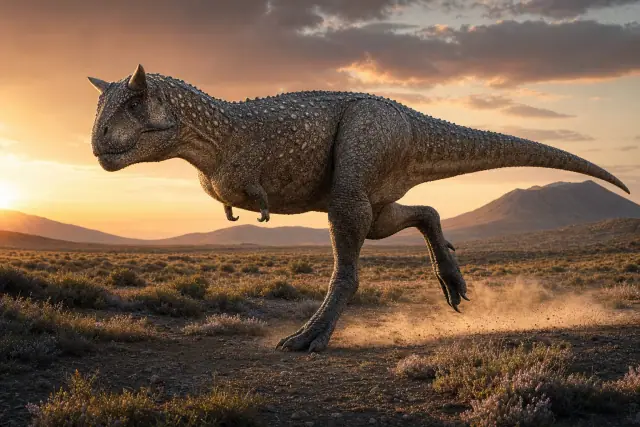
Carnotaurus sastrei
Brow horns, a deep skull and extremely reduced arms marked this fast abelisaurid.
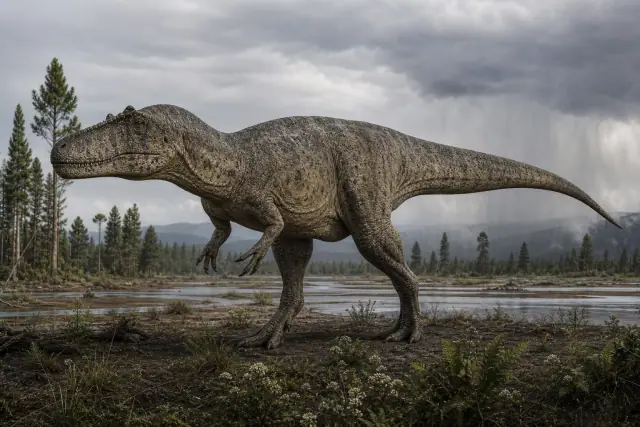
Giganotosaurus carolinii
A giant narrow-skulled theropod shared its world with immense sauropods.
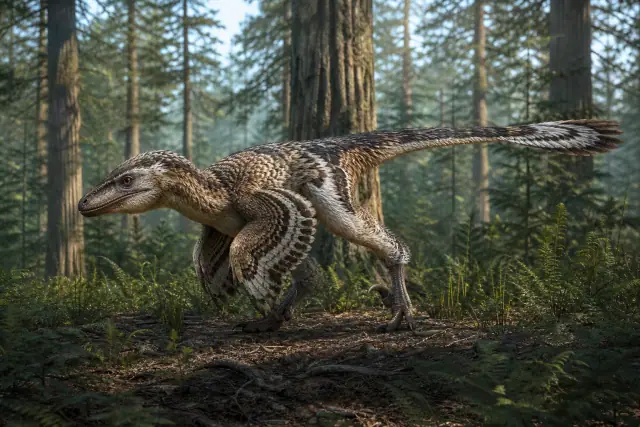
Deinonychus antirrhopus
A stiff tail, grasping hands and enlarged foot claw made an agile feathered hunter.
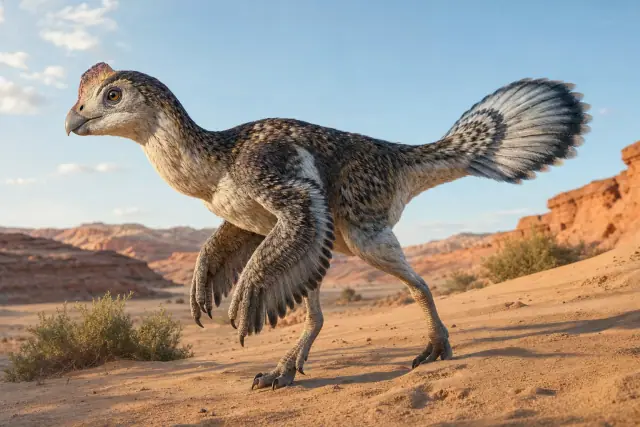
Oviraptor philoceratops
The supposed egg thief was found above a nest that probably contained its own young.
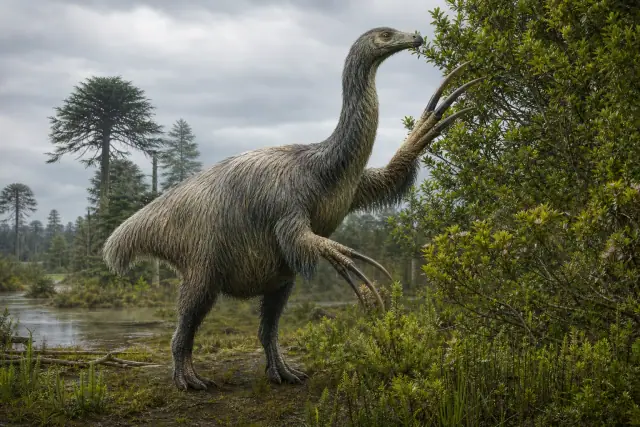
Therizinosaurus cheloniformis
Meter-long hand claws belonged to a tall, feathered, pot-bellied herbivore.
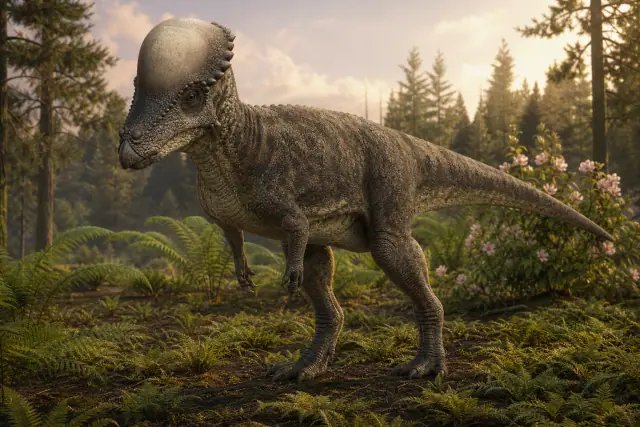
Pachycephalosaurus wyomingensis
A thick dome of bone crowned the skull of this two-legged herbivore.
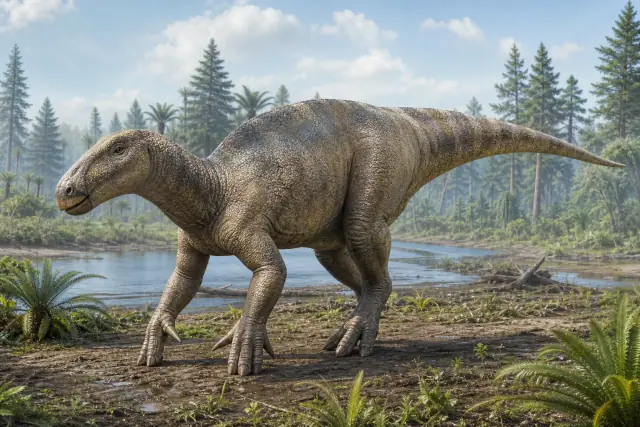
Iguanodon bernissartensis
A conical thumb spike and batteries of chewing teeth equipped this adaptable herbivore.
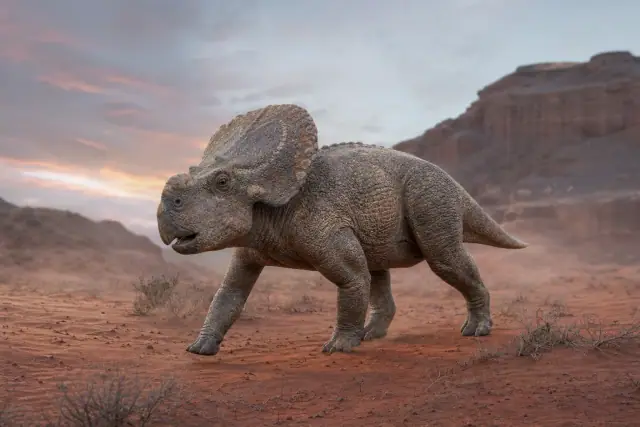
Protoceratops andrewsi
Protoceratops was a small, beaked ceratopsian from Late Cretaceous Mongolia. Its neck frill and four-legged body distinguish it from its predator Velociraptor.
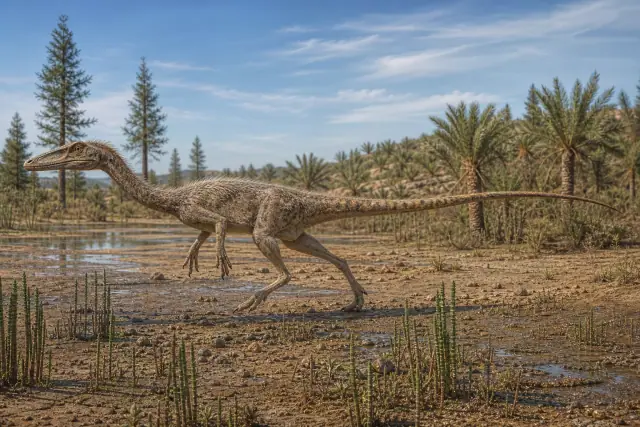
Coelophysis bauri
Coelophysis was a slender, two-legged theropod from the Late Triassic. Many skeletons occur together at Ghost Ranch in New Mexico.
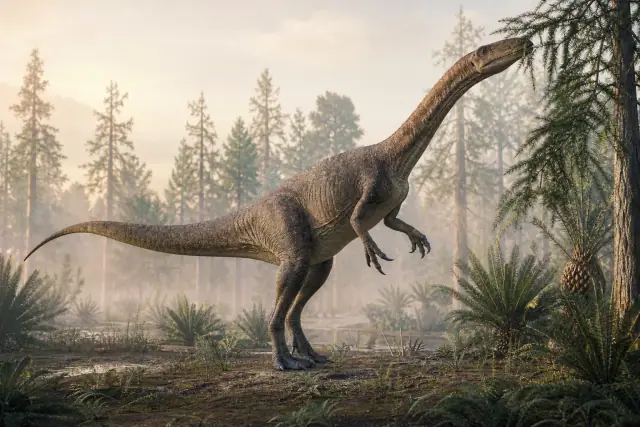
Plateosaurus trossingensis
Plateosaurus was a Late Triassic sauropodomorph from central Europe. It combined a long neck with grasping hands and strongly developed hind limbs.
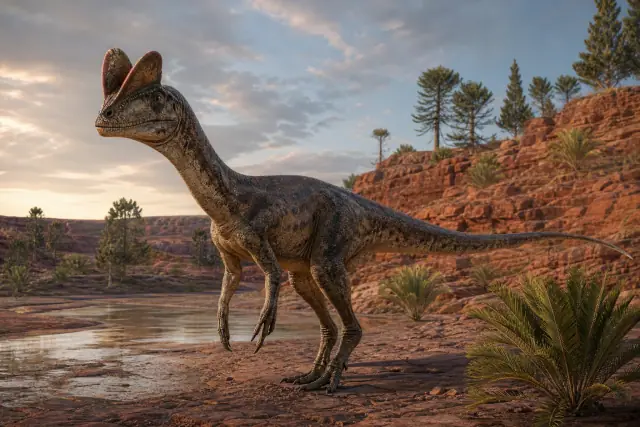
Dilophosaurus wetherilli
Dilophosaurus wetherilli was a large Early Jurassic predator from northern Arizona. Two thin crests on its skull gave it its name.
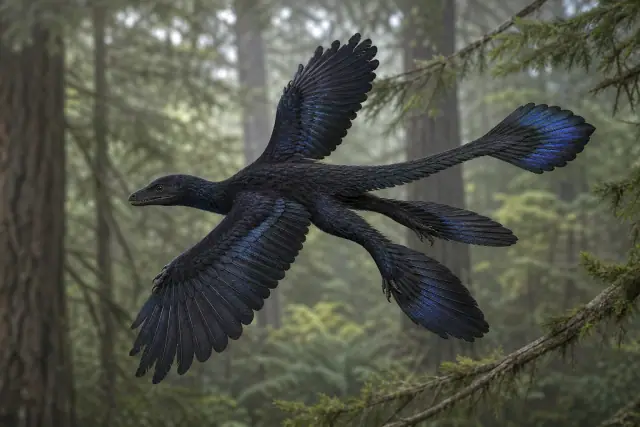
Microraptor gui
Microraptor was a small feathered theropod from Early Cretaceous China. Long feathers on both forelimbs and hind limbs created several aerodynamic surfaces.
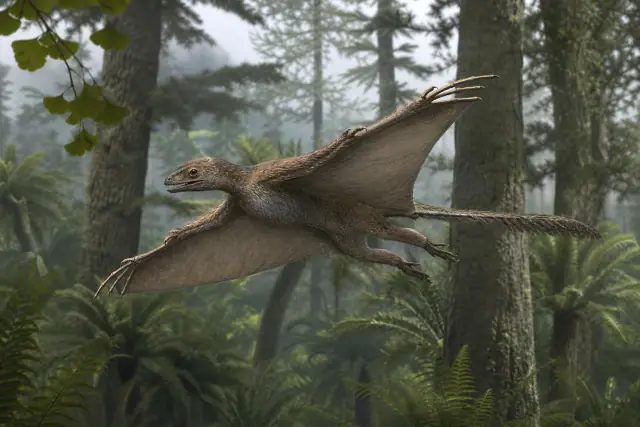
Yi qi
Yi qi was a small Jurassic theropod with feathers and preserved traces of a wing membrane. A rod-like element extending from the wrist made its wing unlike a modern bird's.
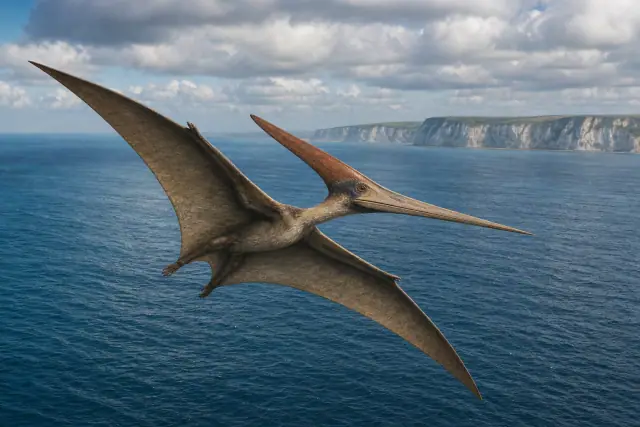
Pteranodon longiceps
Pteranodon was a toothless pterosaur above the Late Cretaceous seas of North America. It was a flying reptile, not a bird or a dinosaur.
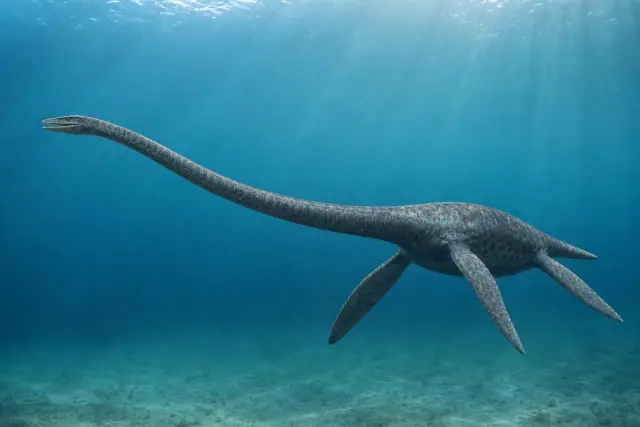
Elasmosaurus platyurus
Elasmosaurus platyurus was a long-necked marine reptile from Late Cretaceous Kansas. A 2013 reassessment counted 72 preserved neck vertebrae in its holotype.
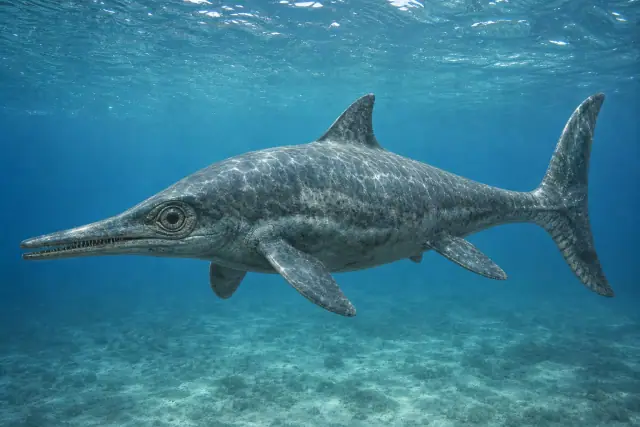
Ichthyosaurus communis
A streamlined reptile converged on the body plan of dolphins while retaining enormous eyes.
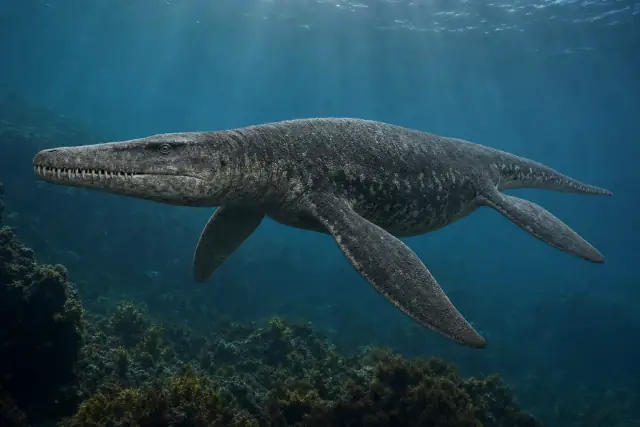
Liopleurodon ferox
Liopleurodon was a Jurassic pliosaur: a marine reptile with a large skull, short neck and four flippers. Its teeth and bones should be distinguished from television size reconstructions.
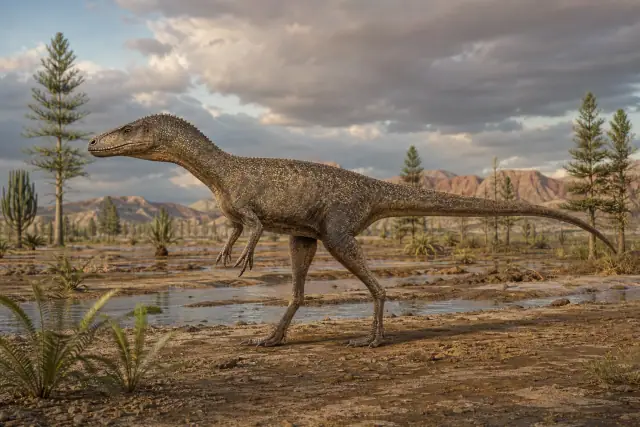
Herrerasaurus ischigualastensis
One of the earliest large dinosaurs was a lightly built two-legged predator.
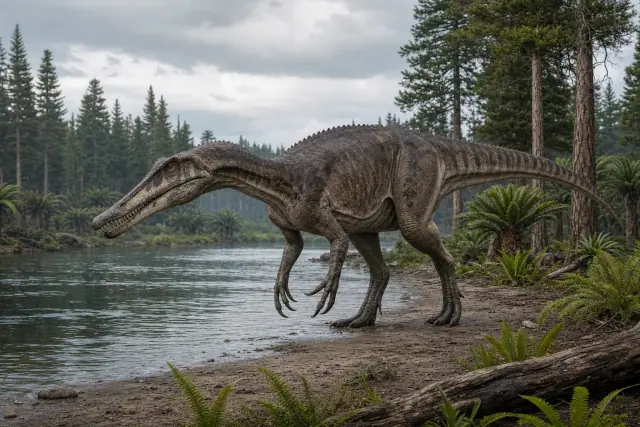
Baryonyx walkeri
A crocodile-like snout and huge thumb claw equipped this theropod to catch fish and other prey.
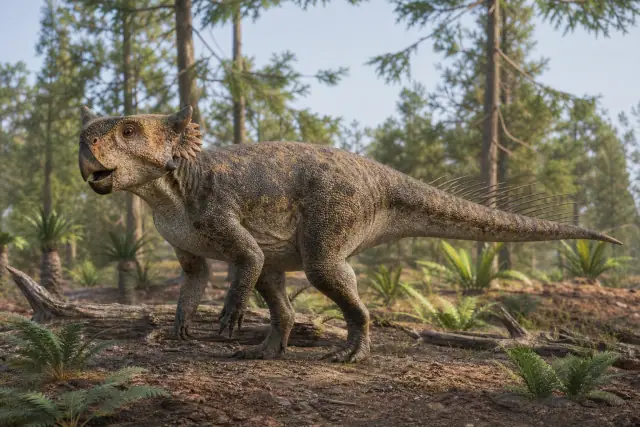
Psittacosaurus mongoliensis
A deep parrot-like beak helped this early horned dinosaur process plants; this record distinguishes P. mongoliensis from other specimens of the genus.
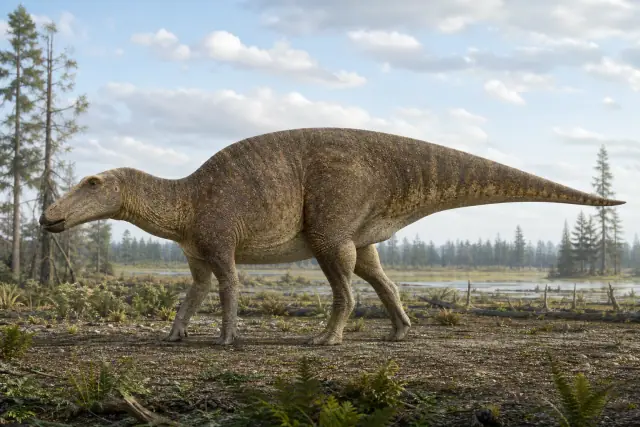
Edmontosaurus annectens
A broad duck bill and dense dental batteries processed huge amounts of vegetation.
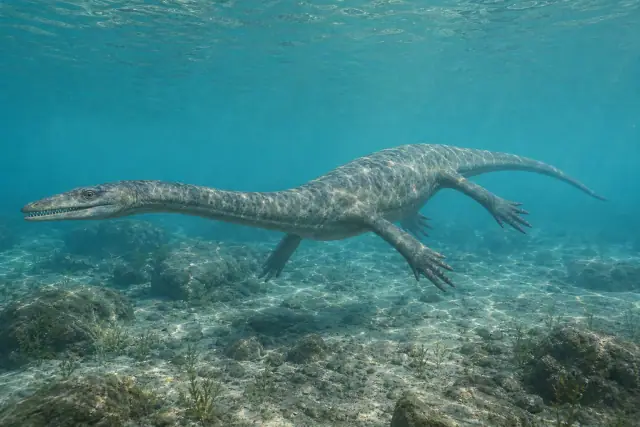
Nothosaurus mirabilis
A long-necked coastal reptile paddled through shallow Triassic seas.
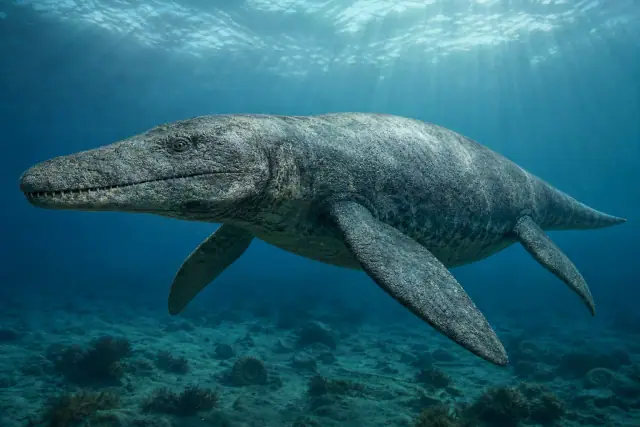
Kronosaurus queenslandicus
A massive pliosaur skull powered attacks on large marine prey.
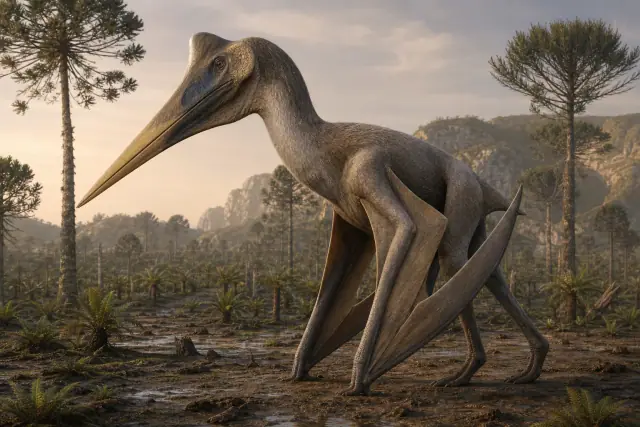
Hatzegopteryx thambema
A giant pterosaur with a robust neck stalked an island populated by dwarf dinosaurs.
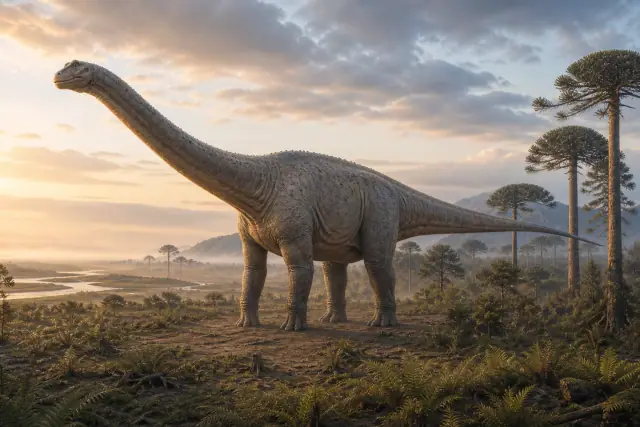
Argentinosaurus huinculensis
A handful of colossal vertebrae and limb bones indicate one of the largest land animals known.
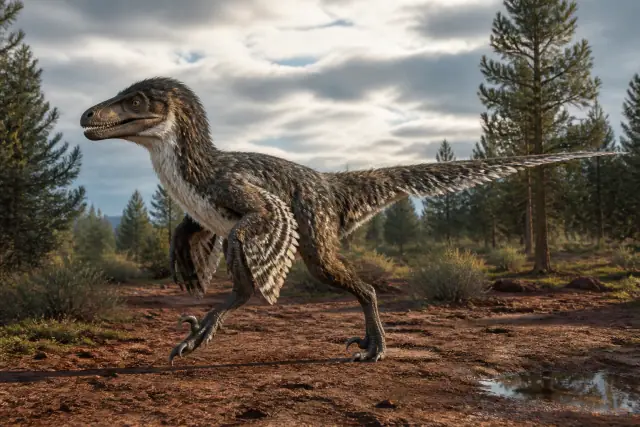
Utahraptor ostrommaysorum
This huge, robust dromaeosaur used strength and a curved second-toe claw to control prey.
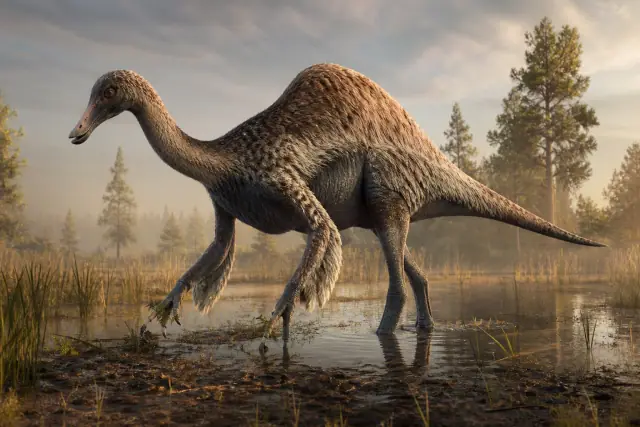
Deinocheirus mirificus
Huge arms, a broad bill, a tall back and wide feet formed one of the strangest dinosaur silhouettes.
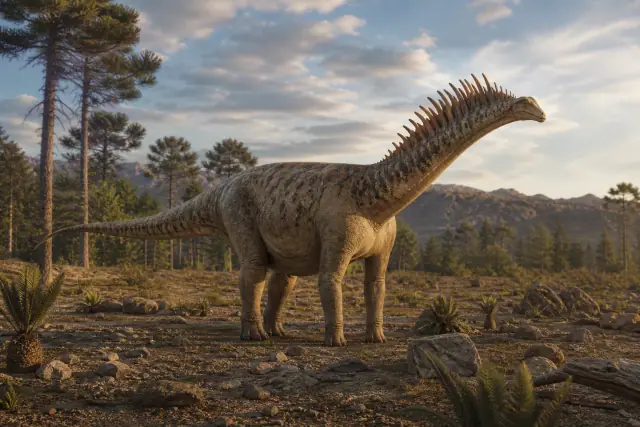
Amargasaurus cazaui
Two rows of elongated neck spines made its profile unique, though their soft-tissue covering remains debated.
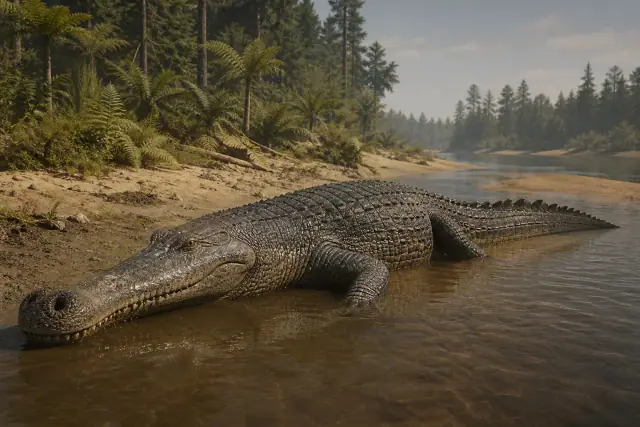
Sarcosuchus imperator
This long-snouted armored crocodyliform was not a direct ancestor of living crocodiles.
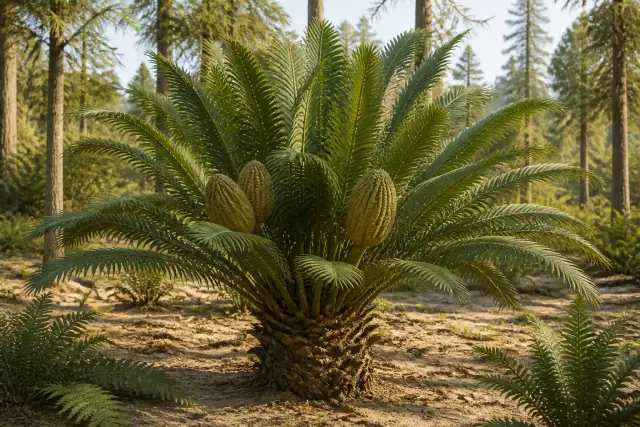
Williamsonia gigas
Flower-like reproductive organs nestled among cycad-like leaves, but this bennettitalean was not a flowering plant.
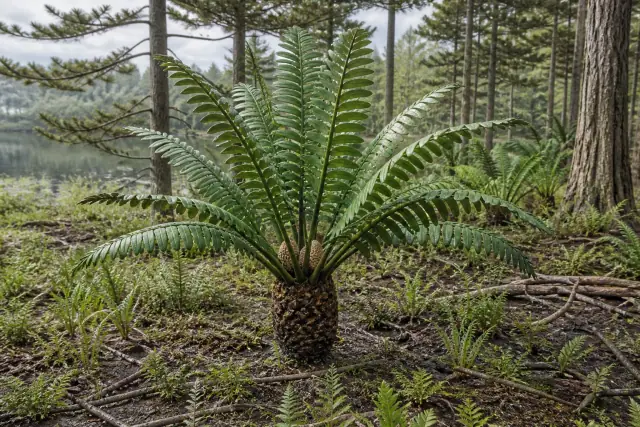
Nilssonia orientalis
Long leaves divided into broad segments formed part of the cycadophyte layer beneath Jurassic trees.
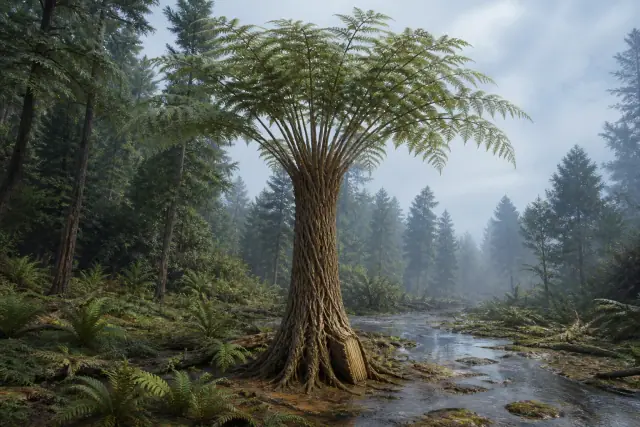
Tempskya rossica
What looked like one trunk was a false stem woven from many small axes and adventitious roots.
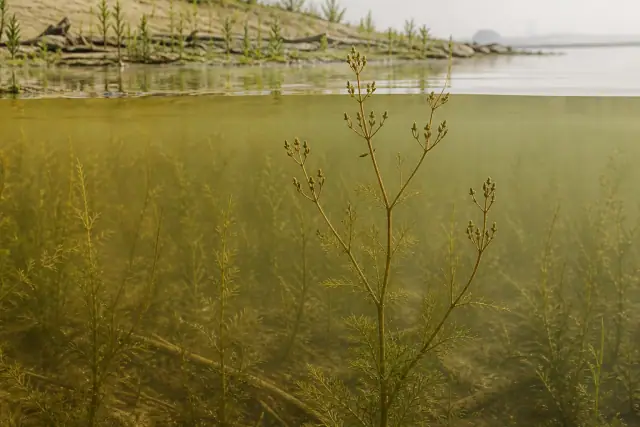
Archaefructus liaoningensis
Elongated aquatic stems bore petal-less reproductive structures important to debates about early flowering plants.
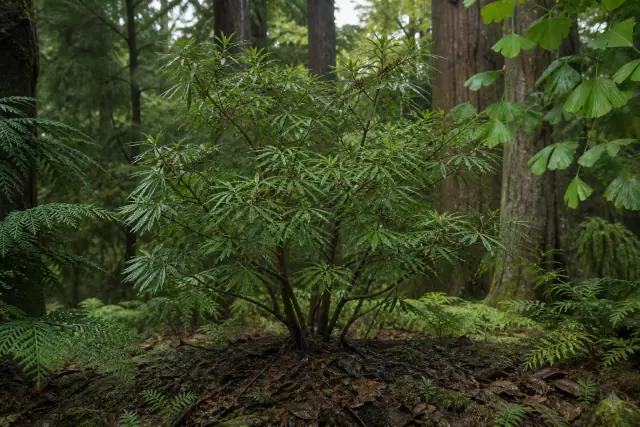
Caytonia nathorstii
Curved cupules containing ovules hung beneath compound leaves in this puzzling seed plant.
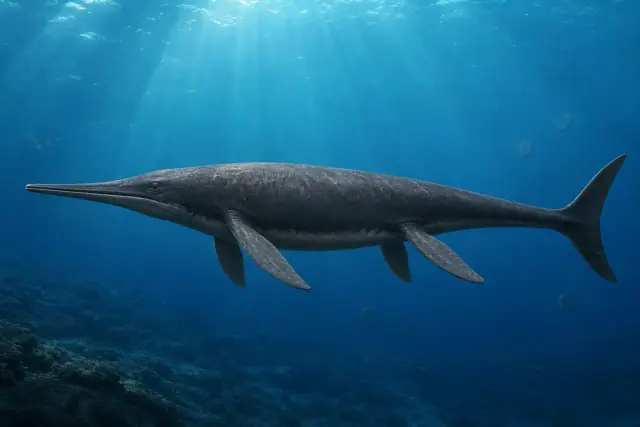
Shonisaurus popularis
This roughly fifteen-meter ichthyosaur had a long narrow snout and four flippers.
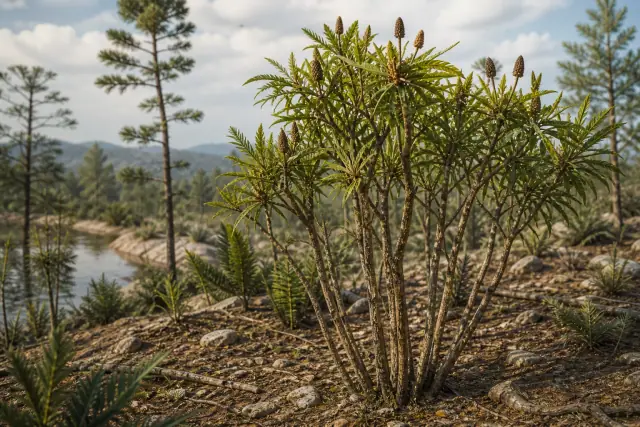
Pentoxylon sahnii
Several separate woody columns occupied one stem beneath clusters of long leaves and unusual male and female organs.
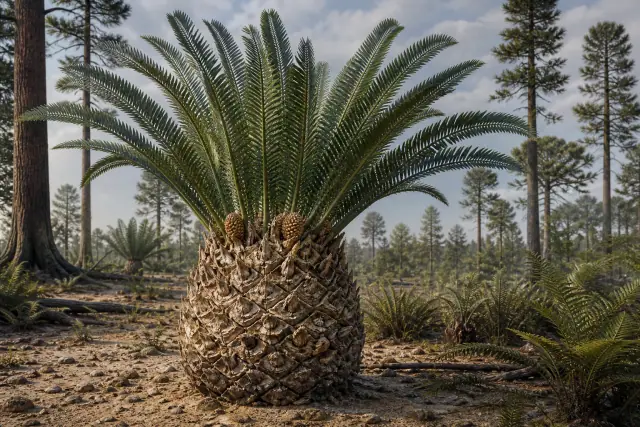
Cycadeoidea gigantea
A stout barrel-shaped trunk held a pinnate crown and many flower-like bisexual reproductive structures among old leaf bases.
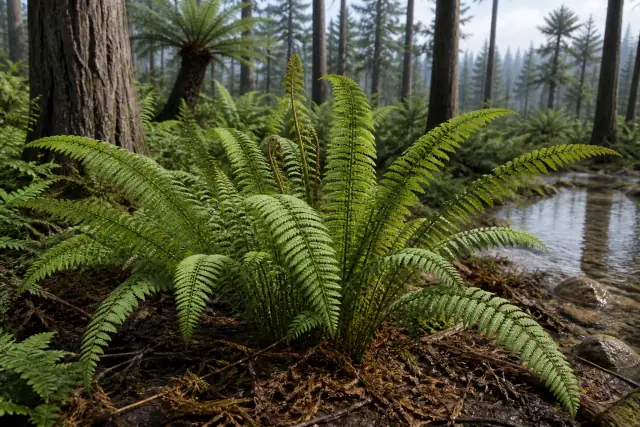
Cladophlebis denticulata
Finely pinnate fronds carpeted Jurassic understories, each toothed leaflet crossed by repeatedly branching veins.
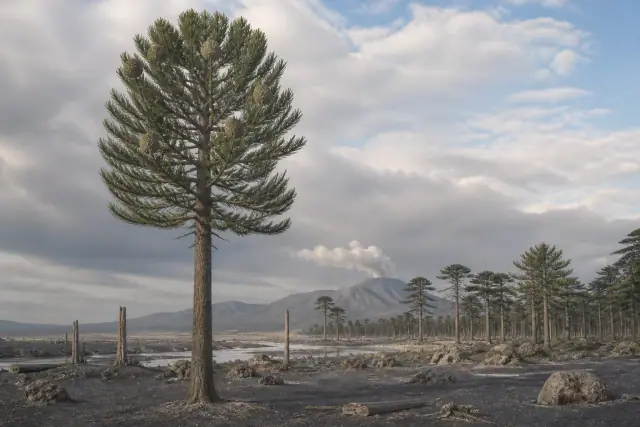
Araucaria mirabilis
Tall conifers bore nearly spherical cones whose internal scales and ovules were silicified by volcanic landscapes.
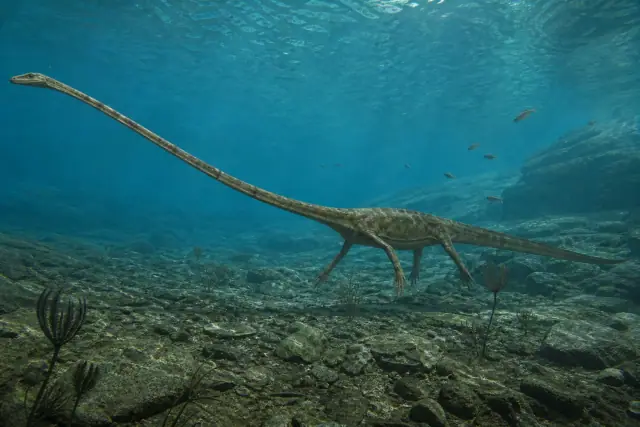
Tanystropheus hydroides
Thirteen extremely elongated vertebrae formed a neck as long as half the body, while the skull snapped at fish and cephalopods.
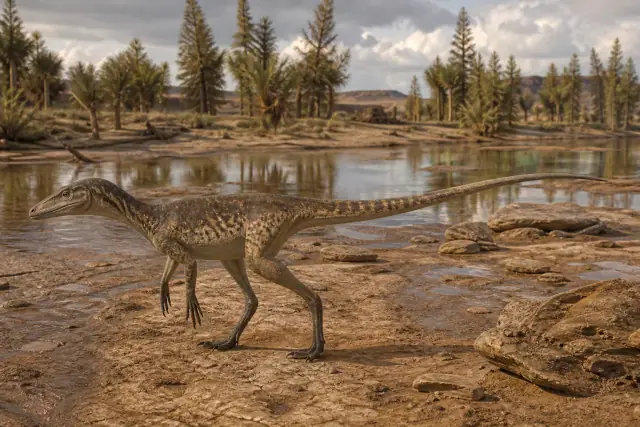
Eoraptor lunensis
A lightly built one-meter animal ran on two legs with both sharp and leaf-shaped teeth in its jaws.
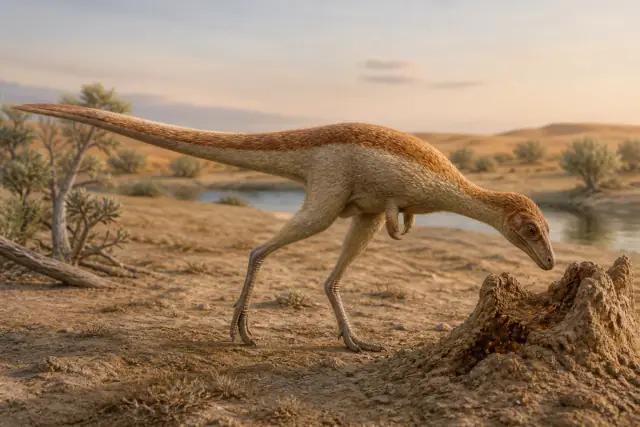
Mononykus olecranus
Each tiny forearm ended in one stout main claw, perhaps used to tear open insect nests like a modern anteater.
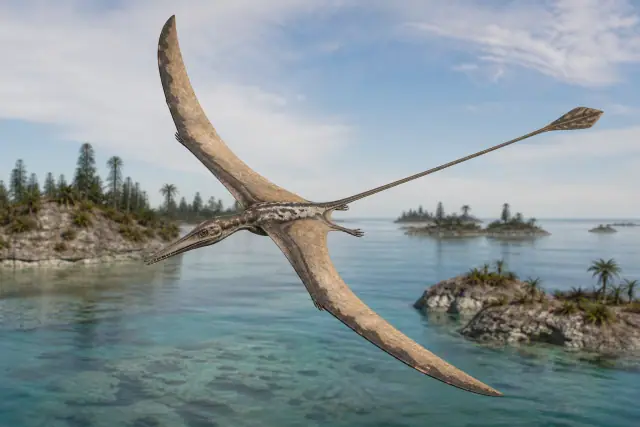
Rhamphorhynchus muensteri
Needle teeth lined long jaws while a diamond-shaped membrane at the stiff tail tip helped control flight above island seas.
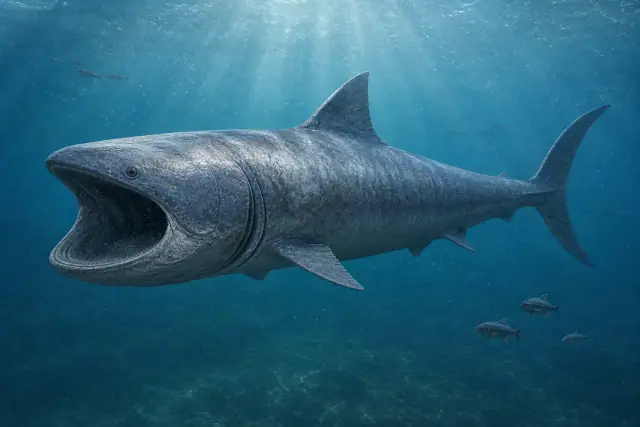
Leedsichthys problematicus
This giant bony fish opened a broad mouth and strained plankton through dense gill rakers, much like a whale shark.
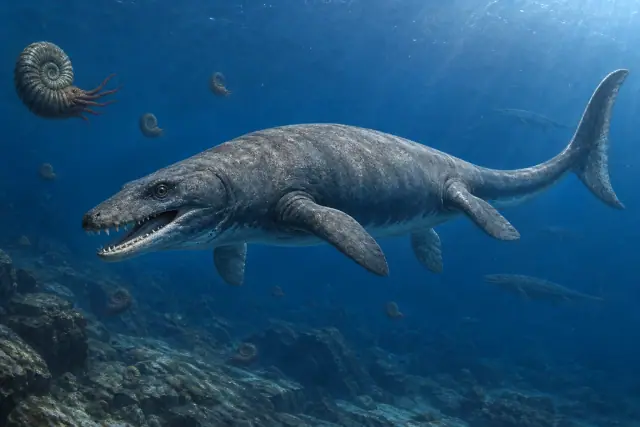
Dakosaurus maximus
A short deep skull carried serrated blades, while this marine crocodile's body had transformed into four flippers and a fishlike tail.
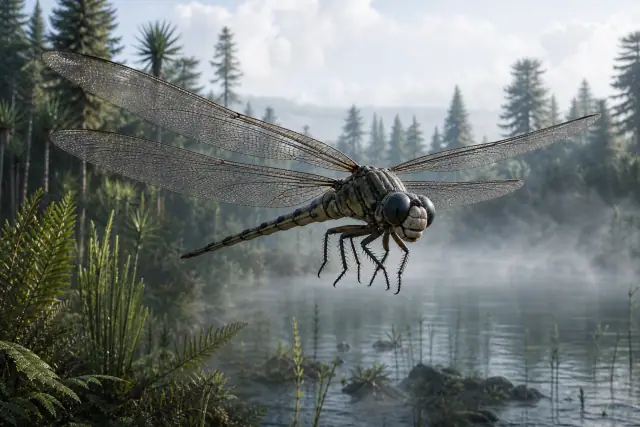
Liassophlebia magnifica
Four broad, densely veined wings carried this stem dragonfly on patrol above Jurassic lakeshores.
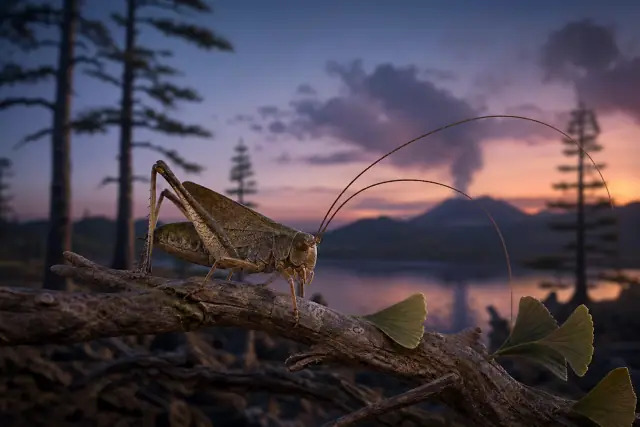
Archaboilus musicus
Preserved forewing sound structures support a reconstructed musical call: 6.4 kHz in 2012 and about 5 kHz in a later model.
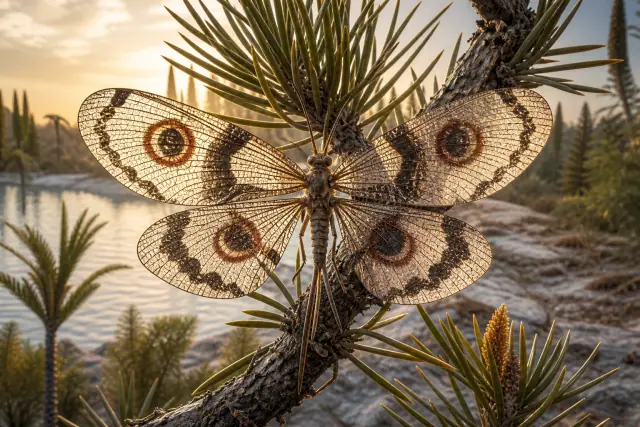
Kalligramma haeckeli
Huge eyespots, broad wings and an elongate mouthpart created a butterfly-like insect before butterflies flourished.
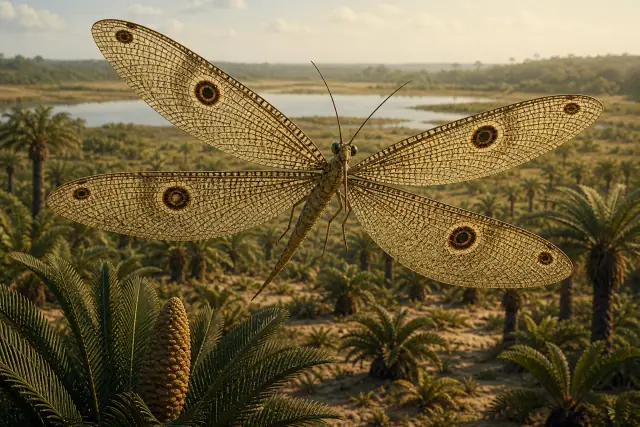
Makarkinia adamsi
Scaling from the surviving wing fragment suggests a wing as long as 16 centimeters, among the largest lacewings known.
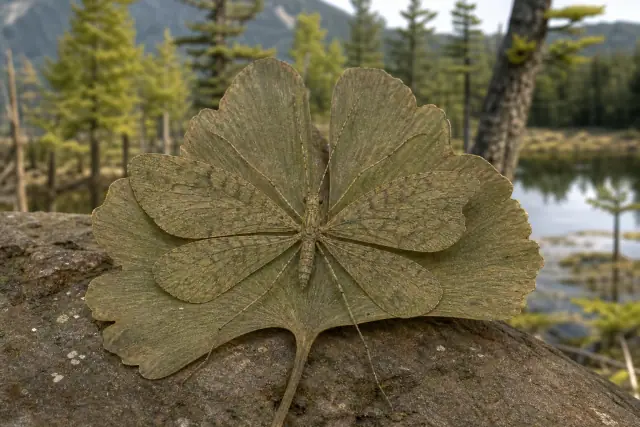
Juracimbrophlebia ginkgofolia
Four lobed wings nearly match ginkgoalean leaves from the same bed, rare evidence of deep-time leaf mimicry.
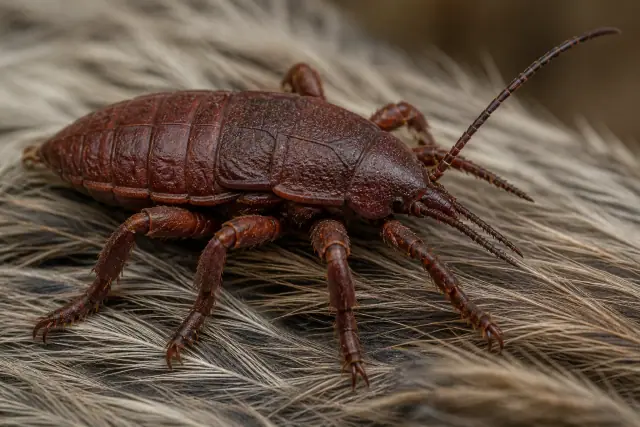
Pseudopulex jurassicus
About 17 millimeters long and unable to jump, it carried serrated piercing mouthparts far larger than those of modern fleas.
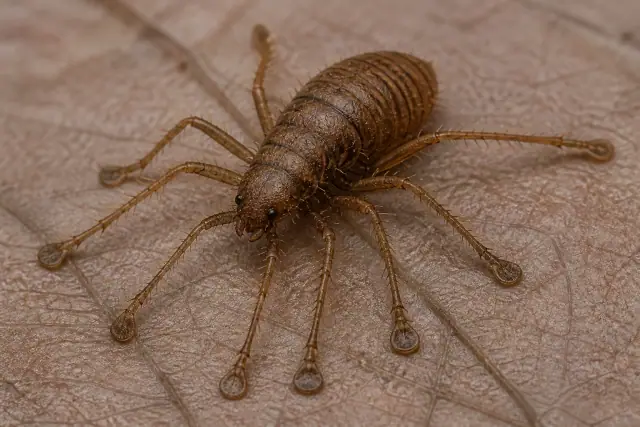
Saurophthirus exquisitus
Broad pads at the tips of long legs could grip a smooth wing membrane, suggesting a possible life on pterosaurs.
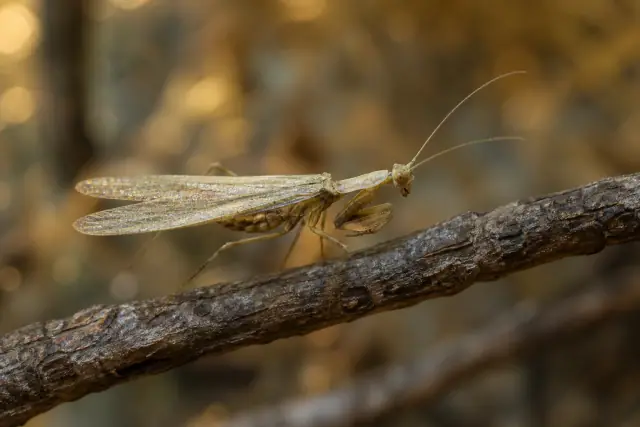
Santanmantis axelrodi
Only about a centimeter long, it already folded spine-lined grasping forelegs beneath its chest.
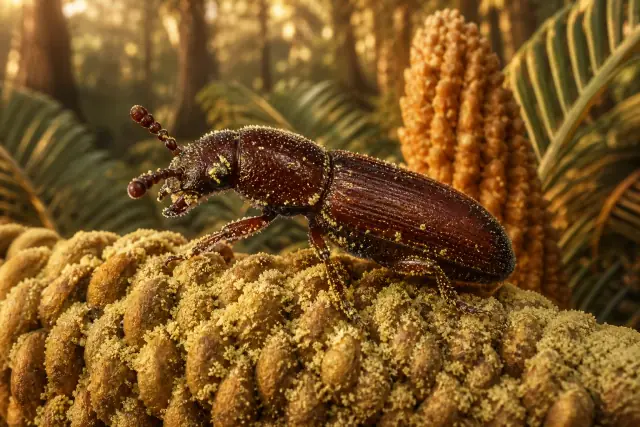
Cretoparacucujus cycadophilus
Cycad pollen lies beside it in amber, and its jaws bear small specialized pits for transporting pollen.
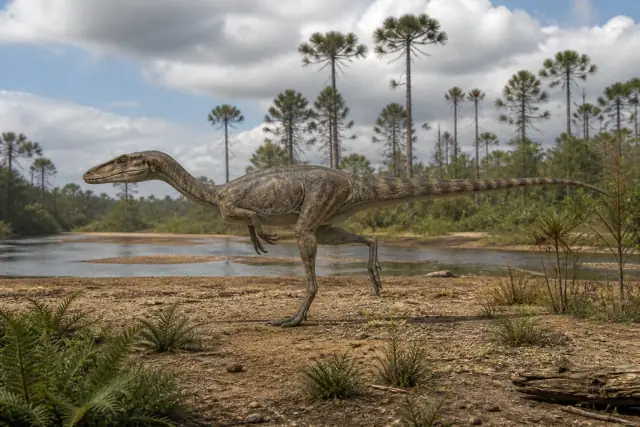
Staurikosaurus pricei
This lightly built two-meter hunter represents an early branch from the first dinosaur diversification.
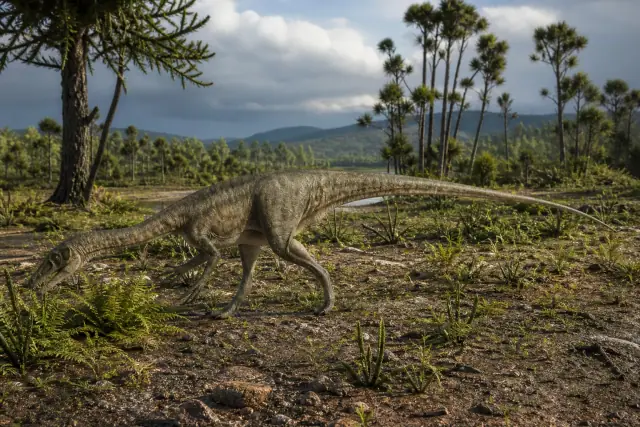
Massospondylus carinatus
A long neck, small head and grasping hands mark a stage between bipedal ancestors and giant quadrupedal sauropods.
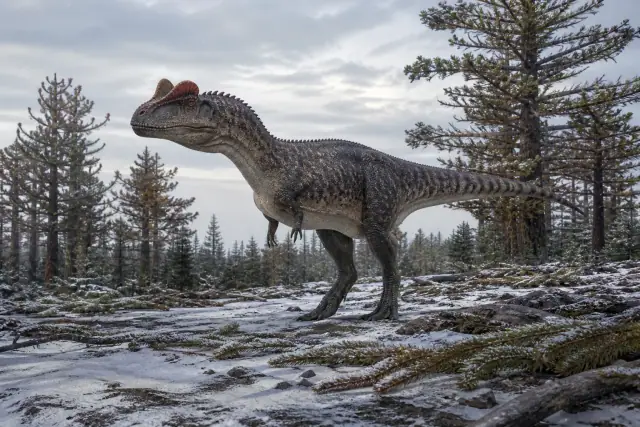
Cryolophosaurus ellioti
A curved transverse crest across its skull gives this large Antarctic theropod an unmistakable profile.
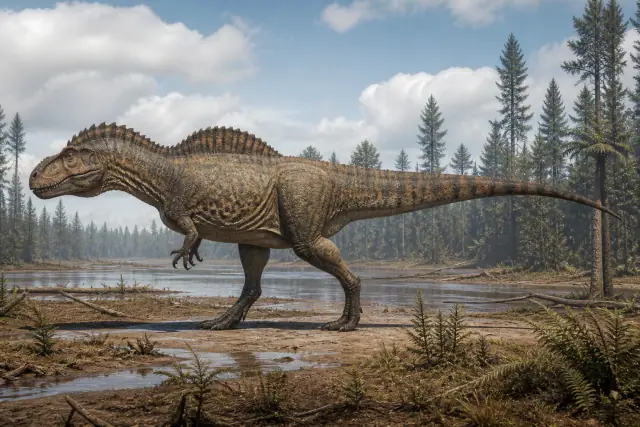
Acrocanthosaurus atokensis
Tall neural spines along the neck and back supported a muscular ridge rather than a paper-thin sail.
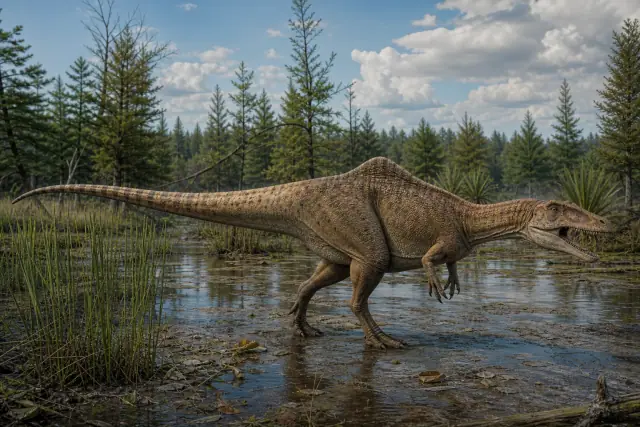
Concavenator corcovatus
Two very tall vertebrae ahead of the hips formed a short steep back crest, while the forearm carried unusual knobs.
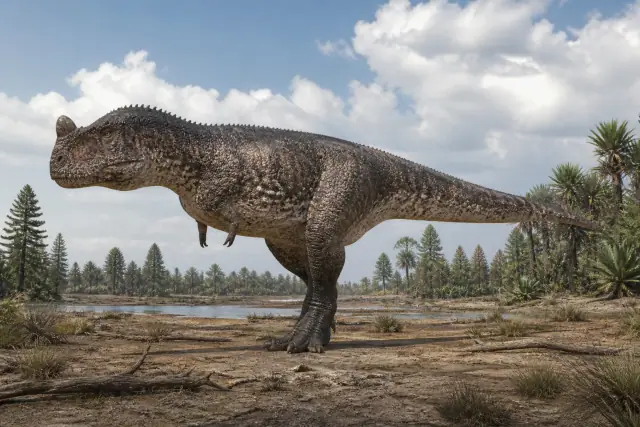
Majungasaurus crenatissimus
A short deep skull carried a rounded horn, while tooth marks on its own species provide rare scavenging evidence.
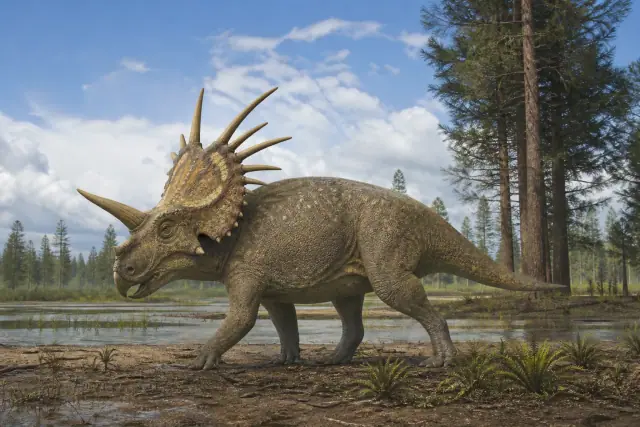
Styracosaurus albertensis
A huge nasal horn and long spikes radiating from the frill made one of the most dramatic ceratopsian heads.
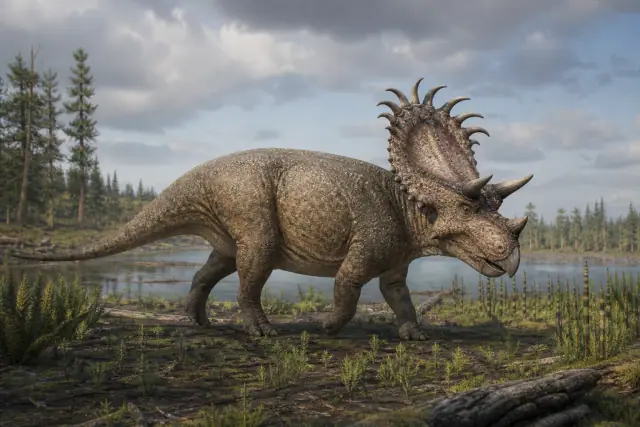
Kosmoceratops richardsoni
Fifteen horn-like ornaments across the nose, brows and broad frill formed a folded crown around the skull.
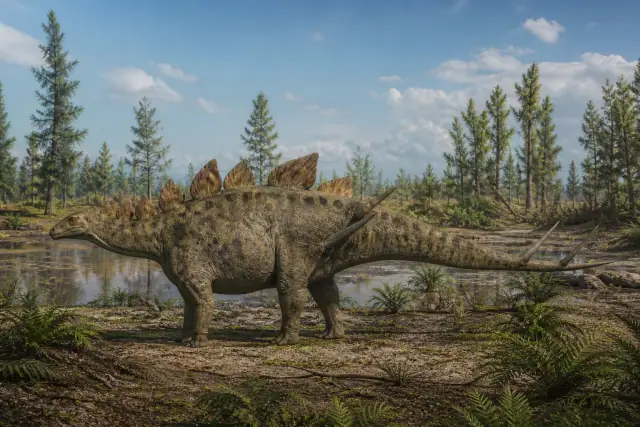
Kentrosaurus aethiopicus
Plates covered the front body while long paired spikes armed the hips and tail, concentrating defense behind it.
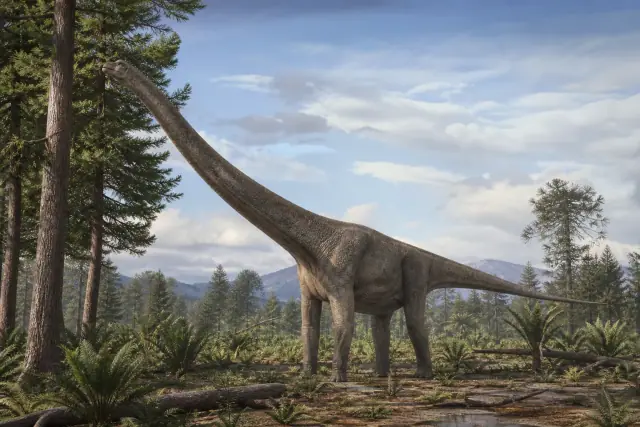
Mamenchisaurus hochuanensis
Nineteen elongated neck vertebrae placed nearly half the body's length in the neck, lightened internally by air spaces.
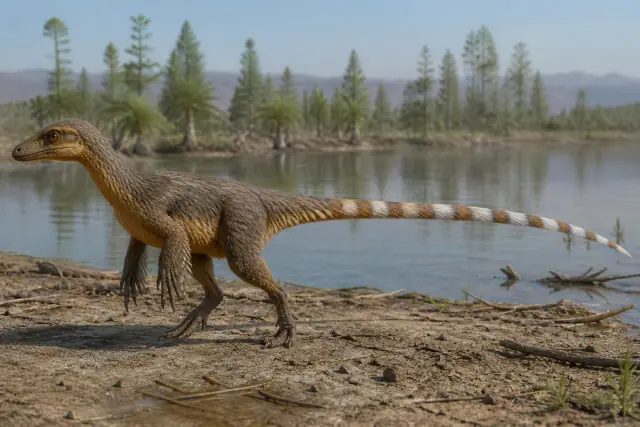
Sinosauropteryx prima
Simple filamentous feathers and tail color bands made it the first dinosaur restored with evidence-based coloration.
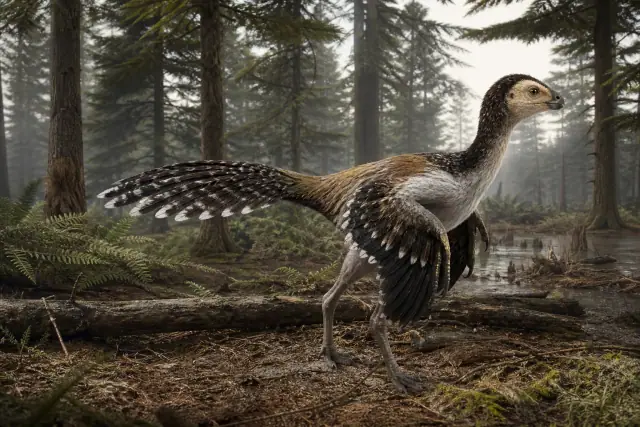
Caudipteryx zoui
Orderly vaned feathers covered its arms and short tail, but symmetric feathers and body proportions prevented powered flight.
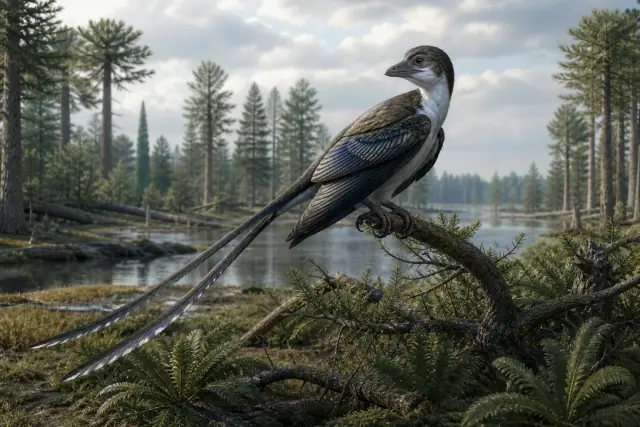
Confuciusornis sanctus
A toothless beak, clawed wings and—in some individuals—two long ribbon-like tail feathers appeared together.
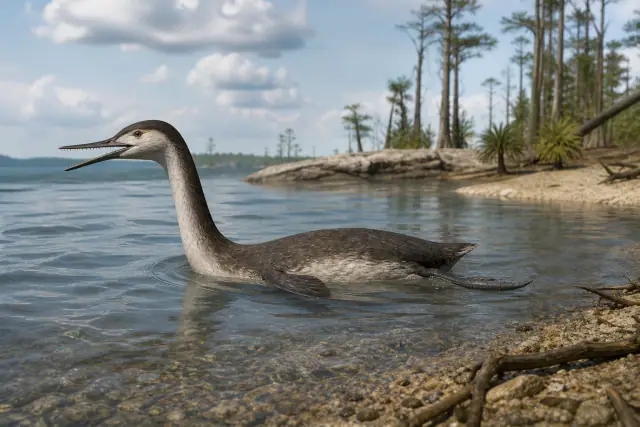
Hesperornis regalis
Its wings shrank to small bones while rear-set legs turned it into a superb Mesozoic pursuit diver.
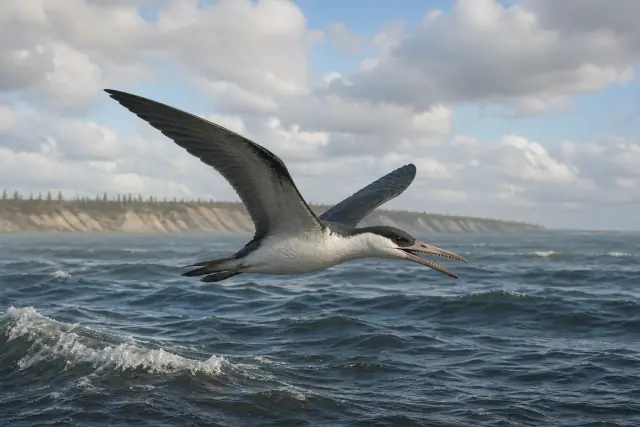
Ichthyornis dispar
Its body and flight resembled a tern, but a row of true teeth remained inside the long jaws.
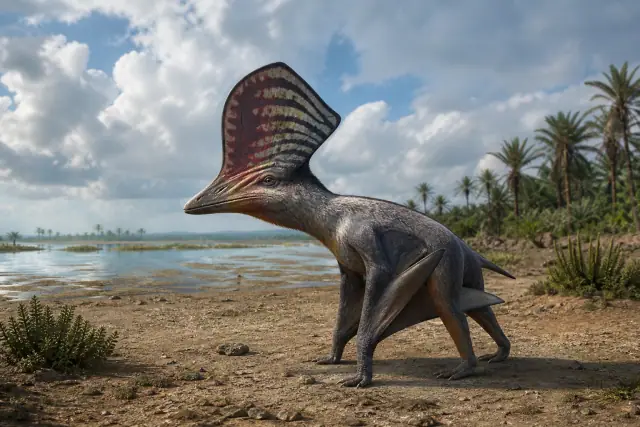
Tapejara wellnhoferi
An enormous crest rose above a short toothless beak, with soft tissue extending the bony sail still farther.
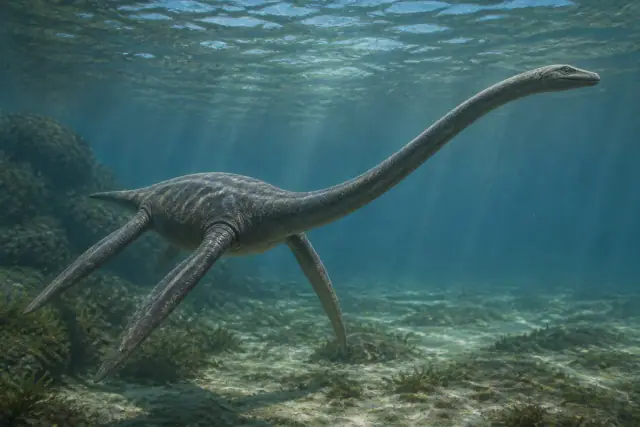
Plesiosaurus dolichodeirus
Four long flippers flew through water while a long flexible neck carried the small head toward prey.
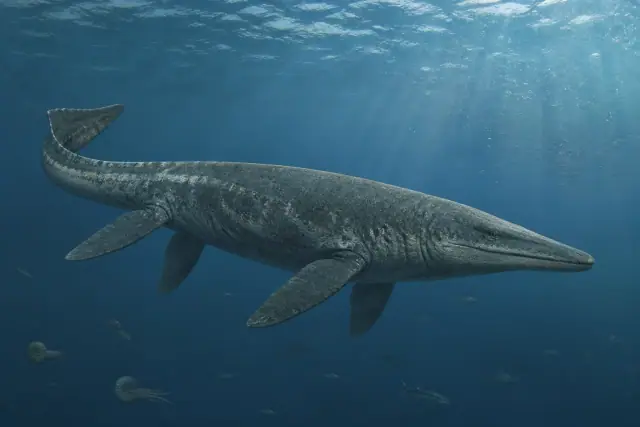
Tylosaurus proriger
A solid snout projected beyond the teeth as this giant mosasaur hunted fish, turtles and other reptiles.
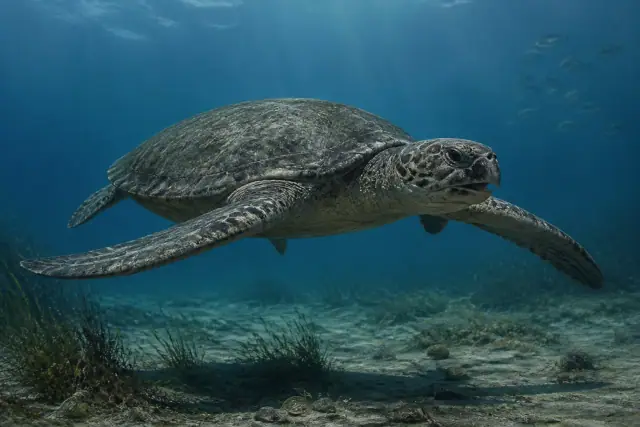
Archelon ischyros
Front flippers spanned several meters, and a leathery covering stretched over a reduced bony shell.
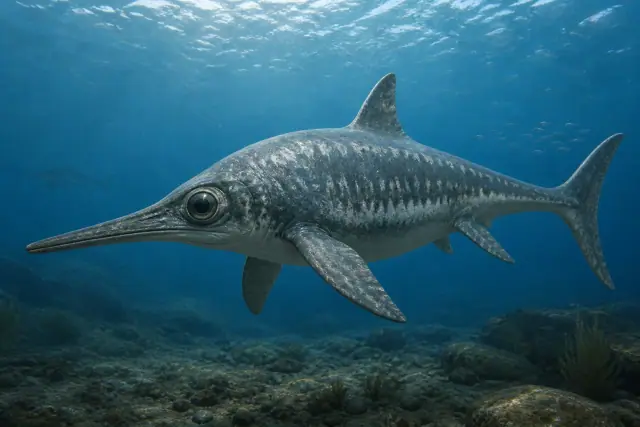
Ophthalmosaurus icenicus
Huge bony eye rings supported vision under pressure and may have helped track soft prey in dim water.
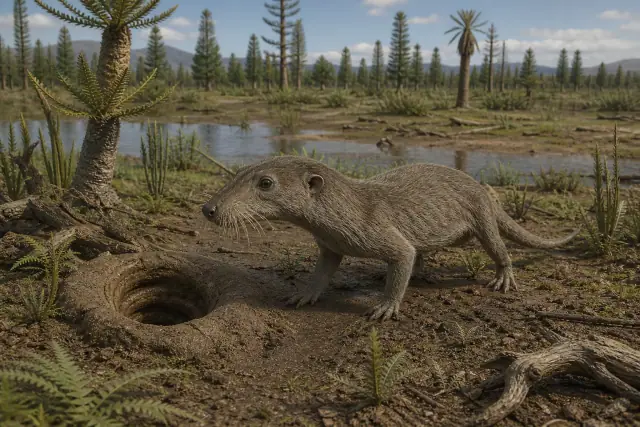
Thrinaxodon liorhinus
A small Early Triassic cynodont with differentiated teeth, known from skeletons curled inside fossil burrows in South Africa.
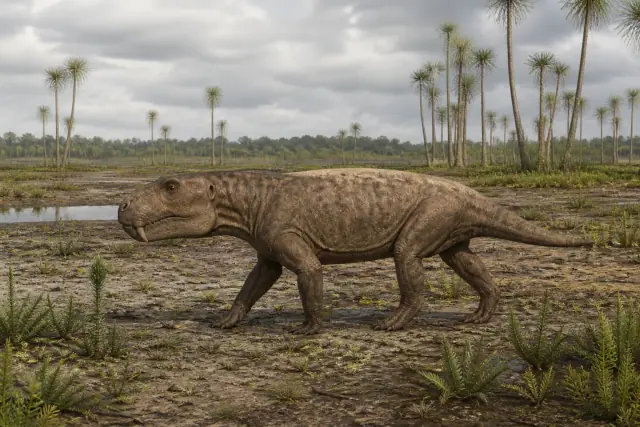
Cynognathus crateronotus
A dog-like snout, slicing cheek teeth and upright hind limbs made it a major cynodont predator.
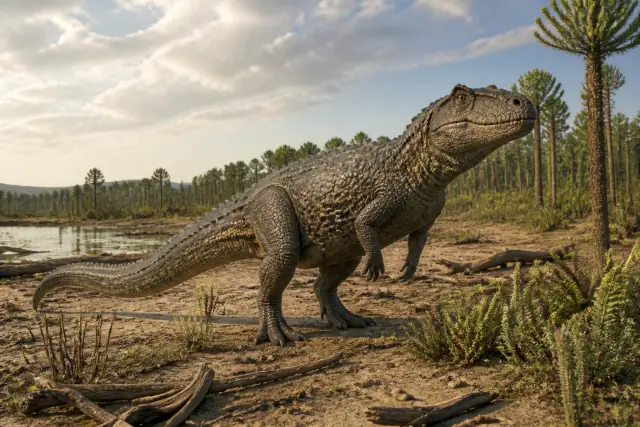
Postosuchus kirkpatricki
A deep skull, serrated teeth and powerful hind limbs placed it atop food webs before dinosaur dominance.
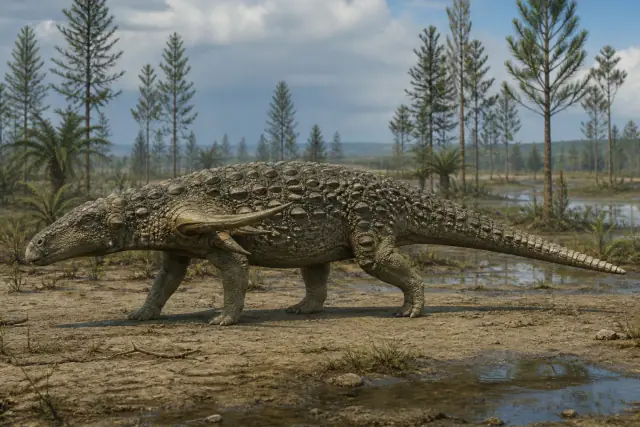
Desmatosuchus spurensis
Two huge backward-curving shoulder spikes reinforced rows of protective armor.
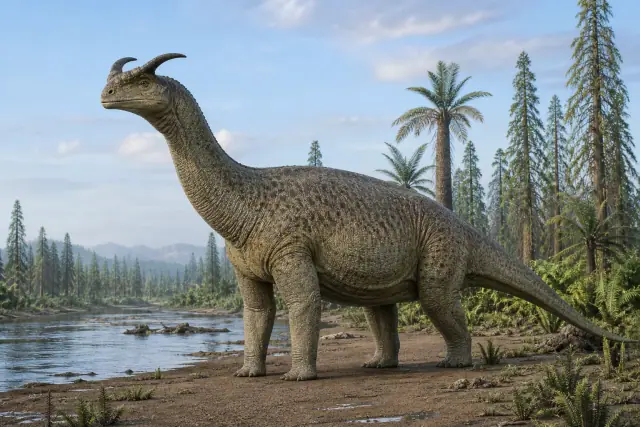
Shringasaurus indicus
Paired forward-curving brow horns occur only in some individuals, suggesting maturity or sexual display.
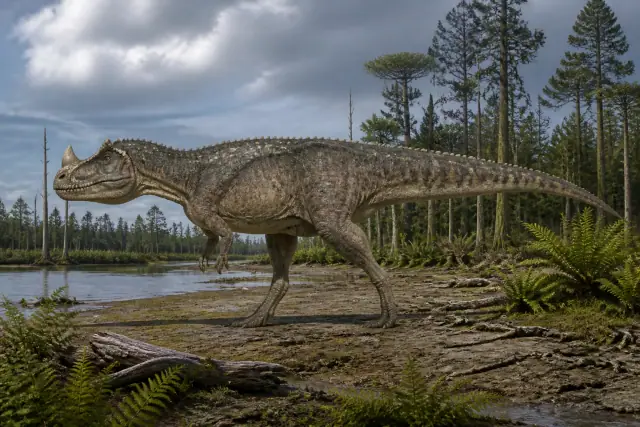
Ceratosaurus nasicornis
A nasal horn, brow ridges and small midline osteoderms made this predator unmistakable.
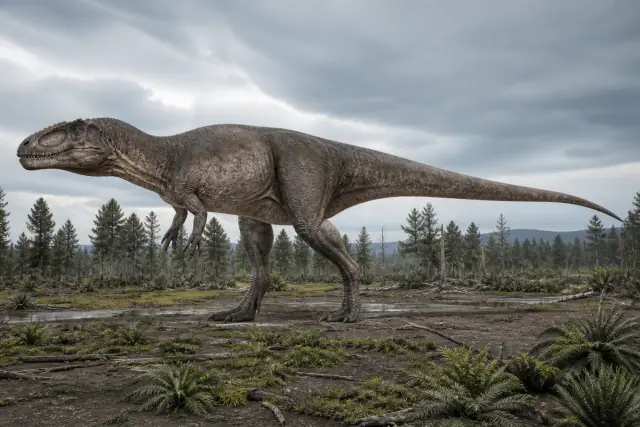
Torvosaurus tanneri
A huge skull and unusually powerful three-fingered arms marked one of the largest megalosaurids.
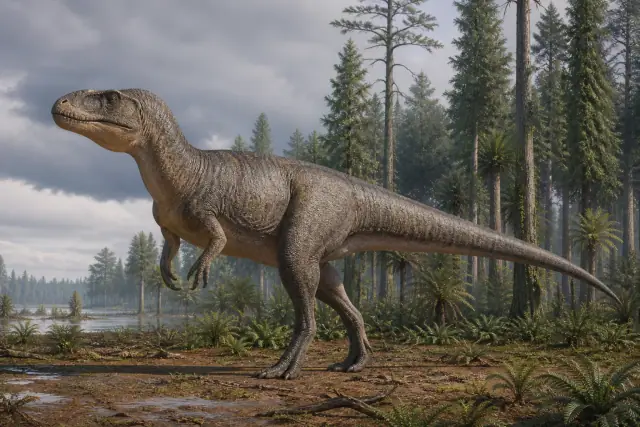
Megalosaurus bucklandii
The first formally named non-avian dinosaur later became a wastebasket for unrelated theropod bones.
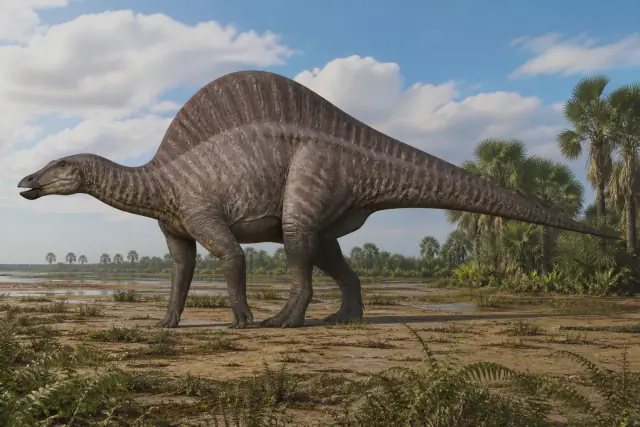
Ouranosaurus nigeriensis
Tall neural spines supported a sail, ridge or fatty hump whose soft-tissue shape remains uncertain.
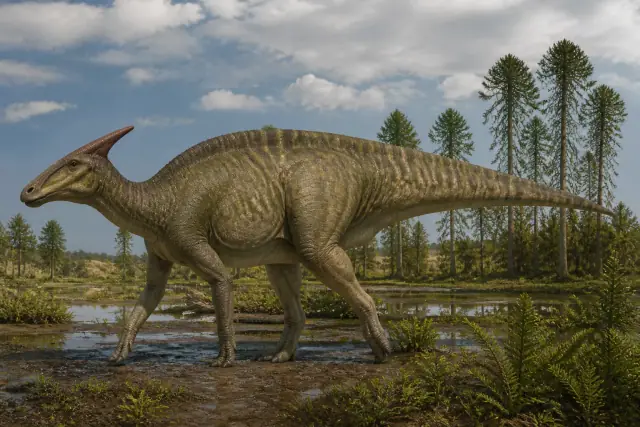
Saurolophus osborni
A solid spike-like crest projected behind the skull and probably carried a strong visual signal.
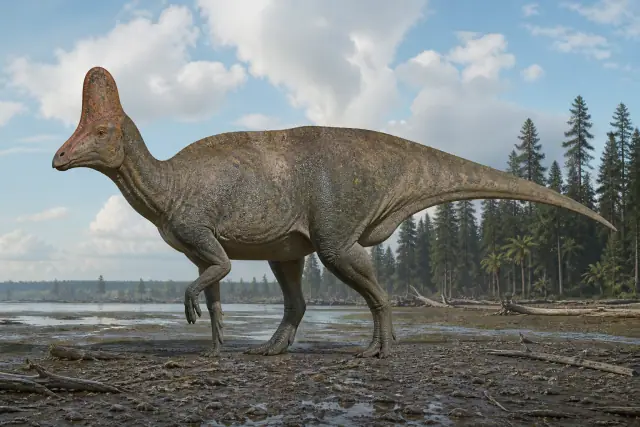
Corythosaurus casuarius
A helmet-shaped hollow crest contained looping nasal passages that could shape resonant calls.
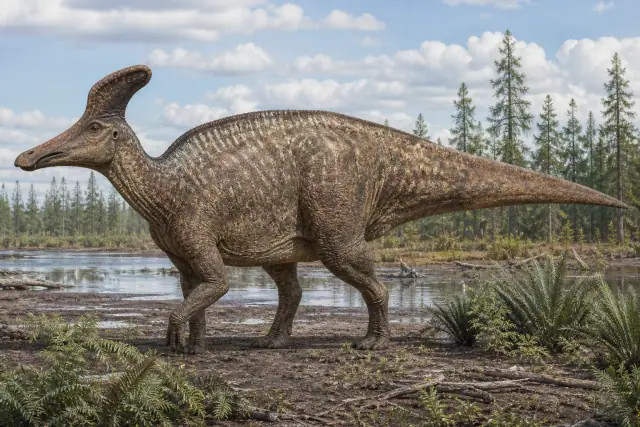
Lambeosaurus lambei
Its hatchet-shaped hollow crest changed dramatically as the animal matured.
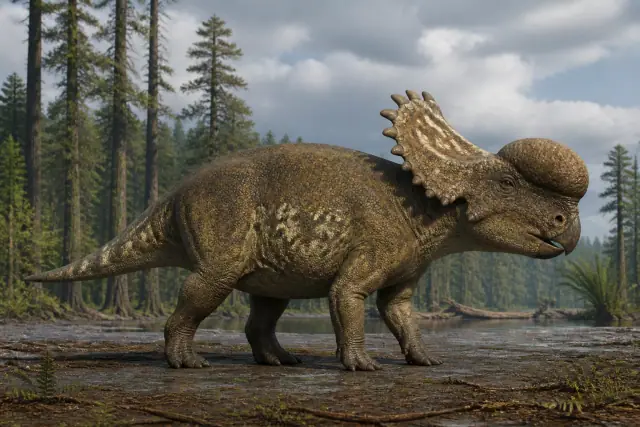
Pachyrhinosaurus canadensis
A massive nasal boss replaced the long horn seen in many ceratopsians.
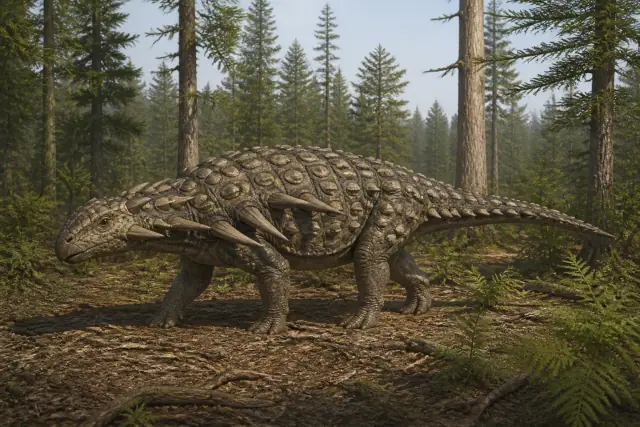
Sauropelta edwardsorum
Long shoulder spikes and dense armor protected one of the largest nodosaurids.
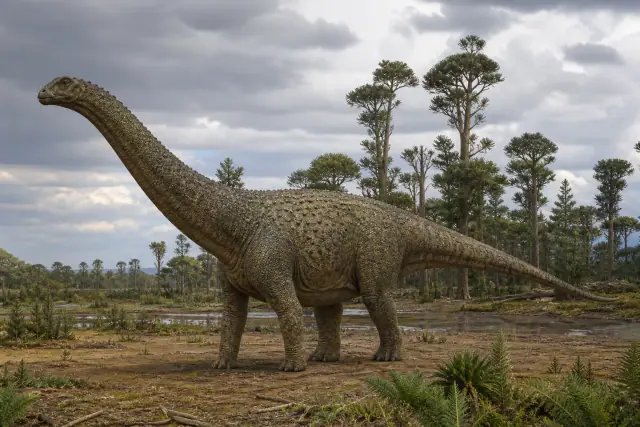
Saltasaurus loricatus
Small bony plates embedded in the skin showed that some titanosaurs carried armor.
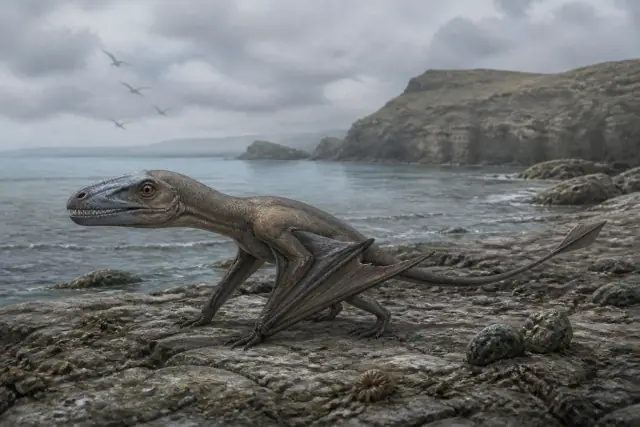
Dimorphodon macronyx
Two distinct tooth shapes gave this early pterosaur its name.
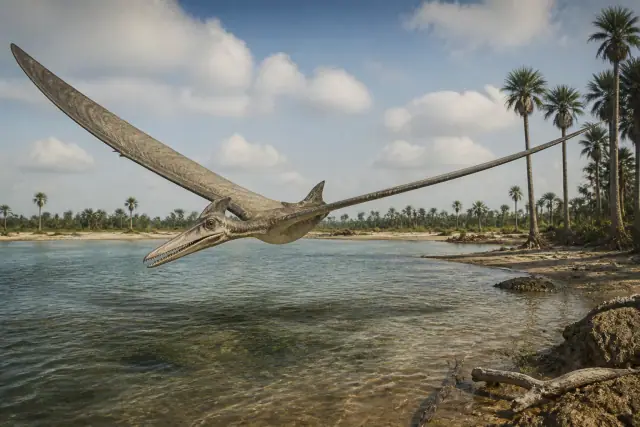
Anhanguera blittersdorffi
A toothed beak with matching crests helped seize slippery fish near the water surface.
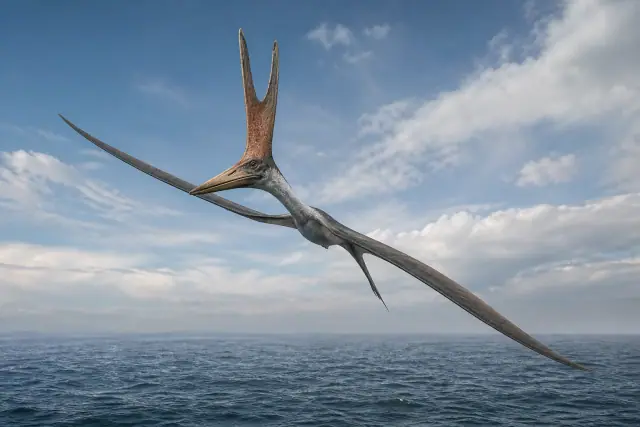
Nyctosaurus gracilis
An enormous branching crest crowned some adults, but there is no fossil evidence for a sail between its prongs.
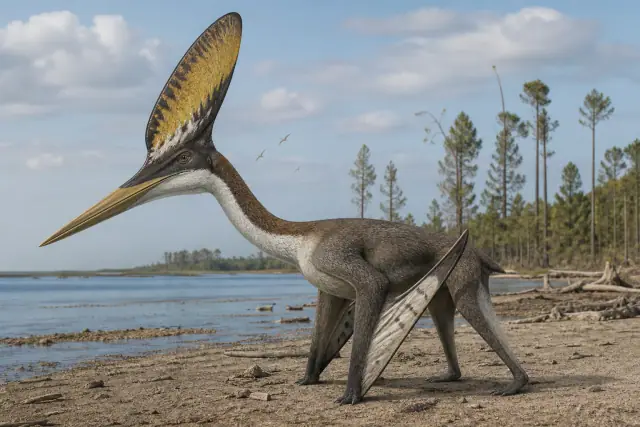
Thalassodromeus sethi
A vast sail-like skull crest dominated the profile of this large toothless pterosaur.
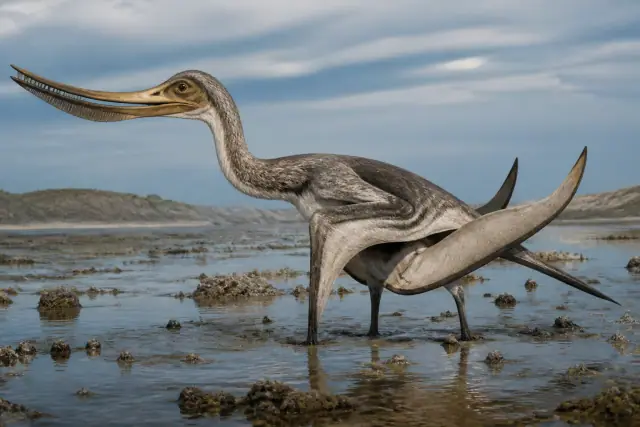
Pterodaustro guinazui
More than a thousand bristle-like lower teeth formed a filter basket.
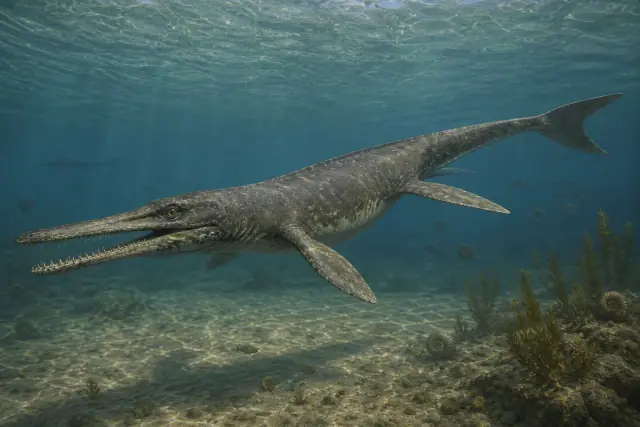
Metriorhynchus superciliosus
Flippers, a downturned tail fin and reduced armor transformed a crocodile relative into a pelagic swimmer.
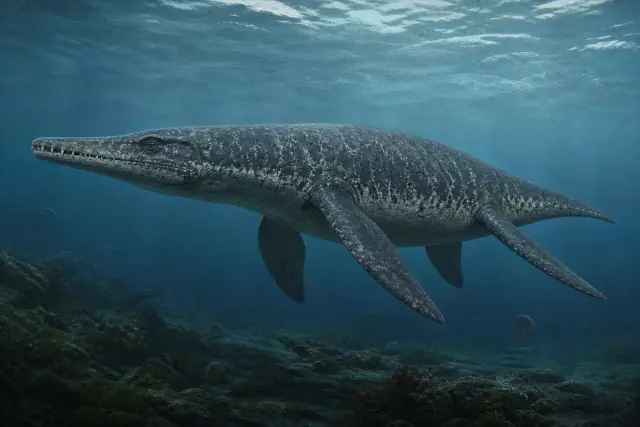
Pliosaurus funkei
A skull nearly two meters long and huge teeth formed an apex-predator bite apparatus.
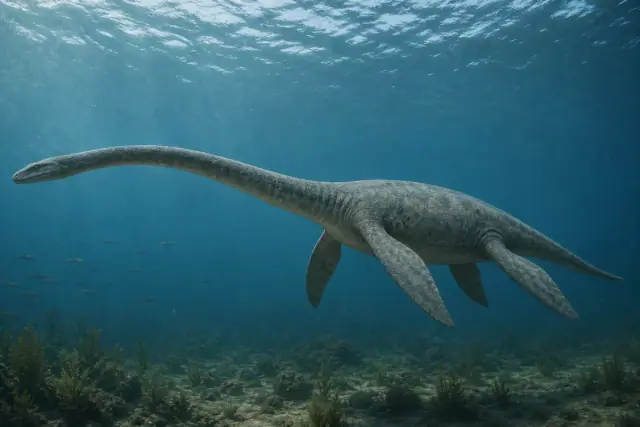
Styxosaurus snowii
More than sixty neck vertebrae formed an exceptionally long neck, while gastroliths filled the abdomen.
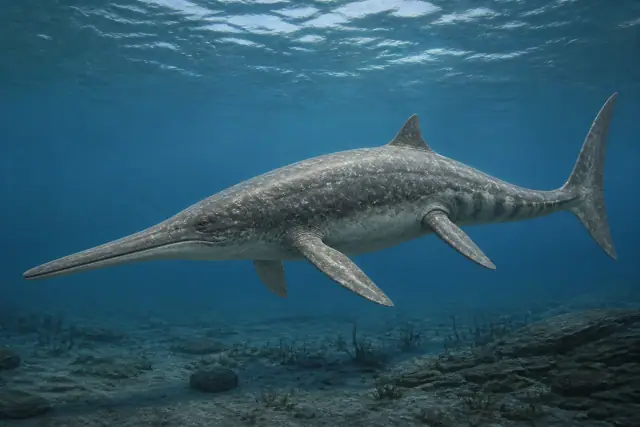
Cymbospondylus youngorum
Only a few million years after the great extinction, ichthyosaurs had already reached whale-like scale.
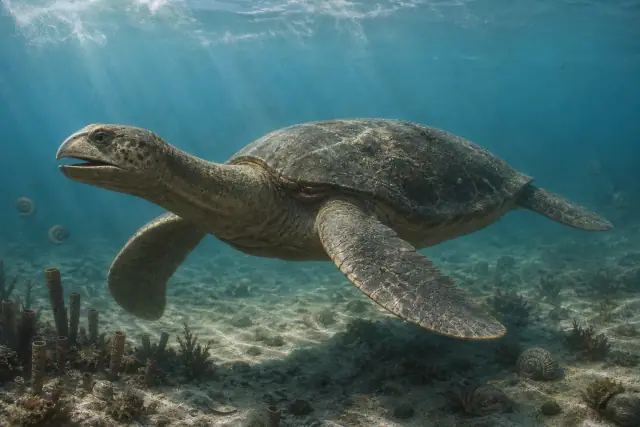
Protostega gigas
A reduced shell and giant front flippers made it one of the largest Cretaceous sea turtles.
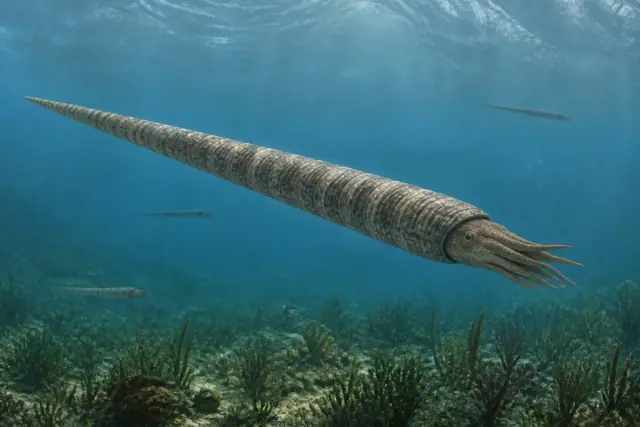
Baculites compressus
Its adult shell stretched into a near-straight rod while retaining ammonite sutures.
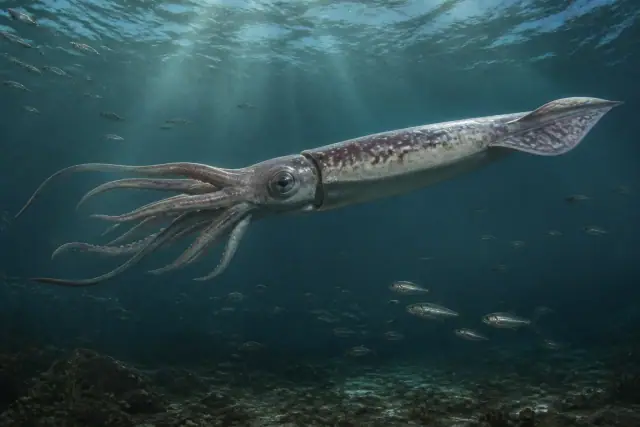
Tusoteuthis longa
A huge internal shell identifies a large coleoidean, though total length remains uncertain.
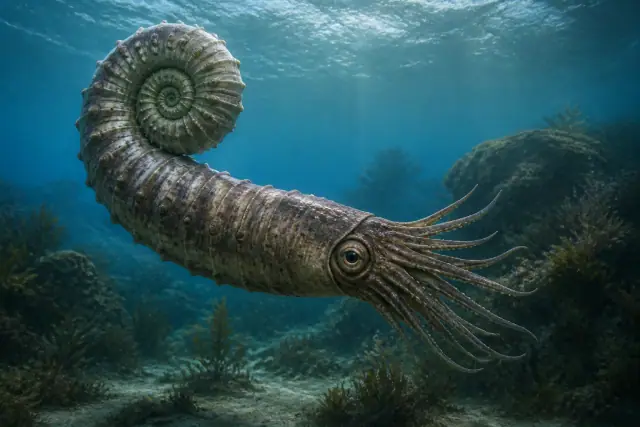
Scaphites nodosus
The juvenile shell coiled tightly before the adult chamber uncoiled and hooked back.
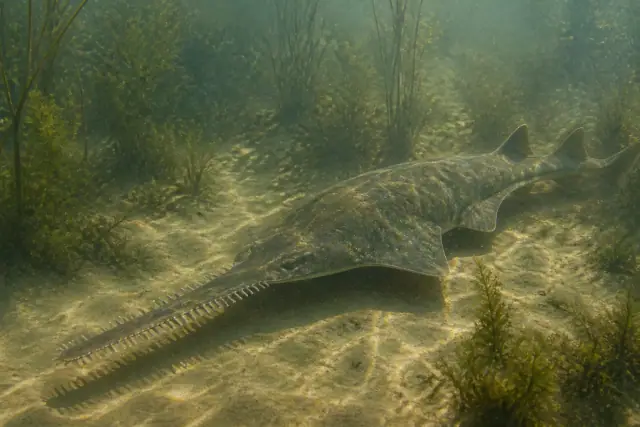
Onchopristis numidus
Barbed teeth armed a long rostrum used to sense and sweep through bottom prey.
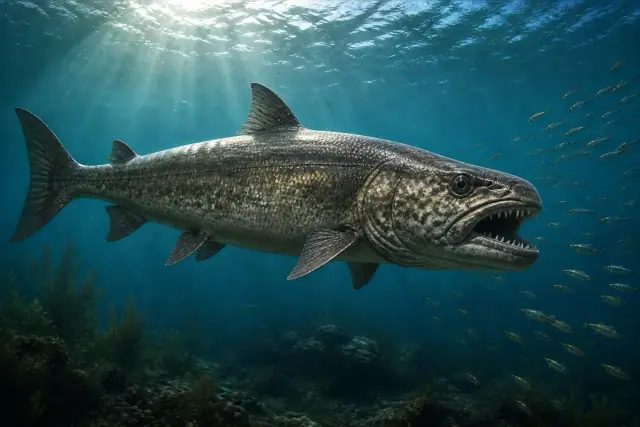
Xiphactinus audax
Its huge upturned mouth could swallow fish nearly half its own length.
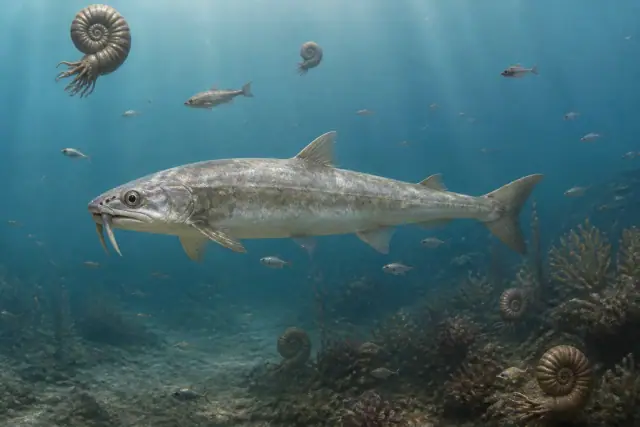
Enchodus petrosus
Oversized palatine fangs made a modest fish into a formidable midwater hunter.
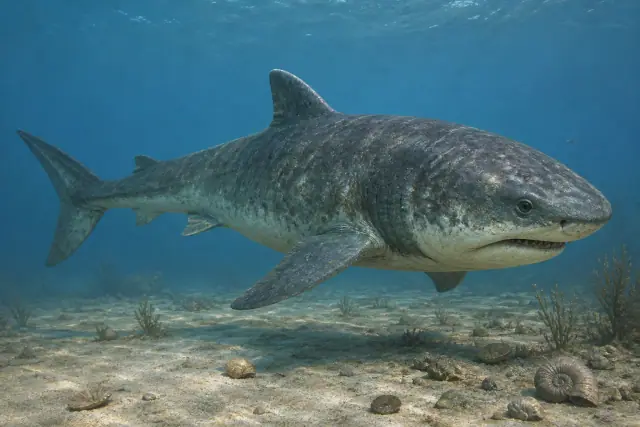
Ptychodus mortoni
Broad crushing teeth paved its mouth for ammonites and shellfish.
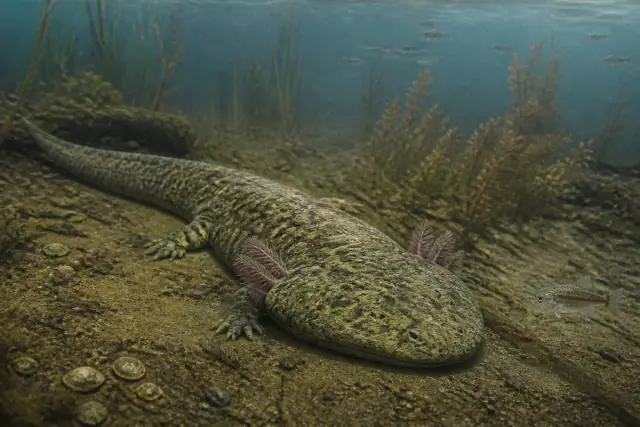
Gerrothorax pulcherrimus
A shovel-flat skull may have opened by lifting the upper jaw.
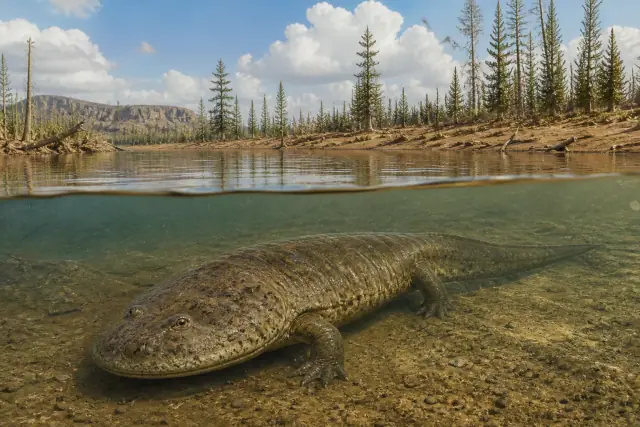
Metoposaurus diagnosticus
A broad flat head occupied nearly the full width of its front body.
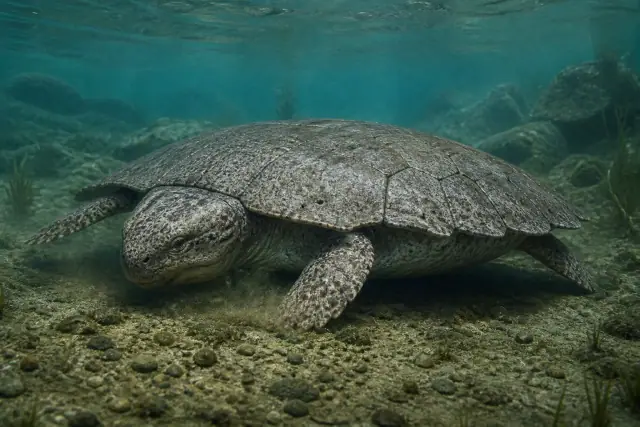
Henodus chelyops
A turtle-like shell protected a placodont with a broad filtering or scraping mouth.
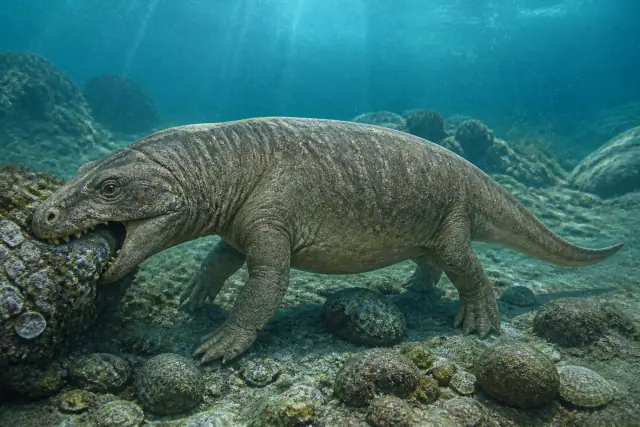
Placodus gigas
Chisel incisors and crushing palatal teeth formed a shell-opening toolkit.
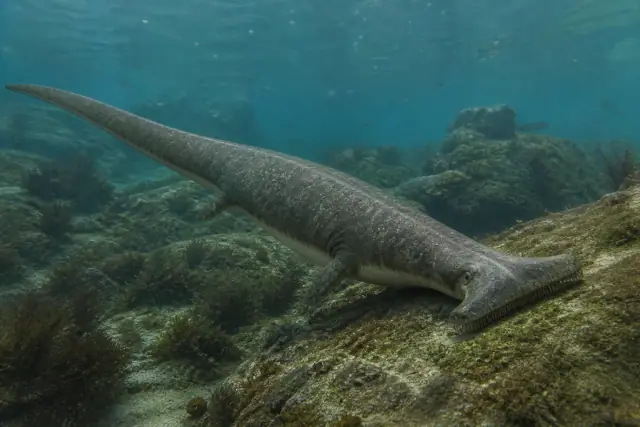
Atopodentatus unicus
A hammer-shaped snout scraped algae before needle teeth filtered the fragments.
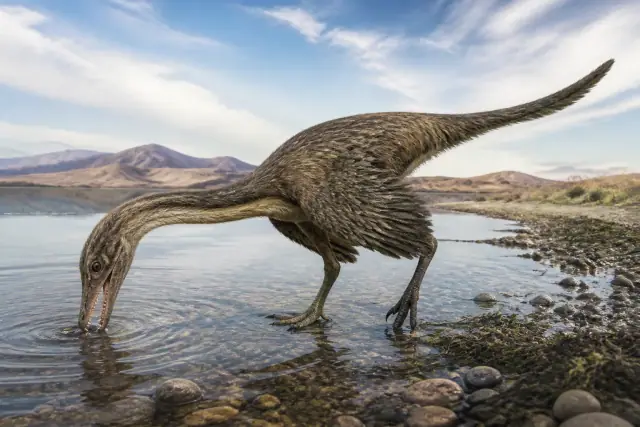
Halszkaraptor escuilliei
A long neck, dense teeth and paddle-like arms suggest a semiaquatic raptor.
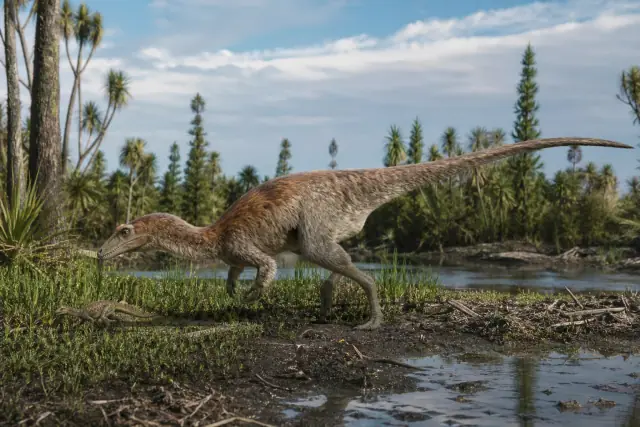
Masiakasaurus knopfleri
Forward-projecting front teeth may have hooked small slippery prey.
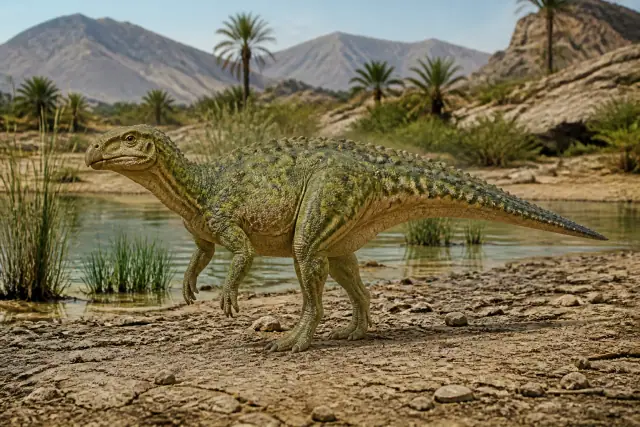
Jakapil kaniukura
A small plant eater combined low armor with an unusually deep jaw.
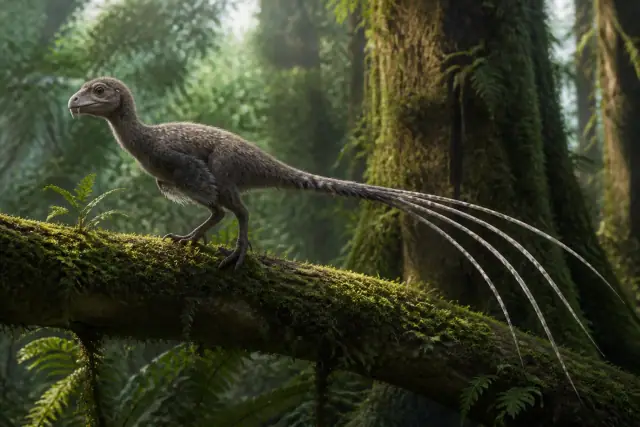
Epidexipteryx hui
Four long tail feathers displayed rather than powering flight.
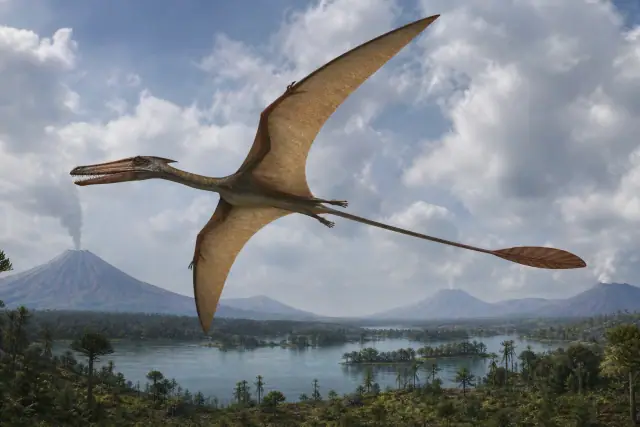
Darwinopterus modularis
A long tail and advanced skull combine features once separated between pterosaur groups.
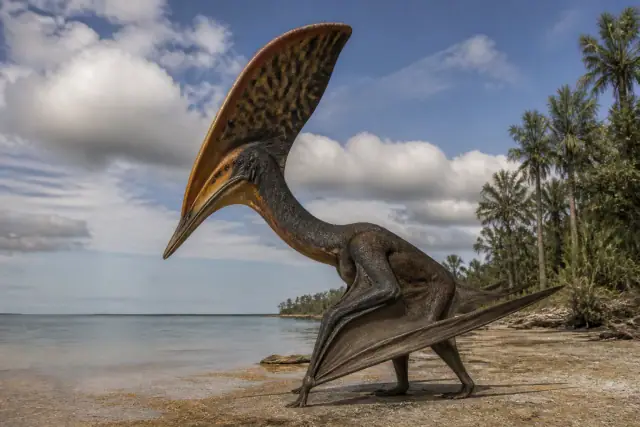
Tupandactylus imperator
Most of its enormous head crest was soft tissue used as a visual signal.
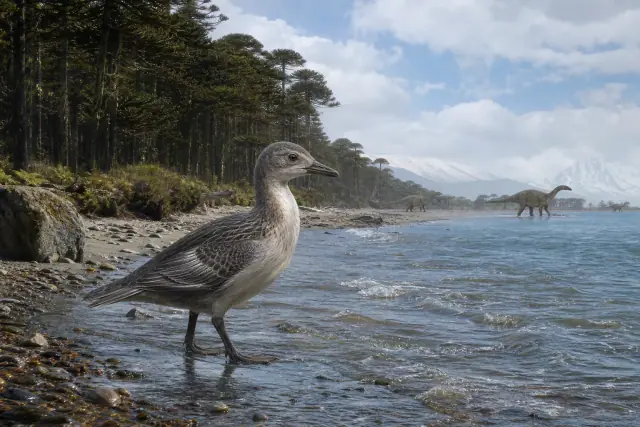
Vegavis iaai
A waterbird close to ducks lived before the non-avian dinosaurs vanished.
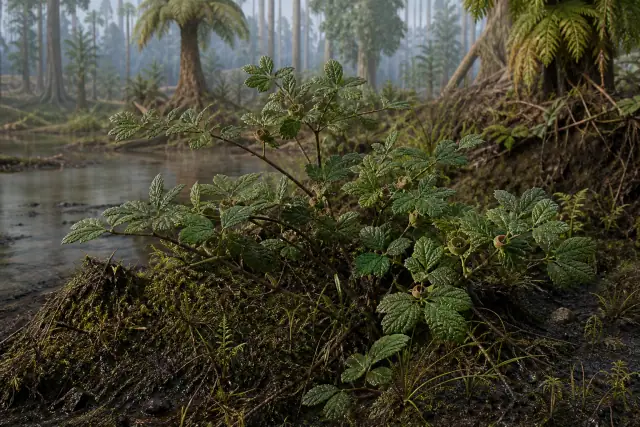
Sagenopteris rhoifolia
Four net-veined leaflets belonged to a seed fern rather than a true fern.
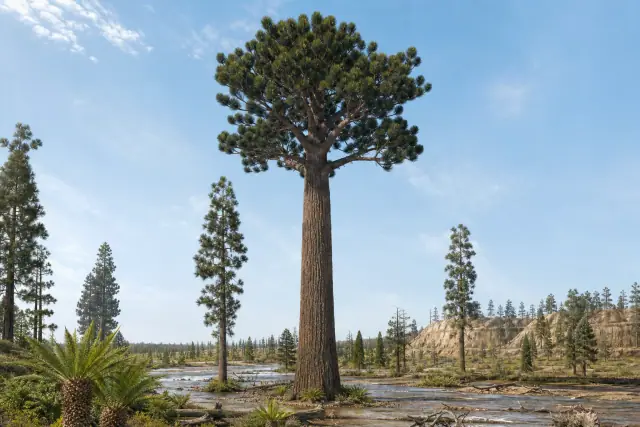
Araucarioxylon arizonicum
Silica replaced fallen trunks to create today's multicolored petrified forest.
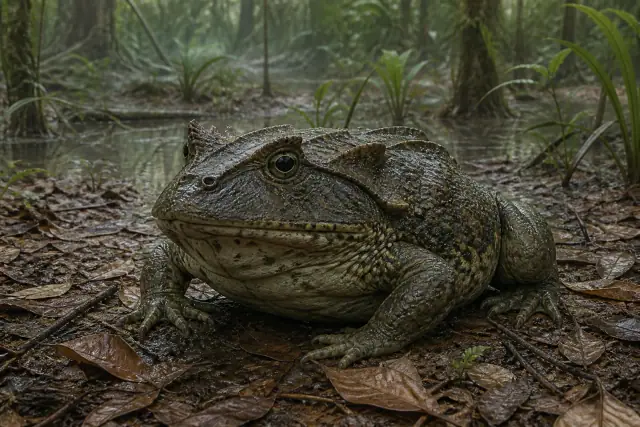
Beelzebufo ampinga
A broad skull and massive body made it one of the largest known frogs.
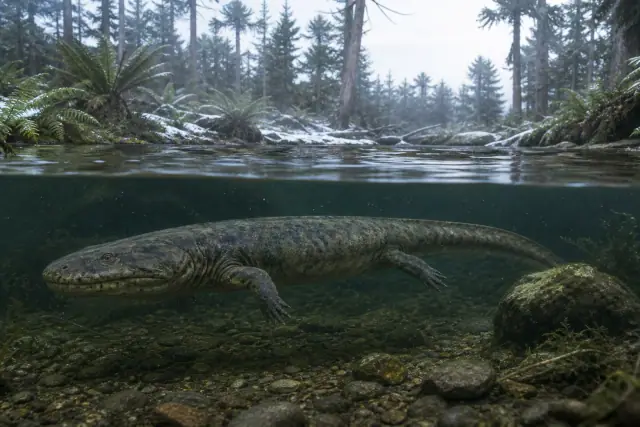
Koolasuchus cleelandi
A giant amphibian still occupied cold rivers where crocodyliforms were uncommon.
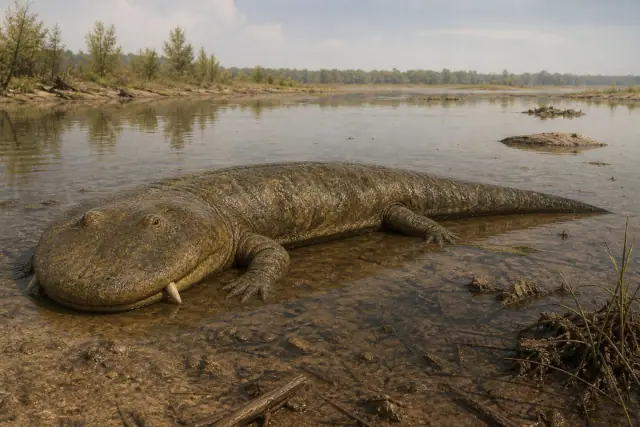
Mastodonsaurus giganteus
Two lower-jaw tusks passed through openings in the palate when the mouth closed.
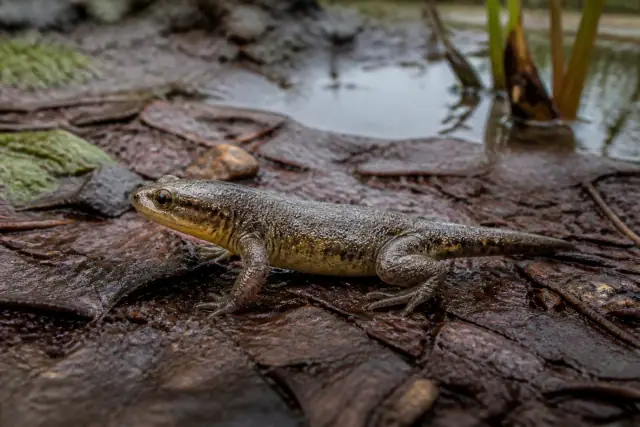
Triadobatrachus massinoti
It had a broad head and shortened trunk but lacked the full jumping machinery of modern frogs.
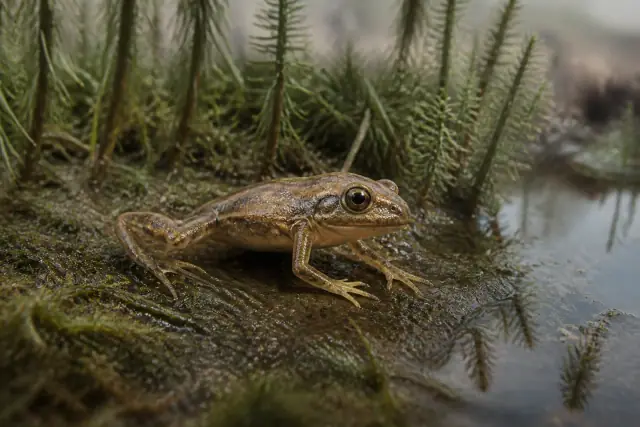
Vieraella herbstii
The adult tail was gone, but the trunk remained more primitive than in modern frogs.
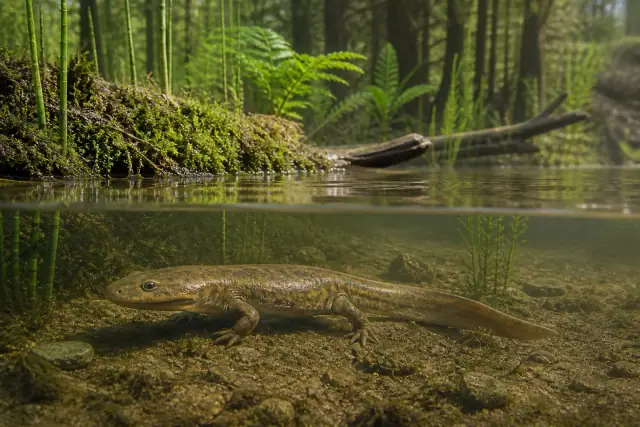
Karaurus sharovi
A broad head, short trunk and long tail show the salamander plan already well established.
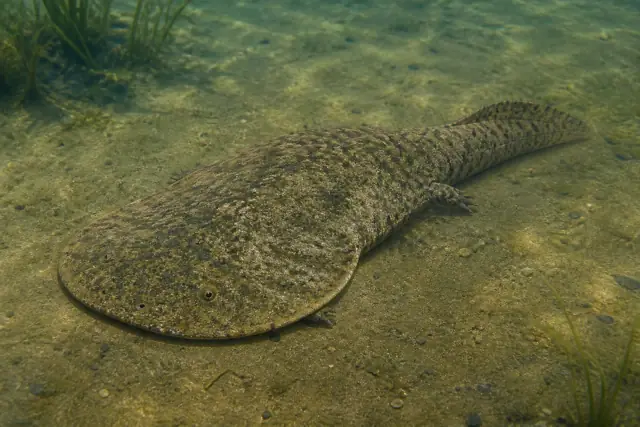
Plagiosuchus pustuliferus
Its semicircular skull was extraordinarily broad and flat.
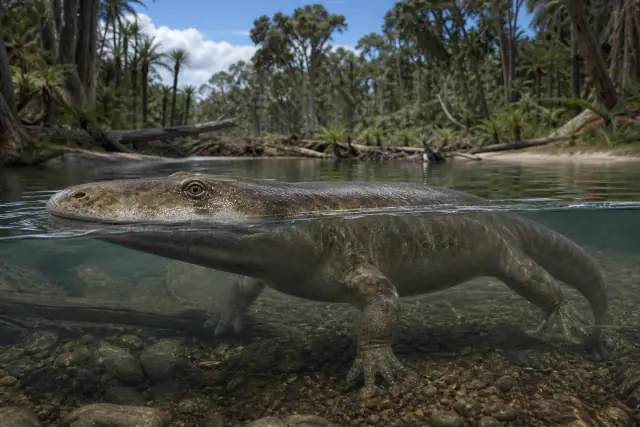
Siderops kehli
A giant temnospondyl still occupied river ambush niches in the dinosaur era.
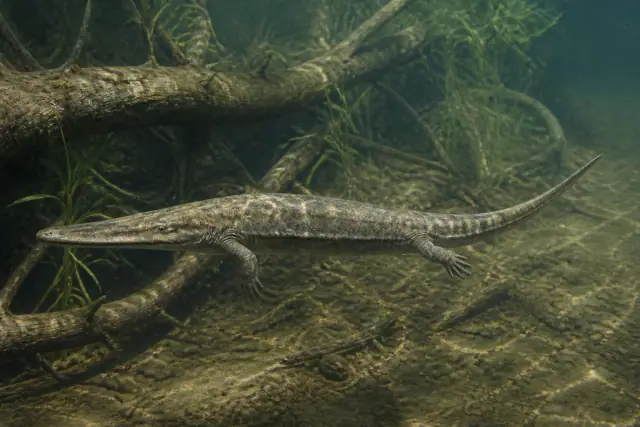
Trematolestes hagdorni
A narrow snout was built to snap at fish in water.
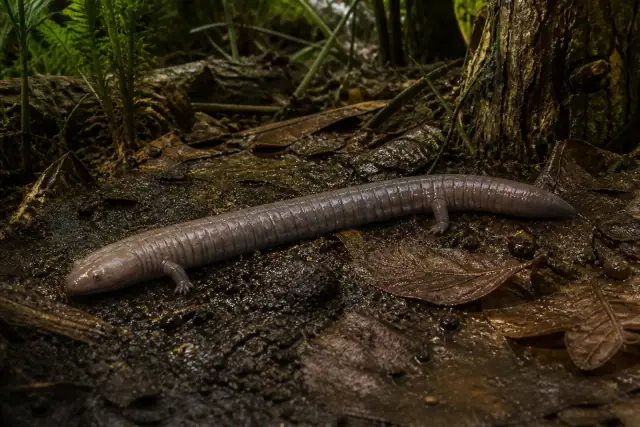
Eocaecilia micropodia
It had a caecilian-like body but still retained four tiny legs.
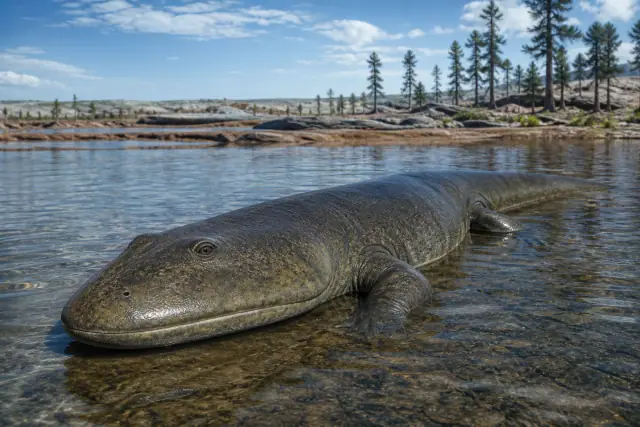
Eryosuchus garjainovi
A skull more than two meters long belonged to one of the largest freshwater amphibian predators.
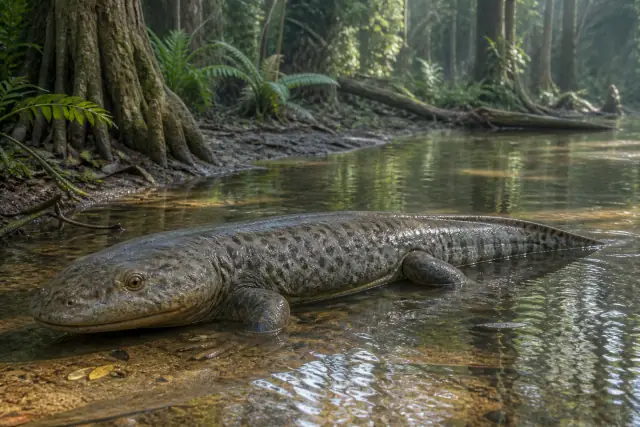
Paracyclotosaurus davidi
A near-complete skeleton reveals the full proportions of a giant Triassic amphibian.
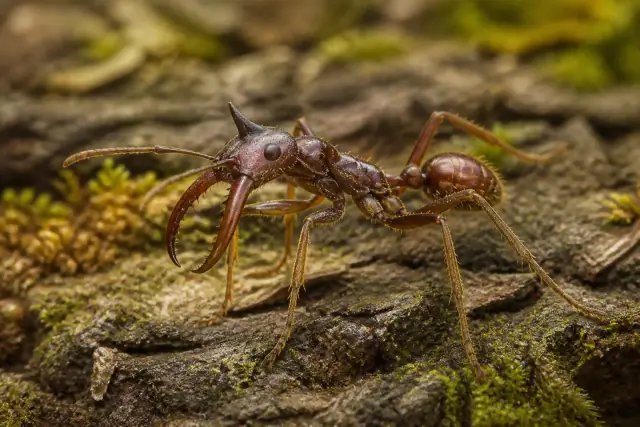
Haidomyrmex cerberus
Its sickle mandibles closed upward against the head instead of sideways.
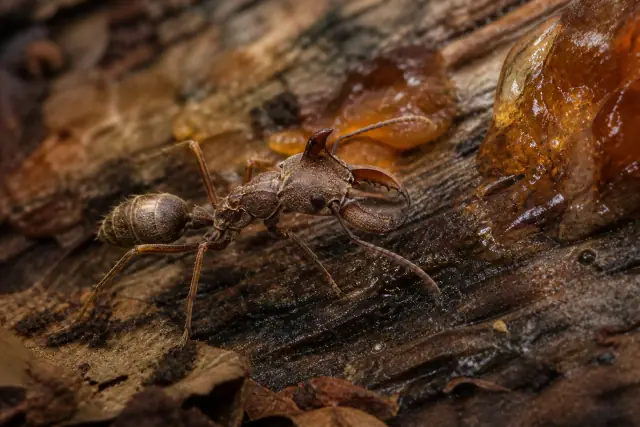
Linguamyrmex vladi
A metal-reinforced head horn and rising jaws formed a specialized clamp.
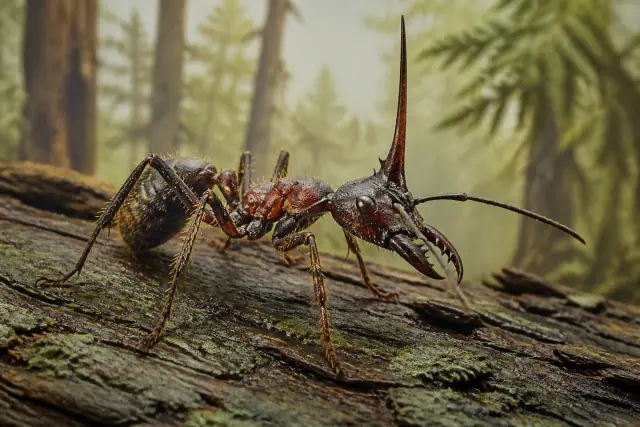
Ceratomyrmex ellenbergeri
A long forehead horn opposed upward-curving mandibles.
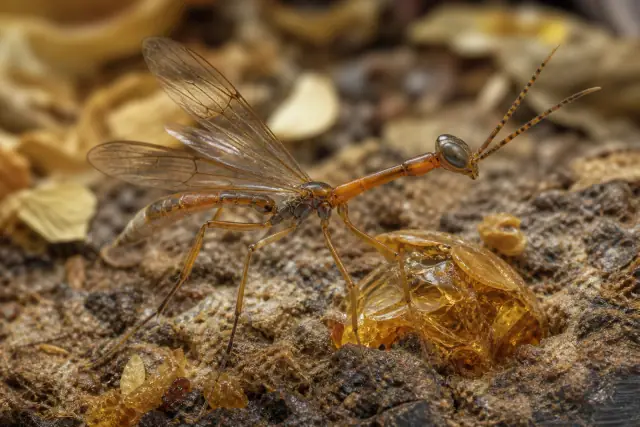
Camelomecia janovitzi
An elongated prothorax gave this aculeate relative a neck-like outline.
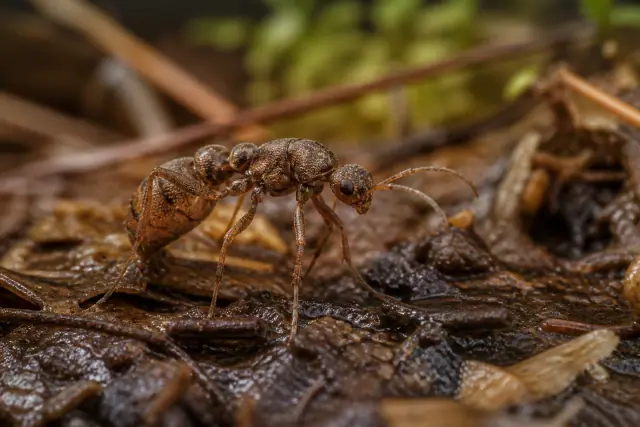
Aptenoperissus burmanicus
Wingless females combined a wasp waist with enlarged jumping hind legs.
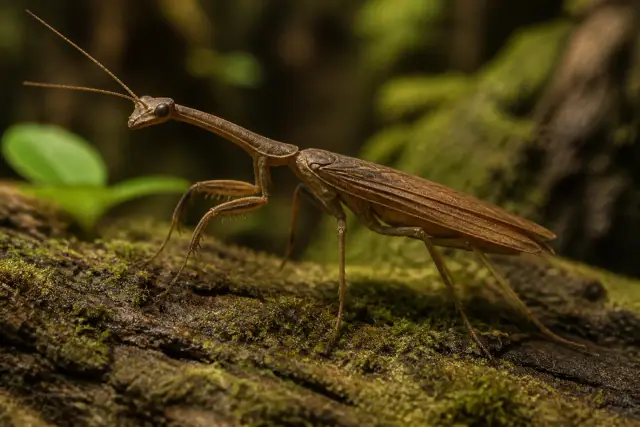
Manipulator modificaputis
A long neck and grasping forelegs converged on the mantis body plan.
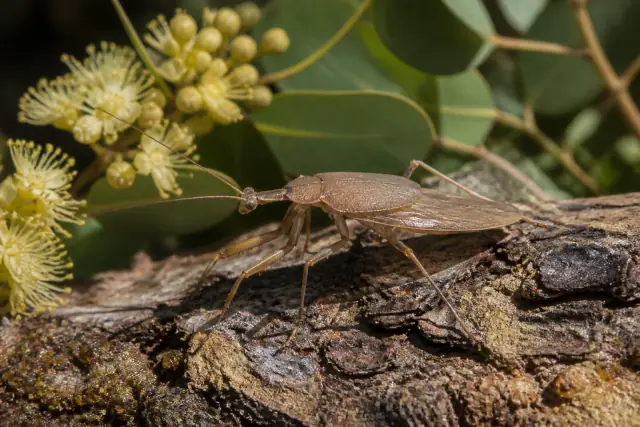
Alienopterus brachyelytrus
Short leathery forewings covered folded membranous hindwings.
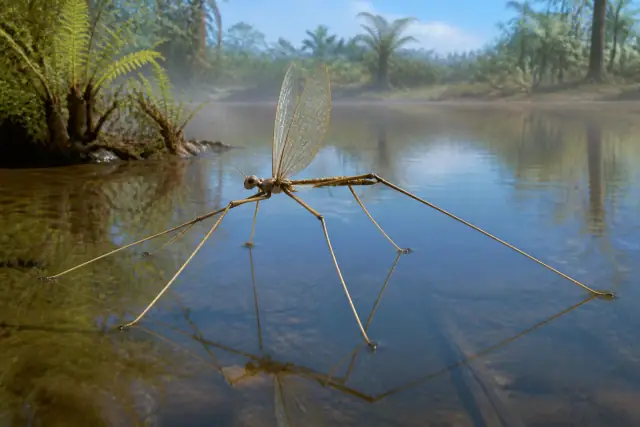
Chresmoda obscura
Six extremely long legs may have spread its weight across the water surface.
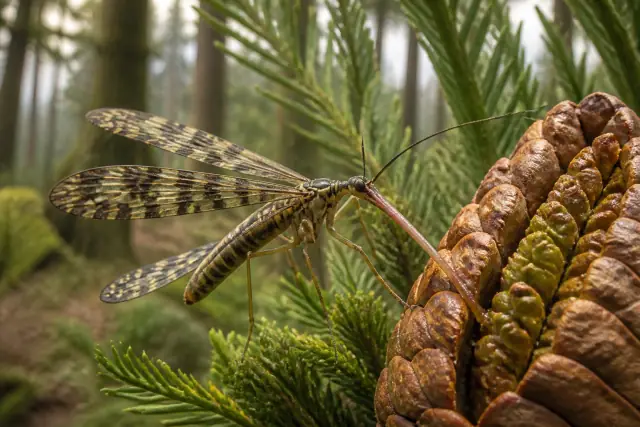
Mesopsyche dobrokhotovae
A long siphon accessed sugary secretions before flowers evolved.
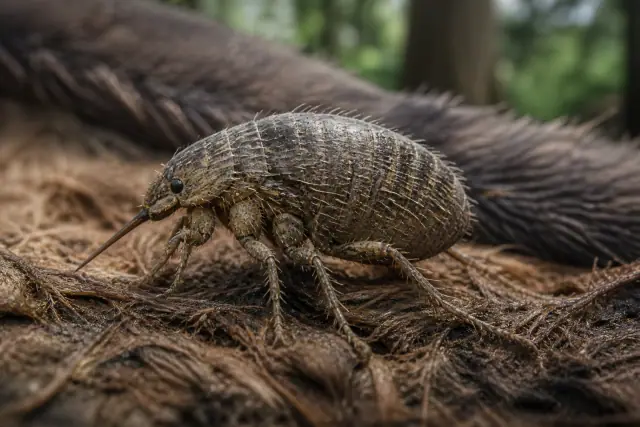
Tarwinia australis
It resembled a giant primitive flea but may not be a direct flea ancestor.
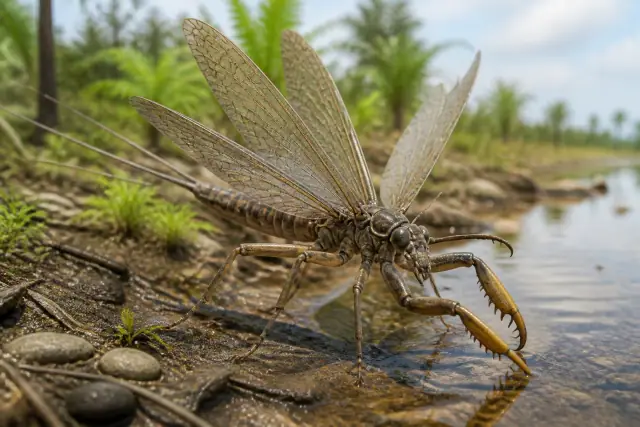
Mickoleitia longimanus
Raptorial forelegs and three tail filaments formed a lost mayfly body plan.
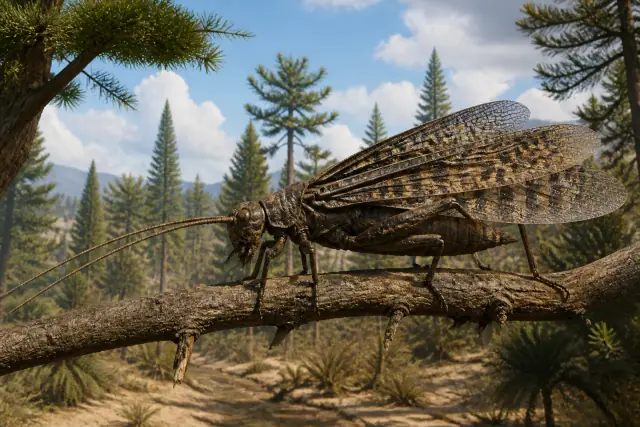
Mesotitan giganteus
Large wings and robust mouthparts belonged to the spectacular titanopterans.
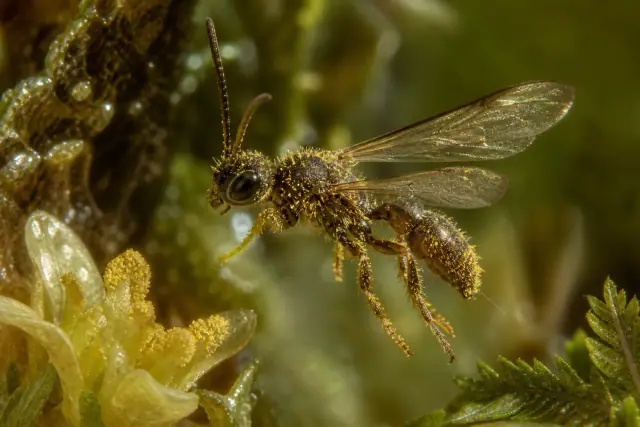
Discoscapa apicula
Pollen on the legs and body records an early pollination relationship.
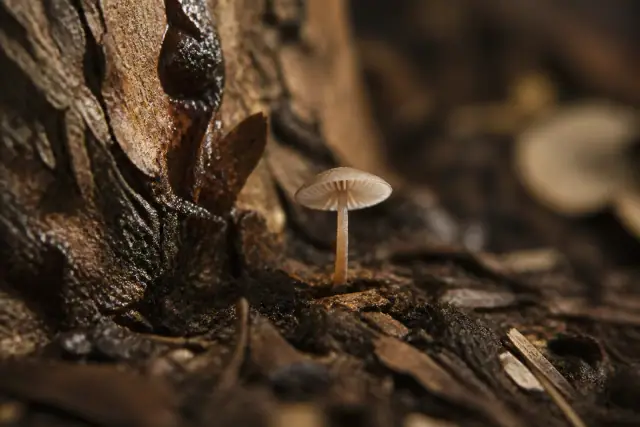
Palaeoagaracites antiquus
A millimeter-scale cap and gills show agaric mushrooms in the dinosaur era.
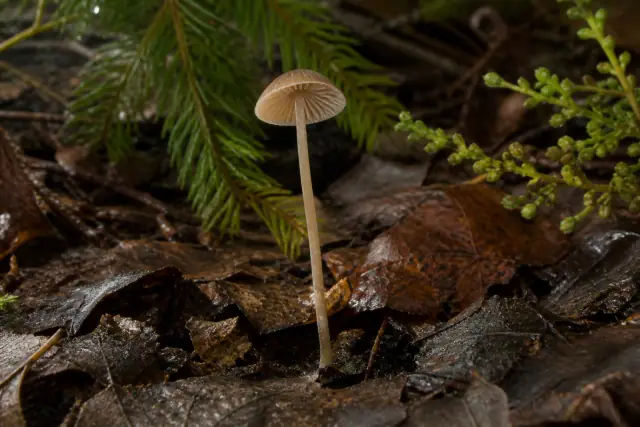
Archaeomarasmius leggettii
A slender stem and tiny cap already resembled marasmioid mushrooms.
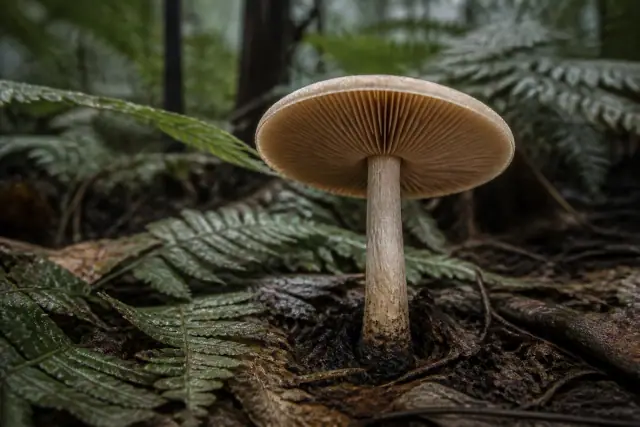
Gondwanagaricites magnificus
A mineralized cap brings early agaric evidence to the southern continents.
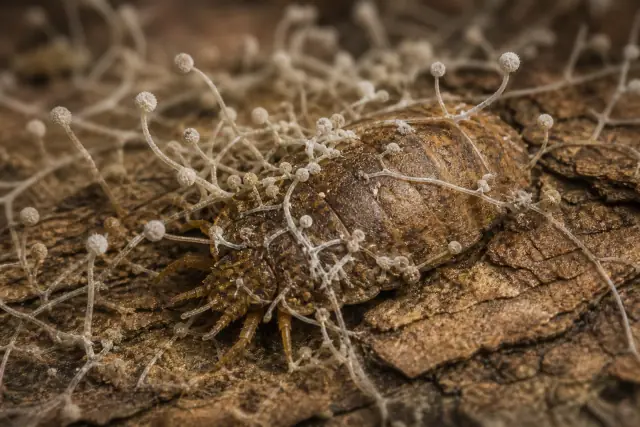
Gerontomyces lepidotus
Hyphae surrounding a scale insect preserve a tiny Cretaceous association.
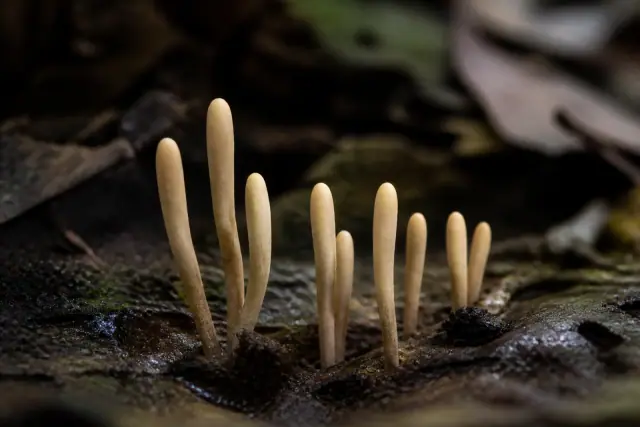
Palaeoclavaria burmitis
Simple club-shaped fruiting bodies show non-gilled fungi in Cretaceous forests.
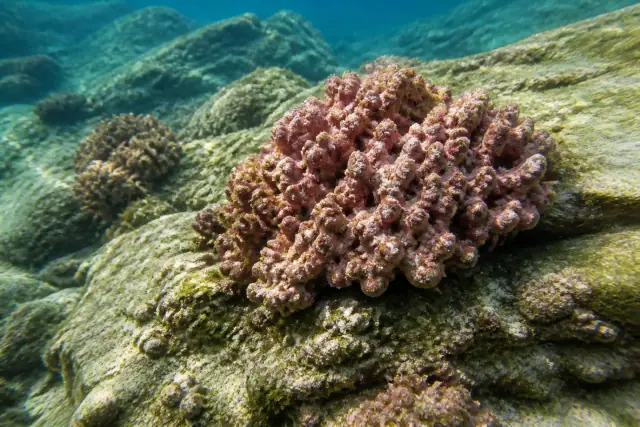
Solenopora jurassica
Pink calcified masses were long assigned to red algae, but their identity is being reassessed.
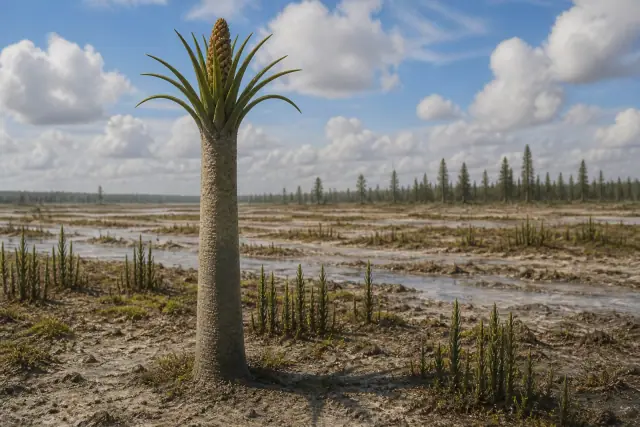
Pleuromeia sternbergii
Columnar lycophytes formed pioneer stands after the end-Permian catastrophe.
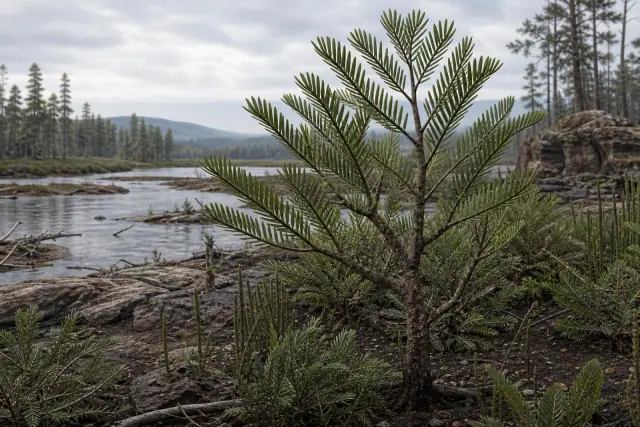
Dicroidium odontopteroides
Paired forked fronds became an emblem of Triassic southern vegetation.
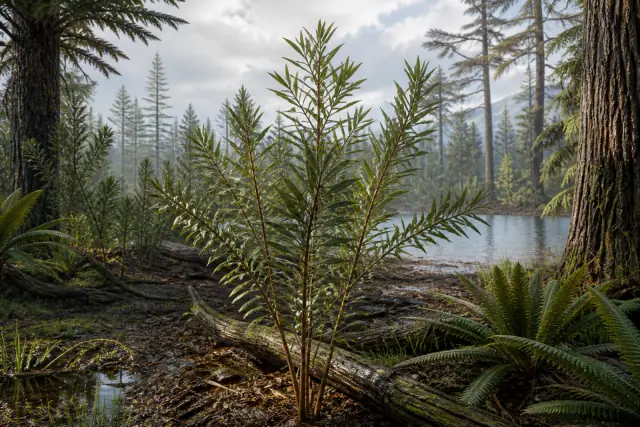
Podozamites lanceolatus
Orderly lance-shaped leaves lined stems of a widespread but enigmatic plant.
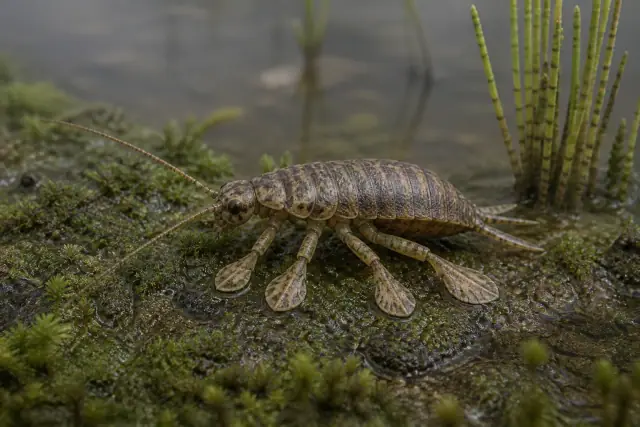
Strashila incredibilis
Once imagined as a parasite, it was later shown to have an aquatic juvenile stage.
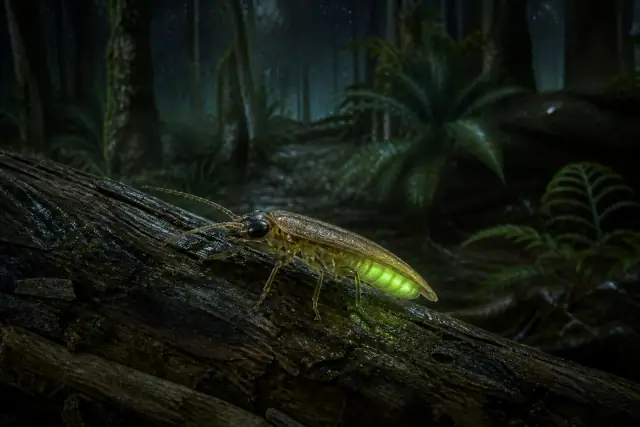
Cretophengodes azari
An abdominal light organ pushes beetle bioluminescence into the dinosaur age.
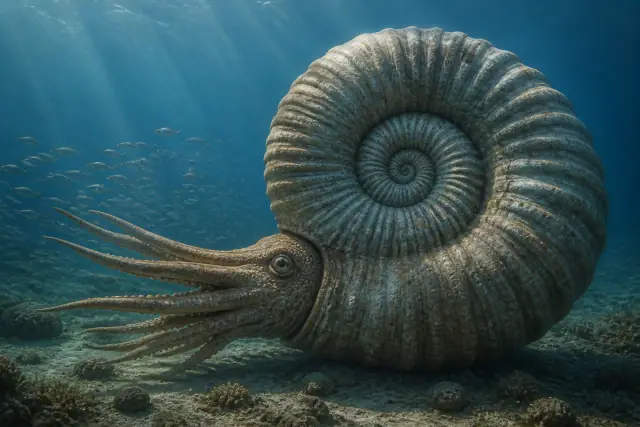
Parapuzosia seppenradensis
A coiled shell nearly two meters wide belonged to the largest known ammonite.
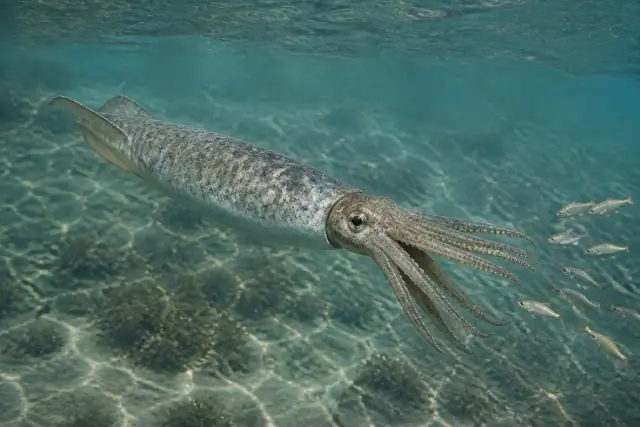
Belemnotheutis antiquus
Rare soft tissues restore the ink sac, fins and ten hooked arms around an internal shell.
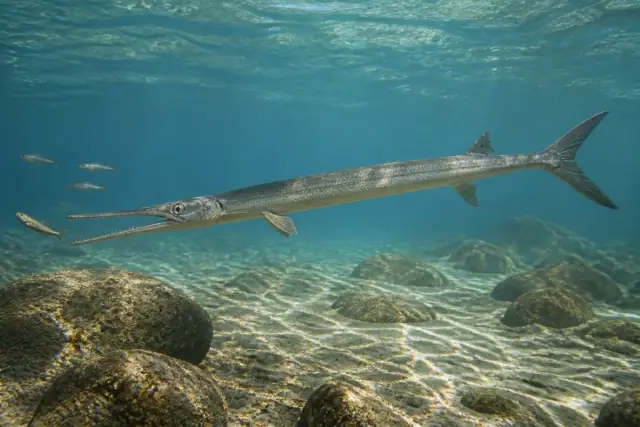
Saurichthys curionii
A needle-like snout and slender body converged on modern barracudas.
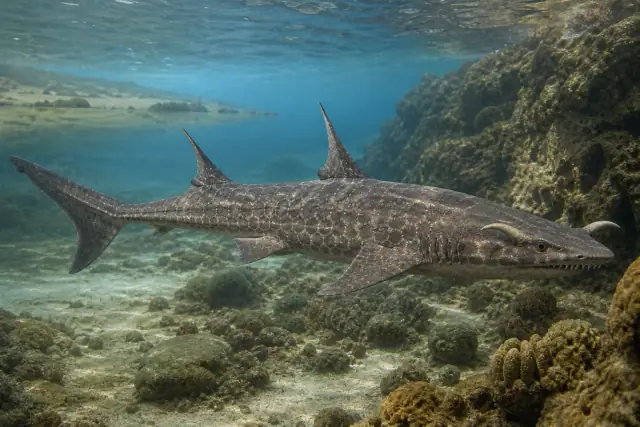
Hybodus reticulatus
Dorsal fin spines and two tooth shapes handled fish and hard-shelled prey.
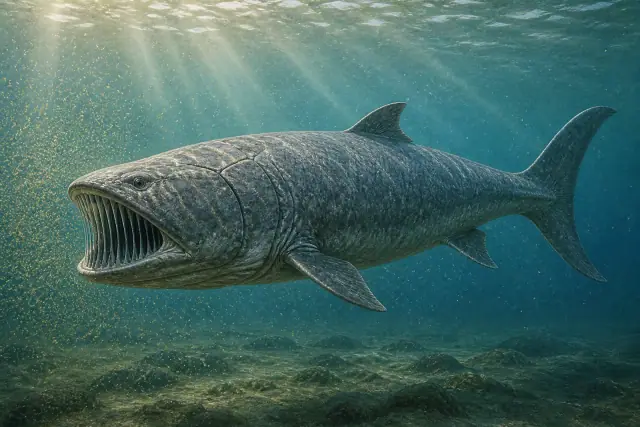
Bonnerichthys gladius
A giant bony fish filtered plankton near the ocean surface.
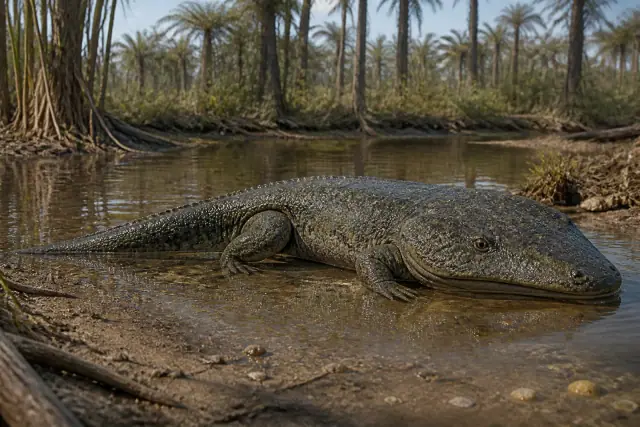
Cyclotosaurus robustus
Closed otic notches and a broad flat skull marked a giant aquatic ambush predator.
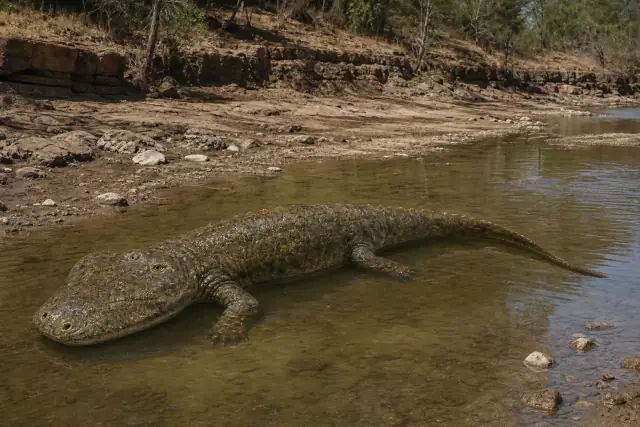
Koskinonodon perfectum
A broad half-meter skull carried grooves that sensed water movement.
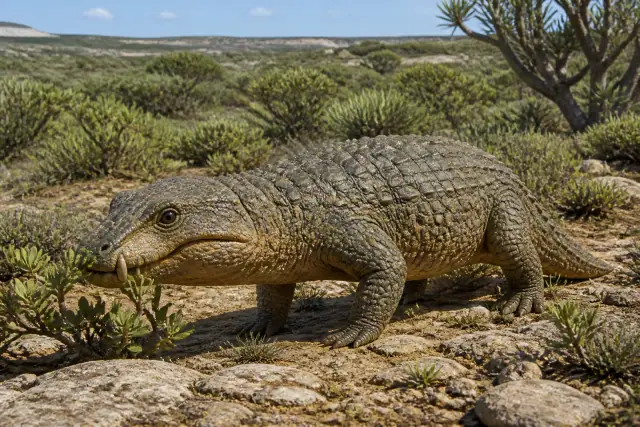
Simosuchus clarki
A short square snout, leaf-shaped teeth and armor belonged to a likely plant-eating crocodyliform.
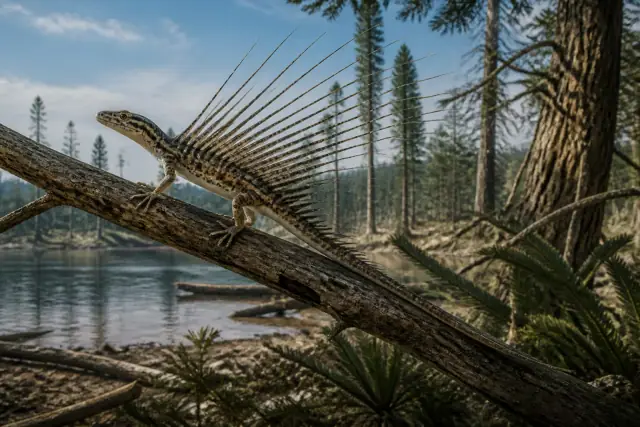
Longisquama insignis
A row of exaggerated dorsal appendages has been called scales, feathers or gliding surfaces.
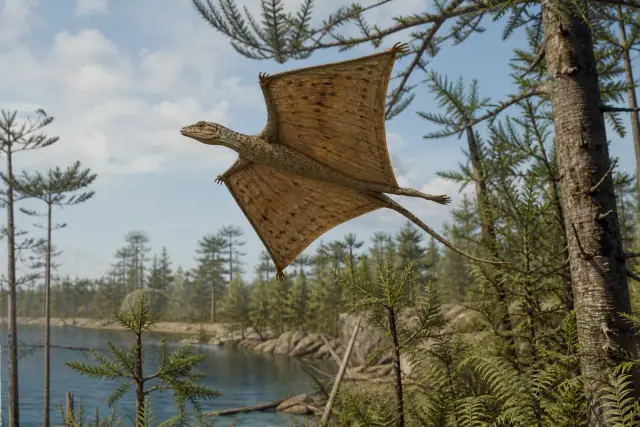
Sharovipteryx mirabilis
Its main flight membrane stretched between extraordinarily long hind legs.
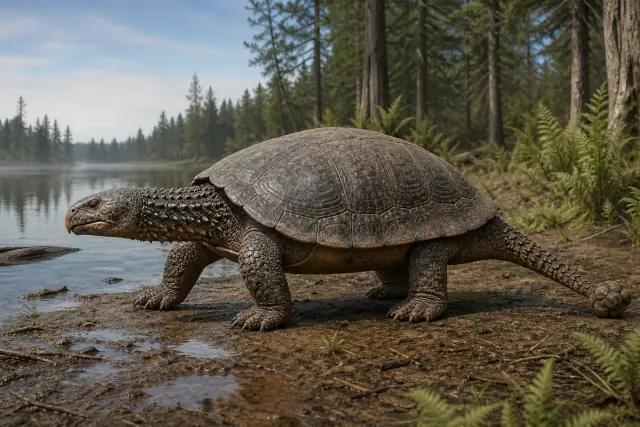
Proganochelys quenstedtii
A complete shell coexisted with neck spikes and an inability to retract the head.
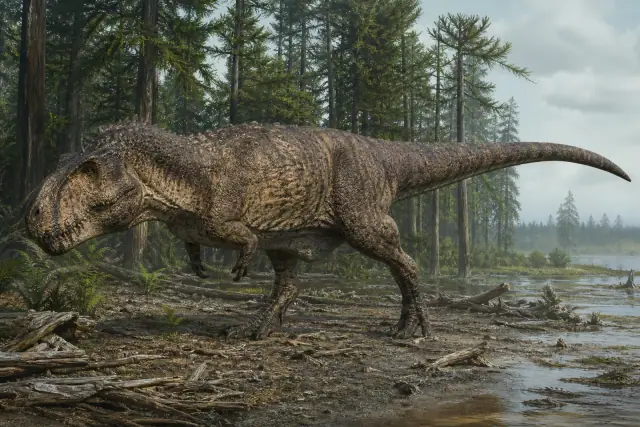
Thanatotheristes degrootorum
A deep snout with facial ridges marked an early northern tyrannosaurid.
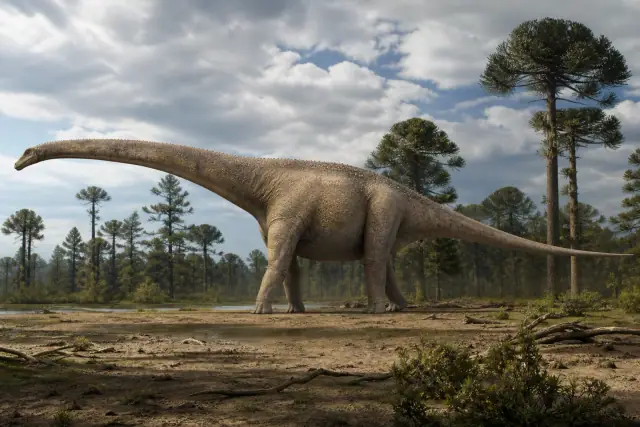
Dreadnoughtus schrani
A relatively complete skeleton makes this giant titanosaur unusually measurable.
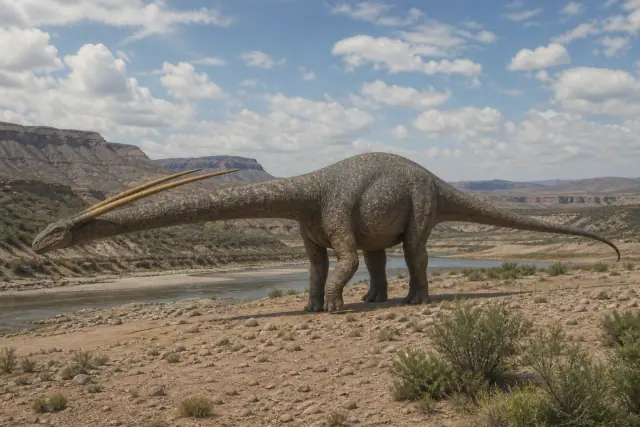
Bajadasaurus pronuspinax
Paired neck-vertebra spines curve forward; a described pair measures 58 cm.
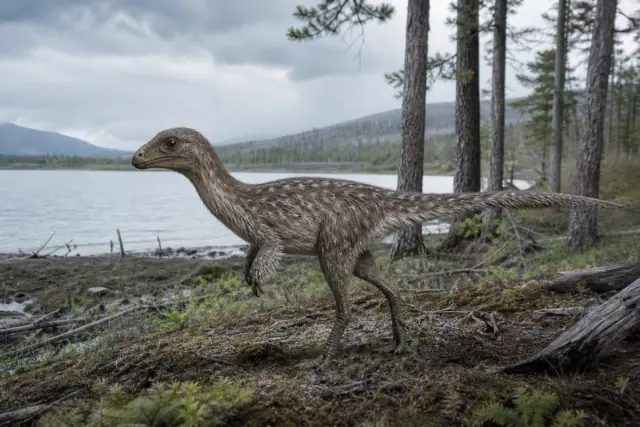
Kulindadromeus zabaikalicus
Scales, simple filaments and branching feather-like structures covered one small herbivore.
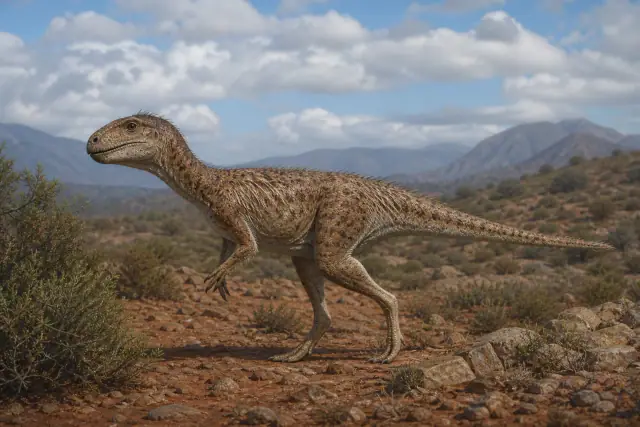
Heterodontosaurus tucki
Incisor, tusk-like and cheek teeth formed an unusual dinosaur dentition.
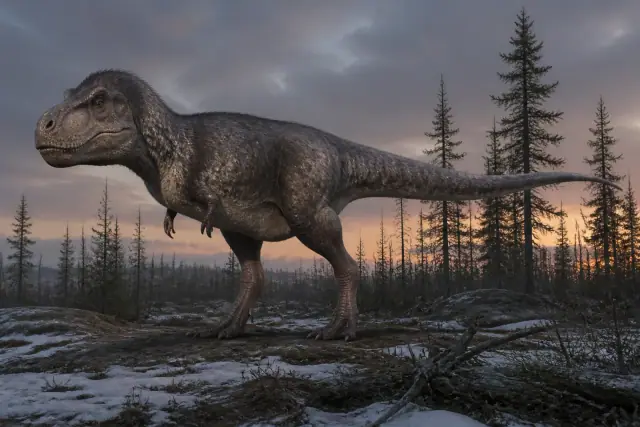
Nanuqsaurus hoglundi
It hunted through polar night, though its supposedly dwarf size remains uncertain.
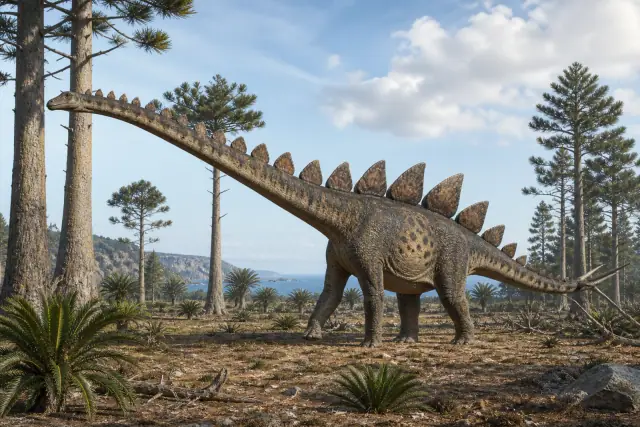
Miragaia longicollum
At least seventeen cervical vertebrae produced an unusually long neck for a stegosaur.
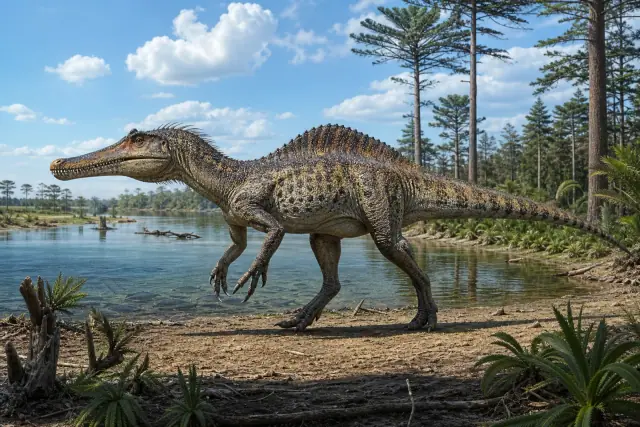
Irritator challengeri
A long snout, conical teeth and low crest belonged to a spinosaurid that frequently ate fish.
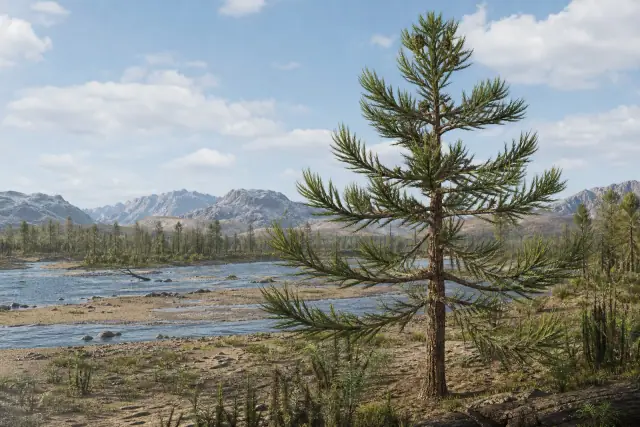
Voltzia heterophylla
Leaves of different lengths on one shoot record an early stage of modern conifer architecture.
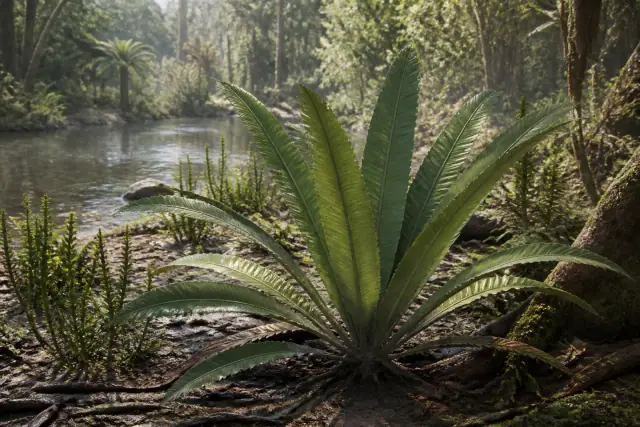
Taeniopteris multinervis
Entire strap-shaped leaves with dense side veins define a form genus rather than one secure lineage.
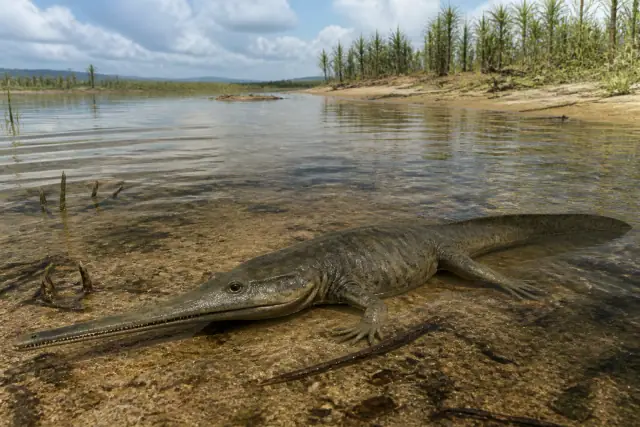
Aphaneramma rostratum
An extremely narrow snout gave this temnospondyl a gharial-like profile on an amphibian skeleton.
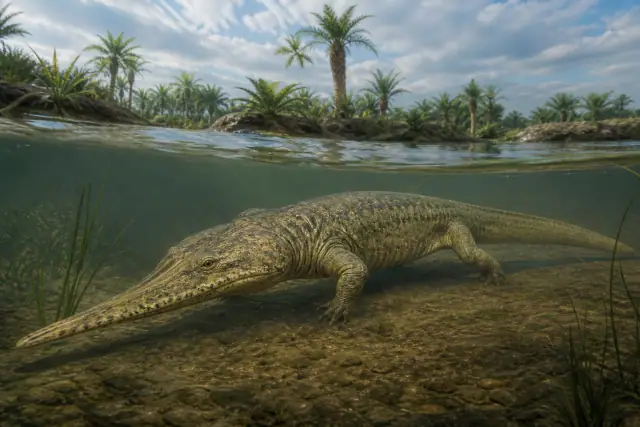
Trematosaurus brauni
A narrow sensory-grooved snout suited an open-water temnospondyl.
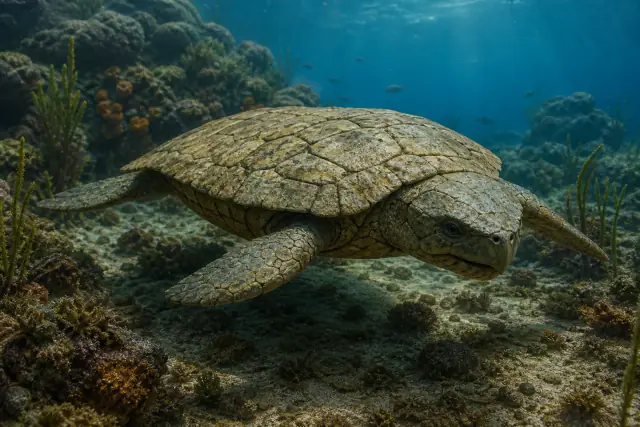
Placochelys placodonta
Placochelys placodonta was an armored placodont marine reptile, not a turtle; broad teeth support a hard-prey feeding interpretation.
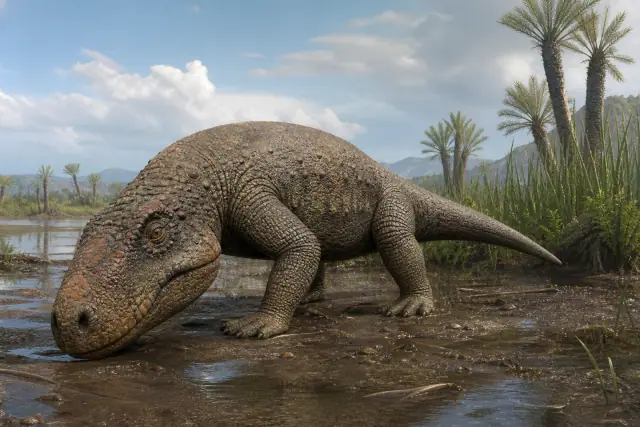
Erythrosuchus africanus
An enormous deep skull sat on a relatively low body in this early archosauriform apex predator.
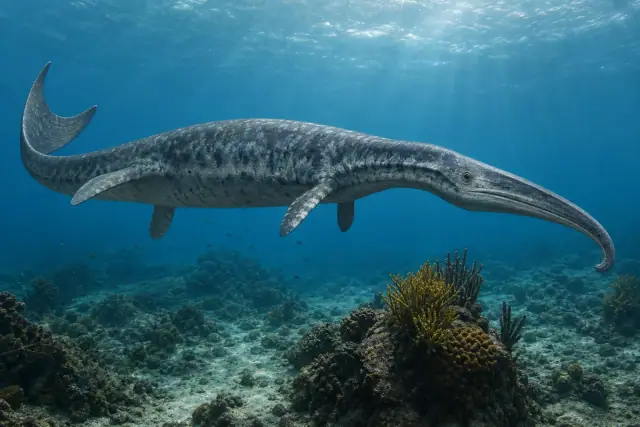
Thalattosaurus alexandrae
A long tail, paddle-like limbs and downturned snout marked a vanished marine-reptile branch.
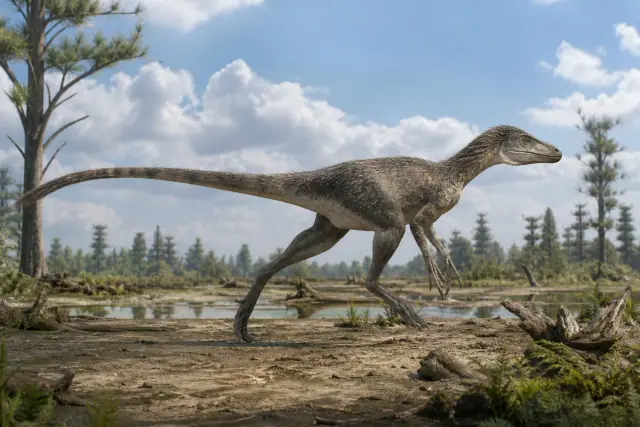
Eotyrannus lengi
Long three-fingered arms and a light body preceded the giant two-fingered tyrannosaurs.
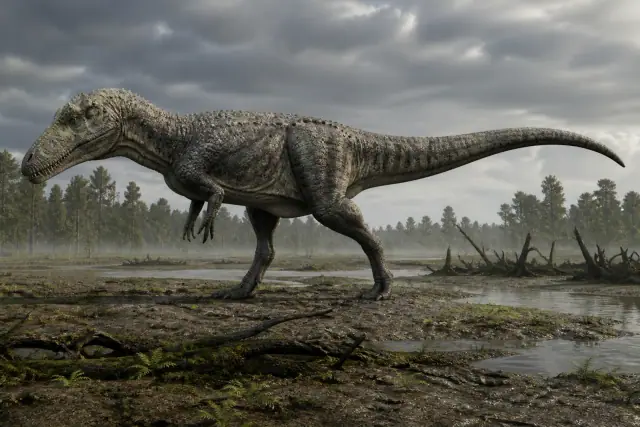
Mapusaurus roseae
This giant carcharodontosaurid shared plains with enormous sauropods and is known from a multi-individual bone bed.
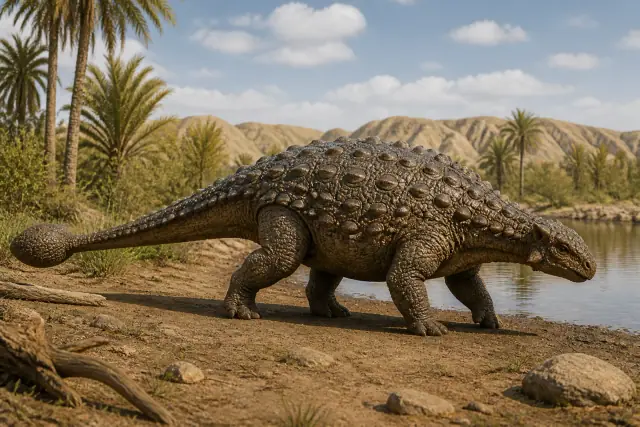
Tarchia kielanae
Heavy skull armor, neck rings and a tail club belonged to a large Gobi ankylosaur.
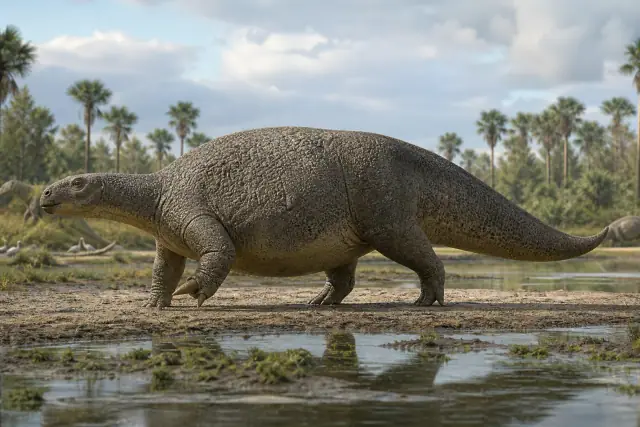
Lurdusaurus arenatus
Short legs, a broad trunk and giant thumb spike made an unusually low heavy iguanodontian.
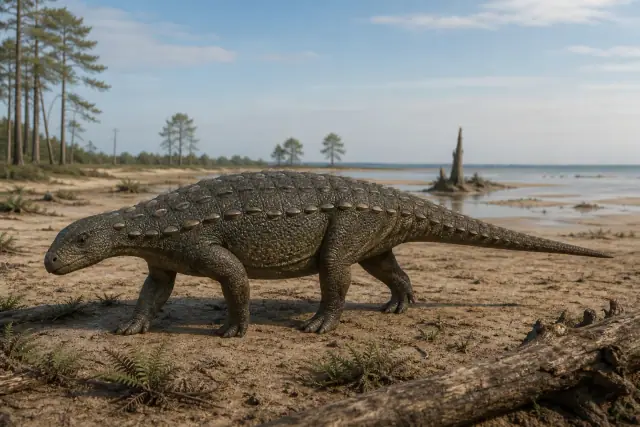
Scelidosaurus harrisonii
Rows of armor from neck to tail mark an early split among armored dinosaurs.
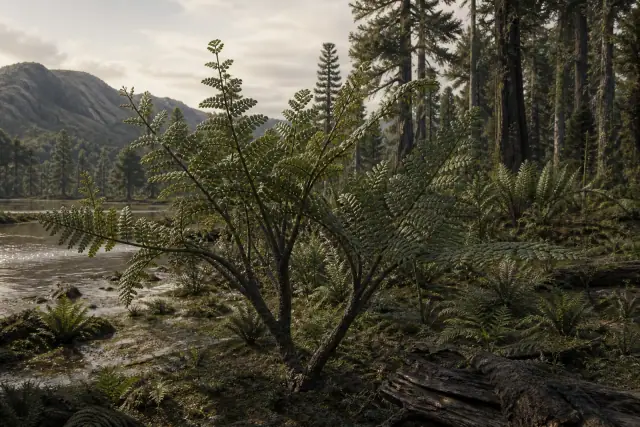
Pachypteris gradinarui
Thick leathery pinnules and lower-surface stomata helped this seed fern withstand seasonal dryness.
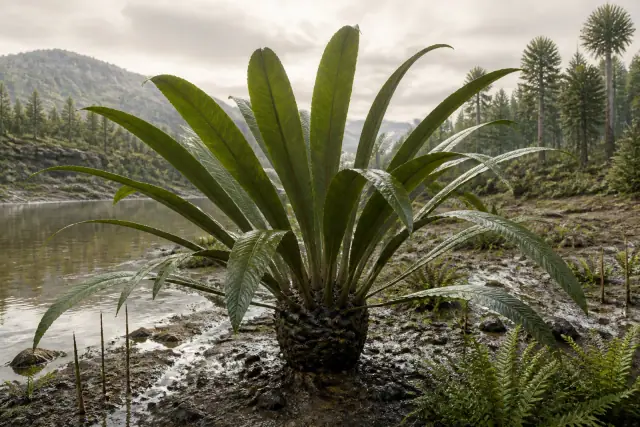
Bjuvia simplex
Huge, nearly undivided strap leaves opened from a stout cycad-like crown.
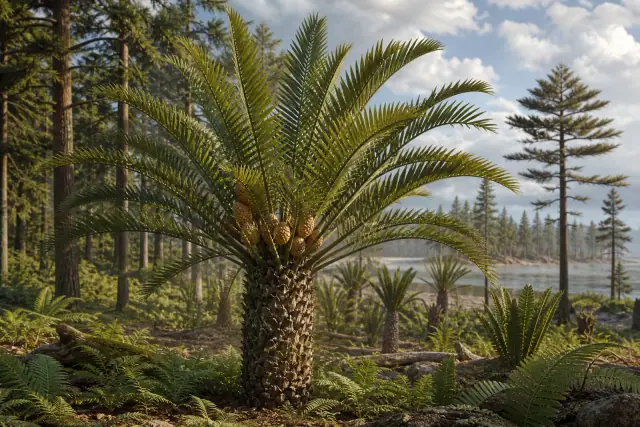
Bennettites
Tough pinnate leaves crowned cycad-like trunks around compact flower-like reproductive organs.
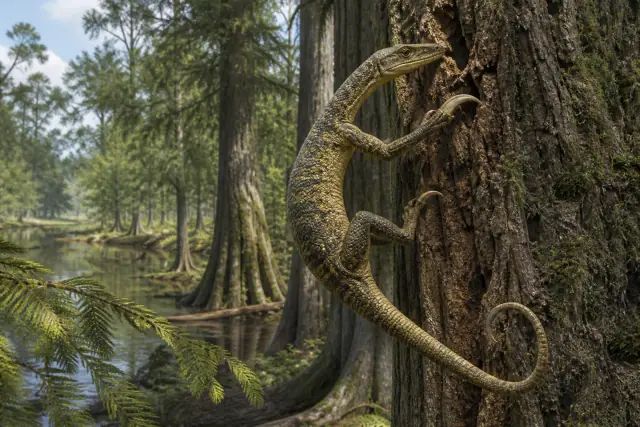
Drepanosaurus unguicaudatus
A sickle-shaped hand claw, grasping feet and hooked tail tip formed a highly arboreal reptile.
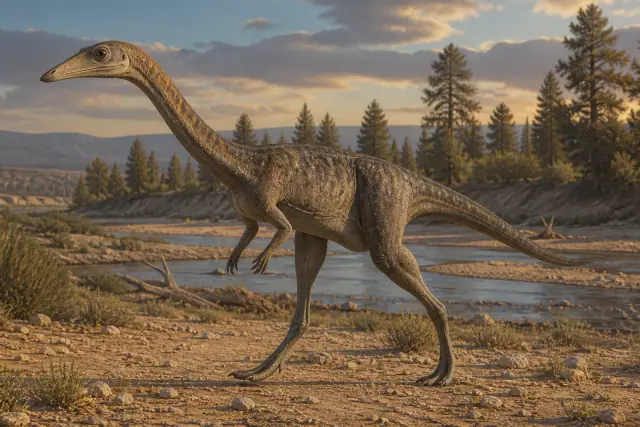
Effigia okeeffeae
A toothless beak, long neck and bipedal legs made this crocodile relative converge on later bird-like dinosaurs.
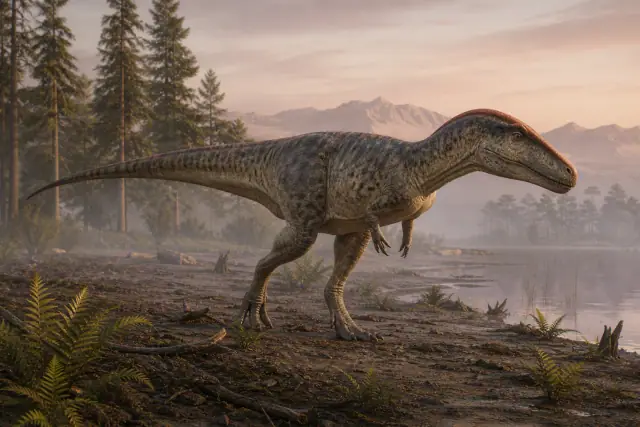
Monolophosaurus jiangi
A single crest running from snout to skull roof gave this medium theropod a distinctive profile.
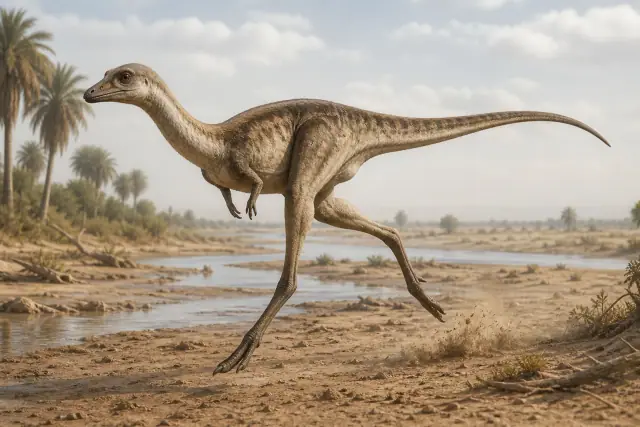
Deltadromeus agilis
Long hind limbs and a lightly built skeleton indicate a large, fast-moving theropod.
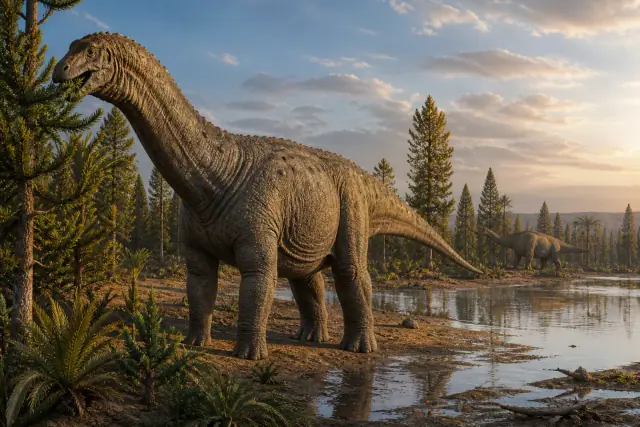
Jobaria tiguidensis
A relatively short neck, strong limbs and primitive vertebrae belonged to a large non-neosauropod herbivore.