16Cenozoic
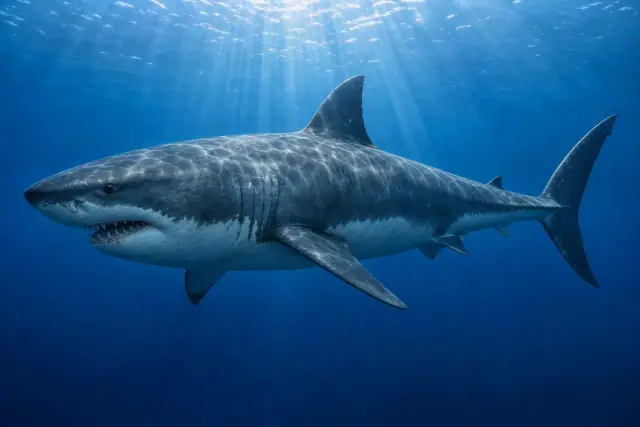
Megalodon
Otodus megalodon
Its hand-sized teeth belonged to a giant shark specialized in hunting marine mammals.
 EXTINCT ATLASEXTINCT LIFE ARCHIVEBack to archive
Period · 23.04–2.58 million years ago
Explore Miocene and Pliocene life, from giant marine predators to grazing mammals and flightless birds.
The Neogene comprises the Miocene and Pliocene. Expanding open habitats and changing continental connections influenced animal distributions. Megalodon belongs here, not alongside Jurassic sea reptiles. Some mammal lineages crossed into the Pleistocene, so period boundaries need not mark a taxon’s extinction.
Otodus megalodon
Its hand-sized teeth belonged to a giant shark specialized in hunting marine mammals.
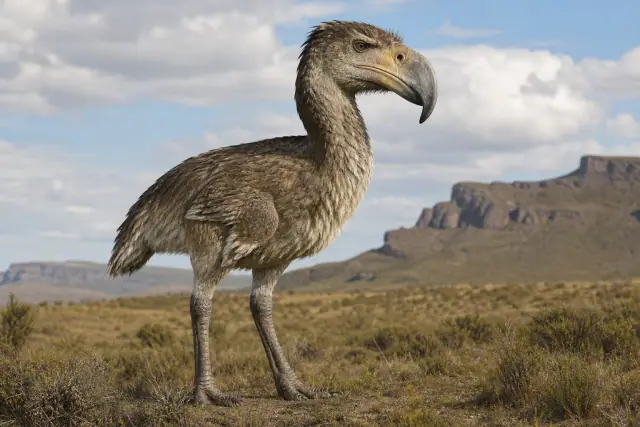
Phorusrhacos longissimus
A tall flightless predator used a deep hooked beak to strike prey on the ground.
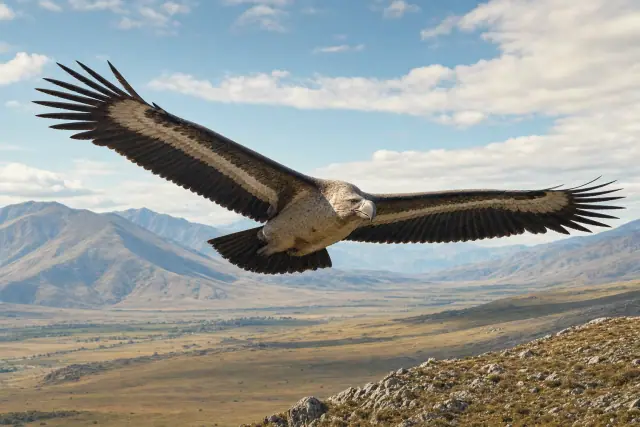
Argentavis magnificens
Argentavis magnificens was a giant bird from Late Miocene Argentina. Its flight is reconstructed from incomplete fossils and aerodynamic models, not observations of a living bird.
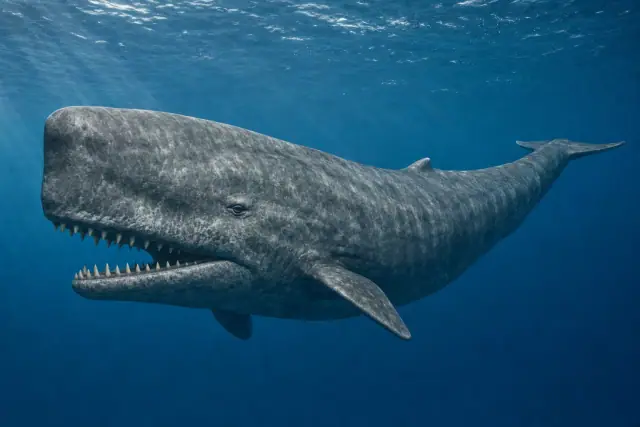
Livyatan melvillei
Huge teeth in both jaws armed a macropredatory sperm whale.
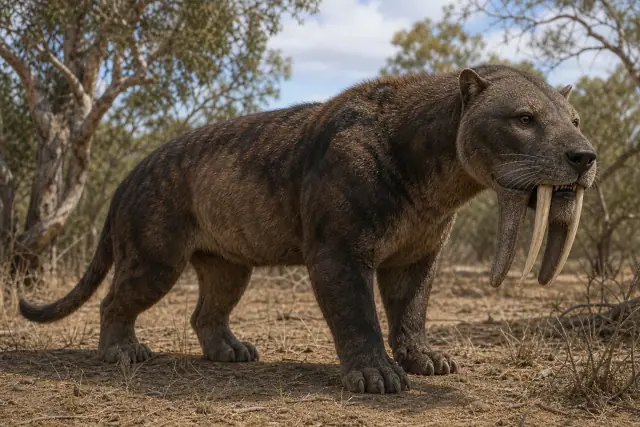
Thylacosmilus atrox
Ever-growing saber canines evolved independently in this marsupial relative.
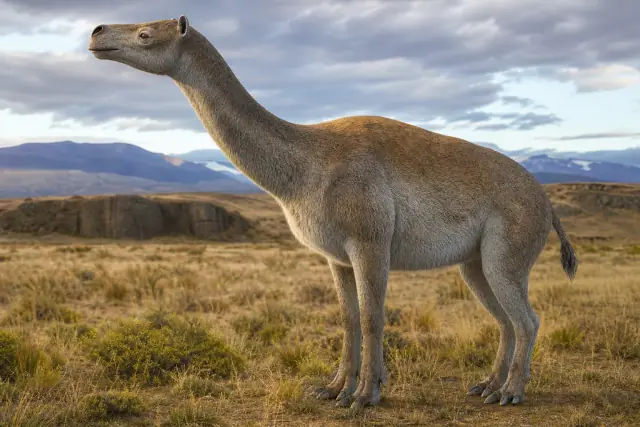
Macrauchenia patachonica
This long-necked hoofed mammal belonged to a uniquely South American lineage.
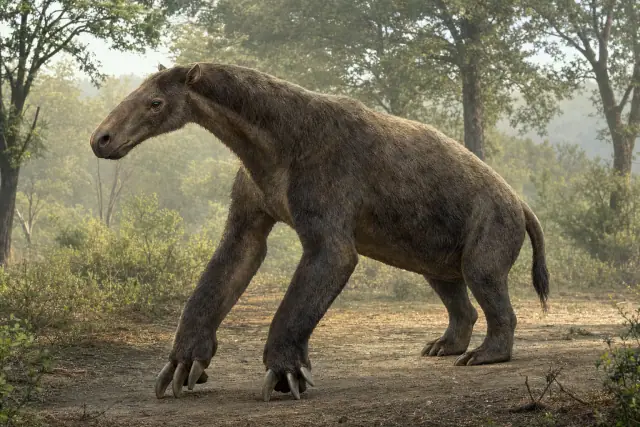
Chalicotherium goldfussi
Long clawed forelimbs made this horse relative walk on its knuckles.
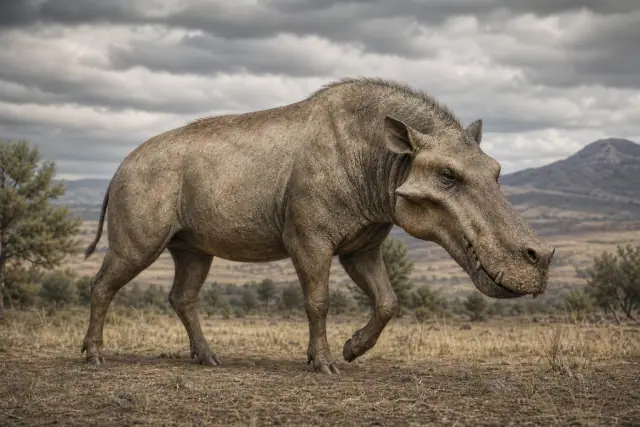
Daeodon shoshonensis
A huge deep-skulled omnivore belonged to the entelodonts, not to true pigs.
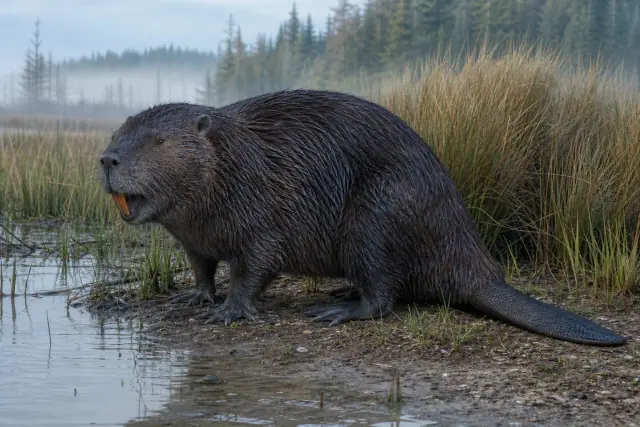
Castoroides ohioensis
This black-bear-sized beaver had ridged teeth and depended on extensive wetlands.
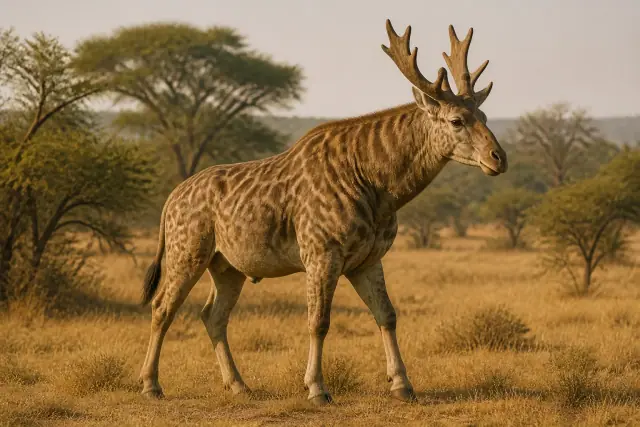
Sivatherium giganteum
A massive body, broad feet and four ossicones made this giraffid resemble both deer and cattle.
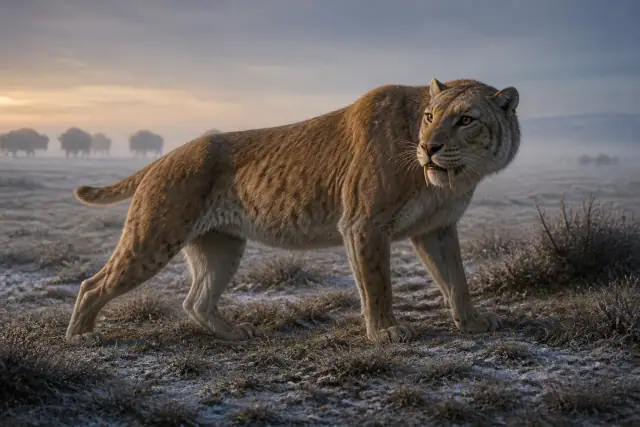
Homotherium serum
Short blade-like canines, long forelimbs and a sloping back suited pursuit of large prey.
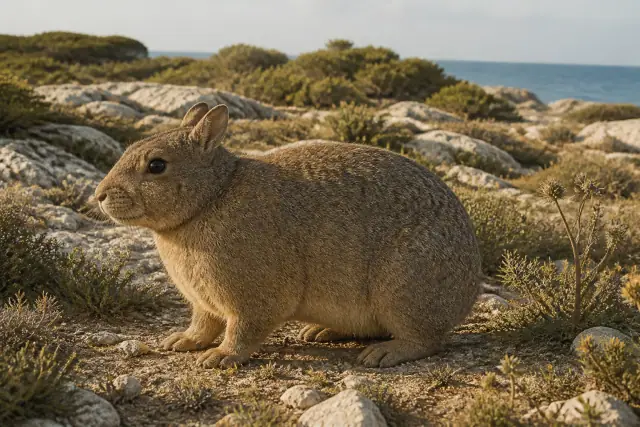
Nuralagus rex
Without large predators, this heavy island rabbit evolved small ears and lost efficient hopping.
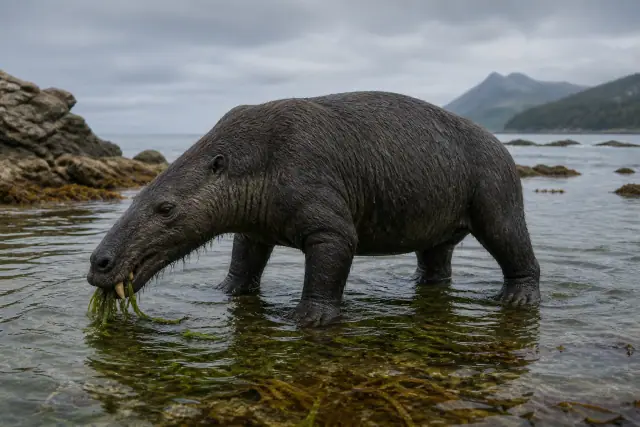
Desmostylus hesperus
Bundles of enamel-wrapped tooth columns and broad limbs helped it crop aquatic plants in tidal flats and shallow water.
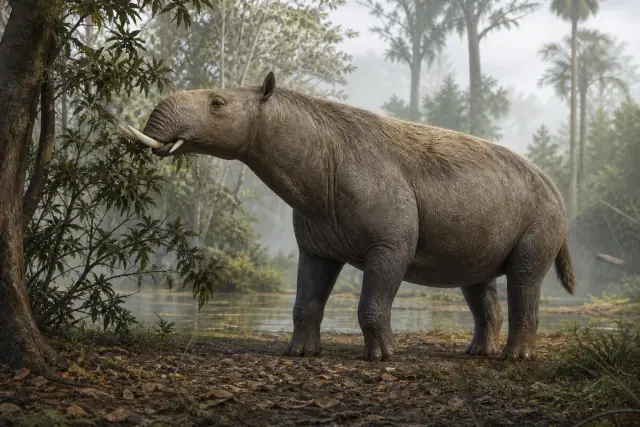
Astrapotherium magnum
Rear-shifted nostrils and four tusks document a distinctive skull; a short trunk is a soft-tissue reconstruction inferred from the bones.
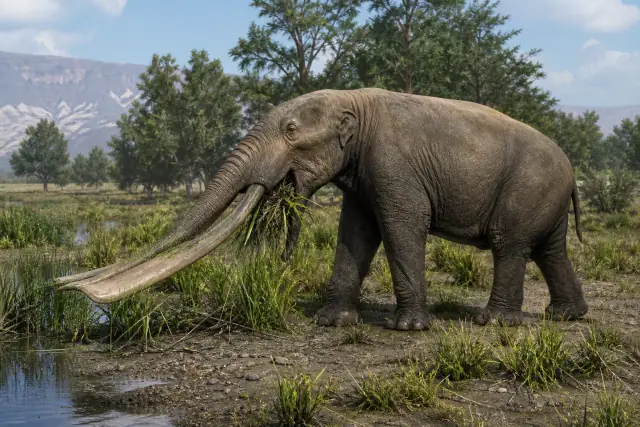
Platybelodon grangeri
A widened jaw and flattened lower tusks formed a shovel-like cutting edge for tough vegetation.
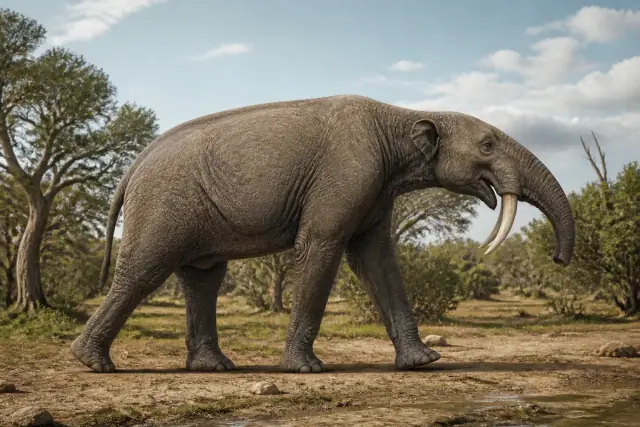
Deinotherium giganteum
Only the lower jaw carried tusks, curving downward beneath a body taller than most modern elephants.
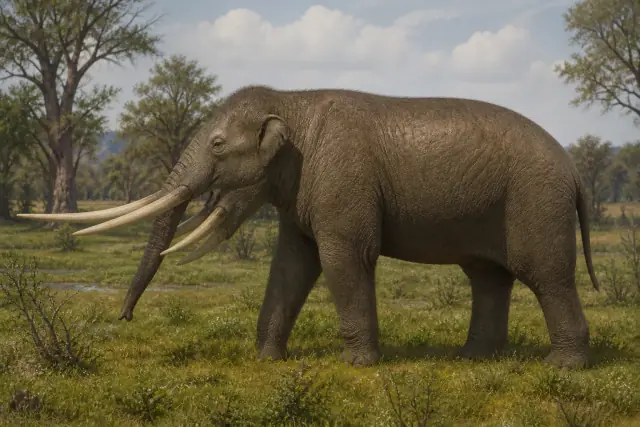
Gomphotherium angustidens
Two upper and two lower tusks gave its elongated head a four-tusked profile absent from living elephants.
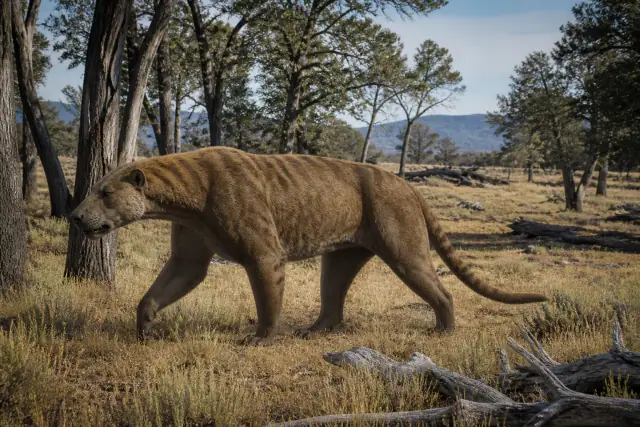
Amphicyon ingens
A bear-heavy torso combined with a dog-like long skull and tail, inspiring the name bear-dog.
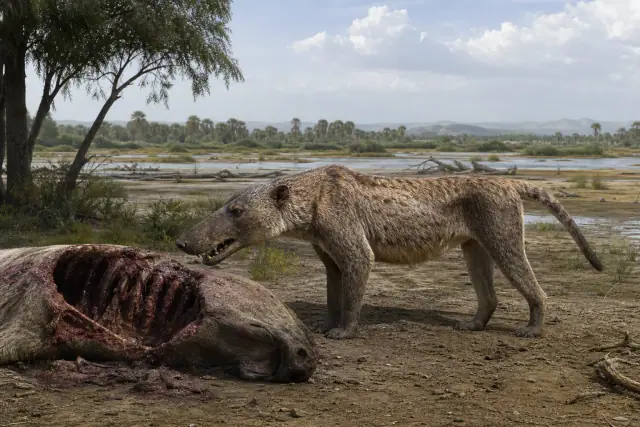
Megistotherium osteothlastes
A giant hyaenodont with a skull about 66 cm long. Body-mass estimates are uncertain, and it was neither a hyena nor a big cat.
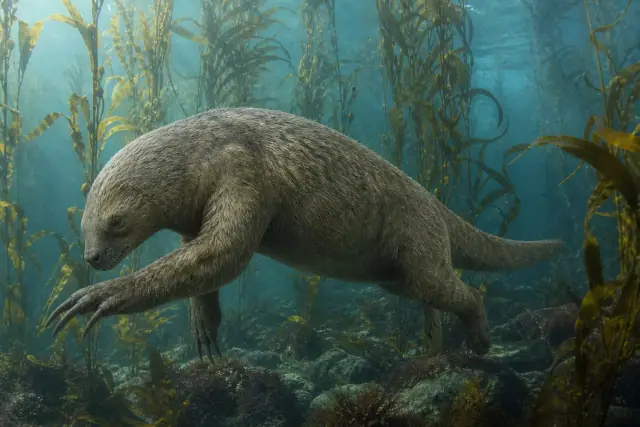
Thalassocnus natans
A sloth lineage with aquatic adaptations, including dense bones that could help control buoyancy.
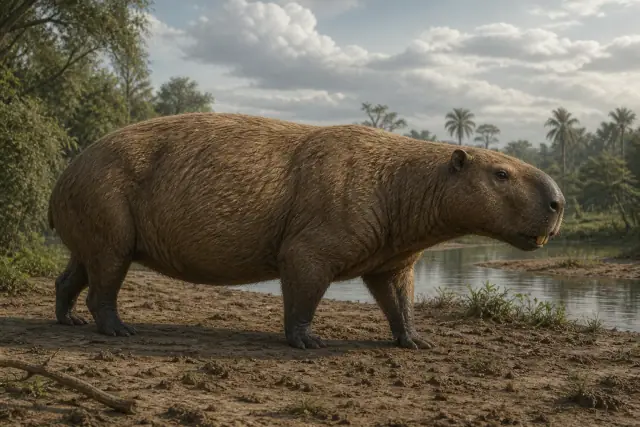
Josephoartigasia monesi
It may have approached a tonne, with giant incisors capable of generating exceptional bite forces.
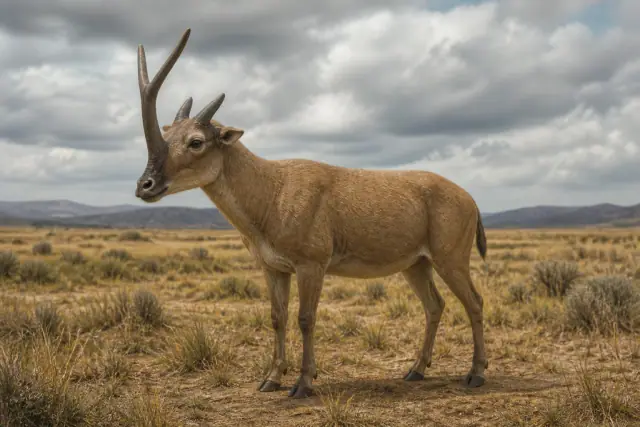
Synthetoceras tricornatus
A forked Y-shaped nasal horn joined two brow horns in the most elaborate protoceratid display.
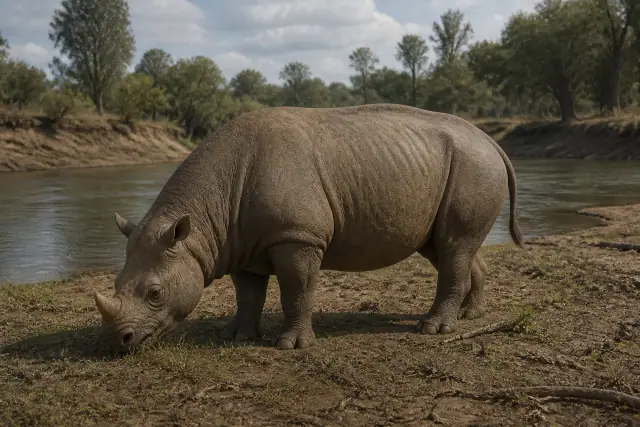
Teleoceras major
Short legs and a barrel body gave this grazing rhinoceros a hippo-like outline.
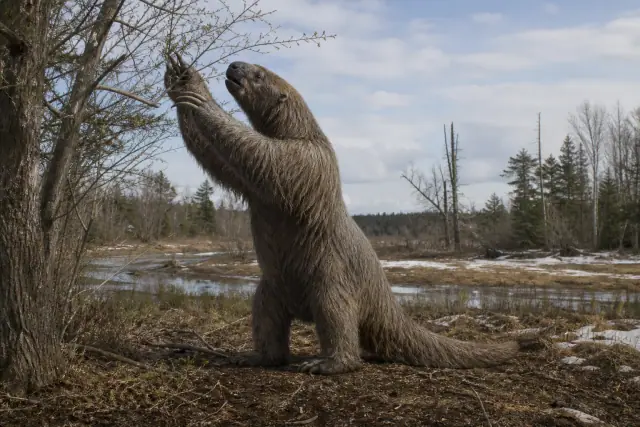
Megalonyx jeffersonii
Huge curved claws belonged to a forest browser whose name is tied to Thomas Jefferson.