05Mesozoic
Tyrannosaurus
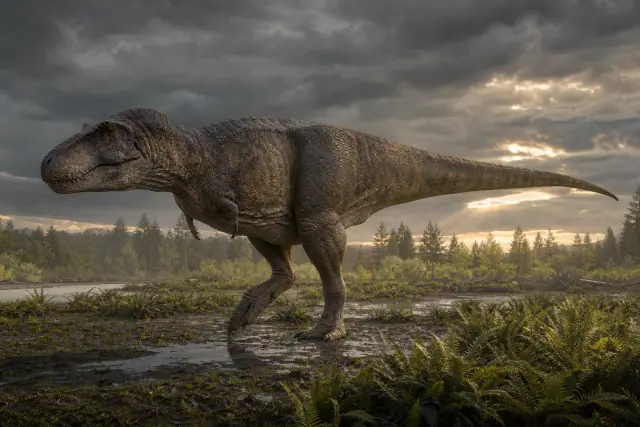
Tyrannosaurus rex
A deep skull, bone-crushing bite and keen senses made it one of the last giant theropods.
LIFE ARCHIVE
Browse extinct life from traces nearly 1.9 billion years old to historically recorded extinctions.
Tyrannosaurus rex
A deep skull, bone-crushing bite and keen senses made it one of the last giant theropods.
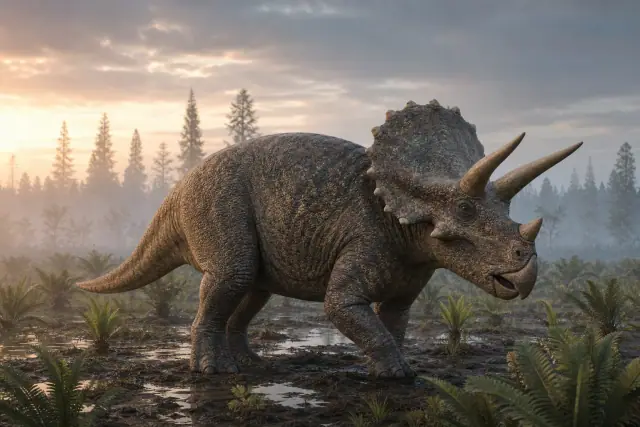
Triceratops horridus
Triceratops ate plants, clipping vegetation with its beak and slicing it with dental batteries. Fossils reveal feeding mechanics more clearly than a precise plant menu.
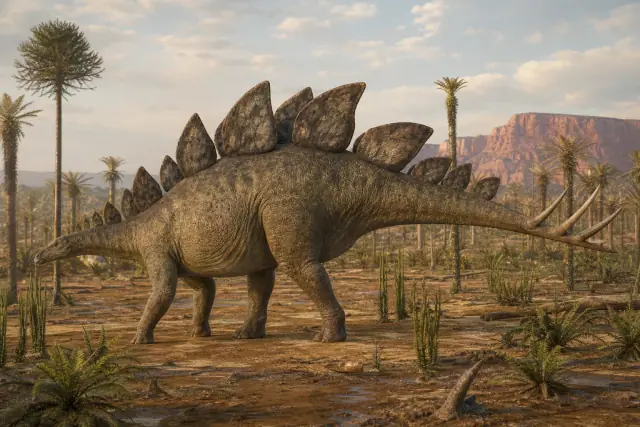
Stegosaurus stenops
Tall back plates and a four-spiked tail made this low-browsing herbivore unmistakable.
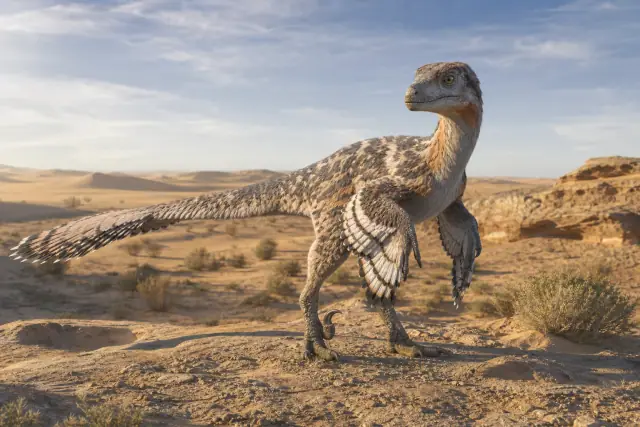
Velociraptor mongoliensis
This turkey-sized feathered predator carried a raised sickle claw on each foot.
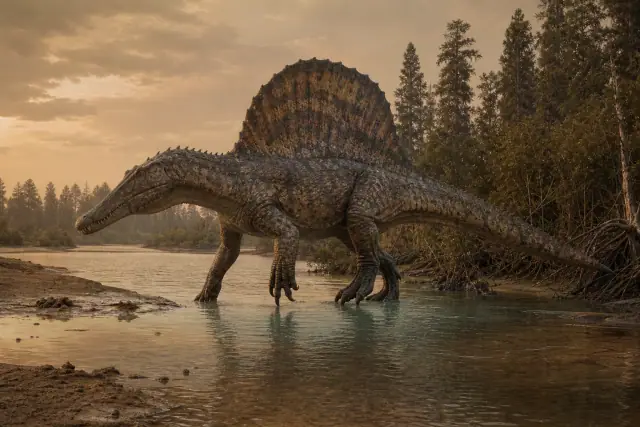
Spinosaurus aegyptiacus
A sail-backed predator with dense bones and a paddle-like tail, adapted to life around water.
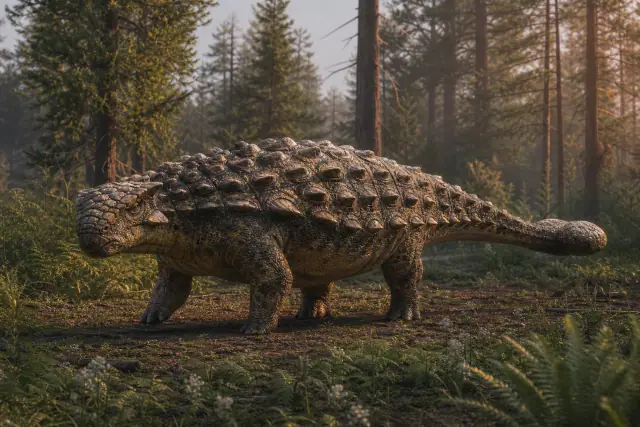
Ankylosaurus magniventris
Body armor and a heavy tail club turned a plant-eater into a walking fortress.
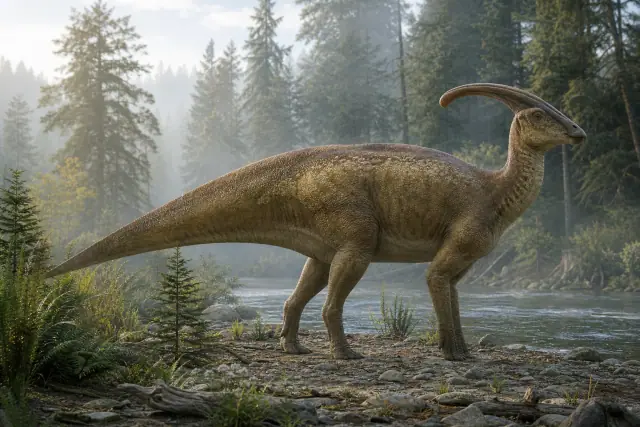
Parasaurolophus walkeri
Its long hollow crest may have carried low calls across forests and floodplains.
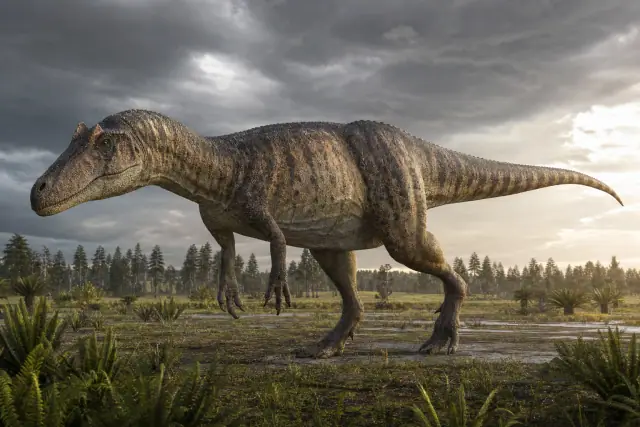
Allosaurus fragilis
A lightweight skull and serrated teeth equipped this large predator for repeated slashing bites.
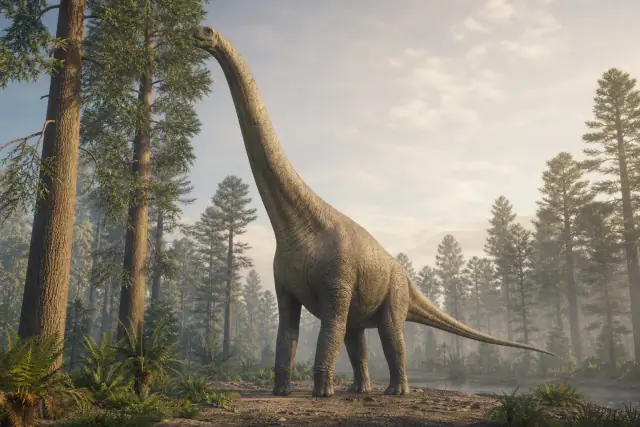
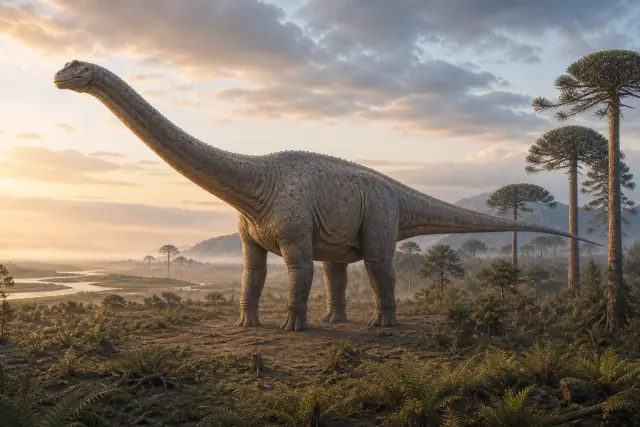
Brachiosaurus altithorax
Long forelimbs lifted its shoulders and neck toward the Jurassic canopy.
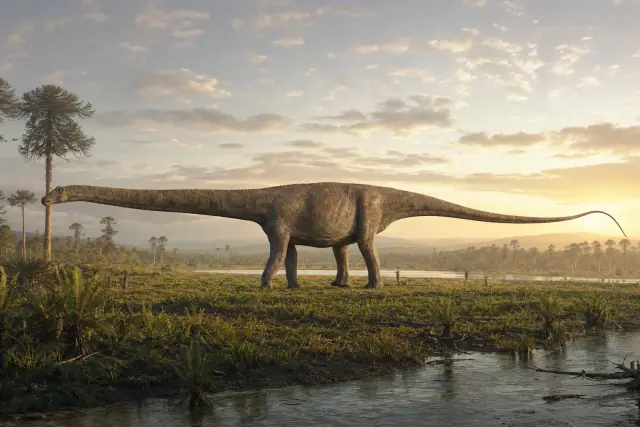
Diplodocus carnegii
A whip-like tail balanced an extremely long neck on this lightly built giant.
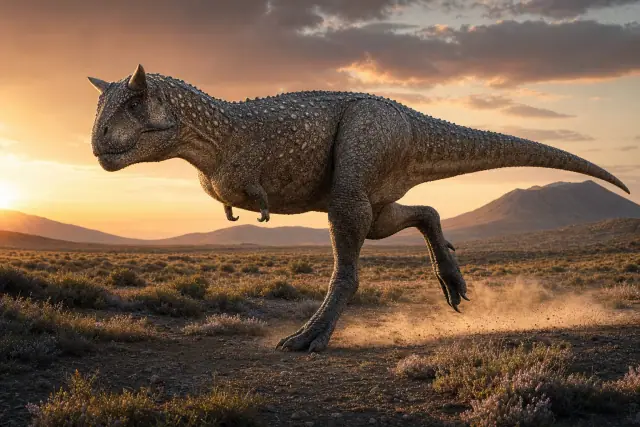
Carnotaurus sastrei
Brow horns, a deep skull and extremely reduced arms marked this fast abelisaurid.
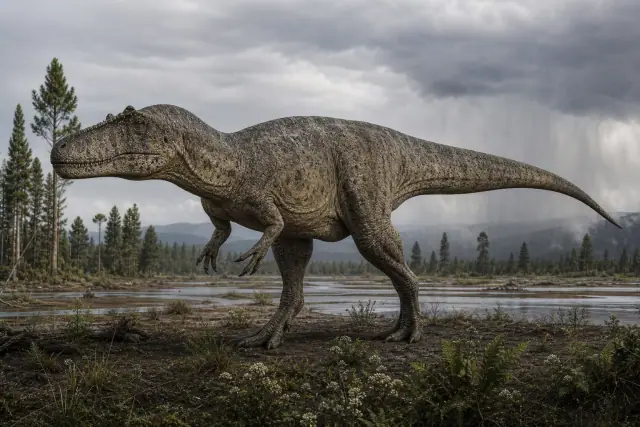
Giganotosaurus carolinii
A giant narrow-skulled theropod shared its world with immense sauropods.
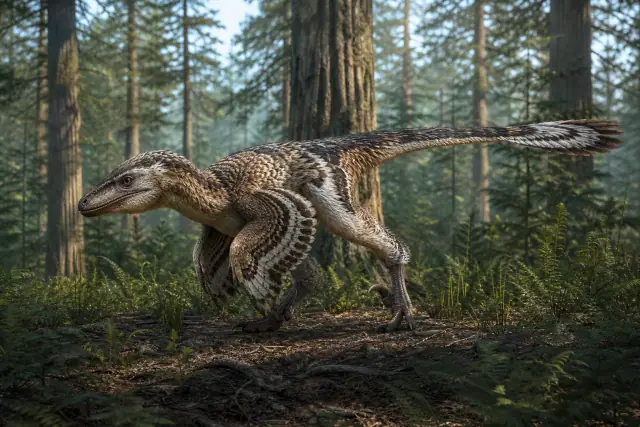
Deinonychus antirrhopus
A stiff tail, grasping hands and enlarged foot claw made an agile feathered hunter.
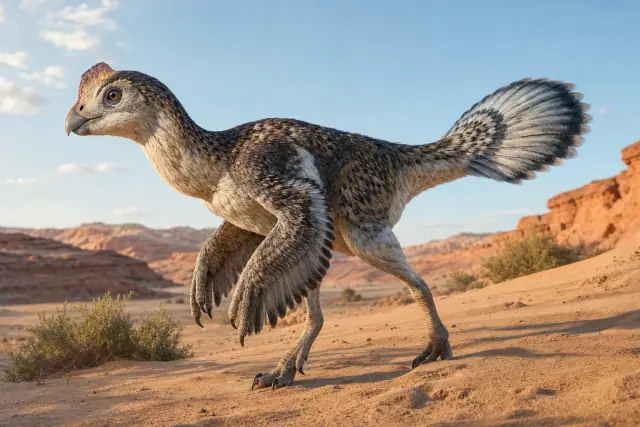
Oviraptor philoceratops
The supposed egg thief was found above a nest that probably contained its own young.
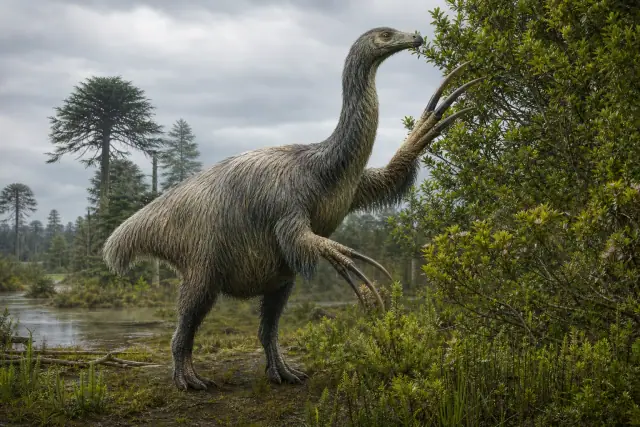
Therizinosaurus cheloniformis
Meter-long hand claws belonged to a tall, feathered, pot-bellied herbivore.
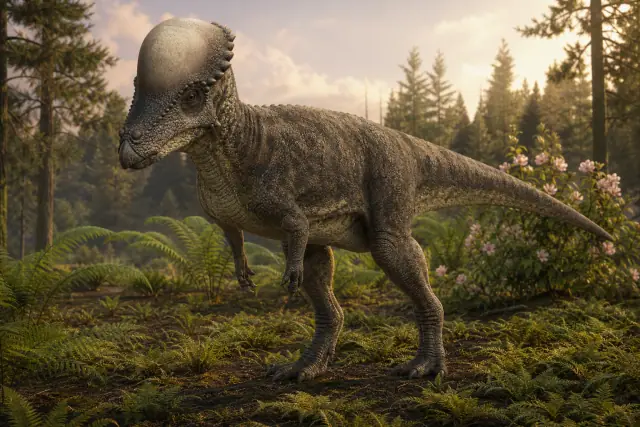
Pachycephalosaurus wyomingensis
A thick dome of bone crowned the skull of this two-legged herbivore.
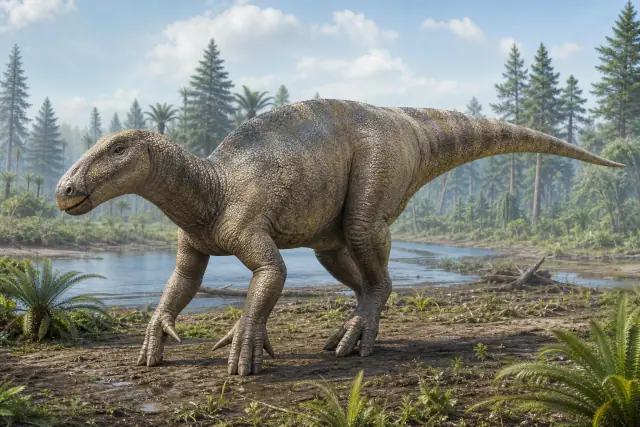
Iguanodon bernissartensis
A conical thumb spike and batteries of chewing teeth equipped this adaptable herbivore.
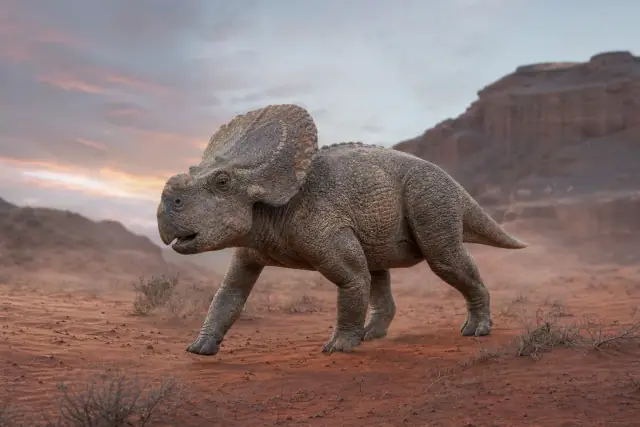
Protoceratops andrewsi
Protoceratops was a small, beaked ceratopsian from Late Cretaceous Mongolia. Its neck frill and four-legged body distinguish it from its predator Velociraptor.
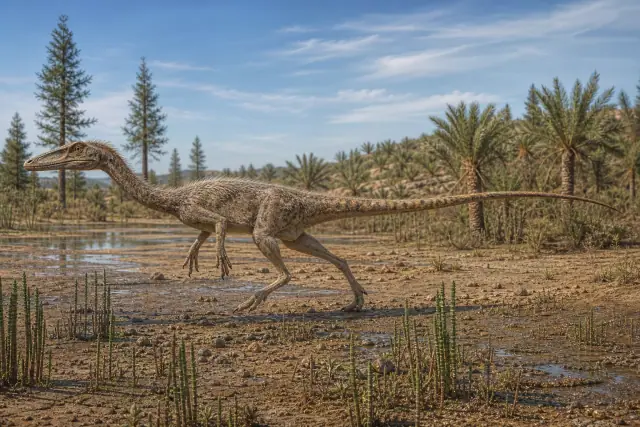
Coelophysis bauri
Coelophysis was a slender, two-legged theropod from the Late Triassic. Many skeletons occur together at Ghost Ranch in New Mexico.
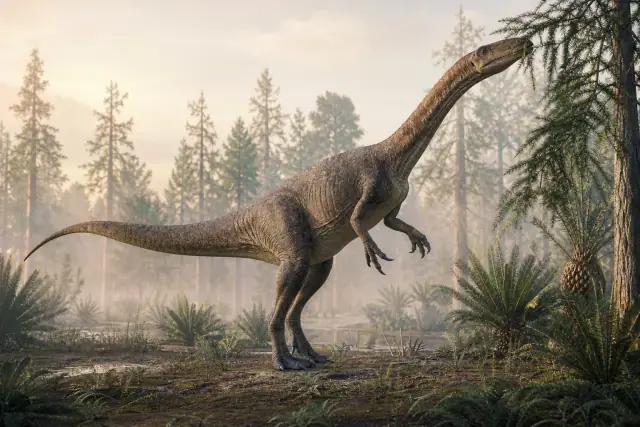
Plateosaurus trossingensis
Plateosaurus was a Late Triassic sauropodomorph from central Europe. It combined a long neck with grasping hands and strongly developed hind limbs.
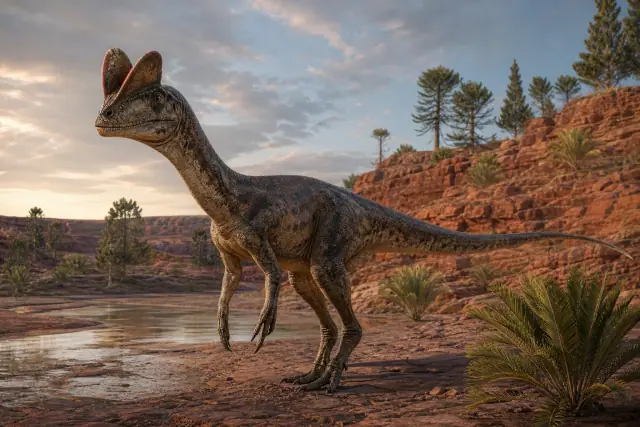
Dilophosaurus wetherilli
Dilophosaurus wetherilli was a large Early Jurassic predator from northern Arizona. Two thin crests on its skull gave it its name.
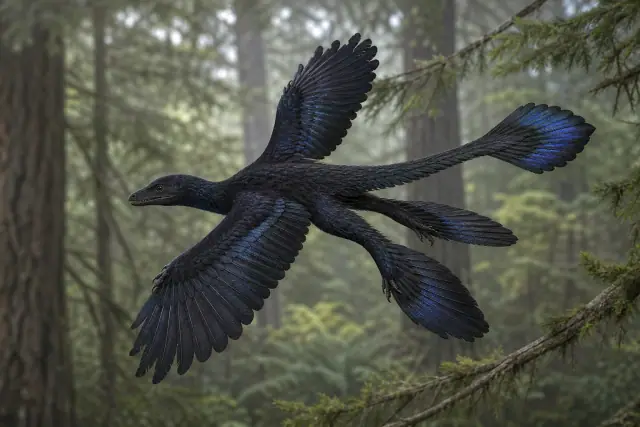
Microraptor gui
Microraptor was a small feathered theropod from Early Cretaceous China. Long feathers on both forelimbs and hind limbs created several aerodynamic surfaces.
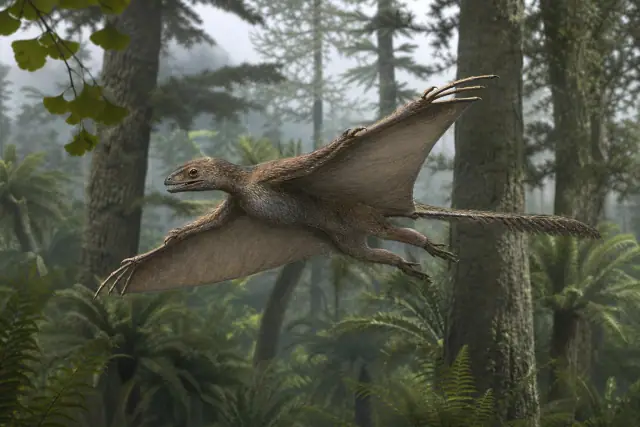
Yi qi
Yi qi was a small Jurassic theropod with feathers and preserved traces of a wing membrane. A rod-like element extending from the wrist made its wing unlike a modern bird's.
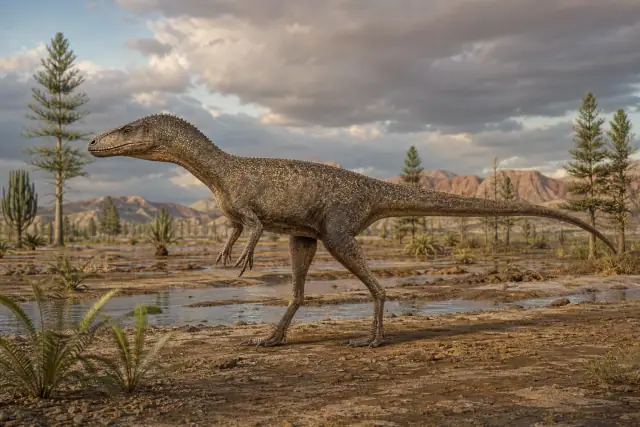
Herrerasaurus ischigualastensis
One of the earliest large dinosaurs was a lightly built two-legged predator.
Explore the atlas by continent, country and state. Follow fossil localities into regional guides, compare animals across time and return to the evidence in each species profile.
FIELD GUIDES
Giants, strange body plans and lives within human memory. Follow a question into the atlas, then explore the animals behind it.