01Cenozoic
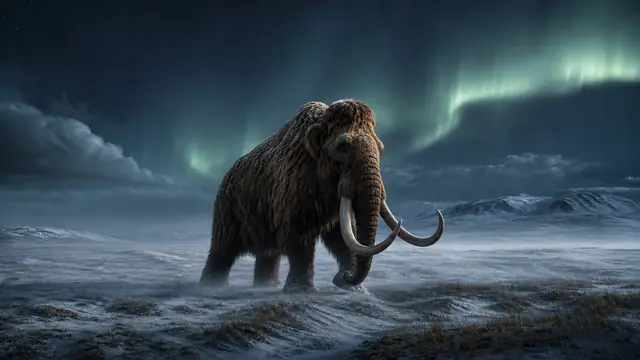
Woolly Mammoth
Mammuthus primigenius
They lived not on endless ice, but in a wind-shaped grassland ecosystem.
LIFE ARCHIVE
Browse extinct life from traces nearly 1.9 billion years old to historically recorded extinctions.
Mammuthus primigenius
They lived not on endless ice, but in a wind-shaped grassland ecosystem.
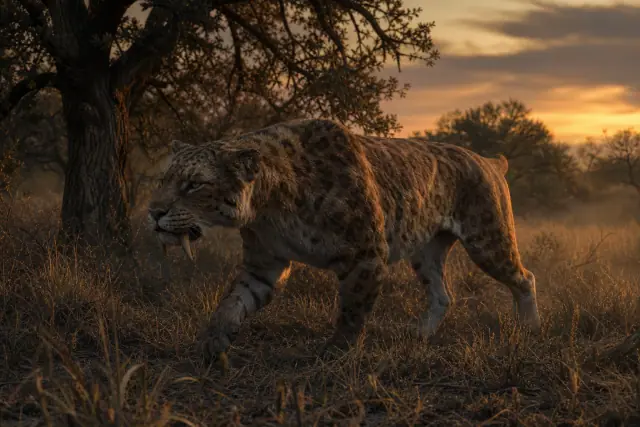
Smilodon fatalis
Its enormous canines were only part of the weapon; the real power lay in exceptionally strong forelimbs.
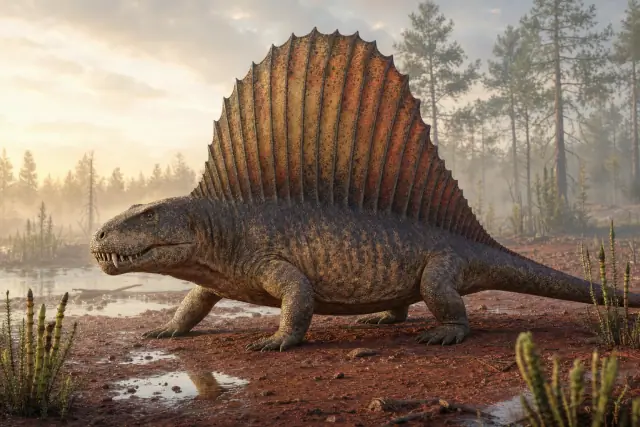
Dimetrodon grandis
This sail-backed predator was closer to mammals than to dinosaurs.
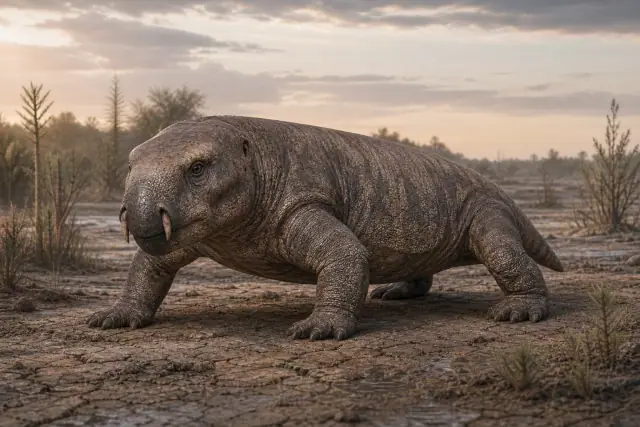
Lystrosaurus murrayi
A beaked, tusked survivor became extraordinarily common after Earth’s greatest mass extinction.
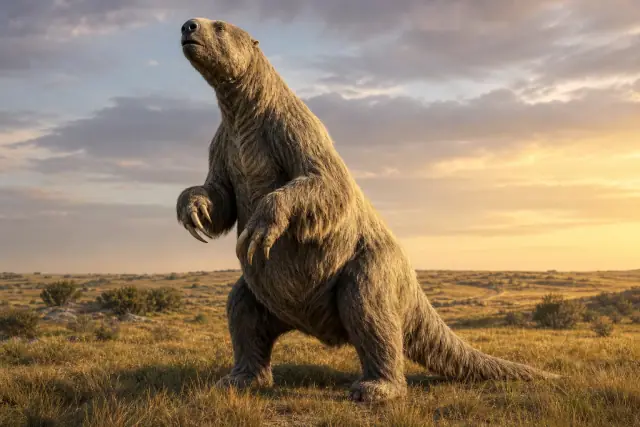
Megatherium americanum
Standing on its hind legs, this elephant-sized sloth could reach high branches with huge claws.
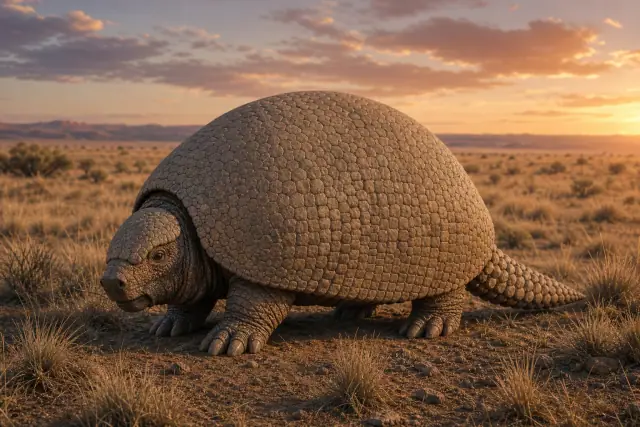
Glyptodon clavipes
A domed shell of fused armor protected this car-sized relative of armadillos.
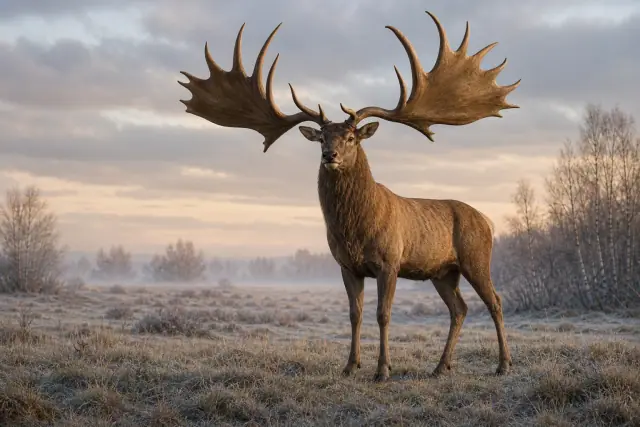
Megaloceros giganteus
The largest deer antlers known were seasonal structures for display and competition.
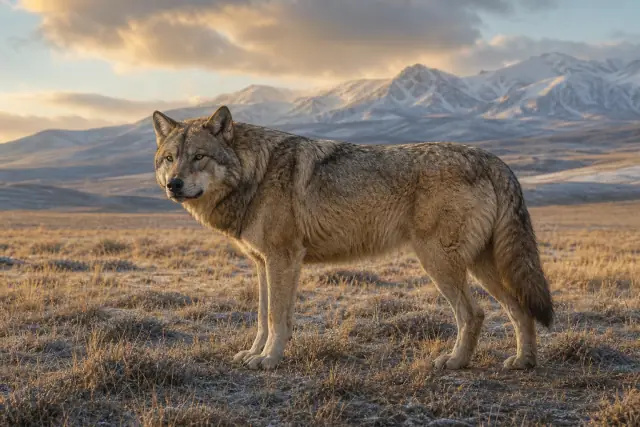
Aenocyon dirus
A heavy-jawed canid hunted the large herbivores of Ice Age America.
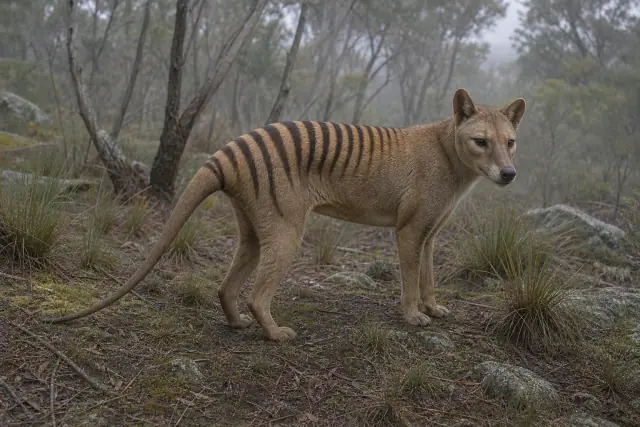
Thylacinus cynocephalus
Australia’s striped marsupial predator survived longest in Tasmania.
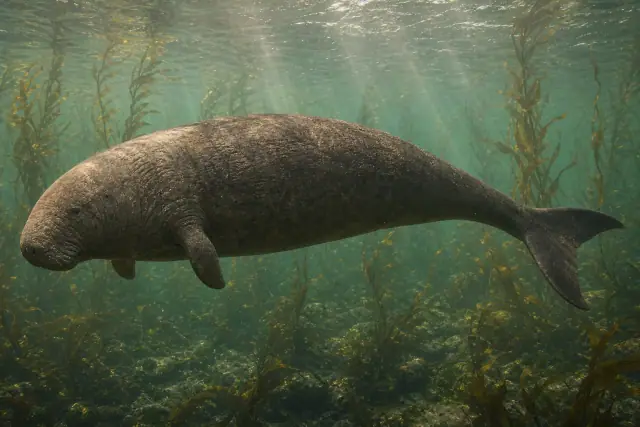
Hydrodamalis gigas
This enormous, slow sirenian grazed kelp in cold shallow water.
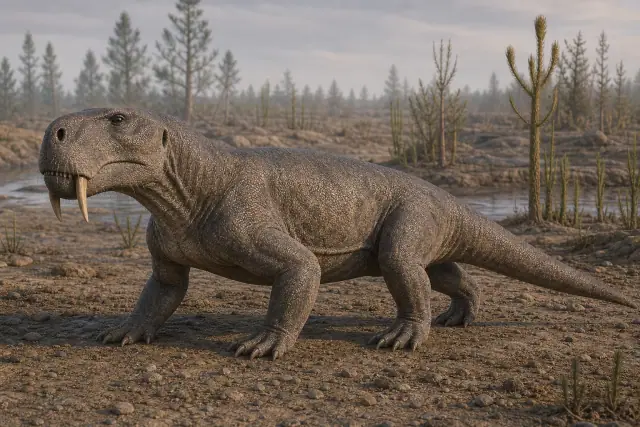
Inostrancevia alexandri
Long saber canines armed one of the largest predators of the latest Permian.
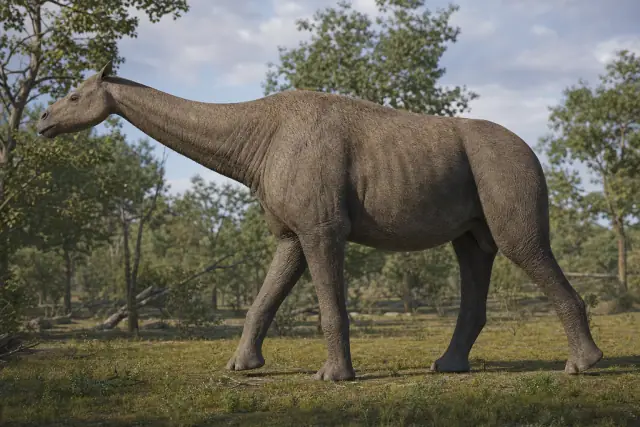
Paraceratherium transouralicum
The largest known land mammal was a hornless rhinoceros relative built to browse high foliage.
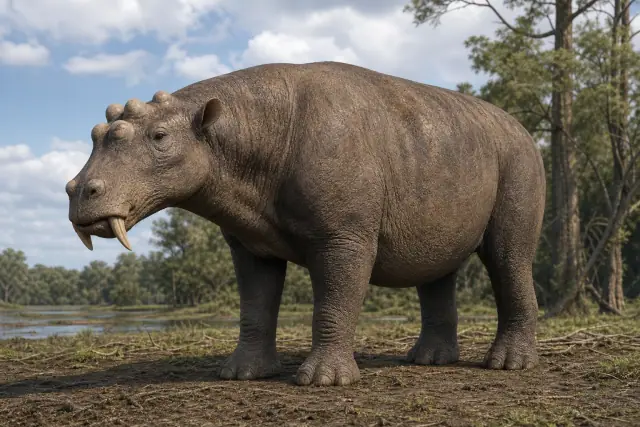
Uintatherium anceps
Knob-like skull horns and long canines crowned this rhinoceros-sized herbivore.
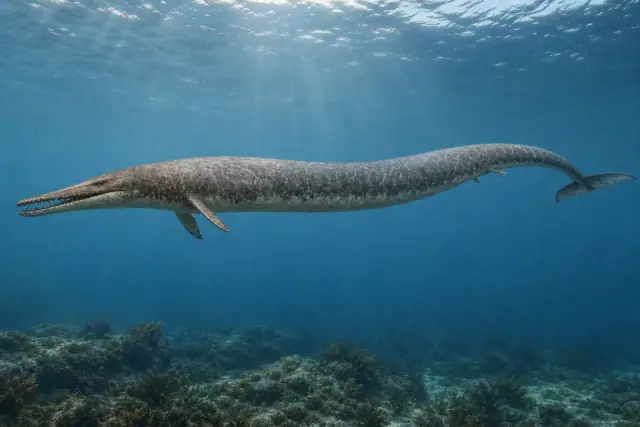
Basilosaurus isis
This long-bodied early whale still carried tiny external hind limbs.
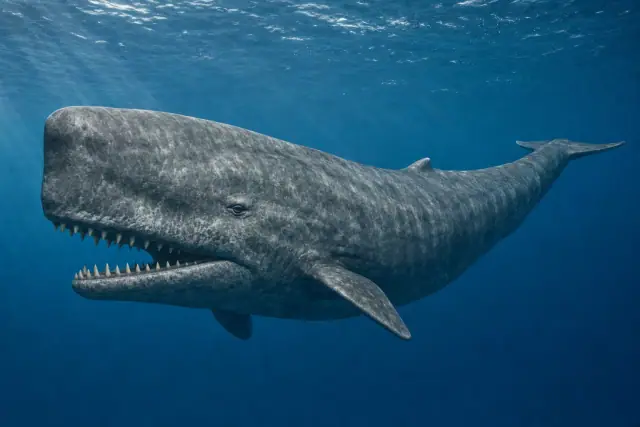
Livyatan melvillei
Huge teeth in both jaws armed a macropredatory sperm whale.
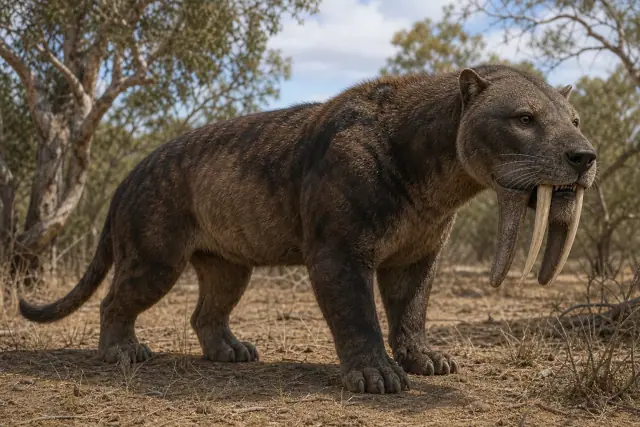
Thylacosmilus atrox
Ever-growing saber canines evolved independently in this marsupial relative.
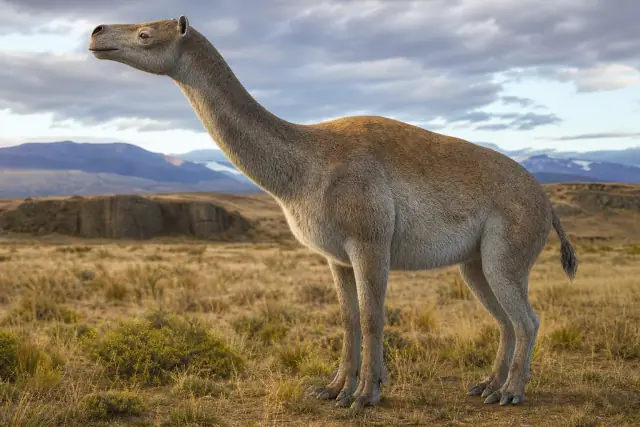
Macrauchenia patachonica
This long-necked hoofed mammal belonged to a uniquely South American lineage.
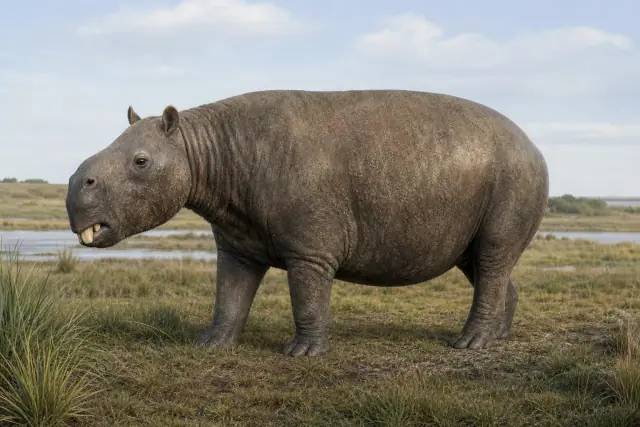
Toxodon platensis
A heavy-bodied native ungulate grazed and browsed beside Ice Age giants.
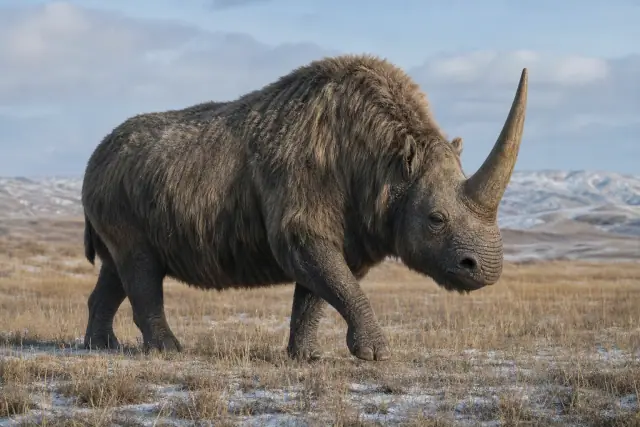
Elasmotherium sibiricum
This enormous grazing rhinoceros probably supported a large horn on its forehead.
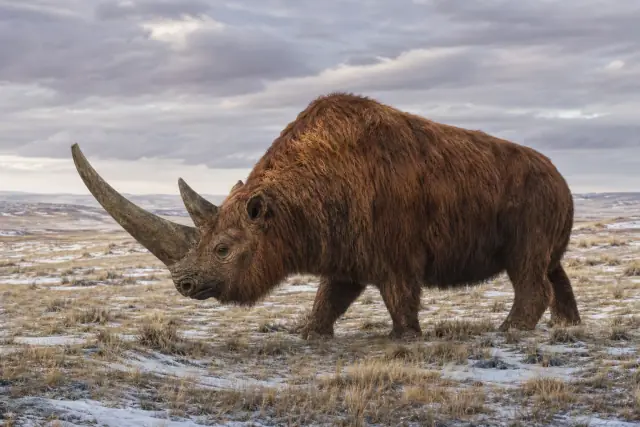
Coelodonta antiquitatis
A thick coat and flattened horn equipped this rhinoceros for cold, dry mammoth steppe.
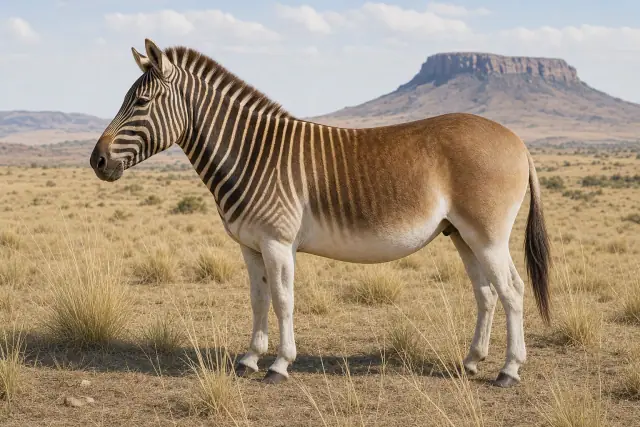
Equus quagga quagga
This plains zebra had bold stripes in front fading into a plain brown rear body.
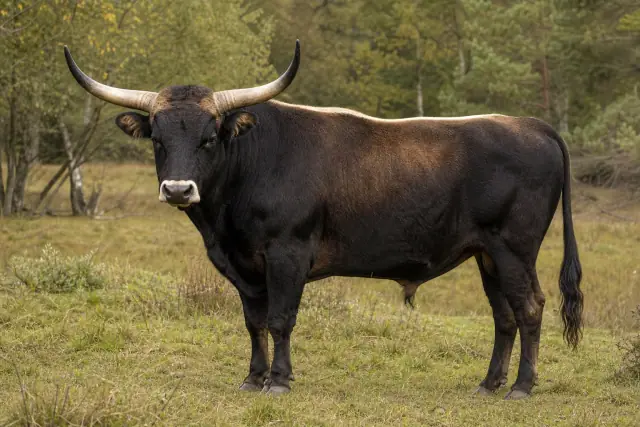
Bos primigenius
The powerful wild ancestor of domestic cattle once ranged across three continents.
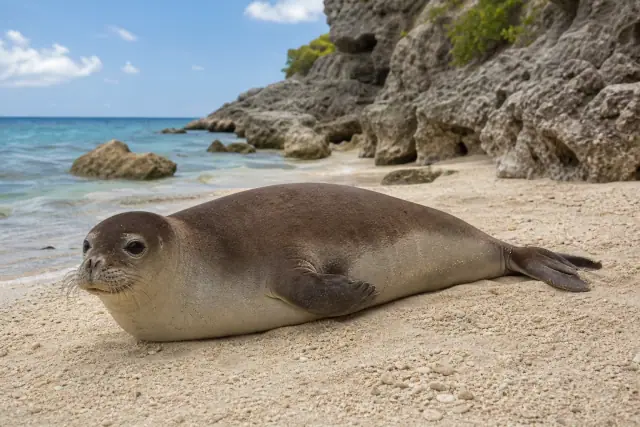
Neomonachus tropicalis
The only seal endemic to the Caribbean rested and bred on warm sandy shores.
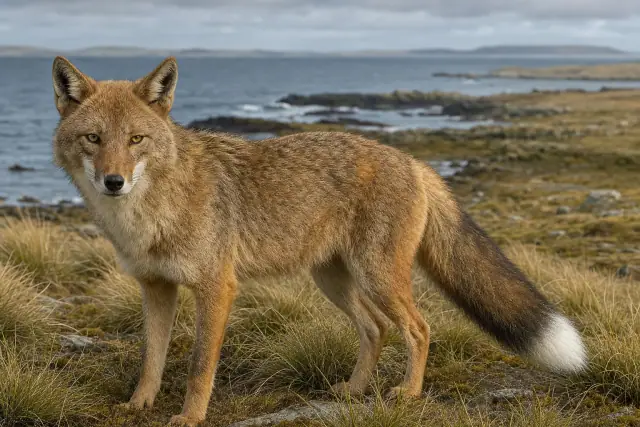
Dusicyon australis
This unusually tame island canid was the Falklands’ only native land mammal.
Explore the atlas by continent, country and state. Follow fossil localities into regional guides, compare animals across time and return to the evidence in each species profile.
FIELD GUIDES
Giants, strange body plans and lives within human memory. Follow a question into the atlas, then explore the animals behind it.