193Mesozoic
Exquisite Saurophthirus
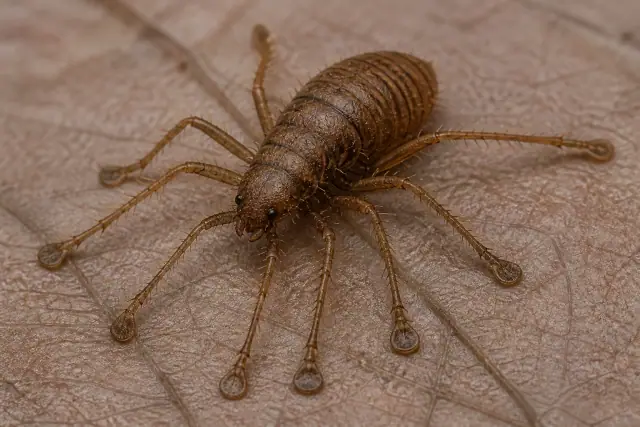
Saurophthirus exquisitus
Broad pads at the tips of long legs could grip a smooth wing membrane, suggesting a possible life on pterosaurs.
LIFE ARCHIVE
Browse extinct life from traces nearly 1.9 billion years old to historically recorded extinctions.
Saurophthirus exquisitus
Broad pads at the tips of long legs could grip a smooth wing membrane, suggesting a possible life on pterosaurs.
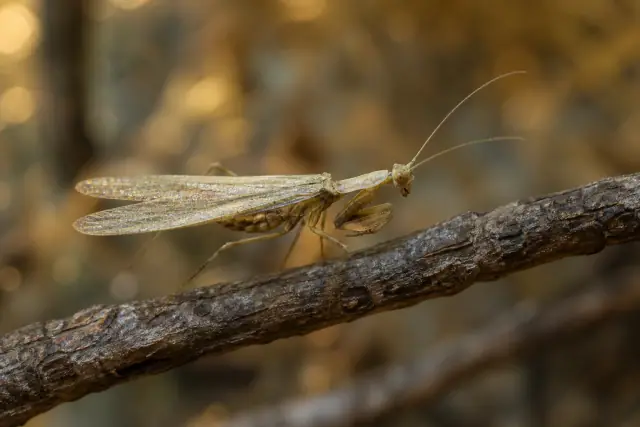
Santanmantis axelrodi
Only about a centimeter long, it already folded spine-lined grasping forelegs beneath its chest.
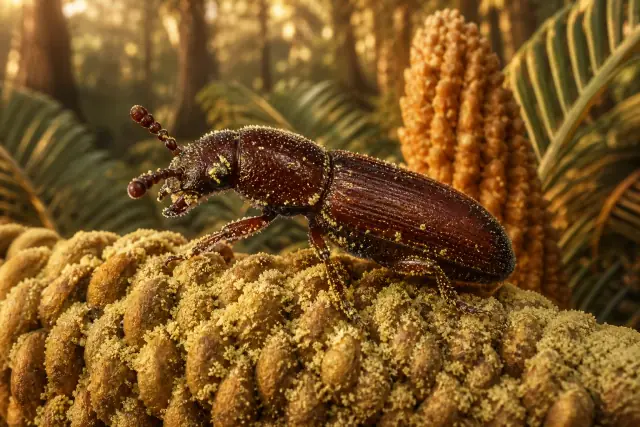
Cretoparacucujus cycadophilus
Cycad pollen lies beside it in amber, and its jaws bear small specialized pits for transporting pollen.
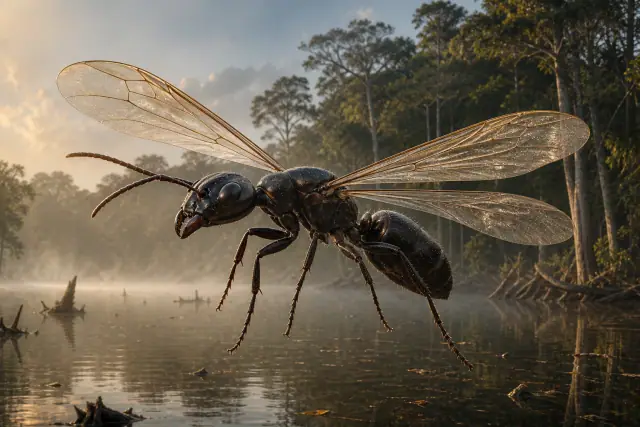
Titanomyrma gigantea
Queens reached about seven centimeters long with a 16-centimeter wingspan, among the largest hymenopterans known.
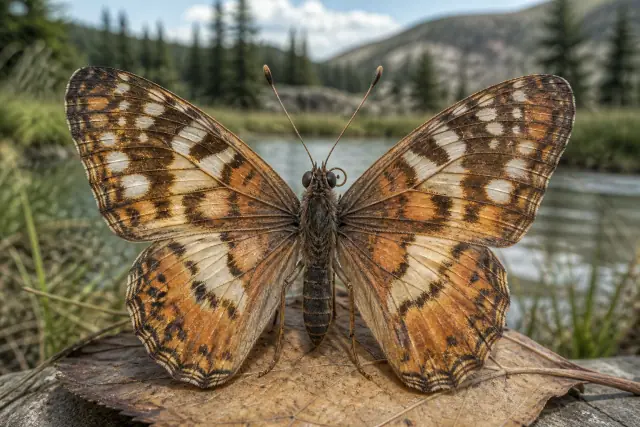
Prodryas persephone
A nearly complete impression preserves venation, legs, antennae and mouthparts, making it one of the finest fossil butterflies.
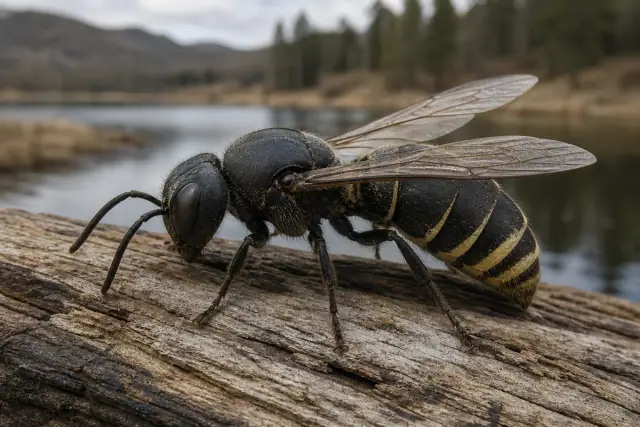
Palaeovespa florissantia
This robust fossil vespid combines traits recalling modern hornets and paper wasps, and may already have lived socially.
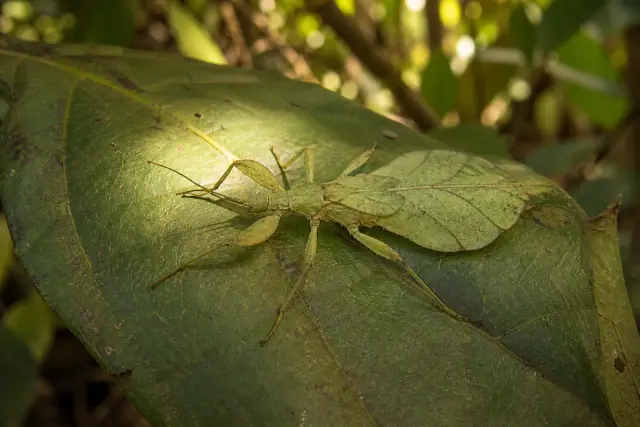
Eophyllium messelensis
Its leaflike abdomen closely matches foliage, proving that sophisticated mimicry existed at least 47 million years ago.
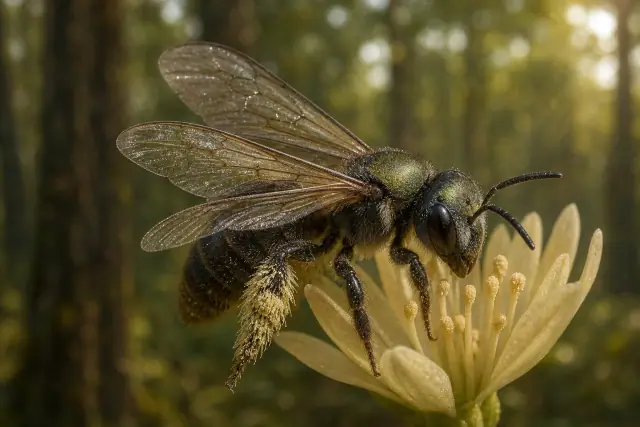
Ctenoplectrella viridiceps
Amber sealed an extinct mason-bee relative whose long hind-leg hairs show that it actively collected and transported pollen.
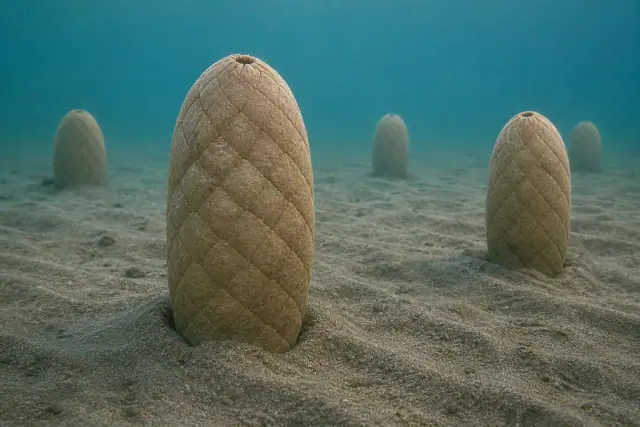
Ernietta plateauensis
Rows of quilted sacks lived half-buried in sand, forming one of the Ediacaran seafloor's strangest communities.
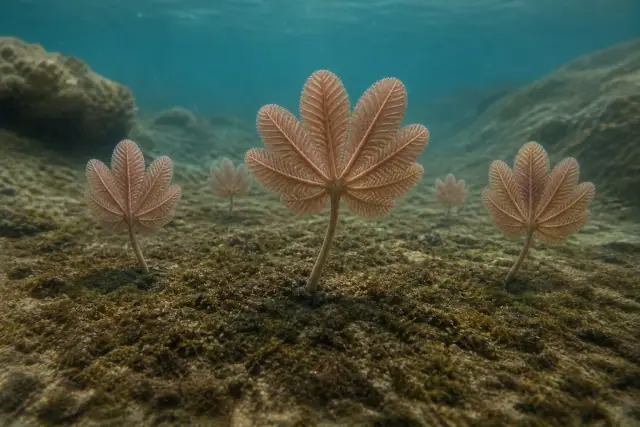
Rangea schneiderhoehni
Six branching vanes surrounded a central axis, making the organism resemble a soft pine cone standing on the seabed.
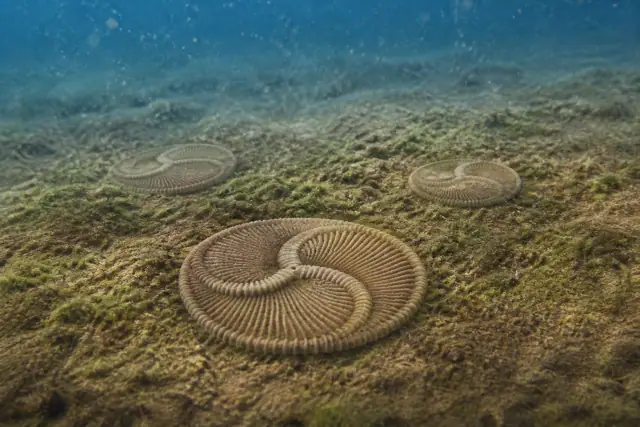
Tribrachidium heraldicum
Three curving spiral arms created a body symmetry almost absent among living animals.
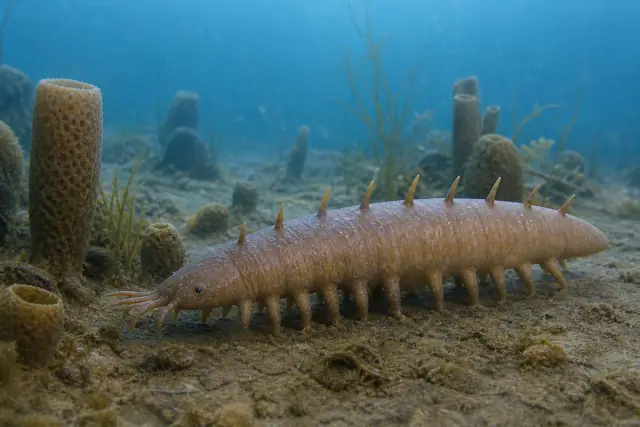
Aysheaia pedunculata
Ten pairs of stubby legs beneath a soft body place it near the early history of velvet worms and arthropods.
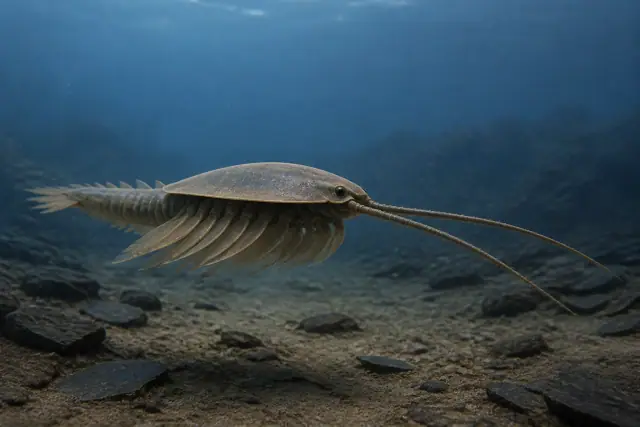
Leanchoilia superlata
A pair of great appendages ended in three long whips that could sense, seize and move food.
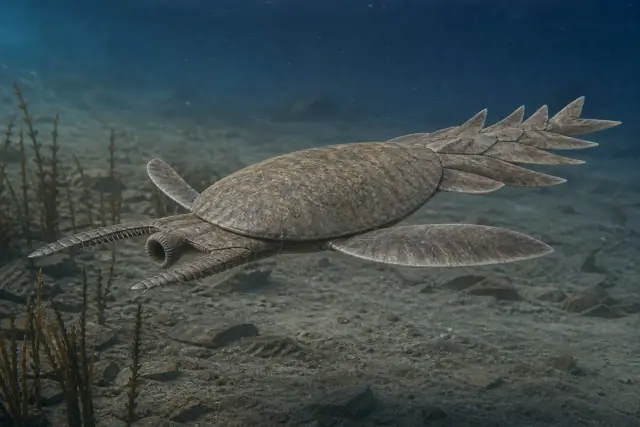
Hurdia victoria
A huge domed carapace covered its head, giving this radiodont the outline of a tiny finned submarine.
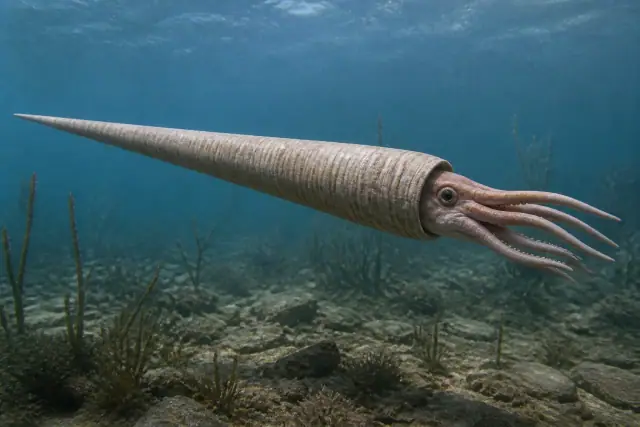
Endoceras giganteum
A straight conical shell several meters long made it one of the most conspicuous large cephalopods of Ordovician seas.
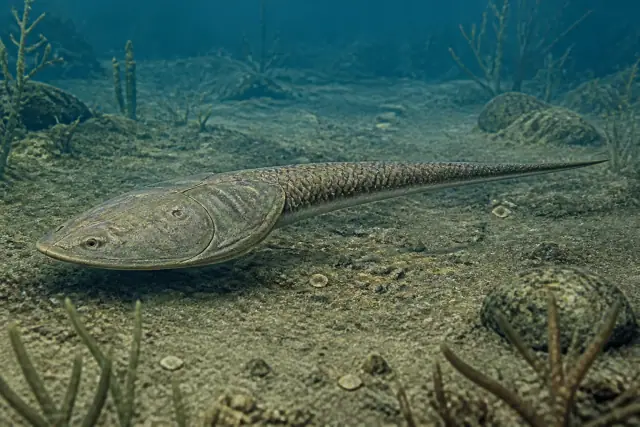
Arandaspis prionotolepis
It lacked jaws and paired fins, but its head and gill region were enclosed within strong armor.
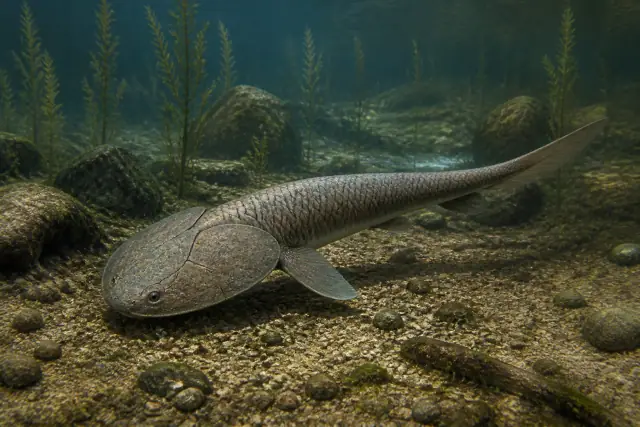
Cephalaspis lyelli
Sensory fields beneath a broad crescent-shaped head shield helped it search through turbid bottom water.
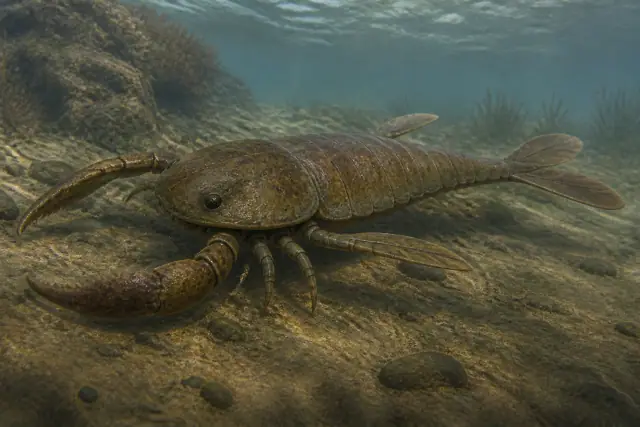
Pterygotus anglicus
Flattened swimming paddles and great toothed claws made it a formidable hunter in Silurian water.
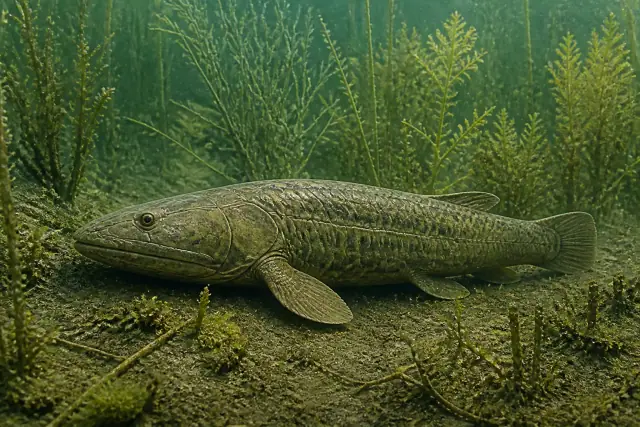
Panderichthys rhombolepis
A flat head with upward-facing eyes and limb-like bones inside its fins brought it close to the earliest tetrapods.
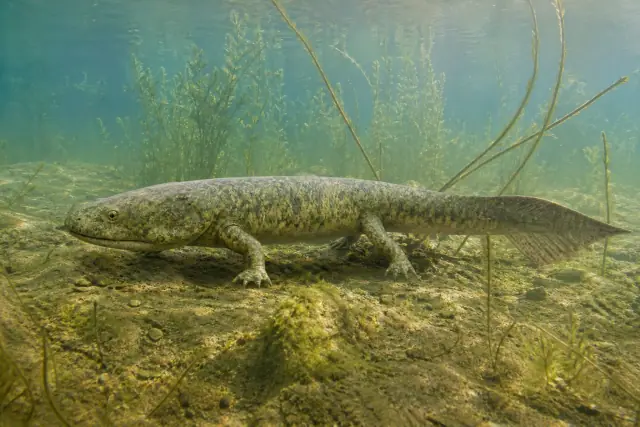
Acanthostega gunnari
Each forelimb carried eight digits, yet the animal was still mainly aquatic—digits evolved before true land walking.
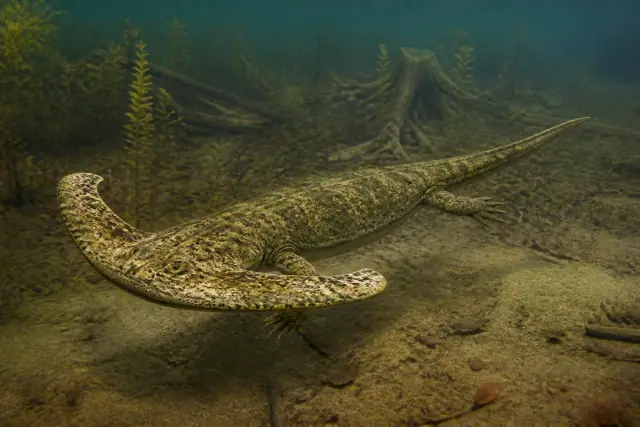
Diplocaulus magnicornis
Its skull spread sideways into a boomerang, perhaps producing lift in current or making it hard to swallow.
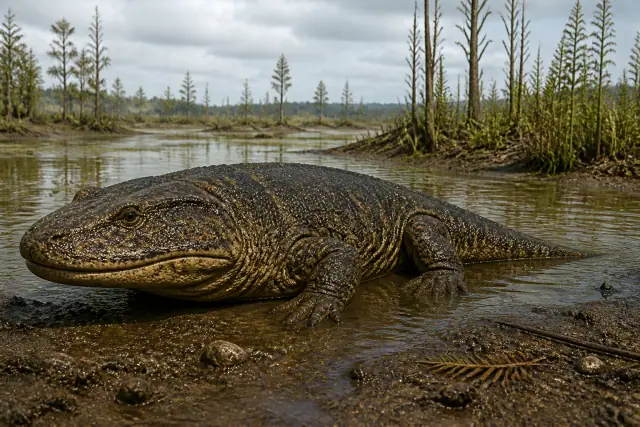
Eryops megacephalus
A broad, heavily sculpted skull and strong limbs carried its massive body through shallow water and onto banks.
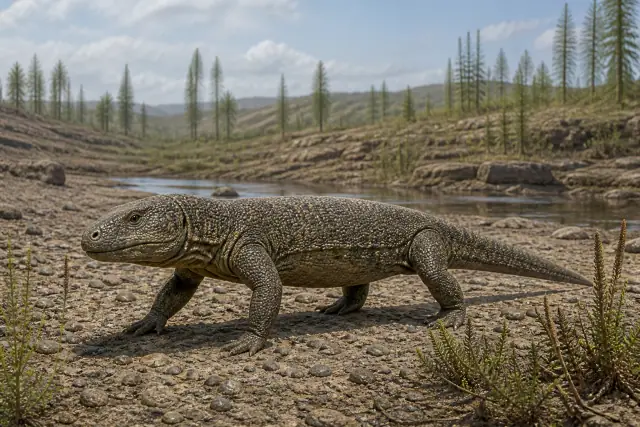
Seymouria baylorensis
Its adult skeleton looked reptile-like, yet it belonged just outside the fully land-breeding amniotes.
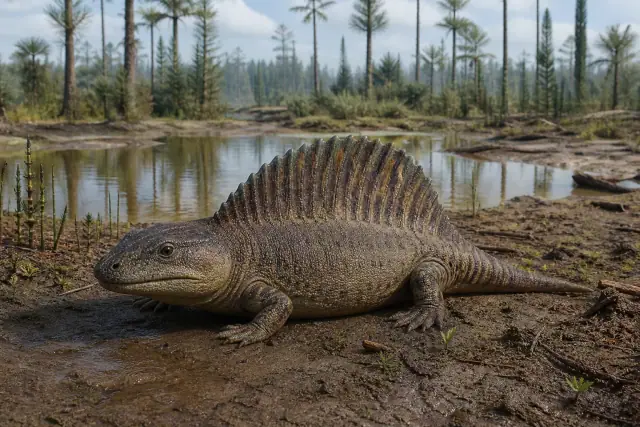
Platyhystrix rugosus
A high bony sail towered above the squat body and may have served display, recognition or heat exchange.
Explore the atlas by continent, country and state. Follow fossil localities into regional guides, compare animals across time and return to the evidence in each species profile.
FIELD GUIDES
Giants, strange body plans and lives within human memory. Follow a question into the atlas, then explore the animals behind it.