241Cenozoic
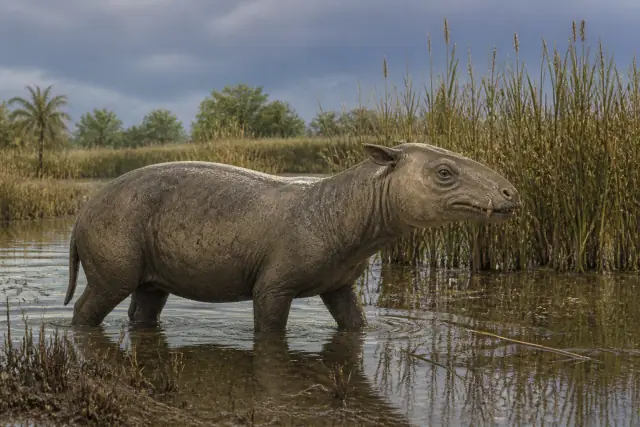
Moeritherium
Moeritherium lyonsi
Tapir-sized and short-faced, it lived before proboscideans acquired the elephant's long trunk and giant body.
LIFE ARCHIVE
Browse extinct life from traces nearly 1.9 billion years old to historically recorded extinctions.
Moeritherium lyonsi
Tapir-sized and short-faced, it lived before proboscideans acquired the elephant's long trunk and giant body.
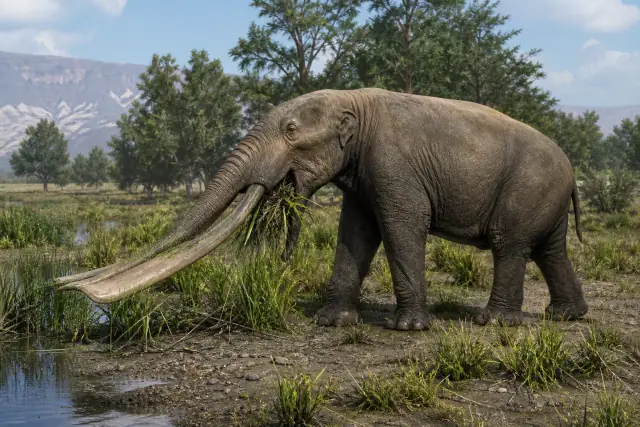
Platybelodon grangeri
A widened jaw and flattened lower tusks formed a shovel-like cutting edge for tough vegetation.
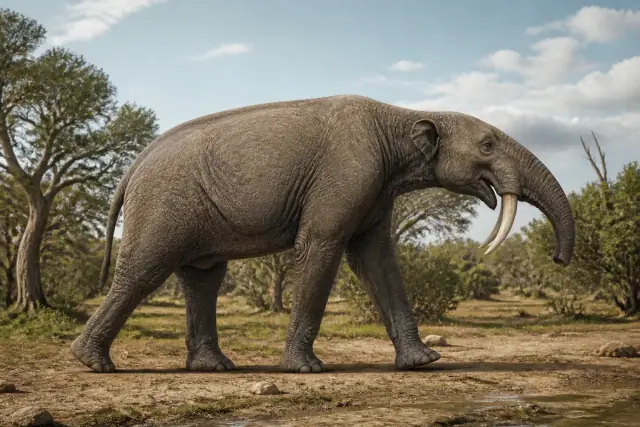
Deinotherium giganteum
Only the lower jaw carried tusks, curving downward beneath a body taller than most modern elephants.
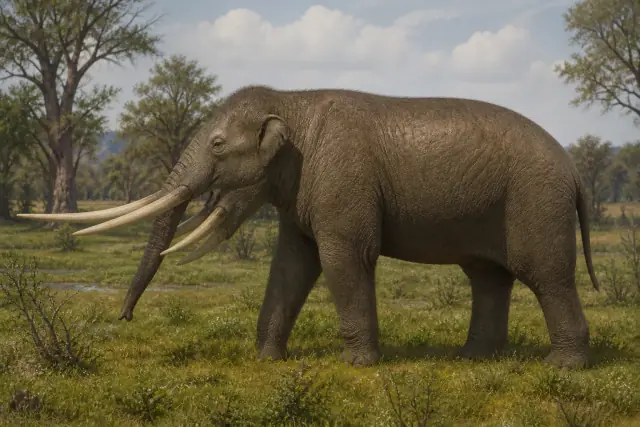
Gomphotherium angustidens
Two upper and two lower tusks gave its elongated head a four-tusked profile absent from living elephants.
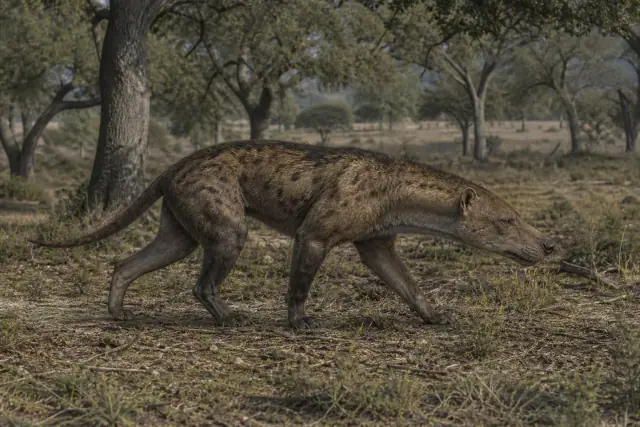
Hyaenodon horridus
Hyaenodon horridus was a meat-eating hyaenodont mammal, not a hyena; its large skull can inflate skull-length mass estimates.
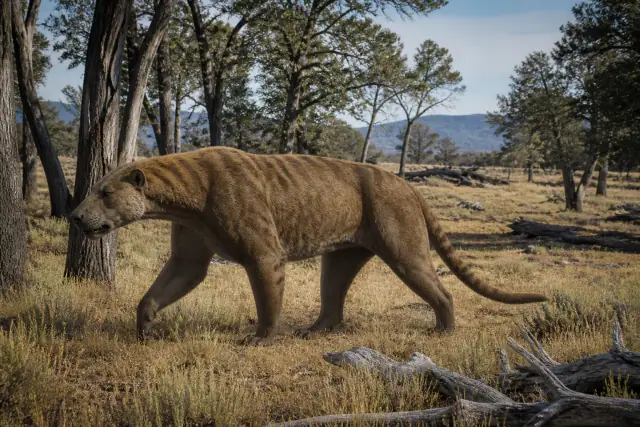
Amphicyon ingens
A bear-heavy torso combined with a dog-like long skull and tail, inspiring the name bear-dog.
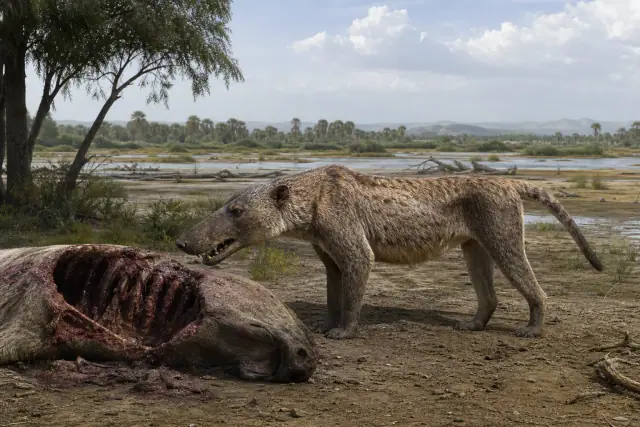
Megistotherium osteothlastes
A giant hyaenodont with a skull about 66 cm long. Body-mass estimates are uncertain, and it was neither a hyena nor a big cat.
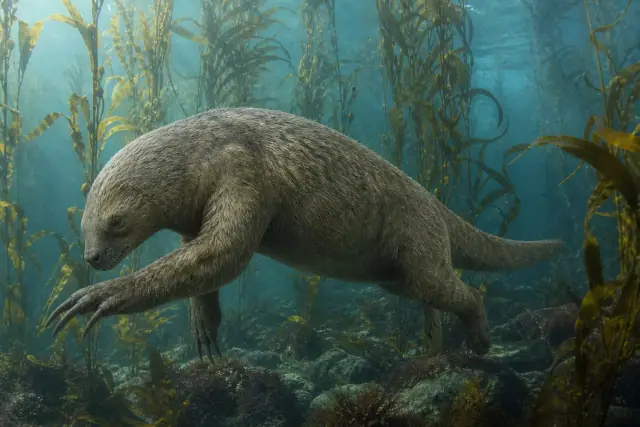
Thalassocnus natans
A sloth lineage with aquatic adaptations, including dense bones that could help control buoyancy.
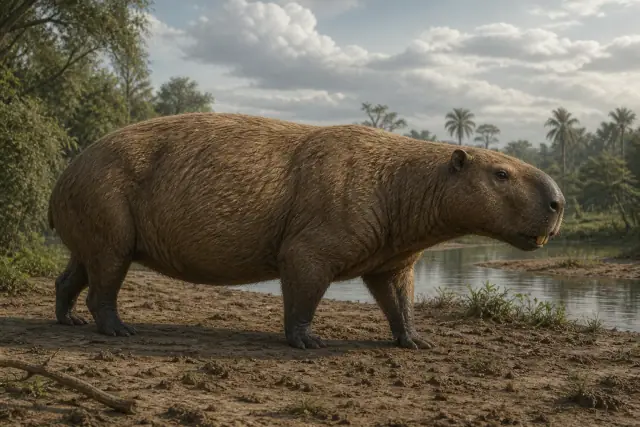
Josephoartigasia monesi
It may have approached a tonne, with giant incisors capable of generating exceptional bite forces.
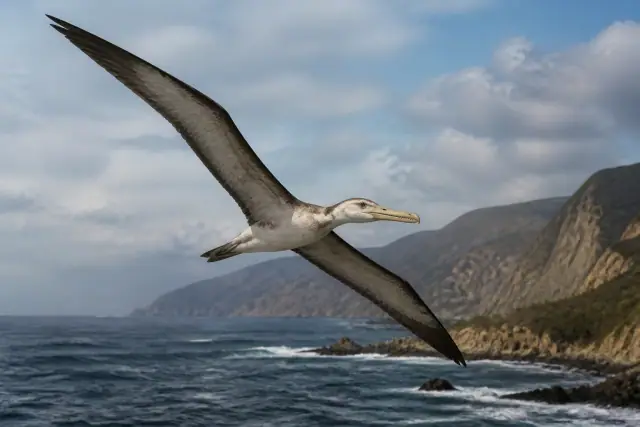
Pelagornis sandersi
Its estimated wingspan exceeded six meters, while bony pseudoteeth lined a beak adapted to slippery marine prey.
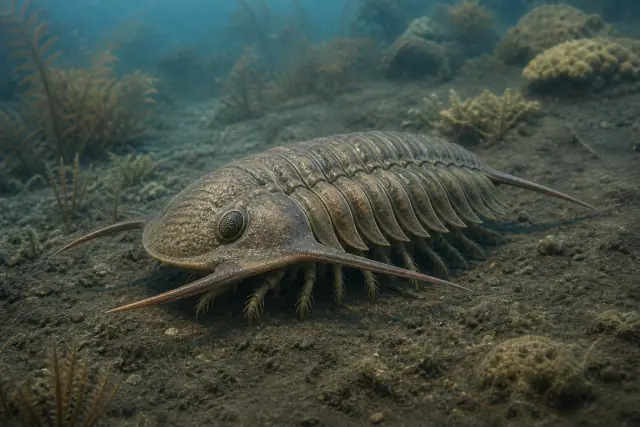
Olenoides serratus
Its antennae, gills and clawed legs reveal far more than a mineralized trilobite shell.
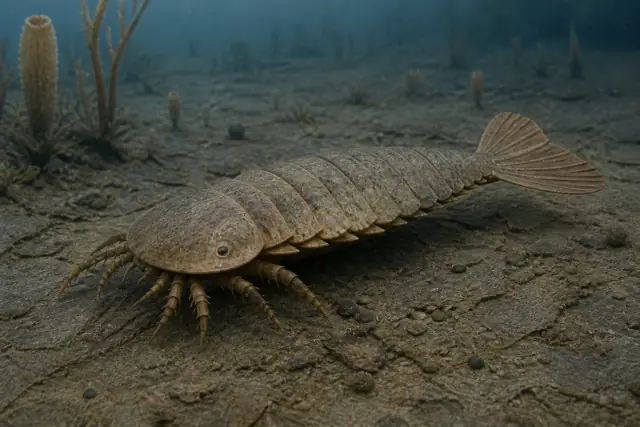
Sidneyia inexpectans
Robust leg bases formed crushing jaws for small trilobites and other shelled prey.
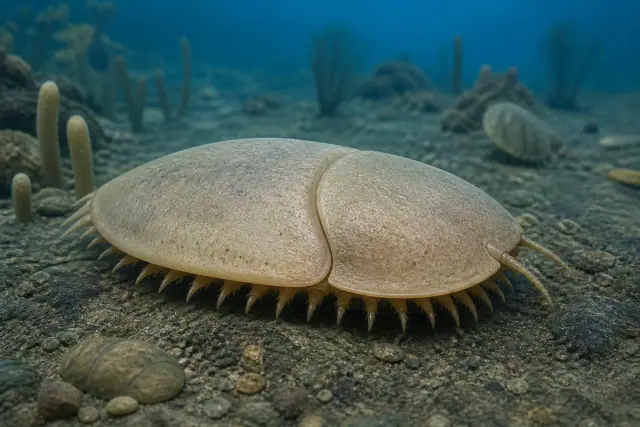
Naraoia compacta
Two large shields covered a soft body equipped with fully segmented trilobite-like limbs.
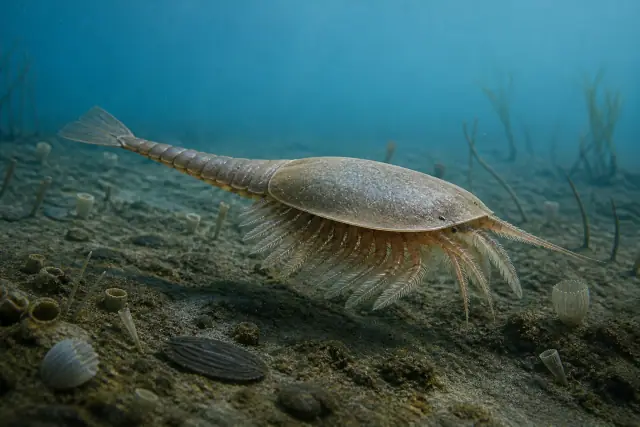
Waptia fieldensis
A bivalved carapace, compound eyes and mandibles reveal an early mandibulate; some fossils preserve embryos under the carapace.
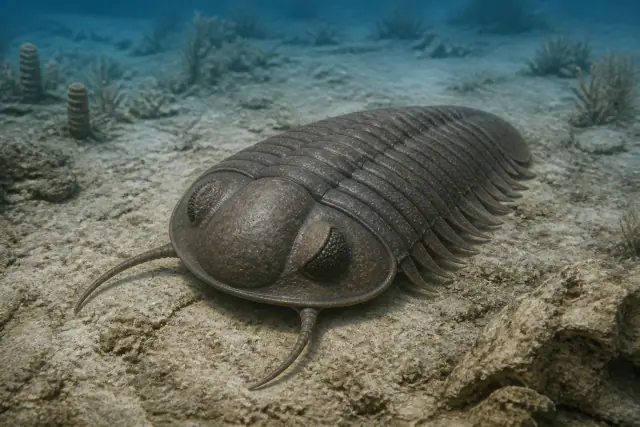
Isotelus rex
At nearly seventy centimeters, it is among the largest complete trilobites ever found.
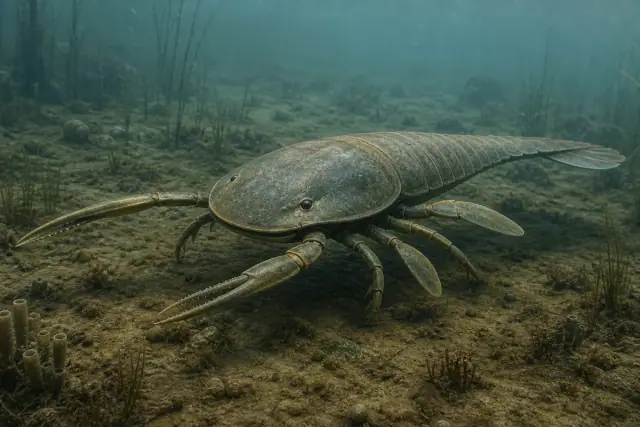
Acutiramus cummingsi
Its long pincers carried slanting blades suited to holding or slicing soft prey.
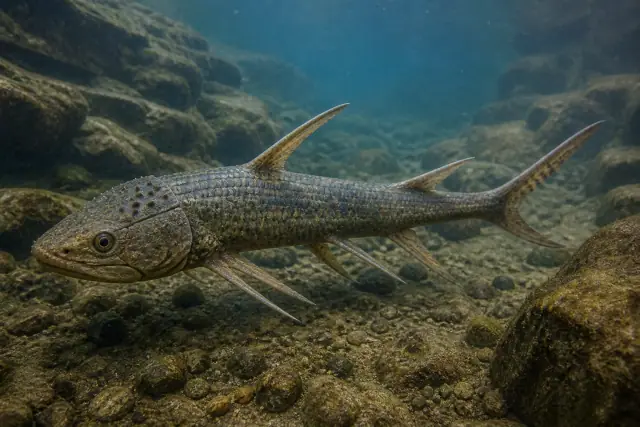
Climatius reticulatus
Rows of paired ventral spines formed a defensive fence beneath this small early jawed fish.
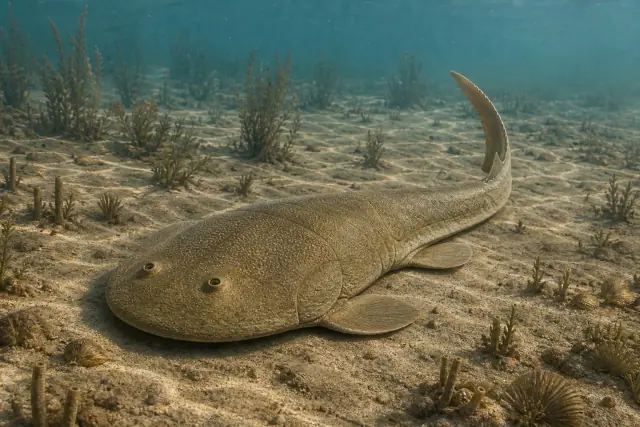
Drepanaspis gemuendenensis
Its body was a flattened shield with upward-facing eyes and a mouth beneath the front edge.
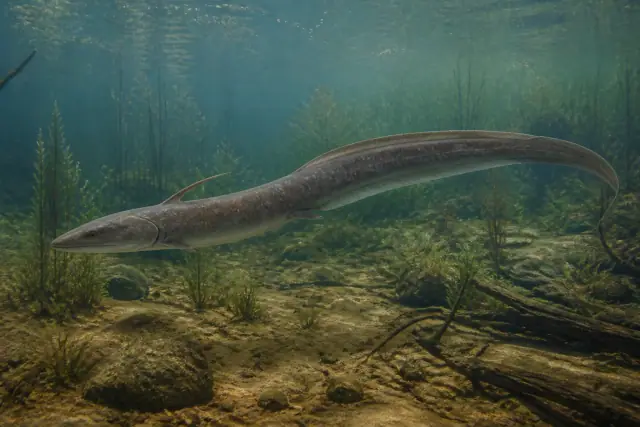
Orthacanthus senckenbergianus
An eel-like body, continuous fin and spine behind the head made it unlike any modern shark.
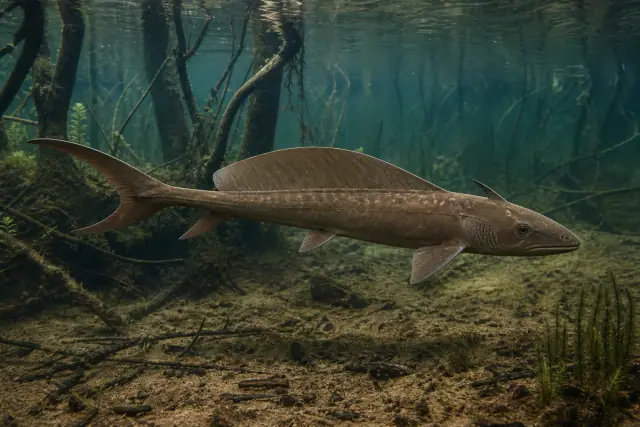
Xenacanthus decheni
A single head spine, forked teeth and continuous dorsal fin defined this freshwater shark.
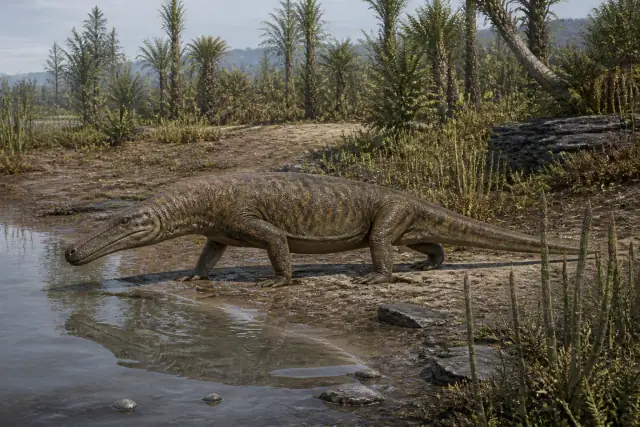
Ophiacodon mirus
Its long skull and deep tail suggest a waterside animal that was still a capable walker.
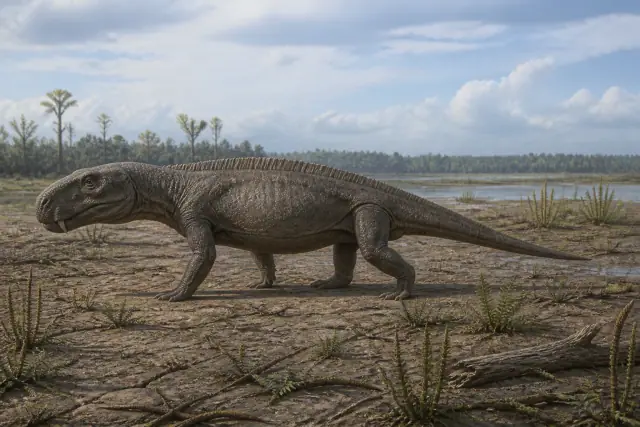
Sphenacodon ferox
Low vertebral ridges accompanied a deep skull and strongly differentiated teeth.
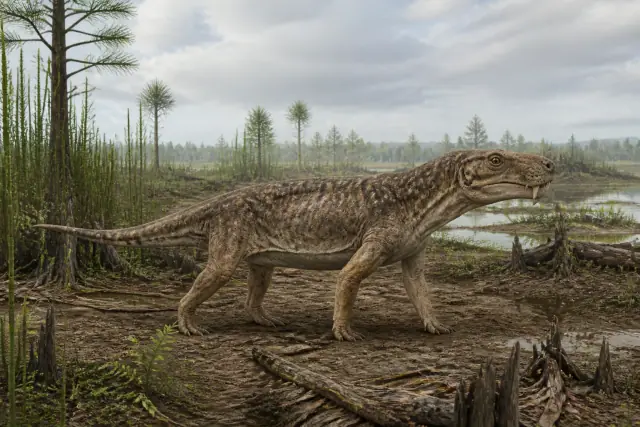
Biarmosuchus tener
A light build, long limbs and small skull bosses combine primitive and therapsid features.
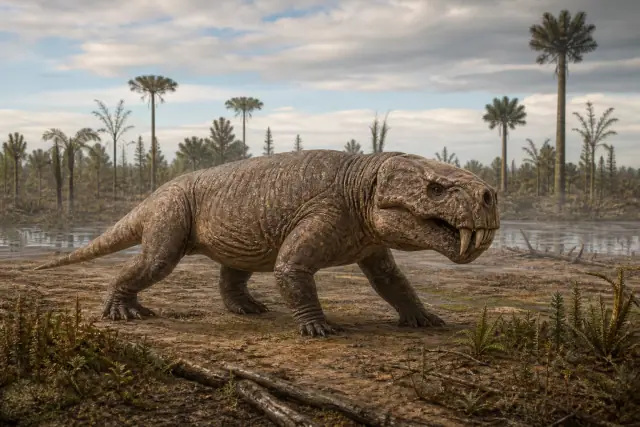
Anteosaurus magnificus
A huge skull combined thickened impact surfaces with long canines in a formidable predator.
Explore the atlas by continent, country and state. Follow fossil localities into regional guides, compare animals across time and return to the evidence in each species profile.
FIELD GUIDES
Giants, strange body plans and lives within human memory. Follow a question into the atlas, then explore the animals behind it.