265Paleozoic
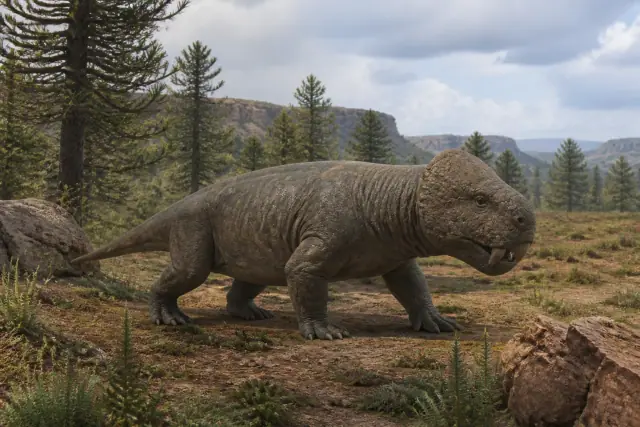
Tapinocephalus
Tapinocephalus atherstonei
A domed, massively thick skull crowned the barrel body of this giant herbivore.
LIFE ARCHIVE
Browse extinct life from traces nearly 1.9 billion years old to historically recorded extinctions.
Tapinocephalus atherstonei
A domed, massively thick skull crowned the barrel body of this giant herbivore.
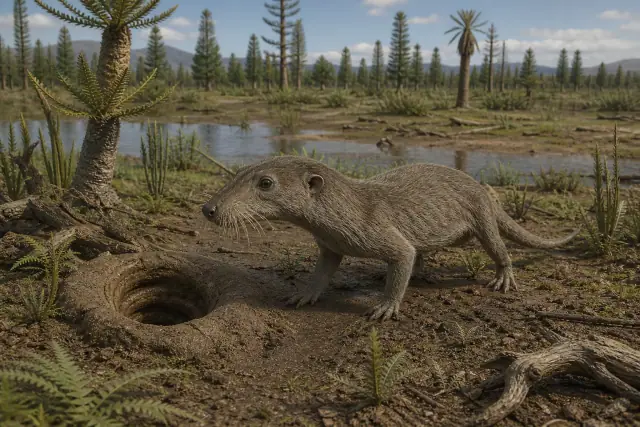
Thrinaxodon liorhinus
A small Early Triassic cynodont with differentiated teeth, known from skeletons curled inside fossil burrows in South Africa.
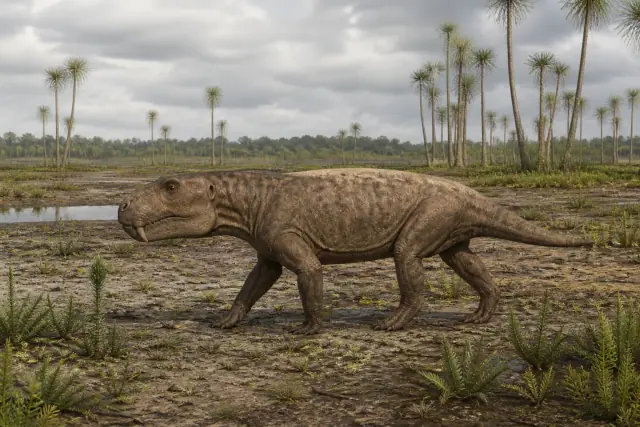
Cynognathus crateronotus
A dog-like snout, slicing cheek teeth and upright hind limbs made it a major cynodont predator.
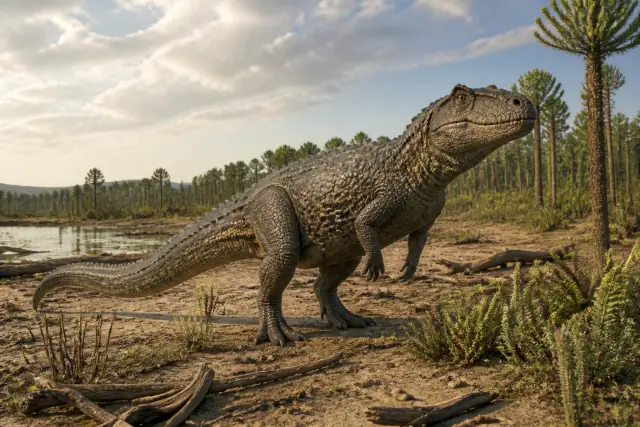
Postosuchus kirkpatricki
A deep skull, serrated teeth and powerful hind limbs placed it atop food webs before dinosaur dominance.
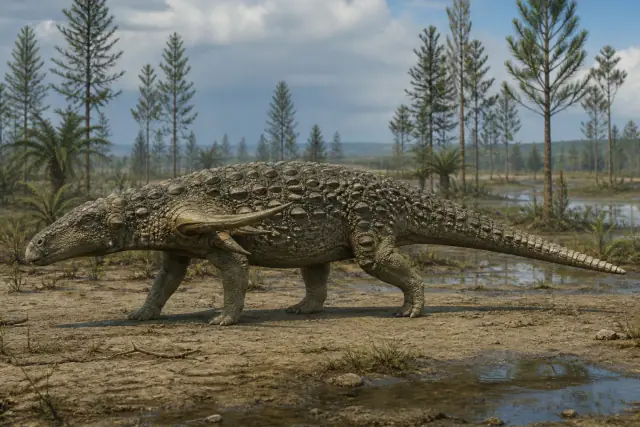
Desmatosuchus spurensis
Two huge backward-curving shoulder spikes reinforced rows of protective armor.
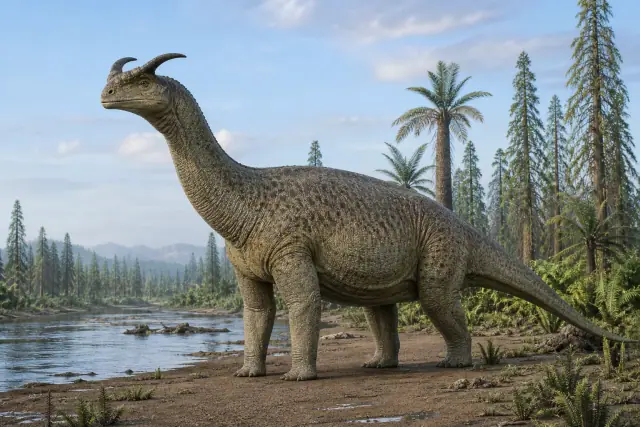
Shringasaurus indicus
Paired forward-curving brow horns occur only in some individuals, suggesting maturity or sexual display.
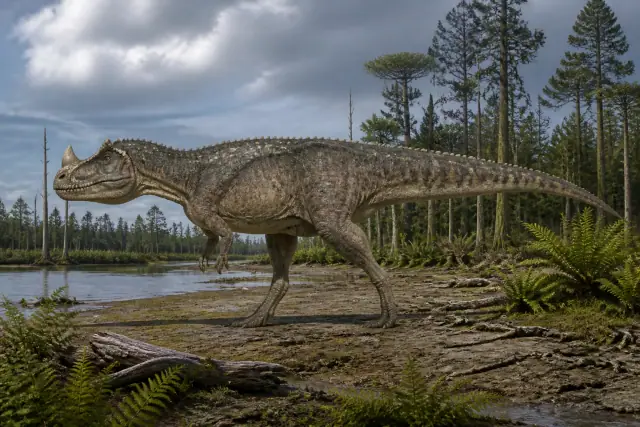
Ceratosaurus nasicornis
A nasal horn, brow ridges and small midline osteoderms made this predator unmistakable.
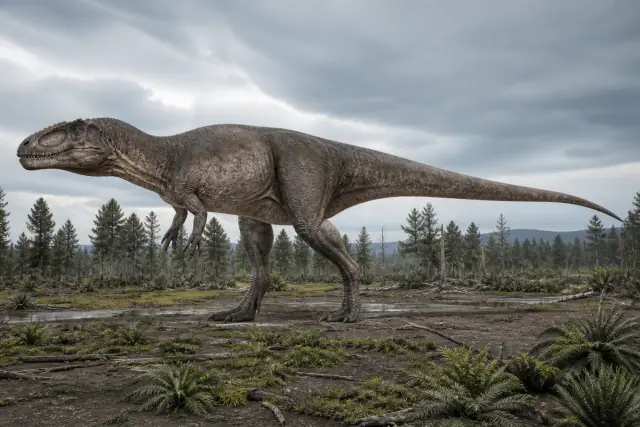
Torvosaurus tanneri
A huge skull and unusually powerful three-fingered arms marked one of the largest megalosaurids.
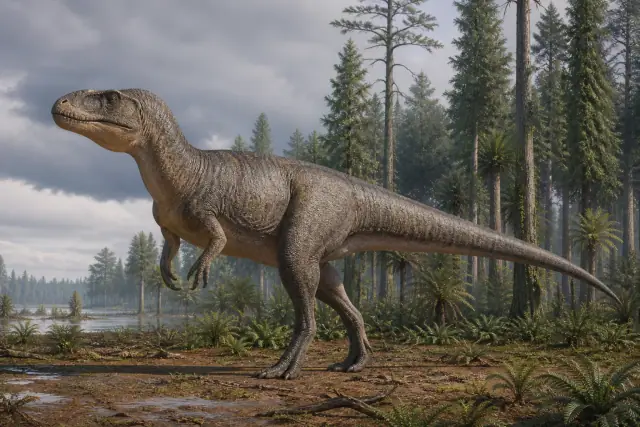
Megalosaurus bucklandii
The first formally named non-avian dinosaur later became a wastebasket for unrelated theropod bones.
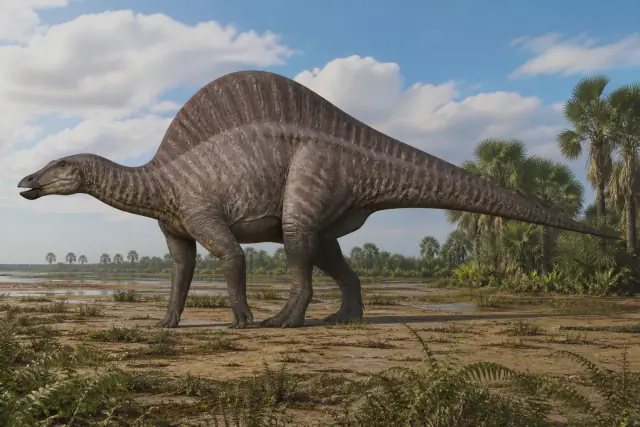
Ouranosaurus nigeriensis
Tall neural spines supported a sail, ridge or fatty hump whose soft-tissue shape remains uncertain.
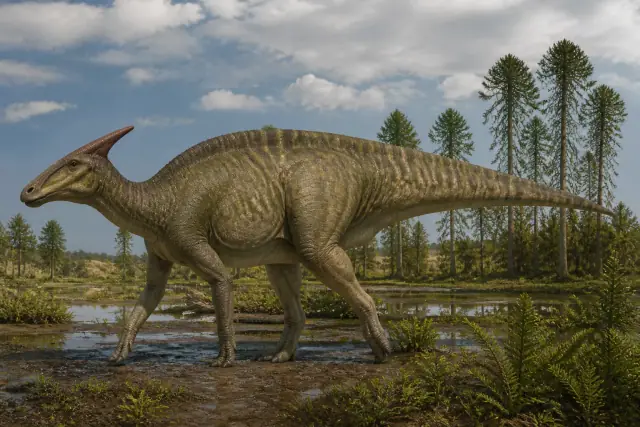
Saurolophus osborni
A solid spike-like crest projected behind the skull and probably carried a strong visual signal.
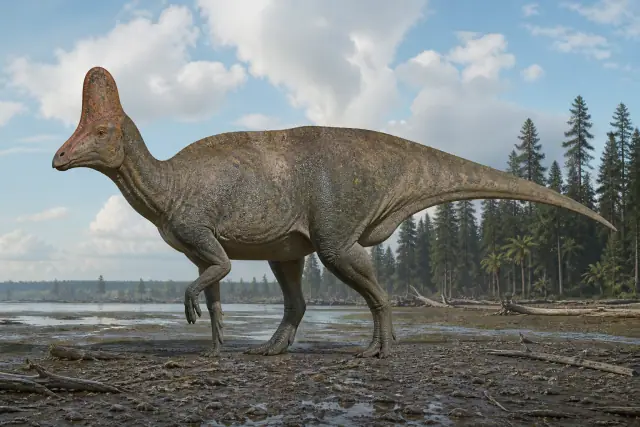
Corythosaurus casuarius
A helmet-shaped hollow crest contained looping nasal passages that could shape resonant calls.
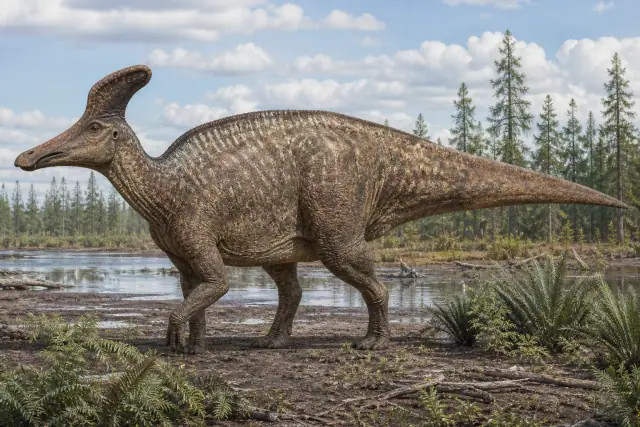
Lambeosaurus lambei
Its hatchet-shaped hollow crest changed dramatically as the animal matured.
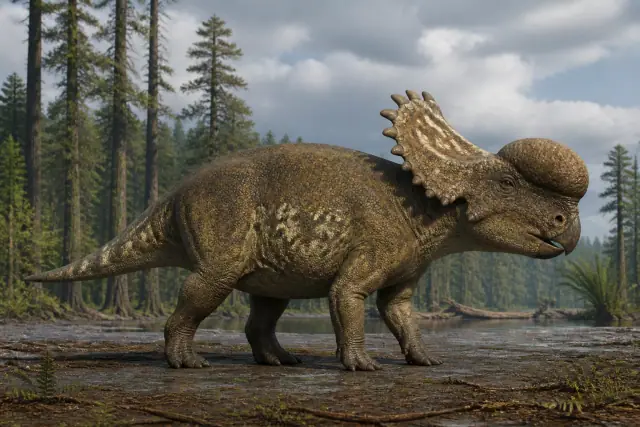
Pachyrhinosaurus canadensis
A massive nasal boss replaced the long horn seen in many ceratopsians.
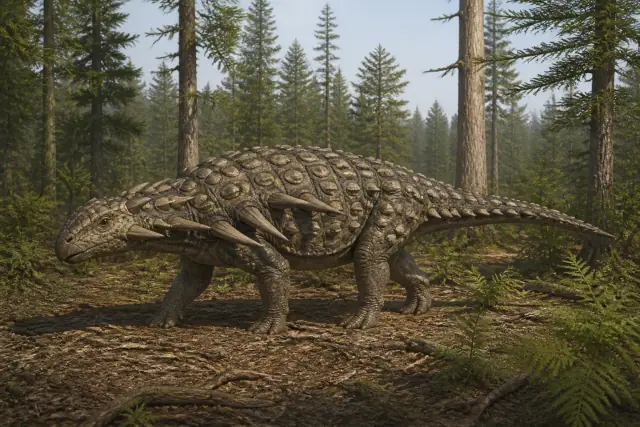
Sauropelta edwardsorum
Long shoulder spikes and dense armor protected one of the largest nodosaurids.
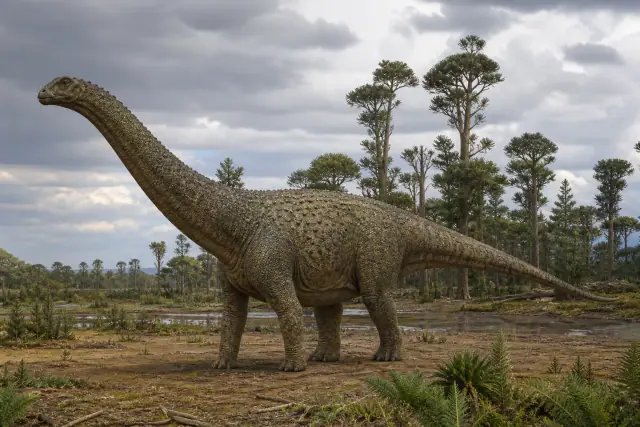
Saltasaurus loricatus
Small bony plates embedded in the skin showed that some titanosaurs carried armor.
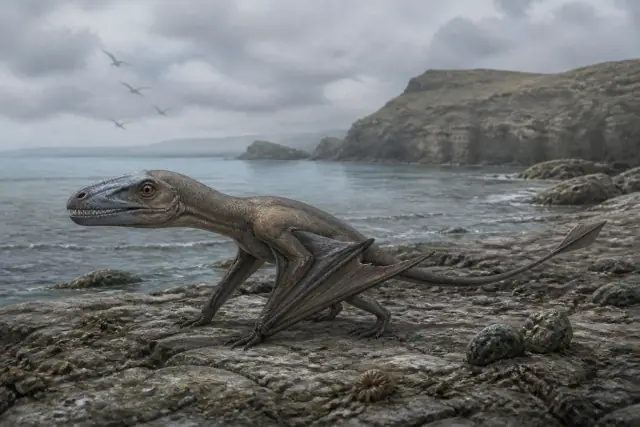
Dimorphodon macronyx
Two distinct tooth shapes gave this early pterosaur its name.
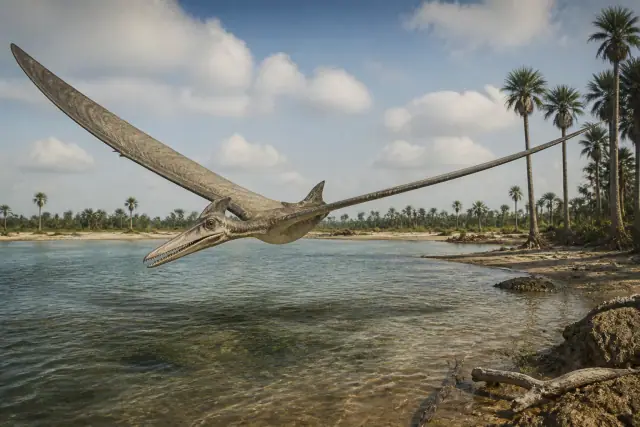
Anhanguera blittersdorffi
A toothed beak with matching crests helped seize slippery fish near the water surface.
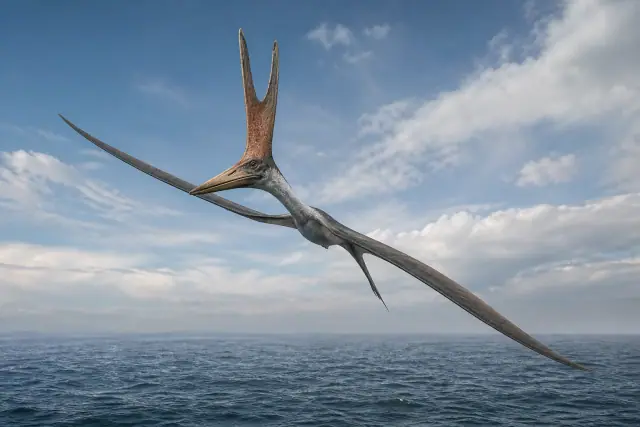
Nyctosaurus gracilis
An enormous branching crest crowned some adults, but there is no fossil evidence for a sail between its prongs.
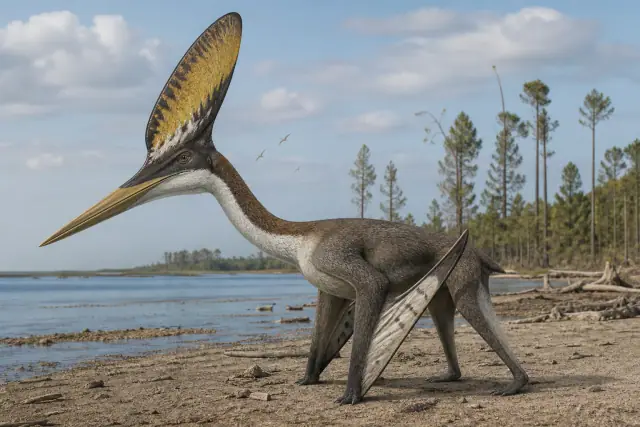
Thalassodromeus sethi
A vast sail-like skull crest dominated the profile of this large toothless pterosaur.
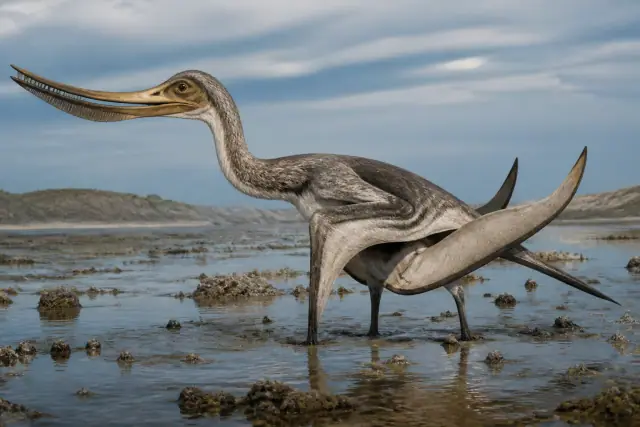
Pterodaustro guinazui
More than a thousand bristle-like lower teeth formed a filter basket.
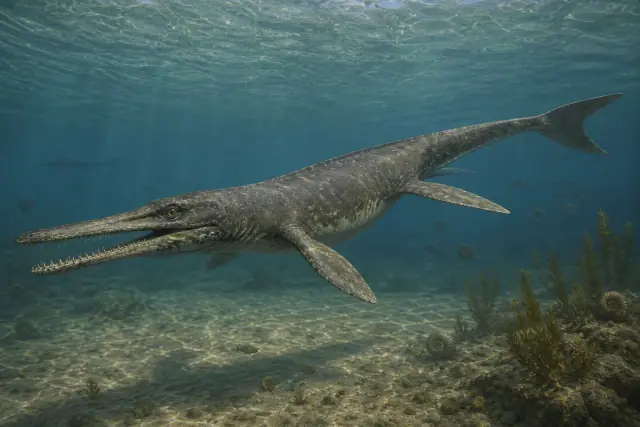
Metriorhynchus superciliosus
Flippers, a downturned tail fin and reduced armor transformed a crocodile relative into a pelagic swimmer.
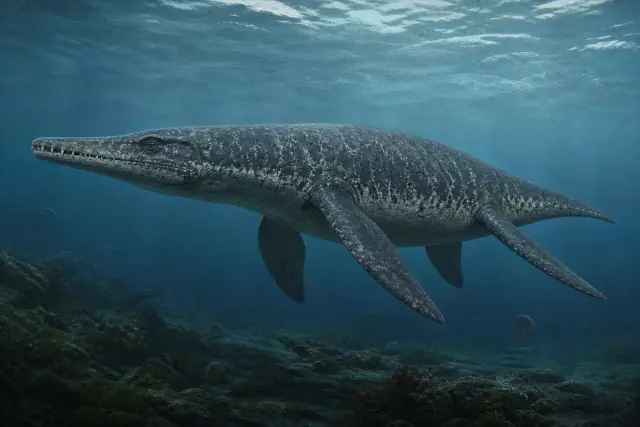
Pliosaurus funkei
A skull nearly two meters long and huge teeth formed an apex-predator bite apparatus.
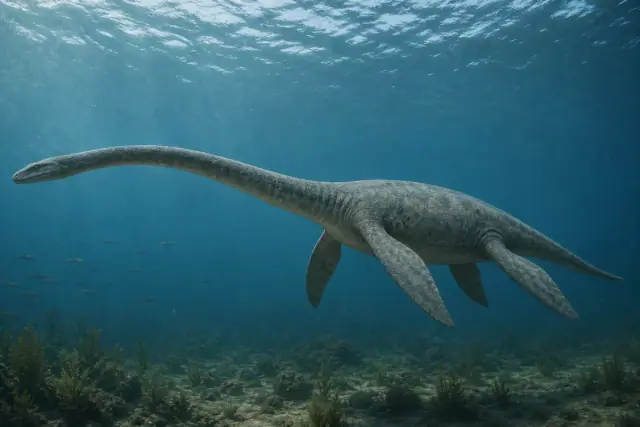
Styxosaurus snowii
More than sixty neck vertebrae formed an exceptionally long neck, while gastroliths filled the abdomen.
Explore the atlas by continent, country and state. Follow fossil localities into regional guides, compare animals across time and return to the evidence in each species profile.
FIELD GUIDES
Giants, strange body plans and lives within human memory. Follow a question into the atlas, then explore the animals behind it.