04Paleozoic
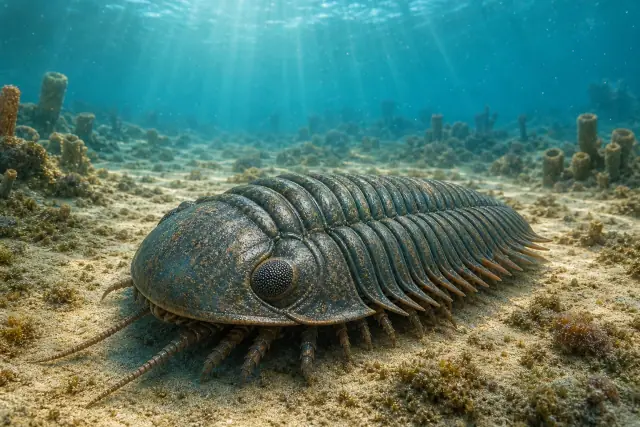
Trilobites
Trilobita
They occupied seafloors for nearly 300 million years, and their compound eyes preserve secrets of early vision.
LIFE ARCHIVE
Browse extinct life from traces nearly 1.9 billion years old to historically recorded extinctions.
Trilobita
They occupied seafloors for nearly 300 million years, and their compound eyes preserve secrets of early vision.
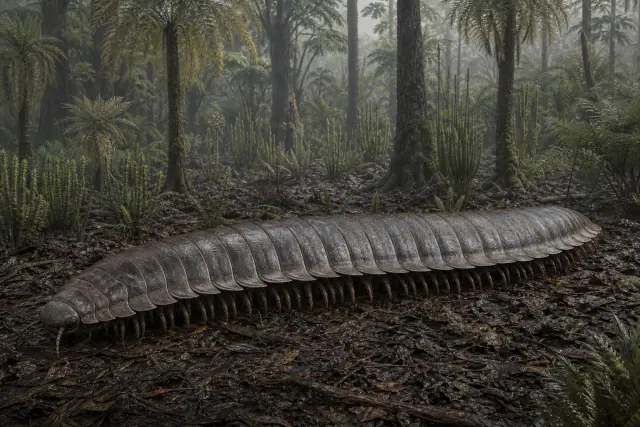
Arthropleura armata
This many-segmented arthropod grew longer than a person in coal-swamp forests.
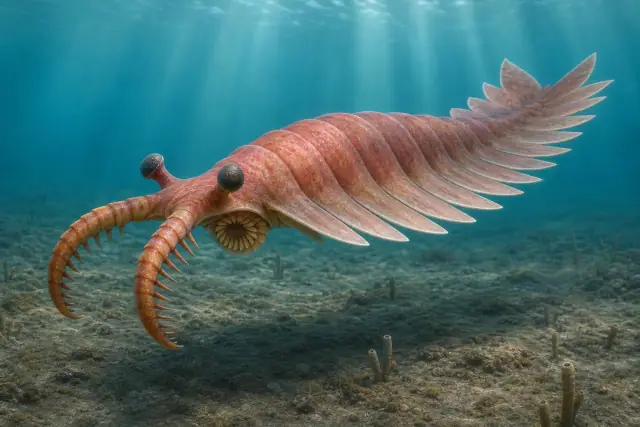
Anomalocaris canadensis
A meter-long swimmer with grasping frontal appendages was a giant of Cambrian seas.
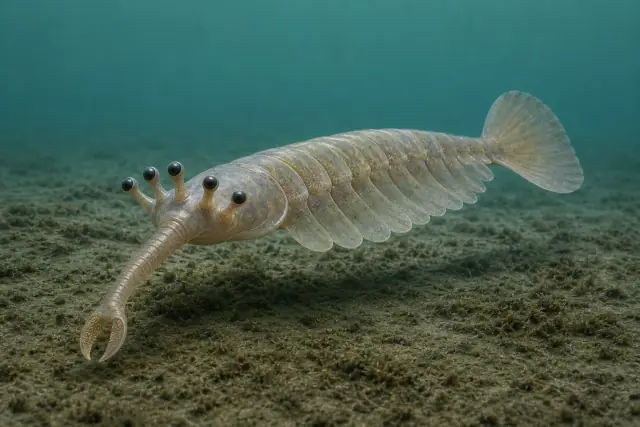
Opabinia regalis
Five eyes and a grasping proboscis made this small swimmer one of the Cambrian’s strangest forms.
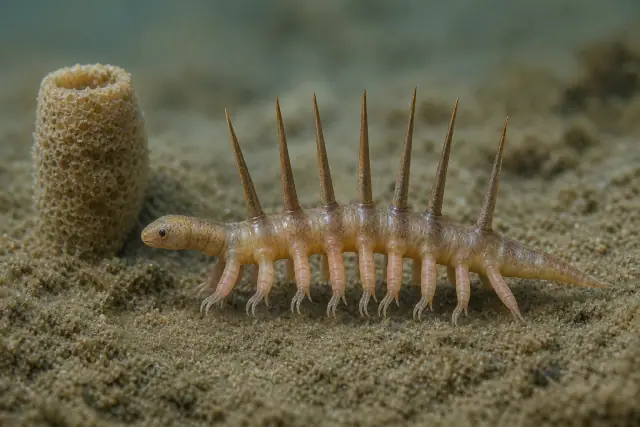
Hallucigenia sparsa
Paired spines guarded a soft-bodied walker once reconstructed upside down.
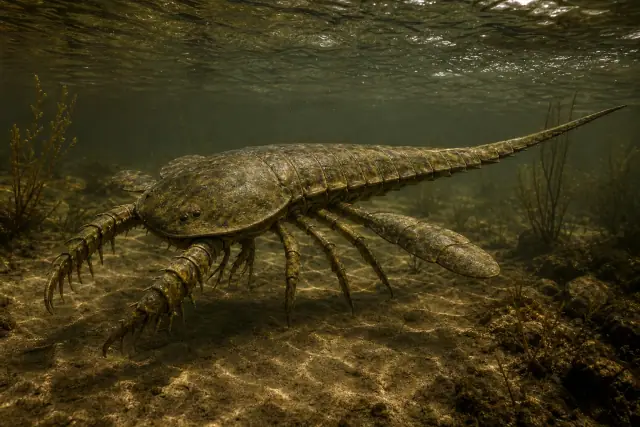
Jaekelopterus rhenaniae
This giant sea scorpion may have exceeded two meters in length.
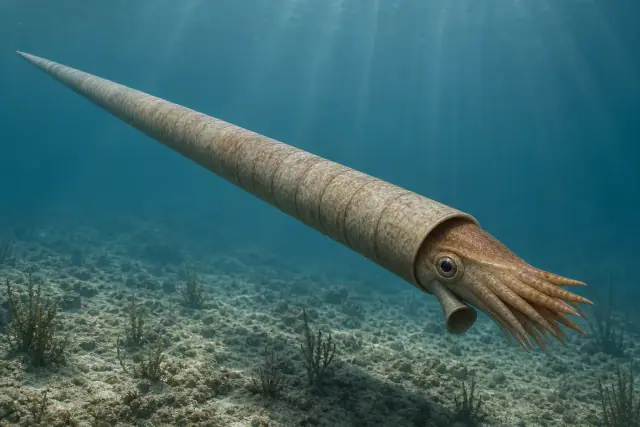
Cameroceras trentonense
A long straight shell housed one of the largest predators of Ordovician seas.
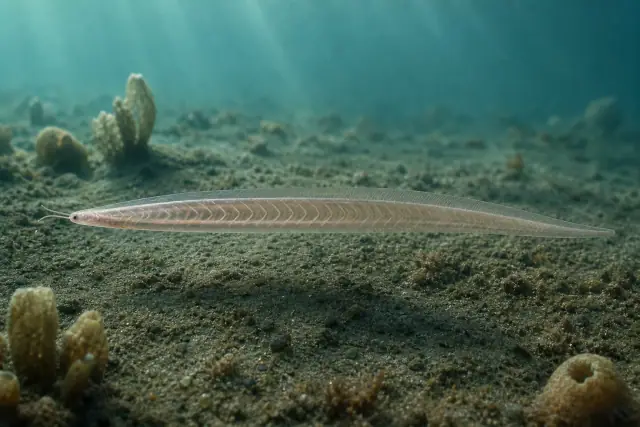
Pikaia gracilens
A slender body preserves repeated muscle blocks and internal traces important for interpreting early chordates.
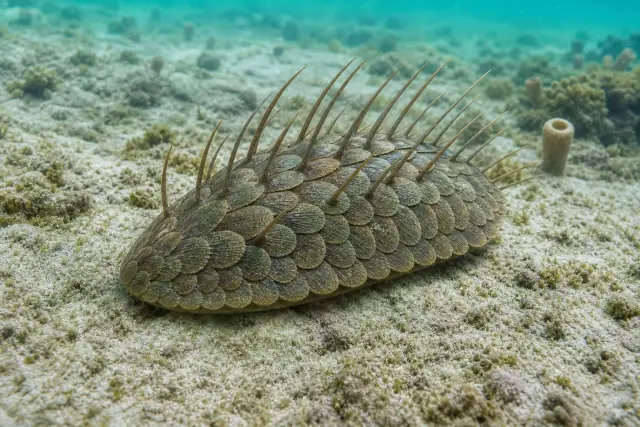
Wiwaxia corrugata
Rows of scales and long spines armored this small seafloor grazer.
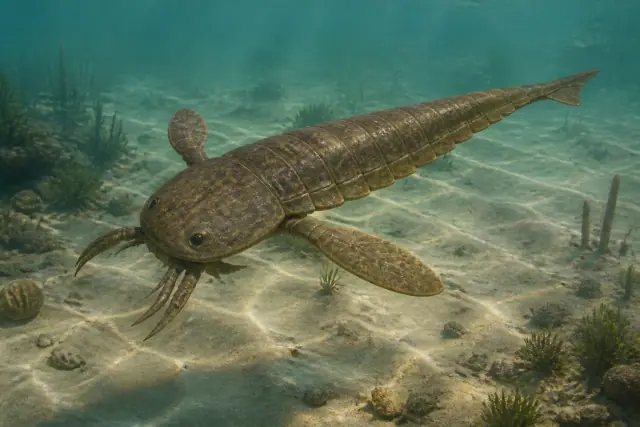
Eurypterus remipes
Paddle-shaped hind limbs carried this sea scorpion through shallow coastal water.
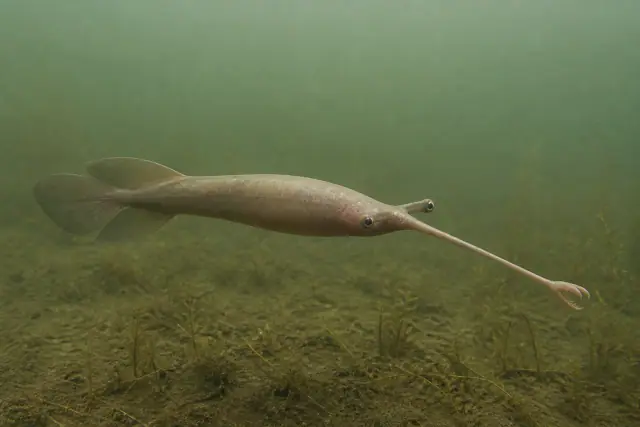
Tullimonstrum gregarium
Eyes sat at the ends of a crossbar and a long proboscis ended in a toothed grasping organ.
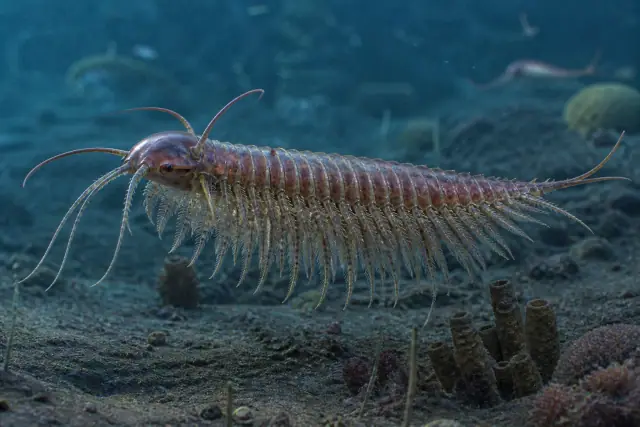
Marrella splendens
Two pairs of curved head spines, long antennae and dozens of fine legs made this two-centimeter arthropod exquisitely elaborate.
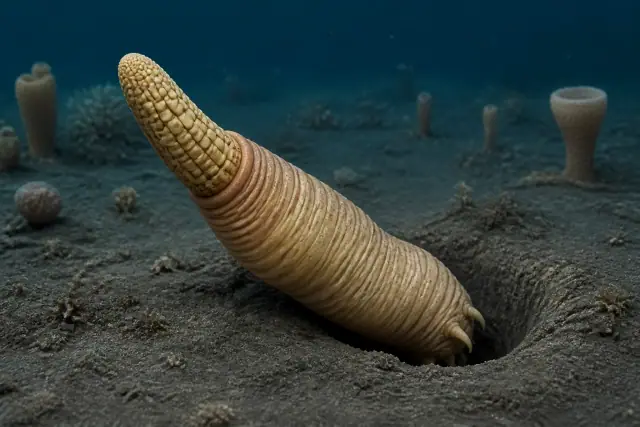
Ottoia prolifica
Its stout body hid in a U-shaped burrow while a spiny, hook-studded throat could turn inside out to seize food.
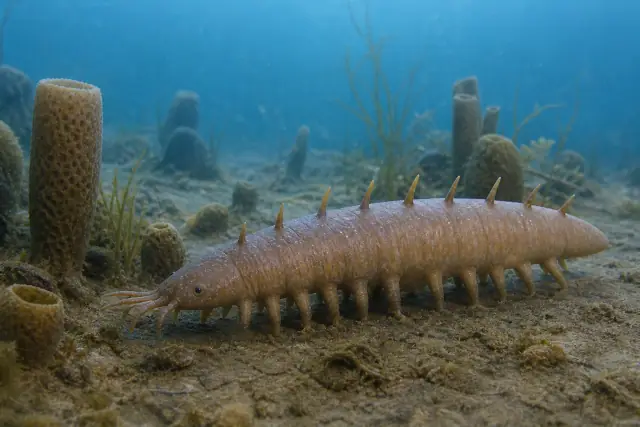
Aysheaia pedunculata
Ten pairs of stubby legs beneath a soft body place it near the early history of velvet worms and arthropods.
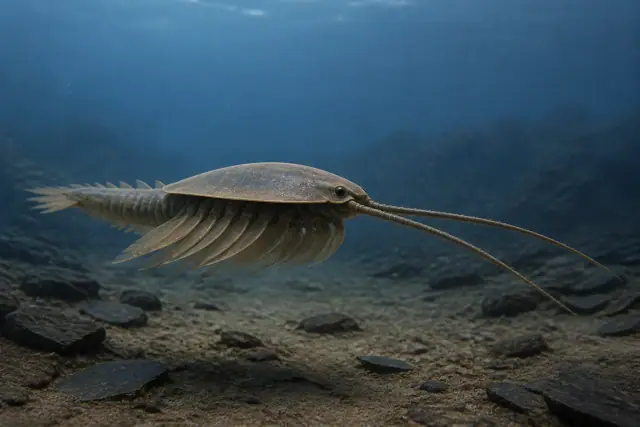
Leanchoilia superlata
A pair of great appendages ended in three long whips that could sense, seize and move food.
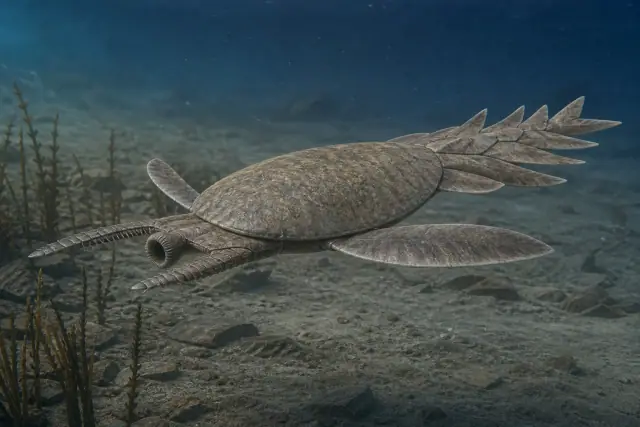
Hurdia victoria
A huge domed carapace covered its head, giving this radiodont the outline of a tiny finned submarine.
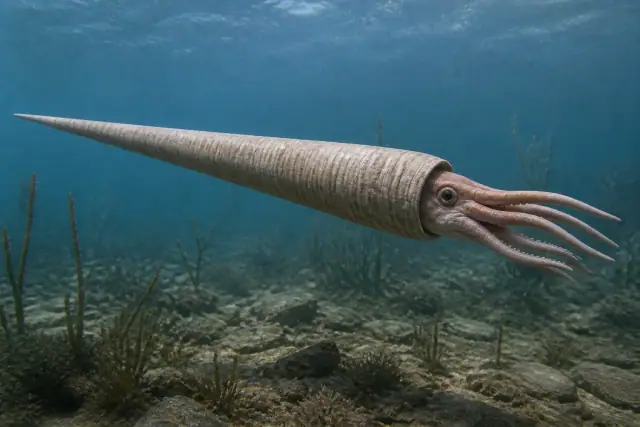
Endoceras giganteum
A straight conical shell several meters long made it one of the most conspicuous large cephalopods of Ordovician seas.
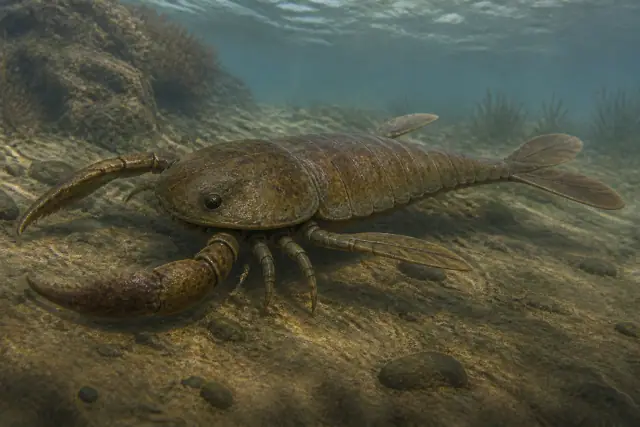
Pterygotus anglicus
Flattened swimming paddles and great toothed claws made it a formidable hunter in Silurian water.
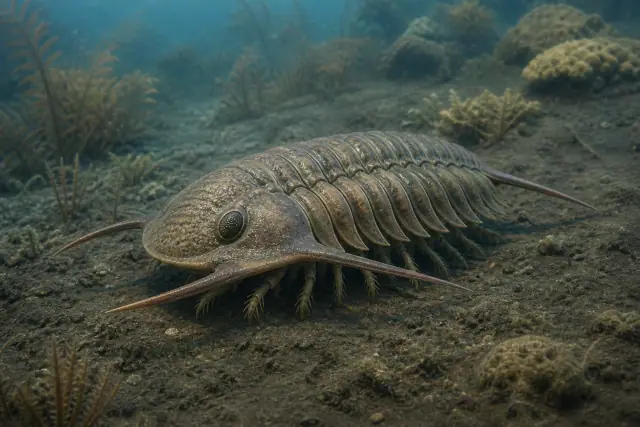
Olenoides serratus
Its antennae, gills and clawed legs reveal far more than a mineralized trilobite shell.
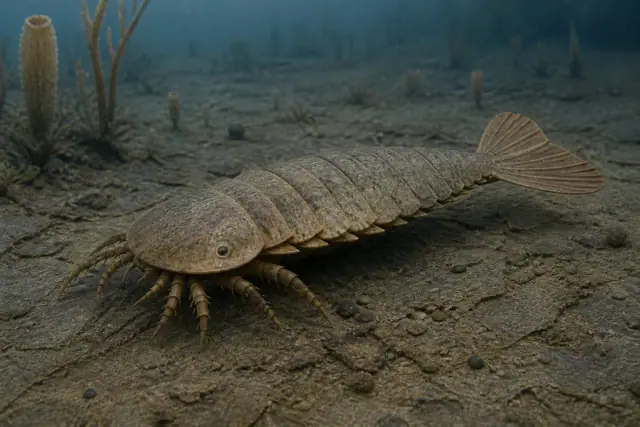
Sidneyia inexpectans
Robust leg bases formed crushing jaws for small trilobites and other shelled prey.
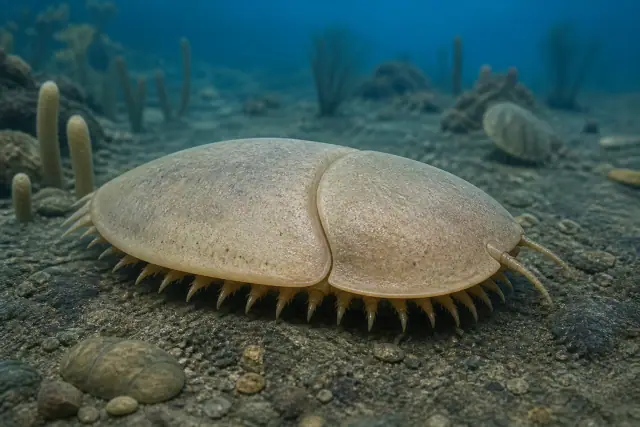
Naraoia compacta
Two large shields covered a soft body equipped with fully segmented trilobite-like limbs.
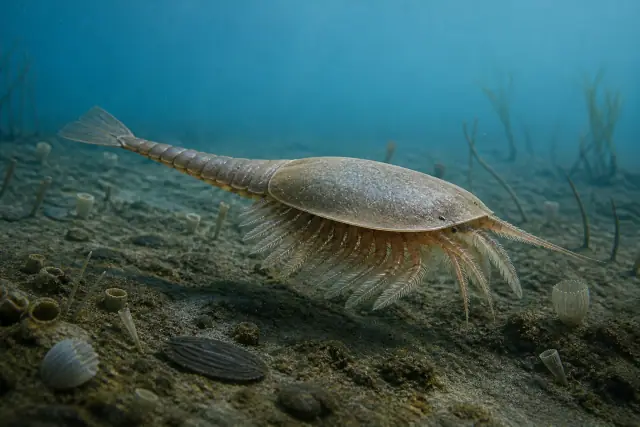
Waptia fieldensis
A bivalved carapace, compound eyes and mandibles reveal an early mandibulate; some fossils preserve embryos under the carapace.
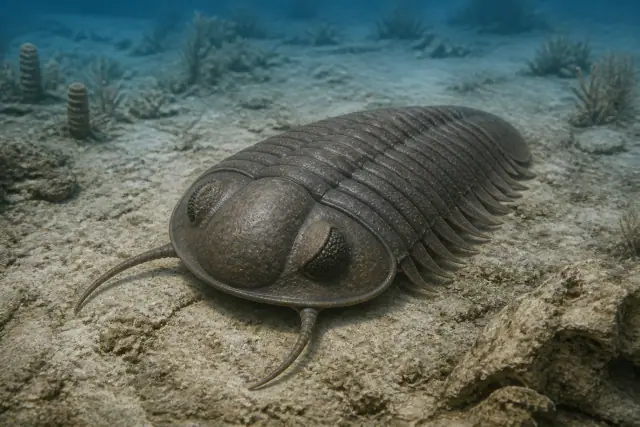
Isotelus rex
At nearly seventy centimeters, it is among the largest complete trilobites ever found.
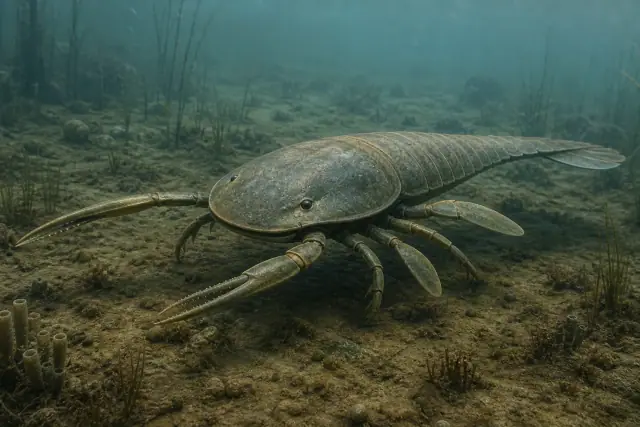
Acutiramus cummingsi
Its long pincers carried slanting blades suited to holding or slicing soft prey.
Explore the atlas by continent, country and state. Follow fossil localities into regional guides, compare animals across time and return to the evidence in each species profile.
FIELD GUIDES
Giants, strange body plans and lives within human memory. Follow a question into the atlas, then explore the animals behind it.