54Mesozoic
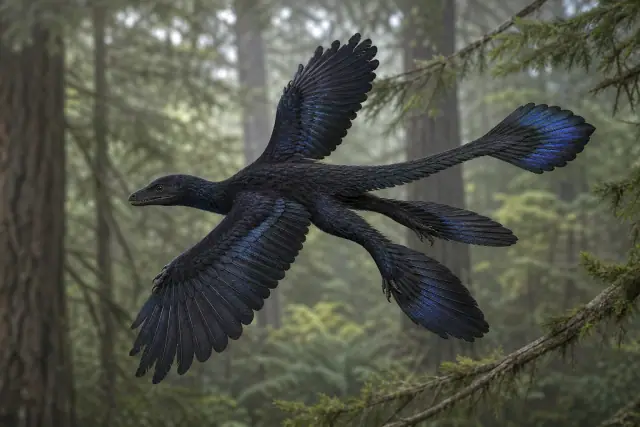
Microraptor
Microraptor gui
Microraptor was a small feathered theropod from Early Cretaceous China. Long feathers on both forelimbs and hind limbs created several aerodynamic surfaces.
LIFE ARCHIVE
Browse extinct life from traces nearly 1.9 billion years old to historically recorded extinctions.
Microraptor gui
Microraptor was a small feathered theropod from Early Cretaceous China. Long feathers on both forelimbs and hind limbs created several aerodynamic surfaces.
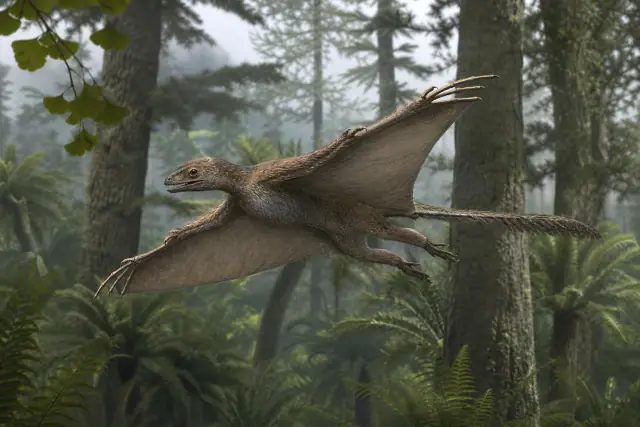
Yi qi
Yi qi was a small Jurassic theropod with feathers and preserved traces of a wing membrane. A rod-like element extending from the wrist made its wing unlike a modern bird's.
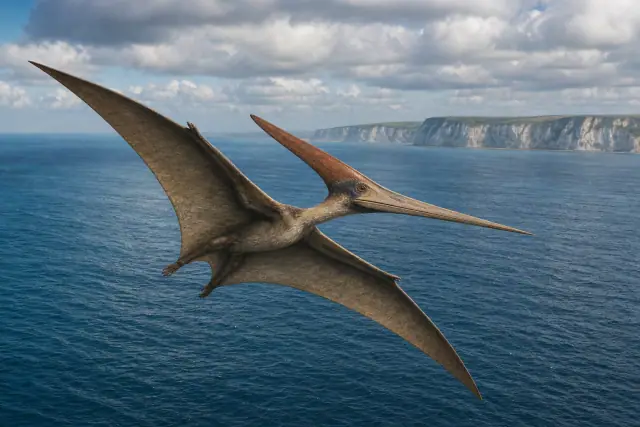
Pteranodon longiceps
Pteranodon was a toothless pterosaur above the Late Cretaceous seas of North America. It was a flying reptile, not a bird or a dinosaur.
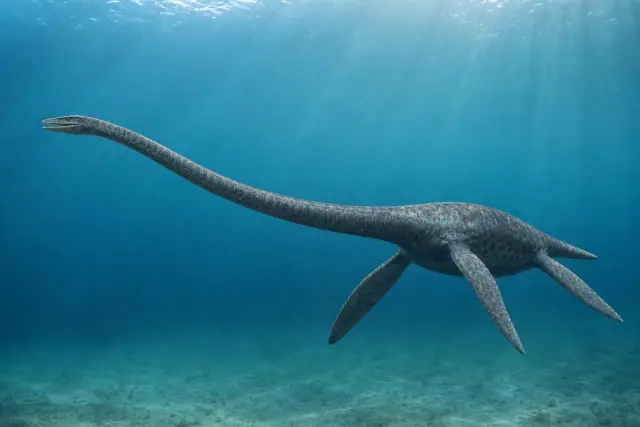
Elasmosaurus platyurus
Elasmosaurus platyurus was a long-necked marine reptile from Late Cretaceous Kansas. A 2013 reassessment counted 72 preserved neck vertebrae in its holotype.
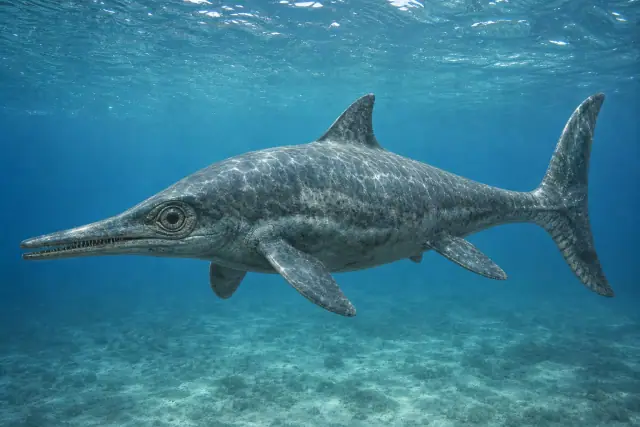
Ichthyosaurus communis
A streamlined reptile converged on the body plan of dolphins while retaining enormous eyes.
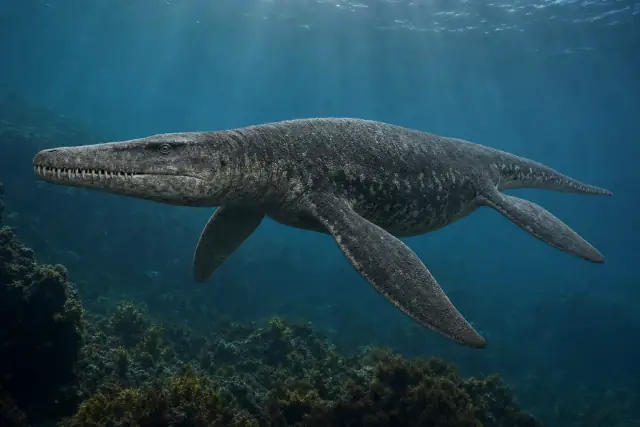
Liopleurodon ferox
Liopleurodon was a Jurassic pliosaur: a marine reptile with a large skull, short neck and four flippers. Its teeth and bones should be distinguished from television size reconstructions.
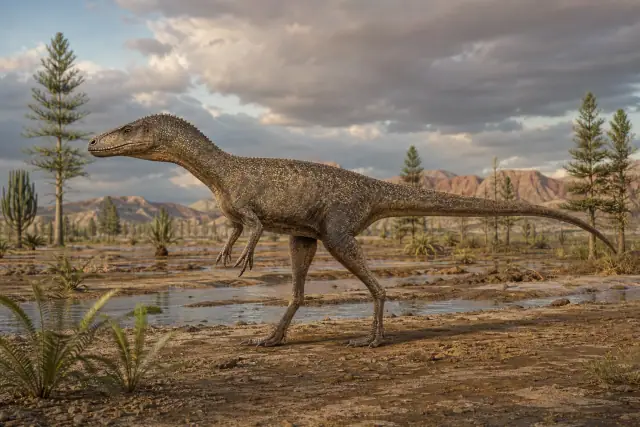
Herrerasaurus ischigualastensis
One of the earliest large dinosaurs was a lightly built two-legged predator.
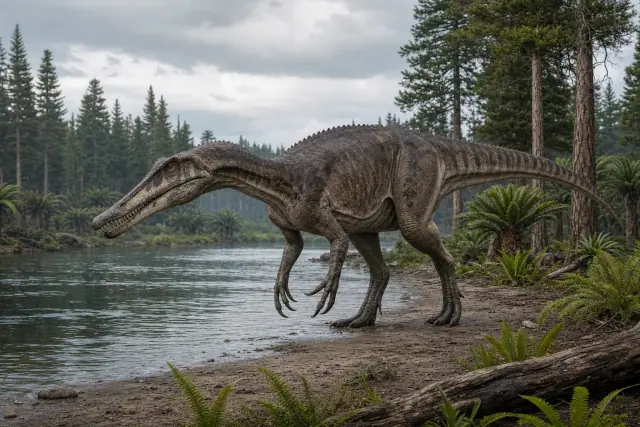
Baryonyx walkeri
A crocodile-like snout and huge thumb claw equipped this theropod to catch fish and other prey.
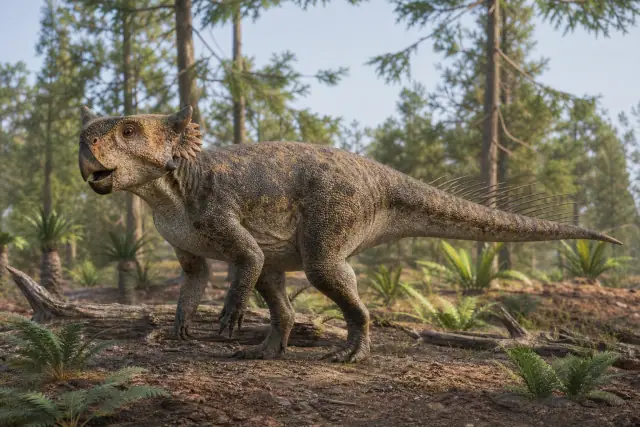
Psittacosaurus mongoliensis
A deep parrot-like beak helped this early horned dinosaur process plants; this record distinguishes P. mongoliensis from other specimens of the genus.
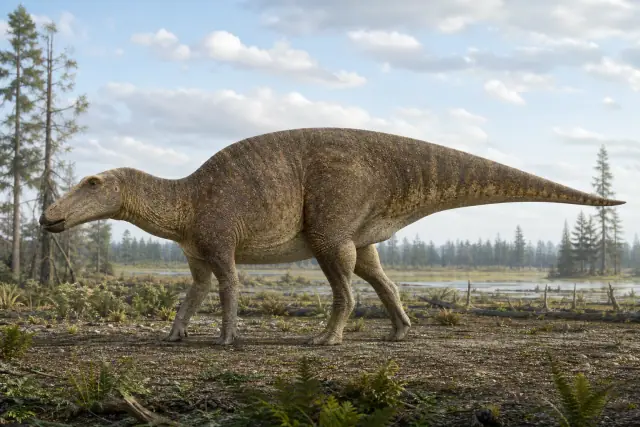
Edmontosaurus annectens
A broad duck bill and dense dental batteries processed huge amounts of vegetation.
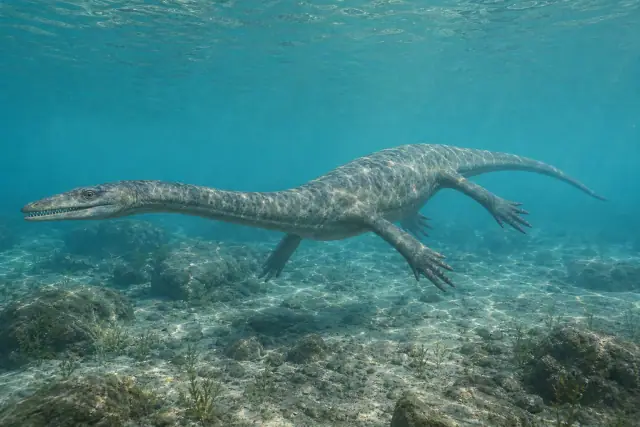
Nothosaurus mirabilis
A long-necked coastal reptile paddled through shallow Triassic seas.
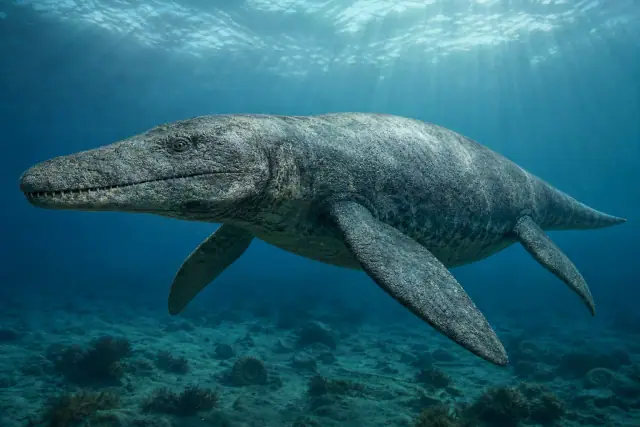
Kronosaurus queenslandicus
A massive pliosaur skull powered attacks on large marine prey.
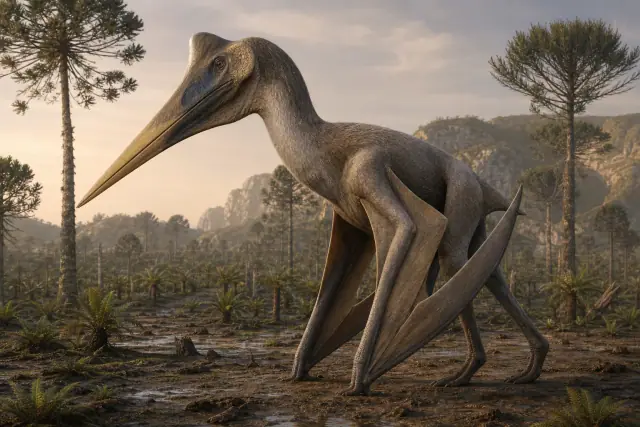
Hatzegopteryx thambema
A giant pterosaur with a robust neck stalked an island populated by dwarf dinosaurs.
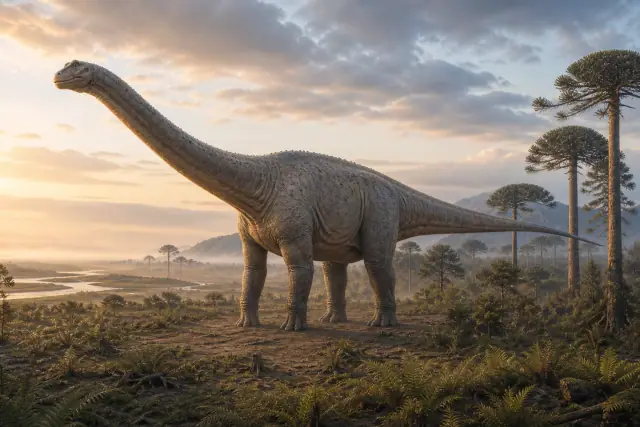
Argentinosaurus huinculensis
A handful of colossal vertebrae and limb bones indicate one of the largest land animals known.
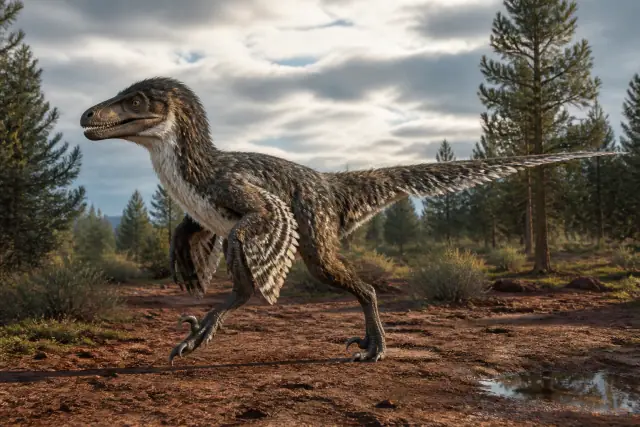
Utahraptor ostrommaysorum
This huge, robust dromaeosaur used strength and a curved second-toe claw to control prey.
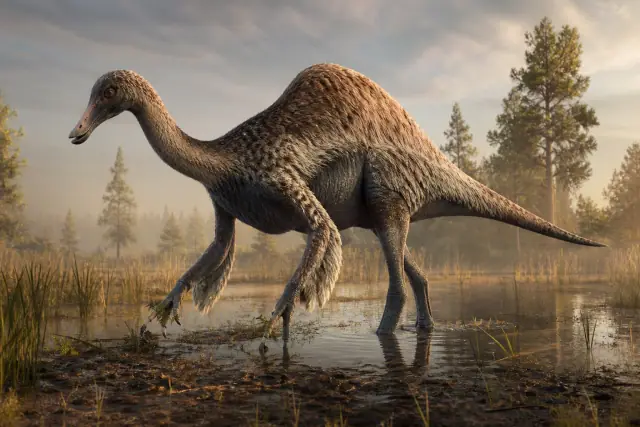
Deinocheirus mirificus
Huge arms, a broad bill, a tall back and wide feet formed one of the strangest dinosaur silhouettes.
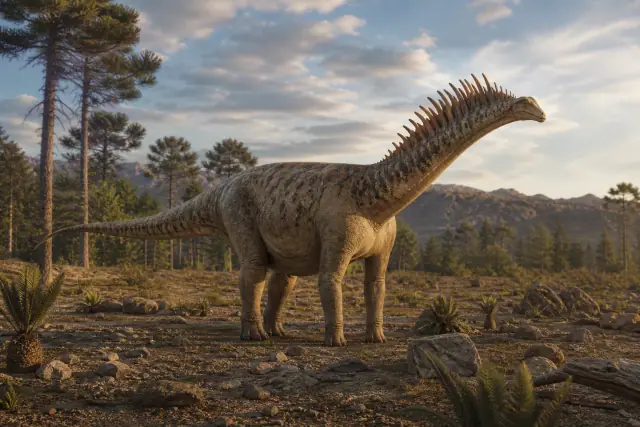
Amargasaurus cazaui
Two rows of elongated neck spines made its profile unique, though their soft-tissue covering remains debated.
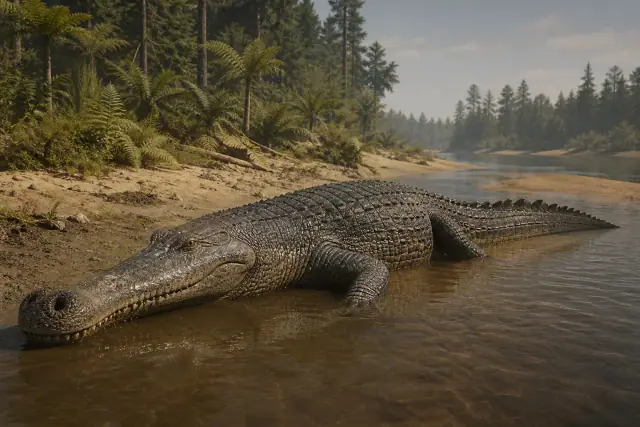
Sarcosuchus imperator
This long-snouted armored crocodyliform was not a direct ancestor of living crocodiles.
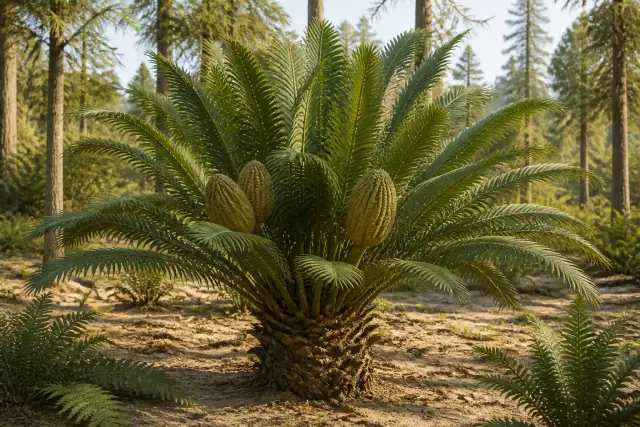
Williamsonia gigas
Flower-like reproductive organs nestled among cycad-like leaves, but this bennettitalean was not a flowering plant.
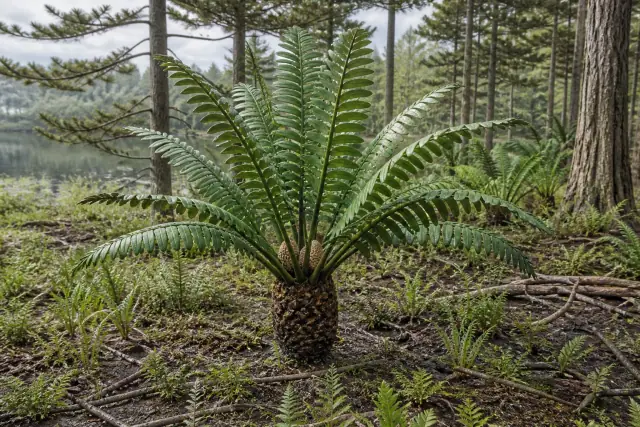
Nilssonia orientalis
Long leaves divided into broad segments formed part of the cycadophyte layer beneath Jurassic trees.
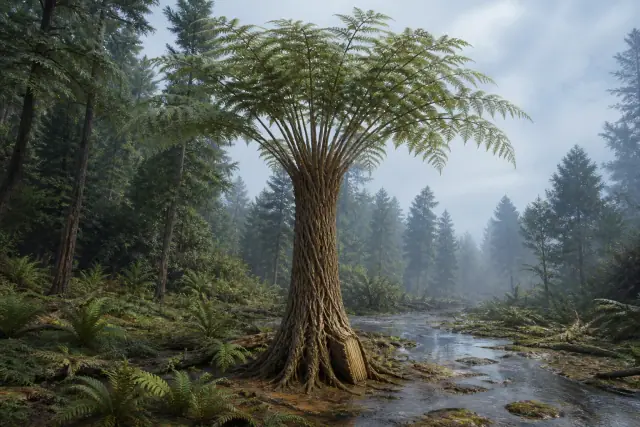
Tempskya rossica
What looked like one trunk was a false stem woven from many small axes and adventitious roots.
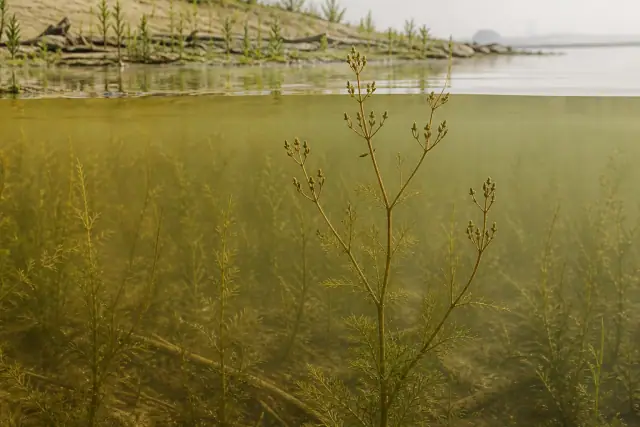
Archaefructus liaoningensis
Elongated aquatic stems bore petal-less reproductive structures important to debates about early flowering plants.
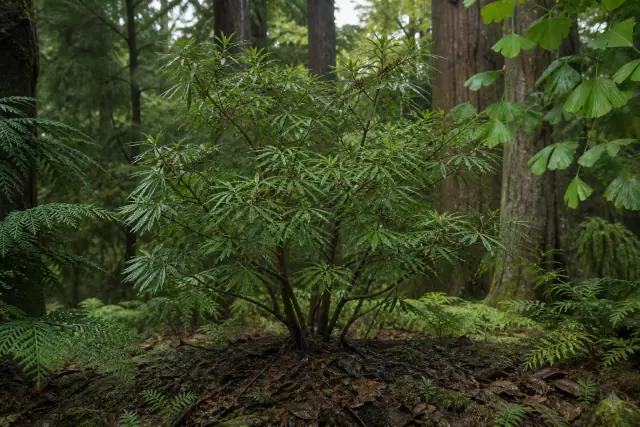
Caytonia nathorstii
Curved cupules containing ovules hung beneath compound leaves in this puzzling seed plant.
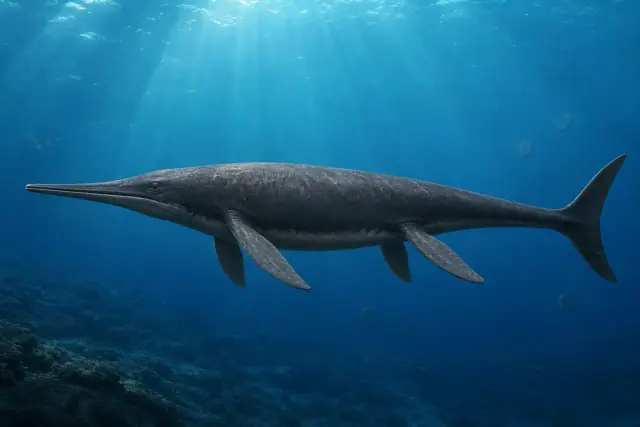
Shonisaurus popularis
This roughly fifteen-meter ichthyosaur had a long narrow snout and four flippers.
Explore the atlas by continent, country and state. Follow fossil localities into regional guides, compare animals across time and return to the evidence in each species profile.
FIELD GUIDES
Giants, strange body plans and lives within human memory. Follow a question into the atlas, then explore the animals behind it.