457Mesozoic
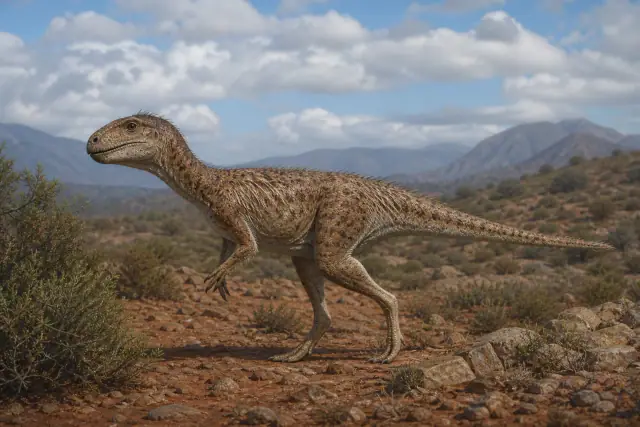
Heterodontosaurus
Heterodontosaurus tucki
Incisor, tusk-like and cheek teeth formed an unusual dinosaur dentition.
LIFE ARCHIVE
Browse extinct life from traces nearly 1.9 billion years old to historically recorded extinctions.
Heterodontosaurus tucki
Incisor, tusk-like and cheek teeth formed an unusual dinosaur dentition.
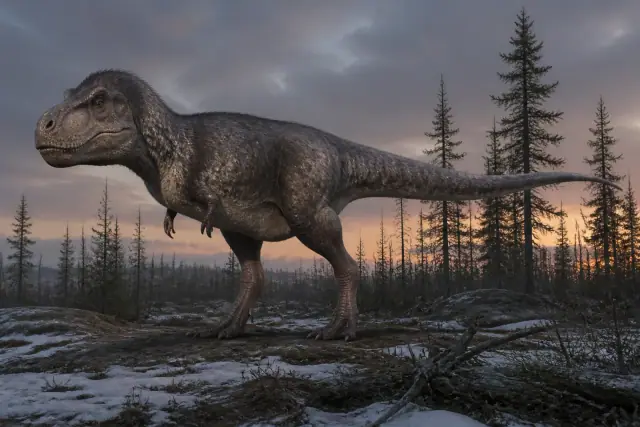
Nanuqsaurus hoglundi
It hunted through polar night, though its supposedly dwarf size remains uncertain.
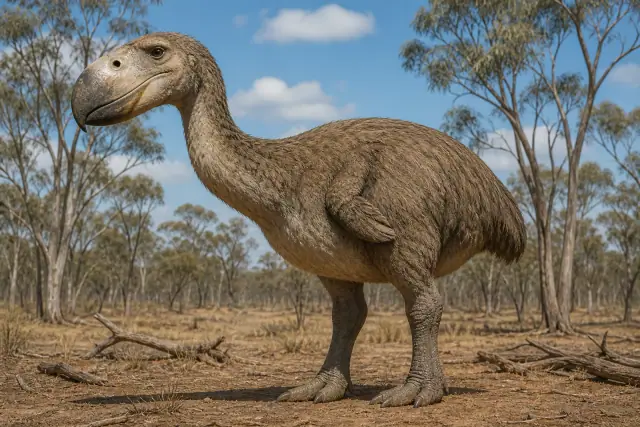
Dromornis stirtoni
Three meters tall with a massive beak, it was among the heaviest birds.
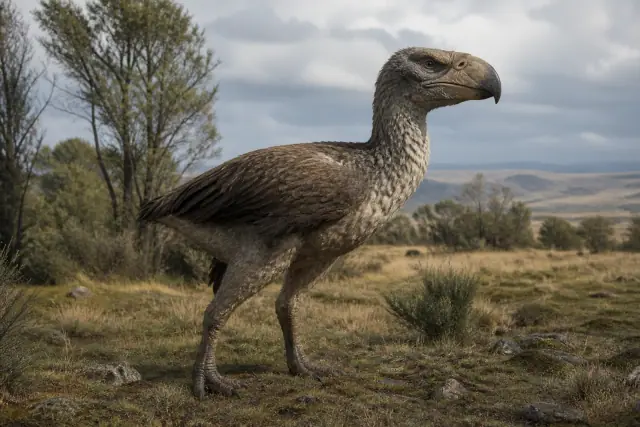
Kelenken guillermoi
A seventy-centimeter skull and hooked beak armed one of the largest terror birds.
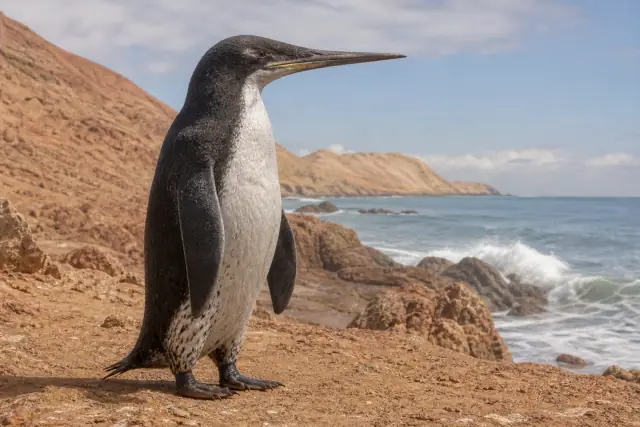
Icadyptes salasi
A one-and-a-half-meter penguin lived near the equator with a spear-like beak.
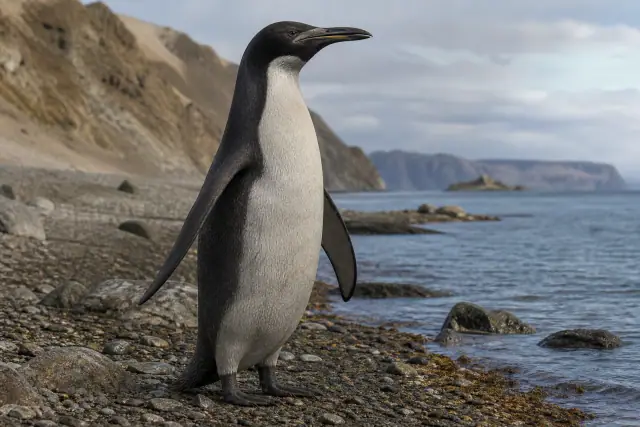
Anthropornis nordenskjoeldi
At almost 1.8 meters, it was a giant diver on a warmer Antarctic coast.
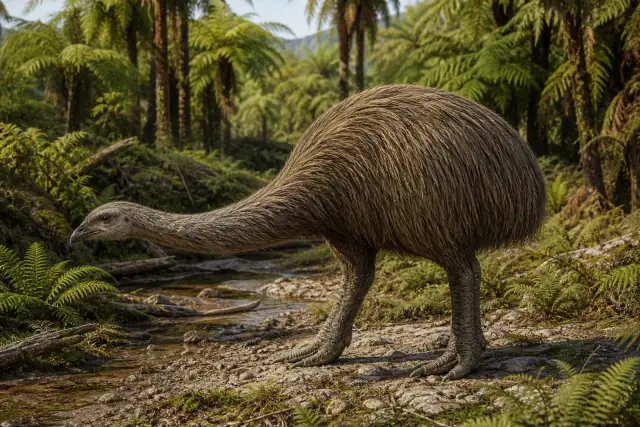
Emeus crassus
Emeus crassus was a medium-sized, flightless moa with a bulky body and short, robust legs.
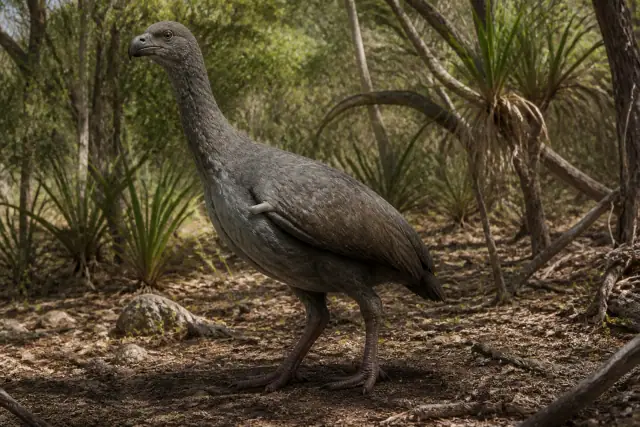
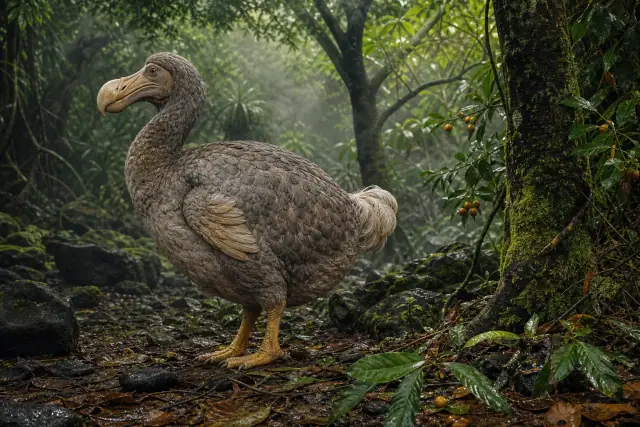
Pezophaps solitaria
This giant flightless pigeon fought with bony wing knobs and was the dodo's closest relative.
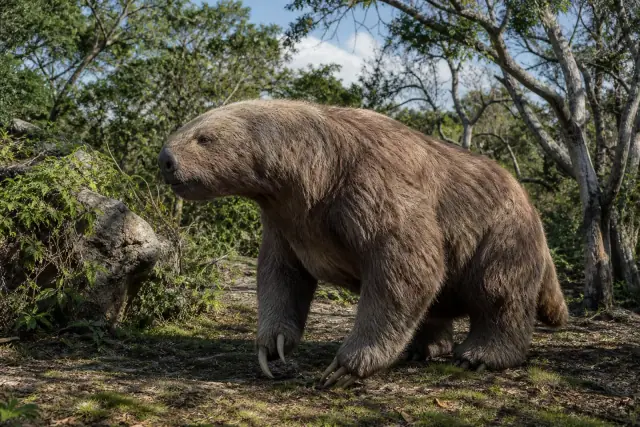
Megalocnus rodens
Megalocnus rodens was a large Cuban ground sloth that survived into the Holocene.
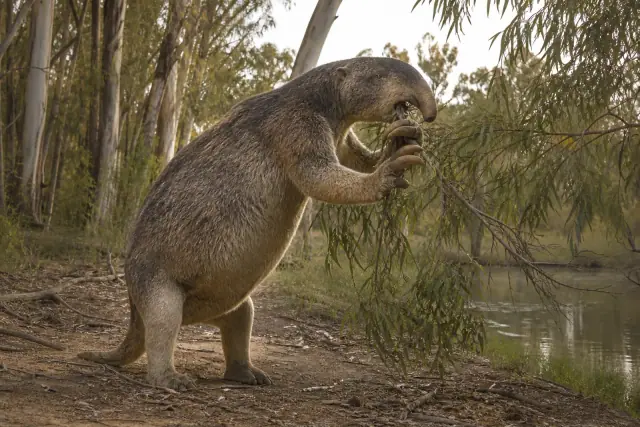
Palorchestes azael
A mobile snout, huge claws and strange forelimbs belonged to a marsupial unlike any tapir.
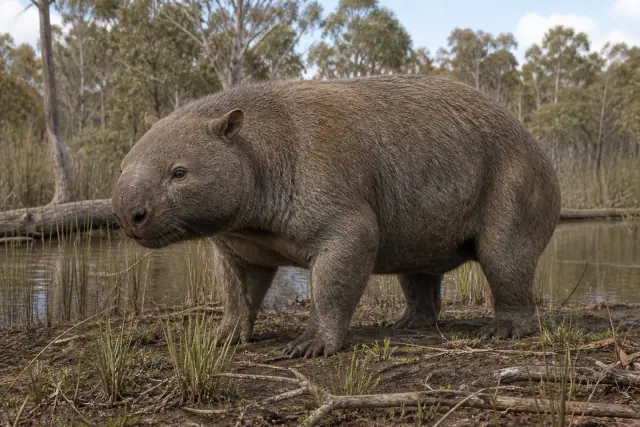
Zygomaturus trilobus
A cow-sized wombat relative carried a broad snout and heavy limbs.
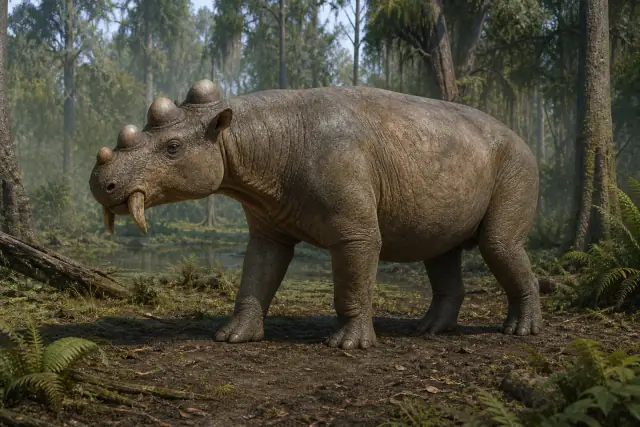
Eobasileus cornutus
Three pairs of skull bosses and long canines crowned a rhino-sized herbivore.
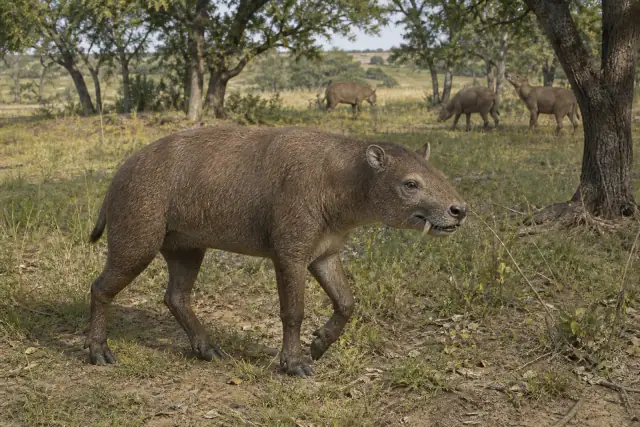
Merycoidodon culbertsonii
A short face, tusk-like canines and grinding cheeks marked a herd-forming artiodactyl relative.
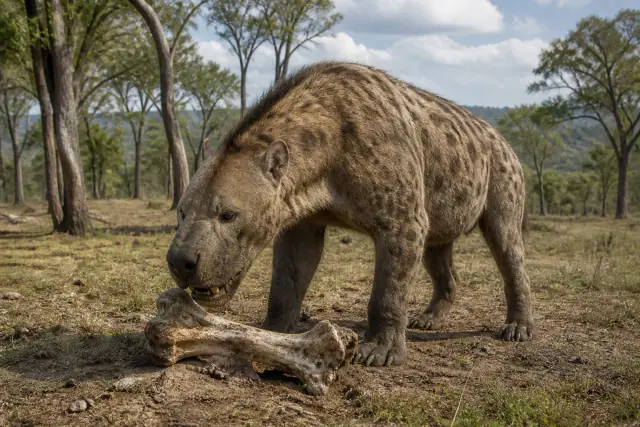
Dinocrocuta gigantea
Massive jaws and rounded carnassials crushed bone, though it was not a modern hyena.
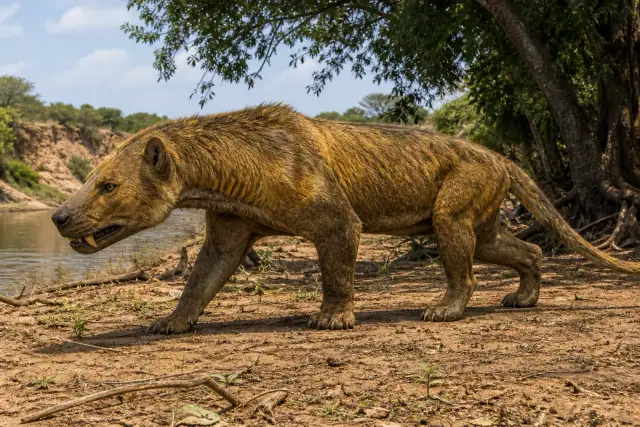
Simbakubwa kutokaafrika
Huge cutting teeth came from a hyaenodont predator heavier than a modern lion.
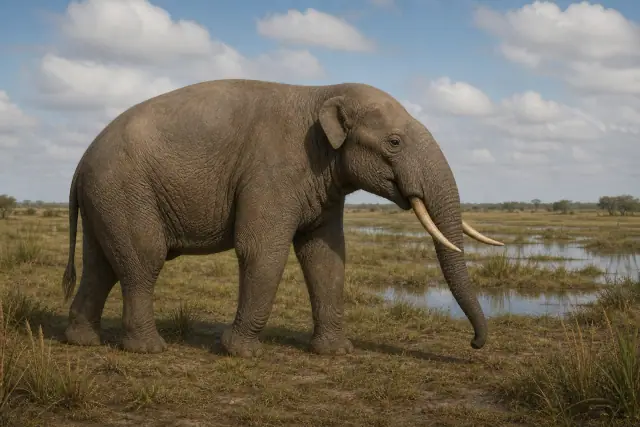
Notiomastodon platensis
A flexible proboscidean crossed many habitats and ate mixed vegetation.
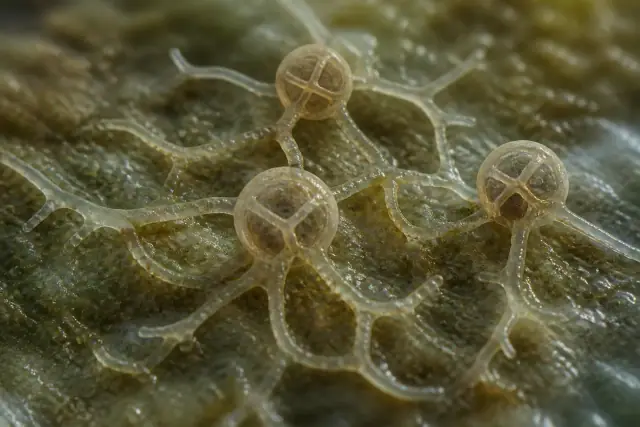
Tappania plana
Complex branching and septa make it a candidate early eukaryote or fungus.
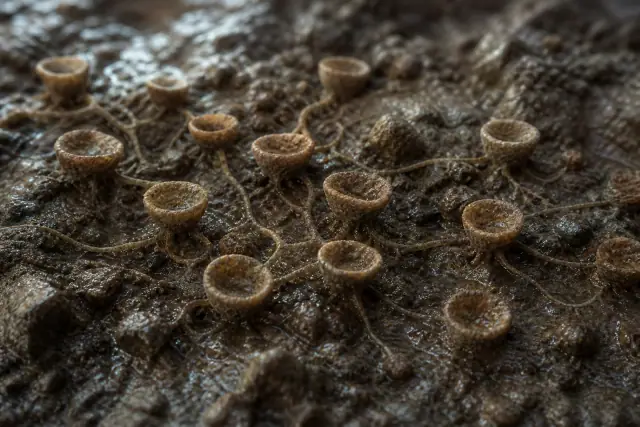
Diskagma buttonii
Cup-like bodies linked by filaments have been read as fungi or a microbial colony.
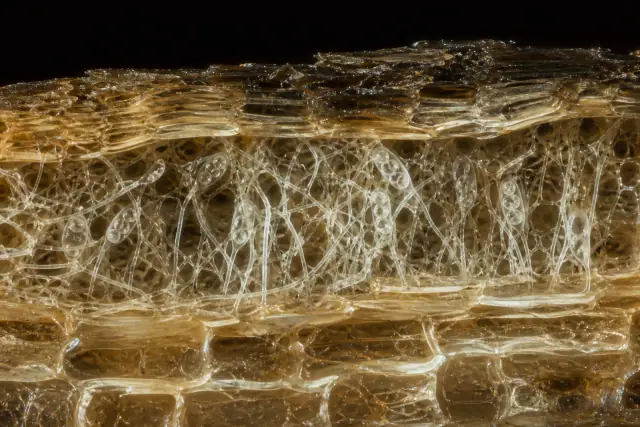
Protoascon missouriensis
Tiny sac-like structures in coal balls resemble an early ascomycete.
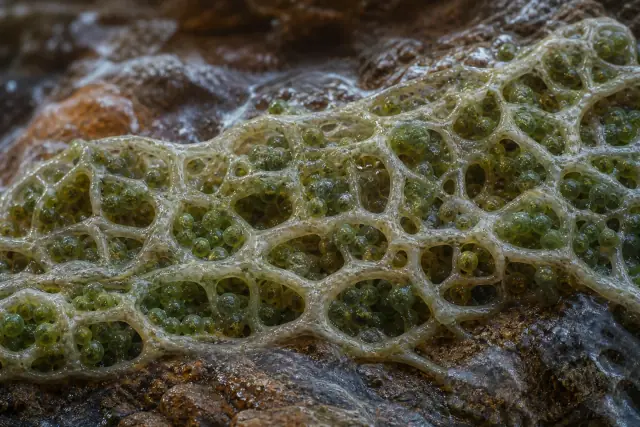
Winfrenatia reticulata
Fungal filaments surrounded cyanobacterium-like cells in an early lichen-style partnership.
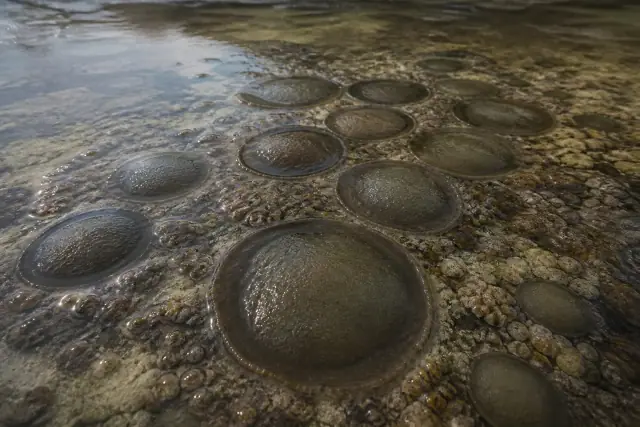
Chuaria circularis
Circular carbon films may represent a giant single-celled eukaryote traditionally called an alga.
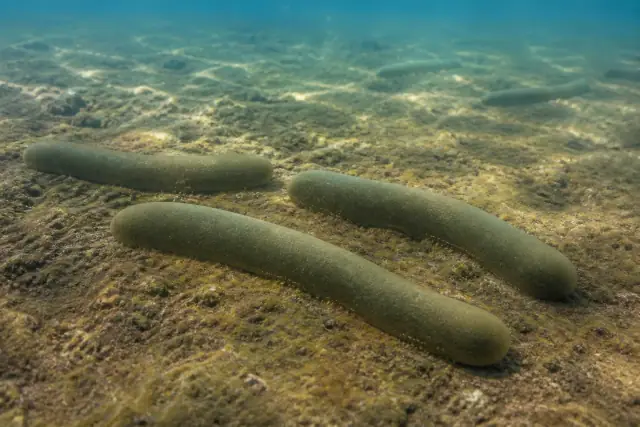
Tawuia dalensis
Sausage-shaped carbon films may be macroalgae or another early eukaryote.
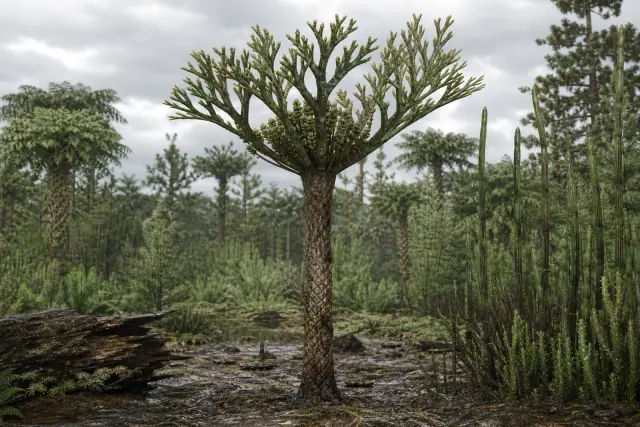
Noeggerathia foliosa
A palm-like crown belonged not to a fern but to an extinct heterosporous seed-plant relative.
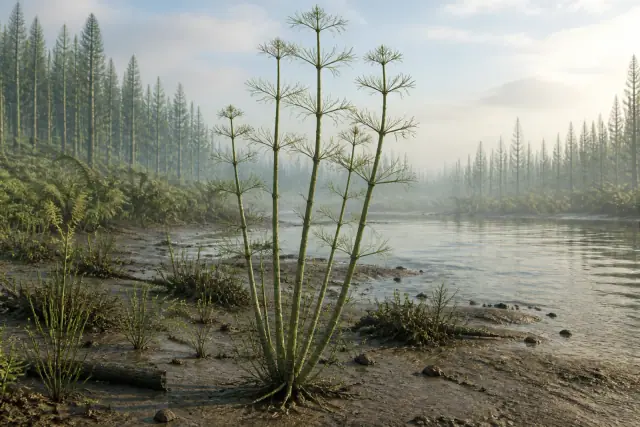
Archaeocalamites radiatus
Hollow jointed stems let an early horsetail relative grow as a tall shrub or small tree.
Explore the atlas by continent, country and state. Follow fossil localities into regional guides, compare animals across time and return to the evidence in each species profile.
FIELD GUIDES
Giants, strange body plans and lives within human memory. Follow a question into the atlas, then explore the animals behind it.