481Paleozoic
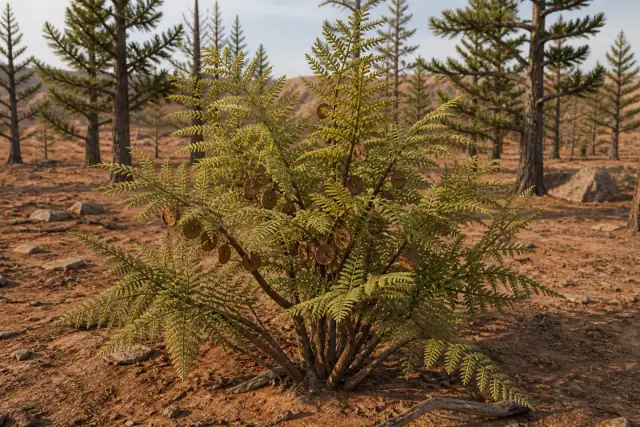
Peltaspermum
Peltaspermum martinsii
Shield-shaped reproductive discs record an innovation among drought-tolerant seed ferns.
LIFE ARCHIVE
Browse extinct life from traces nearly 1.9 billion years old to historically recorded extinctions.
Peltaspermum martinsii
Shield-shaped reproductive discs record an innovation among drought-tolerant seed ferns.
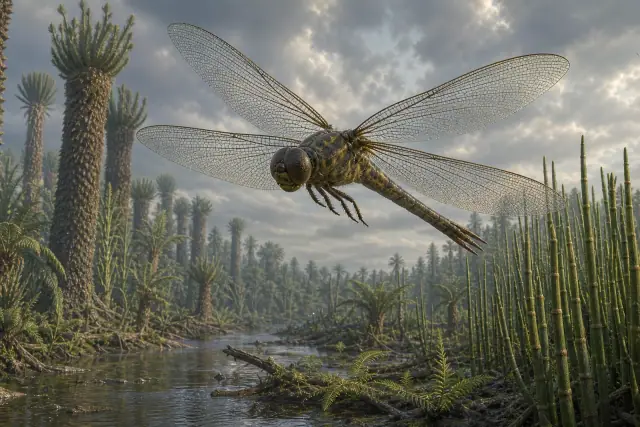
Meganeurula selysii
Smaller than Meganeura but still broad-winged, this griffinfly hunted above coal forests.
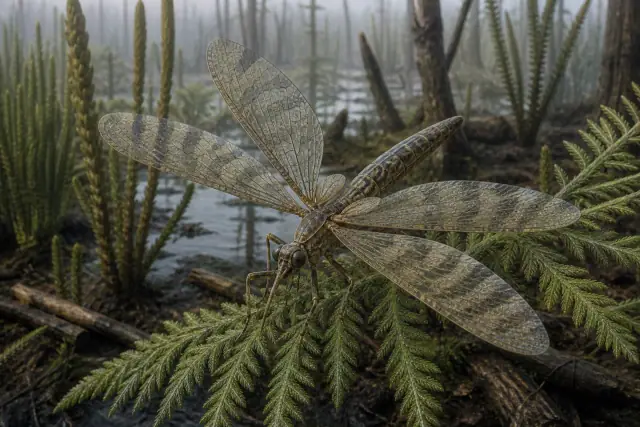
Boltonocosta elongata
A long piercing mouthpart and four patterned wings belonged to the vanished palaeodictyopterans.
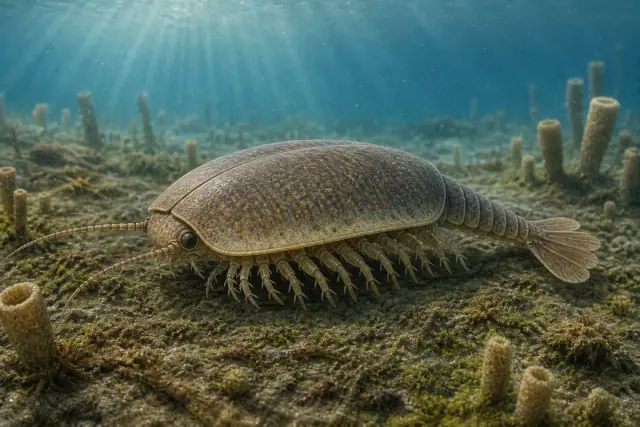
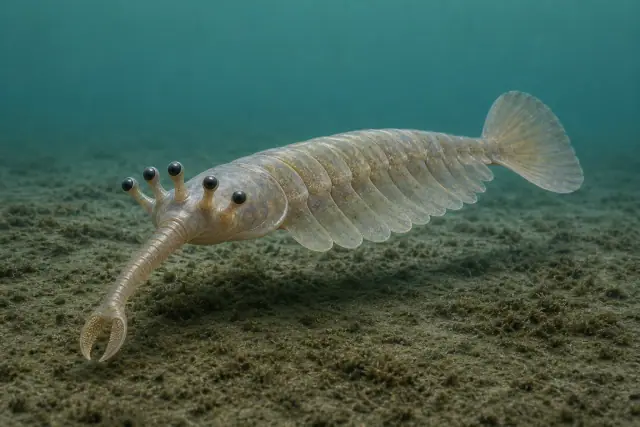
Canadaspis perfecta
Two broad valves enclosed a segmented body while antennae, limbs and a tail fan projected outside.
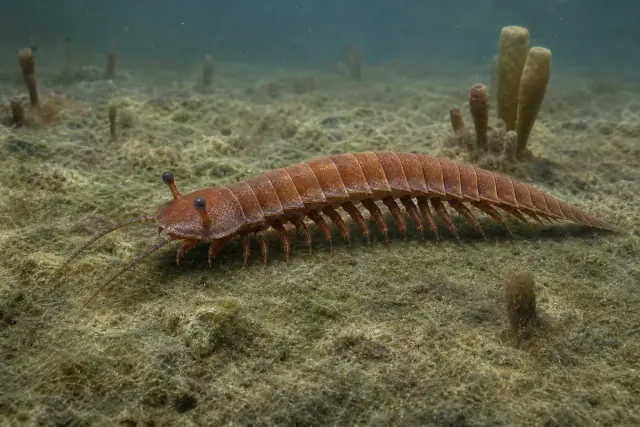
Fuxianhuia protensa
Its nervous, circulatory and limb anatomy makes it central to studies of early arthropod organization.
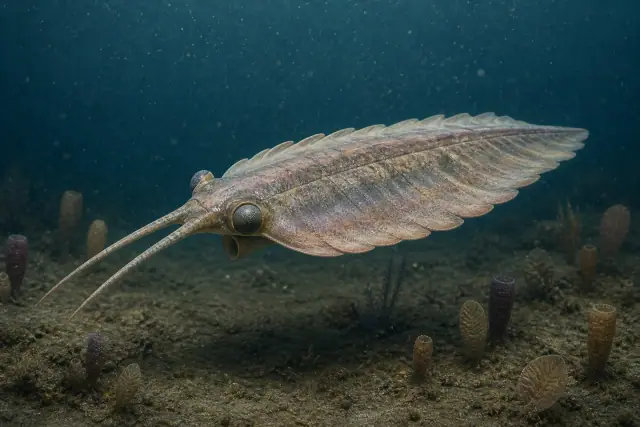
Nectocaris pteryx
Paired fins, a funnel and tentacle-like appendages form one of the Cambrian's most puzzling swimmers.
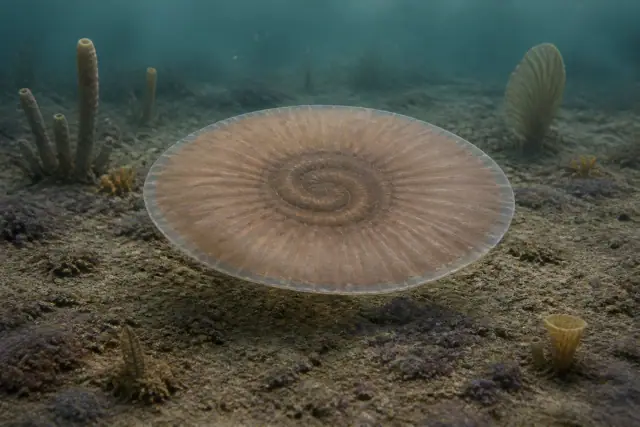
Eldonia ludwigi
A coiled gut lay inside a soft circular disc that may have drifted or lived near the bottom.
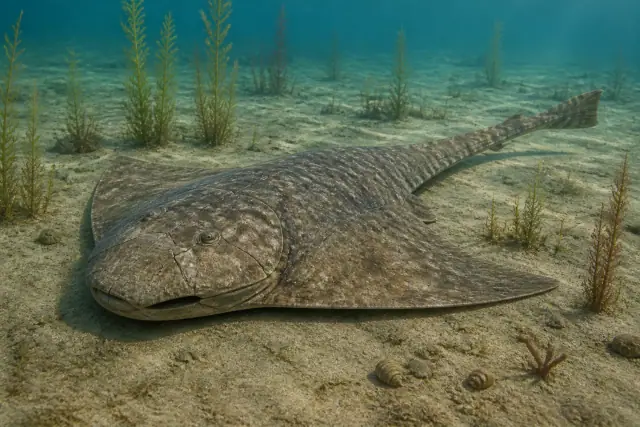
Gemuendina stuertzi
A broad flat placoderm independently converged on the body shape of a ray.
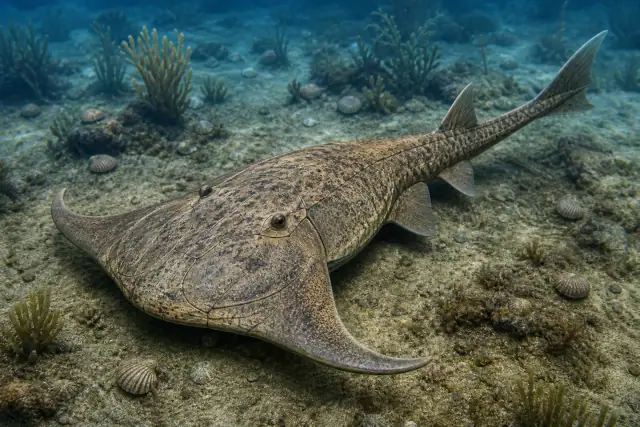
Lunaspis broilii
Crescent-shaped lateral horns widened the head armor of a small bottom-dwelling placoderm.
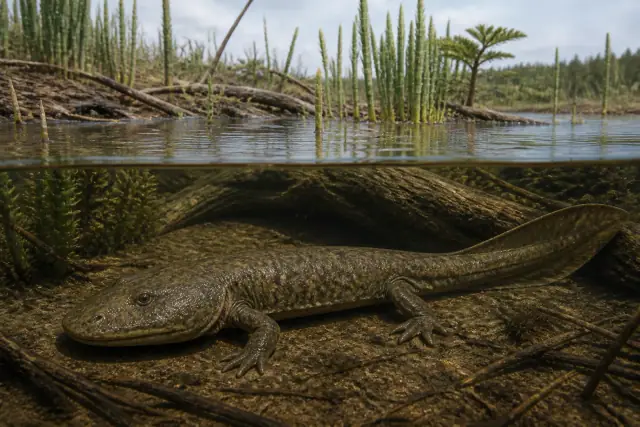
Trimerorhachis insignis
External gills and a long body show a temnospondyl that remained aquatic throughout life.
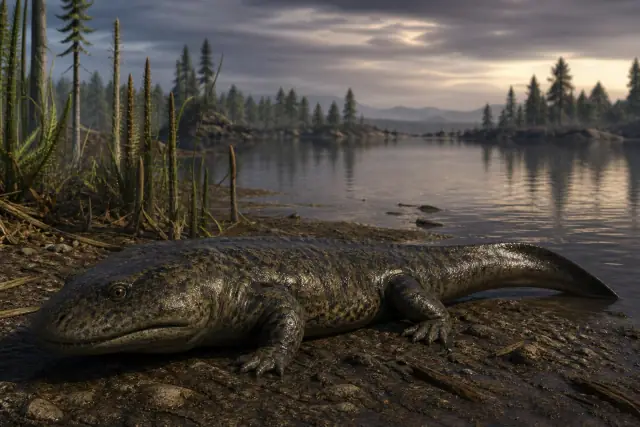
Sclerocephalus haeuseri
A broad head, strong trunk and compressed tail belonged to a large freshwater predator.
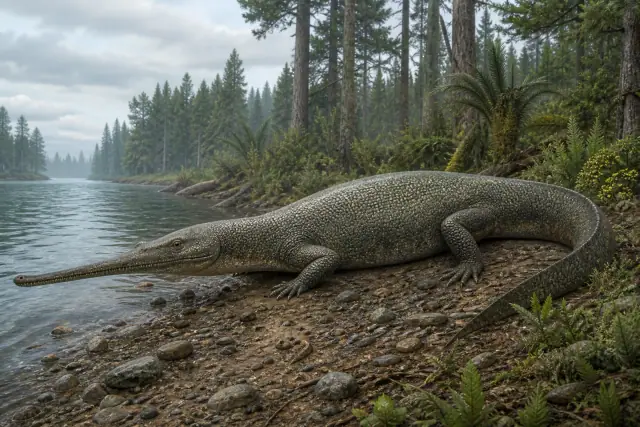
Champsosaurus gigas
Long jaws and a powerful tail let choristoderes retain a crocodile-like niche after the dinosaurs.
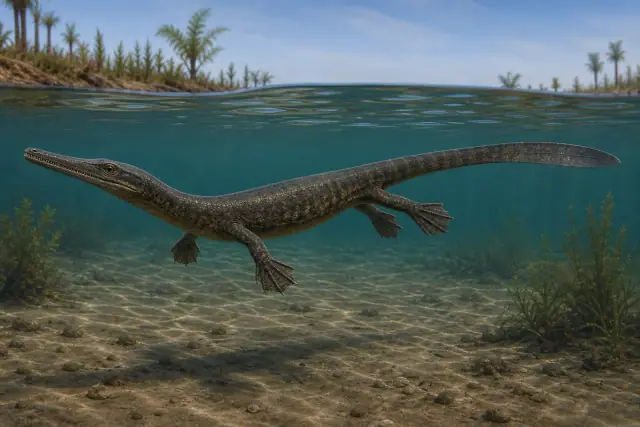
Mesosaurus tenuidens
Needle teeth and a flattened tail mark one of the earliest amniotes to return to water.
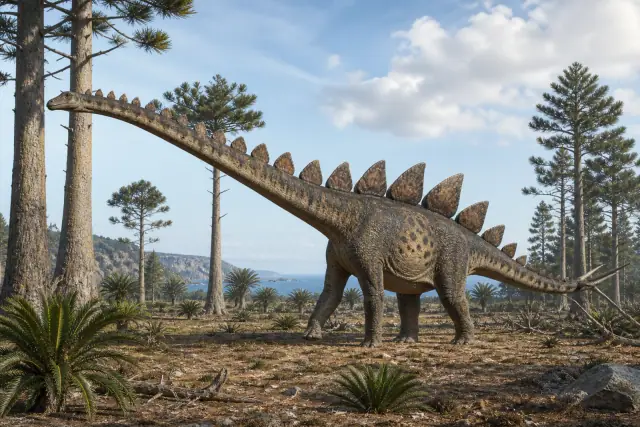
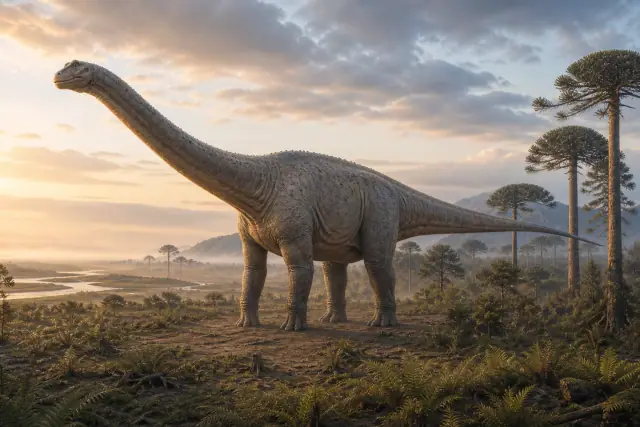
Miragaia longicollum
At least seventeen cervical vertebrae produced an unusually long neck for a stegosaur.
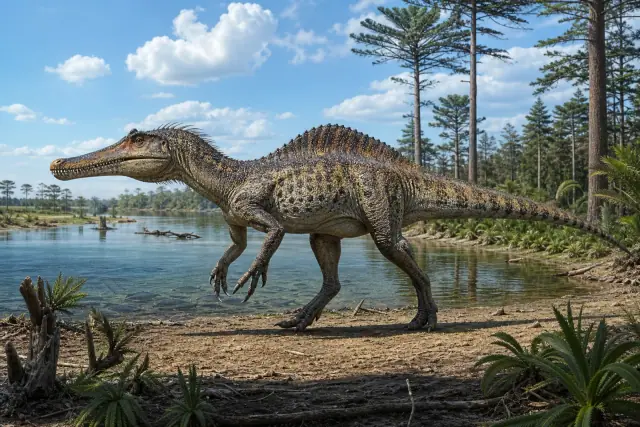
Irritator challengeri
A long snout, conical teeth and low crest belonged to a spinosaurid that frequently ate fish.
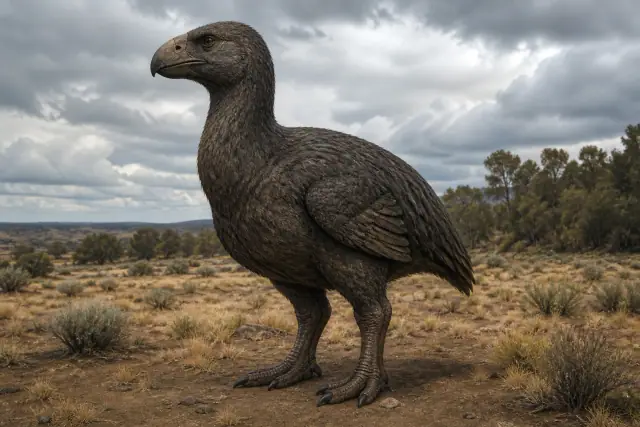
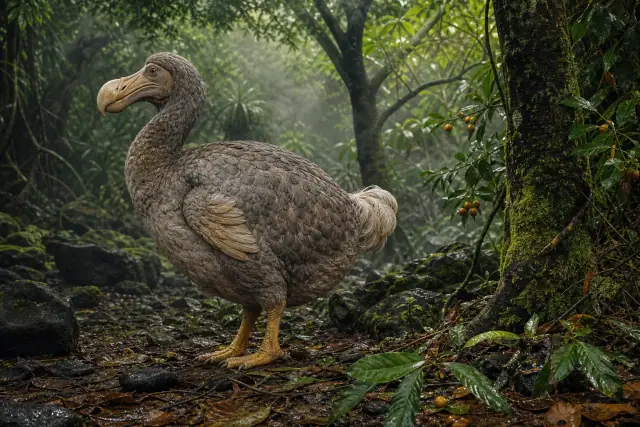
Brontornis burmeisteri
Brontornis burmeisteri was a giant flightless bird with exceptionally robust hind limbs.
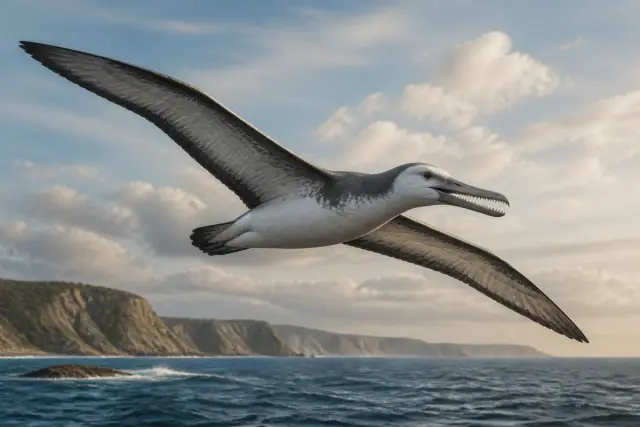
Dasornis emuinus
A near-six-meter wingspan and bony pseudoteeth armed a giant seabird.
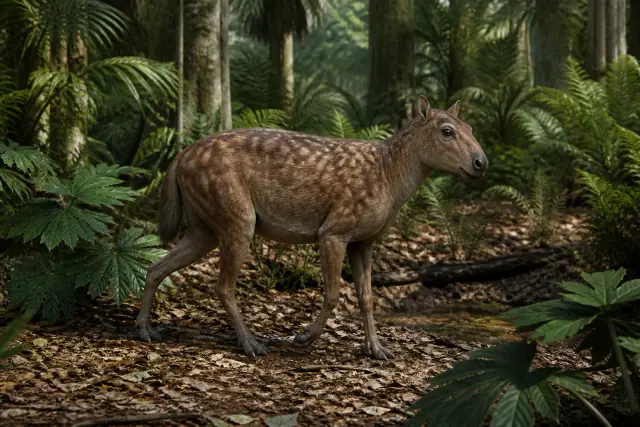
Propalaeotherium hassiacum
This fox-sized perissodactyl was a palaeothere relative, not a direct horse ancestor.
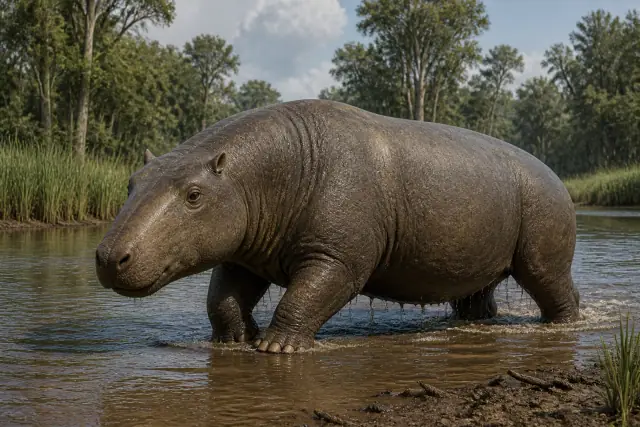
Metamynodon planifrons
Short legs, a broad body and high-set eyes adapted a hornless rhinoceros relative to semiaquatic life.
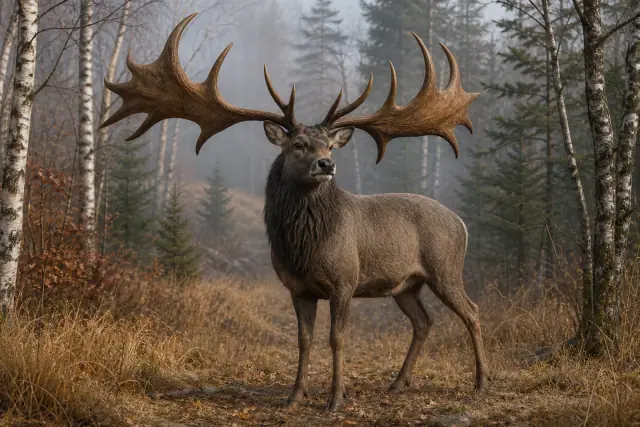
Sinomegaceros yabei
Palmate branching antlers made this East Asian giant deer especially conspicuous.
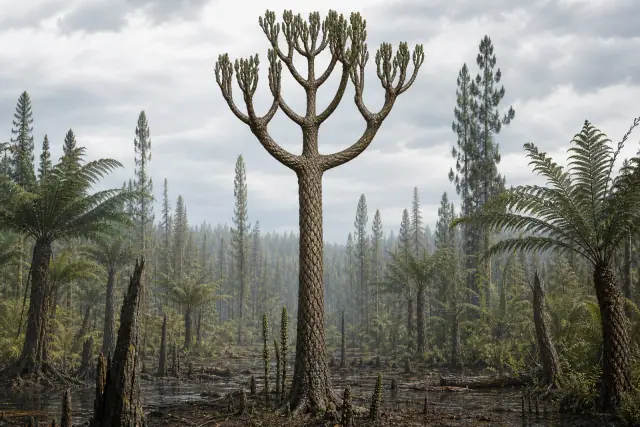
Lepidophloios laricinus
Diamond leaf cushions and a repeatedly forked crown marked a tall tree-sized lycopsid.
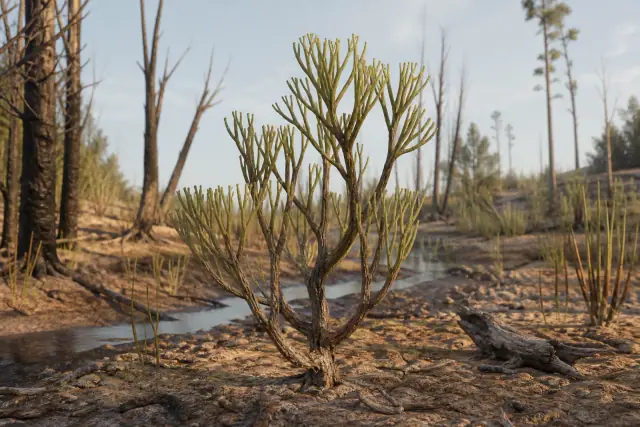
Dicranophyllum gallicum
Narrow leaves repeatedly forked at their tips on an extinct seed-plant relative.
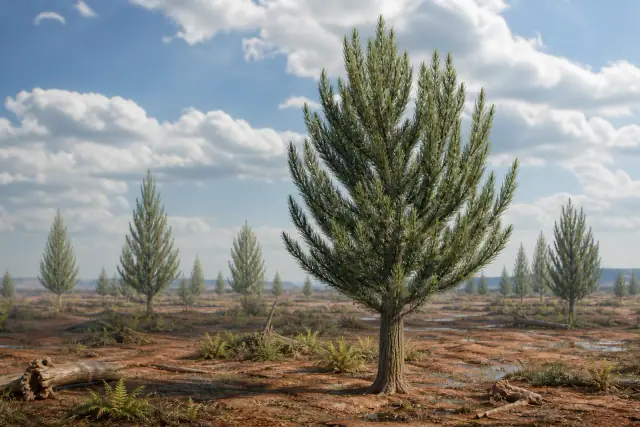
Walchia piniformis
Needle-like leaves crowded the shoots of an early conifer-like tree.
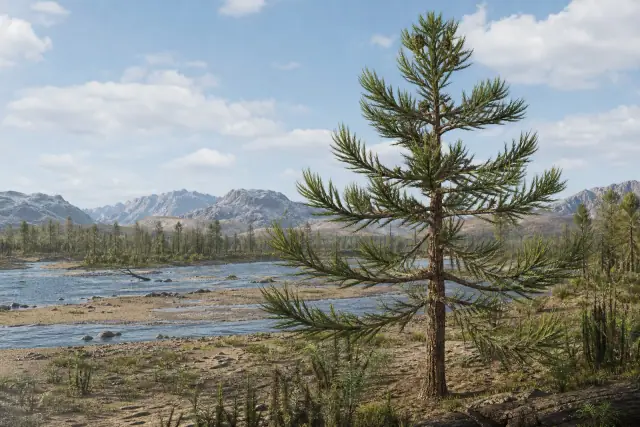
Voltzia heterophylla
Leaves of different lengths on one shoot record an early stage of modern conifer architecture.
Explore the atlas by continent, country and state. Follow fossil localities into regional guides, compare animals across time and return to the evidence in each species profile.
FIELD GUIDES
Giants, strange body plans and lives within human memory. Follow a question into the atlas, then explore the animals behind it.