13Mesozoic
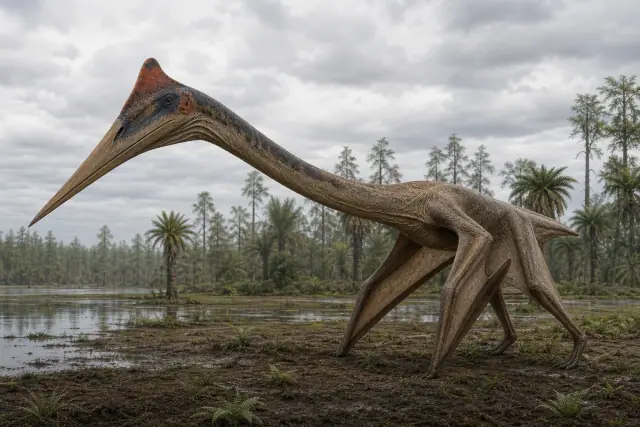
Quetzalcoatlus
Quetzalcoatlus northropi
One of the largest known flying animals stood as tall as a giraffe on the ground.
LIFE ARCHIVE
Browse extinct life from traces nearly 1.9 billion years old to historically recorded extinctions.
Quetzalcoatlus northropi
One of the largest known flying animals stood as tall as a giraffe on the ground.
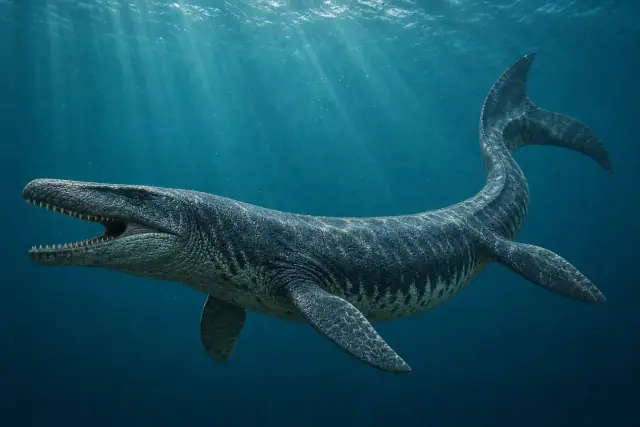
Mosasaurus hoffmannii
A giant marine lizard propelled by a deep tail fin patrolled Late Cretaceous seas.
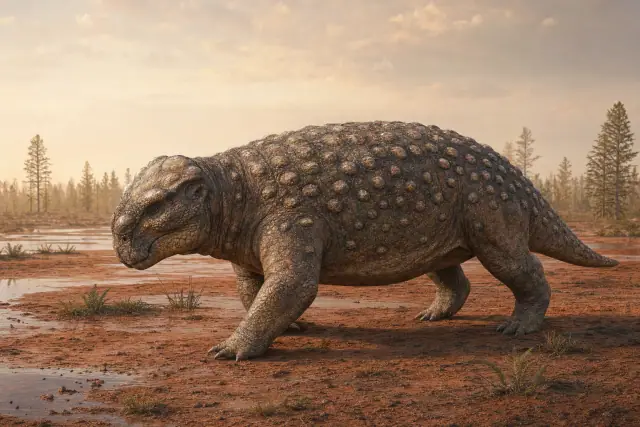
Scutosaurus karpinskii
A barrel-bodied herbivore carried bony armor beneath its skin.
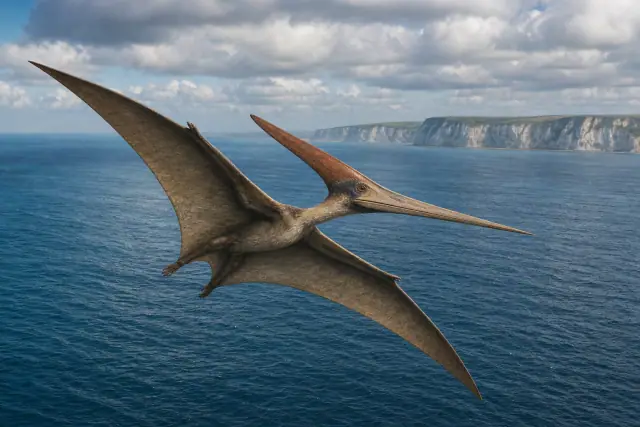
Pteranodon longiceps
Pteranodon was a toothless pterosaur above the Late Cretaceous seas of North America. It was a flying reptile, not a bird or a dinosaur.
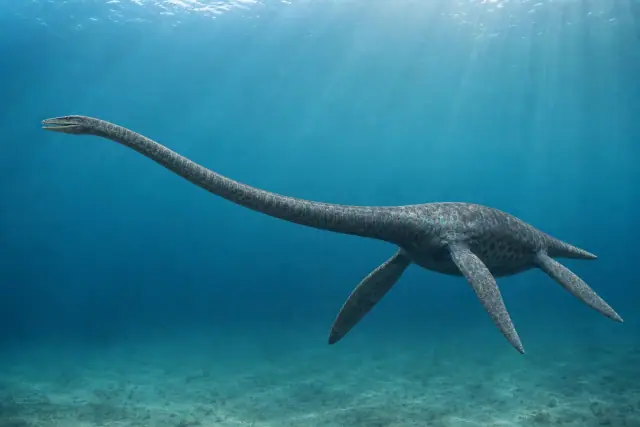
Elasmosaurus platyurus
Elasmosaurus platyurus was a long-necked marine reptile from Late Cretaceous Kansas. A 2013 reassessment counted 72 preserved neck vertebrae in its holotype.
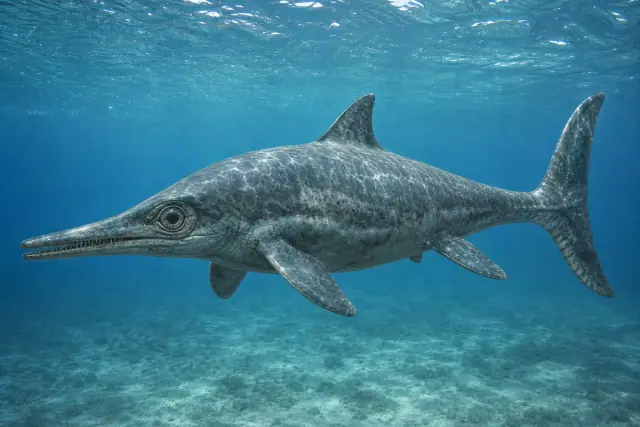
Ichthyosaurus communis
A streamlined reptile converged on the body plan of dolphins while retaining enormous eyes.
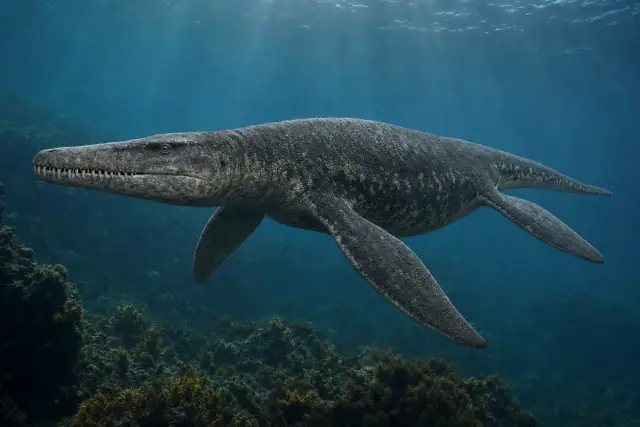
Liopleurodon ferox
Liopleurodon was a Jurassic pliosaur: a marine reptile with a large skull, short neck and four flippers. Its teeth and bones should be distinguished from television size reconstructions.
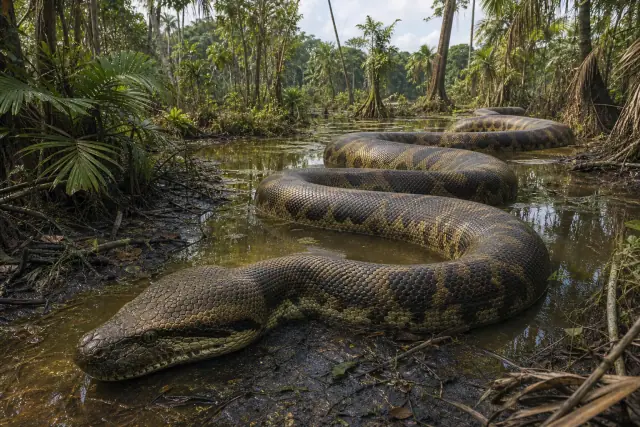
Titanoboa cerrejonensis
The largest known snake moved through hot tropical swamps after the dinosaurs vanished.
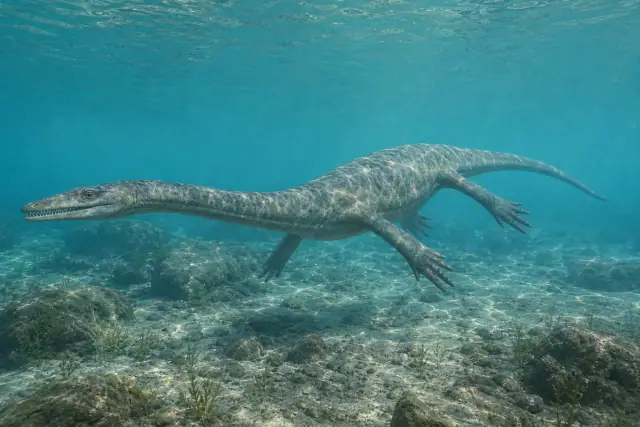
Nothosaurus mirabilis
A long-necked coastal reptile paddled through shallow Triassic seas.
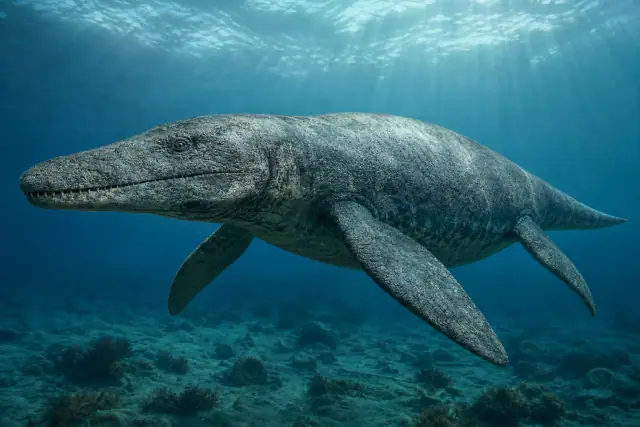
Kronosaurus queenslandicus
A massive pliosaur skull powered attacks on large marine prey.
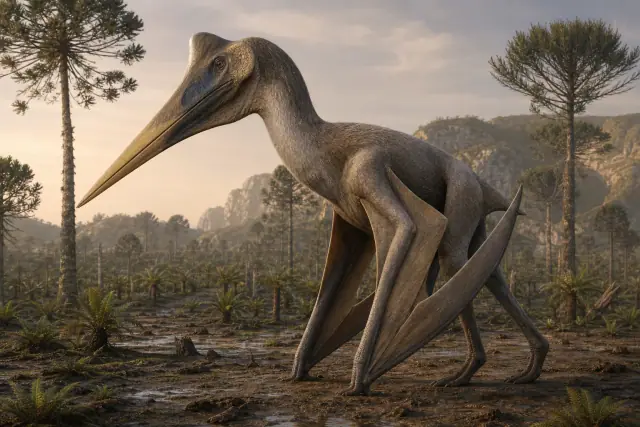
Hatzegopteryx thambema
A giant pterosaur with a robust neck stalked an island populated by dwarf dinosaurs.
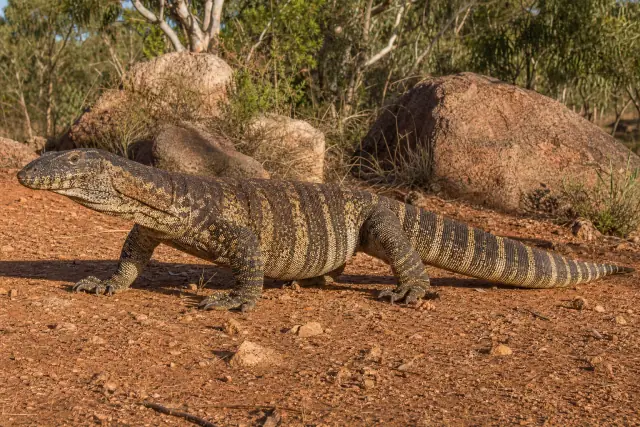
Varanus priscus
The largest known terrestrial lizard was a giant relative of monitor lizards.
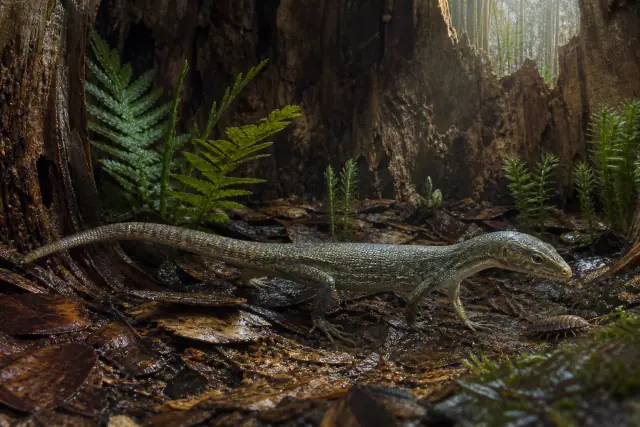
Hylonomus lyelli
This tiny insect hunter belonged to an early generation of vertebrates freed from laying eggs in water.
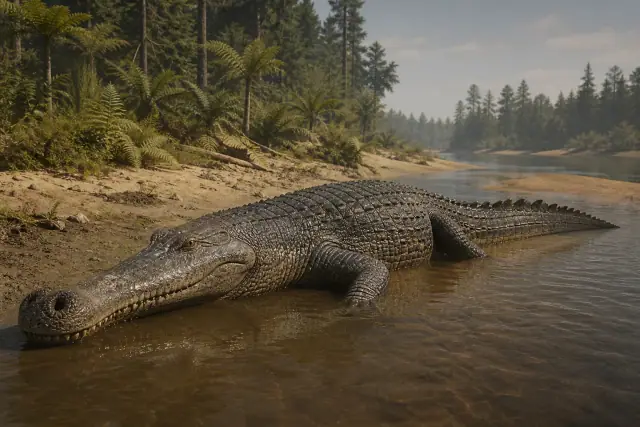
Sarcosuchus imperator
This long-snouted armored crocodyliform was not a direct ancestor of living crocodiles.
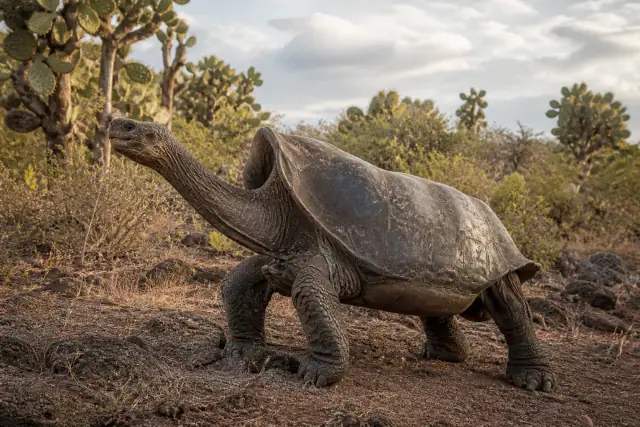
Chelonoidis abingdonii
A saddle-backed shell and long neck reached high vegetation; the last known individual died in 2012.
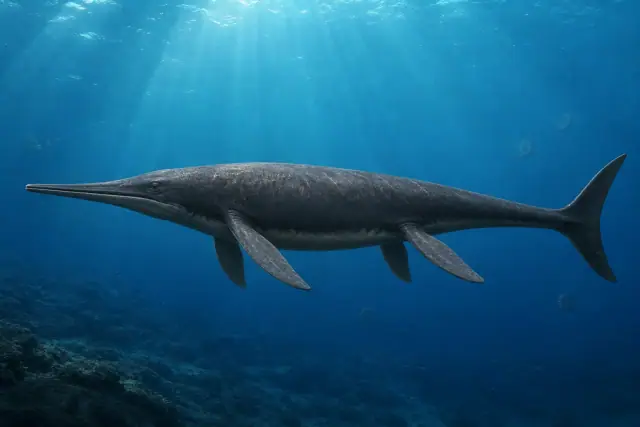
Shonisaurus popularis
This roughly fifteen-meter ichthyosaur had a long narrow snout and four flippers.
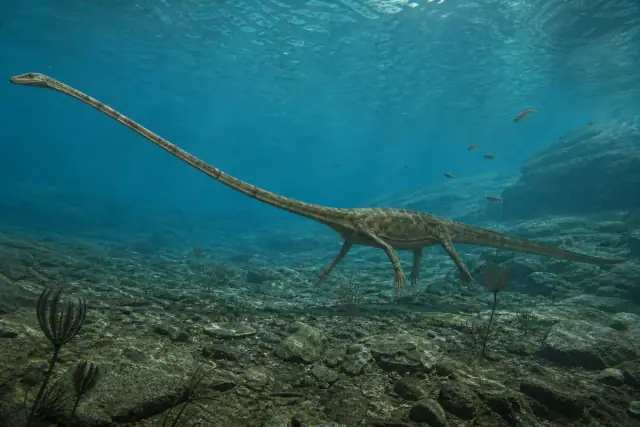
Tanystropheus hydroides
Thirteen extremely elongated vertebrae formed a neck as long as half the body, while the skull snapped at fish and cephalopods.
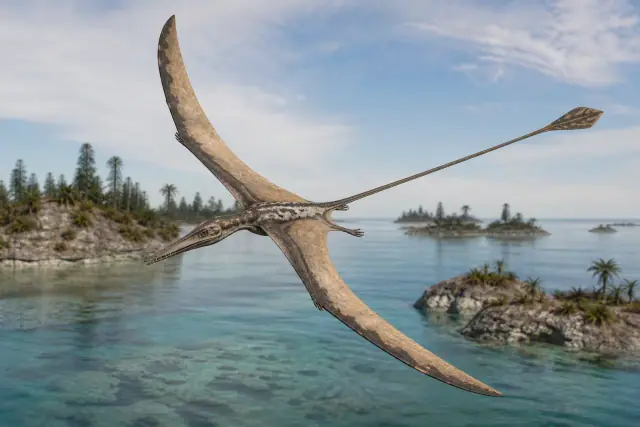
Rhamphorhynchus muensteri
Needle teeth lined long jaws while a diamond-shaped membrane at the stiff tail tip helped control flight above island seas.
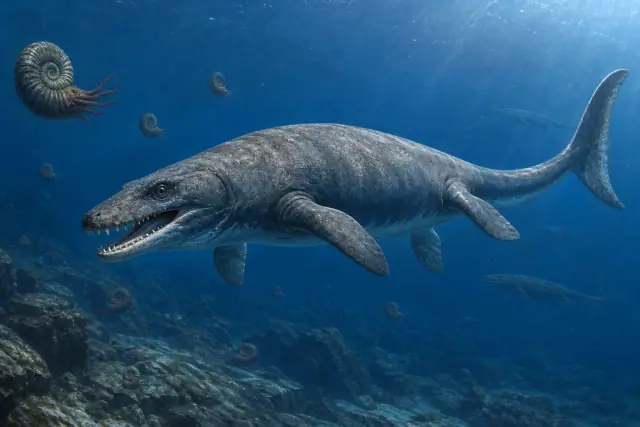
Dakosaurus maximus
A short deep skull carried serrated blades, while this marine crocodile's body had transformed into four flippers and a fishlike tail.
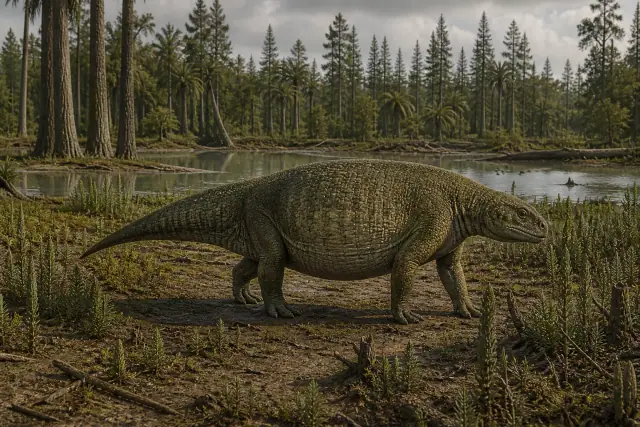
Eunotosaurus africanus
Nine pairs of broad, flattened ribs record an early stage in the evolution of the turtle shell.
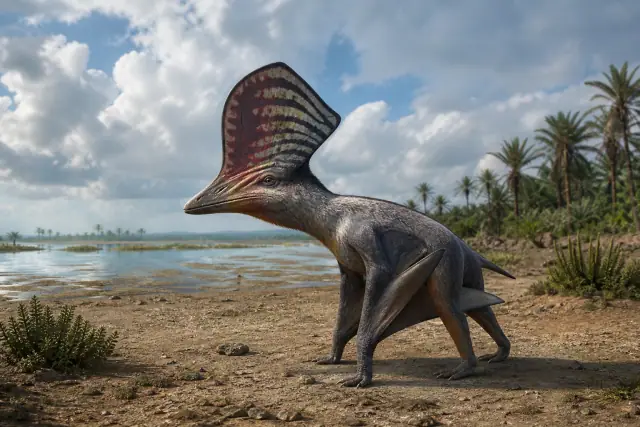
Tapejara wellnhoferi
An enormous crest rose above a short toothless beak, with soft tissue extending the bony sail still farther.
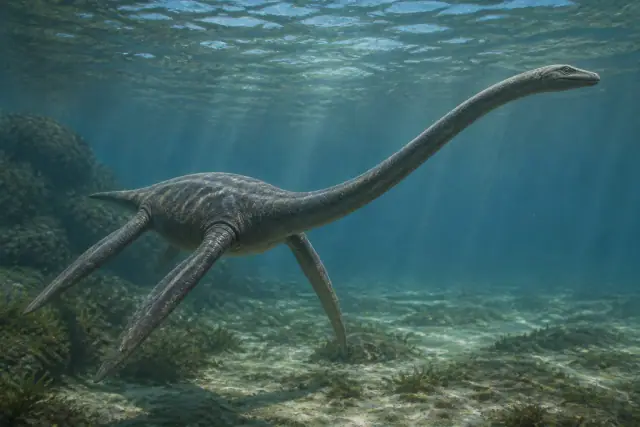
Plesiosaurus dolichodeirus
Four long flippers flew through water while a long flexible neck carried the small head toward prey.
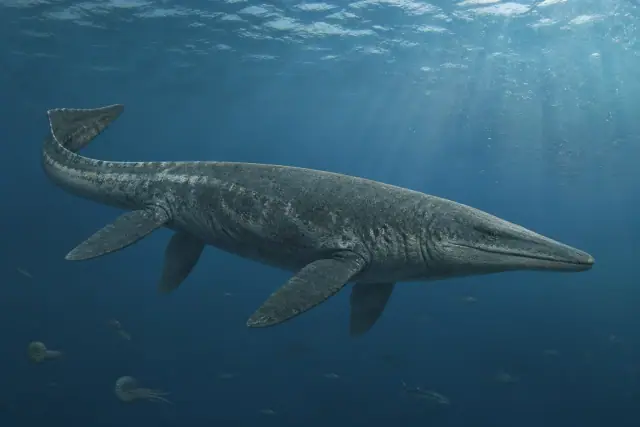
Tylosaurus proriger
A solid snout projected beyond the teeth as this giant mosasaur hunted fish, turtles and other reptiles.
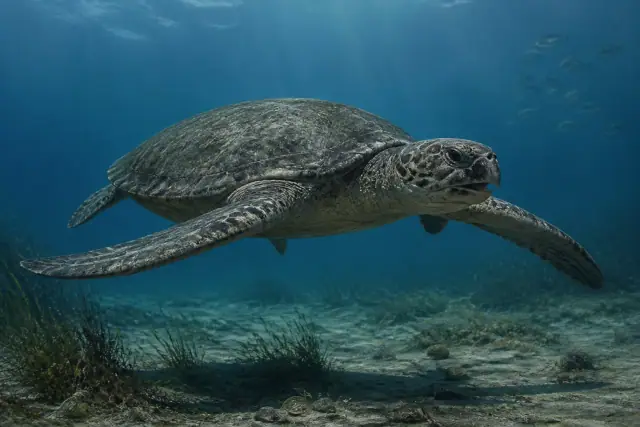
Archelon ischyros
Front flippers spanned several meters, and a leathery covering stretched over a reduced bony shell.
Explore the atlas by continent, country and state. Follow fossil localities into regional guides, compare animals across time and return to the evidence in each species profile.
FIELD GUIDES
Giants, strange body plans and lives within human memory. Follow a question into the atlas, then explore the animals behind it.