97Cenozoic
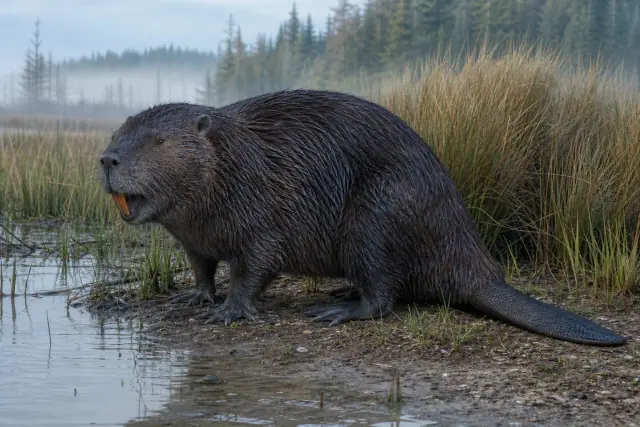
Giant Beaver
Castoroides ohioensis
This black-bear-sized beaver had ridged teeth and depended on extensive wetlands.
LIFE ARCHIVE
Browse extinct life from traces nearly 1.9 billion years old to historically recorded extinctions.
Castoroides ohioensis
This black-bear-sized beaver had ridged teeth and depended on extensive wetlands.
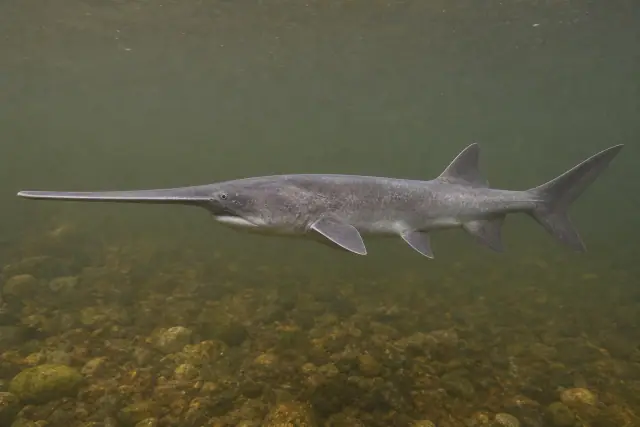
Psephurus gladius
One of the world’s largest freshwater fish migrated the length of the Yangtze.
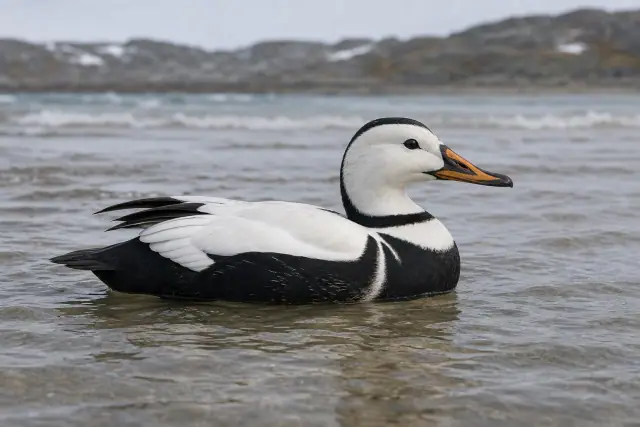
Camptorhynchus labradorius
This small sea duck had a specialized bill for feeding in shallow coastal water.
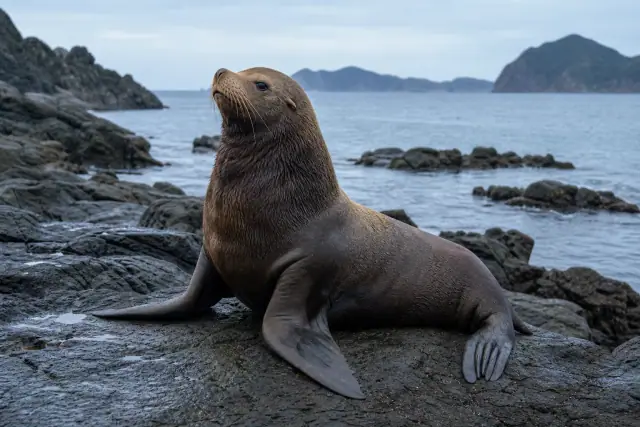
Zalophus japonicus
This large coastal sea lion bred on rocky islands across the Sea of Japan.
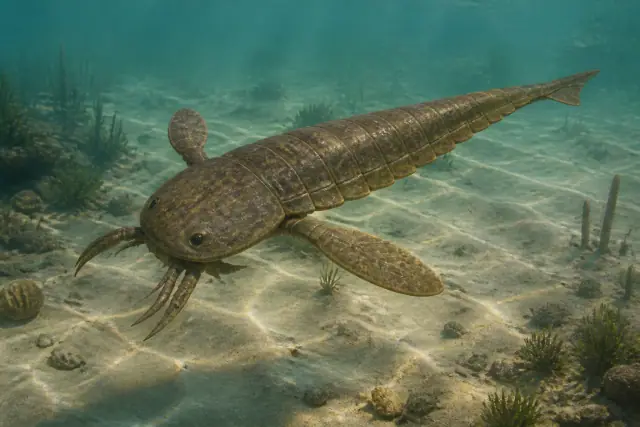
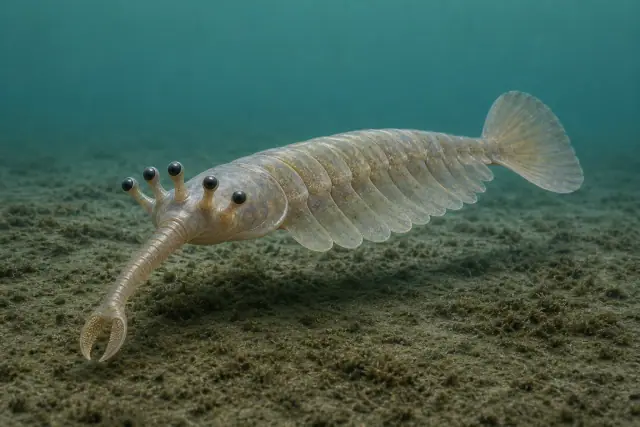
Eurypterus remipes
Paddle-shaped hind limbs carried this sea scorpion through shallow coastal water.
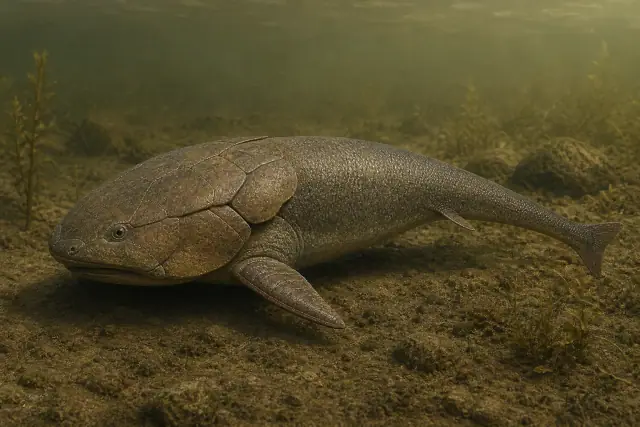
Bothriolepis canadensis
Bony armor enclosed its head and chest while jointed pectoral appendages steadied it on the bottom.
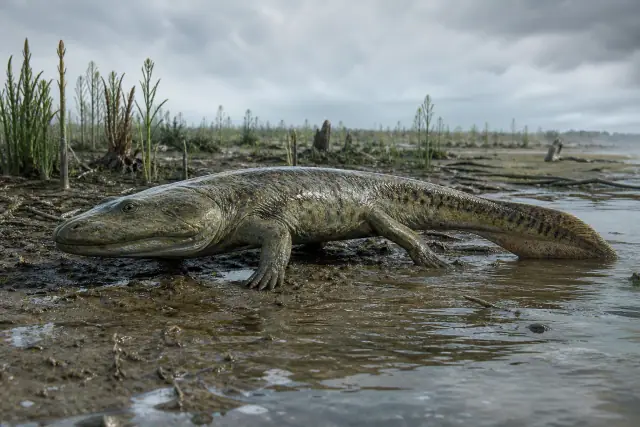
Ichthyostega stensioei
Weight-bearing limbs accompanied a fish-like tail in an animal still deeply tied to water.
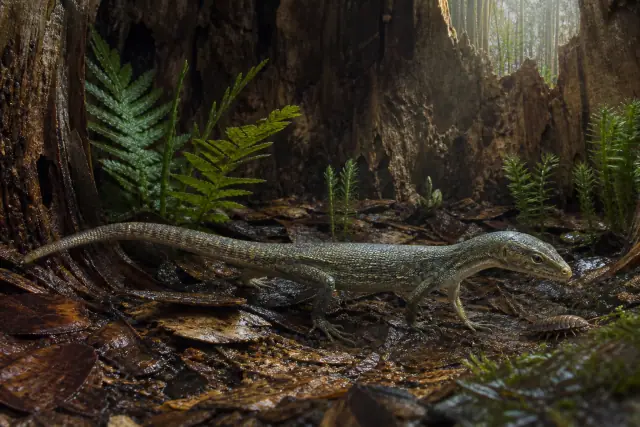
Hylonomus lyelli
This tiny insect hunter belonged to an early generation of vertebrates freed from laying eggs in water.
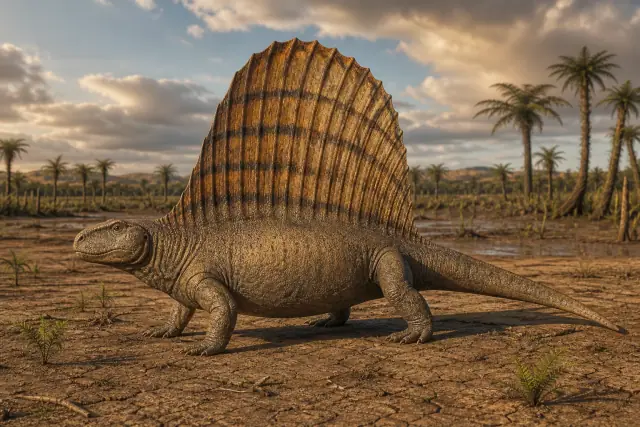
Edaphosaurus pogonias
Crossbars projected from the spines of its tall sail above a broad plant-processing body.
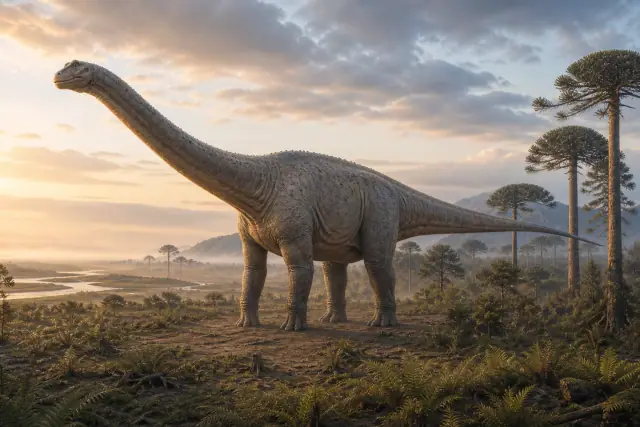
Argentinosaurus huinculensis
A handful of colossal vertebrae and limb bones indicate one of the largest land animals known.
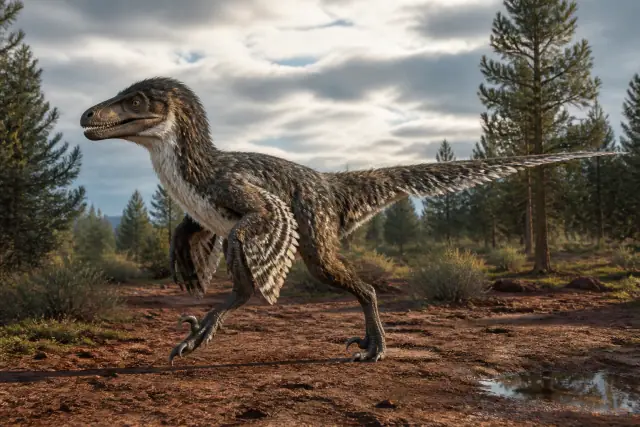
Utahraptor ostrommaysorum
This huge, robust dromaeosaur used strength and a curved second-toe claw to control prey.
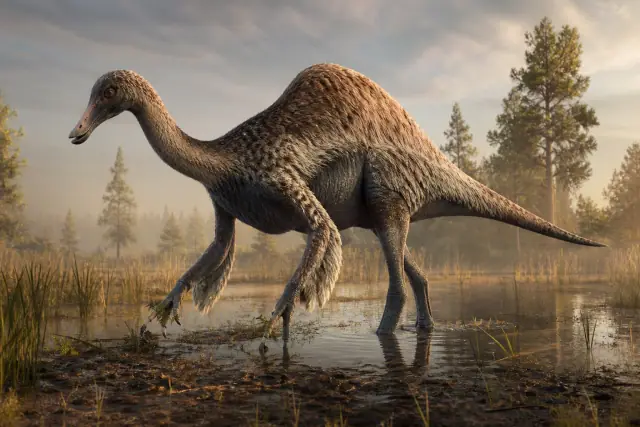
Deinocheirus mirificus
Huge arms, a broad bill, a tall back and wide feet formed one of the strangest dinosaur silhouettes.
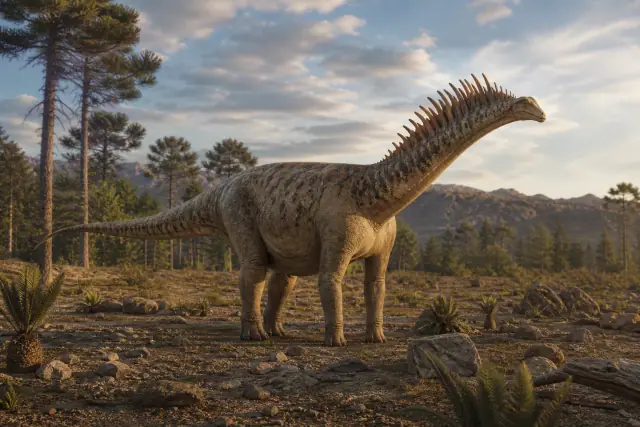
Amargasaurus cazaui
Two rows of elongated neck spines made its profile unique, though their soft-tissue covering remains debated.
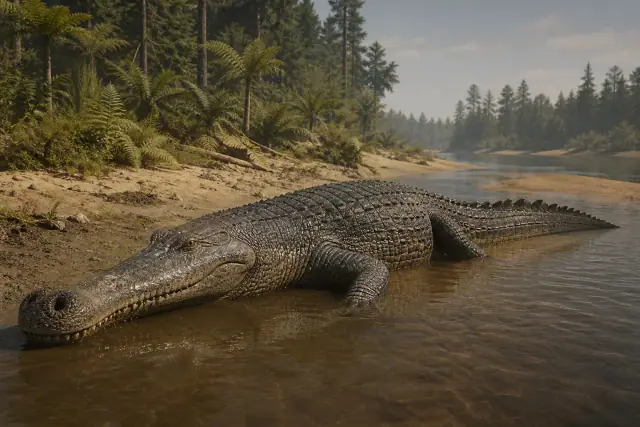
Sarcosuchus imperator
This long-snouted armored crocodyliform was not a direct ancestor of living crocodiles.
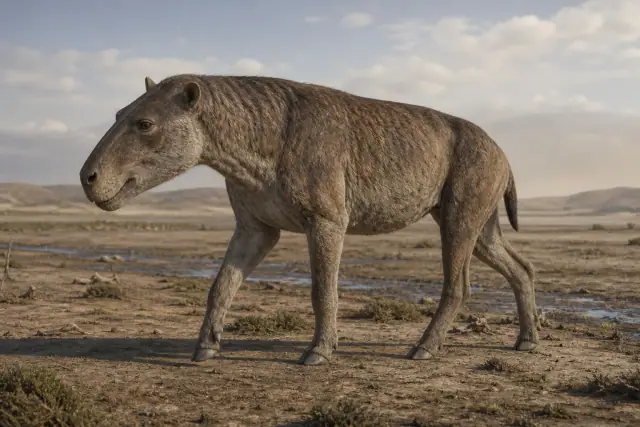
Andrewsarchus mongoliensis
Nearly everything known directly comes from one enormous skull, leaving the body unusually uncertain.
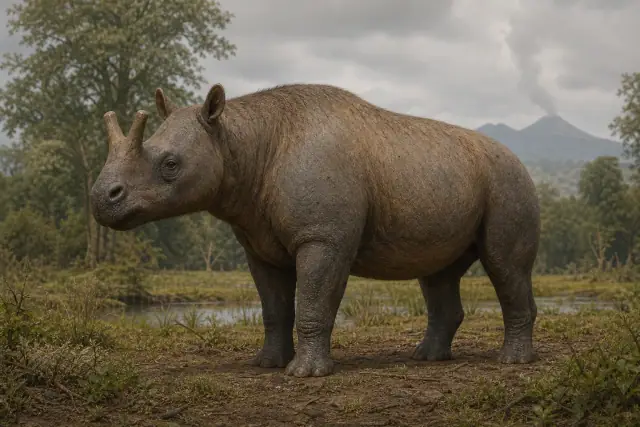
Megacerops coloradensis
It resembled a rhinoceros but belonged to the extinct brontotheres and carried paired nasal horns.
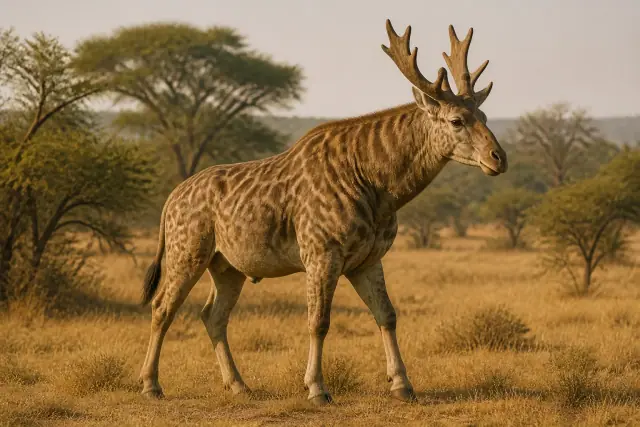
Sivatherium giganteum
A massive body, broad feet and four ossicones made this giraffid resemble both deer and cattle.
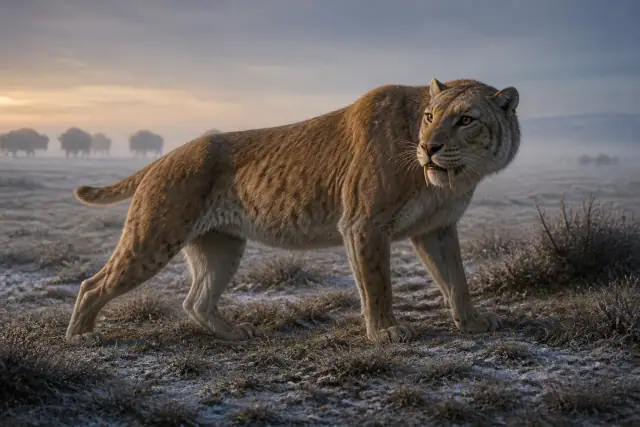
Homotherium serum
Short blade-like canines, long forelimbs and a sloping back suited pursuit of large prey.
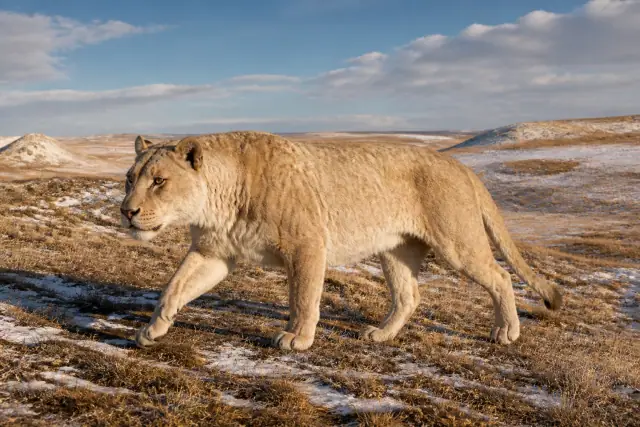
Panthera spelaea
Ice Age art usually shows this immense cat without the heavy mane of many modern male lions.
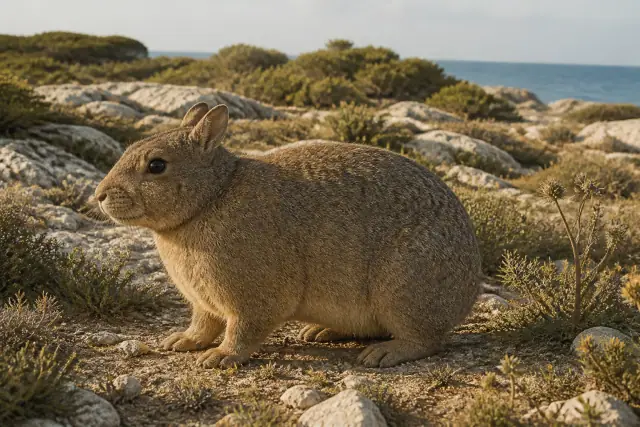
Nuralagus rex
Without large predators, this heavy island rabbit evolved small ears and lost efficient hopping.
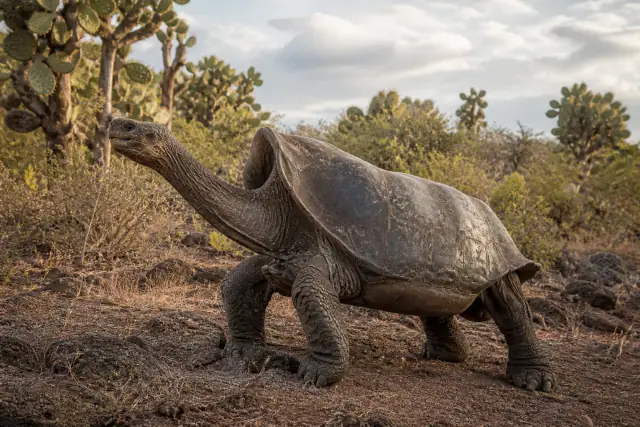
Chelonoidis abingdonii
A saddle-backed shell and long neck reached high vegetation; the last known individual died in 2012.
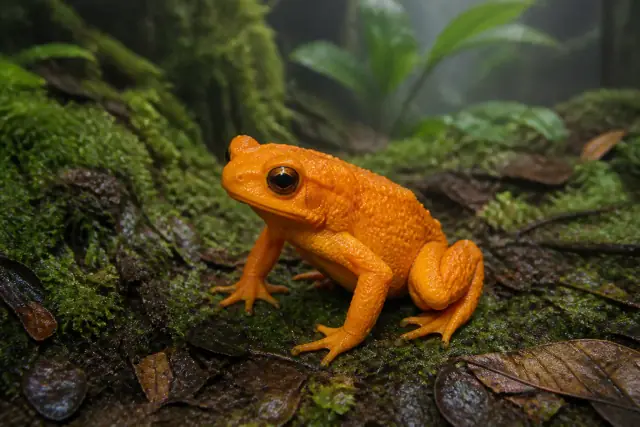
Incilius periglenes
Brilliant orange males gathered briefly each rainy season within a tiny highland range.
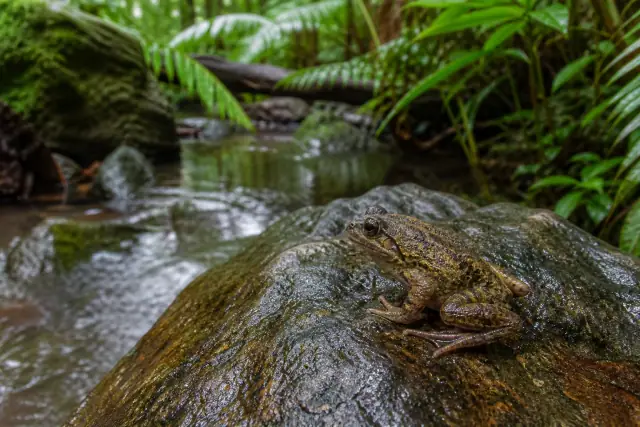
Rheobatrachus silus
Females swallowed fertilized eggs, suppressed stomach acid and released developed froglets from the mouth.
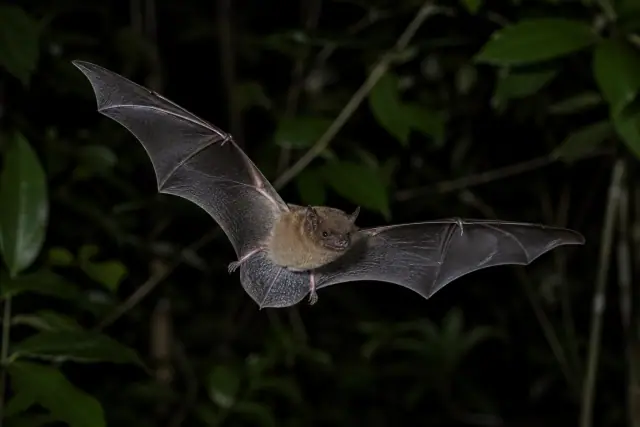
Pipistrellus murrayi
This palm-sized insect bat fell from island-wide abundance to a final acoustic signal in 2009.
Explore the atlas by continent, country and state. Follow fossil localities into regional guides, compare animals across time and return to the evidence in each species profile.
FIELD GUIDES
Giants, strange body plans and lives within human memory. Follow a question into the atlas, then explore the animals behind it.