73Recently extinct
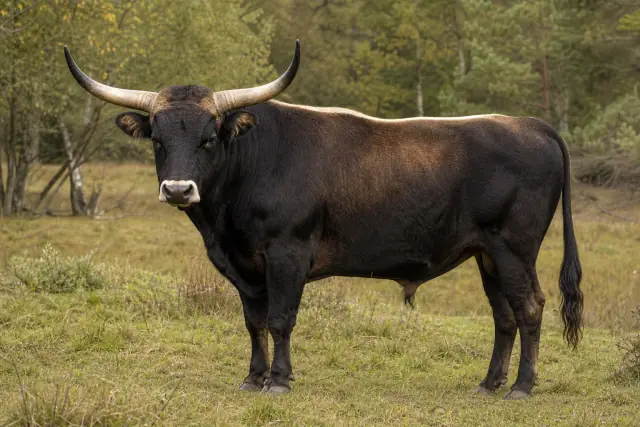
Aurochs
Bos primigenius
The powerful wild ancestor of domestic cattle once ranged across three continents.
LIFE ARCHIVE
Browse extinct life from traces nearly 1.9 billion years old to historically recorded extinctions.
Bos primigenius
The powerful wild ancestor of domestic cattle once ranged across three continents.
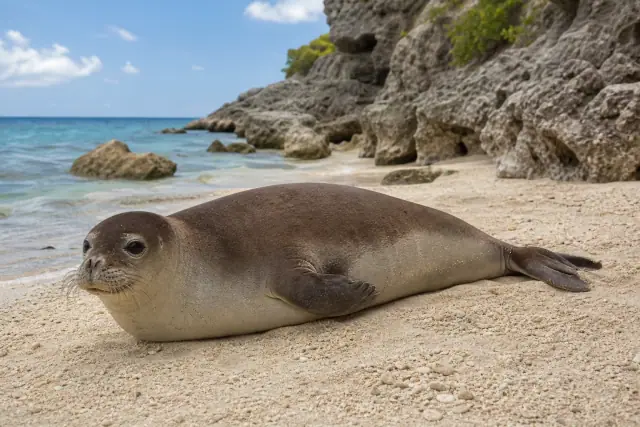
Neomonachus tropicalis
The only seal endemic to the Caribbean rested and bred on warm sandy shores.
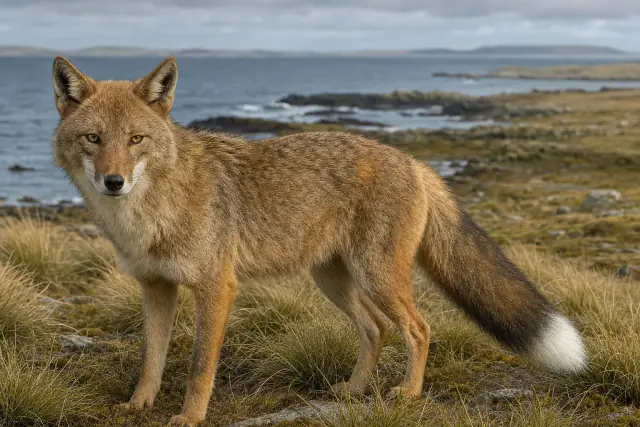
Dusicyon australis
This unusually tame island canid was the Falklands’ only native land mammal.
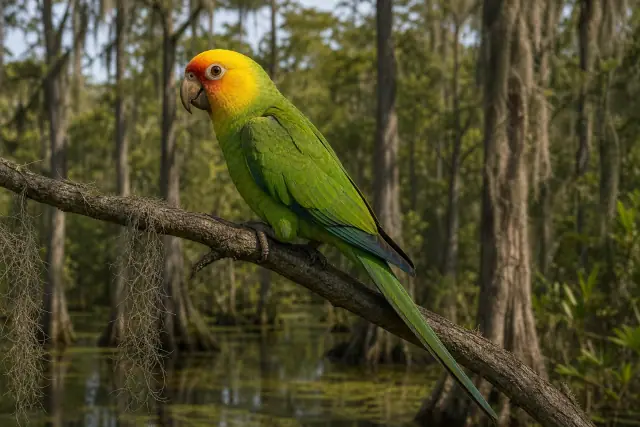
Conuropsis carolinensis
Bright green flocks once made this the only parrot native to the eastern United States.
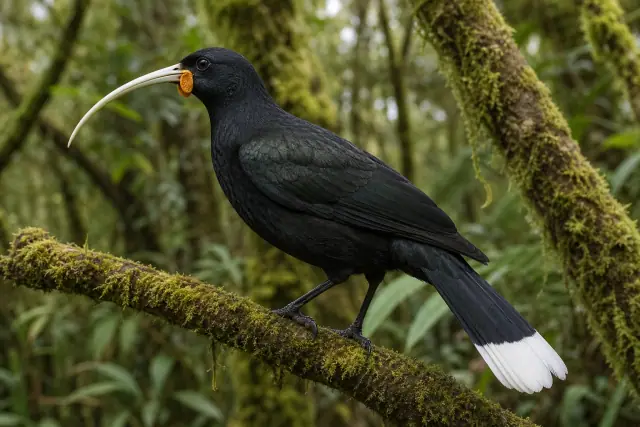
Heteralocha acutirostris
Males and females had dramatically different bills but foraged as a pair.
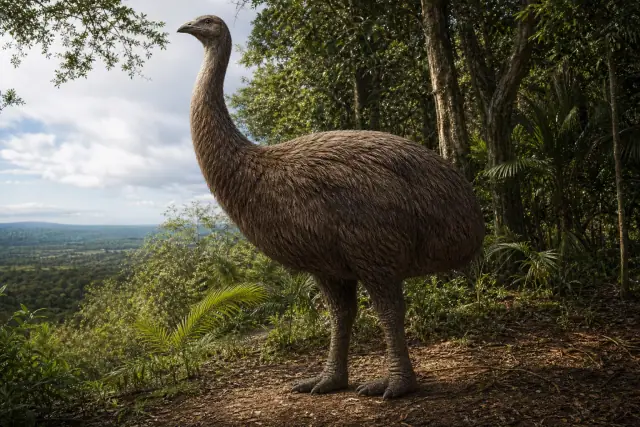
Aepyornis maximus
These massive flightless birds laid the largest eggs known from any vertebrate.
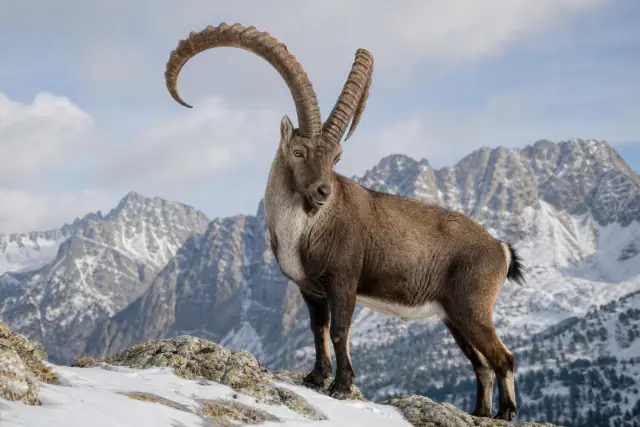
Capra pyrenaica pyrenaica
The bucardo was the first extinct animal briefly brought back as a clone—and the first to go extinct twice.
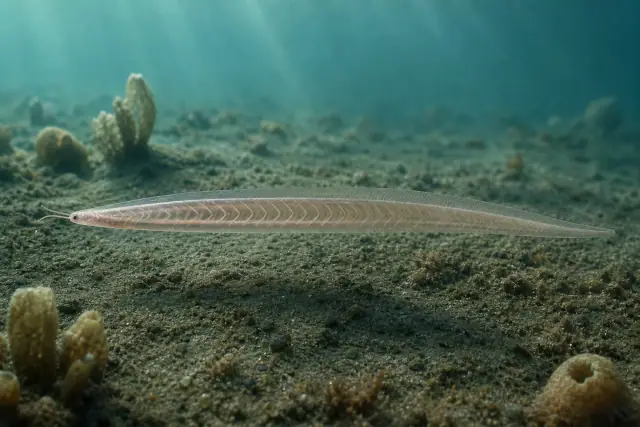
Pikaia gracilens
A slender body preserves repeated muscle blocks and internal traces important for interpreting early chordates.
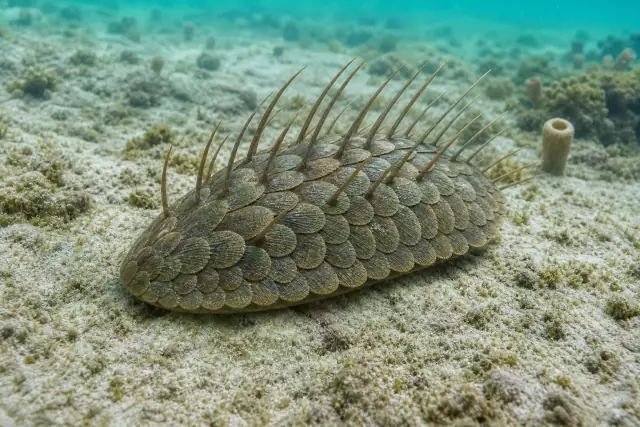
Wiwaxia corrugata
Rows of scales and long spines armored this small seafloor grazer.
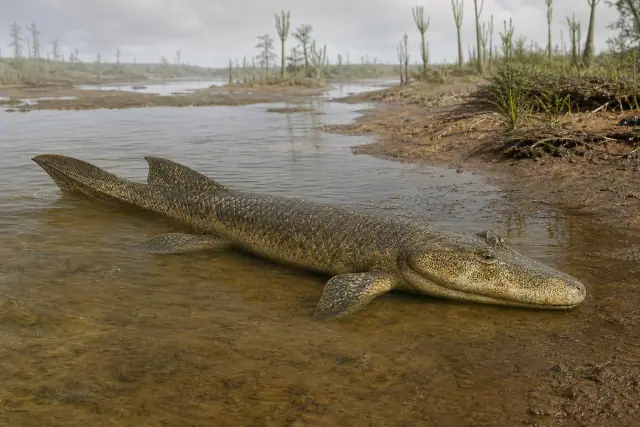
Tiktaalik roseae
A flat-headed fish with a mobile neck and wrist-like fin bones approached the anatomy of early tetrapods.
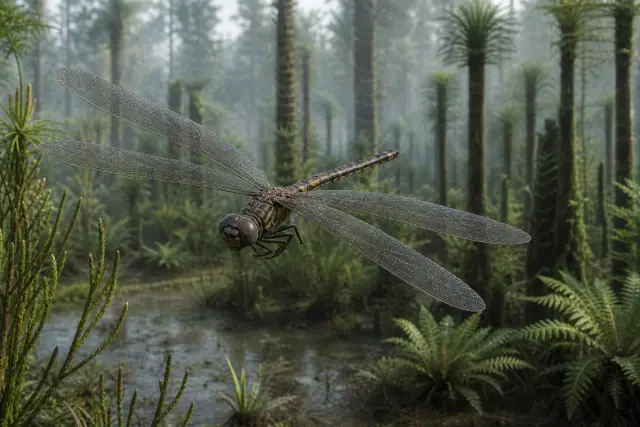
Meganeura monyi
This griffinfly’s wings spanned roughly seventy centimeters above Carboniferous forests.
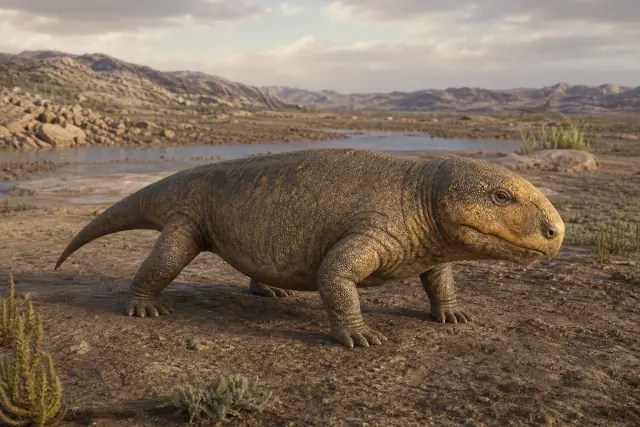
Moschops capensis
A thick skull roof capped this heavy plant-eating mammal relative.
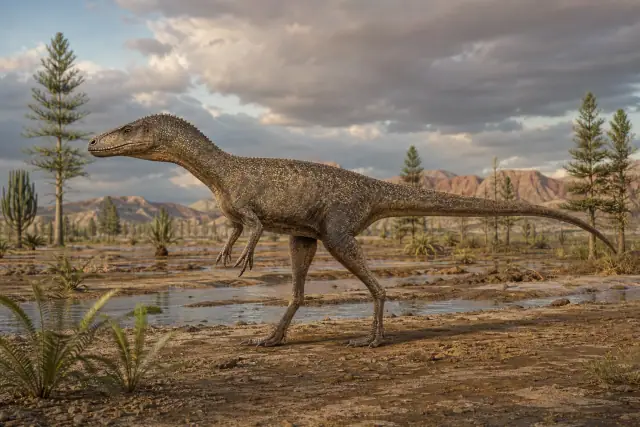
Herrerasaurus ischigualastensis
One of the earliest large dinosaurs was a lightly built two-legged predator.
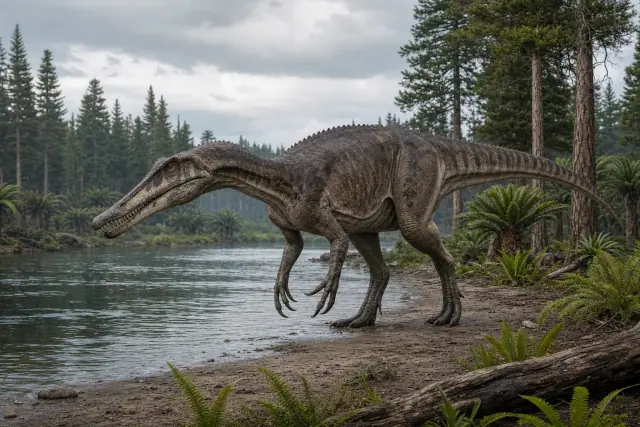
Baryonyx walkeri
A crocodile-like snout and huge thumb claw equipped this theropod to catch fish and other prey.
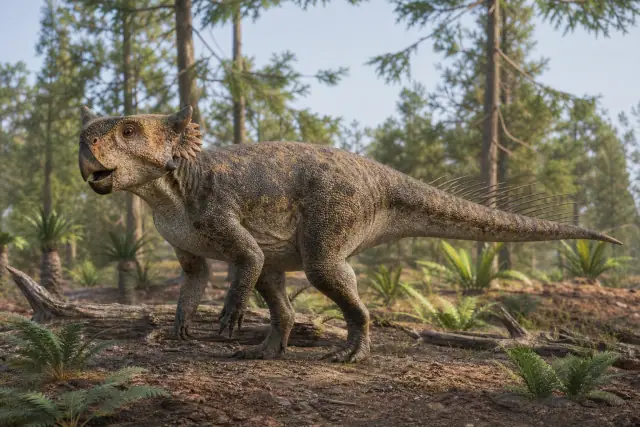
Psittacosaurus mongoliensis
A deep parrot-like beak helped this early horned dinosaur process plants; this record distinguishes P. mongoliensis from other specimens of the genus.
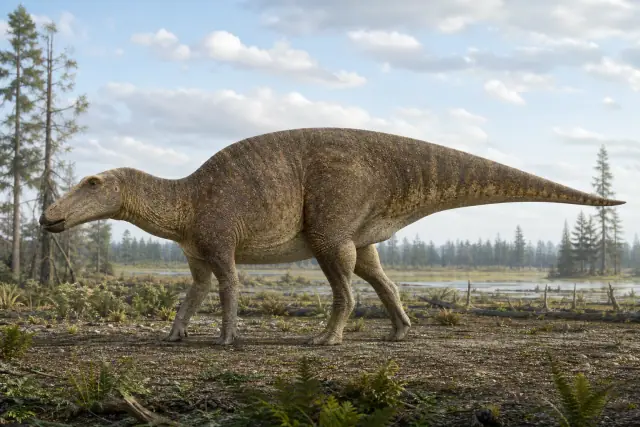
Edmontosaurus annectens
A broad duck bill and dense dental batteries processed huge amounts of vegetation.
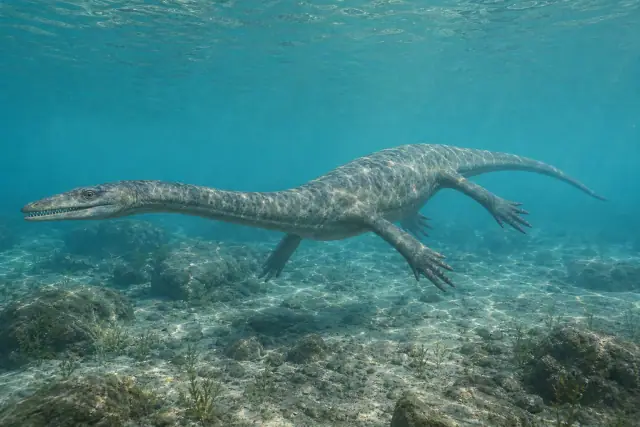
Nothosaurus mirabilis
A long-necked coastal reptile paddled through shallow Triassic seas.
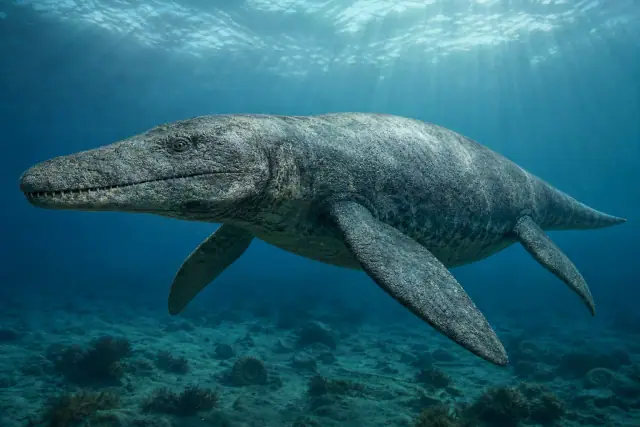
Kronosaurus queenslandicus
A massive pliosaur skull powered attacks on large marine prey.
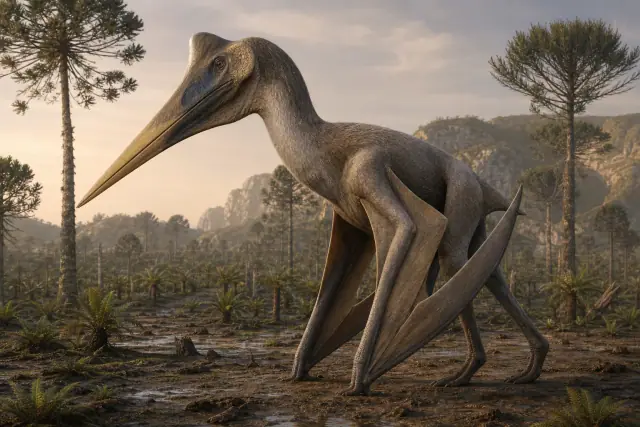
Hatzegopteryx thambema
A giant pterosaur with a robust neck stalked an island populated by dwarf dinosaurs.
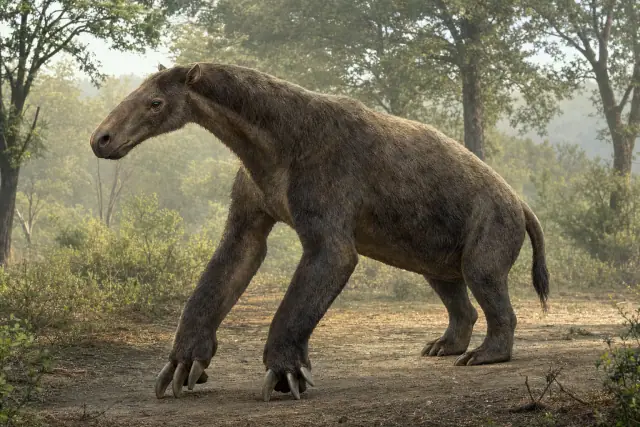
Chalicotherium goldfussi
Long clawed forelimbs made this horse relative walk on its knuckles.
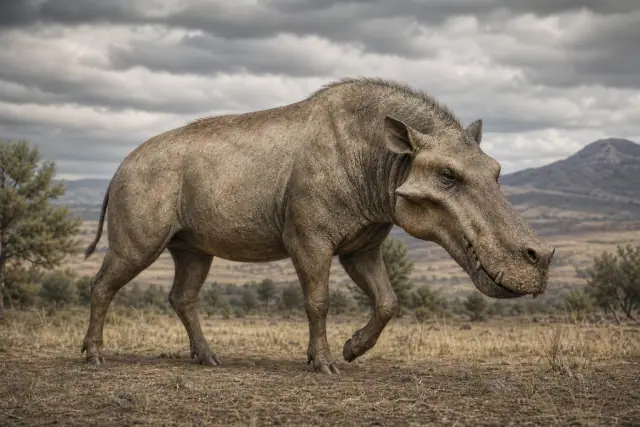
Daeodon shoshonensis
A huge deep-skulled omnivore belonged to the entelodonts, not to true pigs.
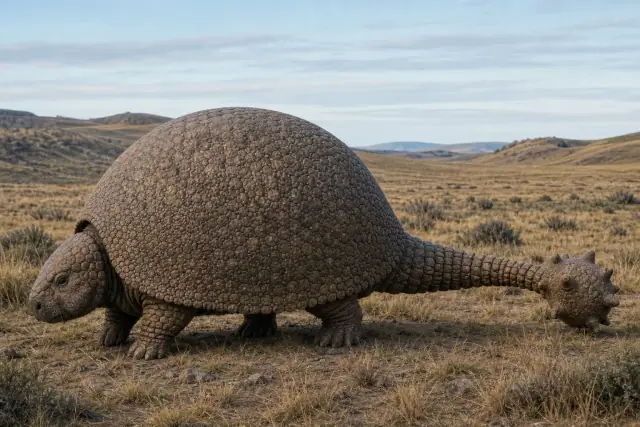
Doedicurus clavicaudatus
A spiked tail club completed the armor of this giant glyptodont.
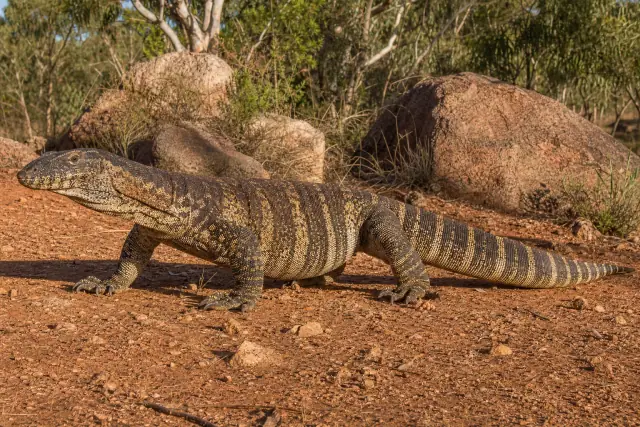
Varanus priscus
The largest known terrestrial lizard was a giant relative of monitor lizards.
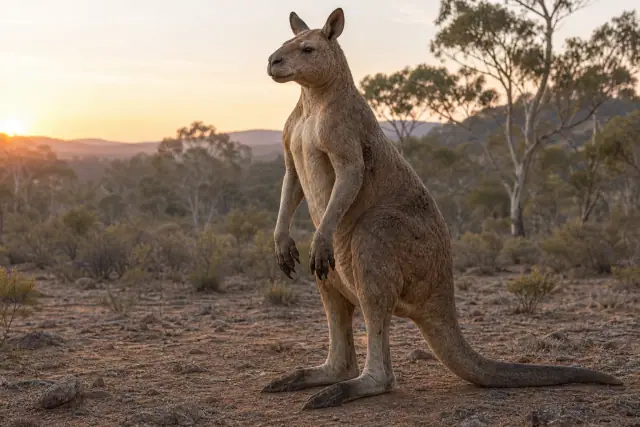
Procoptodon goliah
A broad face, forward-looking eyes and single-toed feet distinguished this giant kangaroo.
Explore the atlas by continent, country and state. Follow fossil localities into regional guides, compare animals across time and return to the evidence in each species profile.
FIELD GUIDES
Giants, strange body plans and lives within human memory. Follow a question into the atlas, then explore the animals behind it.