379Cenozoic
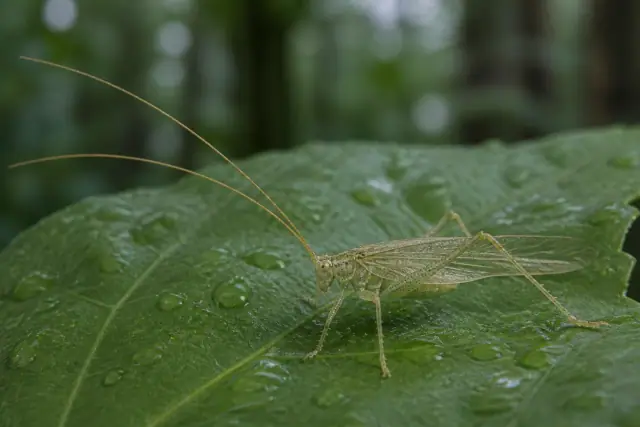
Eomortoniellus
Eomortoniellus handlirschi
Tiny ear canals in the forelegs show that it heard ultrasonic calls.
LIFE ARCHIVE
Browse extinct life from traces nearly 1.9 billion years old to historically recorded extinctions.
Eomortoniellus handlirschi
Tiny ear canals in the forelegs show that it heard ultrasonic calls.
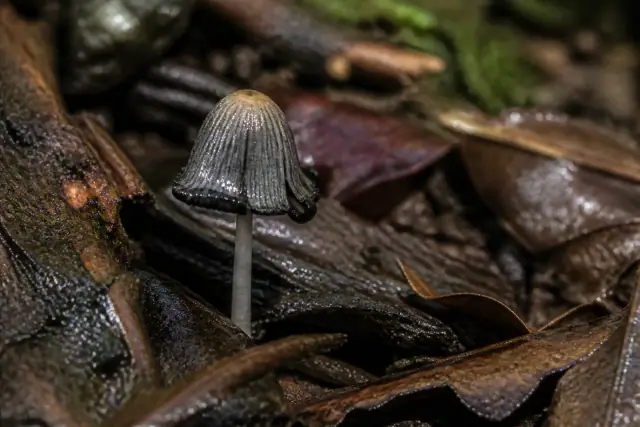
Coprinites dominicana
Its pleated bell cap may have deliquesced like a modern inkcap.
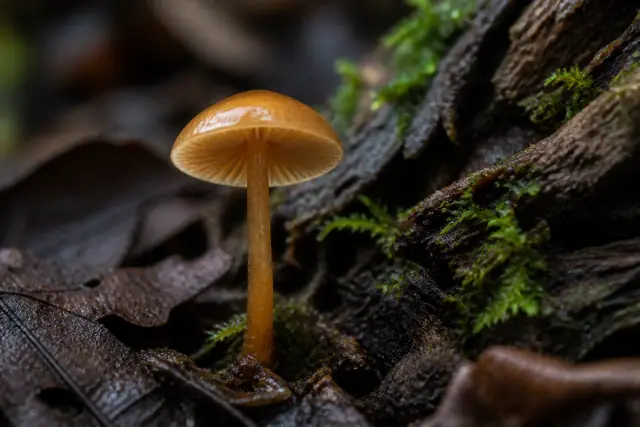
Aureofungus yaniguaensis
A golden-brown cap retained three-dimensional gills in amber.
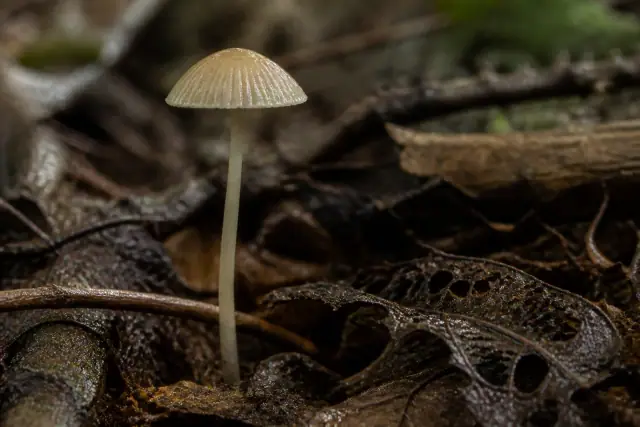
Protomycena electra
Radial striations remained visible across a minute translucent cap.
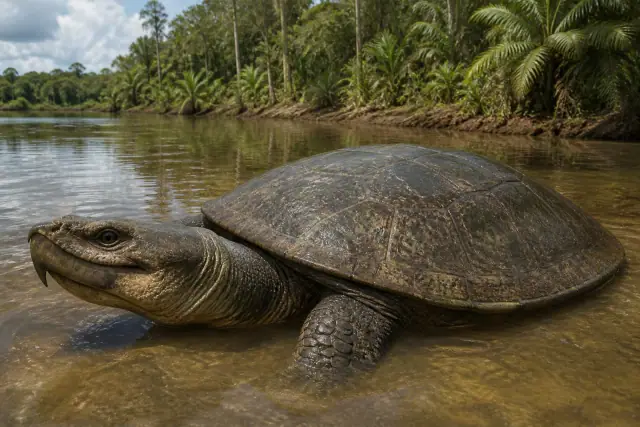
Carbonemys cofrinii
A shell nearly two meters long came from hot wetlands soon after the dinosaur extinction.
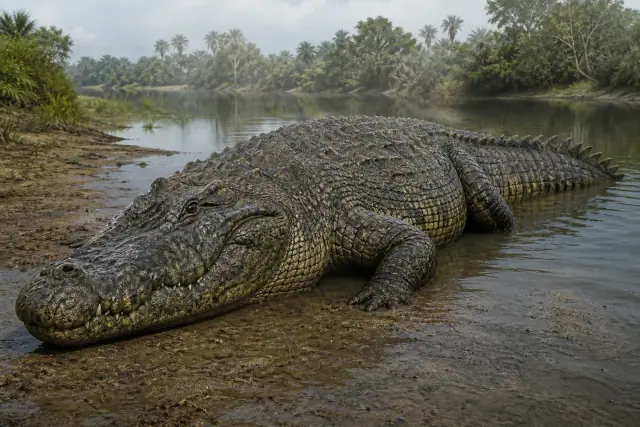
Purussaurus brasiliensis
A skull over a meter long belonged to a dominant Miocene caiman.
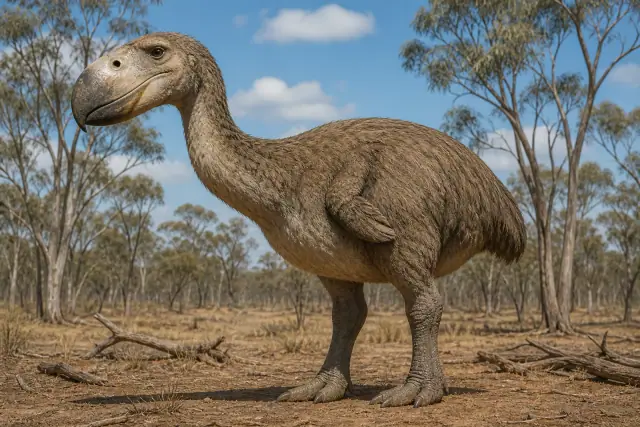
Dromornis stirtoni
Three meters tall with a massive beak, it was among the heaviest birds.
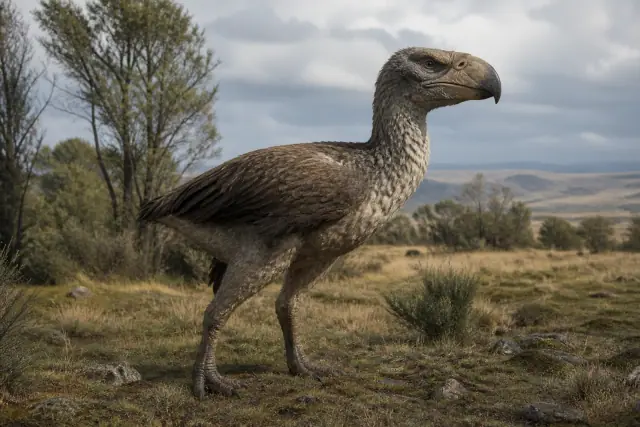
Kelenken guillermoi
A seventy-centimeter skull and hooked beak armed one of the largest terror birds.
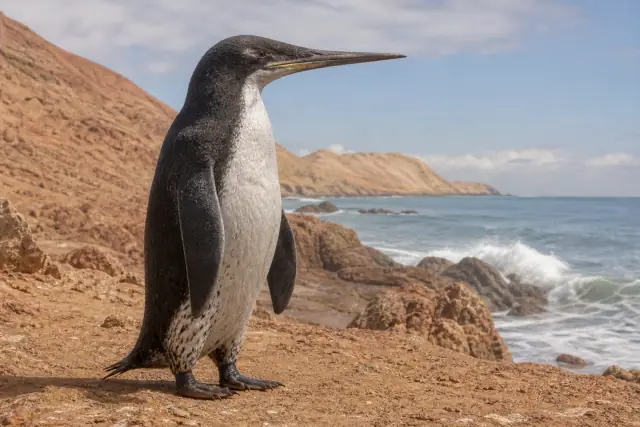
Icadyptes salasi
A one-and-a-half-meter penguin lived near the equator with a spear-like beak.
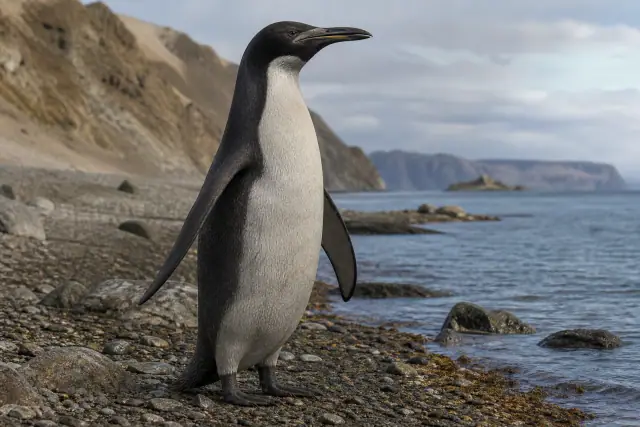
Anthropornis nordenskjoeldi
At almost 1.8 meters, it was a giant diver on a warmer Antarctic coast.
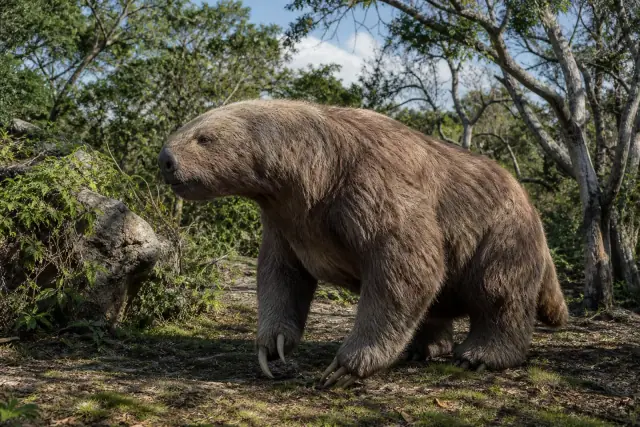
Megalocnus rodens
Megalocnus rodens was a large Cuban ground sloth that survived into the Holocene.
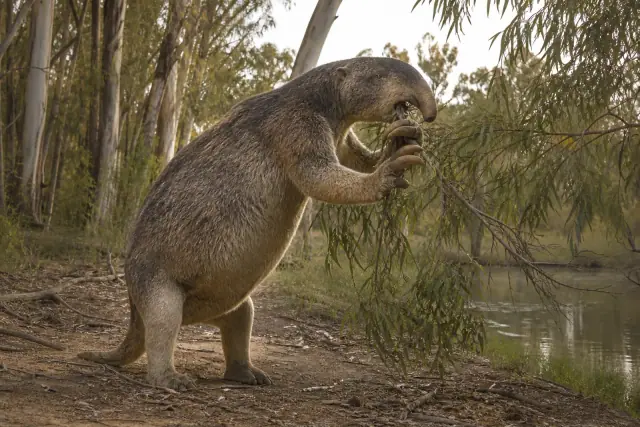
Palorchestes azael
A mobile snout, huge claws and strange forelimbs belonged to a marsupial unlike any tapir.
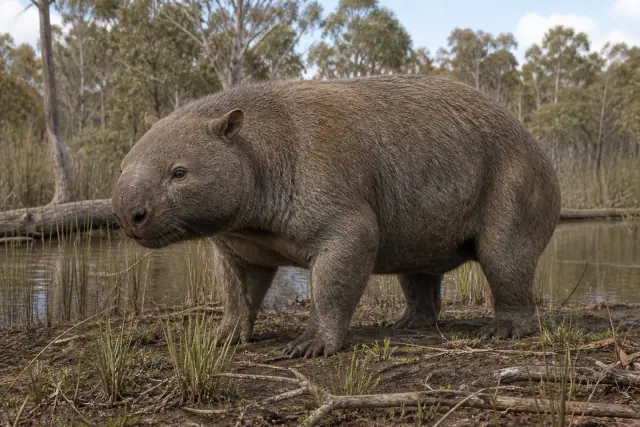
Zygomaturus trilobus
A cow-sized wombat relative carried a broad snout and heavy limbs.
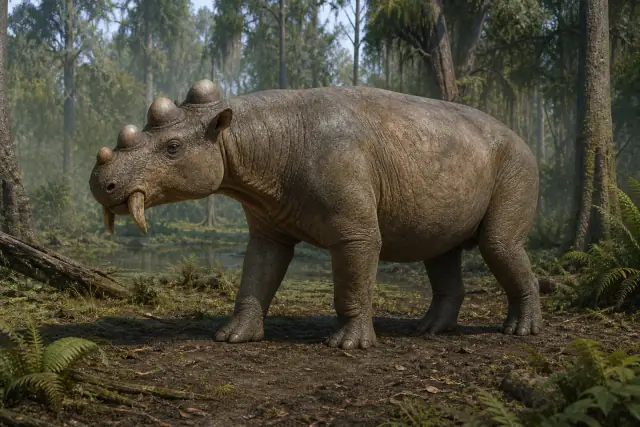
Eobasileus cornutus
Three pairs of skull bosses and long canines crowned a rhino-sized herbivore.
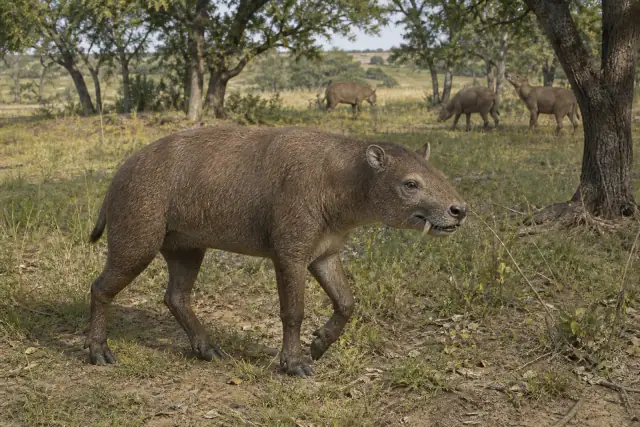
Merycoidodon culbertsonii
A short face, tusk-like canines and grinding cheeks marked a herd-forming artiodactyl relative.
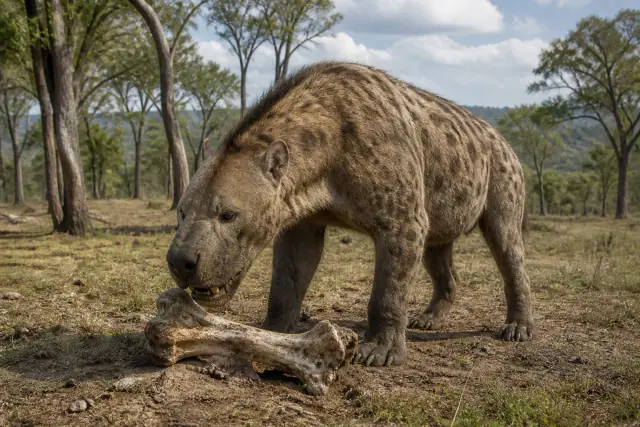
Dinocrocuta gigantea
Massive jaws and rounded carnassials crushed bone, though it was not a modern hyena.
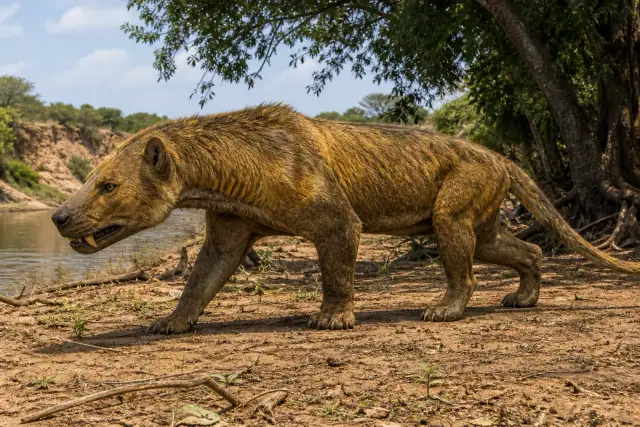
Simbakubwa kutokaafrika
Huge cutting teeth came from a hyaenodont predator heavier than a modern lion.
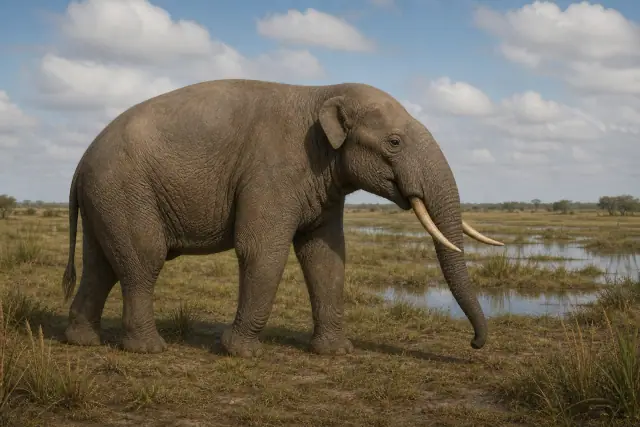
Notiomastodon platensis
A flexible proboscidean crossed many habitats and ate mixed vegetation.
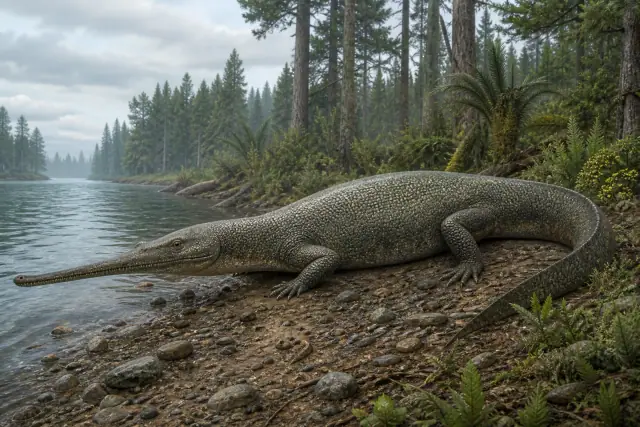
Champsosaurus gigas
Long jaws and a powerful tail let choristoderes retain a crocodile-like niche after the dinosaurs.
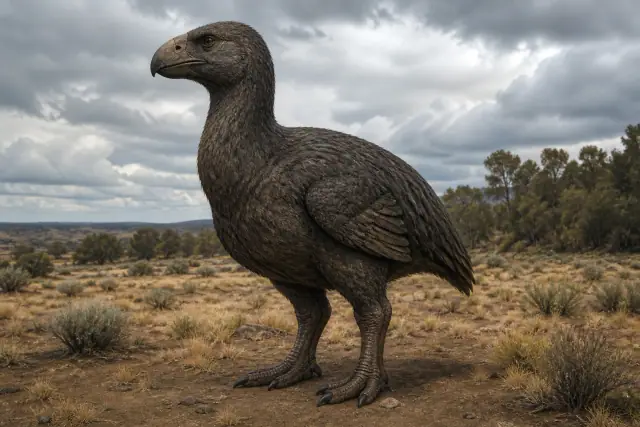
Brontornis burmeisteri
Brontornis burmeisteri was a giant flightless bird with exceptionally robust hind limbs.
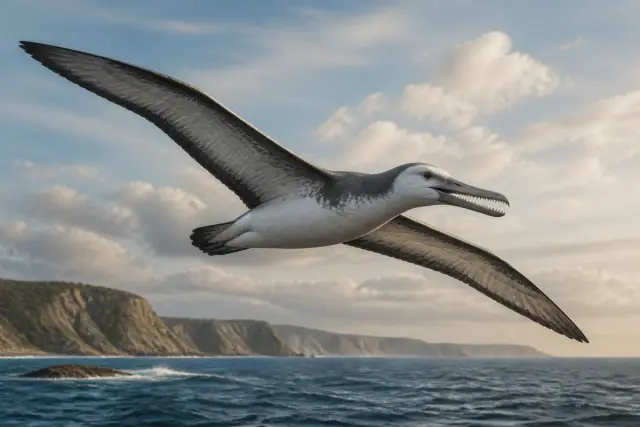
Dasornis emuinus
A near-six-meter wingspan and bony pseudoteeth armed a giant seabird.
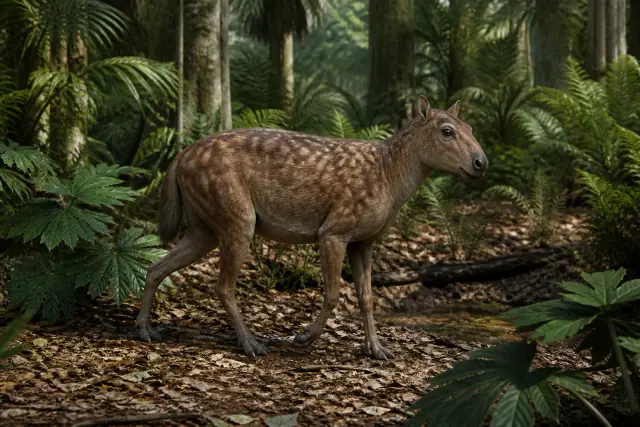
Propalaeotherium hassiacum
This fox-sized perissodactyl was a palaeothere relative, not a direct horse ancestor.
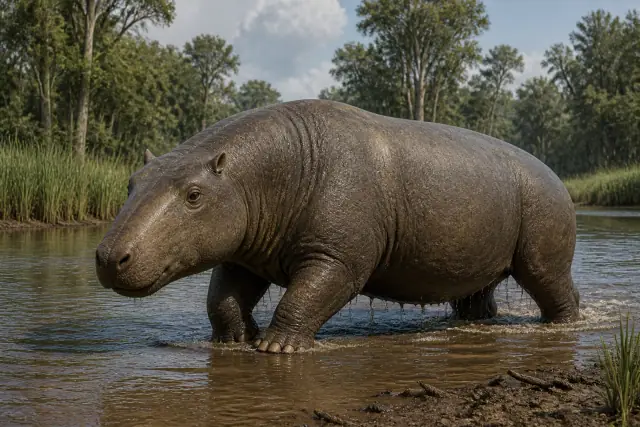
Metamynodon planifrons
Short legs, a broad body and high-set eyes adapted a hornless rhinoceros relative to semiaquatic life.
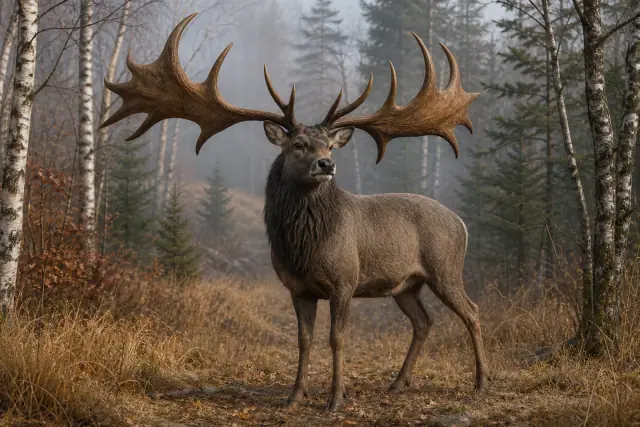
Sinomegaceros yabei
Palmate branching antlers made this East Asian giant deer especially conspicuous.
Explore the atlas by continent, country and state. Follow fossil localities into regional guides, compare animals across time and return to the evidence in each species profile.
FIELD GUIDES
Giants, strange body plans and lives within human memory. Follow a question into the atlas, then explore the animals behind it.