246Cenozoic
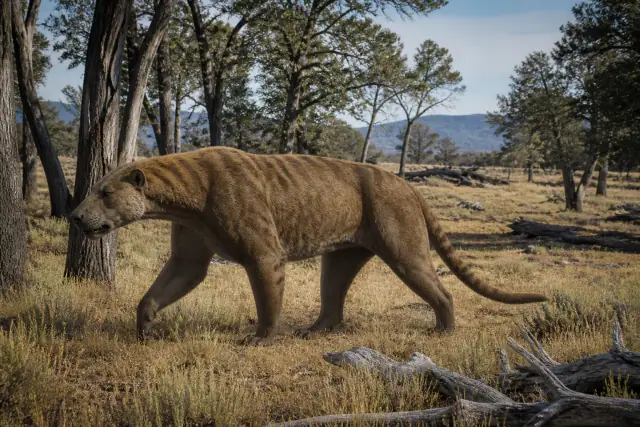
Amphicyon
Amphicyon ingens
A bear-heavy torso combined with a dog-like long skull and tail, inspiring the name bear-dog.
LIFE ARCHIVE
Browse extinct life from traces nearly 1.9 billion years old to historically recorded extinctions.
Amphicyon ingens
A bear-heavy torso combined with a dog-like long skull and tail, inspiring the name bear-dog.
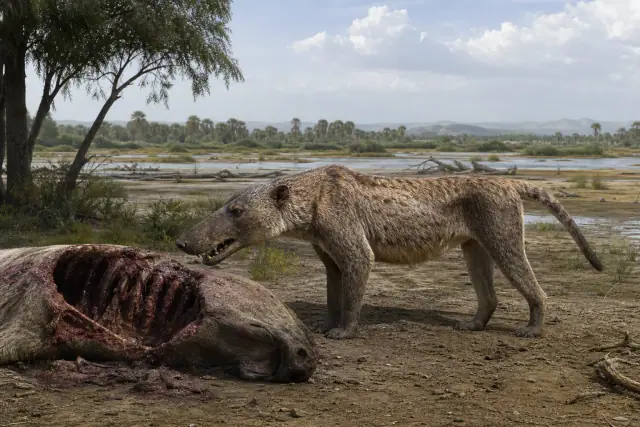
Megistotherium osteothlastes
A giant hyaenodont with a skull about 66 cm long. Body-mass estimates are uncertain, and it was neither a hyena nor a big cat.
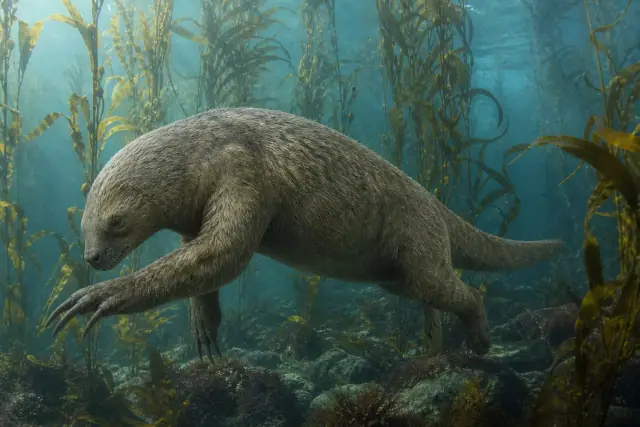
Thalassocnus natans
A sloth lineage with aquatic adaptations, including dense bones that could help control buoyancy.
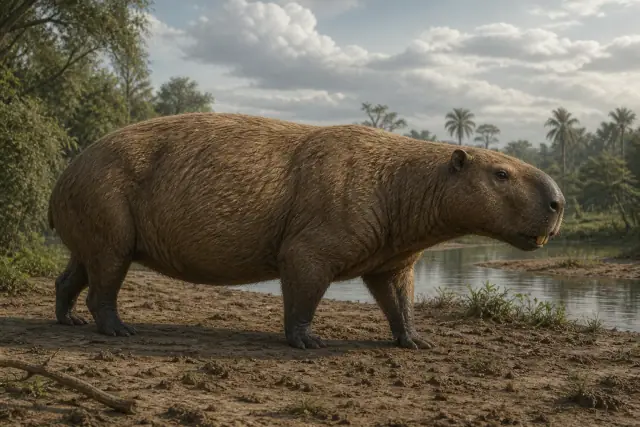
Josephoartigasia monesi
It may have approached a tonne, with giant incisors capable of generating exceptional bite forces.
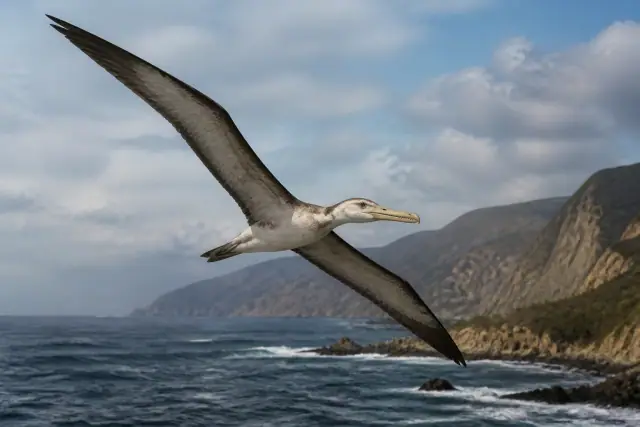
Pelagornis sandersi
Its estimated wingspan exceeded six meters, while bony pseudoteeth lined a beak adapted to slippery marine prey.
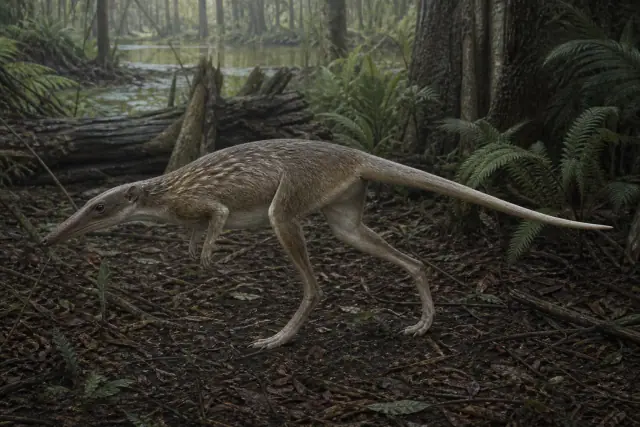
Leptictidium auderiense
Long hind legs and a balancing tail powered a distinctive hopping gait through the forest floor.
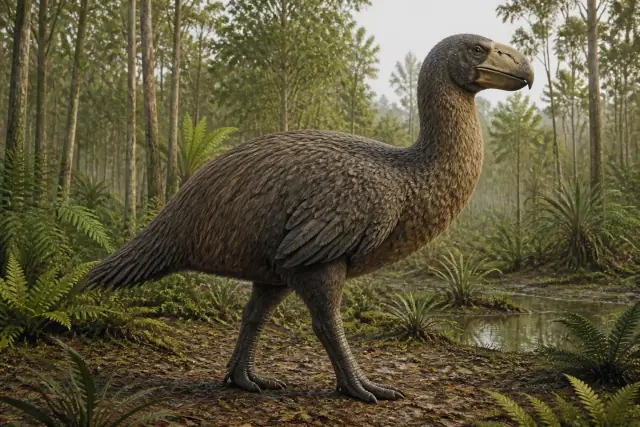
Gastornis parisiensis
This giant flightless bird had a massive beak, but evidence favors a mainly herbivorous diet.
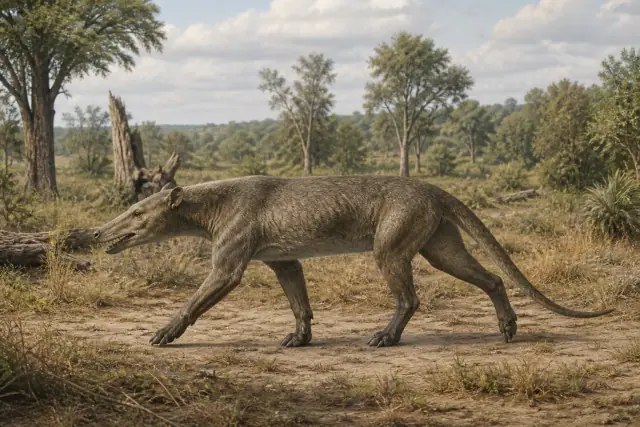
Mesonyx obtusidens
Hoof-like toes and a large predatory skull belonged to a carnivorous mammal with no modern equivalent.
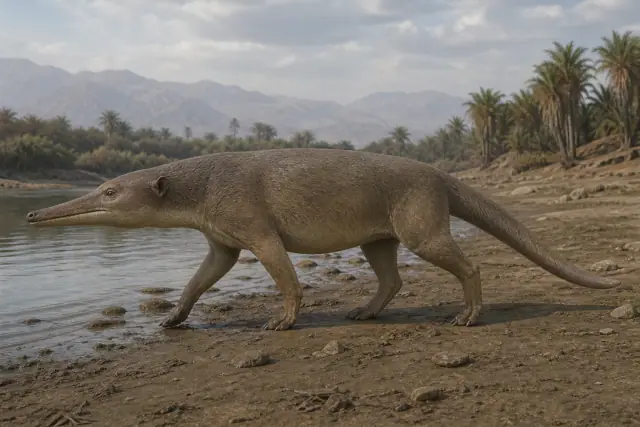
Pakicetus attocki
An early whale with four weight-bearing legs: Pakicetus attocki was wolf-sized and lived near rivers in Pakistan about 50 million years ago.
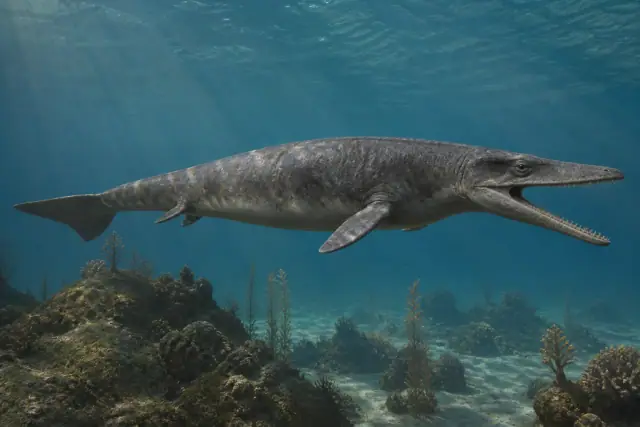
Dorudon atrox
A streamlined whale body still carried tiny external hind limbs with no walking function.
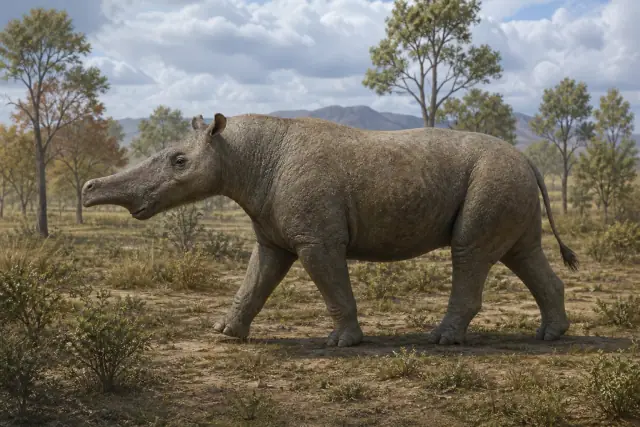
Embolotherium andrewsi
A broad hollow nasal ram rose from the skull of this immense brontothere.
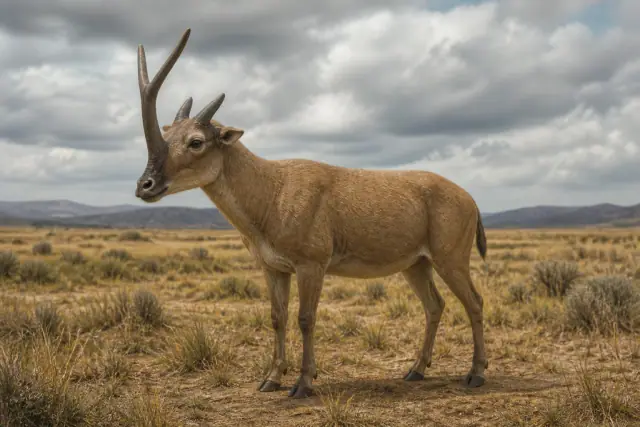
Synthetoceras tricornatus
A forked Y-shaped nasal horn joined two brow horns in the most elaborate protoceratid display.
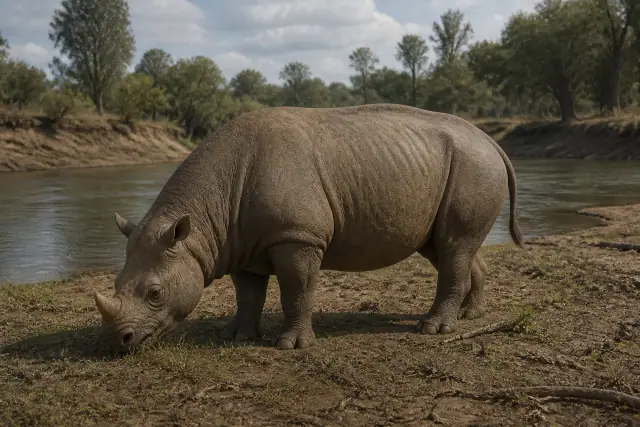
Teleoceras major
Short legs and a barrel body gave this grazing rhinoceros a hippo-like outline.
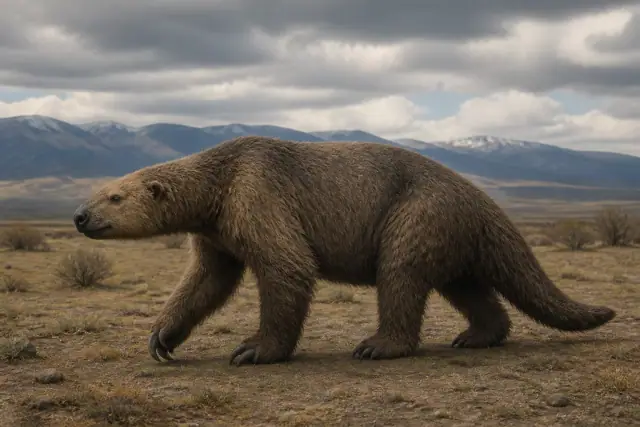
Mylodon darwinii
Thick hide reinforced by tiny bony nodules protected this large ground sloth.
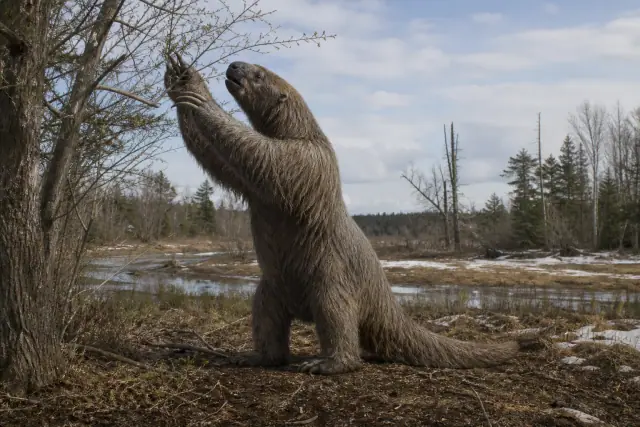
Megalonyx jeffersonii
Huge curved claws belonged to a forest browser whose name is tied to Thomas Jefferson.
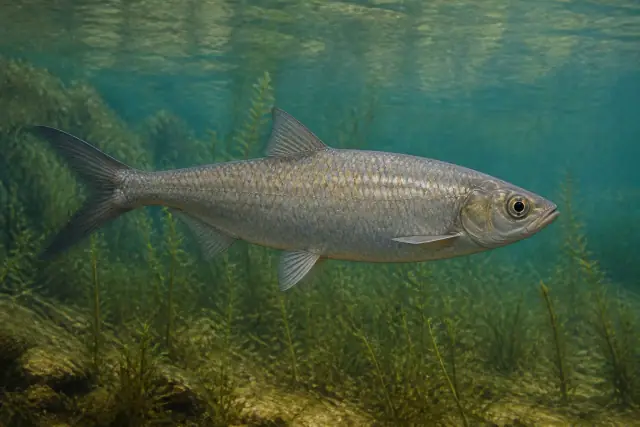
Diplomystus dentatus
Schools of herring-like fish were sealed into fine lake sediments.
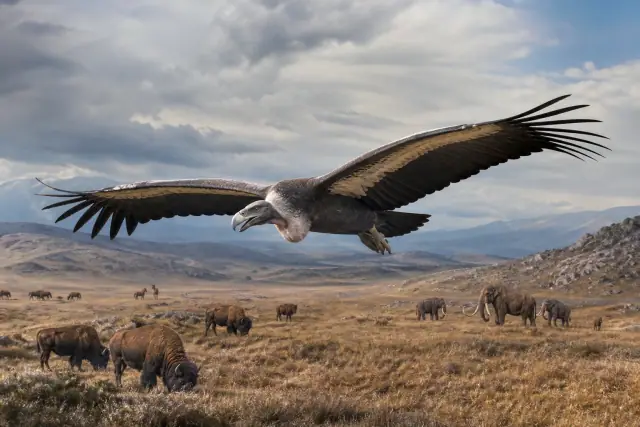
Teratornis merriami
A large soaring bird with an estimated 11–12 ft wingspan; its diet involved more than a simple vulture comparison.
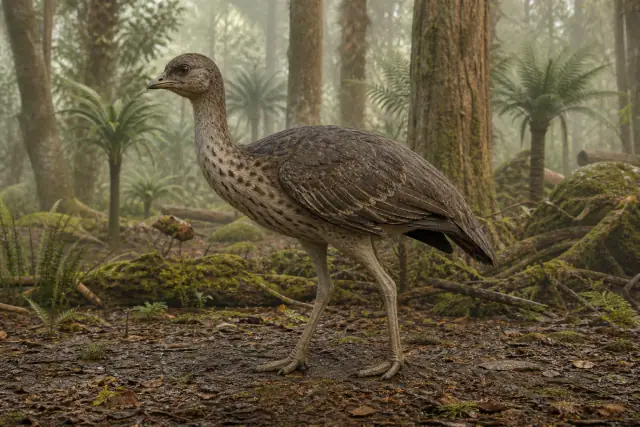
Lithornis vulturinus
A strong flyer belonged near lineages whose living members are mostly flightless.
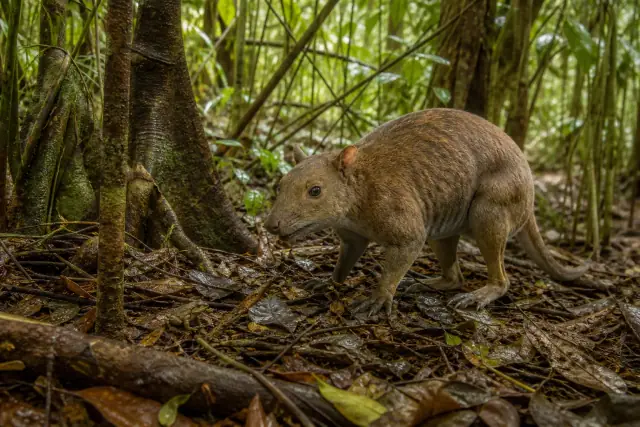
Ekaltadeta ima
Deep jaws and slicing teeth suggest an ancient kangaroo relative that ate meat.
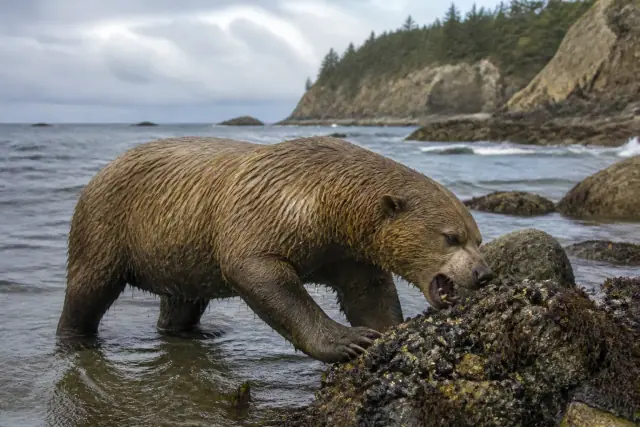
Kolponomos newportensis
A bear-like carnivore used powerful jaws to pry and crush shellfish.
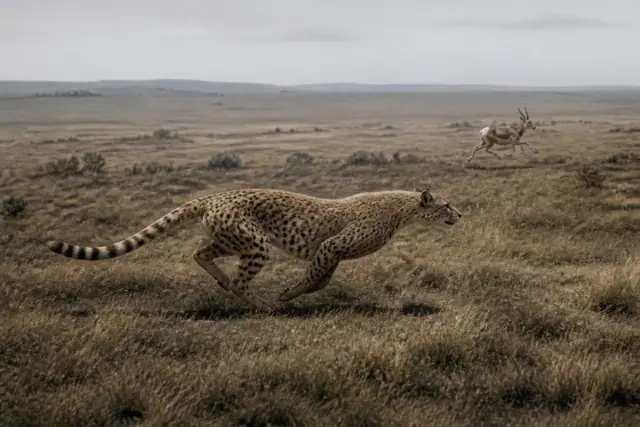
Miracinonyx trumani
Long limbs converged on cheetah proportions, but its closest ties were to cougars.
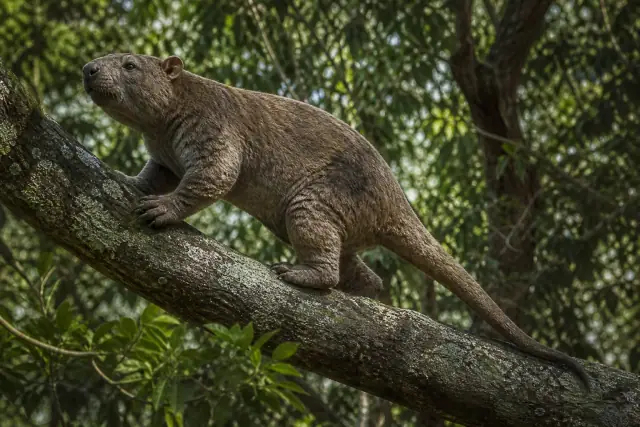
Nimbadon lavarackorum
Grasping feet and flexible shoulders reveal a large climbing marsupial.
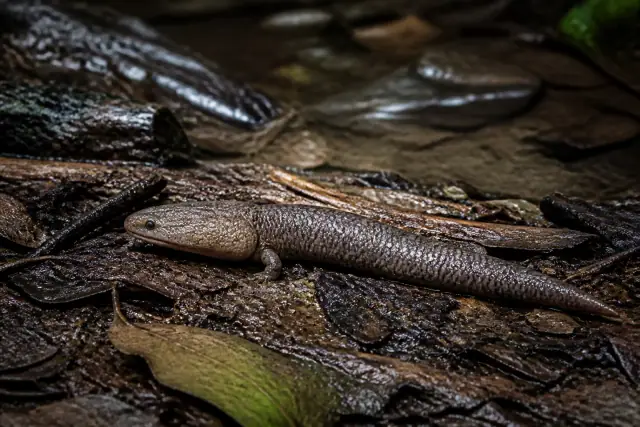
Albanerpeton inexpectatum
Its wedge-shaped skull belonged to an ancient amphibian lineage separate from frogs and salamanders.
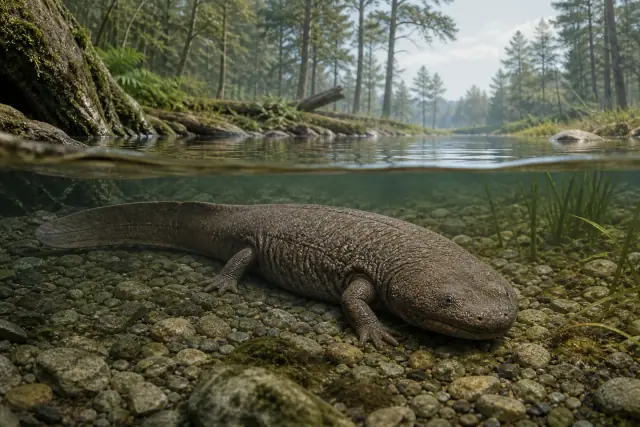
Andrias scheuchzeri
Its skeleton was once mistaken for a human killed in the biblical flood.
Explore the atlas by continent, country and state. Follow fossil localities into regional guides, compare animals across time and return to the evidence in each species profile.
FIELD GUIDES
Giants, strange body plans and lives within human memory. Follow a question into the atlas, then explore the animals behind it.