97Cenozoic
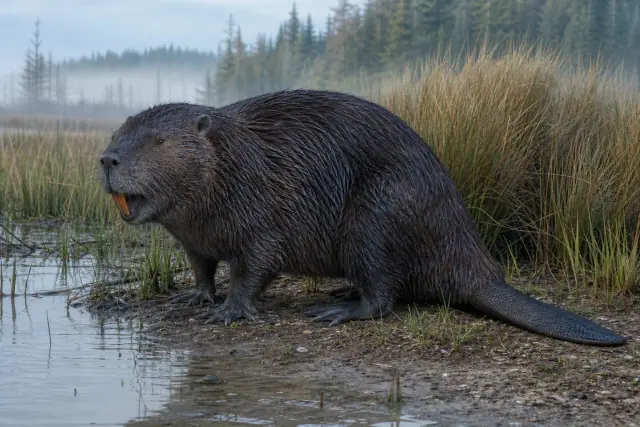
Giant Beaver
Castoroides ohioensis
This black-bear-sized beaver had ridged teeth and depended on extensive wetlands.
LIFE ARCHIVE
Browse extinct life from traces nearly 1.9 billion years old to historically recorded extinctions.
Castoroides ohioensis
This black-bear-sized beaver had ridged teeth and depended on extensive wetlands.
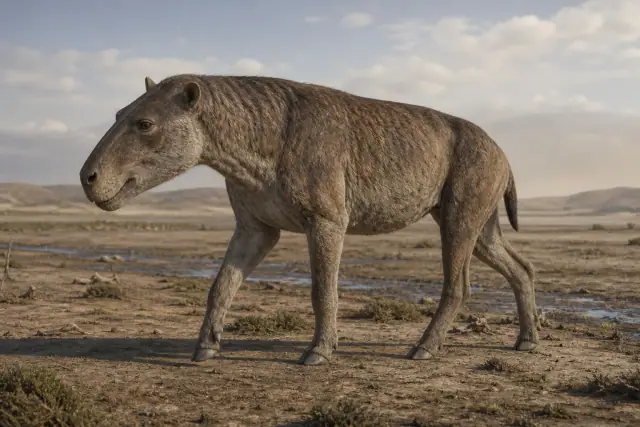
Andrewsarchus mongoliensis
Nearly everything known directly comes from one enormous skull, leaving the body unusually uncertain.
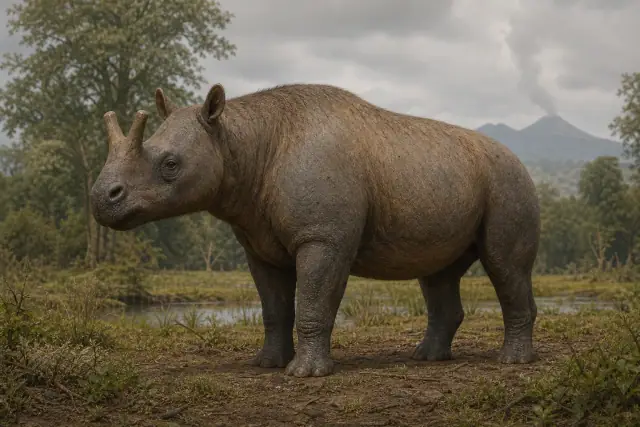
Megacerops coloradensis
It resembled a rhinoceros but belonged to the extinct brontotheres and carried paired nasal horns.
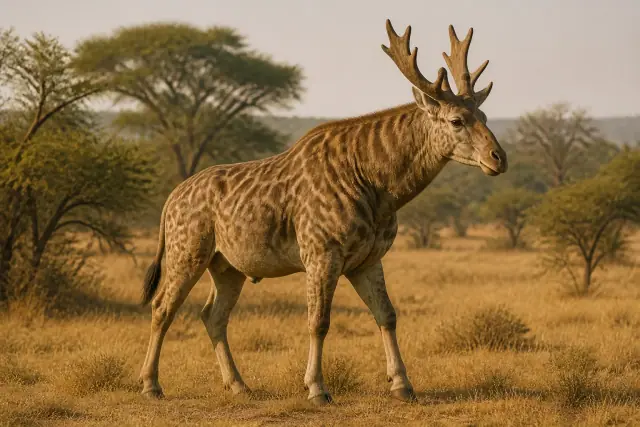
Sivatherium giganteum
A massive body, broad feet and four ossicones made this giraffid resemble both deer and cattle.
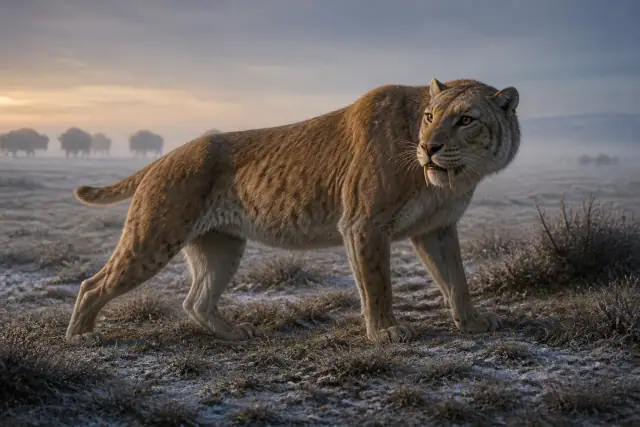
Homotherium serum
Short blade-like canines, long forelimbs and a sloping back suited pursuit of large prey.
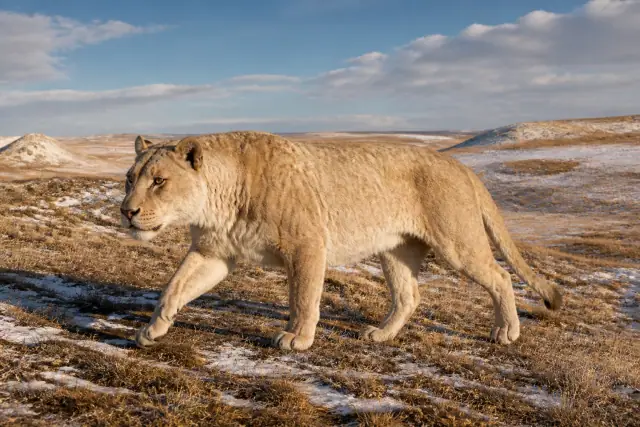
Panthera spelaea
Ice Age art usually shows this immense cat without the heavy mane of many modern male lions.
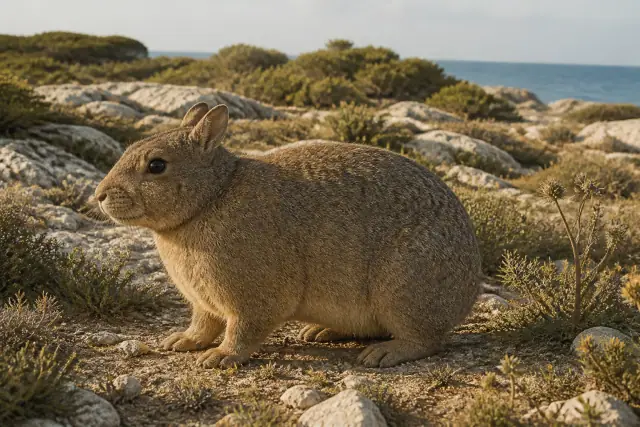
Nuralagus rex
Without large predators, this heavy island rabbit evolved small ears and lost efficient hopping.
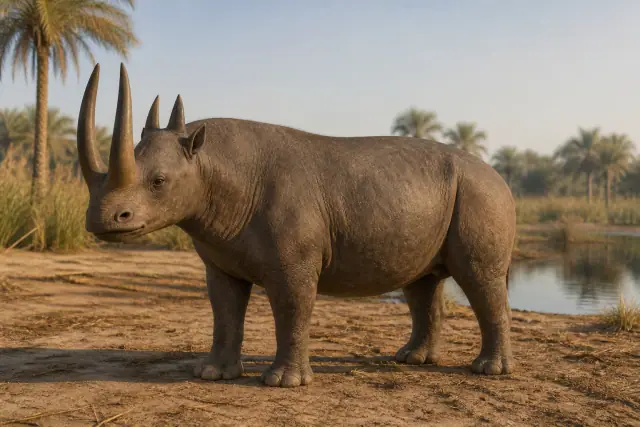
Arsinoitherium zitteli
Two enormous hollow nasal horns and a smaller rear pair belonged to an embrithopod, not a rhinoceros.
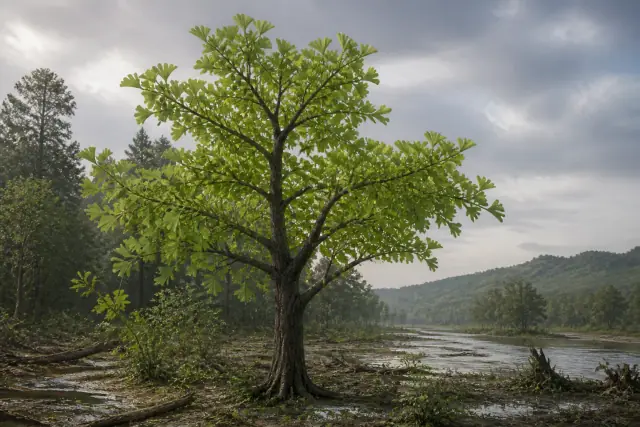
Ginkgo cranei
Fan-shaped leaves and paired ovules continued the ginkgo body plan in a species that did not survive to the present.
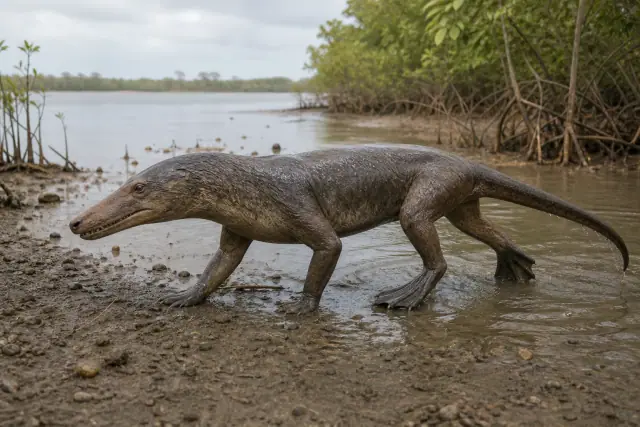
Ambulocetus natans
Strong limbs could still bear weight, yet long feet paddled through water and the ear region was adapting to underwater sound.
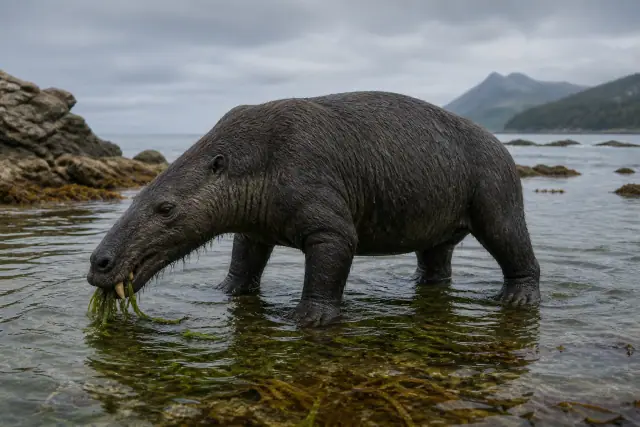
Desmostylus hesperus
Bundles of enamel-wrapped tooth columns and broad limbs helped it crop aquatic plants in tidal flats and shallow water.
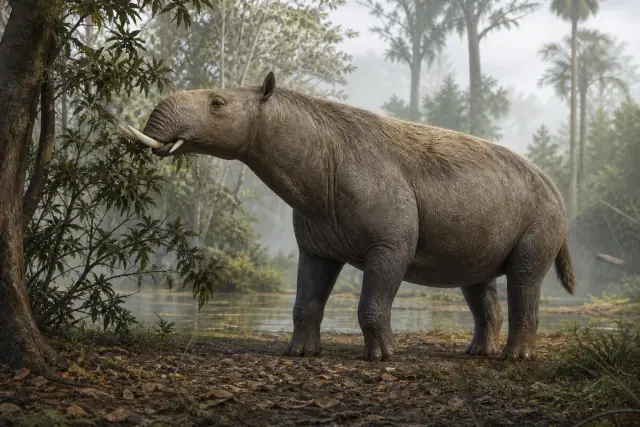
Astrapotherium magnum
Rear-shifted nostrils and four tusks document a distinctive skull; a short trunk is a soft-tissue reconstruction inferred from the bones.
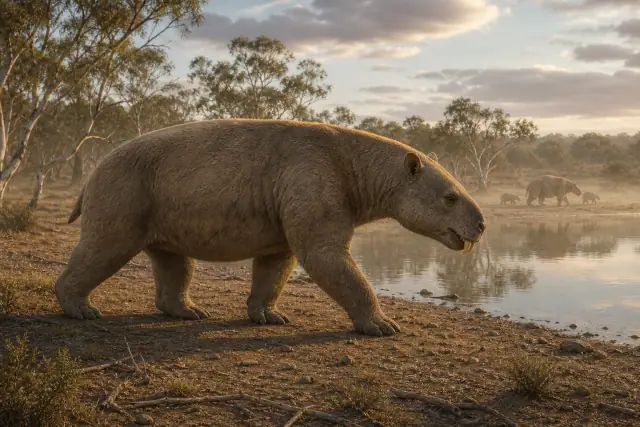
Diprotodon optatum
This rhinoceros-sized marsupial clipped plants with two forward incisors and moved between seasonal water sources.
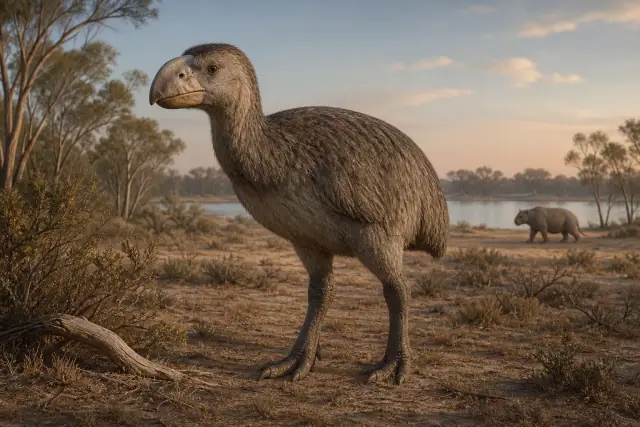
Genyornis newtoni
This two-meter flightless bird had a deep jaw and powerful legs, probably feeding on soft leaves, fruit and shoots.
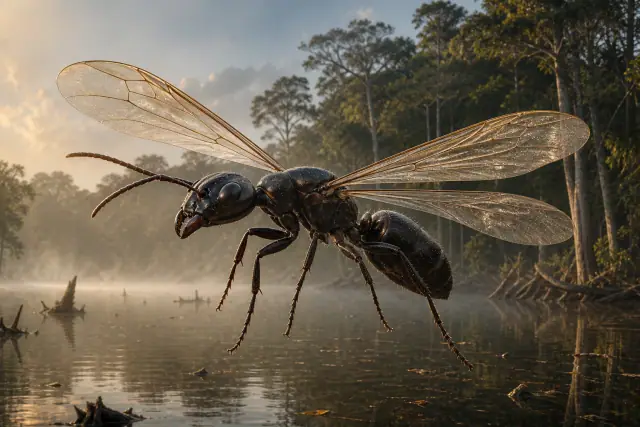
Titanomyrma gigantea
Queens reached about seven centimeters long with a 16-centimeter wingspan, among the largest hymenopterans known.
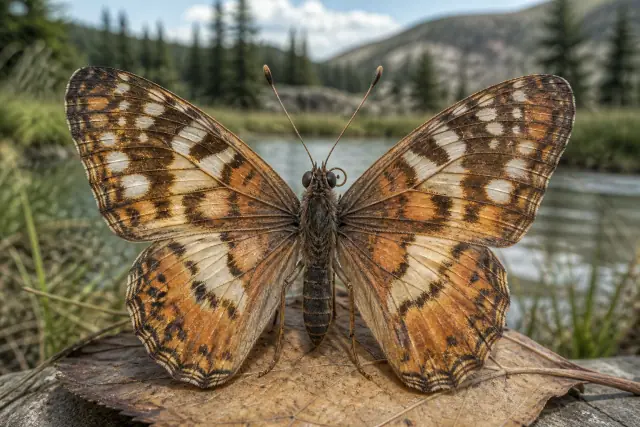
Prodryas persephone
A nearly complete impression preserves venation, legs, antennae and mouthparts, making it one of the finest fossil butterflies.
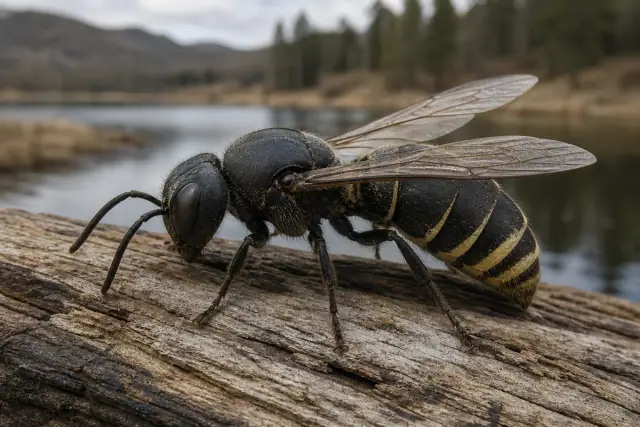
Palaeovespa florissantia
This robust fossil vespid combines traits recalling modern hornets and paper wasps, and may already have lived socially.
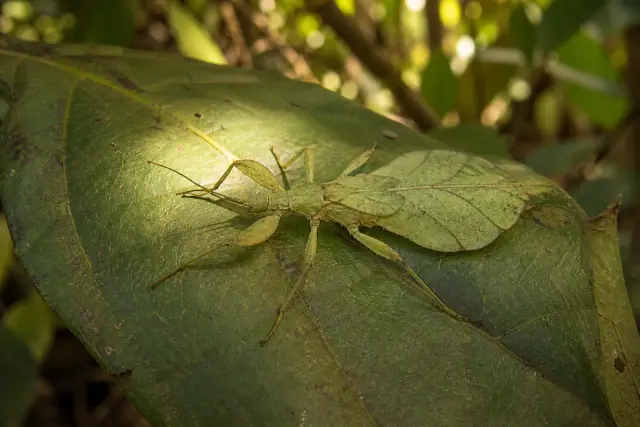
Eophyllium messelensis
Its leaflike abdomen closely matches foliage, proving that sophisticated mimicry existed at least 47 million years ago.
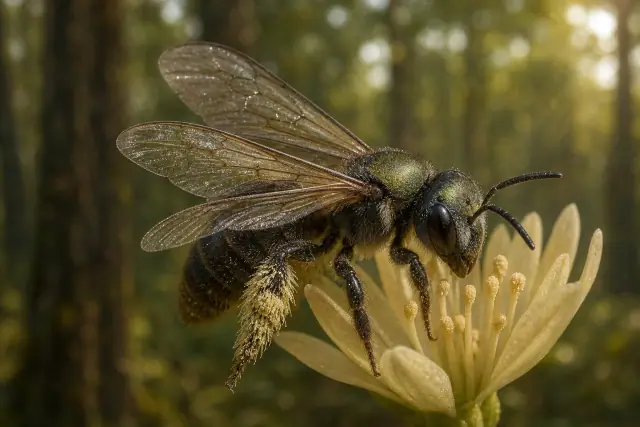
Ctenoplectrella viridiceps
Amber sealed an extinct mason-bee relative whose long hind-leg hairs show that it actively collected and transported pollen.
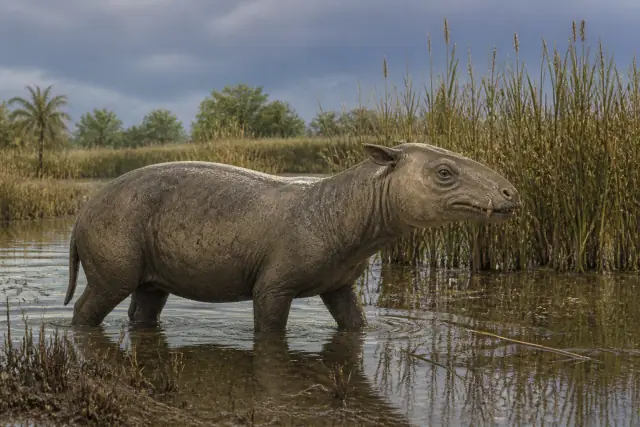
Moeritherium lyonsi
Tapir-sized and short-faced, it lived before proboscideans acquired the elephant's long trunk and giant body.
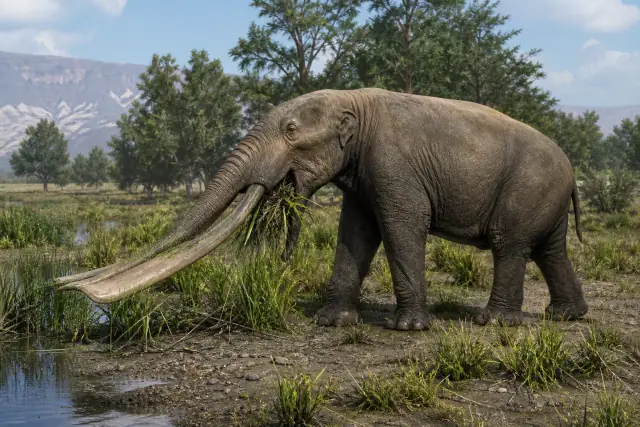
Platybelodon grangeri
A widened jaw and flattened lower tusks formed a shovel-like cutting edge for tough vegetation.
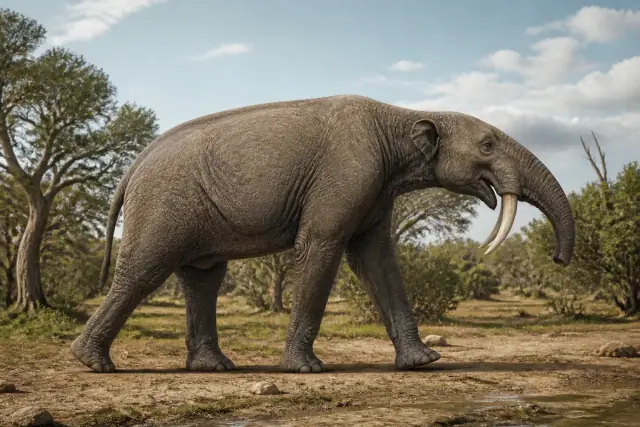
Deinotherium giganteum
Only the lower jaw carried tusks, curving downward beneath a body taller than most modern elephants.
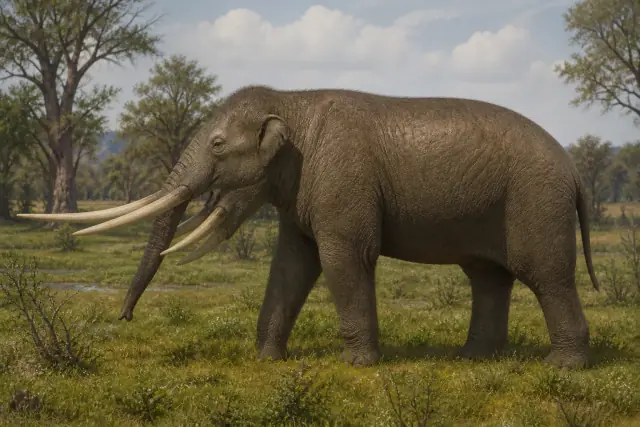
Gomphotherium angustidens
Two upper and two lower tusks gave its elongated head a four-tusked profile absent from living elephants.
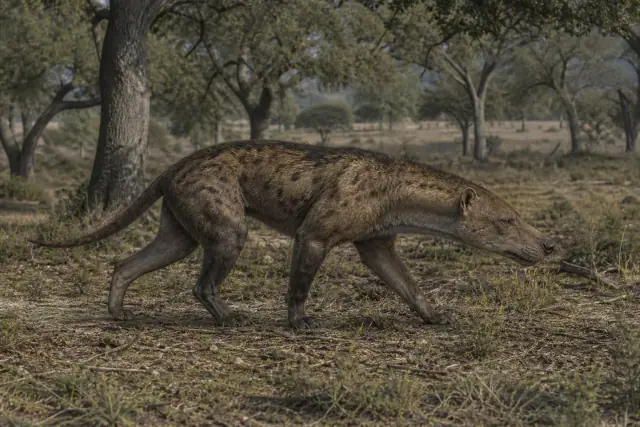
Hyaenodon horridus
Hyaenodon horridus was a meat-eating hyaenodont mammal, not a hyena; its large skull can inflate skull-length mass estimates.
Explore the atlas by continent, country and state. Follow fossil localities into regional guides, compare animals across time and return to the evidence in each species profile.
FIELD GUIDES
Giants, strange body plans and lives within human memory. Follow a question into the atlas, then explore the animals behind it.