219Paleozoic
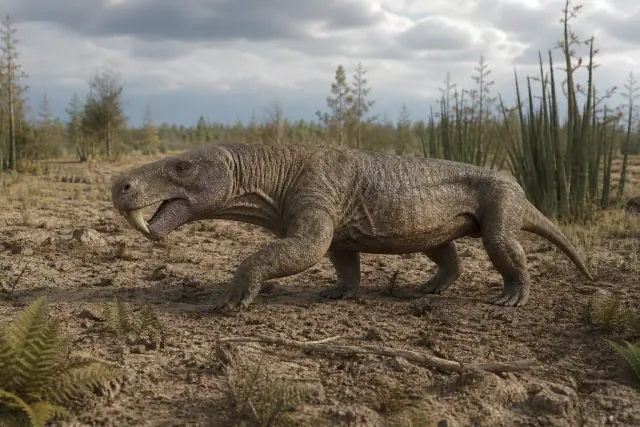
Gorgonops
Gorgonops torvus
Long upper canines and a wide gape made it an early experiment in saber-toothed predation.
LIFE ARCHIVE
Browse extinct life from traces nearly 1.9 billion years old to historically recorded extinctions.
Gorgonops torvus
Long upper canines and a wide gape made it an early experiment in saber-toothed predation.
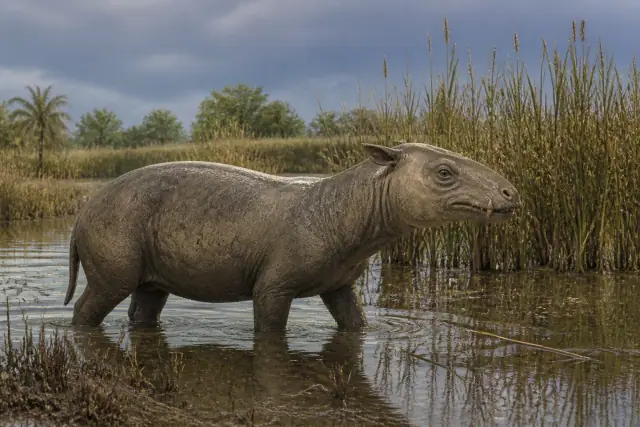
Moeritherium lyonsi
Tapir-sized and short-faced, it lived before proboscideans acquired the elephant's long trunk and giant body.
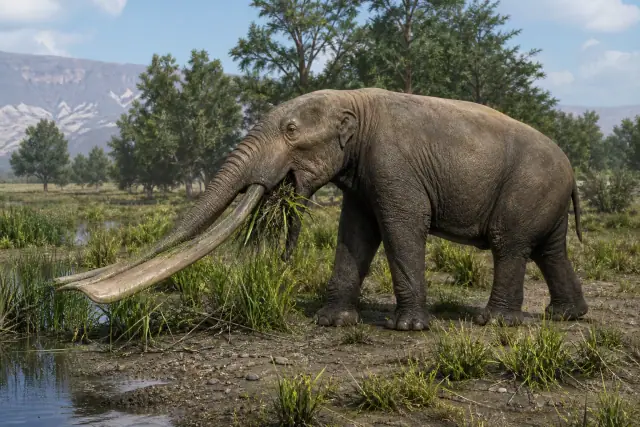
Platybelodon grangeri
A widened jaw and flattened lower tusks formed a shovel-like cutting edge for tough vegetation.
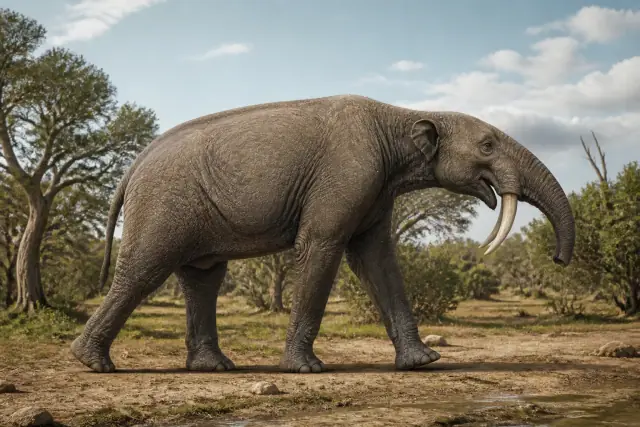
Deinotherium giganteum
Only the lower jaw carried tusks, curving downward beneath a body taller than most modern elephants.
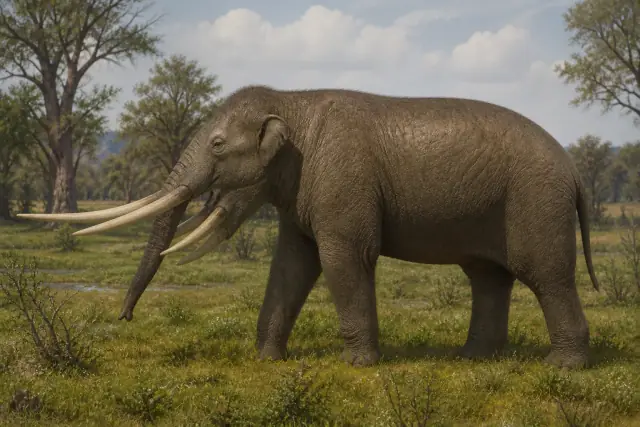
Gomphotherium angustidens
Two upper and two lower tusks gave its elongated head a four-tusked profile absent from living elephants.
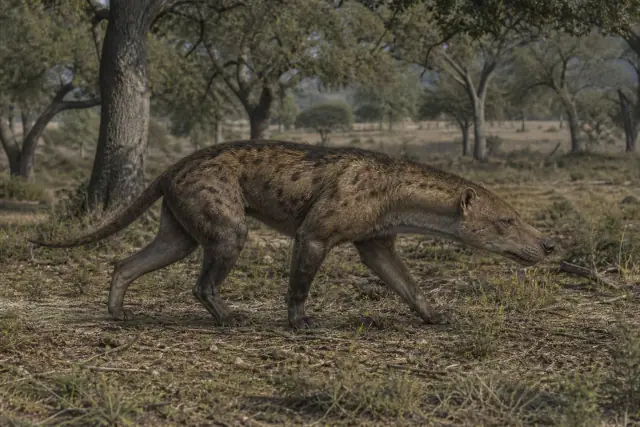
Hyaenodon horridus
Hyaenodon horridus was a meat-eating hyaenodont mammal, not a hyena; its large skull can inflate skull-length mass estimates.
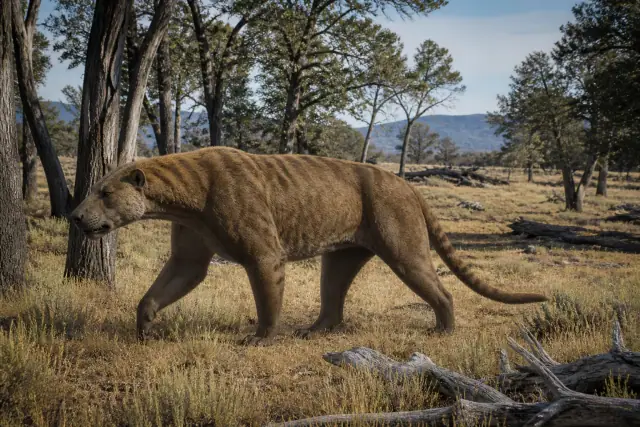
Amphicyon ingens
A bear-heavy torso combined with a dog-like long skull and tail, inspiring the name bear-dog.
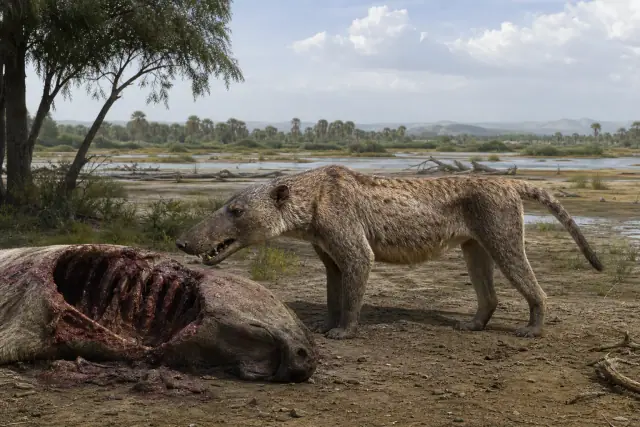
Megistotherium osteothlastes
A giant hyaenodont with a skull about 66 cm long. Body-mass estimates are uncertain, and it was neither a hyena nor a big cat.
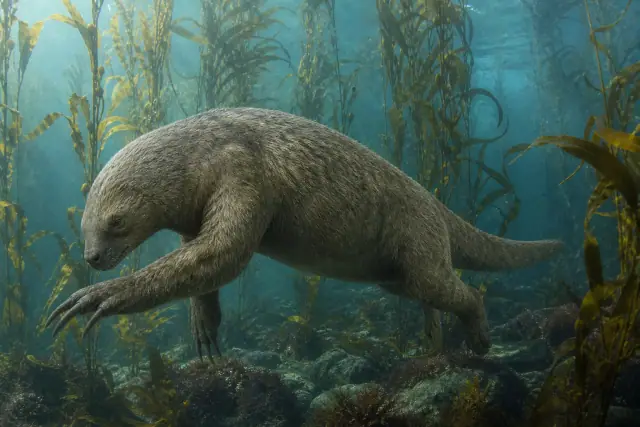
Thalassocnus natans
A sloth lineage with aquatic adaptations, including dense bones that could help control buoyancy.
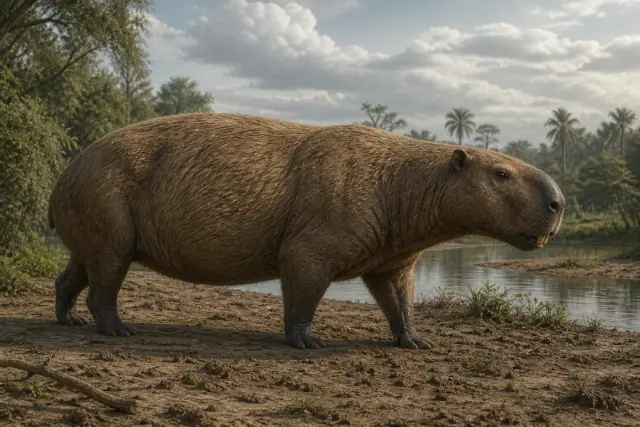
Josephoartigasia monesi
It may have approached a tonne, with giant incisors capable of generating exceptional bite forces.
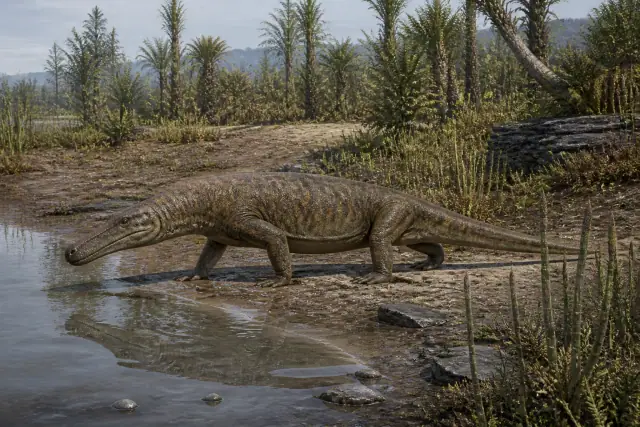
Ophiacodon mirus
Its long skull and deep tail suggest a waterside animal that was still a capable walker.
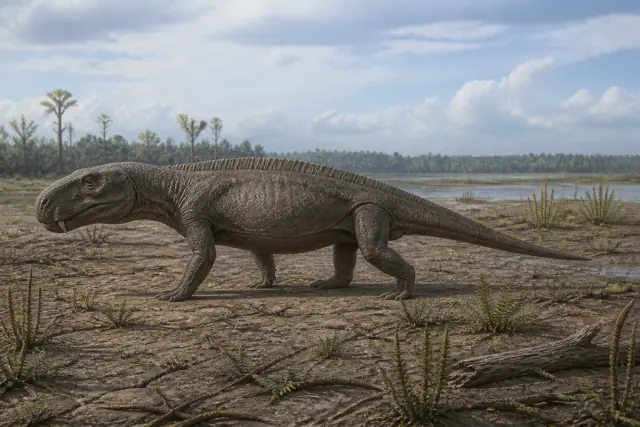
Sphenacodon ferox
Low vertebral ridges accompanied a deep skull and strongly differentiated teeth.
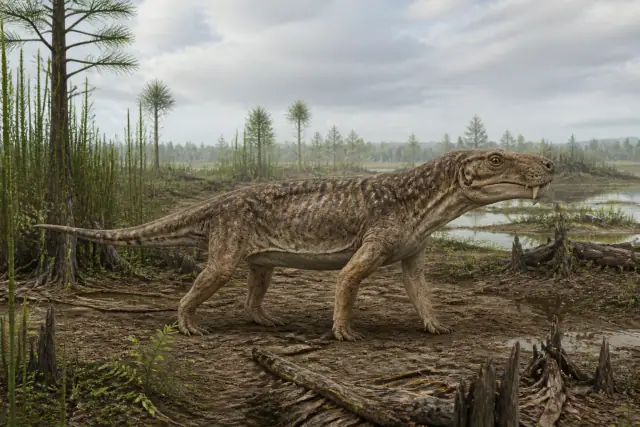
Biarmosuchus tener
A light build, long limbs and small skull bosses combine primitive and therapsid features.
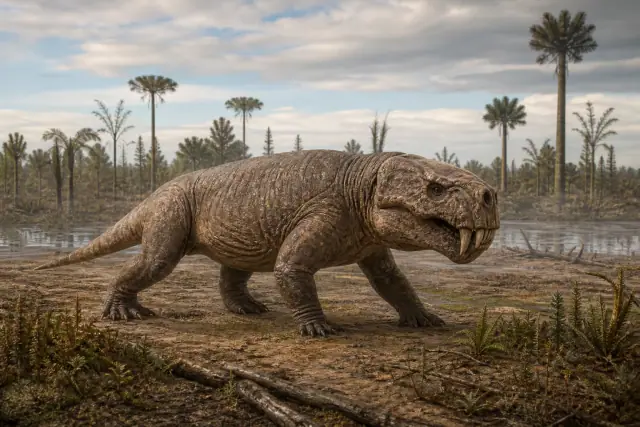
Anteosaurus magnificus
A huge skull combined thickened impact surfaces with long canines in a formidable predator.
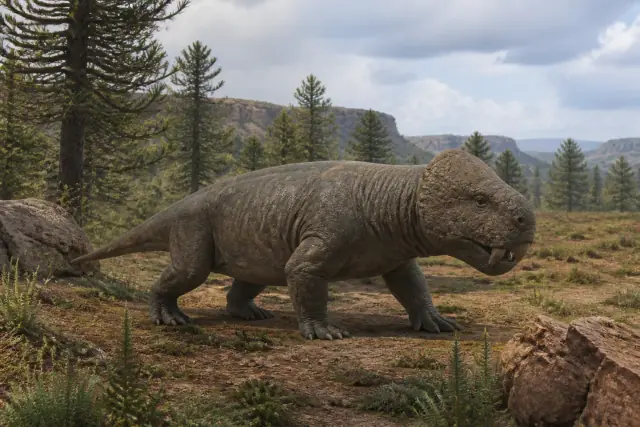
Tapinocephalus atherstonei
A domed, massively thick skull crowned the barrel body of this giant herbivore.
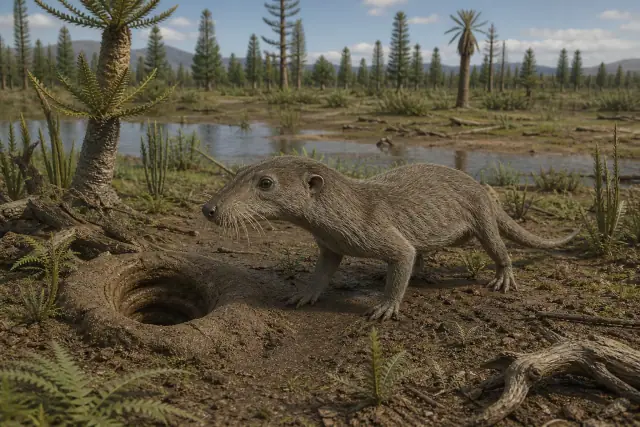
Thrinaxodon liorhinus
A small Early Triassic cynodont with differentiated teeth, known from skeletons curled inside fossil burrows in South Africa.
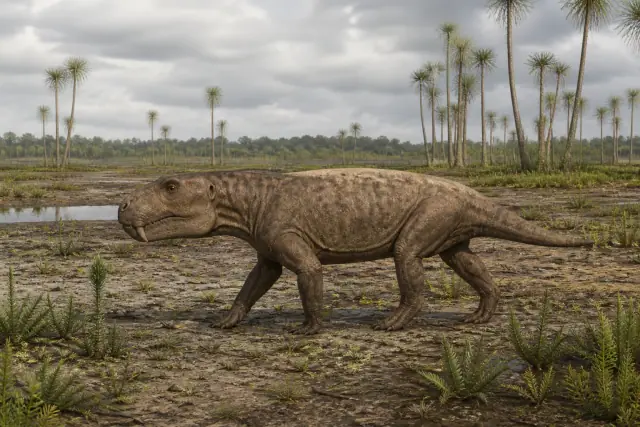
Cynognathus crateronotus
A dog-like snout, slicing cheek teeth and upright hind limbs made it a major cynodont predator.
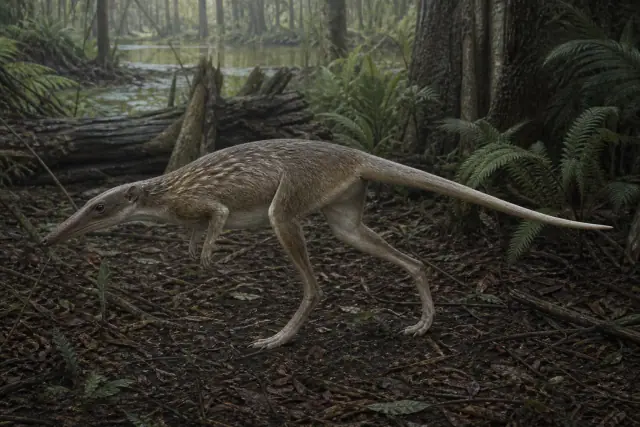
Leptictidium auderiense
Long hind legs and a balancing tail powered a distinctive hopping gait through the forest floor.
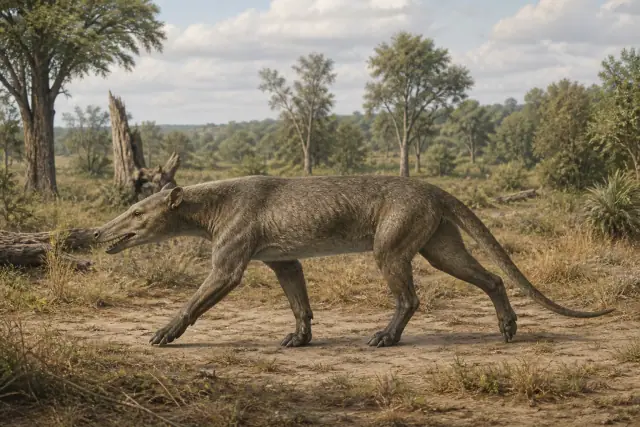
Mesonyx obtusidens
Hoof-like toes and a large predatory skull belonged to a carnivorous mammal with no modern equivalent.
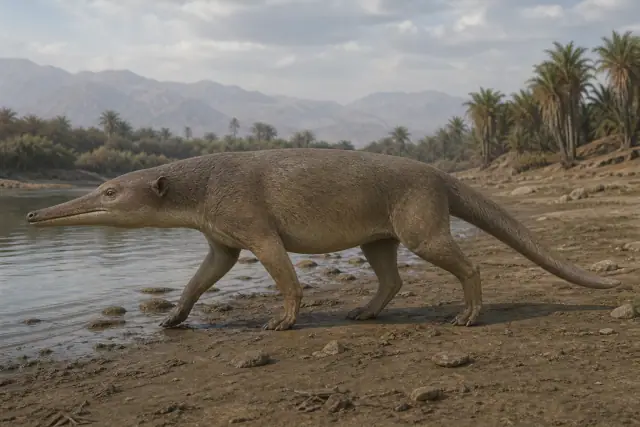
Pakicetus attocki
An early whale with four weight-bearing legs: Pakicetus attocki was wolf-sized and lived near rivers in Pakistan about 50 million years ago.
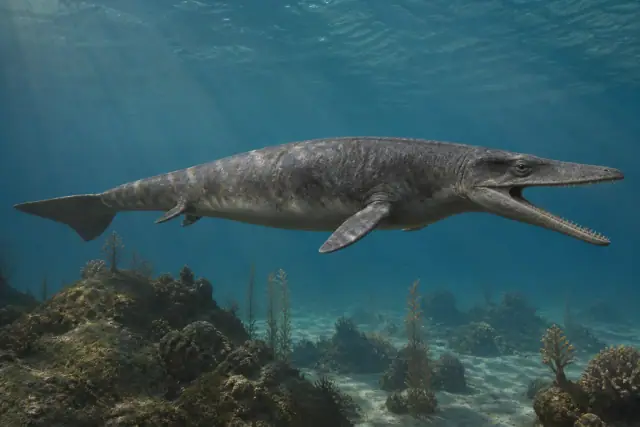
Dorudon atrox
A streamlined whale body still carried tiny external hind limbs with no walking function.
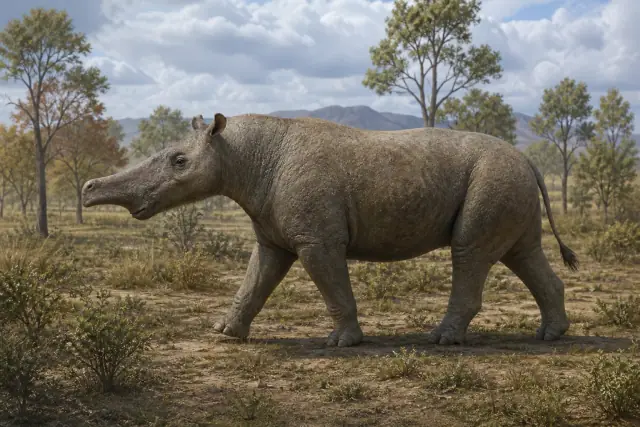
Embolotherium andrewsi
A broad hollow nasal ram rose from the skull of this immense brontothere.
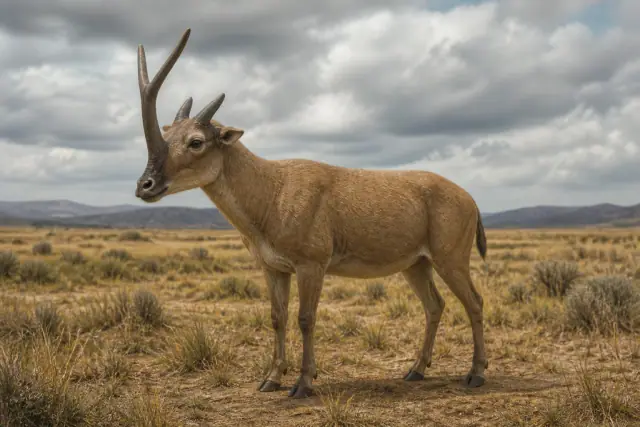
Synthetoceras tricornatus
A forked Y-shaped nasal horn joined two brow horns in the most elaborate protoceratid display.
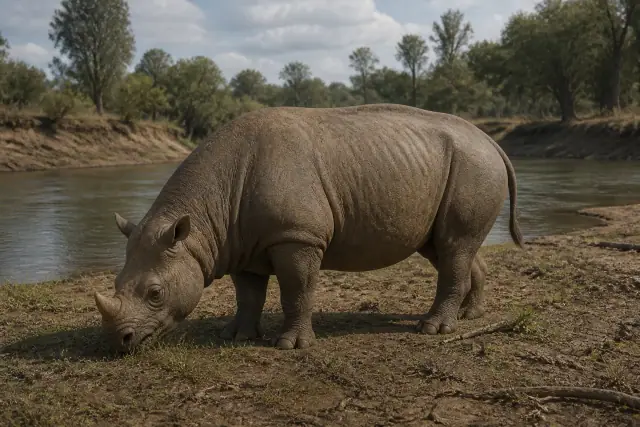
Teleoceras major
Short legs and a barrel body gave this grazing rhinoceros a hippo-like outline.
Explore the atlas by continent, country and state. Follow fossil localities into regional guides, compare animals across time and return to the evidence in each species profile.
FIELD GUIDES
Giants, strange body plans and lives within human memory. Follow a question into the atlas, then explore the animals behind it.