505Mesozoic
Taeniopteris
Taeniopteris multinervis
Entire strap-shaped leaves with dense side veins define a form genus rather than one secure lineage.
LIFE ARCHIVE
Browse extinct life from traces nearly 1.9 billion years old to historically recorded extinctions.
Taeniopteris multinervis
Entire strap-shaped leaves with dense side veins define a form genus rather than one secure lineage.
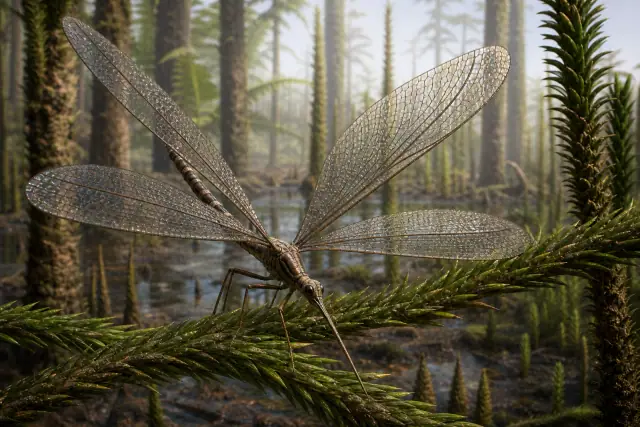
Lithoneura lameerei
Four broad net-veined wings belonged to the completely vanished palaeodictyopterans.
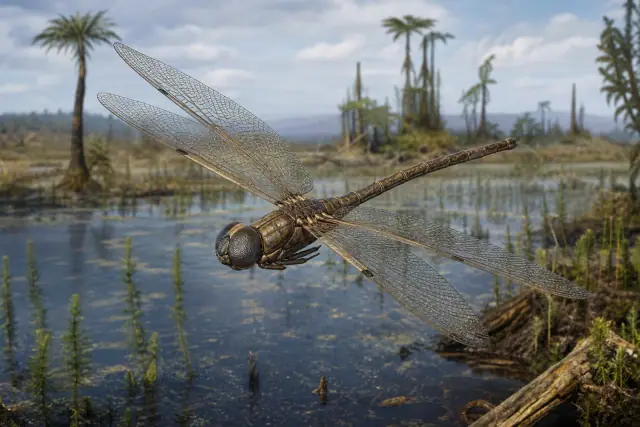
Eugeropteron lunatum
A basal odonatopteran retained a more primitive wing base than modern dragonflies.
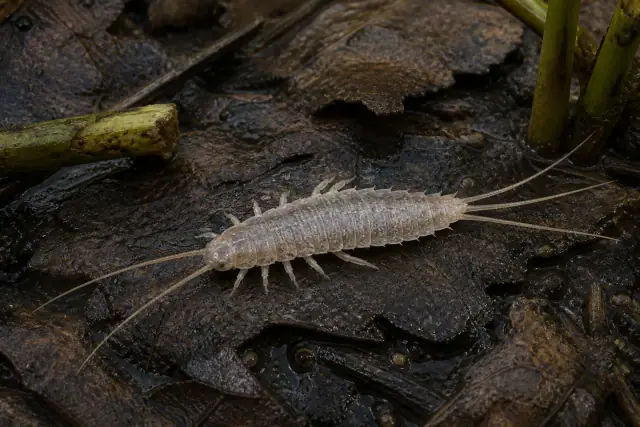
Carbotriplura kukalovae
A wingless body ended in three tail filaments and combined traits of early silverfish-like insects.
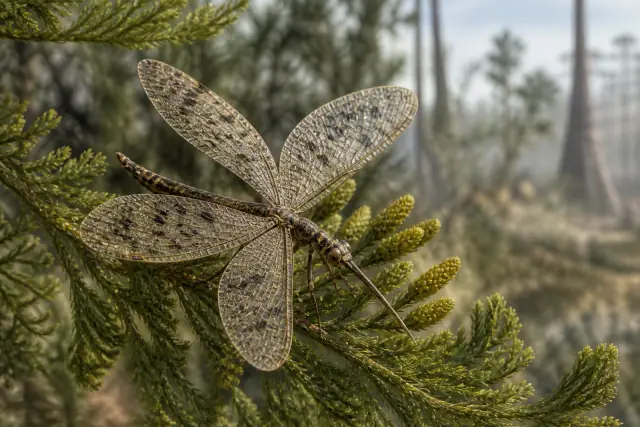
Tchirkovaea guttata
Spotted wings and fine venation record Permian palaeodictyopteran diversity.
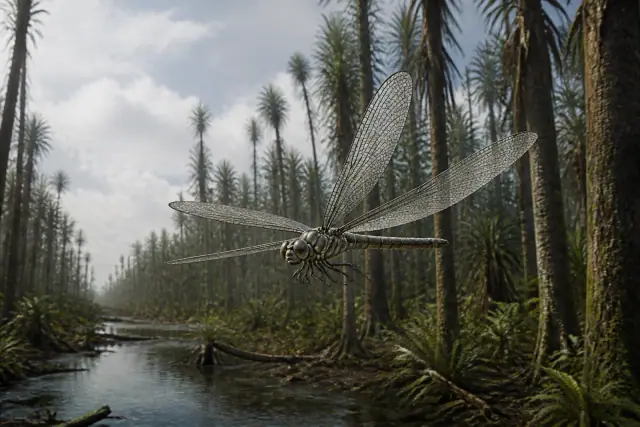
Brodioptera stricklani
Long transparent net-veined wings record an early radiation of large flying insects.
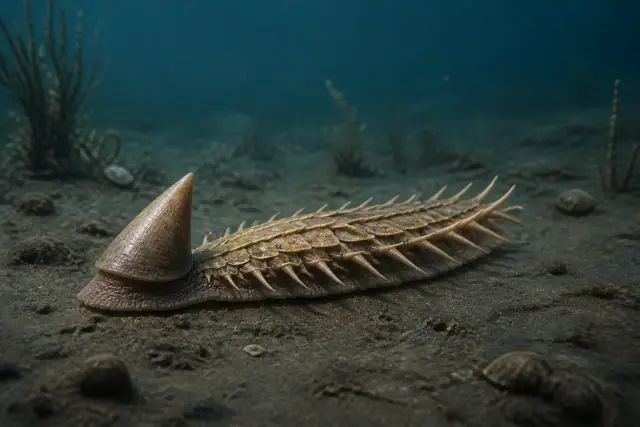
Orthrozanclus reburrus
Scales, long spines and a small front shell combined several Cambrian body plans.
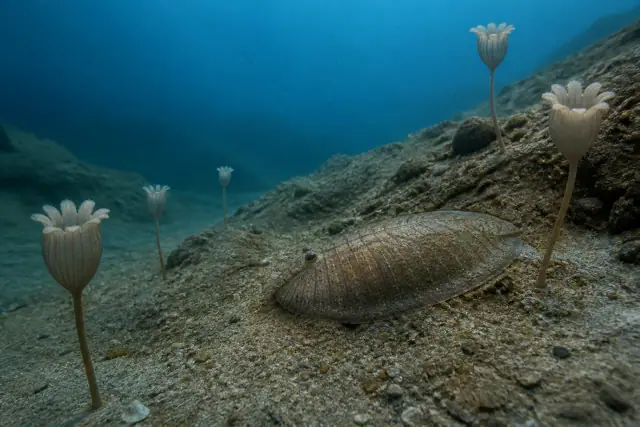
Dinomischus isolatus
A cup-shaped body attached by a long stalk and opened through a petal-ringed top.
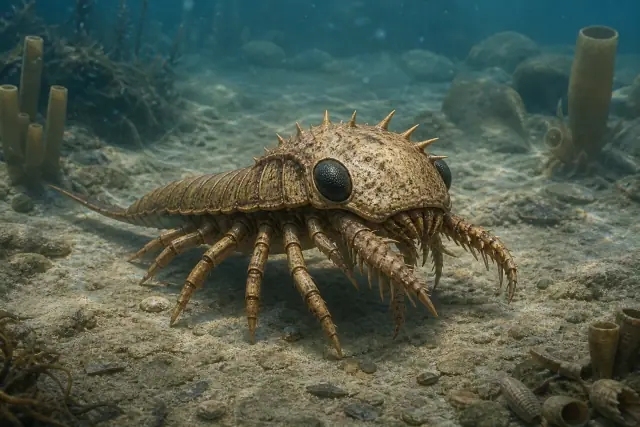
Habelia optata
A spiny head shield and specialized appendages belonged near the chelicerate stem.
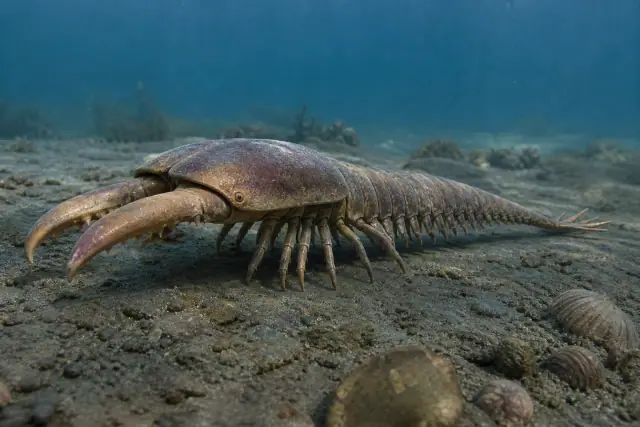
Tokummia katalepsis
Large pincer-like mandibles projected beneath a bivalved shell on an early mandibulate.
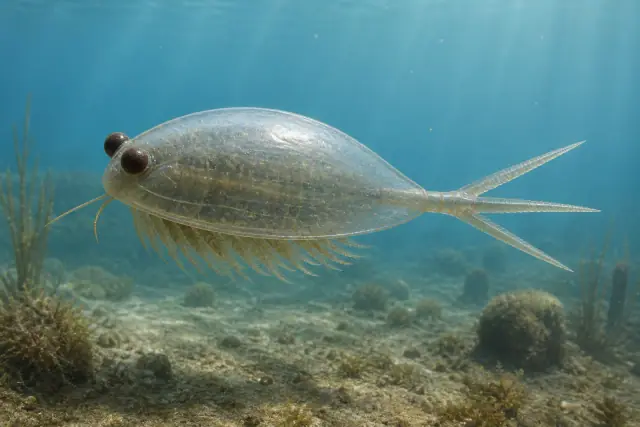
Odaraia alata
A broad bivalved shell enclosed most of the body and a three-pronged tail steered it.
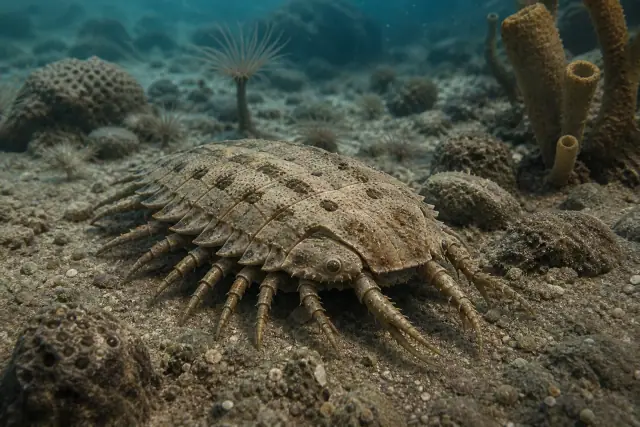
Mollisonia symmetrica
A tiny armored body and pincer-like front appendages suggest an early chelicerate relative.
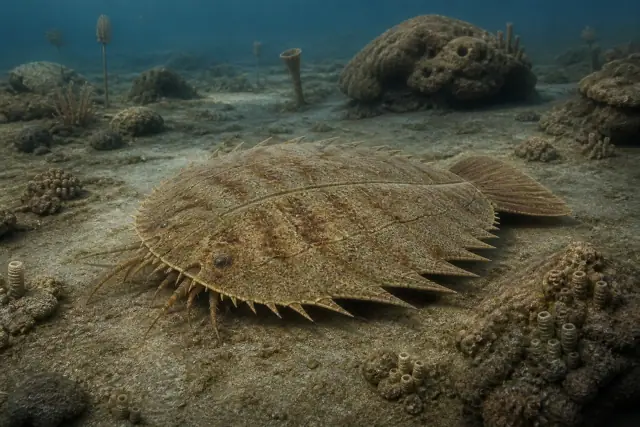
Helmetia expansa
A broad flat shield with marginal spines and a leaf-like tail formed an unusual outline.
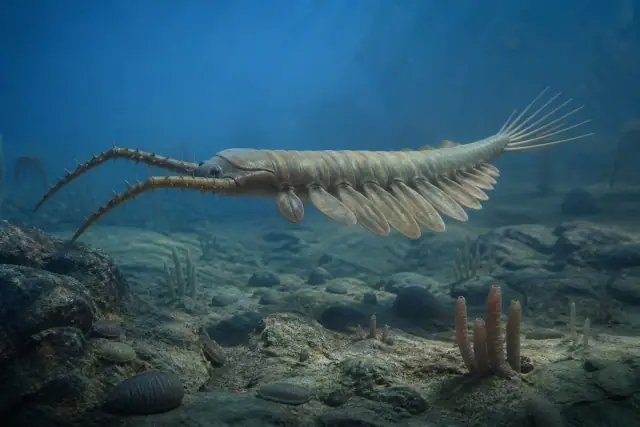
Kerygmachela kierkegaardi
Long frontal appendages, side flaps and tail spines record a stem-panarthropod body.
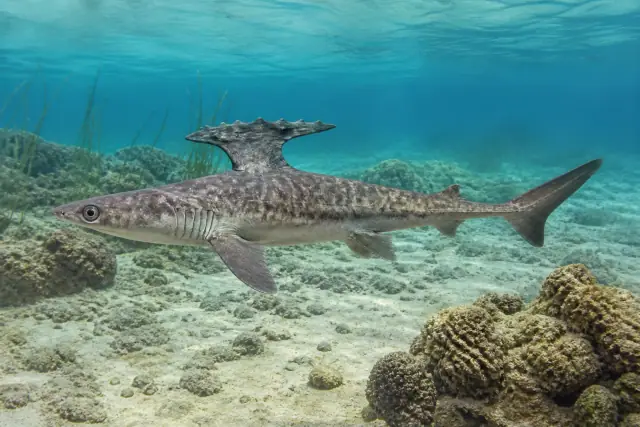
Akmonistion zangerli
Males carried a striking anvil-shaped brush-and-spine complex on the back.
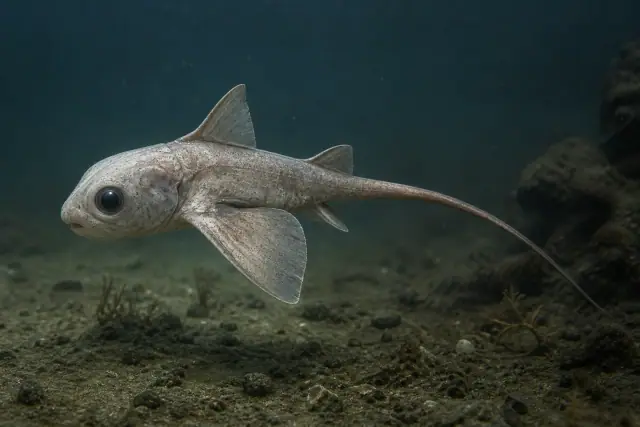
Echinochimaera meltoni
A short snout, large eyes and pectoral structures belonged to an early chimaera relative.
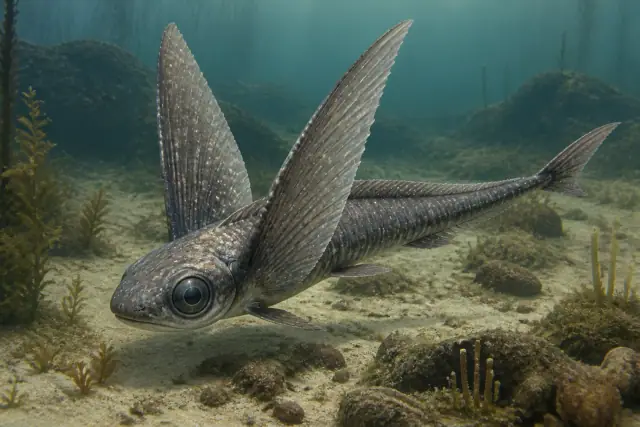
Iniopteryx rushlaui
Iniopteryx rushlaui was a small cartilaginous fish with broad pectoral fins attached high on its body; the fins suggest underwater strokes, not flight.
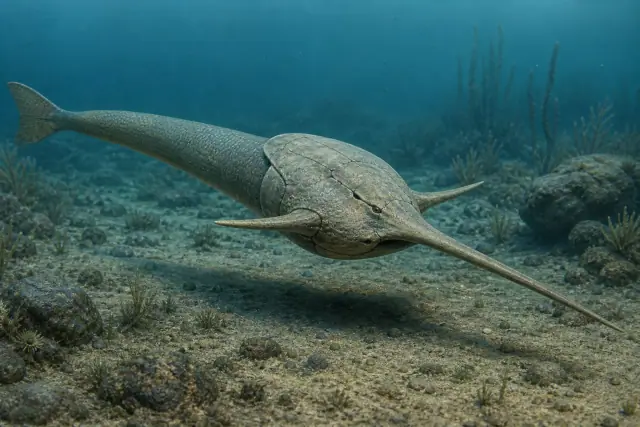
Doryaspis nathorsti
A spear-like rostrum and lateral horns projected from this jawless armored fish.
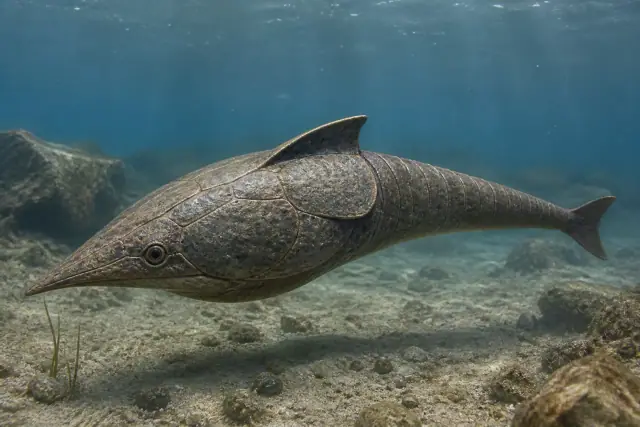
Boreaspis ceratops
A streamlined shield extended into a pointed snout and carried a stabilizing dorsal rise.
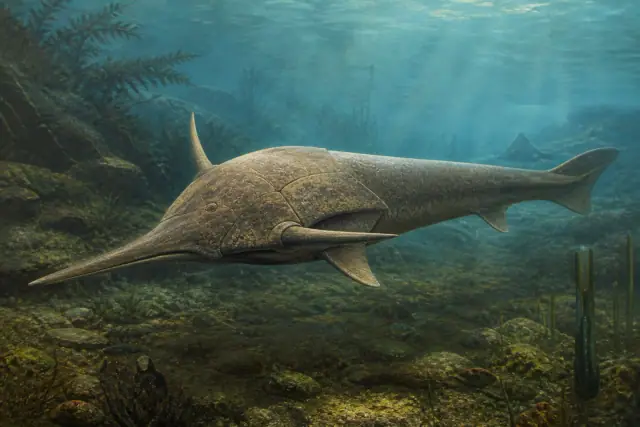
Pituriaspis doylei
A long rostrum, side horns and paired openings belonged to an endemic jawless armored lineage.
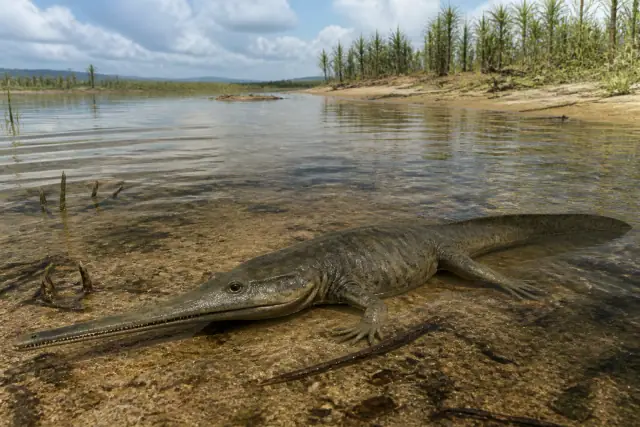
Aphaneramma rostratum
An extremely narrow snout gave this temnospondyl a gharial-like profile on an amphibian skeleton.
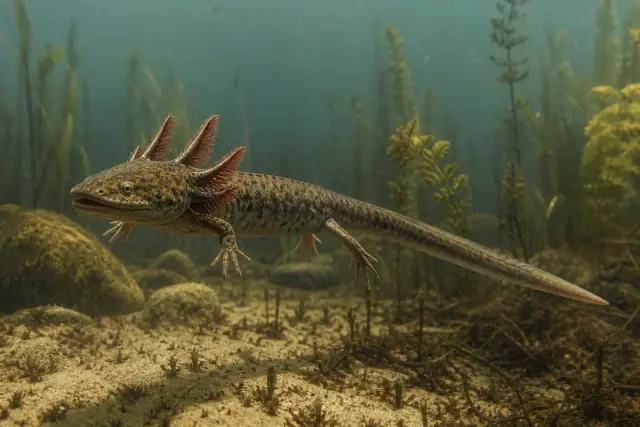
Melanerpeton pusillum
A tiny body and retained gill structures marked a branchiosaurid amphibian.
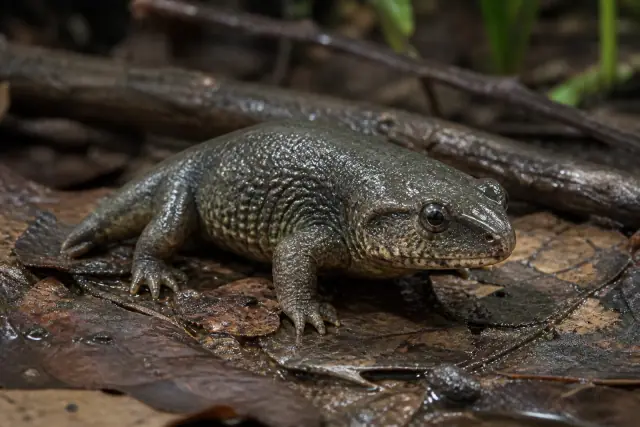
Doleserpeton annectens
A short trunk, mobile neck and ear region approach the body plan of modern amphibian ancestors.
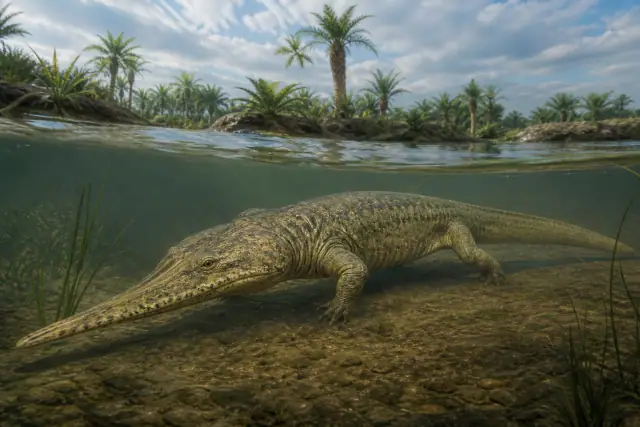
Trematosaurus brauni
A narrow sensory-grooved snout suited an open-water temnospondyl.
Explore the atlas by continent, country and state. Follow fossil localities into regional guides, compare animals across time and return to the evidence in each species profile.
FIELD GUIDES
Giants, strange body plans and lives within human memory. Follow a question into the atlas, then explore the animals behind it.