105Paleozoic
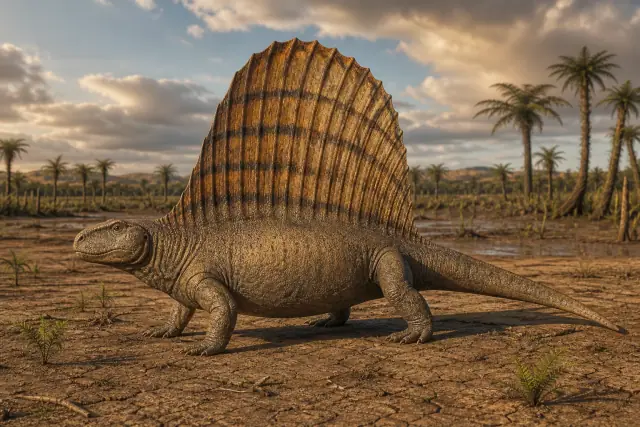
Edaphosaurus
Edaphosaurus pogonias
Crossbars projected from the spines of its tall sail above a broad plant-processing body.
LIFE ARCHIVE
Browse extinct life from traces nearly 1.9 billion years old to historically recorded extinctions.
Edaphosaurus pogonias
Crossbars projected from the spines of its tall sail above a broad plant-processing body.
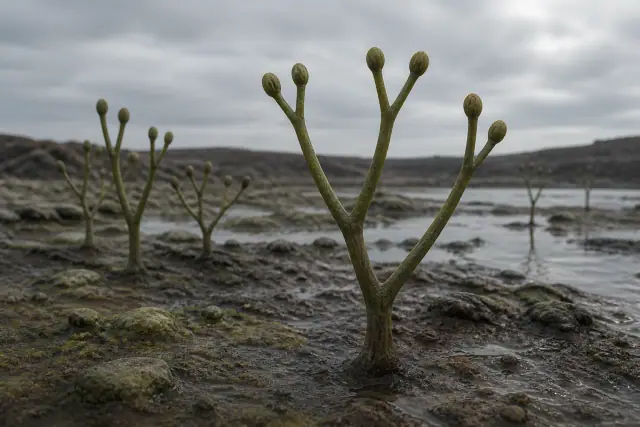
Cooksonia pertoni
Leafless stems only centimeters tall held spore capsules at their tips, marking an early step inland.
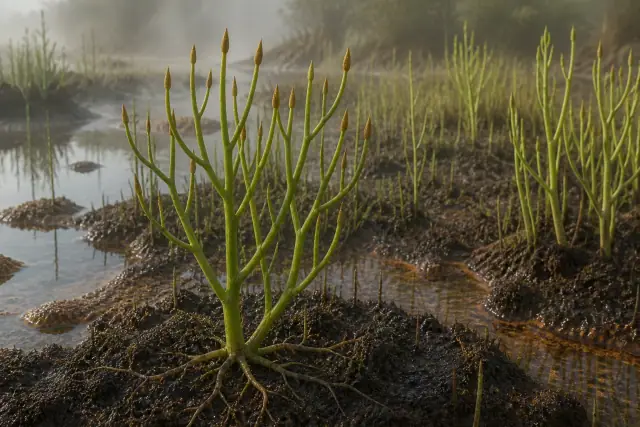
Rhynia gwynne-vaughanii
Naked upright axes rose from creeping rhizomes, preserved cell by cell by silica-rich hot springs.
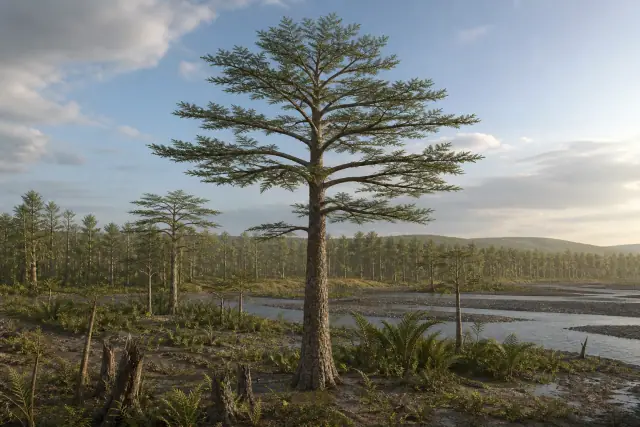
Archaeopteris halliana
It grew true wood and a tree crown but still reproduced by spores, helping create Earth's first broad forests.
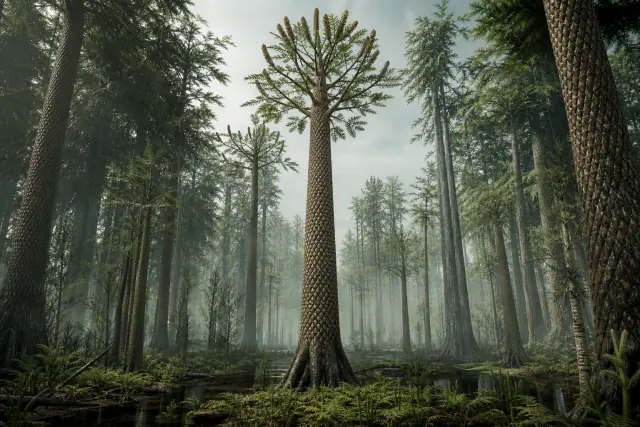
Lepidodendron aculeatum
A straight trunk patterned with diamond leaf scars forked only high above the Carboniferous mire.
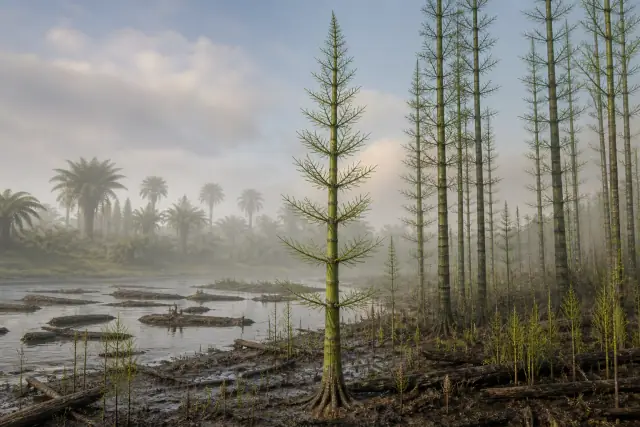
Calamites suckowii
Casts of jointed stems record large horsetail relatives; Calamites suckowii does not automatically name a plant with all organs known.
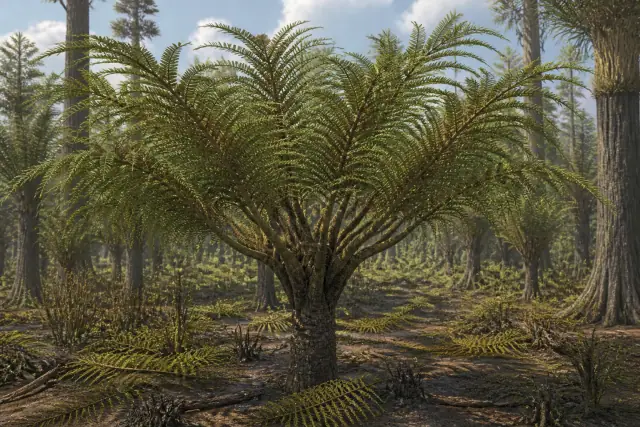
Medullosa noei
Woody stems carried immense fernlike fronds, yet seeds grew among the foliage of this vanished seed fern.
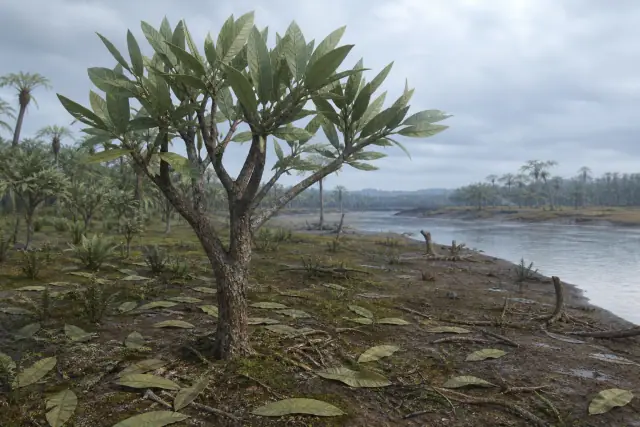
Glossopteris browniana
Tongue-shaped leaves across the southern continents became important evidence that Gondwana was once united.
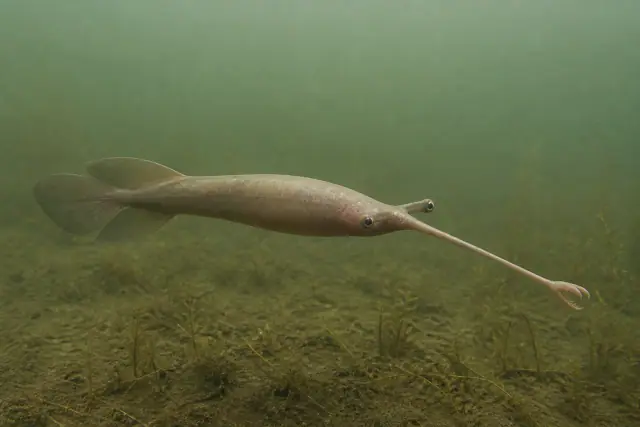
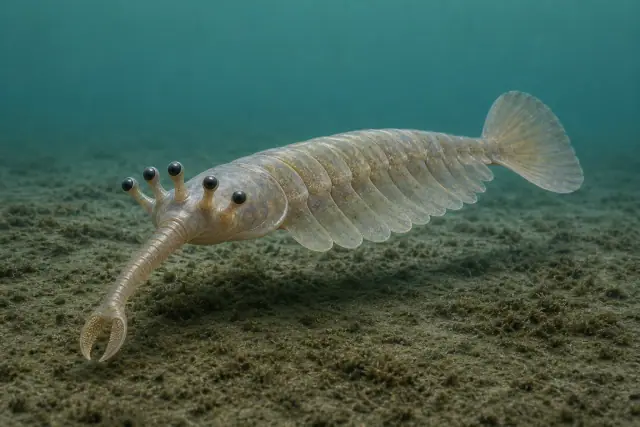
Tullimonstrum gregarium
Eyes sat at the ends of a crossbar and a long proboscis ended in a toothed grasping organ.
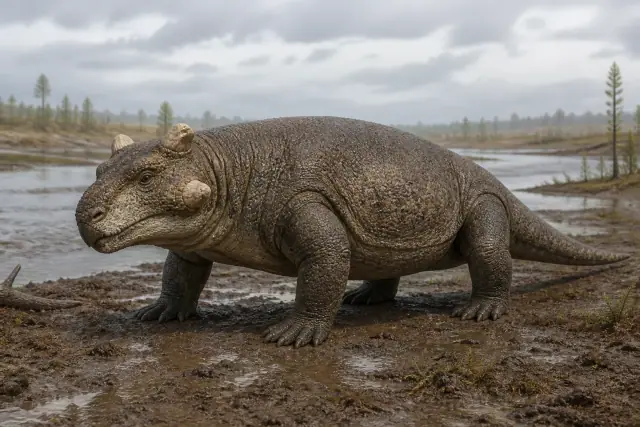
Estemmenosuchus uralensis
Paired bony bosses formed a rough crown on the skull of this large, probably plant-eating therapsid.
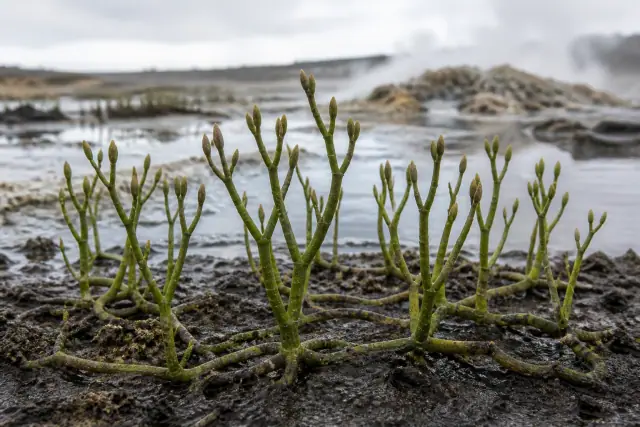
Aglaophyton major
Leafless axes rose in stands from creeping stems; conducting cells were present, but true vascular tissue was not.
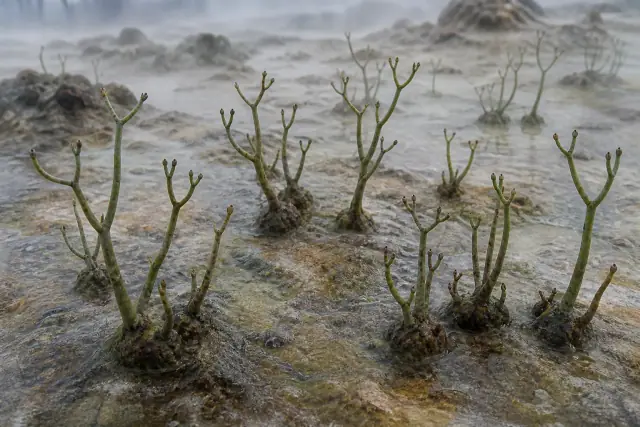
Horneophyton lignieri
Short axes carried forked sporangia above corm-like bases that could resprout on a repeatedly flooded hot-spring surface.
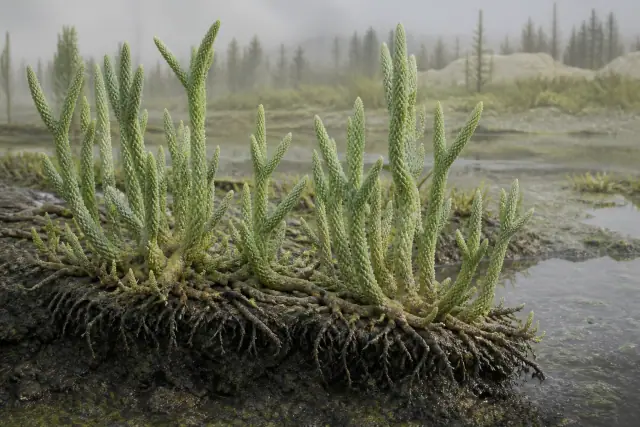
Asteroxylon mackiei
Veinless leaf-like flaps covered its axes, while star-shaped xylem supplied shoots that rose nearly half a meter.
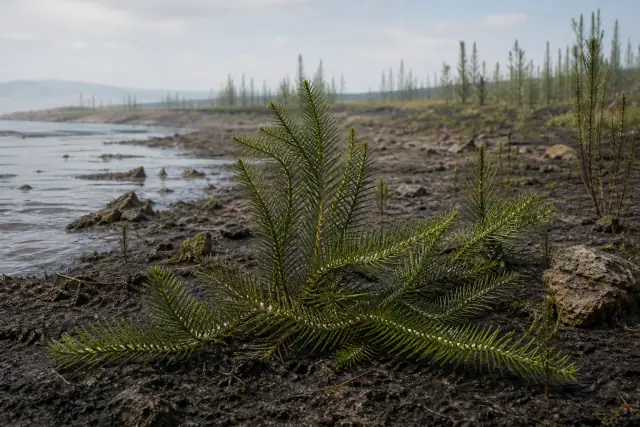
Baragwanathia longifolia
Branches more than a meter long carried dense narrow microphylls, far more elaborate than most naked-stemmed plants of its age.
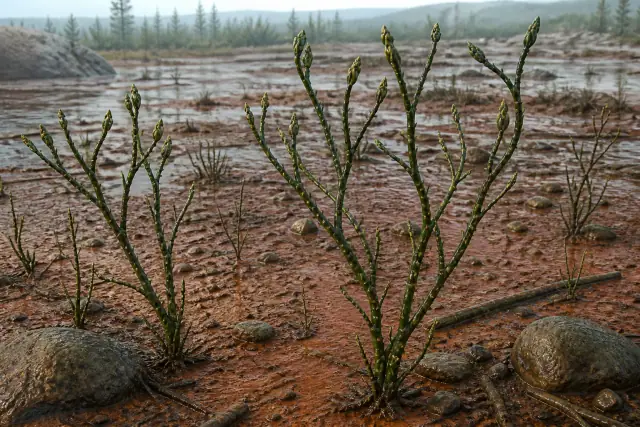
Psilophyton dawsonii
Naked axes forked repeatedly, their fertile tips curling inward and carrying paired elongated sporangia.
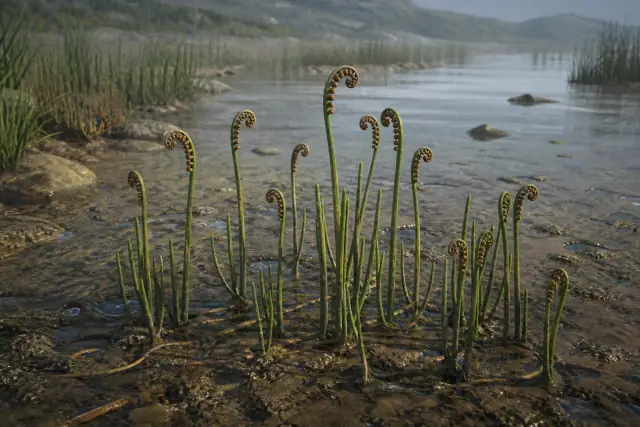
Zosterophyllum myretonianum
Two rows of kidney-shaped sporangia lined curved branch tips like the teeth of an unfinished botanical zipper.
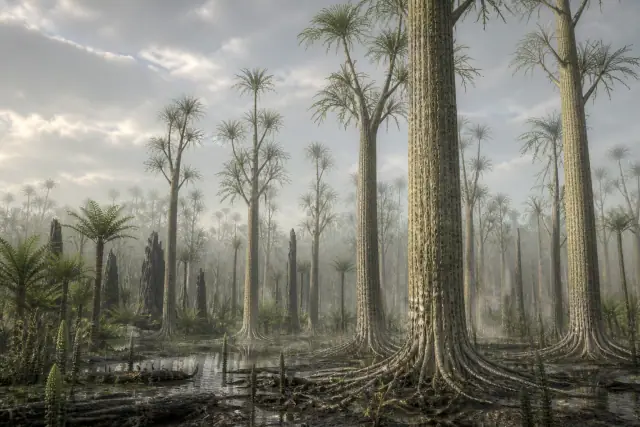
Sigillaria brardii
Vertical rows of leaf scars stamped the tall trunk, beneath a crown of sparse branches and grasslike microphylls.
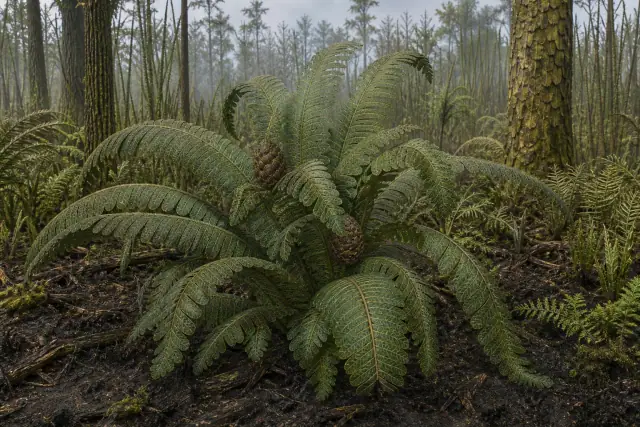
Neuropteris ovata
Rounded pinnules carried fanlike veins and looked fernlike, yet immense seeds grew among the fronds.
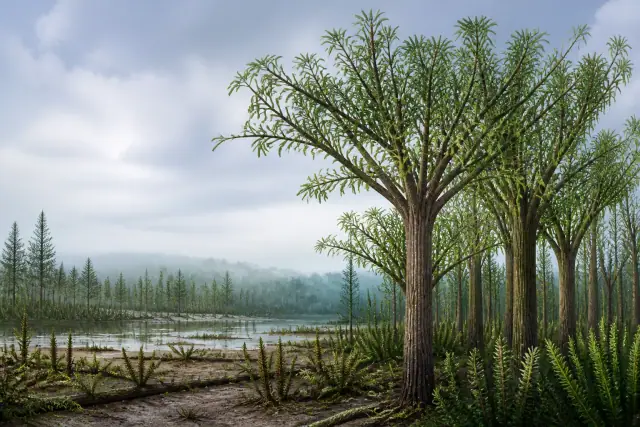
Cordaites principalis
Clusters of long strap-shaped leaves crowned woody trees from an extinct gymnosperm lineage near early conifers.
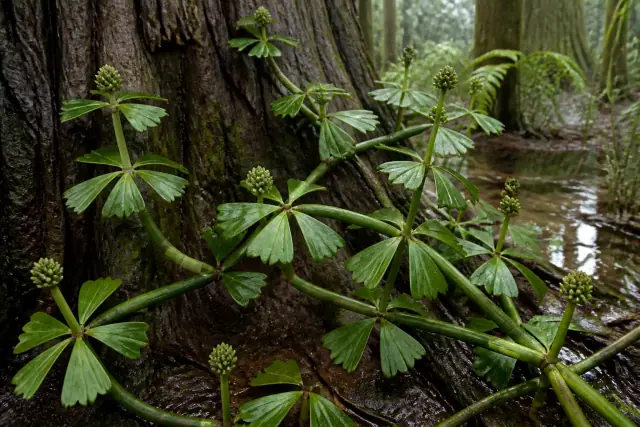
Sphenophyllum emarginatum
Six wedge-shaped leaves encircled each node of a slender stem that trailed across the ground or climbed larger trees.
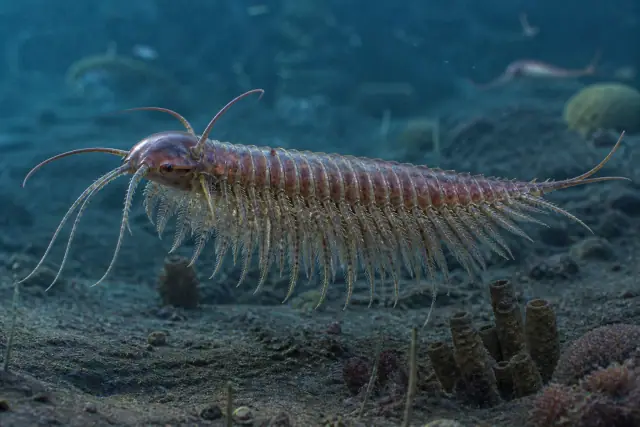
Marrella splendens
Two pairs of curved head spines, long antennae and dozens of fine legs made this two-centimeter arthropod exquisitely elaborate.
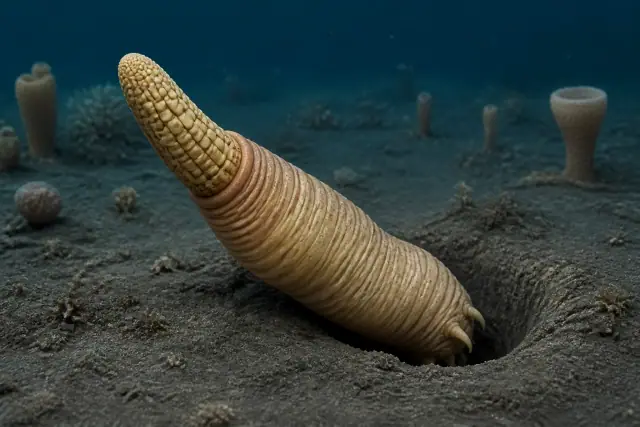
Ottoia prolifica
Its stout body hid in a U-shaped burrow while a spiny, hook-studded throat could turn inside out to seize food.
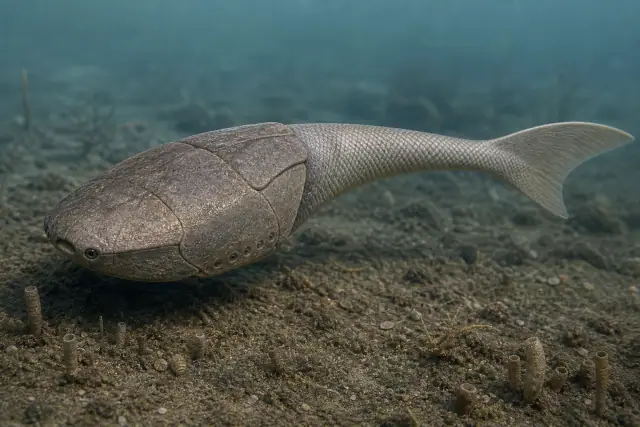
Sacabambaspis janvieri
An armored jawless fish with a broad head shield and an elongated tail; fossil distortion leaves parts of the tail outline uncertain.
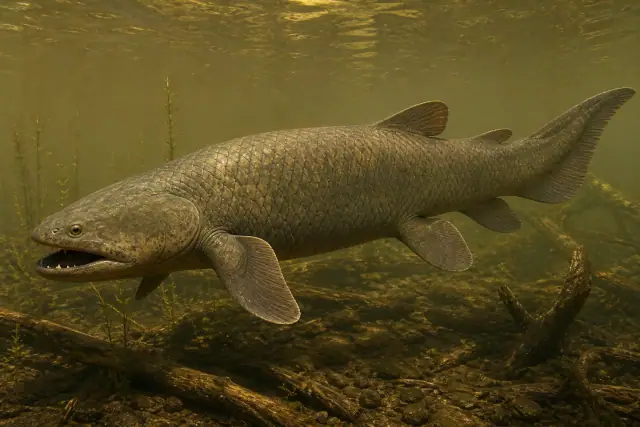
Hyneria lindae
This giant lobe-finned predator used fanglike teeth to ambush prey, while its fin skeleton followed a tetrapod-like pattern.
Explore the atlas by continent, country and state. Follow fossil localities into regional guides, compare animals across time and return to the evidence in each species profile.
FIELD GUIDES
Giants, strange body plans and lives within human memory. Follow a question into the atlas, then explore the animals behind it.