531Mesozoic
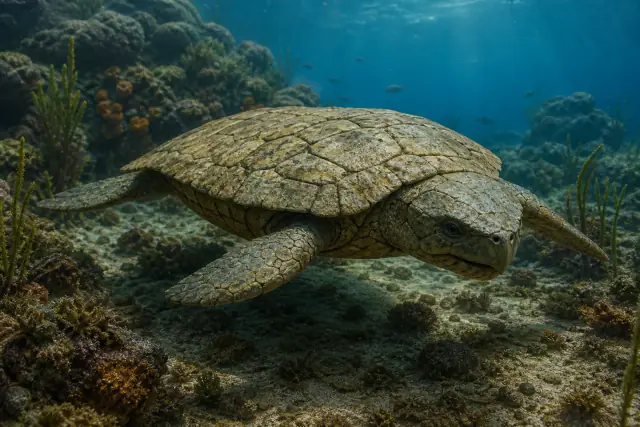
Placochelys
Placochelys placodonta
Placochelys placodonta was an armored placodont marine reptile, not a turtle; broad teeth support a hard-prey feeding interpretation.
LIFE ARCHIVE
Browse extinct life from traces nearly 1.9 billion years old to historically recorded extinctions.
Placochelys placodonta
Placochelys placodonta was an armored placodont marine reptile, not a turtle; broad teeth support a hard-prey feeding interpretation.
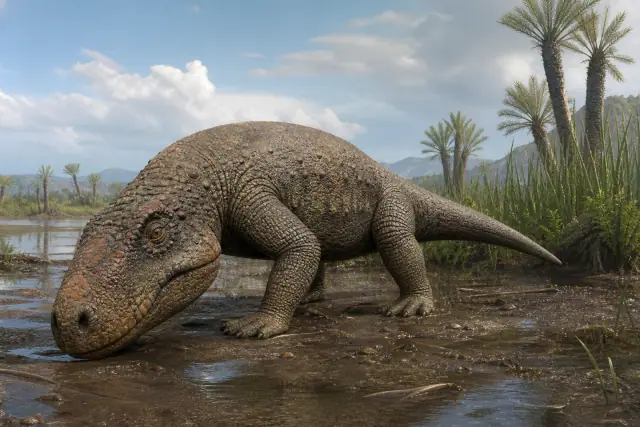
Erythrosuchus africanus
An enormous deep skull sat on a relatively low body in this early archosauriform apex predator.
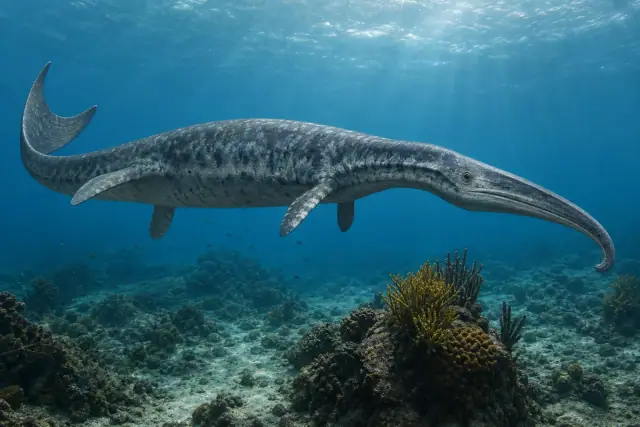
Thalattosaurus alexandrae
A long tail, paddle-like limbs and downturned snout marked a vanished marine-reptile branch.
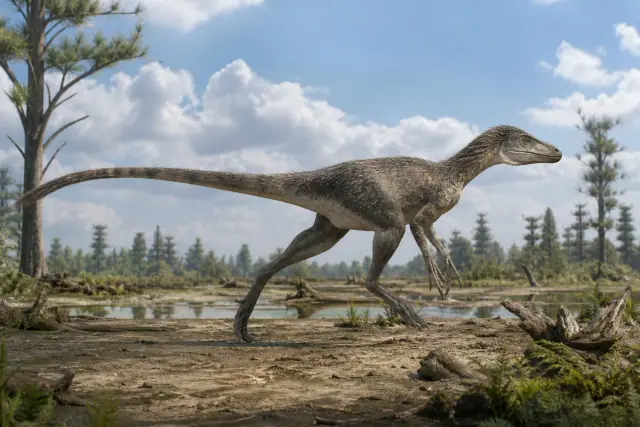
Eotyrannus lengi
Long three-fingered arms and a light body preceded the giant two-fingered tyrannosaurs.
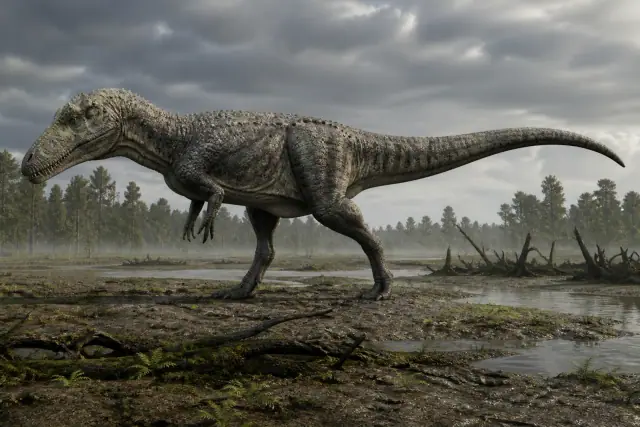
Mapusaurus roseae
This giant carcharodontosaurid shared plains with enormous sauropods and is known from a multi-individual bone bed.
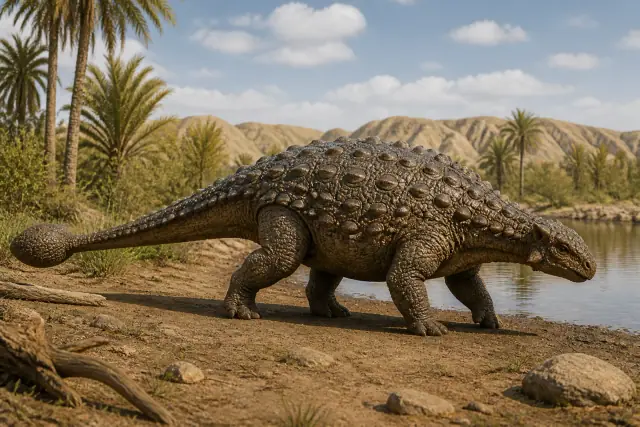
Tarchia kielanae
Heavy skull armor, neck rings and a tail club belonged to a large Gobi ankylosaur.
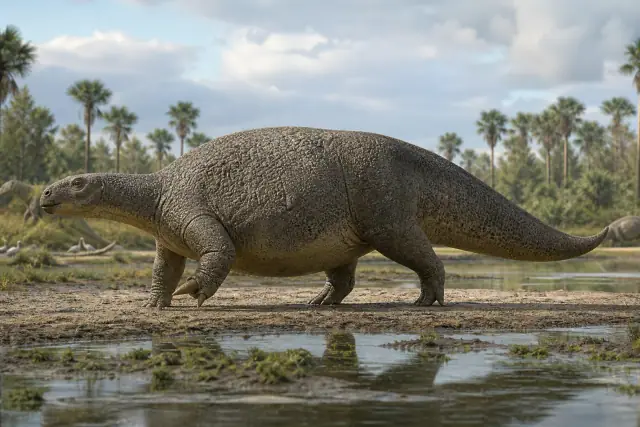
Lurdusaurus arenatus
Short legs, a broad trunk and giant thumb spike made an unusually low heavy iguanodontian.
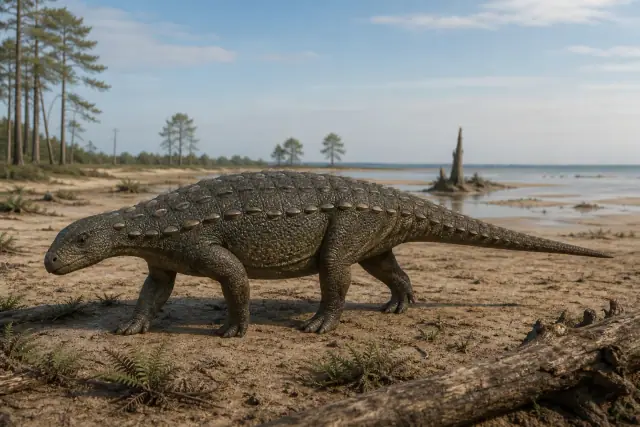
Scelidosaurus harrisonii
Rows of armor from neck to tail mark an early split among armored dinosaurs.
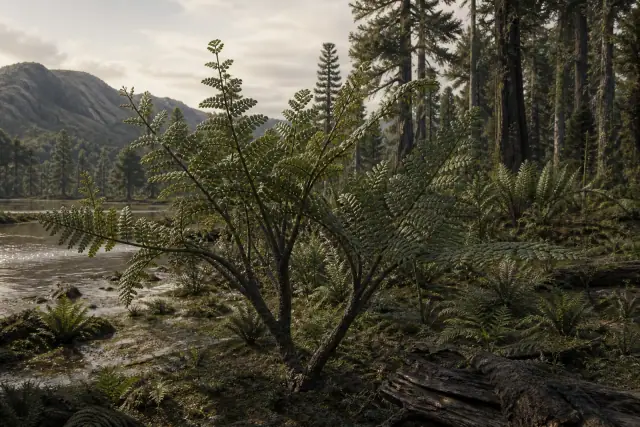
Pachypteris gradinarui
Thick leathery pinnules and lower-surface stomata helped this seed fern withstand seasonal dryness.
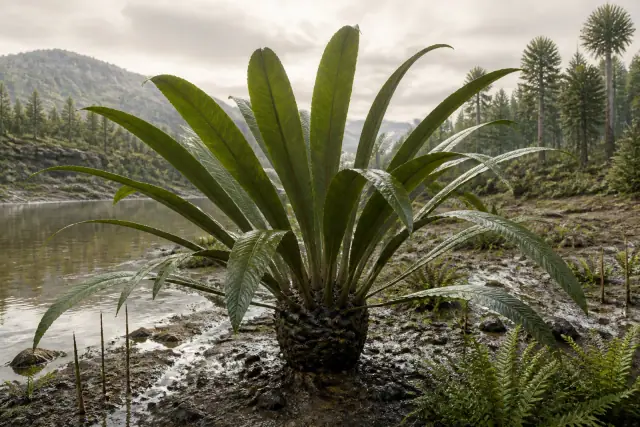
Bjuvia simplex
Huge, nearly undivided strap leaves opened from a stout cycad-like crown.
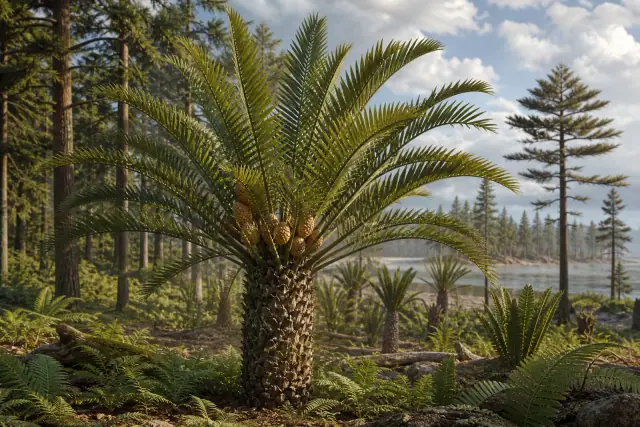
Bennettites
Tough pinnate leaves crowned cycad-like trunks around compact flower-like reproductive organs.
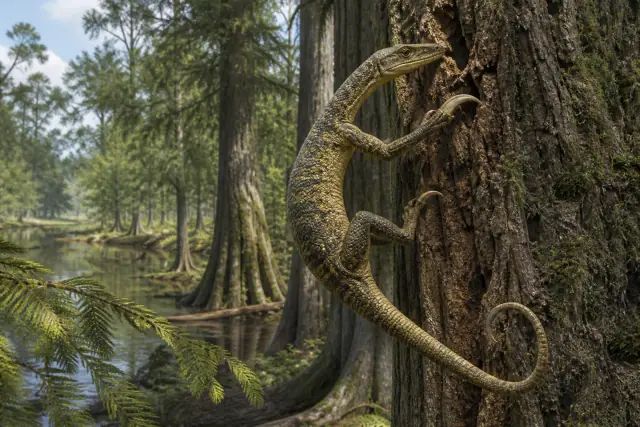
Drepanosaurus unguicaudatus
A sickle-shaped hand claw, grasping feet and hooked tail tip formed a highly arboreal reptile.
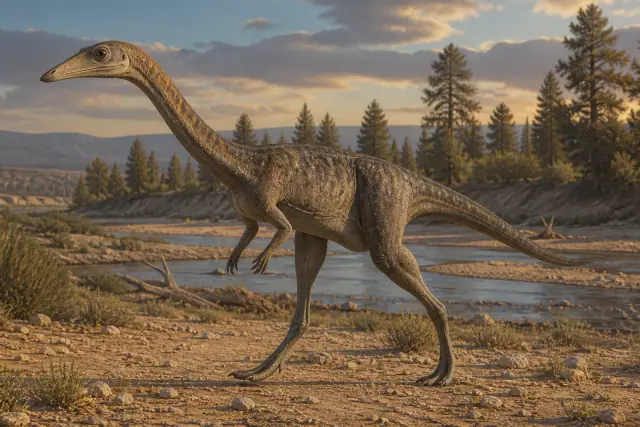
Effigia okeeffeae
A toothless beak, long neck and bipedal legs made this crocodile relative converge on later bird-like dinosaurs.
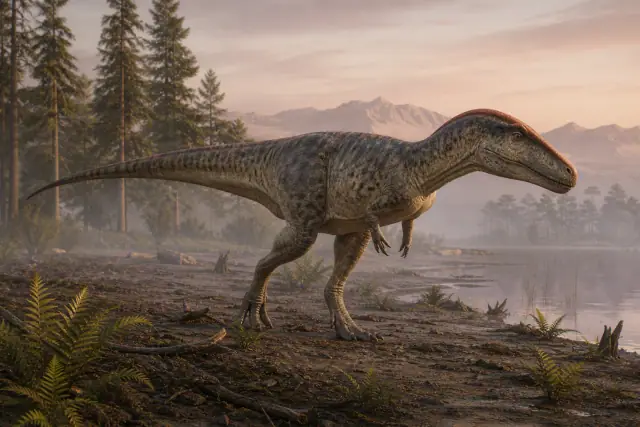
Monolophosaurus jiangi
A single crest running from snout to skull roof gave this medium theropod a distinctive profile.
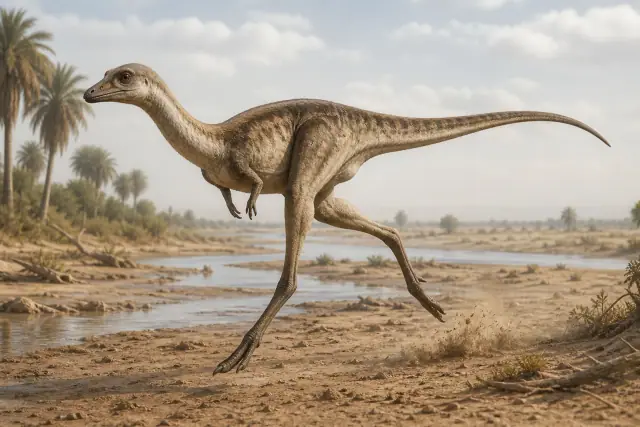
Deltadromeus agilis
Long hind limbs and a lightly built skeleton indicate a large, fast-moving theropod.
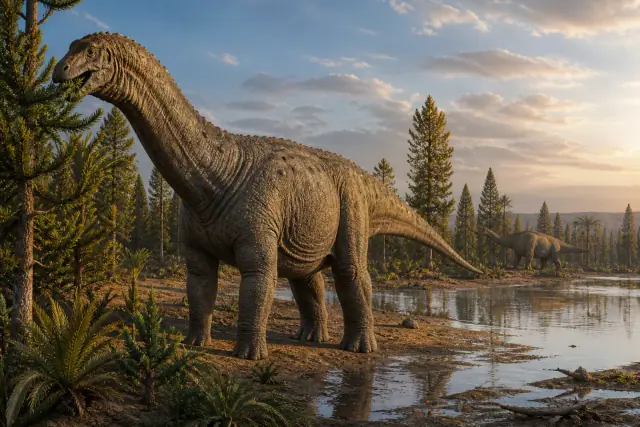
Jobaria tiguidensis
A relatively short neck, strong limbs and primitive vertebrae belonged to a large non-neosauropod herbivore.
Explore the atlas by continent, country and state. Follow fossil localities into regional guides, compare animals across time and return to the evidence in each species profile.
FIELD GUIDES
Giants, strange body plans and lives within human memory. Follow a question into the atlas, then explore the animals behind it.