553Mesozoic
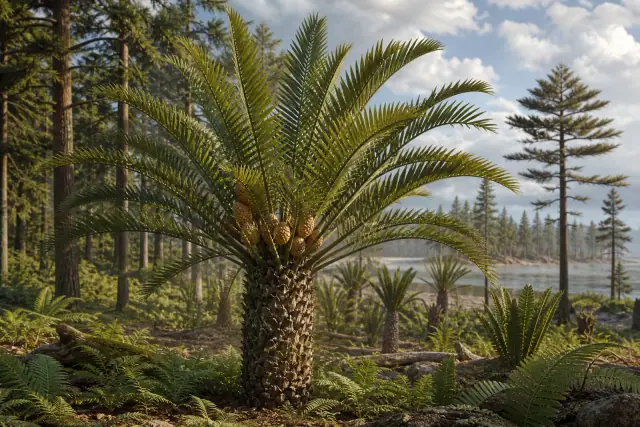
Bennettites
Bennettites
Tough pinnate leaves crowned cycad-like trunks around compact flower-like reproductive organs.
LIFE ARCHIVE
Browse extinct life from traces nearly 1.9 billion years old to historically recorded extinctions.
Bennettites
Tough pinnate leaves crowned cycad-like trunks around compact flower-like reproductive organs.
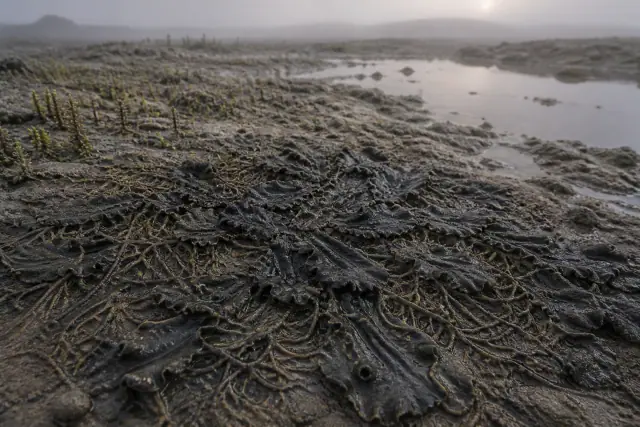
Nematothallus
Carbonized cell sheets and tangled tubes came from an enigmatic early terrestrial organism.
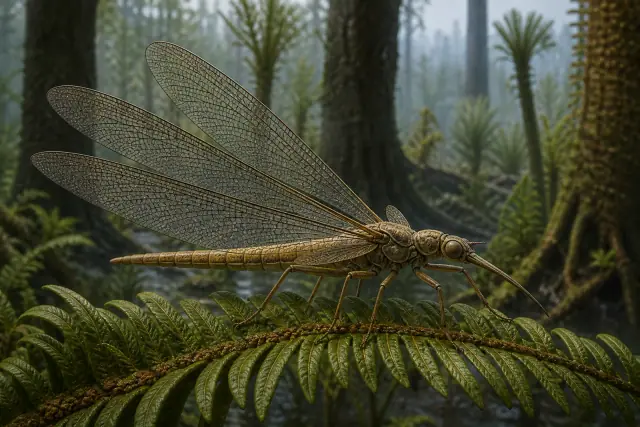
Palaeodictyoptera
Two pairs of net-veined wings could not fold, and some species carried thoracic winglets and piercing mouthparts.
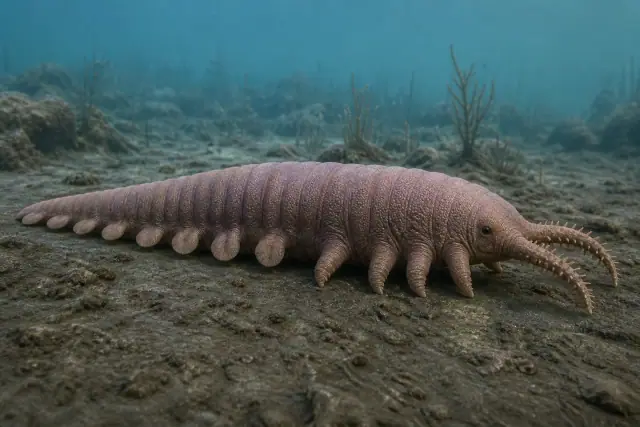
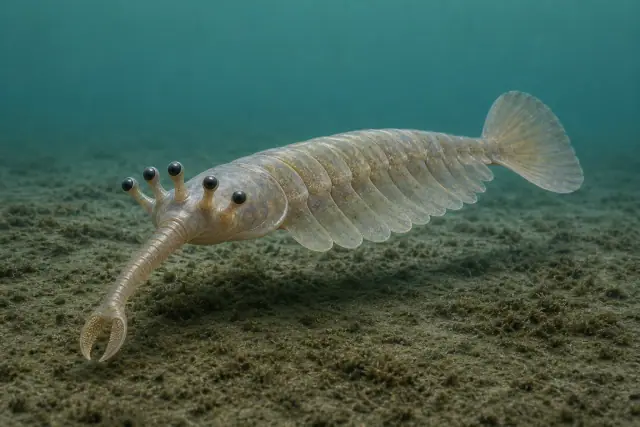
Pambdelurion whittingtoni
Large frontal appendages, rows of swimming flaps and an annulated soft body link lobopodians with true arthropods.
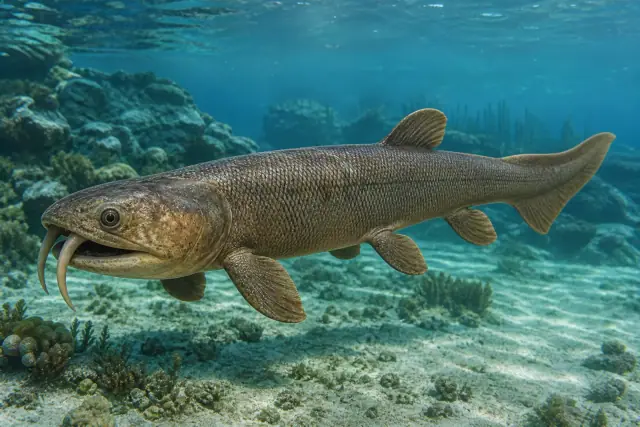
Onychodus jandemarrai
A pair of curved lower-jaw tusks and a kinetic skull helped this lobe-finned fish restrain prey.
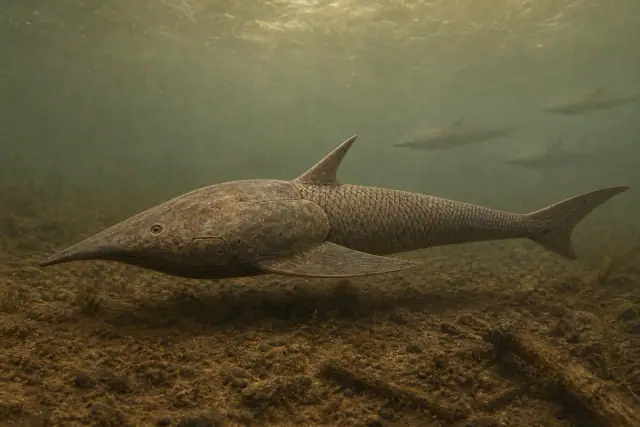
Pteraspis rostrata
A streamlined head shield extended into a rostrum, while a dorsal spine and lateral horns stabilized the jawless fish.
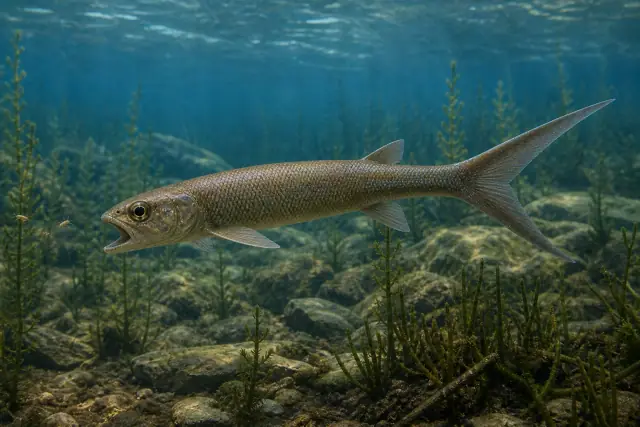
Cheirolepis trailli
Tiny rhomboid scales, a deeply forked tail and broad gape marked an early ray-finned fish radiation.
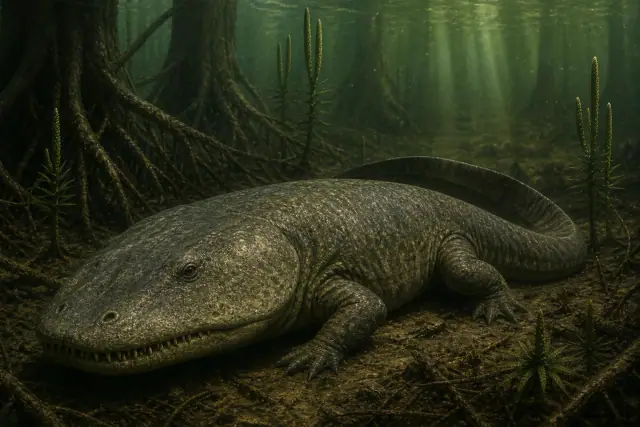
Capetus palustris
A broad flat skull and dense pointed teeth belonged to a large aquatic temnospondyl.
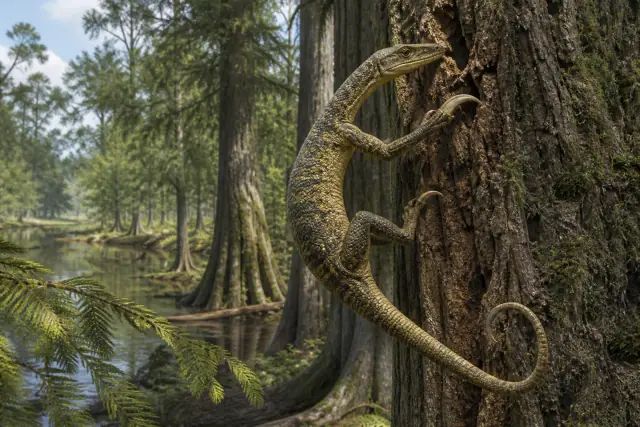
Drepanosaurus unguicaudatus
A sickle-shaped hand claw, grasping feet and hooked tail tip formed a highly arboreal reptile.
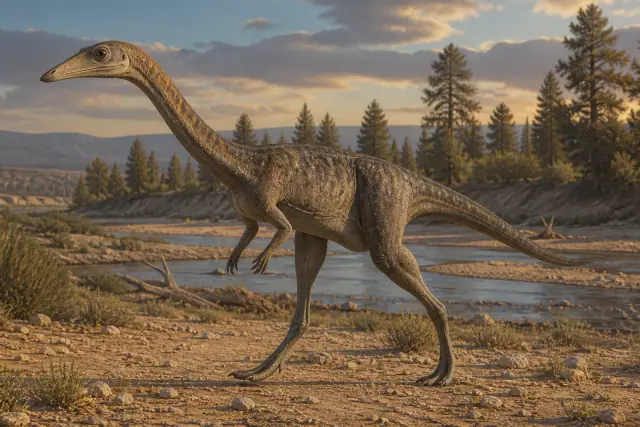
Effigia okeeffeae
A toothless beak, long neck and bipedal legs made this crocodile relative converge on later bird-like dinosaurs.
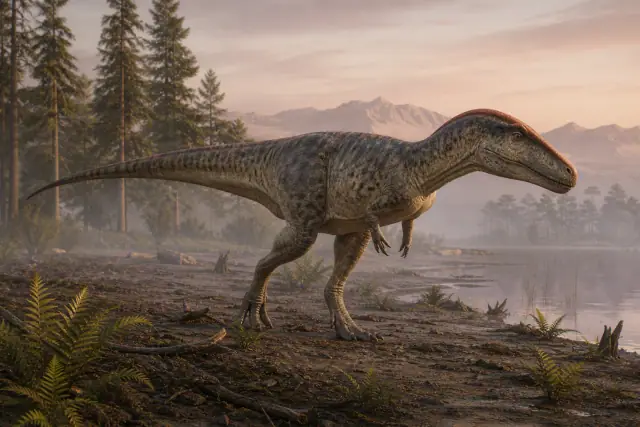
Monolophosaurus jiangi
A single crest running from snout to skull roof gave this medium theropod a distinctive profile.
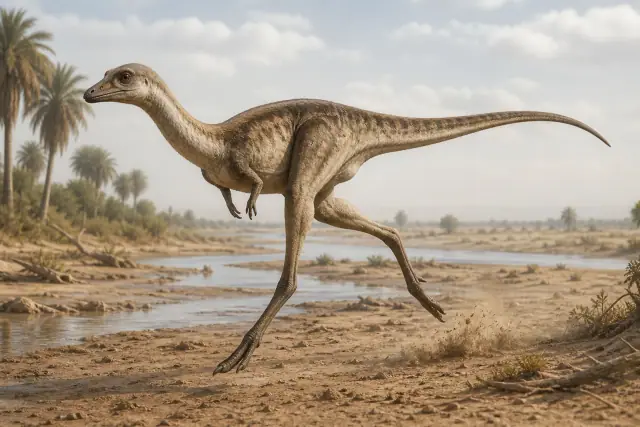
Deltadromeus agilis
Long hind limbs and a lightly built skeleton indicate a large, fast-moving theropod.
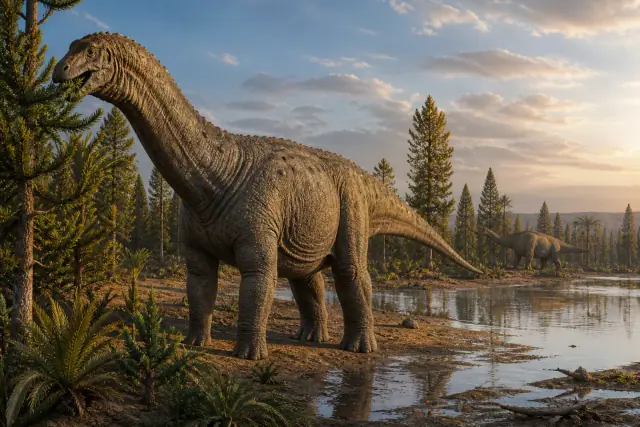
Jobaria tiguidensis
A relatively short neck, strong limbs and primitive vertebrae belonged to a large non-neosauropod herbivore.
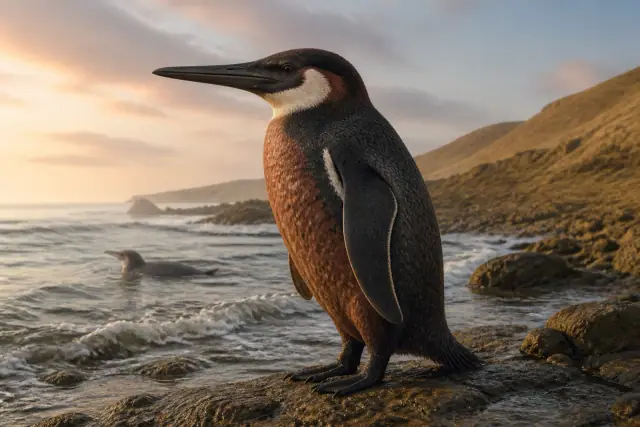
Inkayacu paracasensis
A near-human-height diving bird preserves feathers and melanosomes that opened direct study of ancient penguin color.
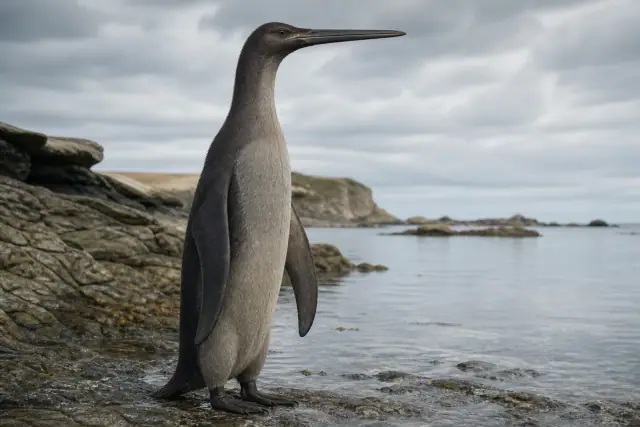
Kairuku grebneffi
A slender trunk, long bill and large flippers produced a taller silhouette than modern penguins.
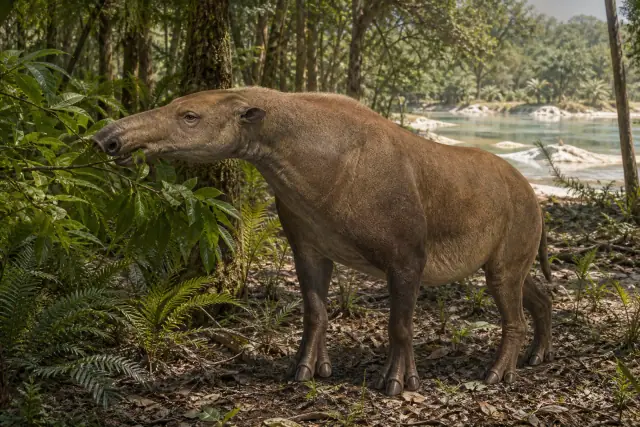
Palaeotherium magnum
A short face, low-crowned teeth and three-toed feet belonged to a European herbivore near horse relatives.
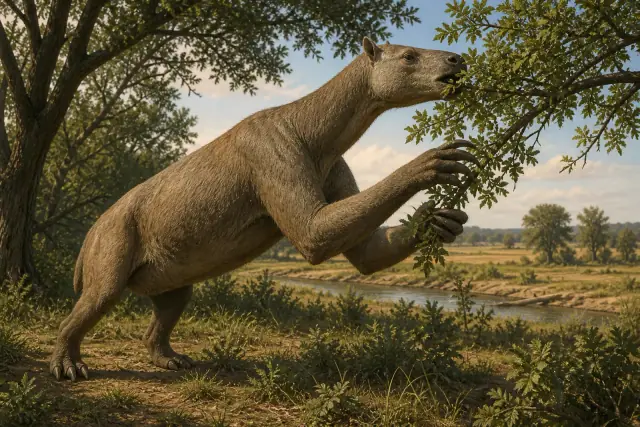
Moropus elatus
A horse-like head and enormous curved claws belonged to a herbivorous perissodactyl walking on its knuckles.
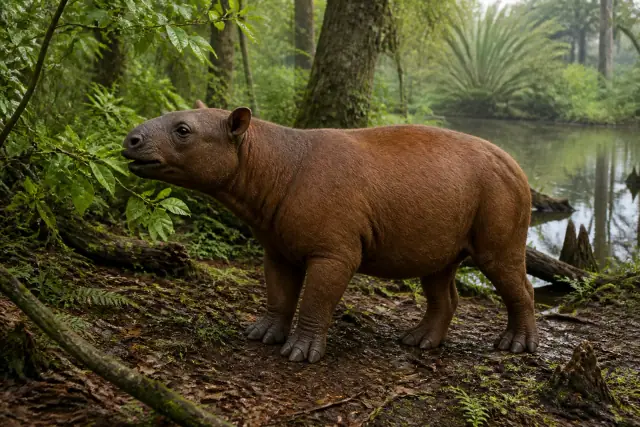
Eotitanops borealis
Only tapir-sized and hornless, it already possessed the short face and teeth of early brontotheres.
Explore the atlas by continent, country and state. Follow fossil localities into regional guides, compare animals across time and return to the evidence in each species profile.
FIELD GUIDES
Giants, strange body plans and lives within human memory. Follow a question into the atlas, then explore the animals behind it.