385Mesozoic
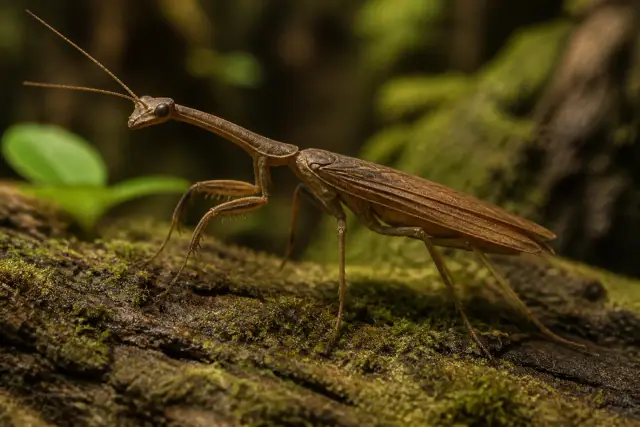
Manipulator
Manipulator modificaputis
A long neck and grasping forelegs converged on the mantis body plan.
LIFE ARCHIVE
Browse extinct life from traces nearly 1.9 billion years old to historically recorded extinctions.
Manipulator modificaputis
A long neck and grasping forelegs converged on the mantis body plan.
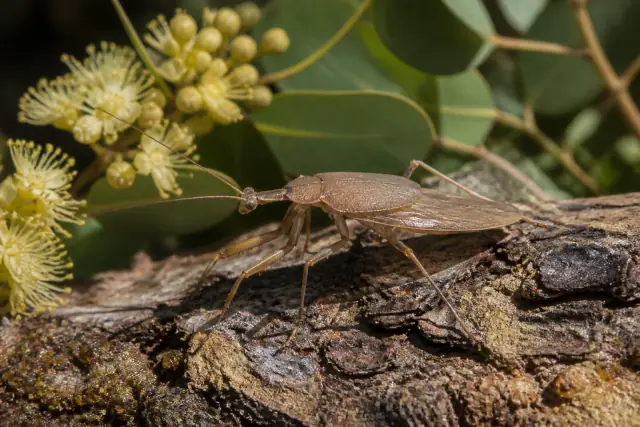
Alienopterus brachyelytrus
Short leathery forewings covered folded membranous hindwings.
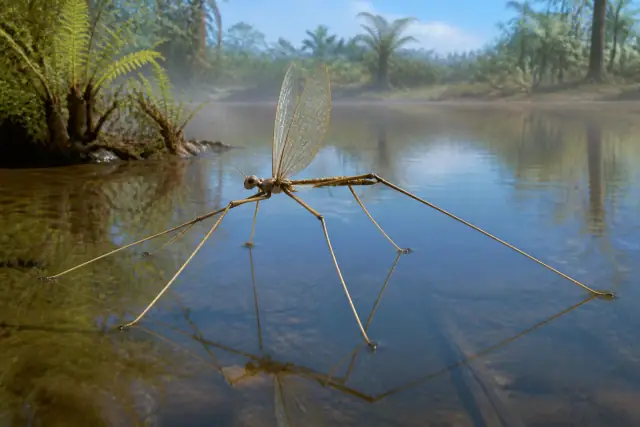
Chresmoda obscura
Six extremely long legs may have spread its weight across the water surface.
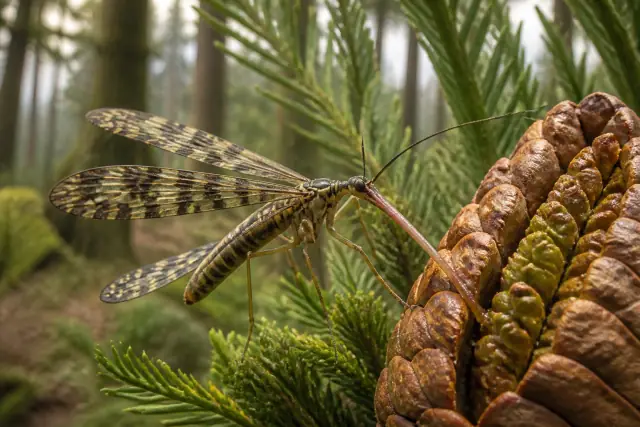
Mesopsyche dobrokhotovae
A long siphon accessed sugary secretions before flowers evolved.
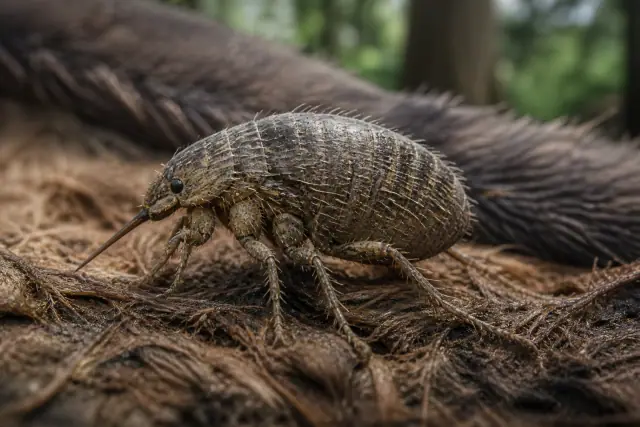
Tarwinia australis
It resembled a giant primitive flea but may not be a direct flea ancestor.
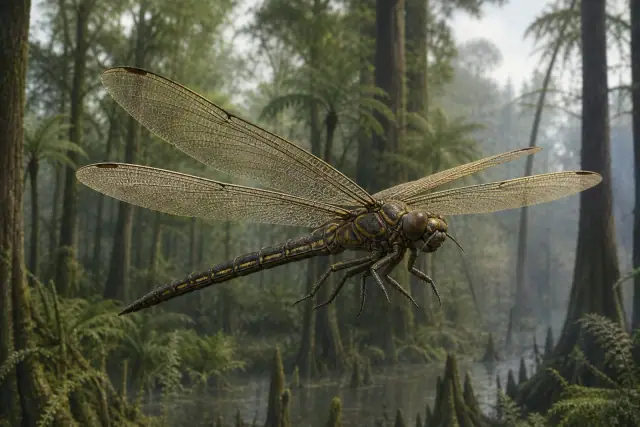
Erasipteron larischi
Broad net-veined wings carried an early aerial predator through oxygen-rich forests.
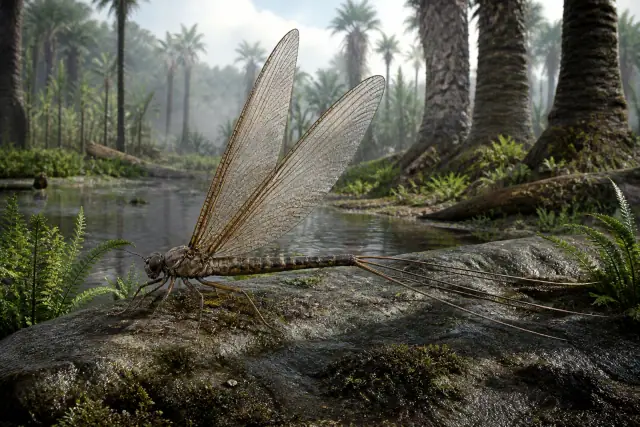
Bojophlebia prokopi
Huge triangular wings and long tail filaments belonged to a giant mayfly relative.
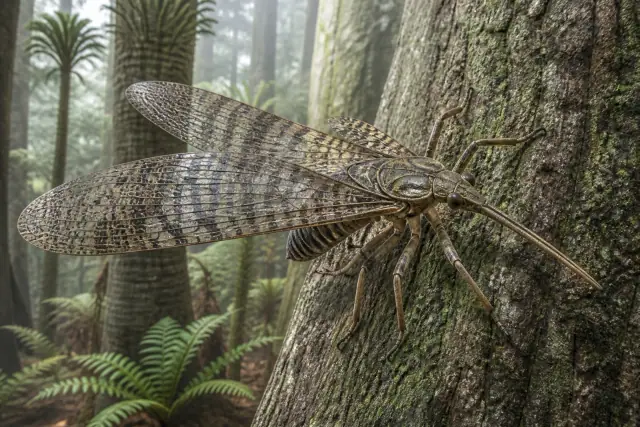
Homoioptera woodwardi
Thoracic winglets accompanied four large wings in an extinct flight architecture.
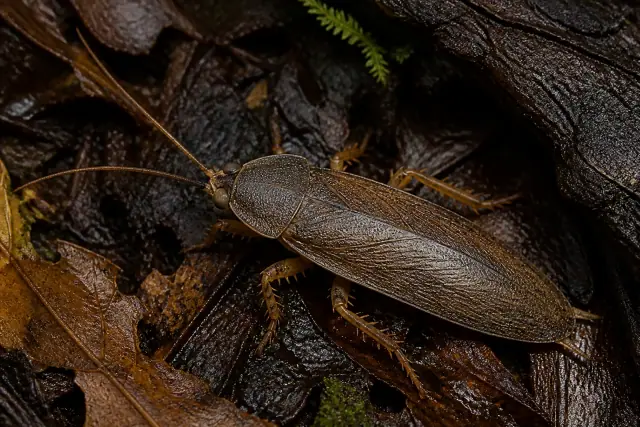
Archimylacris eggintoni
A shield-like pronotum and flat wings mark an early cockroach-mantis relative.
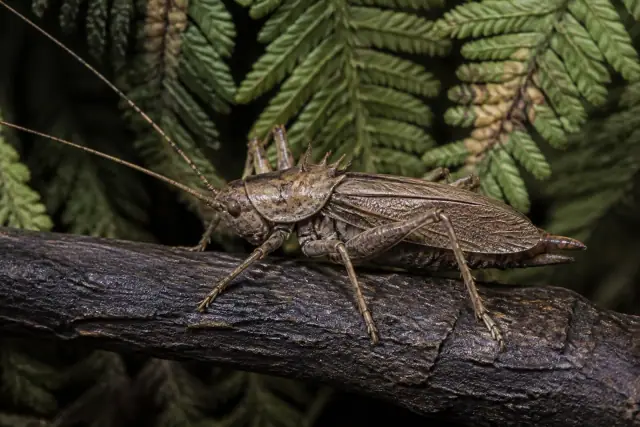
Gerarus danae
An enlarged prothorax carried a row of prominent spines.
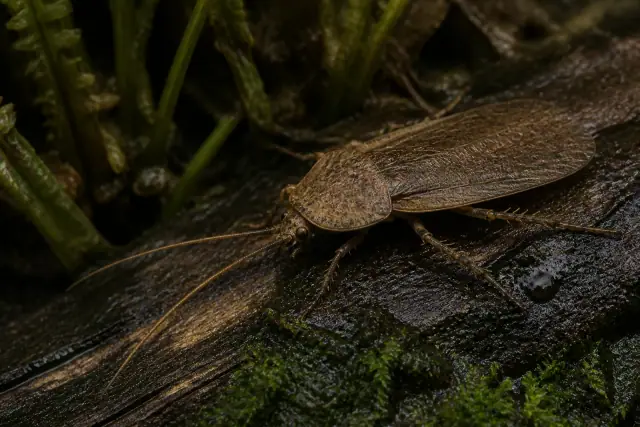
Qilianiblatta namurensis
Its wing venation pushes the cockroach-like pattern deep into the Carboniferous.
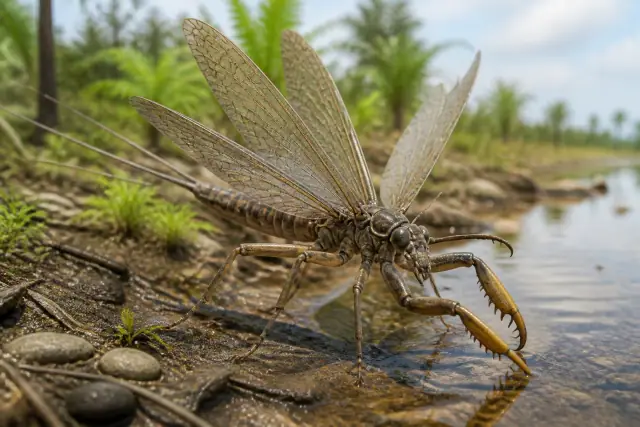
Mickoleitia longimanus
Raptorial forelegs and three tail filaments formed a lost mayfly body plan.
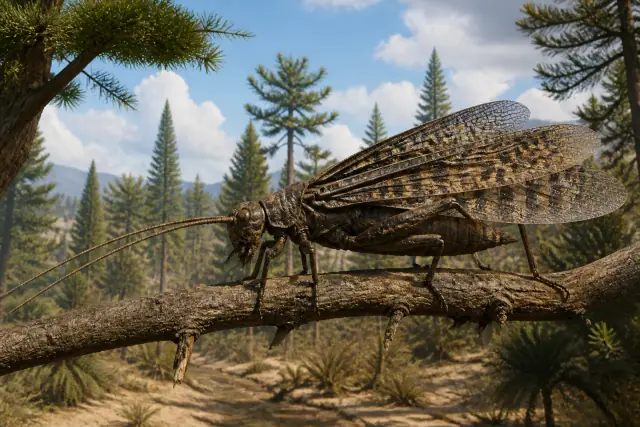
Mesotitan giganteus
Large wings and robust mouthparts belonged to the spectacular titanopterans.
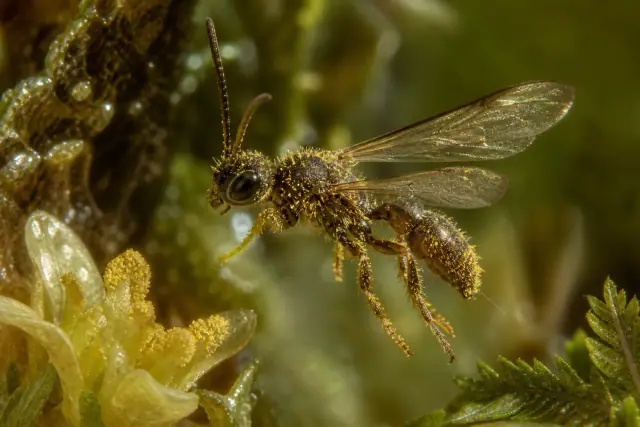
Discoscapa apicula
Pollen on the legs and body records an early pollination relationship.
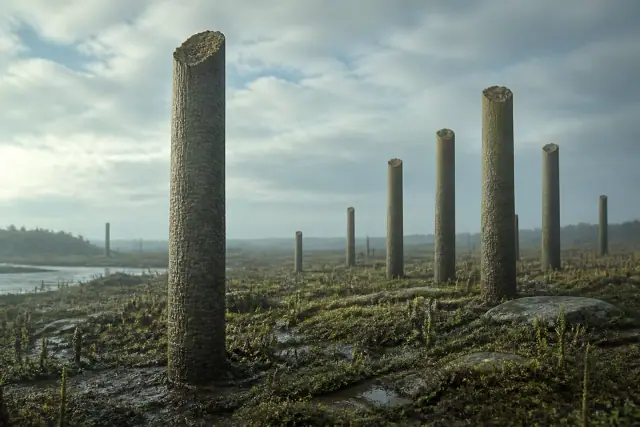
Prototaxites dawsonii
Meter-high columns towered over landscapes of otherwise low vegetation.
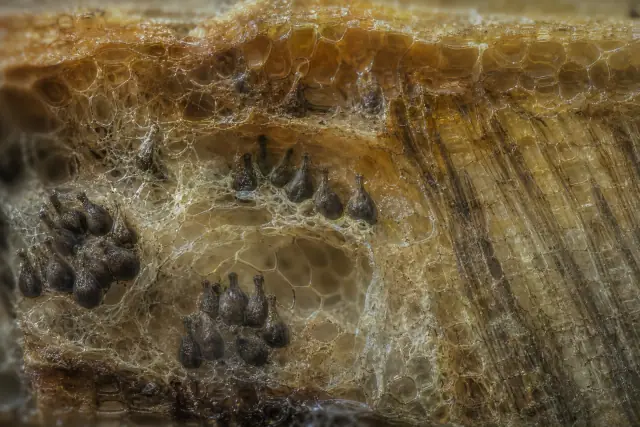
Paleopyrenomycites devonicus
Tiny flask-shaped fruiting bodies inside plant tissue are among the oldest ascomycete evidence.
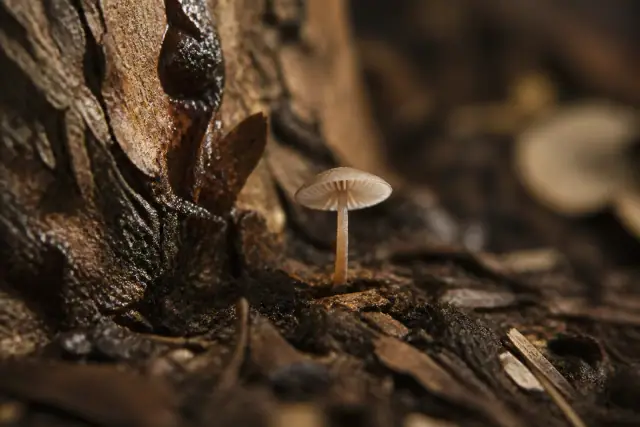
Palaeoagaracites antiquus
A millimeter-scale cap and gills show agaric mushrooms in the dinosaur era.
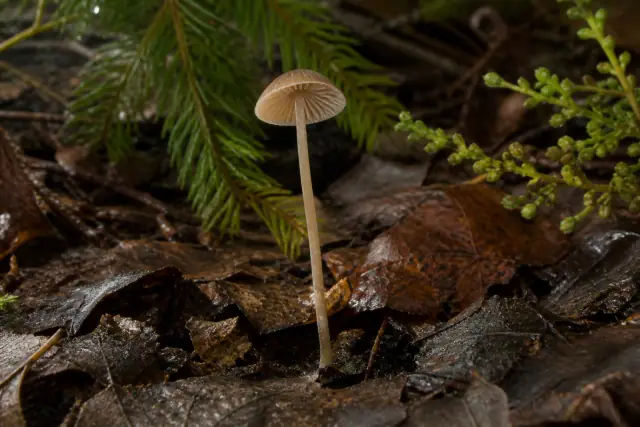
Archaeomarasmius leggettii
A slender stem and tiny cap already resembled marasmioid mushrooms.
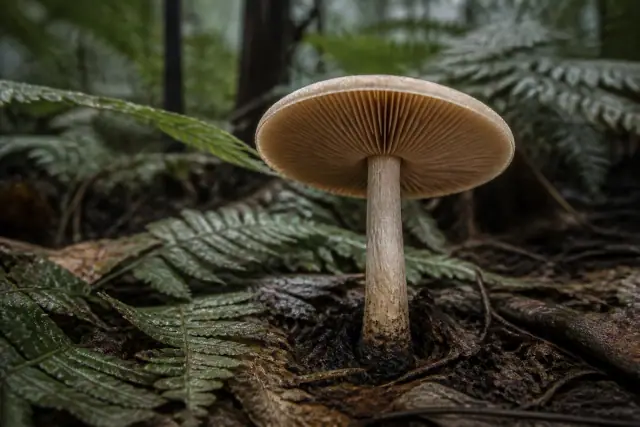
Gondwanagaricites magnificus
A mineralized cap brings early agaric evidence to the southern continents.
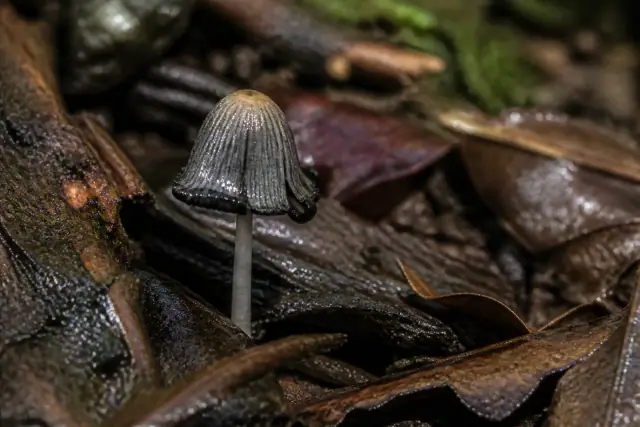
Coprinites dominicana
Its pleated bell cap may have deliquesced like a modern inkcap.
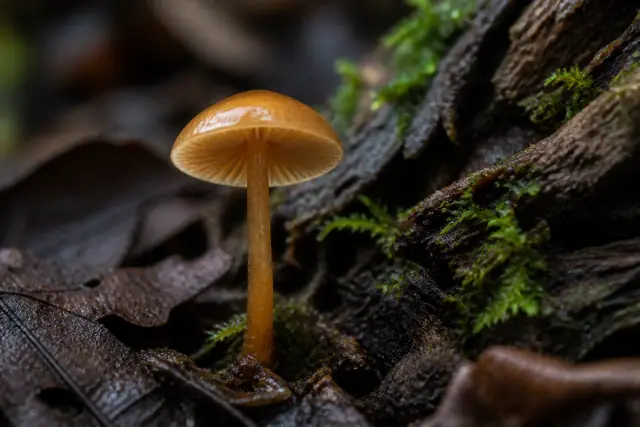
Aureofungus yaniguaensis
A golden-brown cap retained three-dimensional gills in amber.
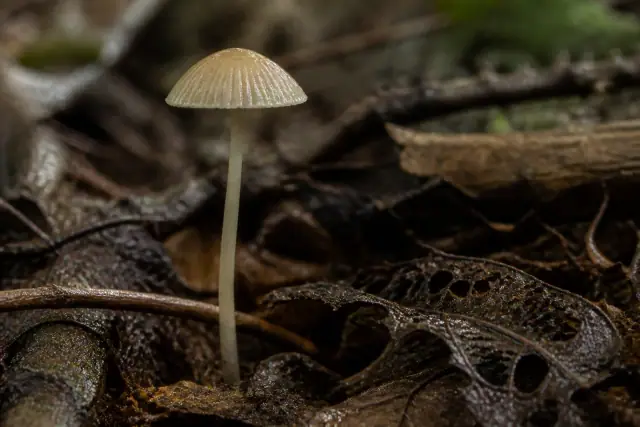
Protomycena electra
Radial striations remained visible across a minute translucent cap.
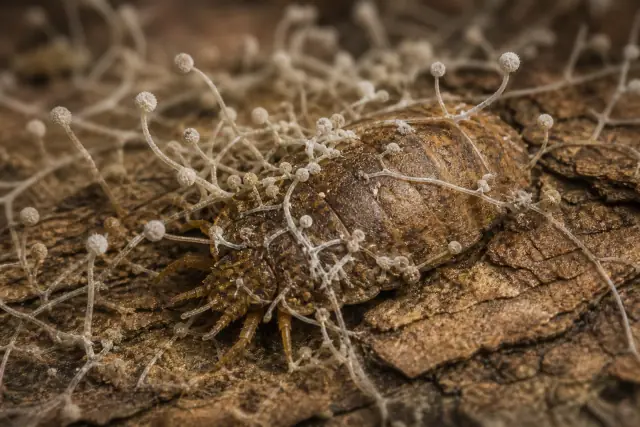
Gerontomyces lepidotus
Hyphae surrounding a scale insect preserve a tiny Cretaceous association.
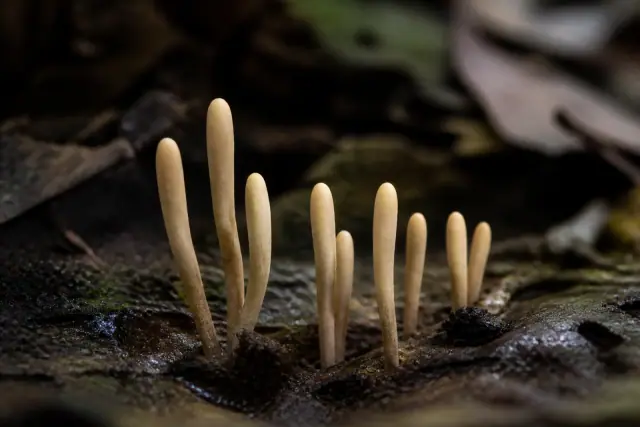
Palaeoclavaria burmitis
Simple club-shaped fruiting bodies show non-gilled fungi in Cretaceous forests.
Explore the atlas by continent, country and state. Follow fossil localities into regional guides, compare animals across time and return to the evidence in each species profile.
FIELD GUIDES
Giants, strange body plans and lives within human memory. Follow a question into the atlas, then explore the animals behind it.