337Cenozoic
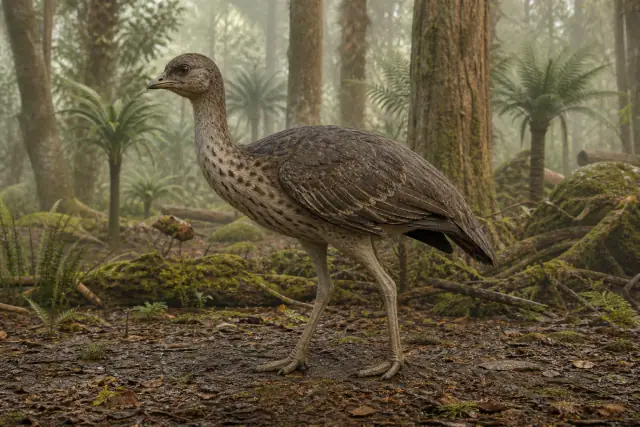
Lithornis
Lithornis vulturinus
A strong flyer belonged near lineages whose living members are mostly flightless.
LIFE ARCHIVE
Browse extinct life from traces nearly 1.9 billion years old to historically recorded extinctions.
Lithornis vulturinus
A strong flyer belonged near lineages whose living members are mostly flightless.
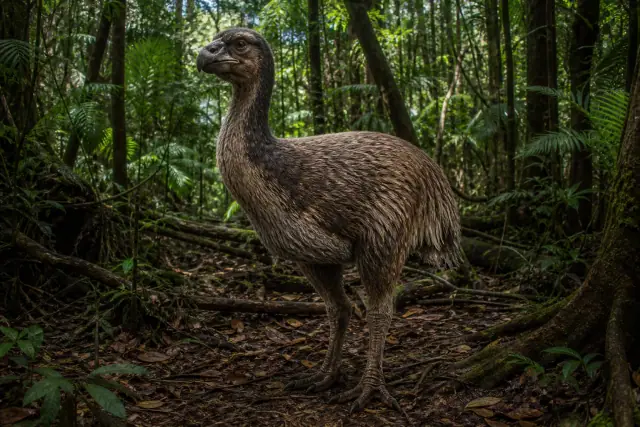
Sylviornis neocaledoniae
This tall flightless island bird was closer to megapodes than its heavy build suggested.
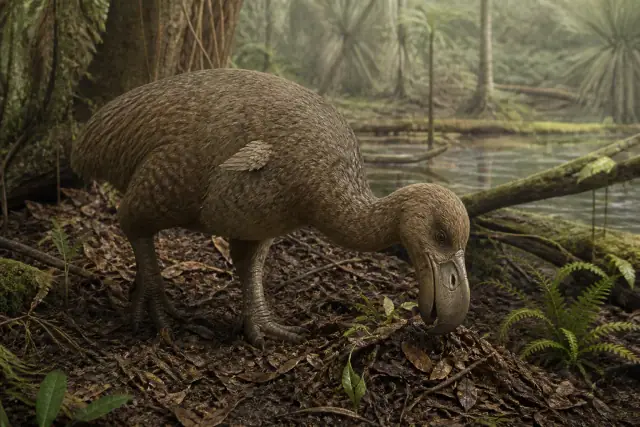
Aptornis otidiformis
Powerful legs and a heavy bill belonged to a flightless ground forager.
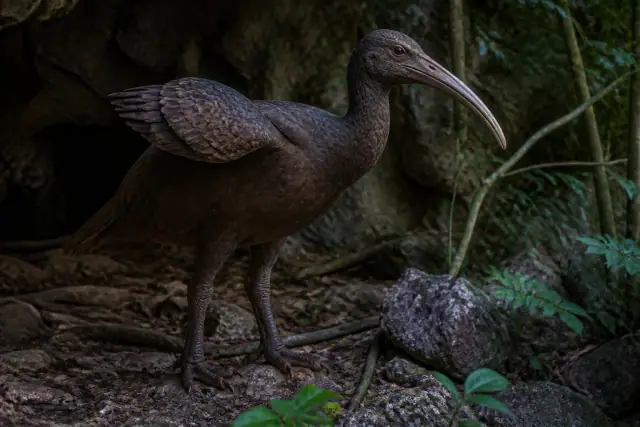
Xenicibis xympithecus
A flightless ibis turned thickened wrist bones into club-like weapons.
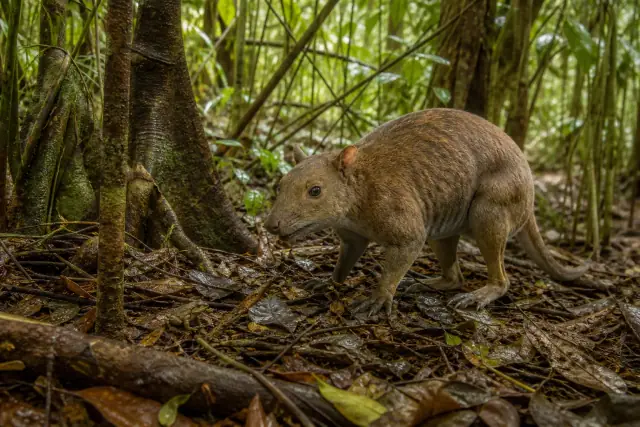
Ekaltadeta ima
Deep jaws and slicing teeth suggest an ancient kangaroo relative that ate meat.
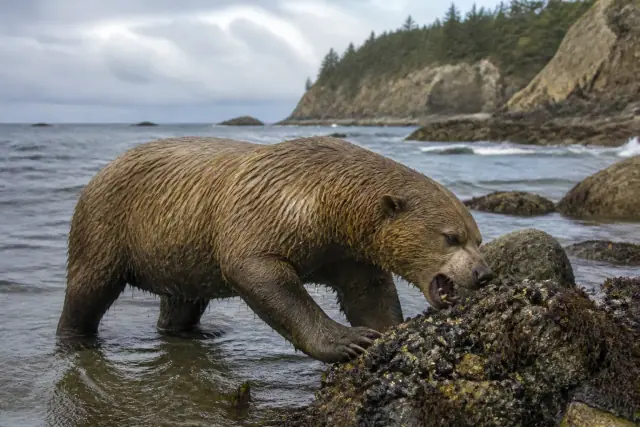
Kolponomos newportensis
A bear-like carnivore used powerful jaws to pry and crush shellfish.
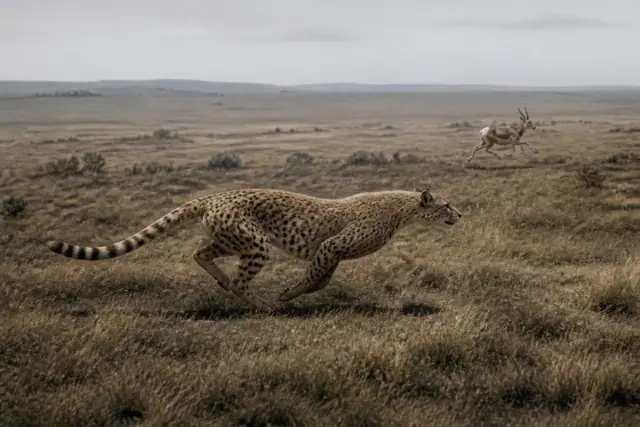
Miracinonyx trumani
Long limbs converged on cheetah proportions, but its closest ties were to cougars.
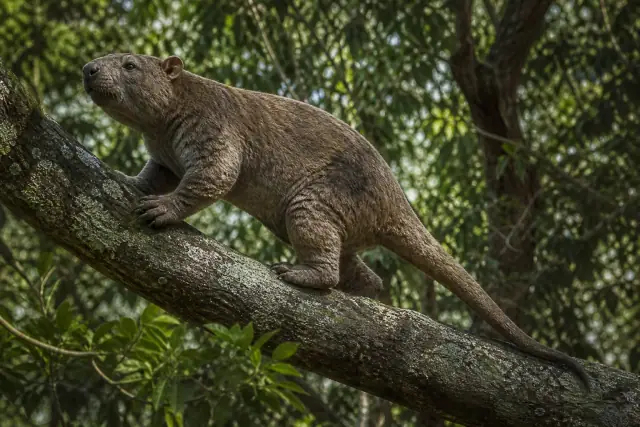
Nimbadon lavarackorum
Grasping feet and flexible shoulders reveal a large climbing marsupial.
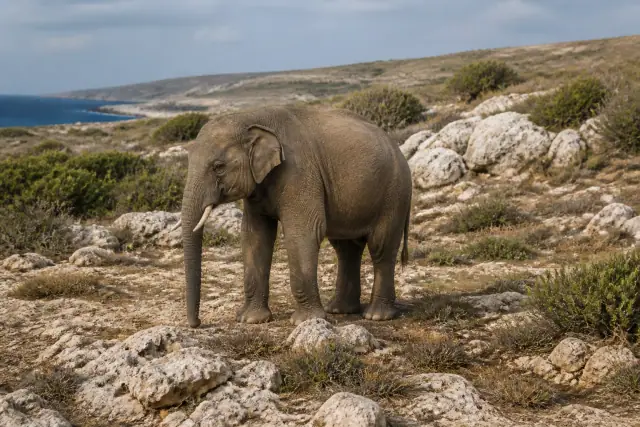
Palaeoloxodon cypriotes
Island scarcity shrank a giant-elephant lineage to about one meter at the shoulder.
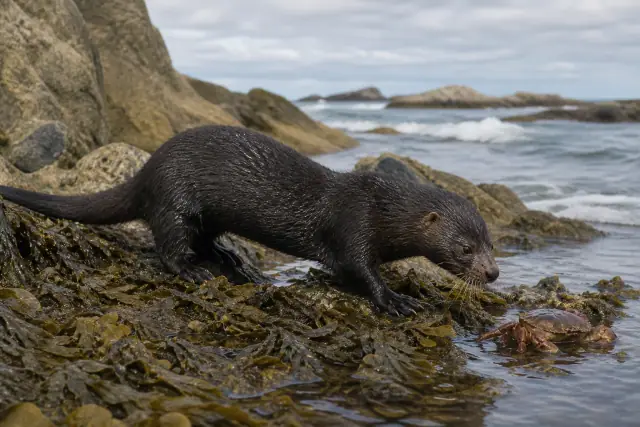
Neogale macrodon
It was hunted out for fur before scientists could describe a living animal.
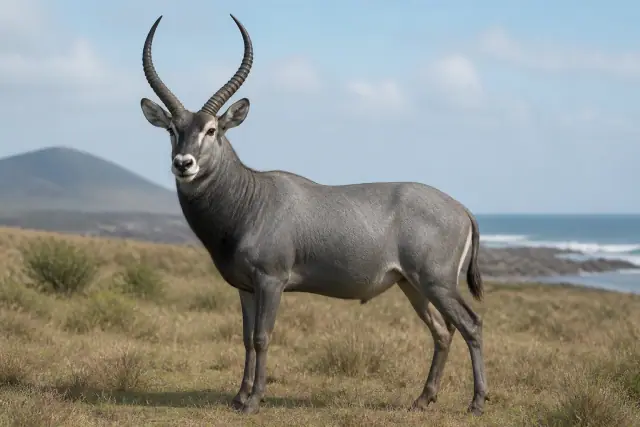
Hippotragus leucophaeus
Its blue cast likely came from gray hair over dark skin rather than bright fur.
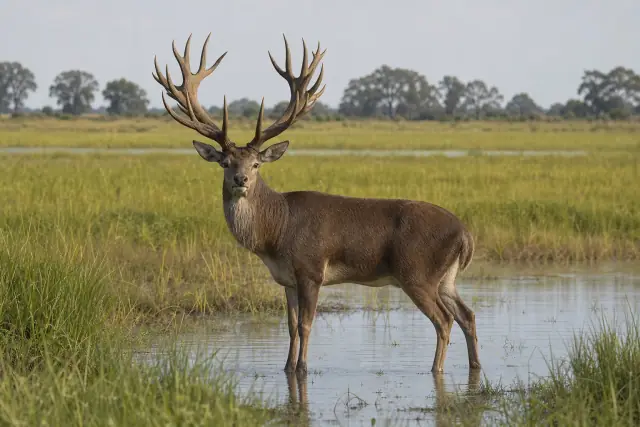
Rucervus schomburgki
Broad multi-tined antlers formed a crown above floodplain grasslands.
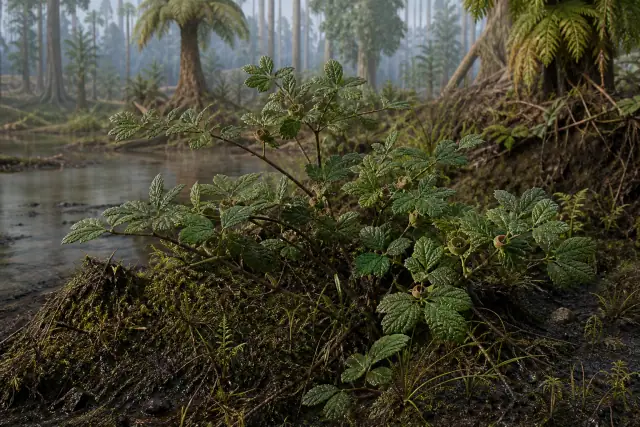
Sagenopteris rhoifolia
Four net-veined leaflets belonged to a seed fern rather than a true fern.
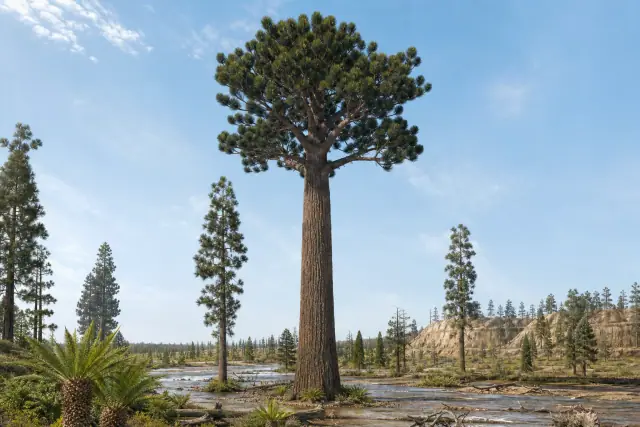
Araucarioxylon arizonicum
Silica replaced fallen trunks to create today's multicolored petrified forest.
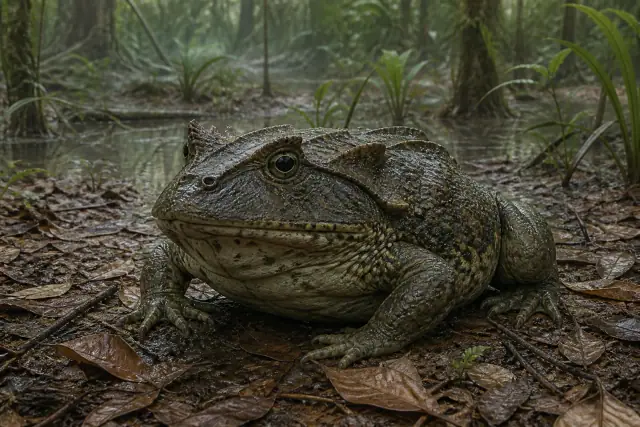
Beelzebufo ampinga
A broad skull and massive body made it one of the largest known frogs.
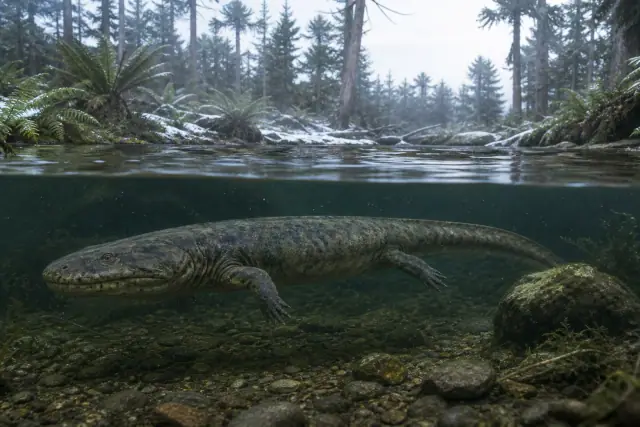
Koolasuchus cleelandi
A giant amphibian still occupied cold rivers where crocodyliforms were uncommon.
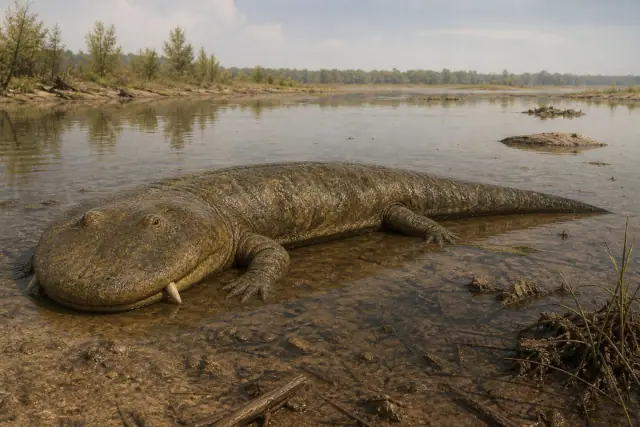
Mastodonsaurus giganteus
Two lower-jaw tusks passed through openings in the palate when the mouth closed.
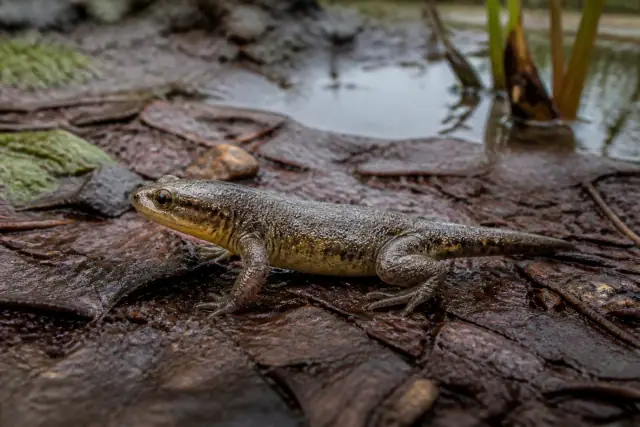
Triadobatrachus massinoti
It had a broad head and shortened trunk but lacked the full jumping machinery of modern frogs.
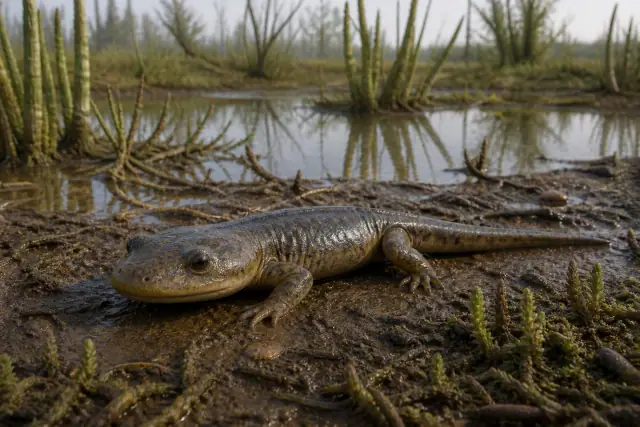
Gerobatrachus hottoni
A frog-like head and salamander-like tail combine traits near the origin of living amphibians.
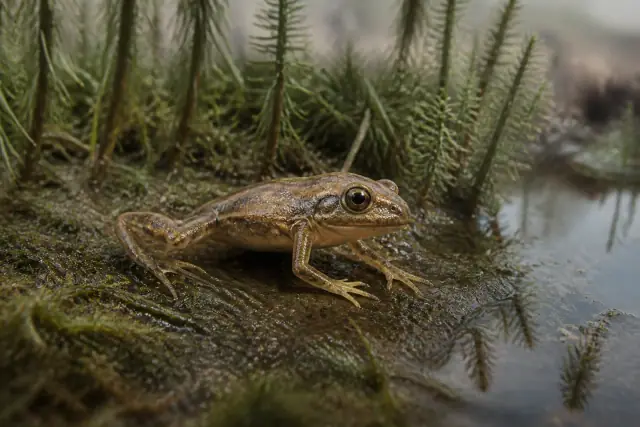
Vieraella herbstii
The adult tail was gone, but the trunk remained more primitive than in modern frogs.
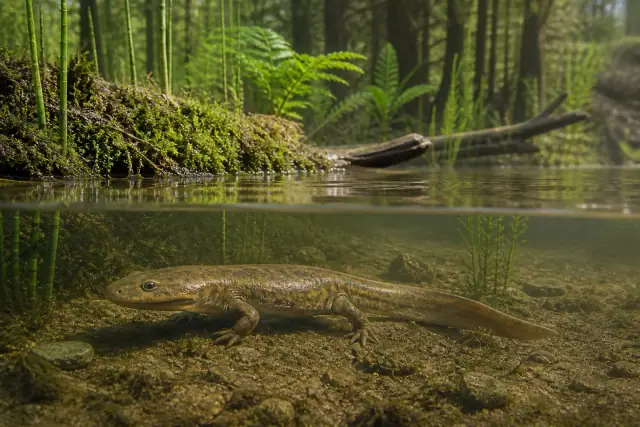
Karaurus sharovi
A broad head, short trunk and long tail show the salamander plan already well established.
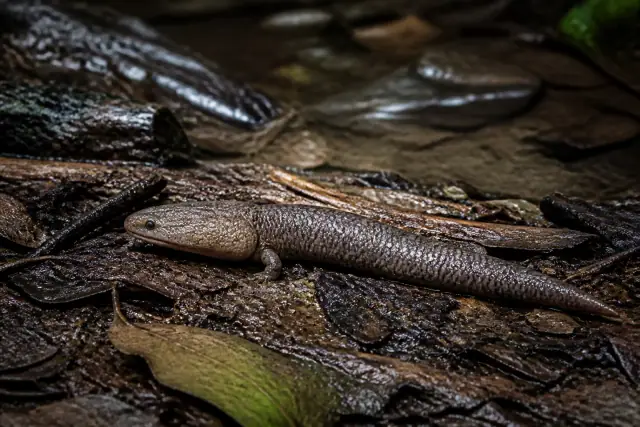
Albanerpeton inexpectatum
Its wedge-shaped skull belonged to an ancient amphibian lineage separate from frogs and salamanders.
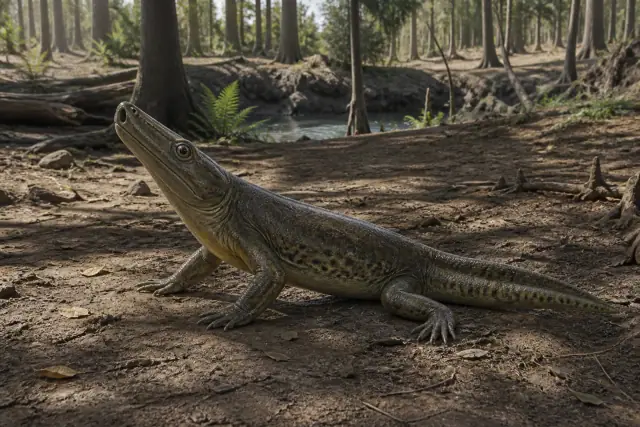
Fedexia striegeli
An elongated nostril region may reflect life in drier upland settings.
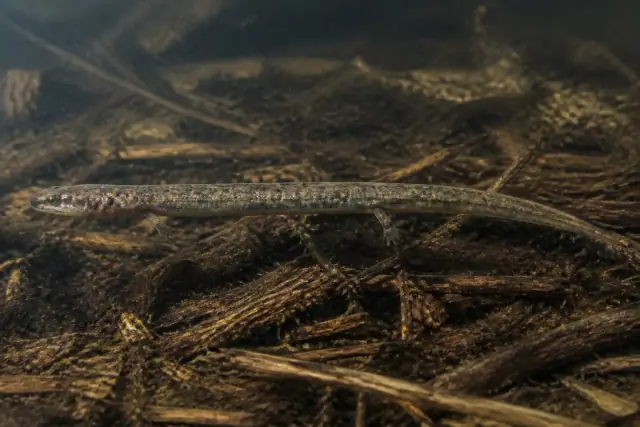
Microbrachis pelikani
More than forty trunk vertebrae formed a long body with extremely small limbs.
Explore the atlas by continent, country and state. Follow fossil localities into regional guides, compare animals across time and return to the evidence in each species profile.
FIELD GUIDES
Giants, strange body plans and lives within human memory. Follow a question into the atlas, then explore the animals behind it.