517Paleozoic
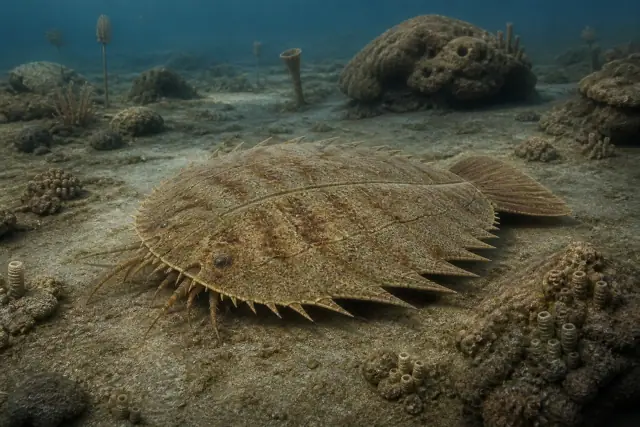
Helmetia
Helmetia expansa
A broad flat shield with marginal spines and a leaf-like tail formed an unusual outline.
LIFE ARCHIVE
Browse extinct life from traces nearly 1.9 billion years old to historically recorded extinctions.
Helmetia expansa
A broad flat shield with marginal spines and a leaf-like tail formed an unusual outline.
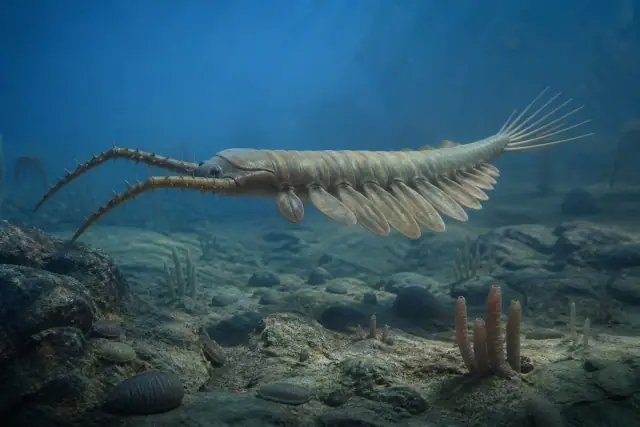
Kerygmachela kierkegaardi
Long frontal appendages, side flaps and tail spines record a stem-panarthropod body.
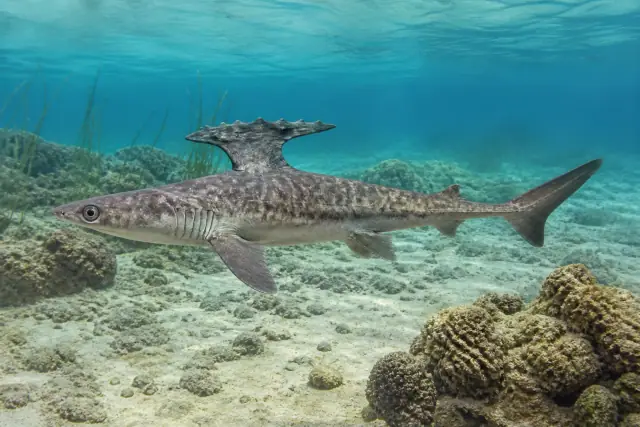
Akmonistion zangerli
Males carried a striking anvil-shaped brush-and-spine complex on the back.
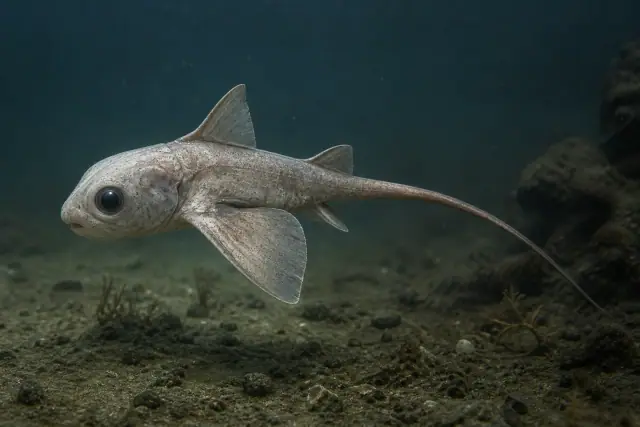
Echinochimaera meltoni
A short snout, large eyes and pectoral structures belonged to an early chimaera relative.
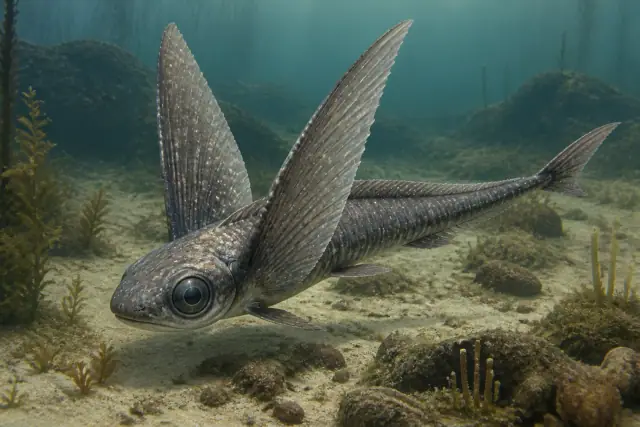
Iniopteryx rushlaui
Iniopteryx rushlaui was a small cartilaginous fish with broad pectoral fins attached high on its body; the fins suggest underwater strokes, not flight.
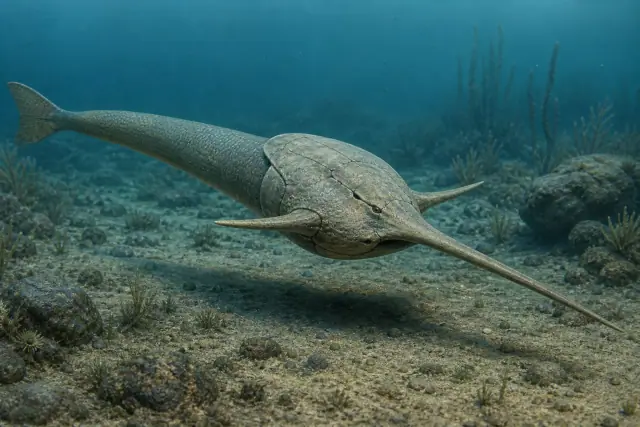
Doryaspis nathorsti
A spear-like rostrum and lateral horns projected from this jawless armored fish.
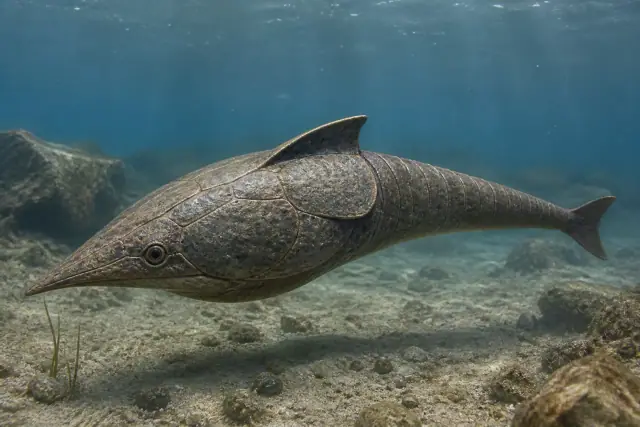
Boreaspis ceratops
A streamlined shield extended into a pointed snout and carried a stabilizing dorsal rise.
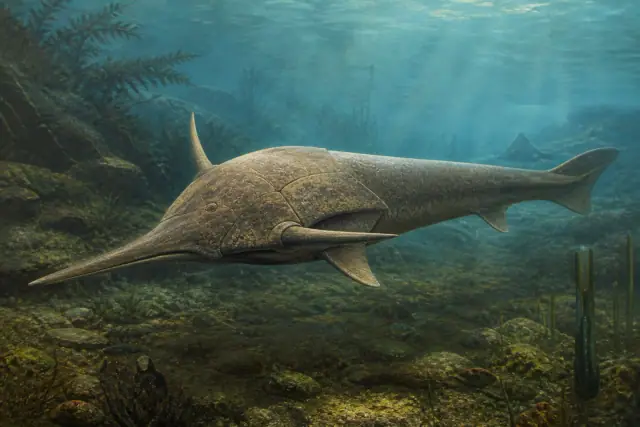
Pituriaspis doylei
A long rostrum, side horns and paired openings belonged to an endemic jawless armored lineage.
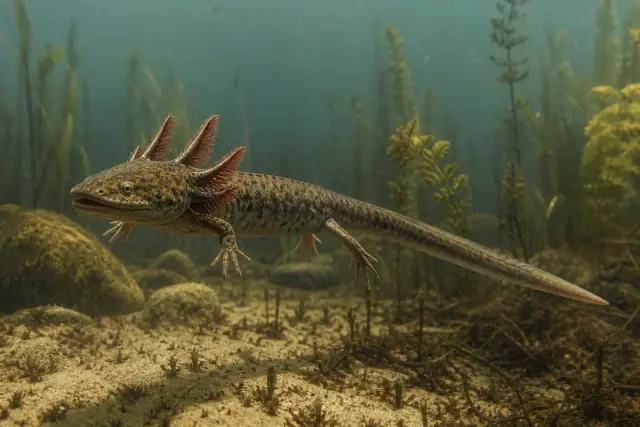
Melanerpeton pusillum
A tiny body and retained gill structures marked a branchiosaurid amphibian.
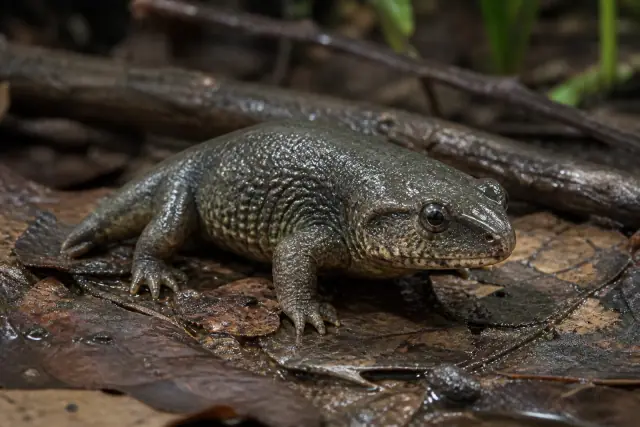
Doleserpeton annectens
A short trunk, mobile neck and ear region approach the body plan of modern amphibian ancestors.
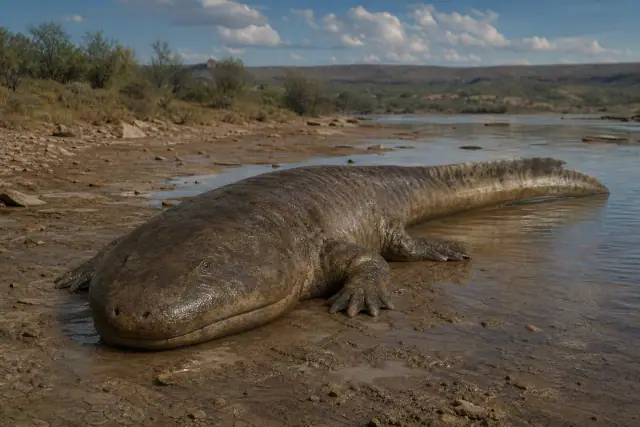
Uranocentrodon senekalensis
A broad flat head, strong trunk and compressed tail belonged to a large aquatic predator.
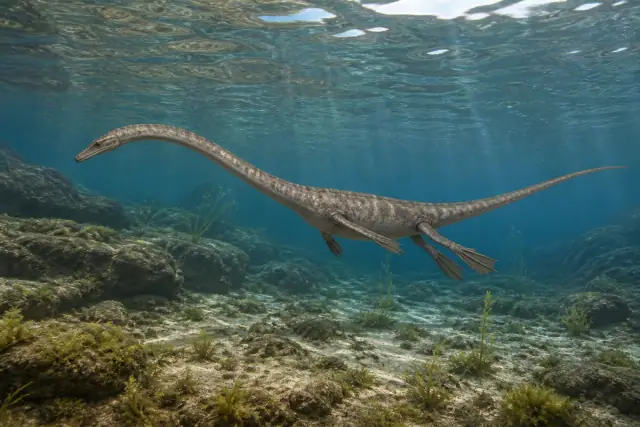
Claudiosaurus germaini
A long neck, tail and webbed feet show an early diapsid frequently entering water.
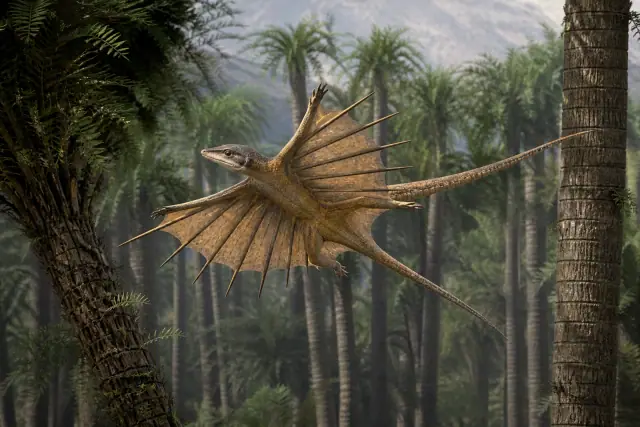
Coelurosauravus jaekeli
Long independent bony rods supported one of the earliest vertebrate gliding membranes.
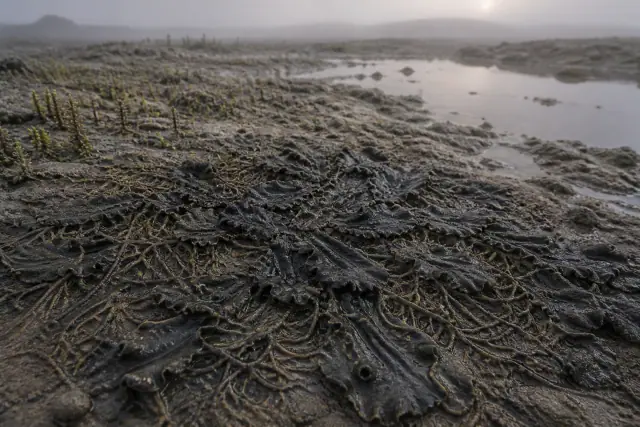
Nematothallus
Carbonized cell sheets and tangled tubes came from an enigmatic early terrestrial organism.
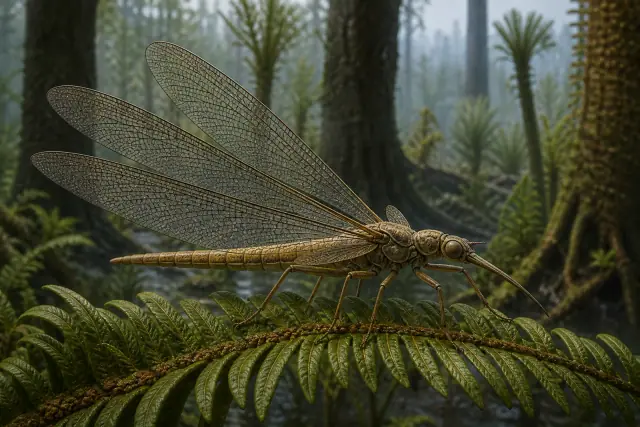
Palaeodictyoptera
Two pairs of net-veined wings could not fold, and some species carried thoracic winglets and piercing mouthparts.
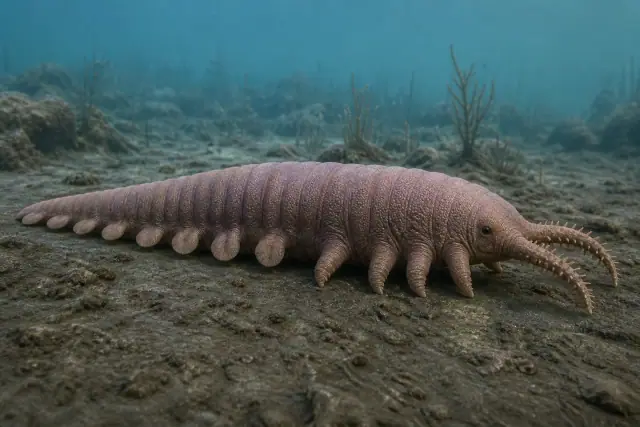
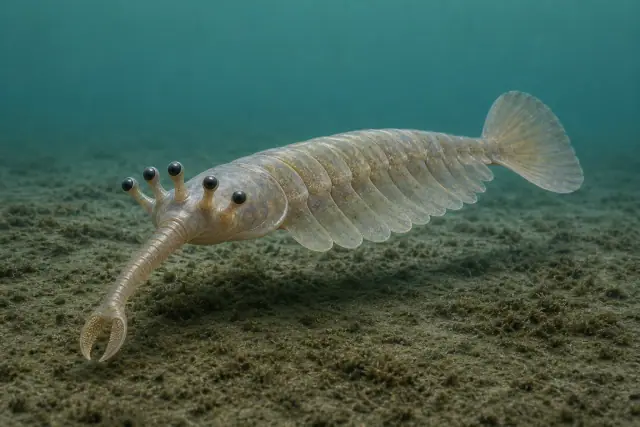
Pambdelurion whittingtoni
Large frontal appendages, rows of swimming flaps and an annulated soft body link lobopodians with true arthropods.
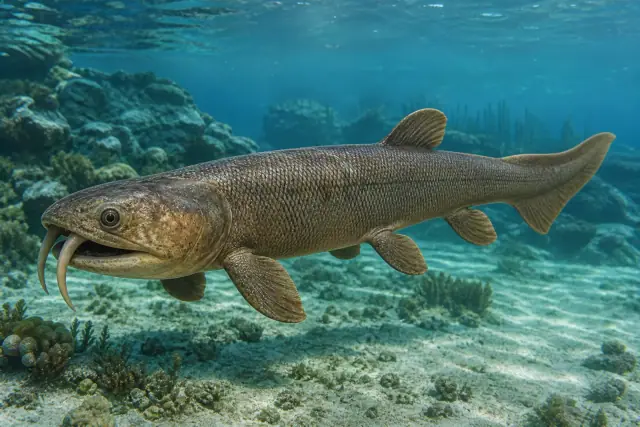
Onychodus jandemarrai
A pair of curved lower-jaw tusks and a kinetic skull helped this lobe-finned fish restrain prey.
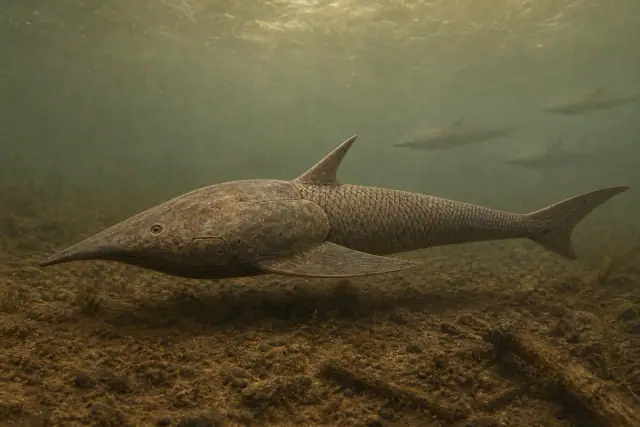
Pteraspis rostrata
A streamlined head shield extended into a rostrum, while a dorsal spine and lateral horns stabilized the jawless fish.
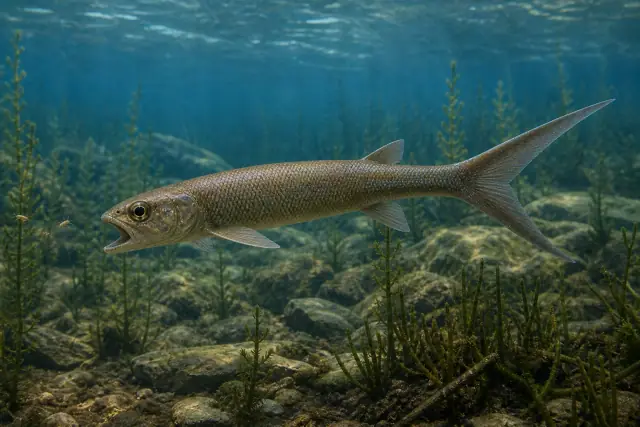
Cheirolepis trailli
Tiny rhomboid scales, a deeply forked tail and broad gape marked an early ray-finned fish radiation.
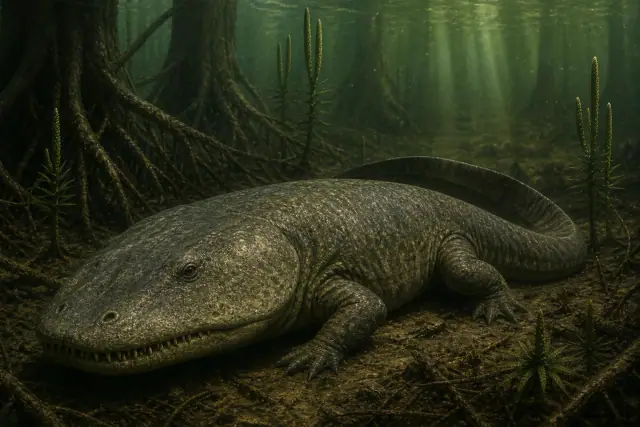
Capetus palustris
A broad flat skull and dense pointed teeth belonged to a large aquatic temnospondyl.
Explore the atlas by continent, country and state. Follow fossil localities into regional guides, compare animals across time and return to the evidence in each species profile.
FIELD GUIDES
Giants, strange body plans and lives within human memory. Follow a question into the atlas, then explore the animals behind it.