355Paleozoic
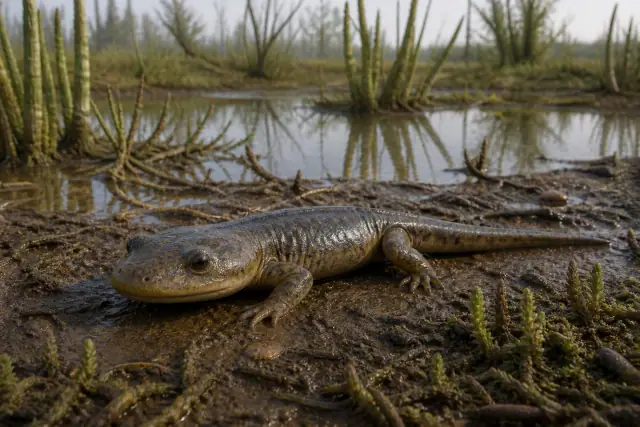
Gerobatrachus
Gerobatrachus hottoni
A frog-like head and salamander-like tail combine traits near the origin of living amphibians.
LIFE ARCHIVE
Browse extinct life from traces nearly 1.9 billion years old to historically recorded extinctions.
Gerobatrachus hottoni
A frog-like head and salamander-like tail combine traits near the origin of living amphibians.
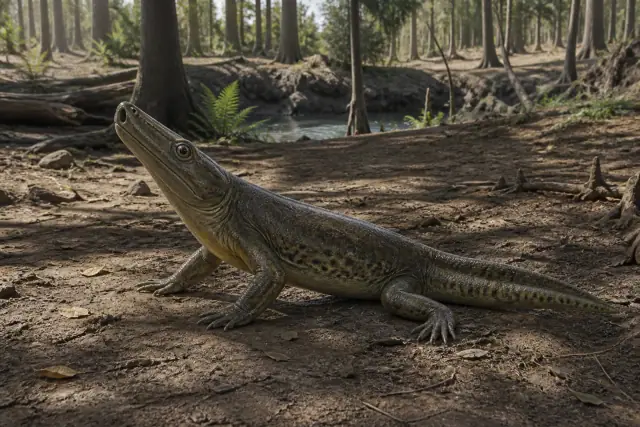
Fedexia striegeli
An elongated nostril region may reflect life in drier upland settings.
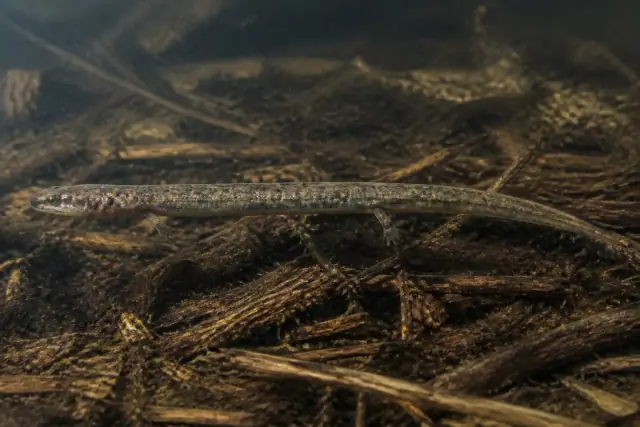
Microbrachis pelikani
More than forty trunk vertebrae formed a long body with extremely small limbs.
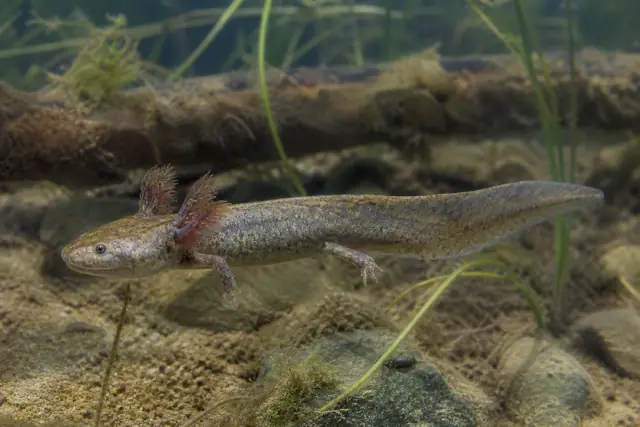
Branchiosaurus salamandroides
Adults retained external gills, extending a juvenile condition through life.
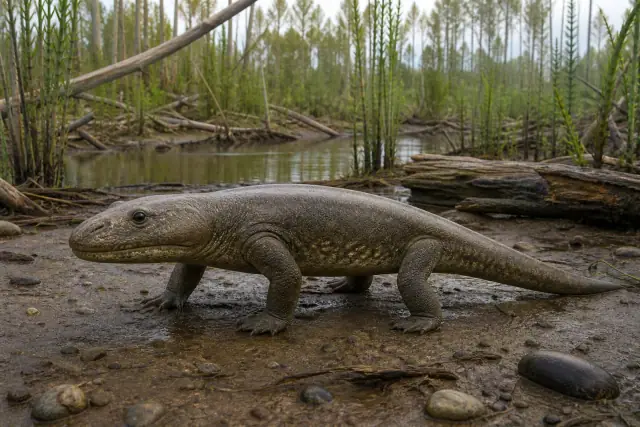
Pederpes finneyae
Forward-facing toes show an early tetrapod using a more effective terrestrial gait.
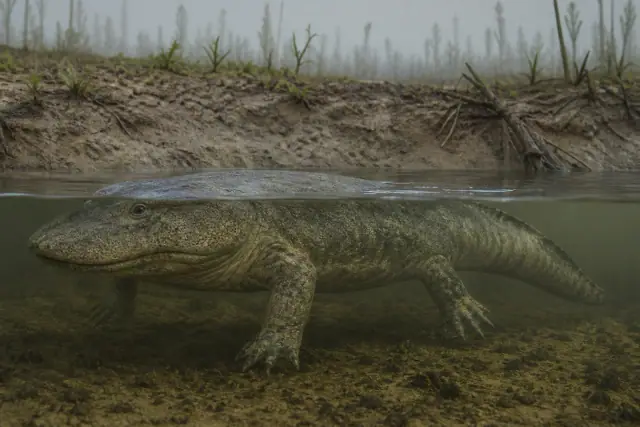
Whatcheeria deltae
A reinforced skull and fang-like teeth belonged to a powerful river predator.
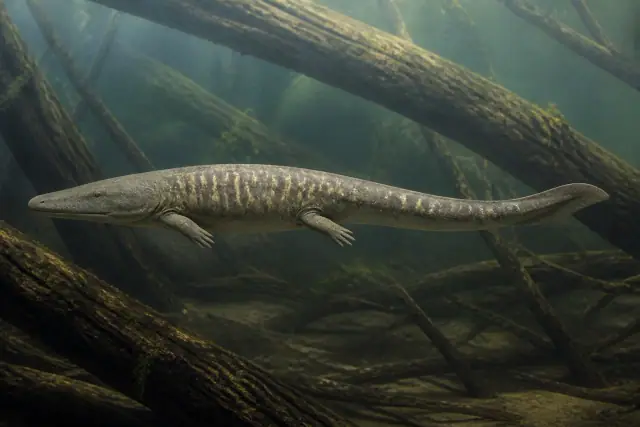
Greererpeton burkemorani
A long trunk and deep tail propelled it through murky water.
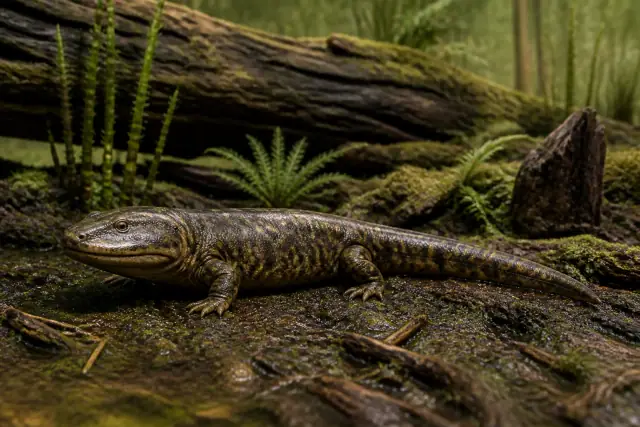
Balanerpeton woodi
The ear region and sturdy limbs suggest more terrestrial activity than in many contemporaries.
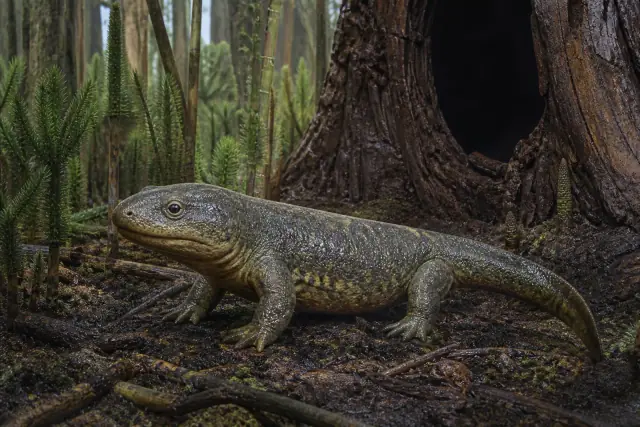
Dendrerpeton acadianum
Many individuals were entombed inside hollow tree stumps.
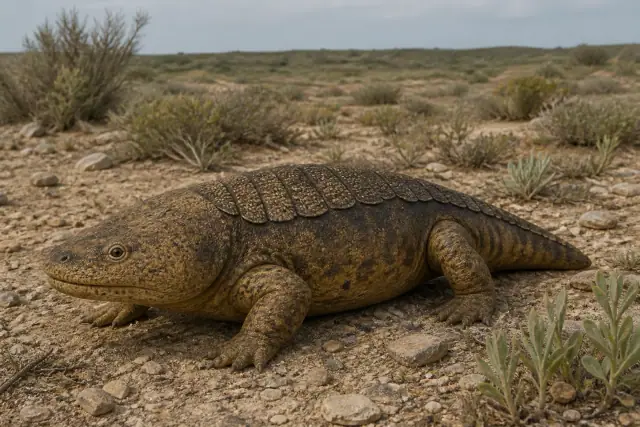
Cacops aspidephorus
A row of bony back plates reinforced this stocky terrestrial amphibian.
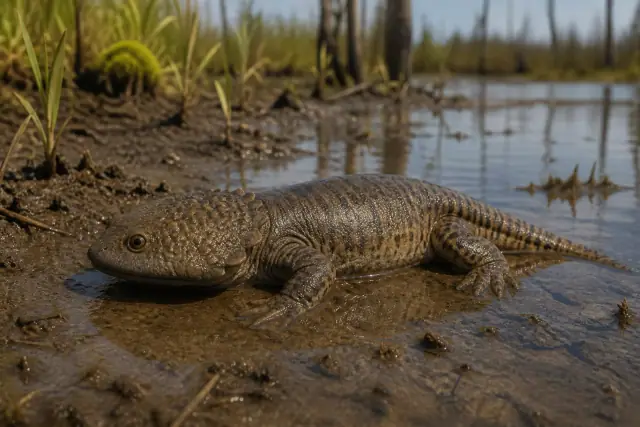
Zatrachys serratus
Its expanded skull margin bears bony projections; their function is unproven.
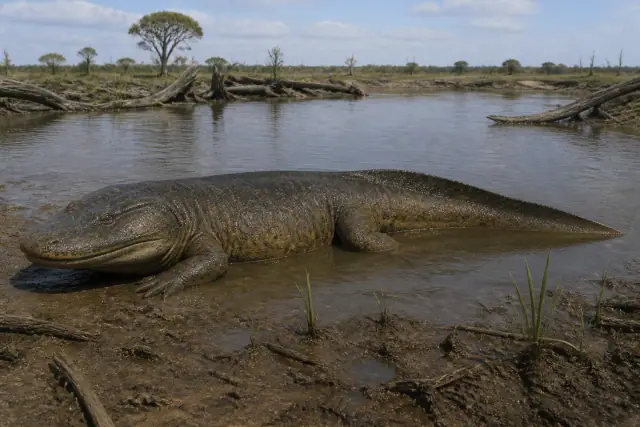
Rhinesuchus whaitsi
This broad-headed aquatic predator was common in southern Late Permian waters.
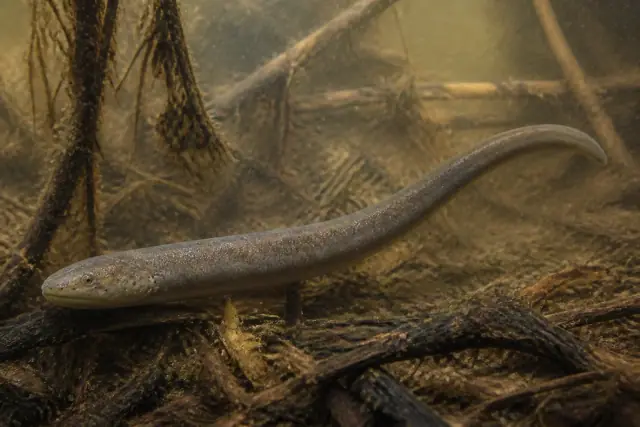
Adelospondylus watsoni
The limbs vanished entirely while the skull and spine retained tetrapod construction.
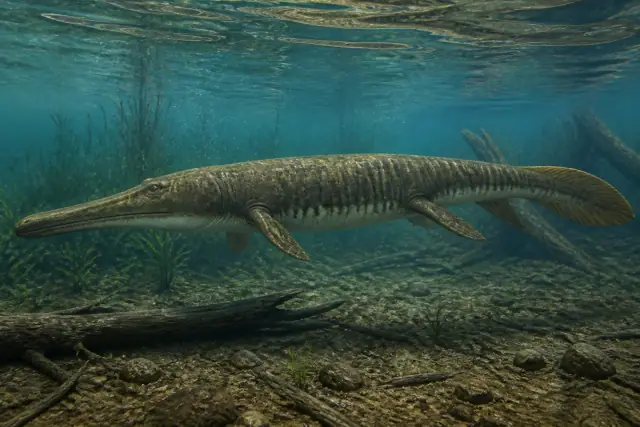
Archegosaurus decheni
A long snout, lateral-line grooves and weak limbs show permanent aquatic dependence.
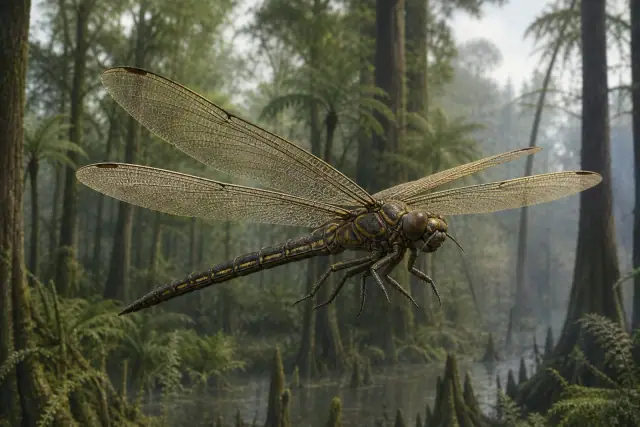
Erasipteron larischi
Broad net-veined wings carried an early aerial predator through oxygen-rich forests.
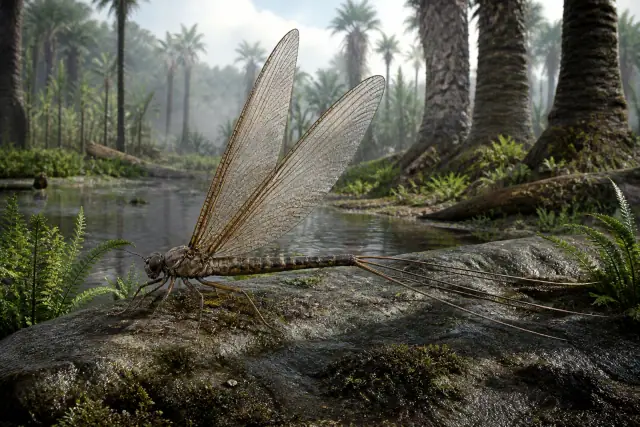
Bojophlebia prokopi
Huge triangular wings and long tail filaments belonged to a giant mayfly relative.
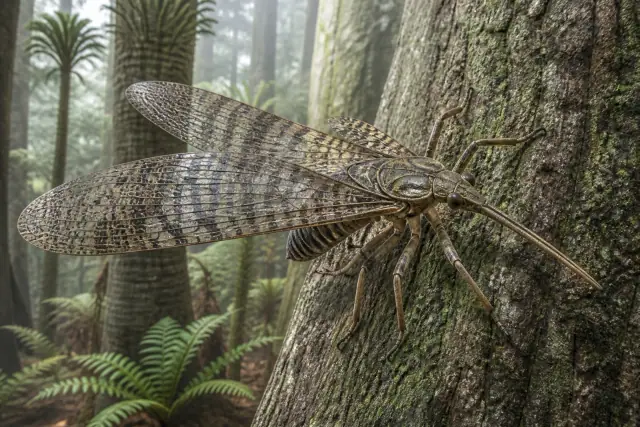
Homoioptera woodwardi
Thoracic winglets accompanied four large wings in an extinct flight architecture.
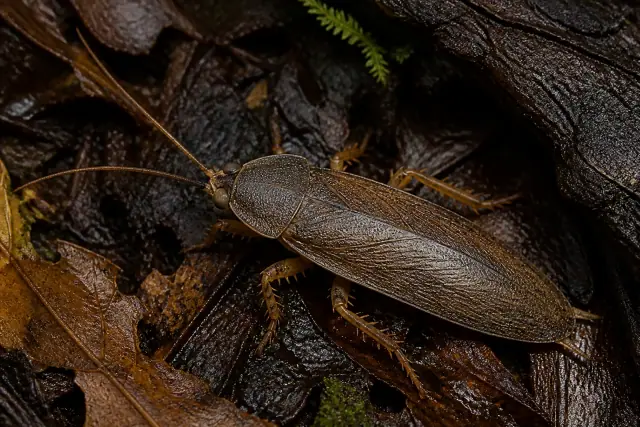
Archimylacris eggintoni
A shield-like pronotum and flat wings mark an early cockroach-mantis relative.
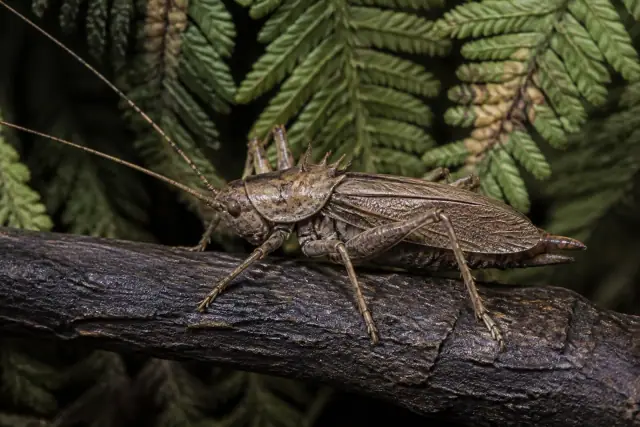
Gerarus danae
An enlarged prothorax carried a row of prominent spines.
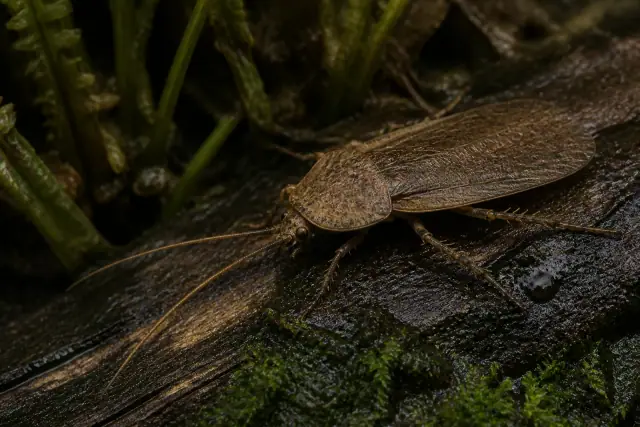
Qilianiblatta namurensis
Its wing venation pushes the cockroach-like pattern deep into the Carboniferous.
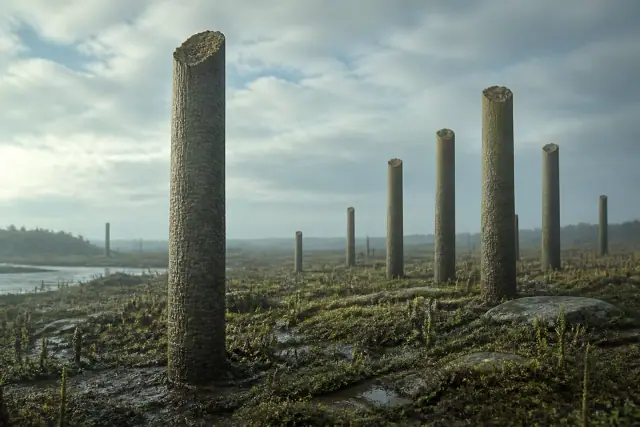
Prototaxites dawsonii
Meter-high columns towered over landscapes of otherwise low vegetation.
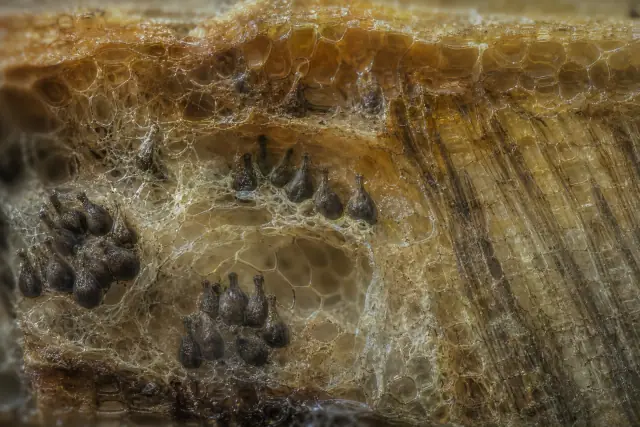
Paleopyrenomycites devonicus
Tiny flask-shaped fruiting bodies inside plant tissue are among the oldest ascomycete evidence.
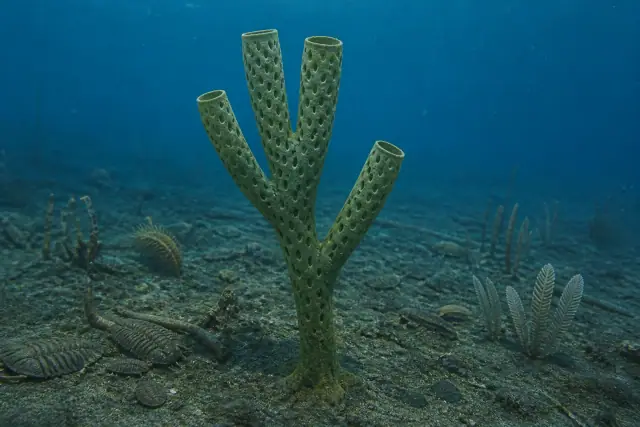
Margaretia dorus
A perforated tube once treated as an animal is now linked to a branching alga.
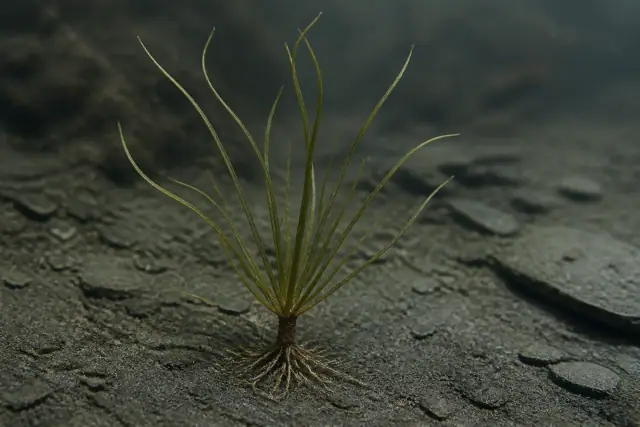
Yuknessia simplex
Simple narrow blades radiated from a common attachment.
Explore the atlas by continent, country and state. Follow fossil localities into regional guides, compare animals across time and return to the evidence in each species profile.
FIELD GUIDES
Giants, strange body plans and lives within human memory. Follow a question into the atlas, then explore the animals behind it.