324Mesozoic
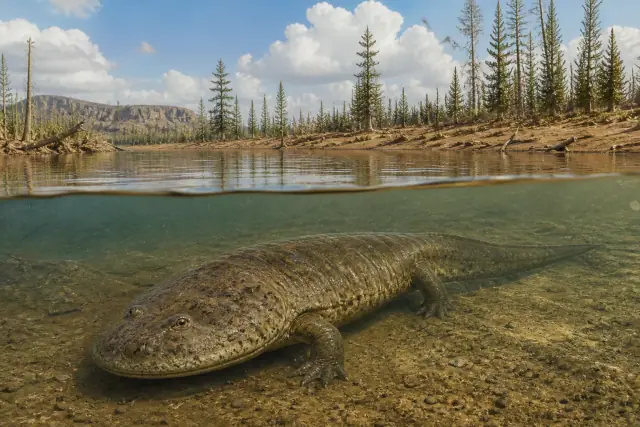
Metoposaurus
Metoposaurus diagnosticus
A broad flat head occupied nearly the full width of its front body.
LIFE ARCHIVE
Browse extinct life from traces nearly 1.9 billion years old to historically recorded extinctions.
Metoposaurus diagnosticus
A broad flat head occupied nearly the full width of its front body.
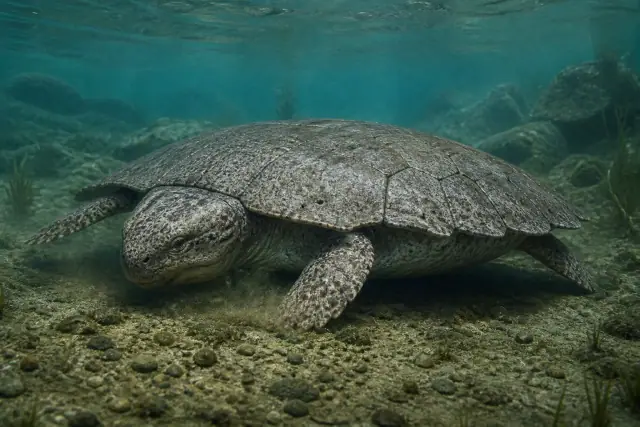
Henodus chelyops
A turtle-like shell protected a placodont with a broad filtering or scraping mouth.
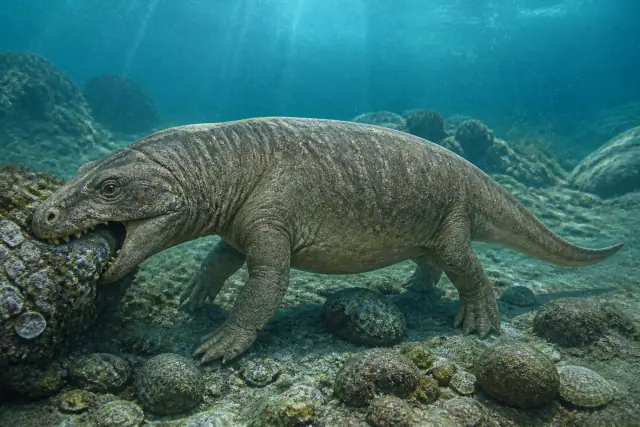
Placodus gigas
Chisel incisors and crushing palatal teeth formed a shell-opening toolkit.
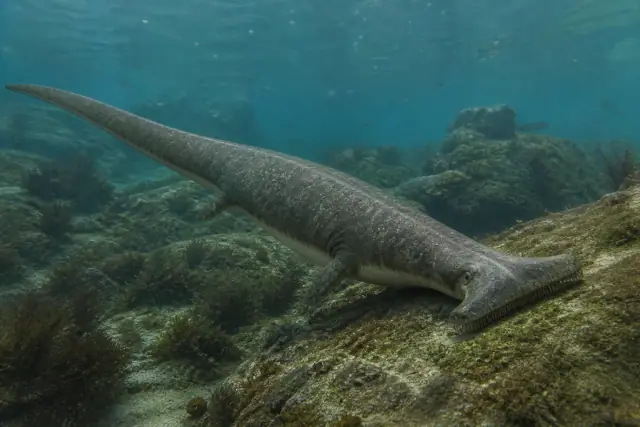
Atopodentatus unicus
A hammer-shaped snout scraped algae before needle teeth filtered the fragments.
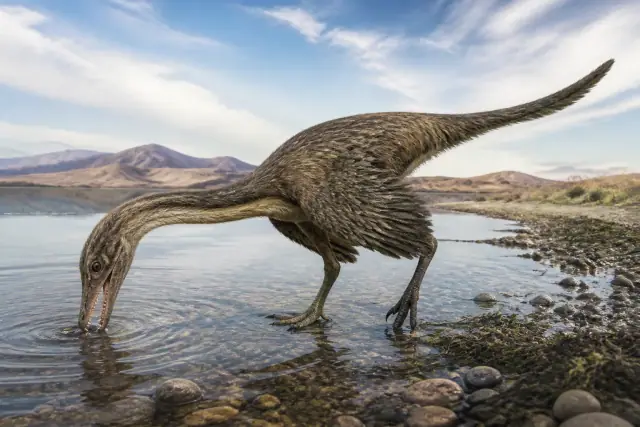
Halszkaraptor escuilliei
A long neck, dense teeth and paddle-like arms suggest a semiaquatic raptor.
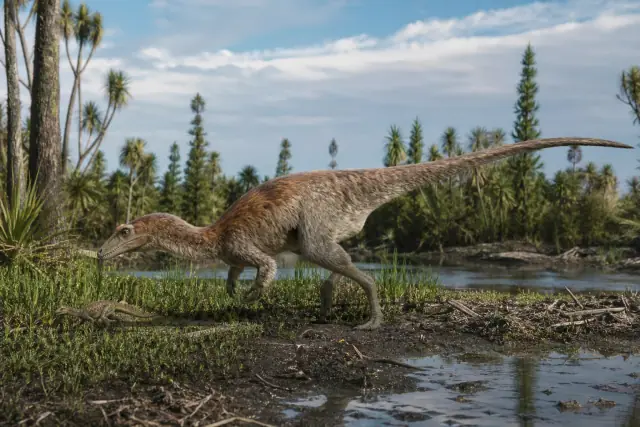
Masiakasaurus knopfleri
Forward-projecting front teeth may have hooked small slippery prey.
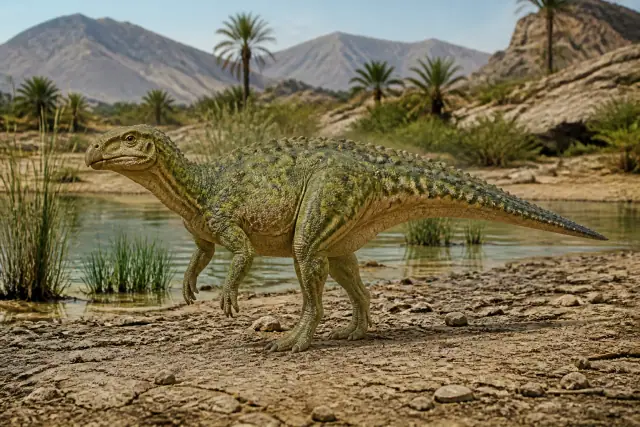
Jakapil kaniukura
A small plant eater combined low armor with an unusually deep jaw.
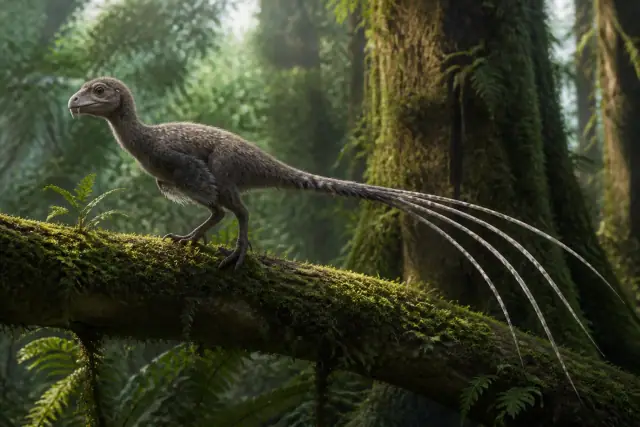
Epidexipteryx hui
Four long tail feathers displayed rather than powering flight.
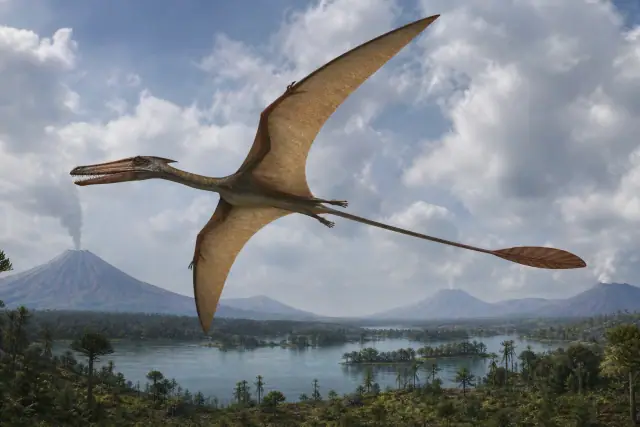
Darwinopterus modularis
A long tail and advanced skull combine features once separated between pterosaur groups.
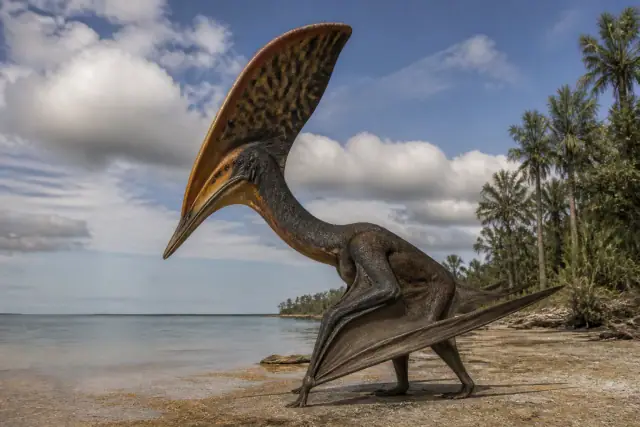
Tupandactylus imperator
Most of its enormous head crest was soft tissue used as a visual signal.
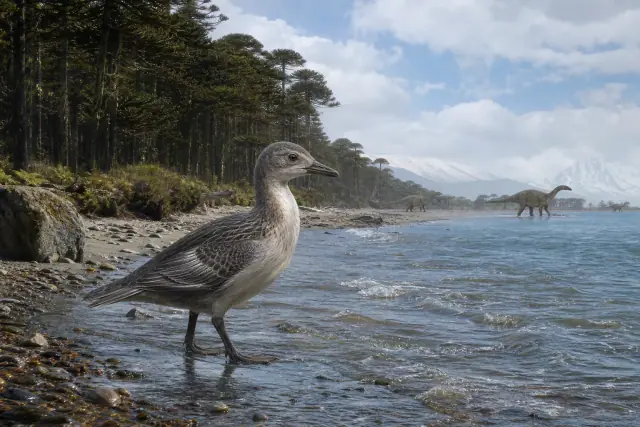
Vegavis iaai
A waterbird close to ducks lived before the non-avian dinosaurs vanished.
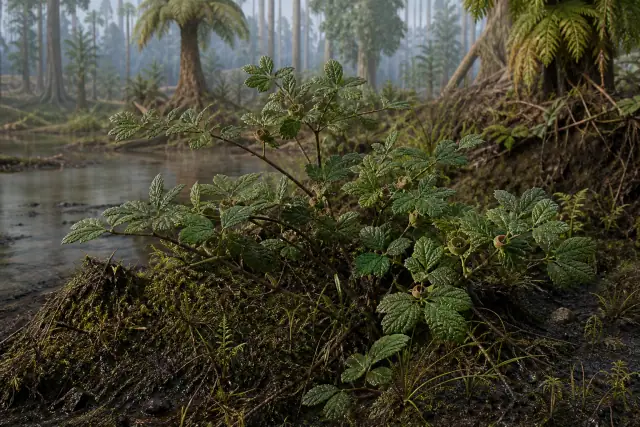
Sagenopteris rhoifolia
Four net-veined leaflets belonged to a seed fern rather than a true fern.
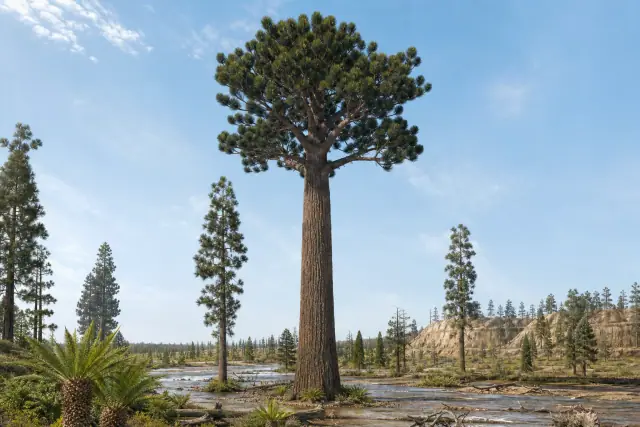
Araucarioxylon arizonicum
Silica replaced fallen trunks to create today's multicolored petrified forest.
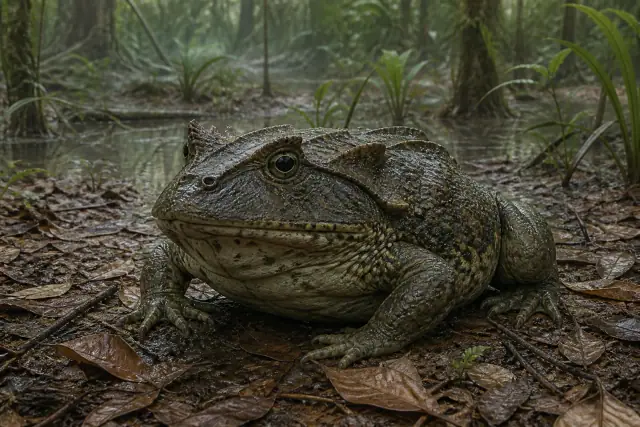
Beelzebufo ampinga
A broad skull and massive body made it one of the largest known frogs.
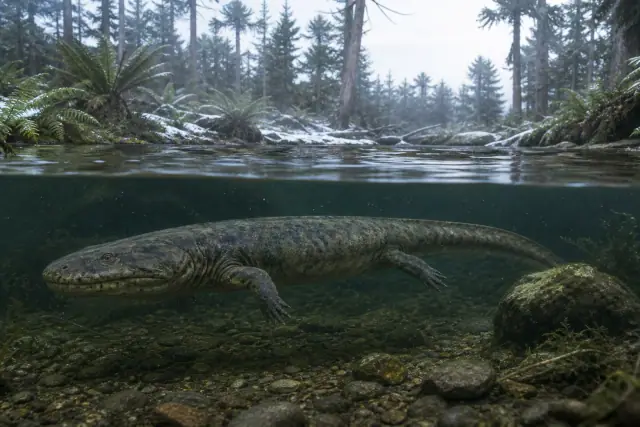
Koolasuchus cleelandi
A giant amphibian still occupied cold rivers where crocodyliforms were uncommon.
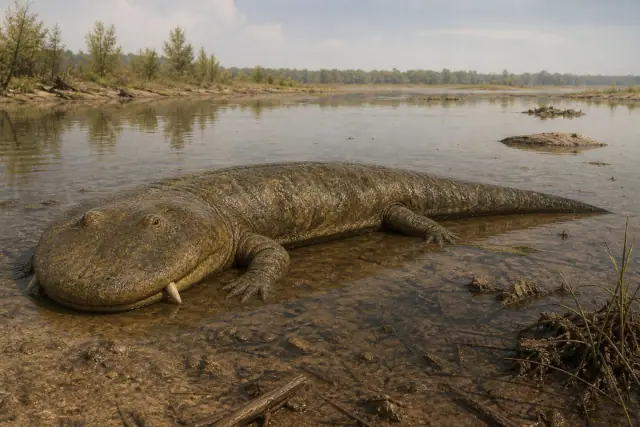
Mastodonsaurus giganteus
Two lower-jaw tusks passed through openings in the palate when the mouth closed.
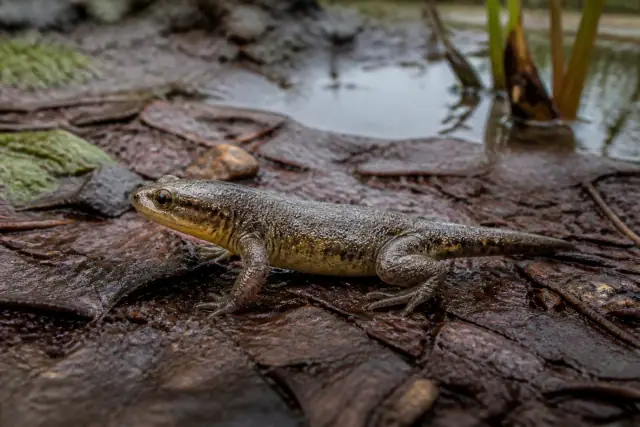
Triadobatrachus massinoti
It had a broad head and shortened trunk but lacked the full jumping machinery of modern frogs.
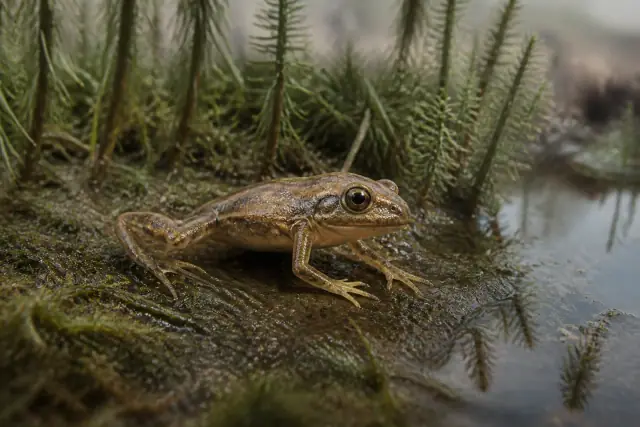
Vieraella herbstii
The adult tail was gone, but the trunk remained more primitive than in modern frogs.
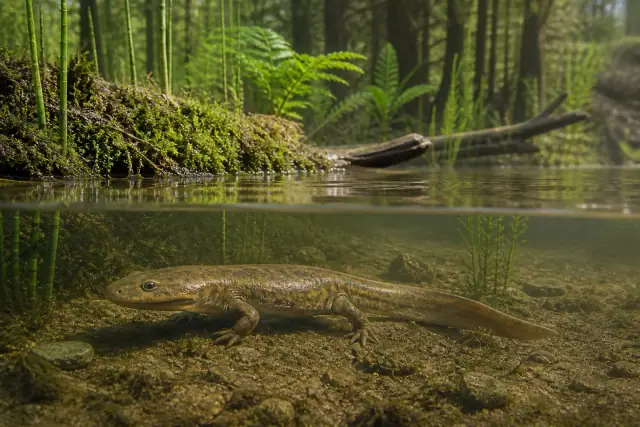
Karaurus sharovi
A broad head, short trunk and long tail show the salamander plan already well established.
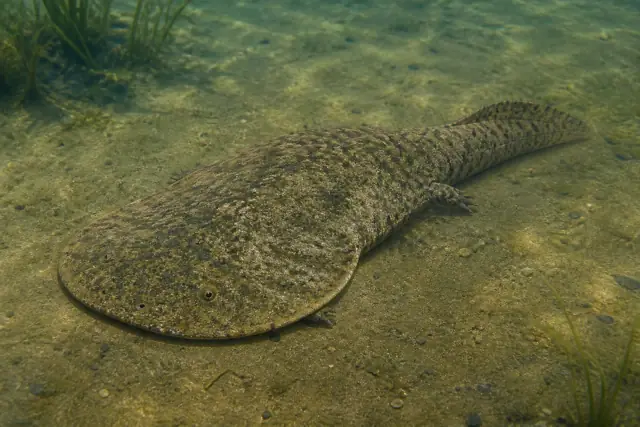
Plagiosuchus pustuliferus
Its semicircular skull was extraordinarily broad and flat.
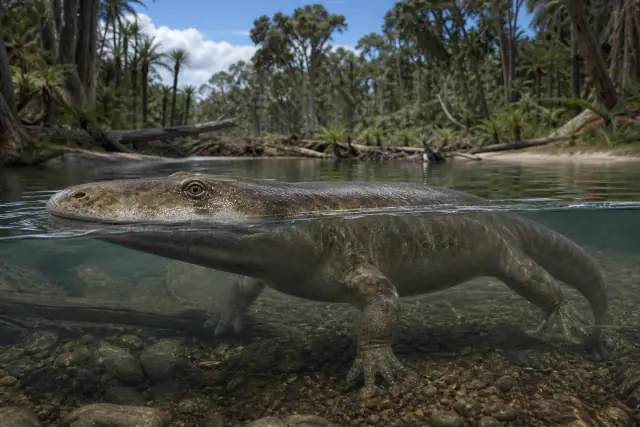
Siderops kehli
A giant temnospondyl still occupied river ambush niches in the dinosaur era.
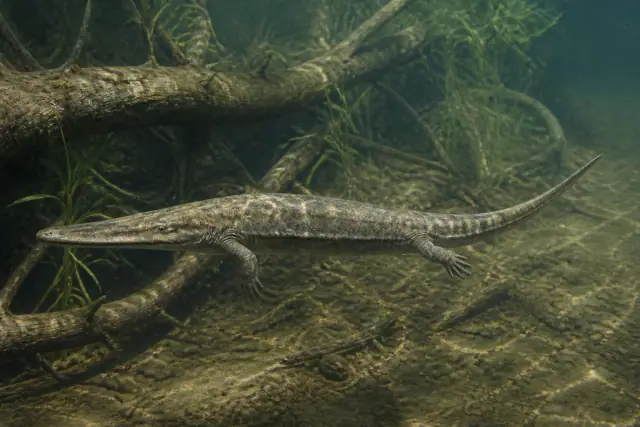
Trematolestes hagdorni
A narrow snout was built to snap at fish in water.
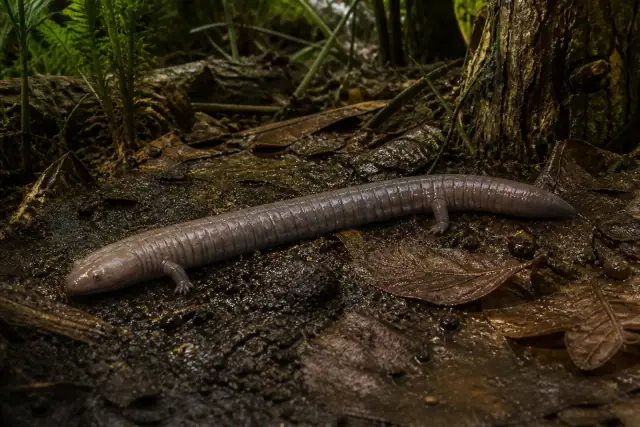
Eocaecilia micropodia
It had a caecilian-like body but still retained four tiny legs.
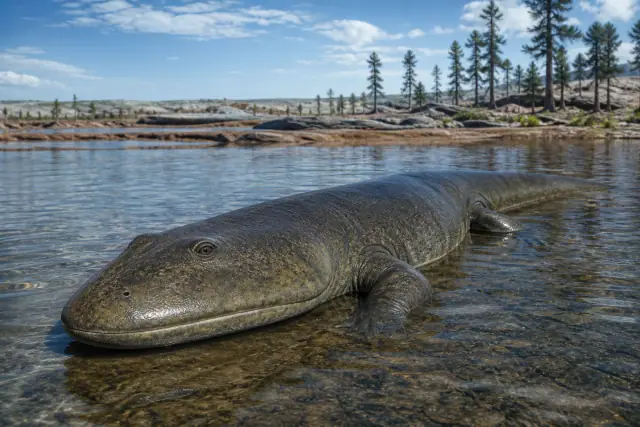
Eryosuchus garjainovi
A skull more than two meters long belonged to one of the largest freshwater amphibian predators.
Explore the atlas by continent, country and state. Follow fossil localities into regional guides, compare animals across time and return to the evidence in each species profile.
FIELD GUIDES
Giants, strange body plans and lives within human memory. Follow a question into the atlas, then explore the animals behind it.